
Sulfate-Free Shampoo for Oily Hair
Roots that become oily again within 24 hours, increasingly frequent washing: a scalp that produces excess sebum is often a stressed scalp. Our treatments rebalance it without sulfates or silicones, using organic floral hydrosols and prebiotics and probiotics that restore the microbiome.
The routine consists of three steps: the weekly scrub to purify, the shampoo to gently cleanse and space out washes, and the night serum to soothe the scalp.
- 97 to 99% natural ingredients
- Free of sulfates, silicones, and parabens
- Made in France
4 products
Routine for Oily Hair: Exfoliator, Shampoo, and Night Serum with Organic Hydrosols
€99.00Original price: €109 .00


The Routine
Purify, rebalance, and lighten without causing harm
-
Step 1: Purify
El Scrub€39.00Once a week, apply the scrub to your scalp to remove excess oil, stimulate circulation, and restore balance to the skin.
-
Step 2: Clean
El Champú€35.00In addition, the sulfate-free shampoo cleanses and soothes without drying out the hair, making it ideal for washing less frequently.
-
Step 3: Reinforce
Night Serum€35.00At night, the Night Serum helps strengthen the scalp, soothe irritation, and restore a healthy environment at the roots. The result: fresher, lighter hair and long-lasting balance at the roots.

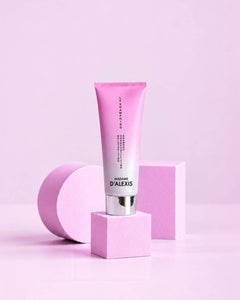
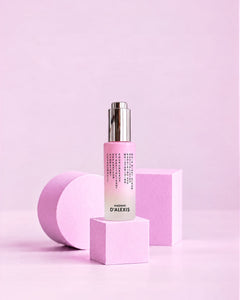
Cleanse, regulate, and space out washes
Roots that become oily again within twenty-four hours don’t necessarily produce too much sebum: most of the time, they’re reacting to what’s applied to them. A shampoo that’s too harsh strips away the protective film, the scalp quickly rebuilds it, and the cycle spirals out of control. We wash our hair more often, and it gets oily faster.
Breaking free from this cycle requires the opposite of what we think: cleansing more gently and deeply purifying the scalp as needed. Our formulas replace plain water with bioactive floral hydrosols—free of sulfates and silicones—and rebalance the scalp’s microbiome with prebiotics and probiotics.
Less rebound effectA gentle cleansing agent that doesn't cause the scalp to overproduce oil.
Lightened RootsA targeted exfoliation that removes impurities, pollution, and built-up sebum.
Long-lasting balanceProbiotics that help the scalp regain its balance.
Alexis's Routine for Oily Hair
Three steps in this order: exfoliate, cleanse without stripping the skin, and rebalance at night.

El Scrub: Exfoliating the Scalp
Exfoliating Shampoo · Sea Salt
★★★★★ 4.85/5 · 60 reviews
- Removes built-up sebum and impurities
- Use this instead of shampoo that day
- Once every 10 to 15 days

El Champú: Wash Without Stripping Natural Oils
Sulfate-free · 98% natural
★★★★★ 4.81/5 · 180 reviews
- Cleans without causing a rebound effect
- Organic Hydrosols and Prebiotics
- 2 to 3 times a week

Night Serum: Rebalancing the Scalp
Probiotics · No-rinse
★★★★★ 4.8/5 · 76 reviews
- It acts on the scalp and its microbiome
- Organic Hydrosols and Botanical Extracts
- At night, on the scalp

The Complete Routine: All Three Steps Combined
Scrub + Shampoo + Night Serum
Save €10 on the ritual
- The complete protocol, in the correct order
- To last a full cycle
- The recommended format for an initial test
Why Does Hair Get Oily Again So Fast?
Sebum production is almost never the real problem. The real problem is what causes it to become unregulated.
The Pickling Circle
A sulfate-based shampoo effectively removes sebum, but it also strips away the hydrolipidic film that protects the scalp. Deprived of this barrier, the scalp reacts by producing more sebum to compensate—and does so more quickly than before. Twenty-four hours later, the roots are oily again, so we wash our hair once more, and this overproduction becomes a reflex. This is what we call the rebound effect, and it explains most cases of what are known as “oily” scalps.
An unbalanced microbiome
The scalp is home to a microflora, just like the skin on your face. When this microflora is out of balance (due to washing too frequently, harsh products, or a buildup of residue), certain yeasts thrive by feeding on sebum, which causes discomfort and, at times, itching. Restoring the balance of this microflora is more effective and, above all, provides longer-lasting results than trying to dry out the scalp.
Root Saturation
Over time, oxidized sebum, pollution particles, silicones, and styling product residue build up into a buildup that daily shampooing cannot completely remove. This buildup suffocates the scalp, weighs down the roots, and makes subsequent treatments less effective. That’s where an occasional exfoliation comes in: not to clean more thoroughly, but to start with a clean slate.
What shampoo should I use for oily hair?
The natural instinct is to look for the most effective shampoo possible. That's exactly where you go wrong: the more it strips your hair, the longer the problem will persist.
The key factor, therefore, is the cleansing agent. A sulfate-free shampoo cleans well enough to remove the day’s sebum, but not to the point of triggering compensatory overproduction. The change isn’t immediate: it takes two to three weeks for your scalp to realize it no longer needs to defend itself. Once you’ve passed this threshold, you can gradually space out your washes.
The second criterion is the presence of prebiotics. They are what sustain the scalp’s flora rather than depleting it, and they are what make the difference between a shampoo that merely cleanses and a treatment that addresses the root cause. Our formulas combine them with a base of organic floral hydrosols (Damask rose, chamomile, orange blossom), with no added water, instead of the water-based formula found in a traditional shampoo.
For details on the ingredients you should look for and those you should avoid, check out our guide on which shampoo to use for oily hair; to understand the root of the problem, read our article on the causes of oily hair.
Why a Sulfate-Free Shampoo Makes All the Difference for Oily Hair
This is where almost everyone gets it wrong, because intuition tells us exactly the opposite. A sulfate-free shampoo for oily hair is gentler, and that’s exactly what’s needed. By stripping away the hydrolipidic film, sulfates signal to the scalp that it needs to urgently rebuild its protective barrier. As a result, the scalp produces more sebum, faster, and we end up washing our hair every day.
When you switch to a mild cleansing product, this sign disappears. The scalp stops overcompensating, oil production drops to its normal level, and the roots last longer. The downside is that you have to go through a transition phase, during which your hair seems to get just as oily as before: this is how long it takes for the scalp to realize it’s no longer under attack.
How often should you wash oily hair?
Up to three times a week, but no more. That’s the most surprising figure, because an oily scalp makes you want to wash it every day, but each wash restarts the cycle we’re trying to break.
The transition is gradual: if you wash your hair every day, try washing every other day for two weeks, and then space out your washes even more. Expect two to three weeks of real discomfort before your hair adjusts—this is the normal timeline, and there are no shortcuts. A ponytail or bun can help you get through these few days. Using a scrub every ten to fifteen days also makes this transition easier: it keeps your roots clean longer without irritating your scalp.
What product should I use for oily hair?
Three treatments, three levels of action: accumulated buildup, daily cleansing, and deep balance.
The Scrub: A Fresh Start for Your Roots
It’s an exfoliating shampoo, not just an exfoliant: it cleanses and exfoliates in a single step, and replaces your regular shampoo on the days you use it. Fleur de sel mechanically removes oxidized sebum, dead skin cells, and styling product residue that regular washing leaves behind. Its base of organic floral hydrosols avoids the common pitfall of hair scrubs: stripping the scalp so harshly that it reacts even more strongly. Once every ten to fifteen days is sufficient. See El Scrub.
Shampoo: The Action That Breaks the Cycle
This is the most important treatment on this page because it’s the most commonly used. Free of sulfates and silicones, it cleanses the roots without stripping away the protective layer, and its prebiotics support the scalp’s natural flora rather than depleting it. Plant-based keratin and cationic hyaluronic acid nourish the lengths of the hair, which tend to be dry on an oily scalp—the so-called “combination hair.” This is the product you should switch to first if you’re only going to change one. See The Shampoo.
The Night Serum: The Work Behind the Scenes
This product does not act on the sebum produced during the day, but rather on what regulates it. Applied at night directly to the scalp, it combines fermented probiotics, organic hydrosols, and extracts of nettle, licorice, and oak bark to support the balance of the microbiome and strengthen the hair follicles. Its effectiveness is not measured after a single wash, but rather after several weeks of regular use. See The Night Serum.
Hair exfoliation or exfoliating shampoo: Which one should you choose?
This distinction comes up often, and it’s less clear-cut than it seems. A scalp scrub is a one-time, powerful treatment: it’s applied before shampooing, exfoliates mechanically, and is rinsed off before the actual shampooing. An exfoliating shampoo, on the other hand, combines both functions: it cleanses while exfoliating, and therefore replaces your regular daily shampoo.
The first is more intensive, but it adds a step to your routine. The second is gentler, more consistent, and fits right in without changing any of your habits. For an oily scalp, the second option generally yields the best long-term results, precisely because it can be maintained for several months.
Alexis's Madame Scrub falls into this second category, with one key difference: its base of organic hydrosols gives it a therapeutic dimension that classic exfoliating formulas lack. It exfoliates without compromising the skin barrier or disrupting the microbiome, which—on a scalp that is already overproducing—prevents the situation from worsening under the mistaken belief that it is being treated.
| Your situation | Priority Treatment | Frequency | What's Changing |
|---|---|---|---|
| Greasy roots within 24 hours, daily washing | Sulfate-Free Shampoo | 2 to 3 times a week | The rebound effect wears off, and washes become less frequent |
| Oily scalp, flat roots | El Scrub, as a substitute for shampoo | Every 10 to 15 days | Exposed roots, more effective follow-up treatments |
| Discomfort, itching, loss of balance | Night Serum | At night, 3 to 5 times a week during the build-up phase, then 1 to 2 times a week for maintenance | Rebalanced Microbiome, Restored Comfort |
| Oily roots and dry ends | The Complete Routine | Continuo | Two problems addressed without one exacerbating the other |
Not sure which option is right for you? Our free hair diagnosis will tell you which treatments are best for you—in what order and how often—in just two minutes. If your oily scalp is itchy or tight, check out our treatments for irritated scalps, too.
Mistakes that cause it to get greasy again more quickly
Wash your hair every day
Each wash removes a layer that the scalp quickly replaces. Going two weeks without washing is uncomfortable, and then the cycle breaks.
Each wash removes a layer that the scalp quickly replaces. Going two weeks without washing is uncomfortable, and then the cycle breaks.
Rinse with very hot water
Heat stimulates the sebaceous glands. A warm rinse, followed by cool water, significantly limits regrowth.
Heat stimulates the sebaceous glands. A warm rinse, followed by cool water, significantly limits regrowth.
Rubbing your scalp with your fingernails
The massage should be done with your fingertips. Scratching causes irritation, and an irritated scalp leads to more of it.
The massage should be done with your fingertips. Scratching causes irritation, and an irritated scalp leads to more of it.
A fourth mistake often goes unnoticed: skipping all treatments on the lengths out of fear of making them greasy. An oily scalp is often accompanied by dry lengths, and depriving them of treatment doesn’t solve the root of the problem—it simply damages the ends. A hair mask isn’t part of the routine for oily hair, but if your lengths feel dry, apply it only to the bottom ten centimeters.
Madame d'Alexis's tip: On the day you use the Scrub, apply it twice. The first application removes surface buildup, while the second really works on the scalp. It is this two-step process that replaces shampoo, and that is where the treatment's effectiveness lies.
The Key Elements of a Regular Routine
The day of your first ScrubSensación: a clean, fresh feeling on your scalp when you step out of the shower.
The first two to three weeks: Adjustment phase—space out your washes, even if the roots seem to get just as oily as before.
After a month, assess your shampooing routine and space out your washes if your roots allow it.
After usingthe scrub every 10 to 15 days, use the night serum as part of your maintenance routine 1 to 2 nights a week.
Frequently Asked Questions About Oily Hair
Which shampoo should I choose for oily hair?
A sulfate-free shampoo—contrary to what you might expect. Highly detergent-based formulas strip away the scalp’s protective barrier, which compensates by producing more—this is the rebound effect, and it’s the main reason why roots get oily again within a day. Also look for prebiotics, which support the scalp’s natural flora rather than depleting it. Allow two to three weeks for your scalp to adjust before judging the results.
Does a scrub really replace shampoo?
Yes, on the day you use it. It’s an exfoliating shampoo: it cleanses and exfoliates in one step. Apply it twice (the first application removes surface buildup, and the second works on the scalp), then rinse thoroughly. There’s no need to follow up with a regular shampoo, because that would be like stripping your hair twice.
What should you do when your roots are oily and the rest of your hair is dry?
This is the most common scenario, and it requires treating the two areas separately. The shampoo targets the scalp, allowing the lather to cleanse the lengths without rubbing them. The Night Serum works to restore balance at the roots. For the lengths—which have different needs—all the details are provided on our page about treatments for dry hair: apply a nourishing treatment only to the bottom ten centimeters, never higher.
Can exfoliating the scalp make oily hair worse?
Exfoliation that is too abrasive or too frequent does indeed irritate the skin barrier, and an irritated scalp produces more sebum. Frequency is therefore the key: every ten to fifteen days, no more—even when the feeling of cleanliness makes you want to start over. A formula that respects the microbiome—such as one based on organic hydrosols—significantly reduces this risk.
How long does it take to see real change?
You'll feel the difference right from the first scrub. Adjusting to it, however, takes consistency: allow for a two- to three-week adjustment period, and then evaluate the results after several weeks of regular use. Washing more frequently won't speed up the process.