Care for color-treated and highlighted hair
Color that fades in three weeks, pulling ends, porous fibers: color-treated hair needs softness and lipids. Our formulas are sulfate- and silicone-free, made with bioactive organic floral hydrosols to preserve color instead of eroding it wash after wash.
The routine takes three steps: The Shampoo to cleanse without color bleed, The Mask to seal the cuticle and revive shine, The Day Serum to protect against heat and UV rays.
- 97 to 99% natural ingredients
- Sulfate-, silicone- and paraben-free
- Made in France
3 products


The daily grind
Preserve shine, repair and protect the fiber
-
Étape 1 : Clean
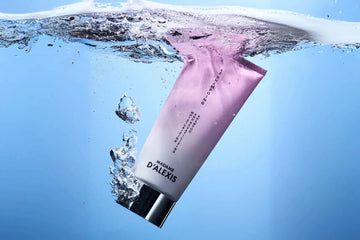
Le Shampoing35,00€Wash your hair with the Shampoo, sulfate-free, to preserve the pigments and prevent oxidation.
-
Étape 2 : Treat
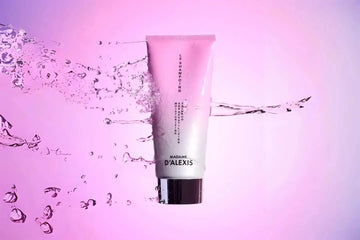
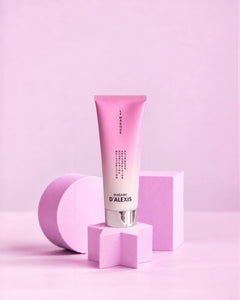
Le Masque49,00€Then apply the Mask once or twice a week: it deeply hydrates, repairs sensitized hair fibers, and helps color last longer.
-
Étape 3 : Protect
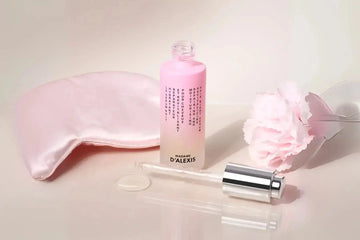
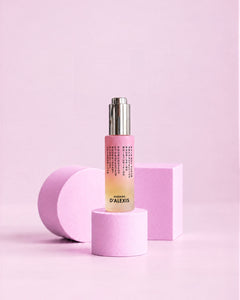
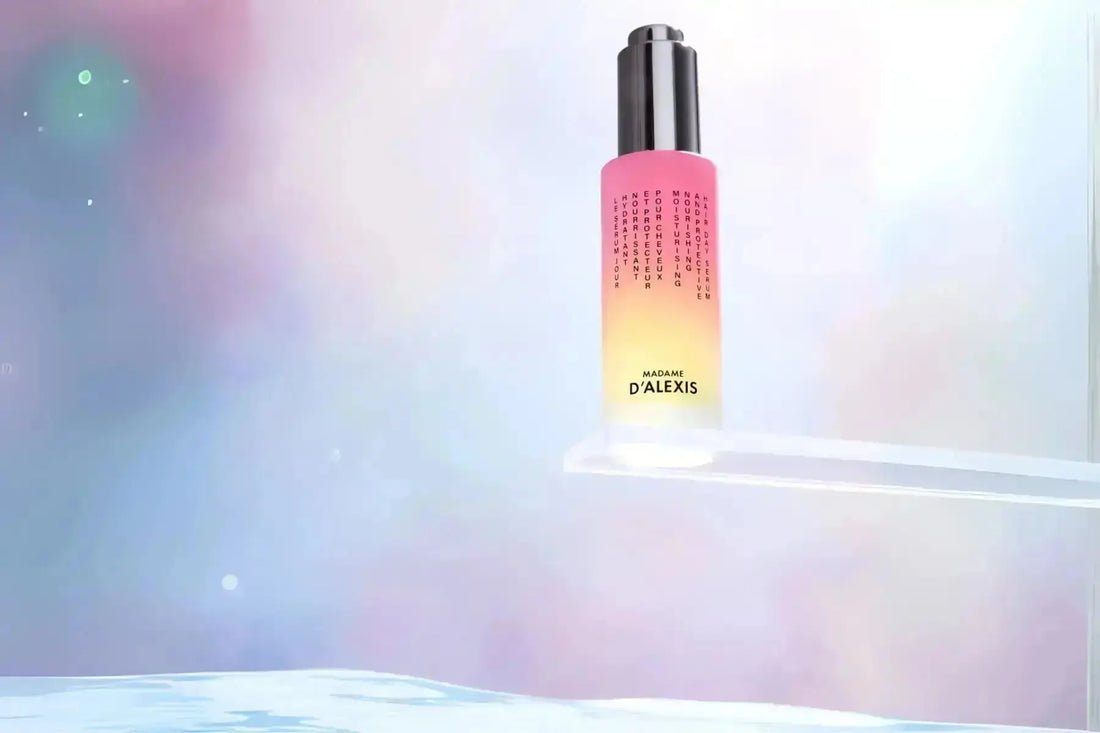
Le Sérum Jour35,00€Finish with the Day Serum, rich in antioxidants and protective filter, to smooth the ends, lock in moisture and protect against UV rays and heat. Result: vibrant color, repaired hair and long-lasting shine.
Protect the color, repair the fiber, maintain the shine
Coloring opens the cuticle to deposit the pigment. Once closed, it is never completely closed again: the fiber becomes more porous, allowing water and color to escape at the same time. This is why color-treated hair dulls and dries out faster than natural hair, regardless of the quality of the color.
Our formulas replace inert water with active organic floral hydrosols, without sulfates or silicones, to wash without causing color to bleed and to close the cuticle instead of leaving it open.
Preserved colorA gentle cleansing agent that does not attack the pigment with every shampoo.
Repaired fiberPlant-based ceramides to rebuild what oxidation has weakened.
Protected shineA UV and heat-protective veil on the most exposed lengths.
The Madame d'Alexis routine for color-treated and highlighted hair
Three treatments, three moments: wash without causing color to bleed, repair the sensitized fiber, protect the color between two colorings.

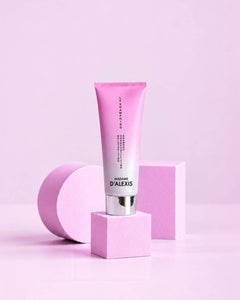
The Shampoo — wash without causing color to bleed
Sulfate-free · 98% natural
★★★★★ 4.9/5 · 159 reviews
- Preserves the pigment with every wash
- Plant-based keratin and hyaluronic acid
- Closes the cuticle opened by the color

The Mask — repair highlights and bleached lengths
Plant-based ceramides · Nourishment
★★★★★ 4.9/5 · 121 reviews
- Fills the gaps left by oxidation
- Organic apricot and jojoba oils
- Restores suppleness to the lengths

The Day Serum — protect the shine daily
Dry oil · Leave-in
★★★★★ 4.8/5 · 28 reviews
- Filters drying heat and UV rays
- Plant-based ceramides and organic jojoba
- Revives shine without weighing down
Why coloring weakens the fiber
Understanding what happens during coloring allows you to choose the right treatments and stop treating the symptom instead of the cause.
What coloring does to the cuticle
For a pigment to settle in the hair, the scales surrounding it must first be opened. This is the role of the alkaline agent, ammonia or its substitute: it makes the fiber swell and separates the scales so that the color can reach the cortex. The oxidant, meanwhile, decolorizes the natural pigment present to make room for the new one.
The problem is not the operation itself, but what it leaves behind. The cuticle never completely closes again: it remains partially open, and the fiber becomes porous. Water enters and leaves quickly, the pigment escapes with every wash, and the lipids that provided shine have been partially dissolved. Color-treated hair is hair that leaks.
Why highlights require even more attention
Balayage or highlights involve bleaching, therefore a more aggressive process than coloring alone: pigment is removed before depositing new pigment, sometimes over several shades. The lightened areas are much more porous than the rest of the hair, and they are most often located on the lengths and ends — the oldest parts, already the most weakened.
In practical terms, the same head can have two types of hair: healthy roots and highlighted lengths that absorb the treatment without retaining it. This is why the mask is applied primarily to the lightened areas, and not uniformly.
What shampoo for color-treated hair?
It is the product that determines the hold of your color, much more than the treatment applied afterward. Two criteria matter.
Why avoid sulfates after coloring
Sulfates are effective detergents: they remove sebum, but also part of the pigment lodged in a cuticle that is already partially open. On color-treated hair, every wash with sulfates takes away a little color — this is the main cause of color bleeding, even before exposure to the sun. A gentle cleansing agent significantly slows down this phenomenon, and the color visibly lasts longer between salon visits.
Hydrosol base or aqueous base: what changes
In a classic shampoo, water represents 60 to 90% of the formula. It is inert water: it transports, it does not act. Our formulas replace it with organic floral hydrosols of Damask rose, chamomile, and orange blossom, which are active on their own and provide natural antioxidants. At the same volume, the concentration of protective agents is completely different — and on a porous fiber that retains poorly, this concentration makes the difference.
What product for color-treated and highlighted hair?
The three treatments in the range adapted to color-treated hair each have a distinct role in addressing the porosity left by the color.
The Shampoo, the step that preserves the color
It is what determines how long your color will last. Its sulfate- and silicone-free formula cleanses without dissolving the pigment, and its organic floral hydrosol base replaces inert water with active ingredients. Plant-based keratin attaches to the areas of the cuticle damaged by oxidation and closes the scales, while cationic hyaluronic acid retains water in a fiber that no longer knows how to keep it. The result is measured above all in the long term: less color bleeding over successive washes. View The Shampoo.
The Mask, to rebuild what oxidation has undone
Coloring dissolves part of the lipid cement that holds the scales together. The Mask rebuilds it with plant-based ceramides, and compensates for the loss of body oils with organic apricot and jojoba oils. On highlighted hair, the application is concentrated on the lightened areas: these are the ones that have lost the most. Once or twice a week is enough, with a minimum leave-on time of five minutes — a mask rinsed off too quickly deposits almost nothing. View The Mask.
The Day Serum, the shield between two colorings
It is the most neglected treatment on color-treated hair, and yet the one that protects against what makes it dull the most: heat and UV rays. This dry oil is applied without rinsing to damp hair, two to three drops on the lengths, and forms a veil that limits the action of the dryer and the sun on the pigment. It also revives shine, which is the first visible sign of a color that is wearing out. Without silicone, therefore without the occlusive film that suffocates the fiber over time. View The Day Serum.
| Your situation | The priority treatment | Frequency | What changes |
|---|---|---|---|
| Color that bleeds quickly after the salon | The Shampoo without sulfates | 2 to 3 times a week | The pigment stays in place longer |
| Dry and rough highlighted lengths | The Mask, on the lightened areas | 1 to 2 times a week | Rebuilt fiber, restored suppleness |
| Dull color, hair without shine | The Day Serum | After every wash | Revived shine, UV and heat protection |
| Frequent coloring, weakened fiber | The three treatments in a complete routine | Continuously | A fiber that withstands the next process better |
Making your color last: the steps that matter
Wait before the first shampoo
Allow 48 hours after the salon. The cuticle takes this time to close, and washing too early takes away a portion of the freshly deposited pigment.
Allow 48 hours after the salon. The cuticle takes this time to close, and washing too early takes away a portion of the freshly deposited pigment.
Lower the water temperature
Hot water reopens the scales and makes the color escape. A final rinse with cold water closes the cuticle and immediately revives the shine.
Hot water reopens the scales and makes the color escape. A final rinse with cold water closes the cuticle and immediately revives the shine.
Protect from the sun and the pool
UV rays break down the pigment and chlorine oxidizes it. A serum applied before exposure greatly limits both.
UV rays break down the pigment and chlorine oxidizes it. A serum applied before exposure greatly limits both.
How often to wash color-treated hair?
Two to three times a week. It is the most effective lever to make a color last, and the one we neglect the most: every shampoo takes away a fraction of the pigment, even with a gentle formula. Going from five to three washes extends the hold much more surely than any treatment claiming to fix it.
If your roots get greasy quickly and force you to wash often, target the shampoo on the scalp only and let the foam rinse the lengths without rubbing them: they are the ones that carry the color. And know that a gentle cleansing agent also reduces the overproduction of sebum after a few weeks, which naturally spaces out the washes. This is why a sulfate-free shampoo protects a coloring on two levels at once — it takes away less pigment, and it allows you to wash less often.
Madame d'Alexis's advice: on highlighted hair, never apply the mask from the roots to the ends. The roots have not been lightened, they do not need it, and the treatment weighs them down unnecessarily. Start at mid-length, where the bleaching actually took place.
What you can expect from the routine
From the first washLess color in the rinse water, softer lengths and easier detangling.
After one weekShine returns to the highlighted areas, which reflect light again.
After three weeksThe color appears less washed out than at the same stage during previous colorings.
At the next salon visitA fiber in better condition, which withstands the new coloring better.
Frequently asked questions about color-treated hair
What shampoo to choose for color-treated hair?
A sulfate-free shampoo is the primary criterion. Sulfates take away part of the pigment with every wash, on a cuticle that the coloring left partially open. Then look for a formula that is truly concentrated in protective active ingredients: our Shampoo replaces inert water with organic floral hydrosols and adds plant-based keratin and hyaluronic acid, to close the scales instead of leaving them open.
How long to wait before washing your hair after a coloring?
48 hours. This is the time it takes for the cuticle to close over the freshly deposited pigment. Washing within the first 24 hours takes away a significant portion of the color, regardless of the gentleness of the product. After this time, the nature of the cleansing agent takes over as the main factor of hold.
How to repair highlighted or bleached hair?
Bleaching removes pigment and dissolves part of the fiber's lipid cement: you must therefore rebuild, not just hydrate. A mask rich in plant-based ceramides and oils, applied only to the lightened areas, once or twice a week, with a leave-on time of at least five minutes. The non-bleached roots do not need it, and the treatment would weigh them down.
Why does my color become dull after a few weeks?
Three causes combine. The pigment escapes with every wash through the cuticle that remained porous. UV rays break it down, and the heat of the dryer accelerates the phenomenon. Finally, the loss of lipids makes the surface of the hair less smooth, therefore less reflective: the color is still there, but it no longer reflects light. A protective serum acts on all three at once.
Can you do a scalp scrub when you are color-treated?
Yes, provided the formula is gentle. That said, a scrub acts on the scalp and not on the colored lengths: it neither improves the hold of the color nor the condition of the fiber. Our guide details the scrub after a coloring.
Do you have another hair concern?
Dry hairOily hairFine and flat hairDamaged and brittle hairIrritated scalpCurly and wavy hairMadame d'Alexis's advice
Our selection
How to Care for Color-Treated Hair and Highlights - Complete Guide
Have you just colored your hair or had highlights done? Is your hair feeling brittle and lacking shine? Discover how to care for colored hair with our 5…