Advice
Shampoo for Oily Hair: How to Choose the Right One and Regulate Sebum Long-Term
How to choose a shampoo for oily hair: purifying active ingredients, gentle sulfate-free formula, mastered washing ritual. Light roots, shine, guaranteed volume for everyday chic.


Best Shampoo for Oily Hair: How to Choose a Gentle, Sebum-Regulating Formula
The ideal shampoo for oily hair: key points to remember when choosing the right product
- Choose a sulfate-free formula that purifies the scalp without stripping it.
- Focus on regulating ingredients: rose and chamomile hydrosols, white clay, prebiotics.
- Gently massage the roots for one minute, let the lather slide down the lengths, then rinse thoroughly.
- Finish with ten seconds of cool water to close the cuticle and prolong the lightness.
- Limit washing to twice a week, supplemented if necessary with a light mist of hydrosol or dry shampoo.
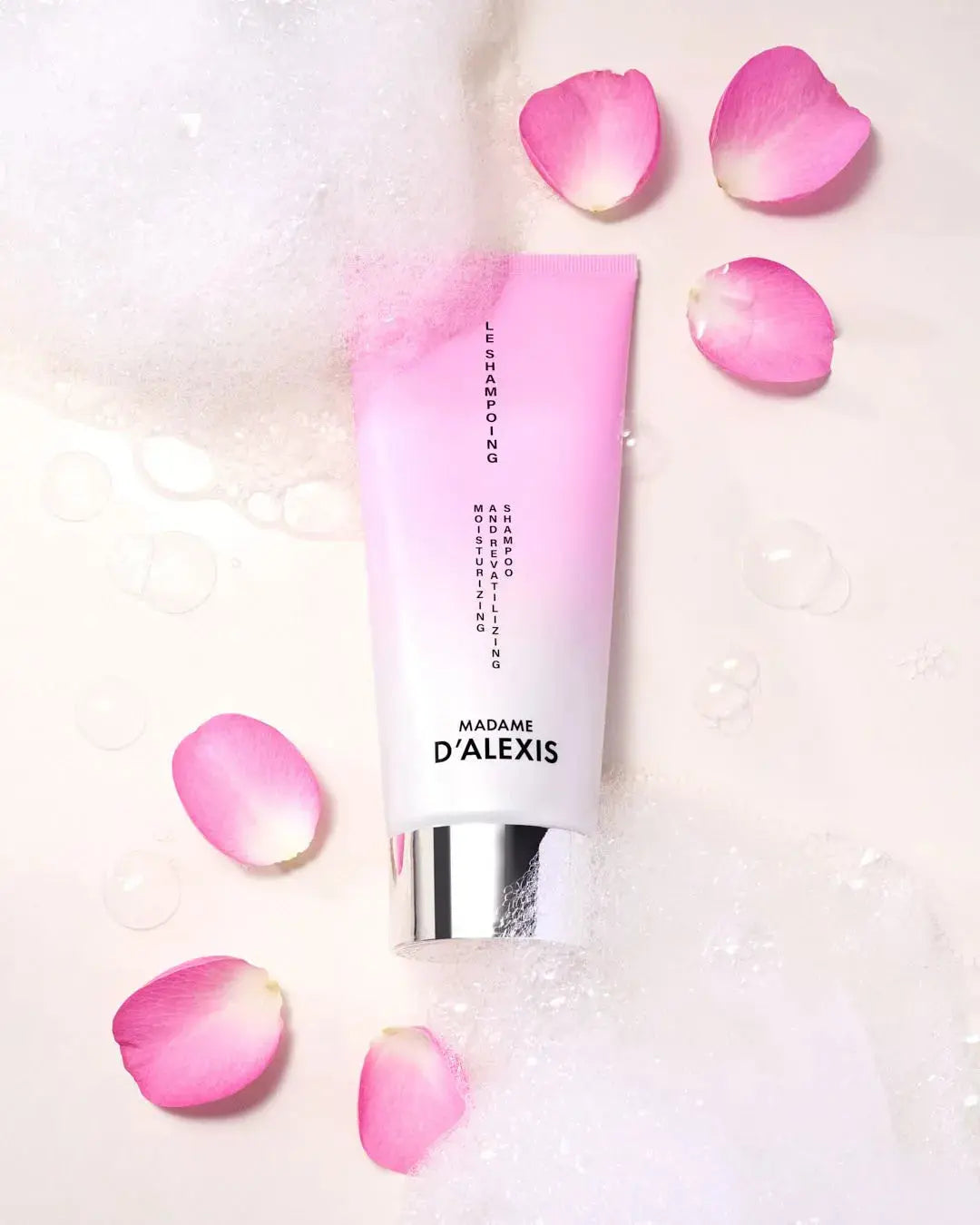
Shampoo for Oily Hair with Hyaluronic Acid
Cleans without stripping · Restores balance to the scalp · Moisturizes without weighing hair down
- Cationic hyaluronic acid to maintain hydration without making the roots greasy
- Organic hydrosols of Damask rose, German chamomile, and orange blossom
- A sulfate- and silicone-free formula to minimize the rebound effect of sebum
35,00 €
See the treatmentAll it takes is a long meeting, a hot afternoon, or a simple subway ride for greasy hair to become heavy and flat. Excess sebum, which is essential for the suppleness of the hair fiber, overwhelms the hair and gives it an oily sheen that we would rather reserve for jewelry than our bangs.
During my private consultations, I have long observed clients who are convinced that daily washing is the only solution; however, the more you scrub, the more the scalp defends itself by producing... more sebum.
In the following lines, you will discover how to identify the real causes of this imbalance, choose a shampoo for oily hair that is gentle on the skin, and finally, how to regain airy roots by the evening.
Why does my hair become oily?
Sebum is secreted by the sebaceous glands located above the bulb; it lubricates the stem and forms a protective film against pollution. When this mechanism goes into overdrive, greasy roots appear in less than twenty-four hours.
Several triggers, often combined, explain this overproduction:
- Water temperature: a hot rinse expands the skin surface and stimulates the glands.
- Chronic stress: cortisol alters the pH of the scalp, making sebum more fluid.
- Hormonal variations: adolescence, postpartum, or cycle fluctuations increase secretion.
- Inappropriate hair care routine: harsh surfactants, occlusive silicones, overly vigorous brushing.
Signs of an unbalanced scalp
Identifying these indicators allows for early action—before the lengths suffer from contrast dryness.
- Roots that stick to the scalp barely twelve hours after washing.
- No volume despite meticulous blow-drying.
- Rough or split ends: sebum, concentrated at the roots, no longer reaches the lengths.
- Occasional itching, sometimes exacerbated by perspiration.
- Feeling of greasy film on fingers after running hand through hair.
An unbalanced scalp is like an overwatered garden: the roots suffocate, the soil becomes compacted, and the flowers—your hair—can no longer breathe. Restoring harmony requires a gentle, targeted cleanser that purifies without stripping.
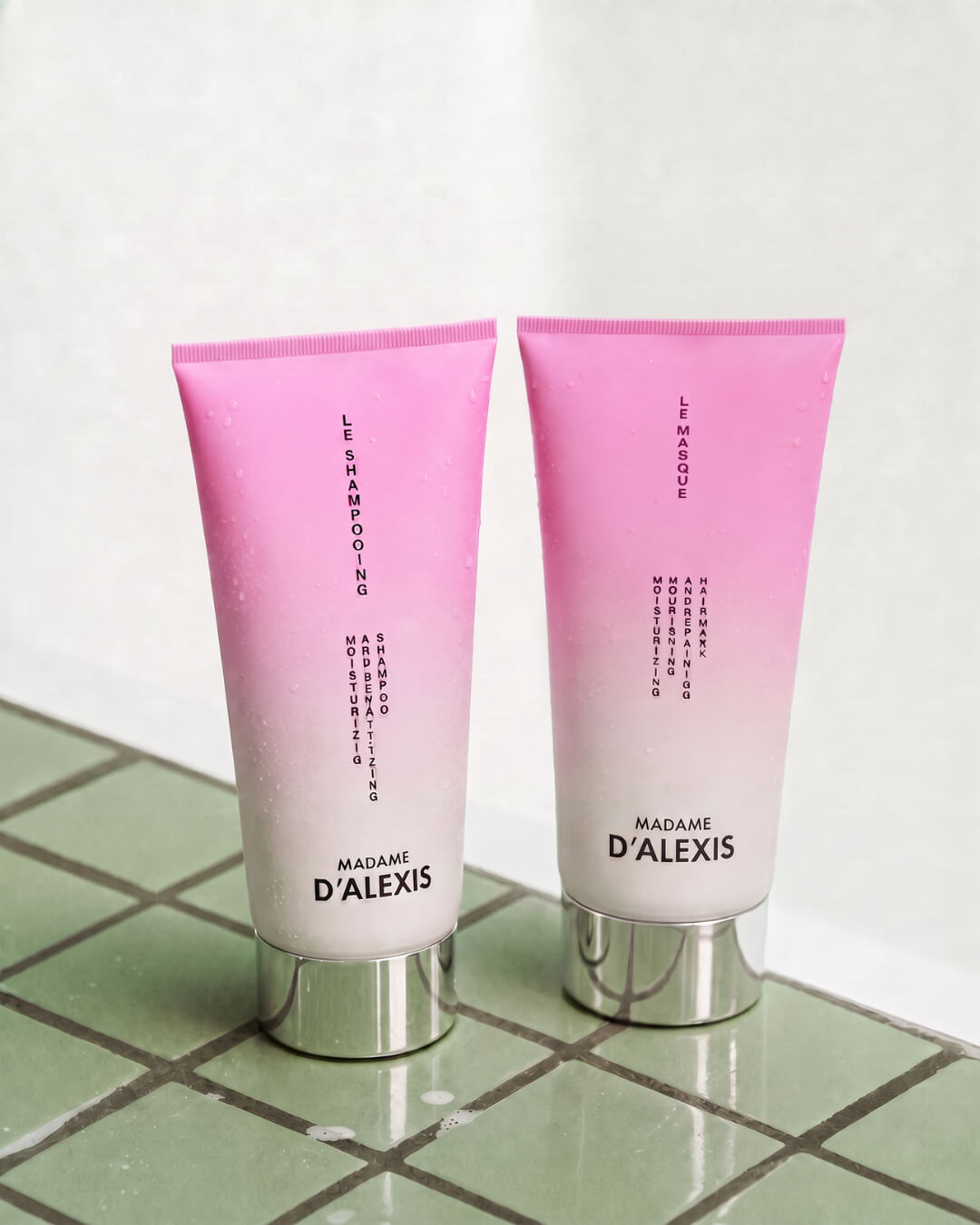
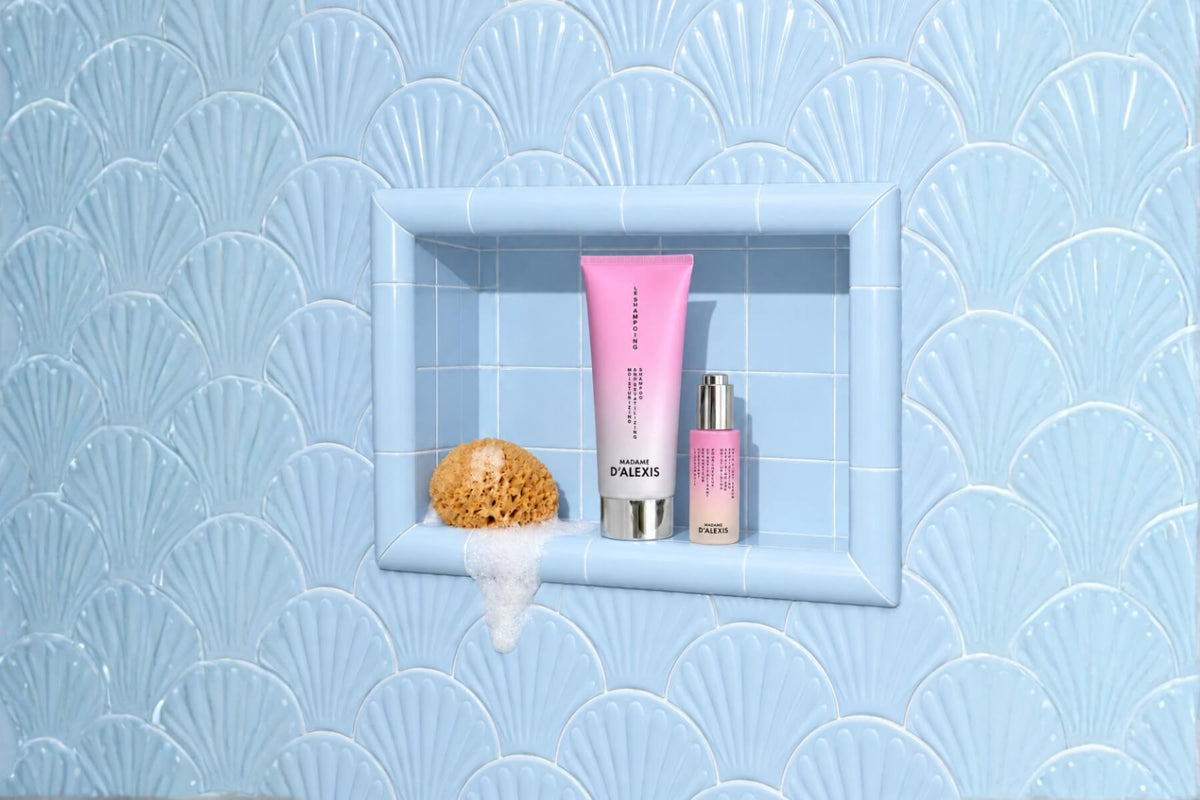
The shampoo formulated by Madame d'Alexis, based on organic hydrosols and silky surfactants, perfectly illustrates this new haircare elegance: respectful, sensorial, and, above all, effective where it needs to be.

How to choose the right shampoo for oily hair
Choosing a shampoo for oily hair requires the same care and attention you would give to selecting a high-end perfume: each ingredient must play a specific role to restore balance to the scalp without stripping the hair shaft. You can also try a clarifying shampoo.
I have often seen bottles promising miracles and lightness, only to leave hair dull and full of residue after two weeks. To avoid this pitfall, focus on the ingredients before succumbing to marketing hype.
Purifying and balancing ingredients for oily hair
- Rose, chamomile, and orange blossom hydrosols, which soothe inflammation while delivering a fresh botanical scent.
- Tea tree essential oil, known for its antiseptic and sebum-regulating properties.
- White or green clay, delicately micronized to absorb excess sebum without drying out the skin.
- Mild surfactants derived from coconut or sugar that clean without stripping.
- Prebiotics and ceramides, essential for rebuilding the microbiome and lipid barrier.
The Best Sebum-Regulating Shampoo: What Ingredients Should You Look For?
The best sebum-regulating shampoo shouldn’t just “strip away oil.” It should help the scalp restore a more stable sebum production without causing a rebound effect. The most effective active ingredients are organic hydrosols, prebiotics, postbiotics, and mild surfactants, as they work to restore the skin’s balance rather than simply stripping it immediately.
These active ingredients form a genuine treatment protocol for oily hair: purify, balance, then strengthen. This is the only way to space out washes over the long term.
Ingredients to avoid for oily hair
- Aggressive sulfates, which disrupt the pH balance and stimulate sebum production in response.
- Occlusive silicones, which create an artificial film that causes a flat, sticky effect.
- Heavy mineral oils, which are unable to blend into the fiber and are often derived from petrochemicals.
By avoiding these substances, you are already steering your routine towards a gentle and truly effective formula.
What is the best shampoo for oily hair?
In my tests, few formulas are able to combine effectiveness and scientific rigor. Madame d'Alexis shampoo is one of those rare exceptions.
Its cleansing base, with no added water, offers a concentration of active ingredients that is 20% higher than conventional cleansers, a detail that can be felt from the very first lather, which is fine and silky.
- Trio of organic hydrosols: rose for radiance, chamomile for soothing, orange blossom for vitality.
- Prebiotics, true "nutrients" for the scalp, which promote a balanced bacterial ecosystem.
- Plant-based keratin, selected for its perfect compatibility with the hair cuticle, strengthening resistance without weighing it down.
- Cationic hyaluronic acid, which locks in moisture right down to the ends, a unique benefit for hair that is prone to frizz after washing.
The result: an airy feel, lasting freshness, and a signature fragrance that evokes a bouquet freshly picked in the early morning.
Sulfate-Free Shampoo for Oily Hair: The Madame d'Alexis Approach
Most sebum-regulating shampoos on the market rely on powerful sulfates (SLS, SLES) to thoroughly remove oil. While effective in the short term, they trigger a rebound effect: the dried-out scalp compensates by producing even more sebum.
Madame d'Alexis’s Hydrosol Shampoo takes the opposite approach: formulated without added water (replaced by organic hydrosols of Damask rose, German chamomile, and orange blossom), it cleanses without stripping the hydrolipidic film. The prebiotics and postbiotics incorporated into the formula actively rebalance the scalp’s microbiome, the true cause of hair that becomes oily too quickly.
The result: roots that stay light longer, with no rebound effect, and free of sulfates and silicones. Made in Brittany, certified to contain 98% natural ingredients.
Hydrolat Shampoo
Cleanses the roots without stripping them · Rebalances the scalp · 98% natural
- Organic hydrosols of Damask rose, German chamomile, and orange blossom
- Prebiotics and postbiotics to support the scalp microbiome
- Plant-based keratin and cationic hyaluronic acid for lightness, shine, and suppleness
35,00 €
See the treatmentEach time you use it, I recommend massaging the scalp for sixty seconds, no more and noless; this precise amount of time is enough to activate microcirculation without overstimulating the sebaceous glands.
Three weeks of observations with my clients confirm a visible reduction in excess sebum and hair that could be described, without exaggeration, as liquid satin.
Complete Routine for Oily Hair: From Washing to Drying
Spacing out washes is one of the few luxuries you can afford without breaking the bank: your hair regains its lightness, your scalp relearns how to regulate sebum, and the time you save each morning becomes a discreet pleasure.
I observed this phenomenon in a violinist client who had a busy concert schedule; by reducing her washing frequency to twice a week, she found that her blow-dry survived the fourth symphony without needing to be touched up.
Preparation before shampooing
- Gently brush from the nape of the neck towards the forehead to distribute the natural lipid film.
- Lightly moisten to remove urban dust before applying the cleansing emulsion.
Targeted Washing Technique
- Apply shampoo for oily hair only to the scalp.
- Massage with your fingertips for exactly sixty seconds: any longer than that and microcirculation will speed up and stimulate sebum production.
- Let the foam slide down the lengths without rubbing.
Lightweight styling that doesn't weigh down the roots
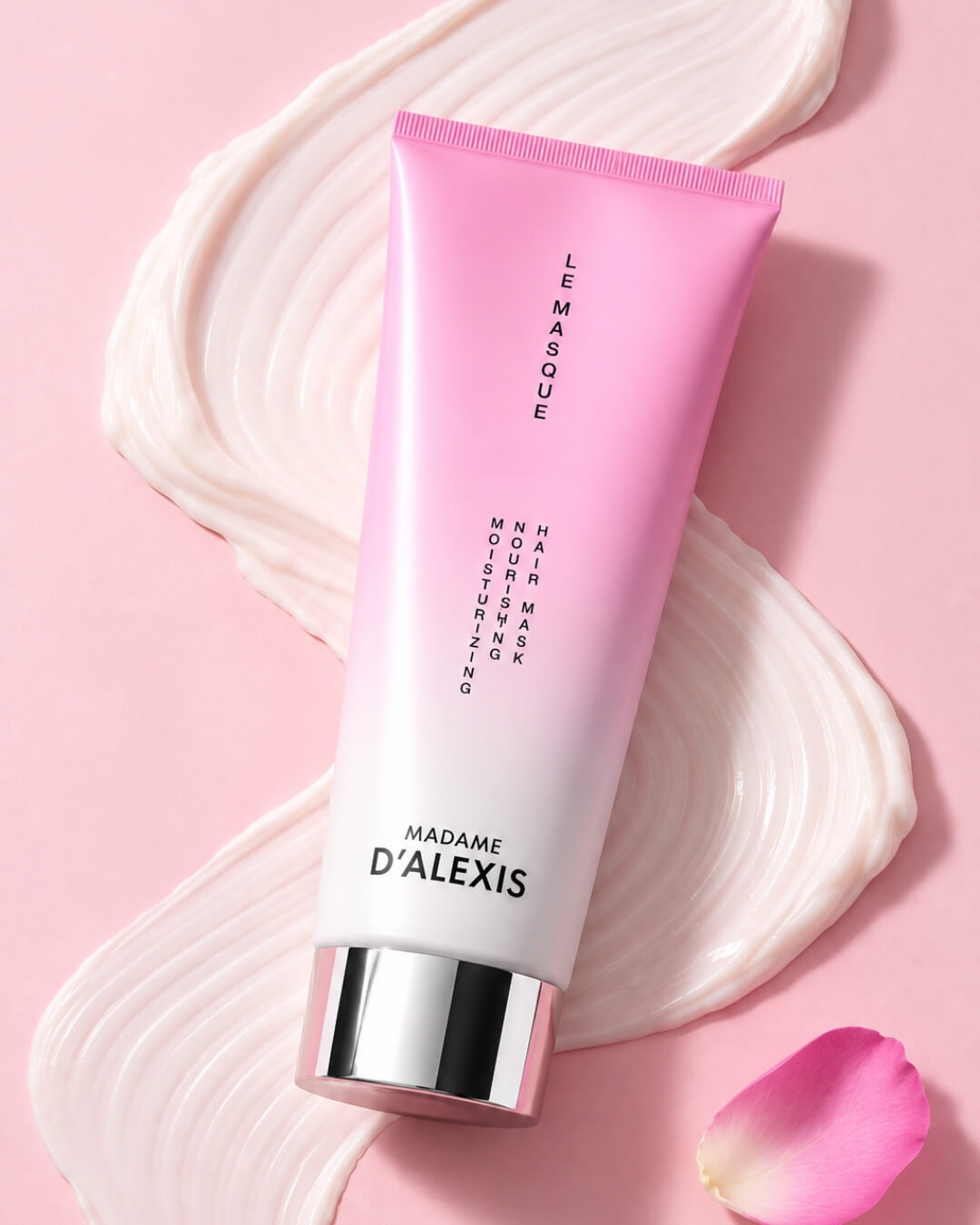
- Squeeze out excess water, then apply a thin layer of Madame d'Alexis mask to the ends, never to the roots.
- For a light result, use three drops of day serum when the fiber is fine.
Rinse with cold water to close the cuticle
- Use lukewarm water that respects the physiological pH.
- Finish with ten seconds of cold water; the scales close, and the shine bursts forth like on new silk.
Drying and finishing
- Dab with a microfiber towel, avoid aggressive twisting.
- Dry at a moderate temperature, pointing the nozzle toward the ends to flatten the cuticle.
- Limit the flat iron to 160 degrees; a higher temperature breaks the disulfide bonds and restores the greasy appearance the next day.
This routine, adopted for three weeks, is often enough to delay the next wash by 24 to 48 hours. The roots breathe, the lengths gain fluidity, and the hair care schedule is elegantly lightened.

FAQs for managing oily hair
Why does my hair become greasy less than twenty-four hours after washing it?
A scalp that has been damaged by harsh surfactants will respond by producing more sebum. Reduce the water temperature, switch to a sulfate-free shampoo for oily hair, and limit friction when massaging.
What is the ideal washing frequency for an oily scalp?
Two washes per week are sufficient for most scalps. Between shampoos, spray on a slightly astringent rose hydrosol. It refreshes without disturbing the hydrolipidic film.
Is dry shampoo dangerous if used often on oily hair?
A rice starch-based spray absorbs excess sebum without damaging the hair fiber. However, after two consecutive applications, the accumulation of powder can cause irritation. Brush thoroughly every evening to prevent buildup.
How to choose a conditioner that doesn't make your roots greasy?
Choose a light conditioner enriched with plant-based keratin. Apply from mid-length to ends, never to the scalp. Rinse for two minutes: even a small amount of residue can weigh hair down.
Are vegetable oils not recommended for oily hair?
No, but choose fast-absorbing oils such as jojoba or hazelnut. A few drops warmed between your palms and applied only to the ends will add shine without weighing your hair down.
Should silicones be banned completely?
Volatile silicones can offer temporary protection against pollution, but heavy silicones create a suffocating film. Read the label: if the word ends in "-cone" or "-xane" and appears among the first three ingredients, put the bottle back.
Why does a cold water spray at the end of rinsing really help?
Cold weather tightens the cuticle scales. The surface becomes smooth, less likely to retain dust and sebum. Hair therefore retains its lightness for longer.
Are natural bristle brushes worth the investment?
Yes. They distribute sebum from the roots to the lengths, limiting localized oiliness. Brush from the nape of the neck toward the forehead every evening, with your head tilted back: this stimulates blood circulation and allows the roots to breathe.
How to manage an oily scalp and dry ends?
Opt for targeted washing: apply foam only to the roots, rinse gently, then apply nourishing serum to the ends. Add a ceramide-rich mask every ten days to repair the damaged area.
Are home remedies still relevant?
A mixture of green clay and chamomile hydrosol, applied ten minutes before shampooing, absorbs excess sebum and soothes itching. Use it once a month, no more, so as not to dry out the hair fiber.
Does diet influence sebum production?
A deficiency in zinc or vitamin B6 can exacerbate seborrhea. Introduce whole grains, pumpkin seeds, and fatty fish to regulate from within.
Can I massage my scalp every night?
Thirty seconds of circular pressure activates microcirculation and strengthens the root. However, avoid vigorous massages, as these stimulate the sebaceous glands and negate your efforts.
What is the best shampoo for oily hair?
The best shampoo for oily hair combines gentle cleansing with color protection. Look for:
- a purifying shampoo formula based on hydrosols and fine clay;
- a non-sulfate surfactant that is suitable for hair prone to oiliness, as well as colored or normal hair;
- A recommended retail price consistent with the concentration of active ingredients (between €25 and €45 for 200 ml in high-end botanical cosmetics).
My personal choice remains Madame d'Alexis: professional results, orange blossom fragrance, and light roots for three days.
What shampoo should I use for oily, fine hair, or oily hair with dry ends?
Oily, fine hair requires an ultra-light, sebum-regulating shampoo that is free of heavy proteins and plant oils, which weigh down the hair shaft. Choose formulas based on hydrosols and water-soluble active ingredients (light hyaluronic acid, prebiotics).
For hair that’s oily at the roots and dry at the ends, the rule is simple: apply shampoo only to the scalp, never to the lengths. A moisturizing mask on the ends (applied before shampooing, for 10 minutes) counteracts dryness without weighing down the roots.
What ingredients are needed for an effective shampoo for oily hair?
An effective shampoo is based on a blendof natural ingredients that make up a gentle formula. The best allies:
- White clay to absorb excess sebum;
- Purifying tea tree extract, ideal in micro-doses to prevent drying out;
-
Light jojoba or hazelnut oils that regulate without greasing.
This synergy cleanses deeply while preserving the lipid film.
How to choose a shampoo for oily hair?
Before buying, ask yourself three simple questions:
- Hair type: thick, fine, curly.
- Composition: short list, sulfate-free, silicone-free.
-
Suitable for additional needs: color protection, volume, sensitive scalp.
Next, choosing a shampoo for oily hair becomes a balancing act: purify the roots, caress the lengths.
How can you eliminate excess sebum?
To eliminate excess sebum, adopt a two-step routine:
- Purifying shampoo rich in hydrosols, gentle massage that stimulates microcirculation in the scalp and cleanses without damaging the hair.
- Rinse thoroughly to remove foam and residual styling products.
Once a week, apply a green clay mask for ten minutes to create an unparalleled reset effect.
What are the best inexpensive shampoos?
Even in the affordable range, prioritize quality. My benchmarks:
- pH close to 5.5;
- coconut-based surfactants;
- purifying plant extract (nettle or sage).
These best inexpensive shampoos for oily hair cost around €12 for 250 ml. Read product reviews: a satisfaction rating above 4.3/5 often indicates very good value for money.
A gentler routine, without stripping the hair
The right shampoo for oily hair isn't the one that dries it out the fastest, but the one that helps the scalp regain its balance. Madame d'Alexis's Hydrosol Shampoo is designed precisely with this in mind: to purify, respect, and rebalance.
Discover the Hydrosol Shampoo