Advice
Hair That Stops Growing: Understanding, Diagnosing, and Taking Action
Hair that no longer grows: learn to distinguish between breakage and slow growth, read the signs of regrowth, identify internal and external causes, and build a routine that stimulates growth.

The essentials you need to know about hair that no longer grows
- Distinguish between breakage and slow growth. Hair breakage at the ends masks the length, while the hair cycle acts at the root between the growth phase and the resting phase. This confusion is common with long hair.
- Look for concrete signs of regrowth. Baby hairs at the hairline, denser roots, firmer hair fibers. Objectively assess your hair growth with identical monthly photos and a benchmark in centimeters per month.
- Identify common causes. Unbalanced diet, nutritional deficiencies, hormonal imbalances, stress. External factors to correct: heating appliances, blow drying hair at too high a temperature, tight ponytails, very oily scalp, chemical treatments.
- Establish a 30-day routine. Usea gentle shampoo to wash without damaging your hair, apply a nourishing mask and leave it on for 10 to 15 minutes, massage scalp serum into your scalp for 2 to 3 minutes, use heat protection, brush gently, and eat a balanced diet. Occasional option: apply castor oil to the ends of your hair.
- Know when to seek medical advice. Sudden or patchy hair loss, severe itching, family history of alopecia, persistent feeling that hair is no longer growing despite an optimized routine. A dermatologist will make a diagnosis and recommend appropriate treatment.

Many describe a persistent feeling:my hair isn't growing, my hair has stopped growing, hair growth seems to have stopped. My interpretation is pragmatic.
First, distinguish betweenbreakage that prevents length from developing and slowed growth at the hair follicle level. Next, check the condition of the scalp and care habits, then develop a measurable action plan.
- Breakage: split ends, length that remains unchanged despite visible regrowth at the roots, hair that breaks when brushed.
- Slowdown: hair takes longer to grow in length, perceived decrease in density or diameter, longer cycles.
- Approach: gentle scalp hygiene, regular routine tailored to hair type, reduction of mechanical and thermal damage, nutritional assessment if necessary.
My approach is educational. We start by understanding the hair growth cycle, because the solution often lies in a routine detail or an underestimated external factor.
Once the most likely cause has been identified, adjustments are made and progress is monitored over a month using photos and simple length measurements.

Is it possible for hair to "stop" growing?
On a healthy scalp, hair growth is not linear but is governed by a continuous hair cycle at the hair follicles. There are three successive stages, which explain the perception of stagnation:
- Anagen phase: active growth phase. Hair growth occurs from the matrix, supported by effective microcirculation.
- Catagen phase: a short transition period during which bulb activity slows down.
- Telogen phase (resting phase): the hair prepares to fall out, then a new cycle begins.
It is inaccurate to talk about complete "cessation." Except in cases of bulbar damage or scarring alopecia, cycles continue, but their duration and timing vary depending on age, hormonal context, stress, or styling habits.
What feels like a lack of growth is often chronic breakage that neutralizes length gain or a shortened anagen phase. The key is to check for signs of regrowth at the root, secure the lengths, and restart the routine to support each phase of the cycle.
Why do I feel like my hair isn't growing anymore?
The feeling of stagnation is common when we confuse length with fiber health. My opinion is clear: before talking about hair that no longer grows, we must distinguish between two phenomena that often coexist.
- Breakage: the ends become brittle, split, and break off. The length does not increase, even if the root produces new centimeters. The problem is mechanical.
- Slowed growth: the hair cycle lengthens, the anagen phase shortens, or the telogen phase, known as the resting phase, stretches out. Hair grows a few millimeters, but too slowly for the length to be noticeable.
Simple clues help distinguish between breakage and actual growth.
- Signs of hair regrowth: downy hair on top of the head, lighter or denser roots, hair fibers that feel firmer to the touch.
- Signs of breakage: rough ends, uneven length, strands that break when brushed, difficulty growing hair beyond a certain length.
To objectively assess whether your hair has stopped growing, set up a basic monitoring system.
- In-house KPI: monthly photos in the same light, identical parting, reference T-shirt; measurement with a comb with a centimeter mark per month.
- Interpretation: visible regrowth at the baby hairs but stable length equals breakage; uniform progression at the root and along the lengths equals effective growth.

What slows down hair growth? Common causes
Internal factors
- Androgenetic alopecia or androgenic alopecia: genetic sensitivity to androgen hormones, mainly in men, but also in women. Clinical diagnosis, sometimes supplemented by tests.
- Nutritional deficiency: insufficient iron, vitamin D, B vitamins, and minerals when the diet is unbalanced. Overall health and hair aging influence the speed of growth.
- Stress: it promotes the onset of the telogen phase, with temporary diffuse hair loss and a feeling of slowing down. A dermatologist can confirm the diagnosis and suggest treatment.
External factors related to slower hair growth
- Harsh chemicals: repeated bleaching, permanent coloring, or intense straightening weaken the hair fiber and make it brittle.
- Heating appliances and hair dryers: drying your hair at too high a temperature damages the cuticle; limit the frequency and protect your hair before use.
- Traction: tight ponytails, very tight braids, and rigid accessories create continuous stress on the follicle.
- Healthy lifestyle: lack of sleep, smoking, and chronic stress disrupt the skin's balance.
- Scalp: when the skin is very oily or clogged, it must be cleansed to optimize microcirculation. Adapt your routine and use appropriate products, and avoid unnecessary heat.
Specific situations
- Alopecia areata: distinct patches of hair loss, with unpredictable progression.
- Postpartum: frequent telogen effluvium, reversible over several months.
- Dermatological or hormonal conditions: itching, pain, flaking, or sudden hair loss warrant a visit to a dermatologist.
In practice, most cases of hair that no longer grows are due to a combination of small factors: a slightly slowed cycle, excessive heat styling, a few deficiencies, and habits that could be improved.
Correcting these levers, with a regular routine and visual monitoring, restores growth potential without unrealistic promises.
I recommend taking a step-by-step approach: cleanse the scalp, support blood circulation, protect the hair fiber, adjust your diet, consider taking a dietary supplement, and seek a diagnosis if necessary.

How can I tell if my hair is still growing?
Before discussing hair that won't grow, let's look at the facts. Length comes from the root, but the fiber can become brittle at the ends. A simple diagnosis will guide you to the right routine.
Home tests, effective if reproduced identically.
- Root and tip observation: look for very short hairs at the top of the head, lighter or denser roots, and firmer hair fibers. Conversely, rough tips and uneven lengths suggest breakage that negates the gain.
- Gently pull: grasp a small strand of hair and pull lightly. Painful hair loss or patchy hair loss = seek medical advice. Otherwise, a few strands of hair falling out is consistent with a normal growth cycle.
- Hair density at the crown: examine the center parting in bright light. If it has widened recently, consult a professional to explore hormonal factors, stress, and deficiencies.
- Hair length measurement: same comb, same posture, same reference T-shirt. Profile and back photos, taken on a fixed date, to track the growth phase without bias.
Positive signs: baby hairs at the edges, more toned texture, shinier roots. These indicate active hair growth, even if the length is progressing slowly. If everything is growing at the root but the length is stagnating, the priority is to protect the hair fiber from breakage.
Hair care routine for hair that won't grow
30-day goal: stimulate growth and promote growth through a short routine, daily actions, and a balanced diet. My approach is pragmatic: few products, well chosen, used regularly.
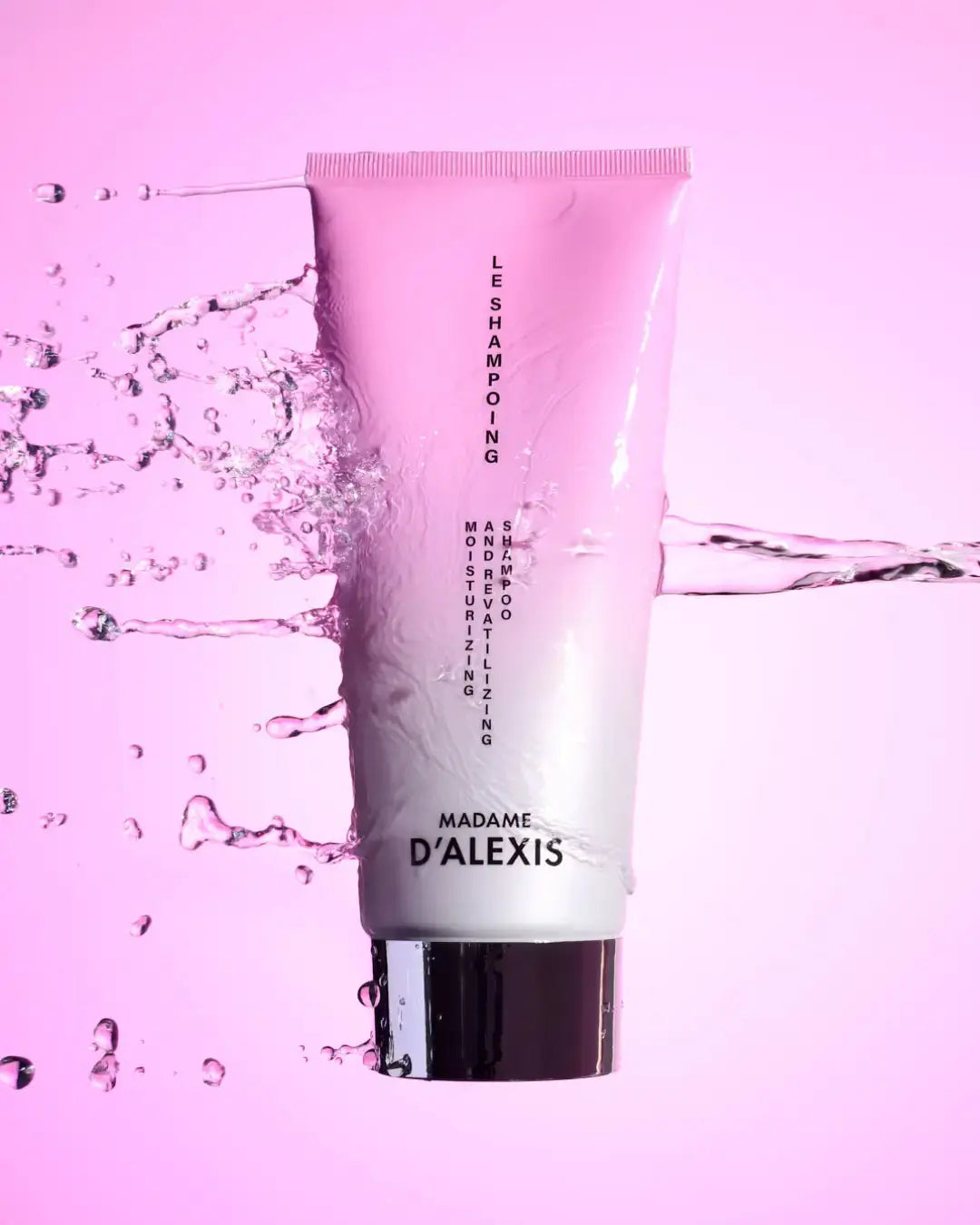
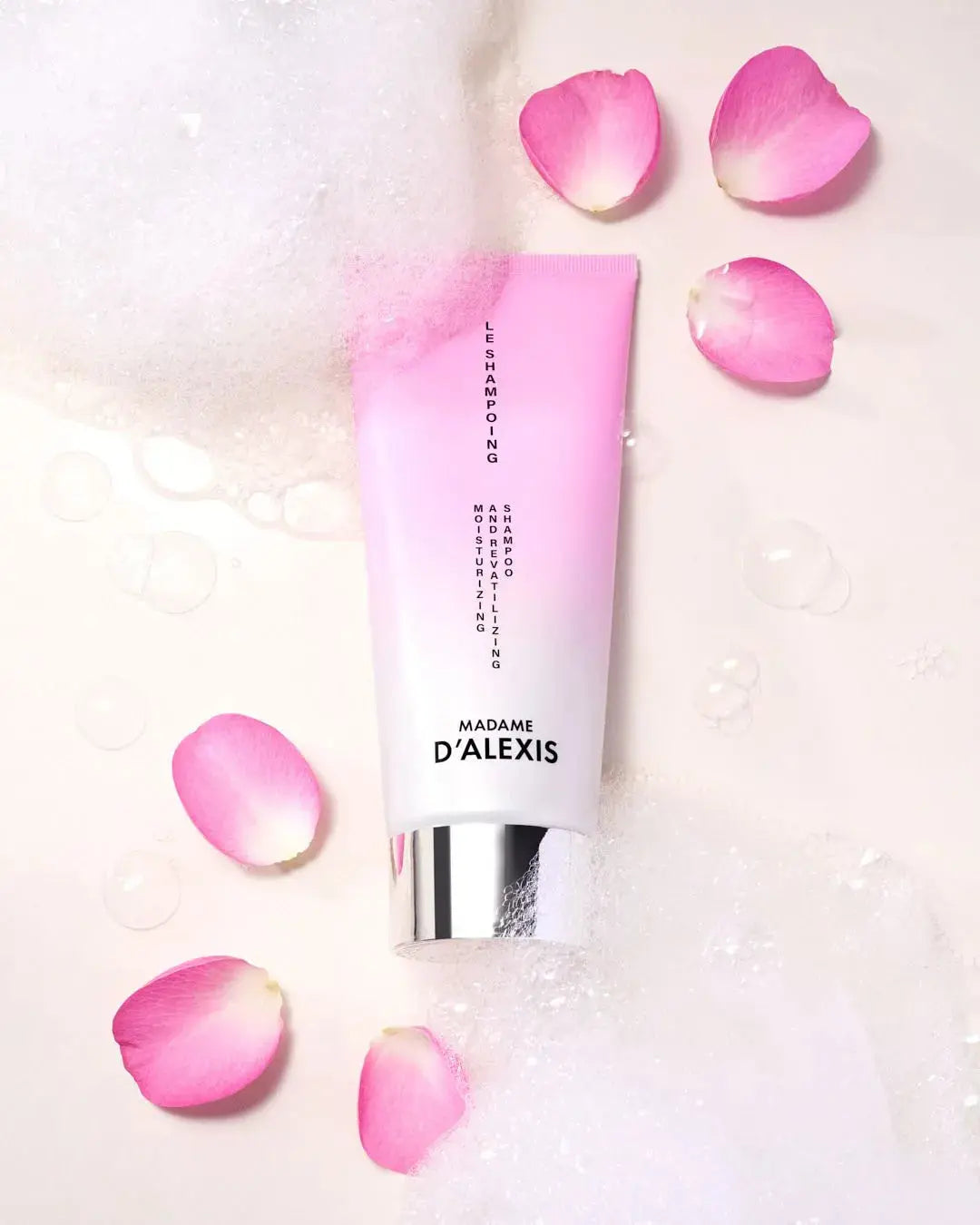
The Shampoo
Gently cleanses and prepares the scalp and hair fiber with organic hydrosols. Ideal for washing hair without damaging it.
See the treatment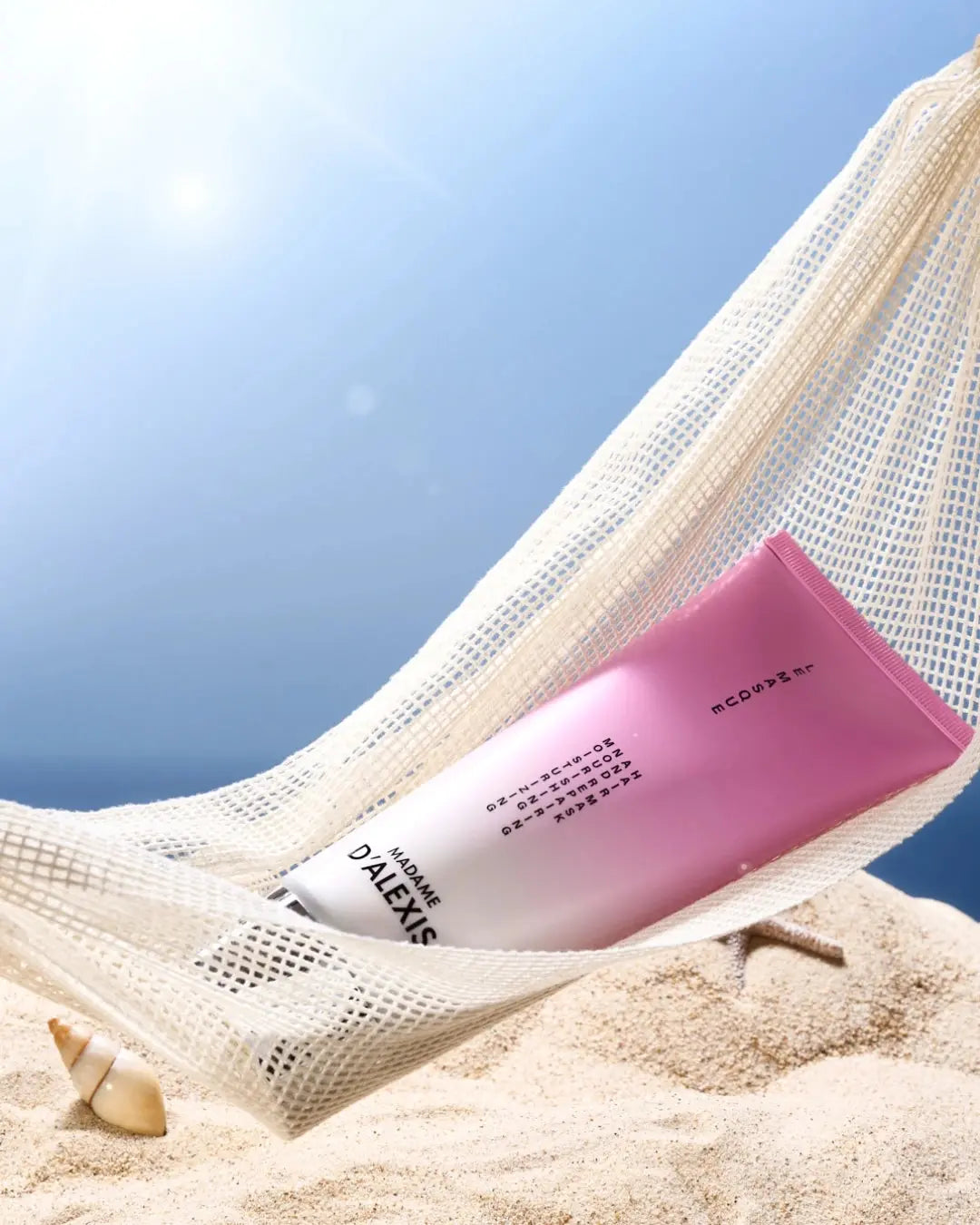
The Mask
Repairs hair fiber, seals in moisture, and reduces breakage. Leave on lengths and ends for 10 to 15 minutes.
See the treatment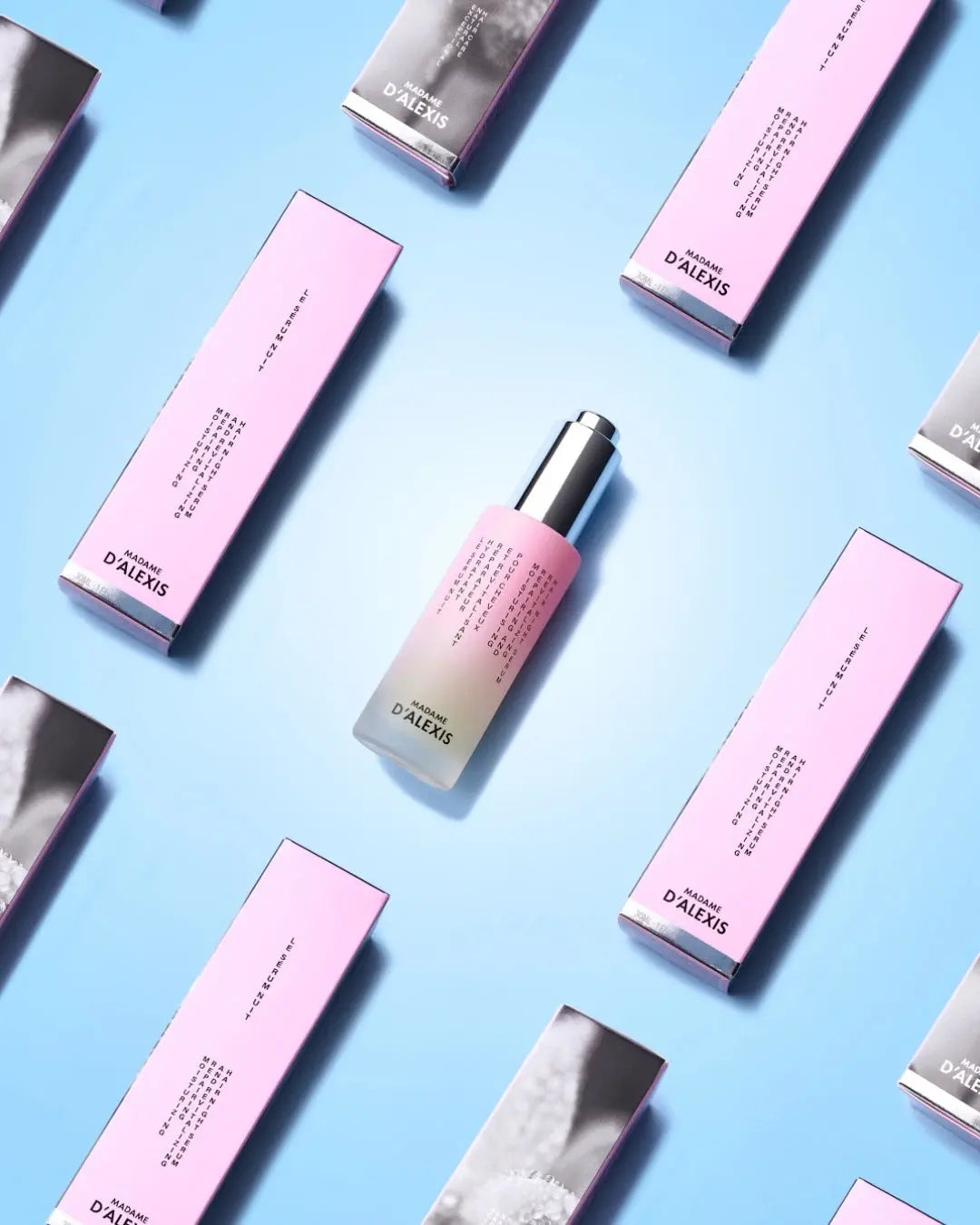
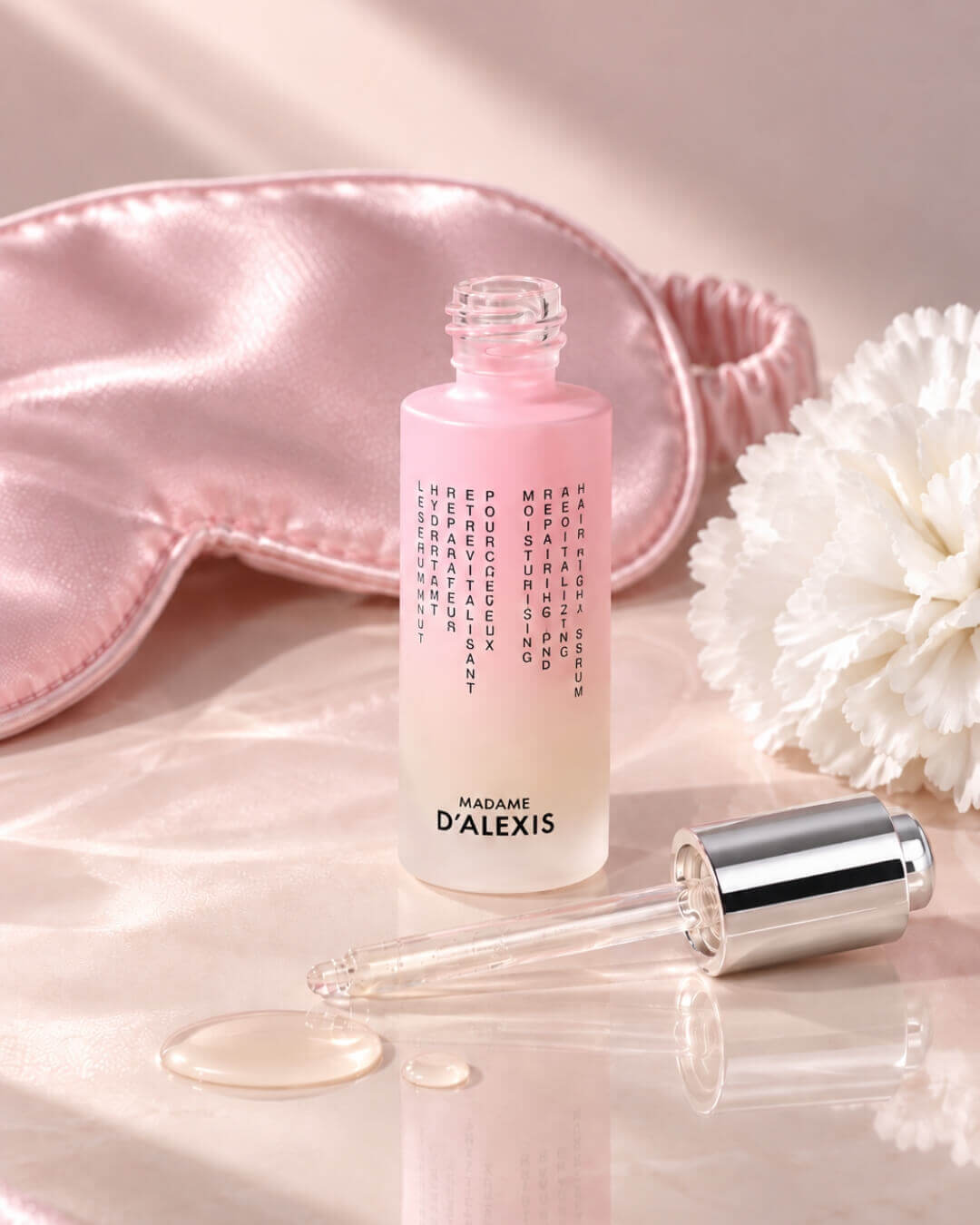
The Night Serum
Stimulates growth, soothes the scalp, and strengthens roots while you sleep. Apply a few drops and massage for 2 to 3 minutes.
See the treatment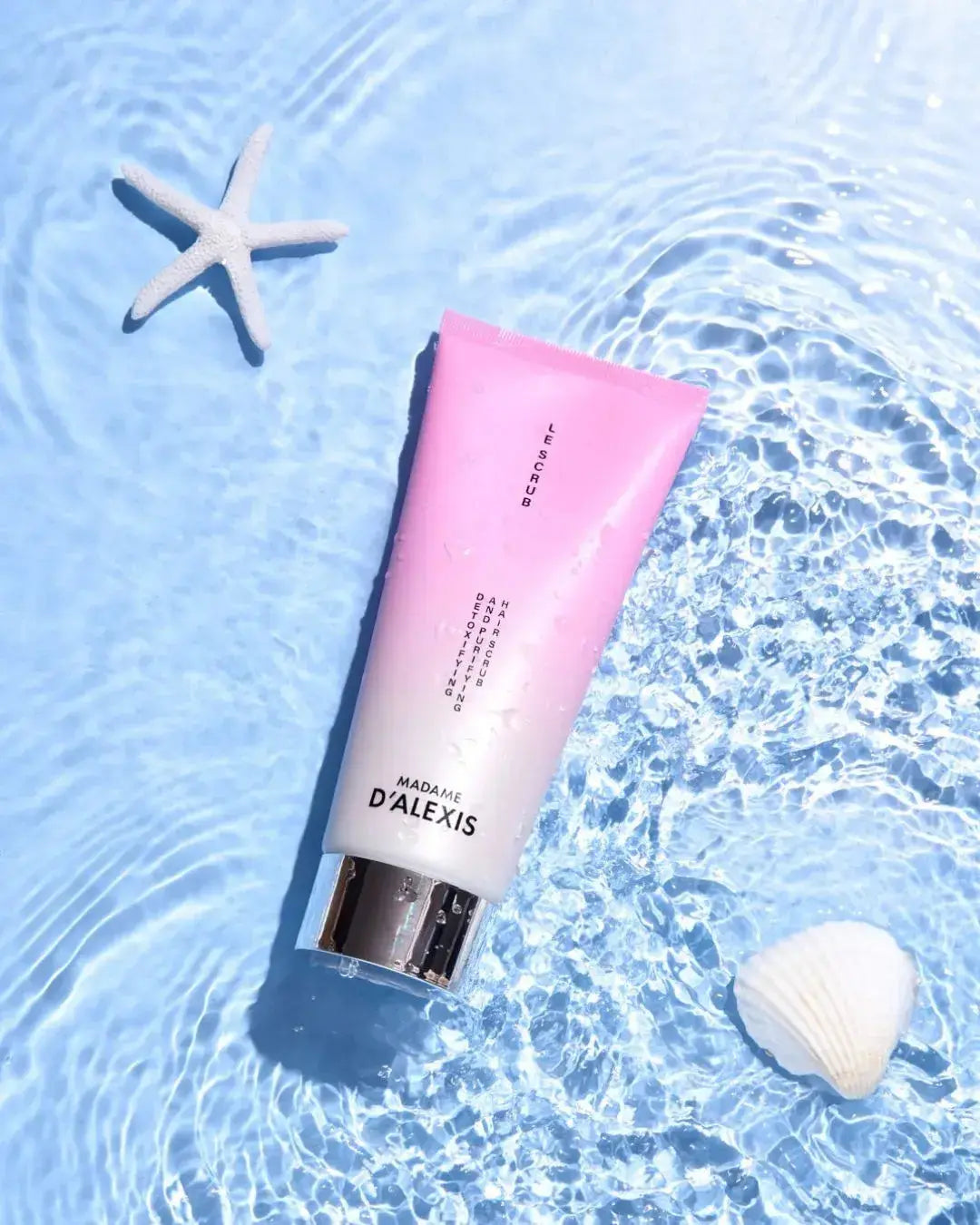
The Scrub
Detoxifies and cleanses the scalp to optimize hair growth. Use every 10 to 15 days, instead of shampoo on that day.
See the treatmentClean without damaging
Use 2 to 3 times a week. A gentle shampoo is gentle on the scalp and avoids harsh chemicals. Madame d’Alexis Shampoo, formulated without added water and made withorganic hydrosols, prepares the hair fiber in the spirit of “skinification.”
Massage the scalp, then rinse thoroughly. Useful keywords:washing hair, scalp condition.
Nourish and repair
Use 1 to 2 times a week. Leave a nourishing mask on for 10 to 15 minutes; it targets damaged hair that breaks easily. This is the best way to repair brittle hair.
Alexis' Masque Madame relies oncationic hyaluronic acid and plant-based ceramides to seal in moisture and smooth the hair fiber, especially at the ends.
Activate microcirculation
Every day, a few drops of hair growth serum for the scalp followed by a 2- to 3-minute massage support blood circulation and energy in the hair follicle.
Madame d’Alexis Night Serum, which contains no added water and is rich in natural ingredients derived from fine plant oils, is easy to incorporate into your bedtime routine. For occasional use: apply a touchof castor oil to the ends of your hair.
Good reflexes
- Gently brush from the ends to the lengths.
- Limit the use ofheating appliances and avoid excessive heat when blow-drying your hair.
- Loosen the ponytail to reduce tension.
- Choose products suited to your hair type, whether it is frizzy, wavy, or long.
Food and supplements if needed
A balanced diet remains the foundation. A checkup can detect deficiencies in iron, B vitamins, or zinc. Supplements are only beneficial if they meet an objective need.
We pay attention to sleep and stress management, which affectoverall health and fiber quality.
At what age does growth slow down, and what should be done?
There is no specific age at which hair growth stops. Hair growth tends to peak between adolescence and the early thirties, after which the growth cycle gradually changes.
Over time, thegrowth phase (anagen) may become shorter, the average diameter of the fibers may decrease, and regrowth may appear less noticeable.
Hormones strongly influence this dynamic: variations in women during the postpartum period, perimenopause, and menopause, and earlier androgen sensitivity in men.
This pattern is not pathological in itself, but it requires a more protective and better-paced routine.
A realistic action plan, especially if you feel like your hair has stopped growing:
- Protect your hair: gentle brushing, heat protection, trim damaged ends to prevent breakage that hides the length.
- Optimize the scalp: wash regularly with a mild shampoo, massage briefly with each application to support microcirculation.
- Boost hydration: weekly mask left on for 10 to 15 minutes,scalp serum in the evening if the scalp is dry or sensitive.
- Adjust your lifestyle: sleep, stress management, balanced diet; check for possible deficiencies in iron, B vitamins, and zinc if fatigue sets in.
- Measure accurately: same photos every month, same reference T-shirt, same parting; these objective signs prevent perception bias.
My personal advice is simple: reduce stress, establish short but regular routines, and allow yourself three months of observation before concluding that there has been a real slowdown.
Madame d'Alexis ritual for growth and density for hair that no longer grows

Growth & density ritual
Targeted program to stimulate growth, support density from the root and protect the fiber on a daily basis. Formulas with no added water, based on organic hydrosols and recognized active ingredients (cationic hyaluronic acid, plant ceramides, probiotics). Ideal if length is stagnating or if the fiber is breaking.
See the ritualWhen should you consult?
Certain scenarios warrant prompt medical evaluation by a dermatologist. The goal is to obtain a clear diagnosis and, if necessary, documented treatment with a report.
Indications that should not be ignored:
- Sudden and diffuse hair loss or distinct patches of hair loss.
- Suggestive family history (genetic factor), premature baldness, receding hairline.
- Severe itching, pain, redness, or thick flakes on the scalp.
- Suspectedandrogenetic alopecia oralopecia areata.
- Persistent feeling that hair is no longer growing after six months of an optimized routine.
Prepare for the consultation:
- List your products, your thermal habits, and any tight hairstyles you may have.
- Note periods of stress, weight fluctuations, and recent medications.
- Bring your monthly photos and hair length measurements.
Depending on the context, the specialist may recommend topical treatments, treatment for scalp imbalances, or treatments targeting hormonal sensitivity. The key is to move forward with a clear, measured plan that is monitored over time.
FAQ: Hair that no longer grows
Is it possible for hair to stop growing?
No. Unless there is damage to the hair bulb, hair follows a continuous hair cycle alternating between the anagen (growth) phase, the catagen phase, and then the telogen (resting) phase.
The perceived "halt" is most often caused by hidden breakage or a slowdown inhair growth due to age, stress, or harsh habits.
What prevents hair growth?
Several internal and external factors influence hair growth.
- Internal: hormonal variations, genetics and androgenetic alopecia, dietary deficiencies in iron, B vitamins, or zinc, general health.
- External factors: harsh chemicals, using heating appliances at too high a temperature, repeated pulling, pollution, smoking, poor lifestyle choices.
My opinion: nine times out of ten, it's a combination of many small factors that add up.
How can I tell if my hair is still growing?
Look for concrete signs rather than impressions.
- Hair regrowth: baby hairs at the hairline, slightly lighter roots, firmer feel of the hair fiber.
- Objective monitoring: same photos every month, same parting, fabric marker, hair length measurement with a comb.
- Reading the result: visible regrowth but stable length = breakage to be corrected; overall progress = active growth phase.
Can stress prevent hair from growing?
Yes, via effluvium in the telogen phase. Stress causes more fibers to enter the resting phase, resulting in diffuse and temporary hair loss. The key is twofold: reduce stress and protect the fiber so that it does not accumulate breakage during recovery.
Does tying your hair back slow down growth?
Tight ponytails and very tight hairstyles create continuous traction. The result: breakage along the length of the hair and microtrauma around the hair follicle, which gives the impression that growth is slowing down. Alternate hair ties, loosen them, and vary the anchor points.
What treatments are available for hair that has stopped growing?
Lay a simple, even foundation.
- Gentle shampoo to respect the scalp and prevent buildup.
- Nourishing mask that should be left on for 10 to 15 minutes to reduce breakage.
- Scalp serum with a short massage to support microcirculation.
- Gentle brushing, heat protection, limit heat.
- As a bonus, gentle exfoliation of the scalp can help if the roots are clogged.
At what age does growth slow down?
It varies, but the tendency to slow down appears withage and as hair ages. The anagen phase may shorten and the average diameter may decrease. Adapting your routine means more care and less damage, not more products.
Tips for stimulating growth naturally
- Massage for 2 to 3 minutes a day to stimulate blood circulation.
- Establish a regular routine and protect the ends.
- Aim for a balanced diet; only supplement if a deficiency has been diagnosed.
- Limit heat exposure, space out bleaching treatments, manage sleep and stress.
If you still have doubts, especially if there is a family history or sudden hair loss, a dermatologist will make an accurate diagnosis and recommend appropriate treatment, with a clear explanation.
Why isn't my hair growing?
Most often, this perception is related to the hair cycle and breakage. Hair roots grow in phases, with a growth phase followed by a resting phase.
Meanwhile, the lengths sometimes become damaged, giving the impressionthat hairis not growing or has stopped growing, even though the matrix is still producing.
To ensurehealthy hair growth, reduce mechanical and thermal damage.
In particular, avoiddrying yourhair at too high a temperature, as this weakens the cuticle. For long hair, preventing split ends is crucial to seeing real progress.
To remember
- Check the cycle: active roots in the growth phase, lengths preserved, normal resting phase.
- Limit damage: protected ends, controlled heat, gentle brushing.
- Objective: monthly photos, same parting, same length marker.
What causes hair not to grow?
Several factors combine to slow down observable progress.
- Unbalanced diet and nutritional deficiencies in iron, B vitamins, and zinc.
- General health (fatigue, convalescence) and temporary hair loss.
- Hair damaged by coloring, friction, and repeated heat styling.
- Poor lifestyle habits: lack of sleep, smoking, sedentary lifestyle.
- Hormonal imbalance: androgenic variations, postpartum, perimenopause.
- Acute or chronic stress, a known factor in effluvium and perceived slowing down.
How can I tell if my hair is growing?
Rely on concrete markers rather thanthe impression that your hair is stagnating. Observe the hairline, density, and monthly changes.
- Roots and baby hairs: a sign of regrowth, even if hair breakage along the length of the hair gives the illusion that it is not growing.
- Cycle reading: periods of diffuse hair loss consistent with the telogen phase in the hair life cycle.
- Typology: frizzy hair and long hair sometimes mask progression due to the shape of the fiber and more frequent dryness.
- Measurement: visual marker and flexible tape measure to track your hair growth using the same method every month.