


Gray Hair: Understanding, Nourishing, and Enhancing the Hair Strand Naturally
A comprehensive guide to understanding why hair turns gray, why the hair shaft becomes more fragile, and how to develop an effective routine using the right active ingredients.
Summary: Key Takeaways
- Hair turns gray when melanocytes stop producing melanin. This process is irreversible, but it’s entirely manageable.
- White hair is more porous, drier, and more fragile than pigmented hair: it requires specific care in terms of hydration, nourishment, and protection.
- Organic floral hydrosols, cationic hyaluronic acid, and topical probiotics are among the active ingredients best suited to her needs.
What Is a Gray Hair? The Science of Melanin
The color of a strand of hair does not come from the hair itself. It comes from a pigment called melanin, which is produced by specialized cells called melanocytes—the cells responsible for the hair’s natural color—located in the hair bulb at the base of the follicle.
With each growth cycle, melanocytes deposit melanin into the keratin of the developing hair. The result is a colored hair shaft, ranging from the palest blonde to the deepest black. This hair pigmentation varies over time depending on the activity of these pigment-producing cells.
There are two main families of melanin:
- Eumelanin: a brown-to-black pigment that is predominant in people with brown or black hair.
- Pheomelanin: a yellow-to-red pigment found in people with blond or red hair.
The final shade of a strand of hair depends on the ratio between these two types and the density of the injected melanin. Hair color is thus determined by this subtle balance.
Here’s what happens when melanocytes become depleted: they slow down their production and then stop altogether. The hair shaft grows without pigment. It is then transparent, which makes it appear white in the light. This process of hair graying is gradual and irreversible once it begins.
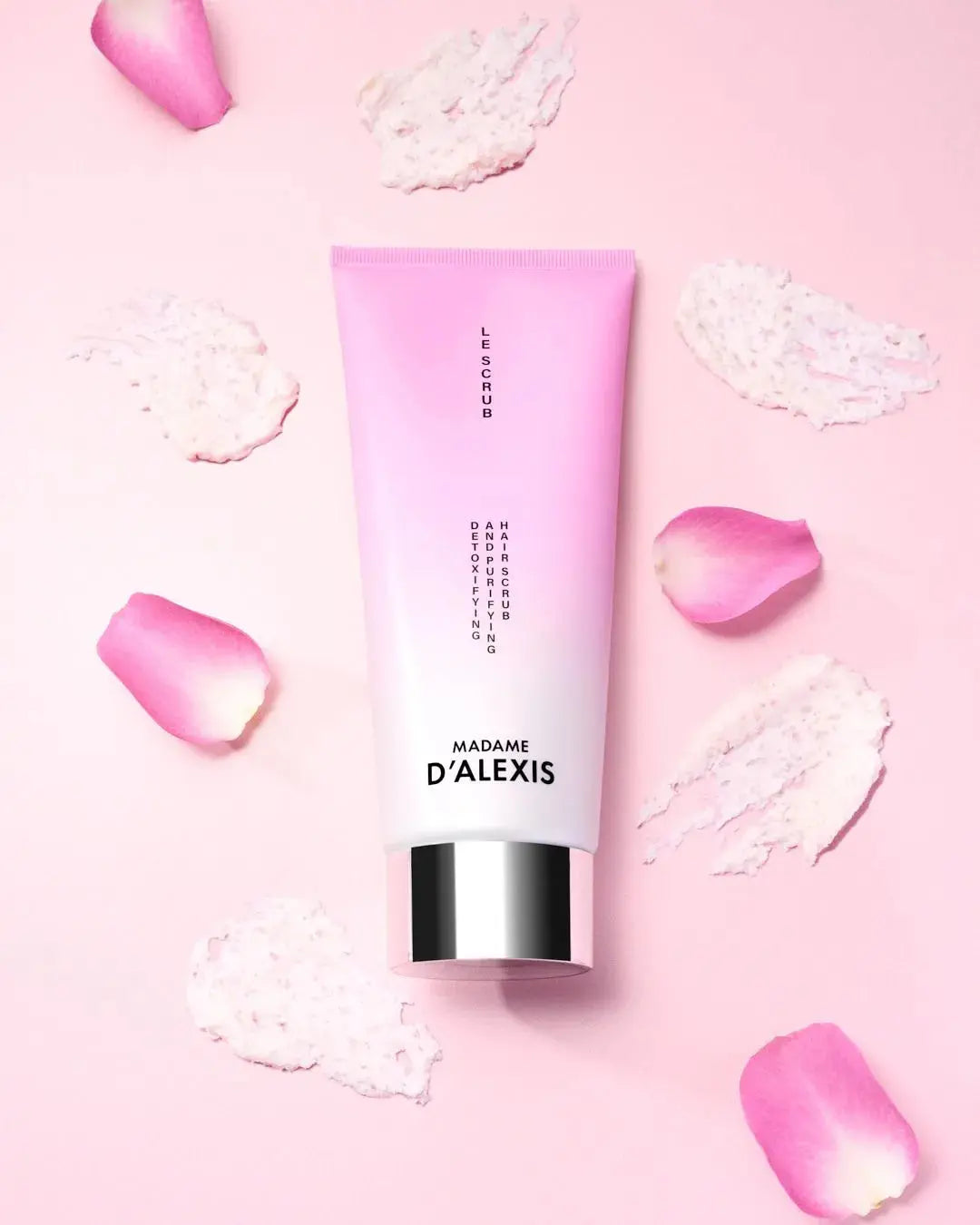
The Floral Scrub
Scalp Reset · Natural Radiance
- Helps remove buildup that makes gray hair look dull
- Prepares the scalp for nourishing treatments
- Ideal for lighter, fresher roots
39,00 €
See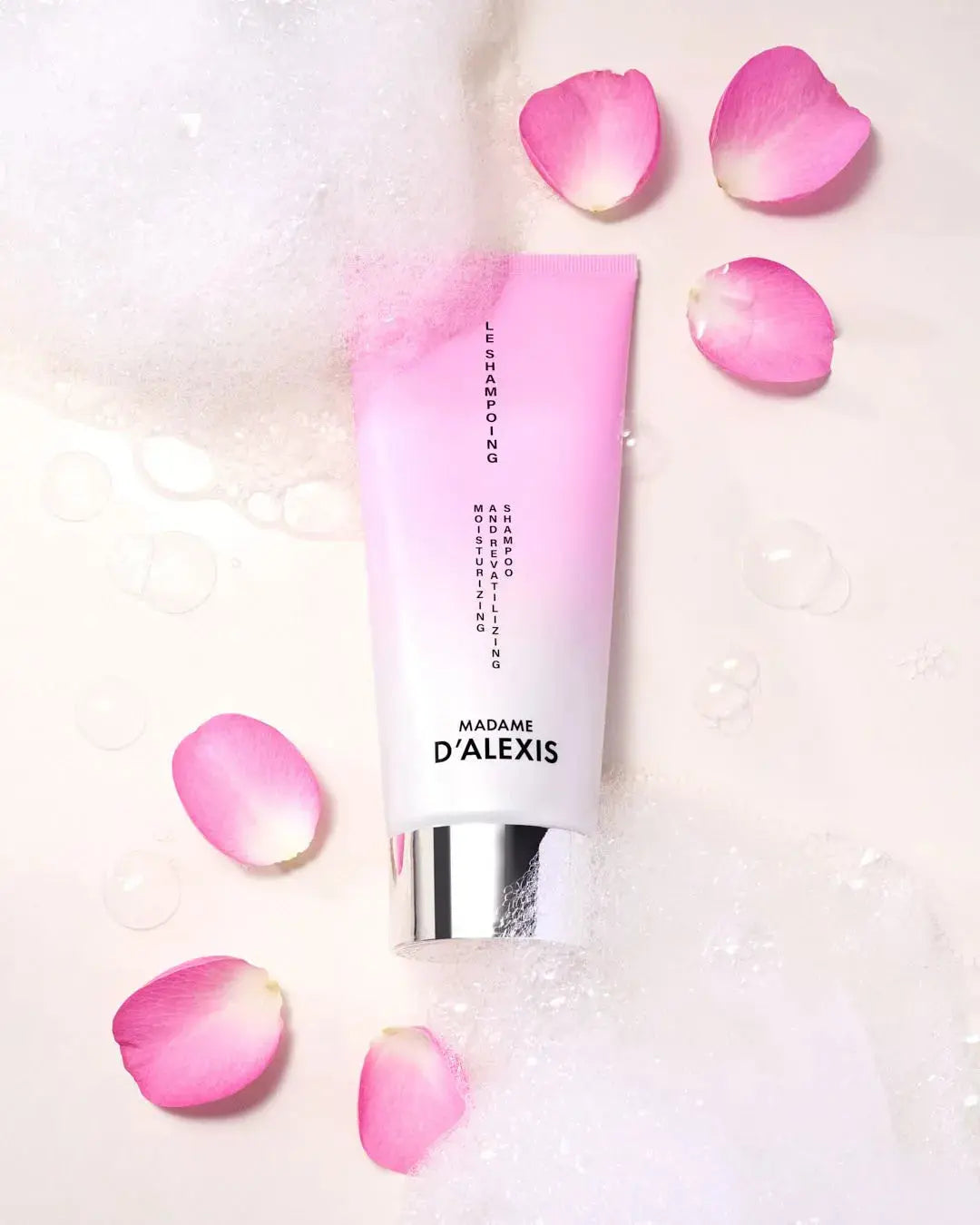
Hydrolat Shampoo
Gentle wash · drier fibers
- Cleans without stripping white or gray hair
- Helps preserve the suppleness of a less pigmented fiber
- Organic hydrosols, prebiotics, and hyaluronic acid
35,00 €
See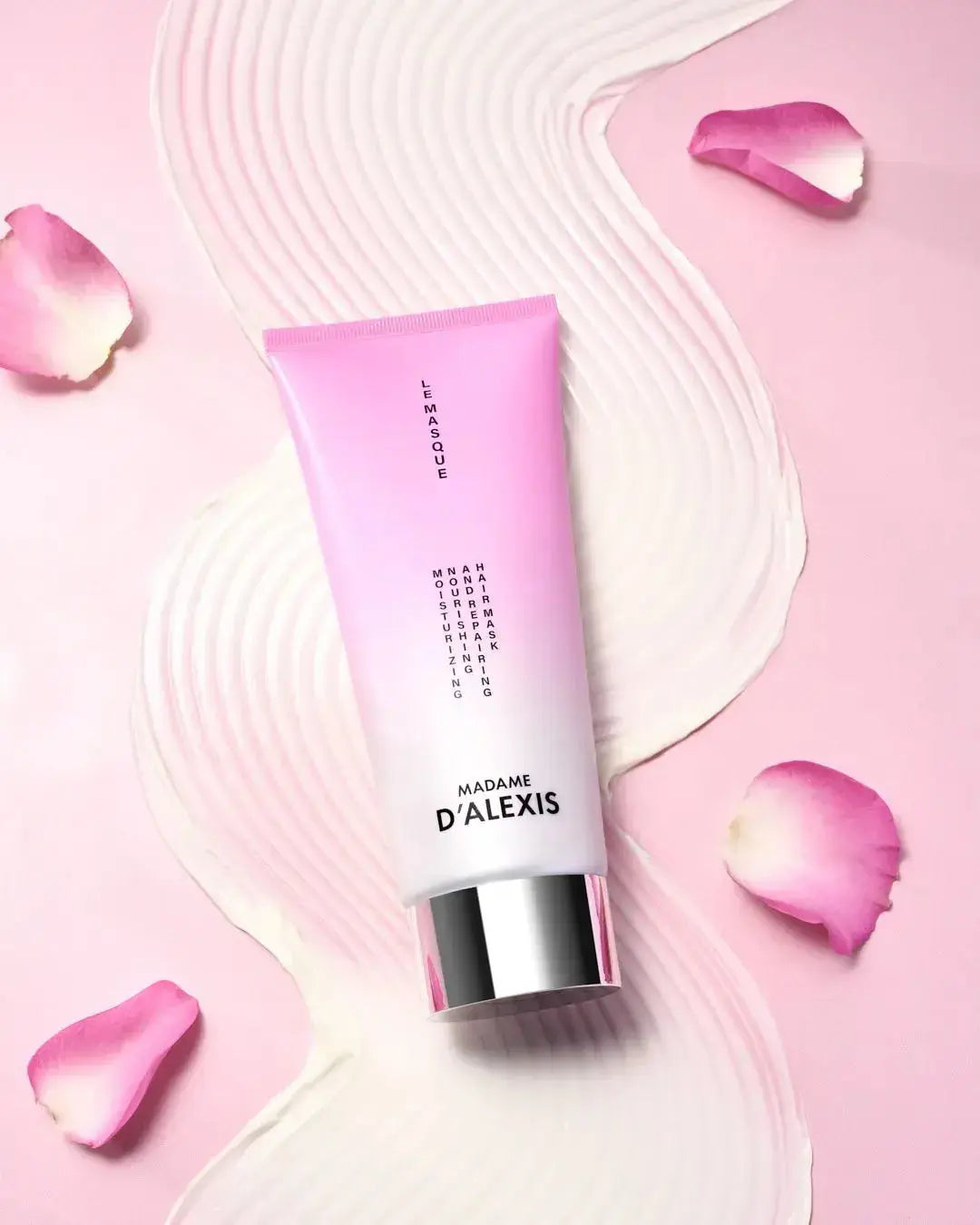
The Hydrolat Mask
Nutrition · Flexibility · Shine
- Nourishes the white sections, which are often coarser
- Helps restore softness and comfort to the hair
- Plant-based ceramides, premium oils, and organic hydrosols
49,00 €
See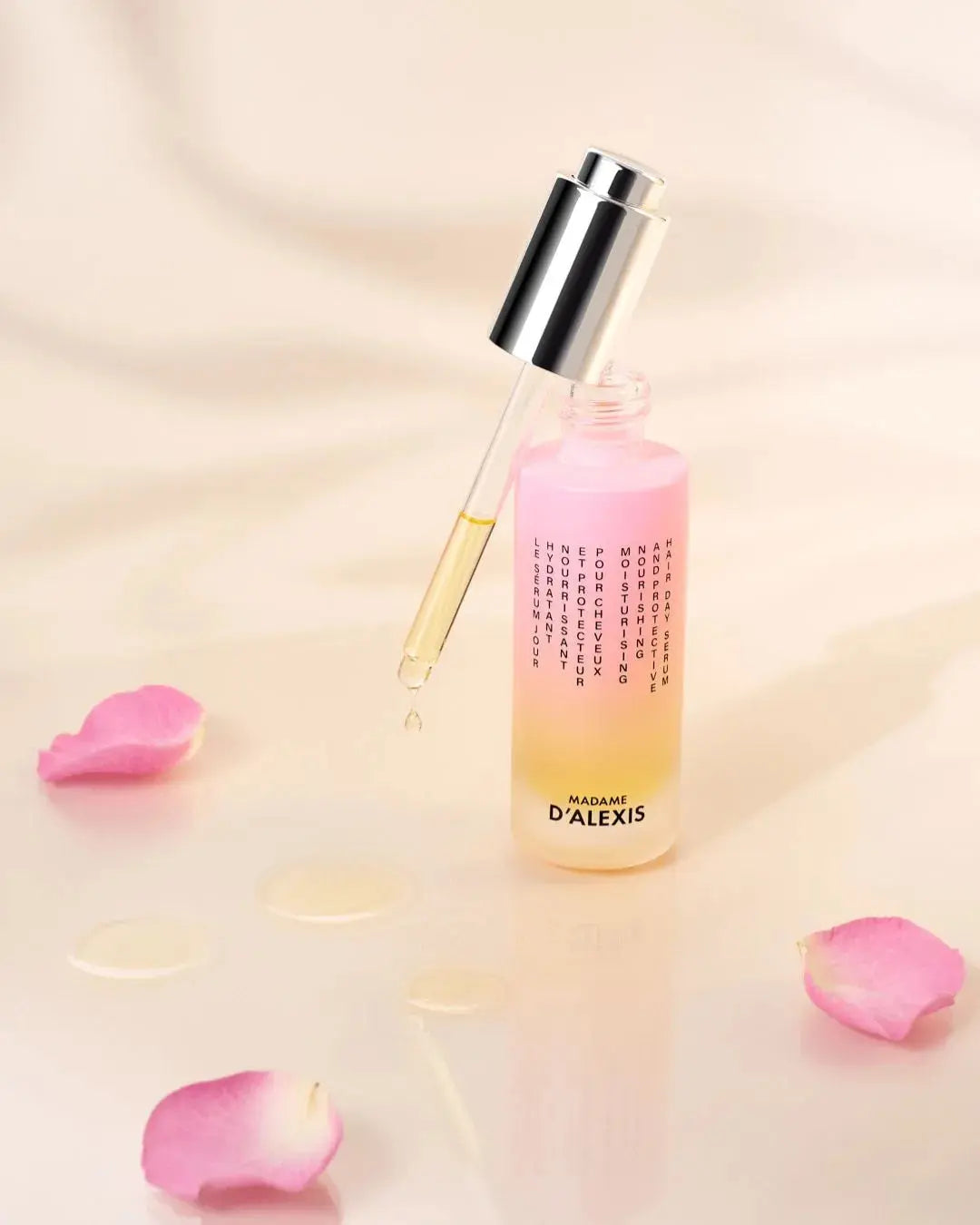
The Day Serum
Radiance · Softness · Protection
- Helps brighten dull gray hair
- Visually smooths out frizz without leaving hair feeling greasy
- Protects the ends and leaves hair feeling softer
35,00 €
See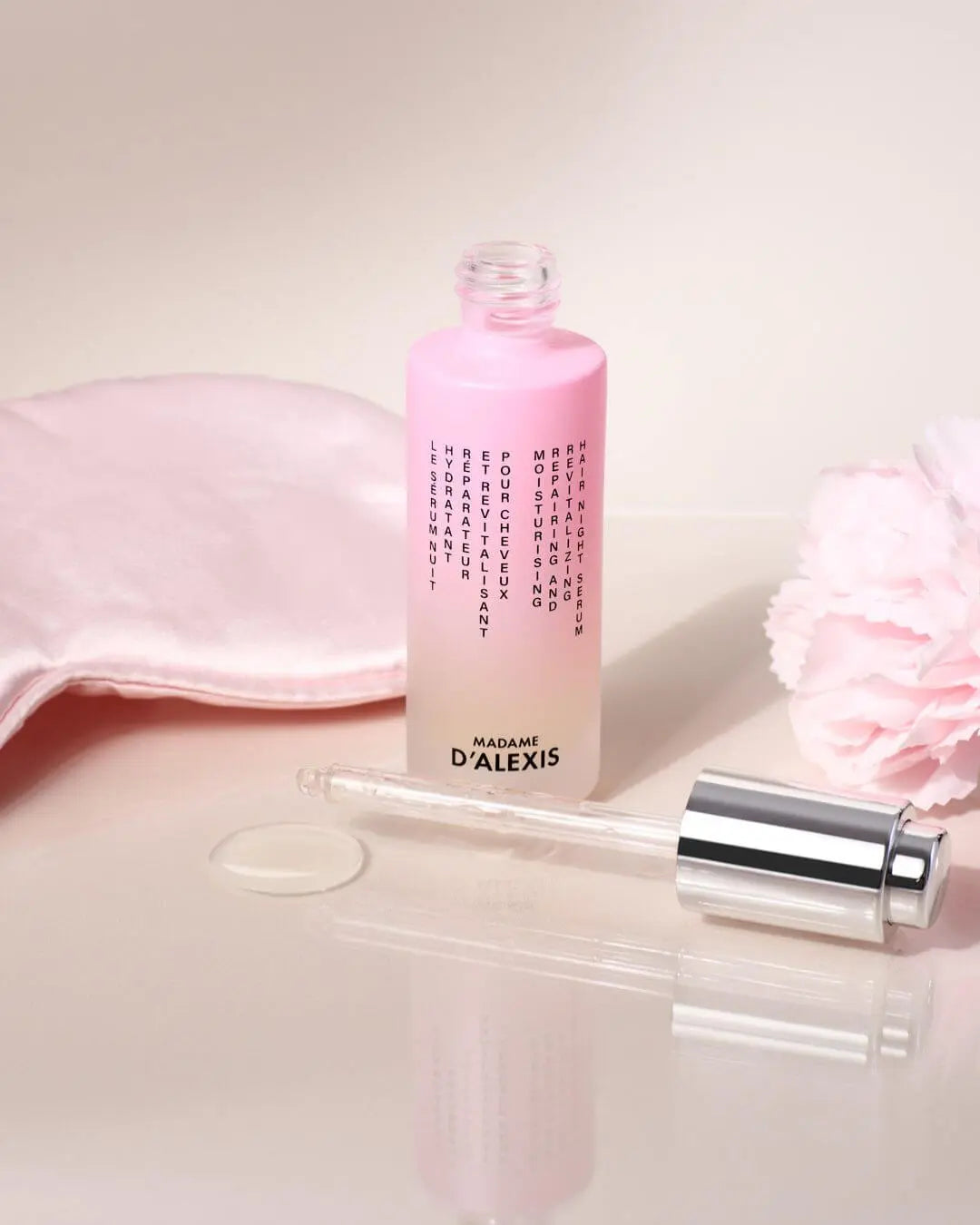
Night Serum with Hydrolats
Scalp · Comfort · Density
- Nourishes the scalp overnight
- Ideal for when gray hair seems more fragile
- Organic hydrosols, nettle, licorice, and density-boosting active ingredients
35,00 €
SeeScroll down to discover the 5 Madame d’Alexis skincare products
White or gray hair: What's the difference?
The distinction between white and gray hair is often a source of confusion. In reality, “gray” does not exist on the level of a single strand of hair. It is an optical illusion: when you look at a head in profile, the mixture of unpigmented white hair and hair that is still colored creates an overall gray hue, which is known as graying or the salt-and-pepper effect. Each individual hair, however, is either pigmented or white.
The Structure of White Matter: What Really Changes
A gray hair isn't just a hair without color. Its structure is different.
Without melanin to fill the cortex, the hair shaft is more porous, and the cuticle—the outer protective layer—is less dense. Direct consequences include increased absorption of impurities, susceptibility to yellowing, heightened dryness, and greater mechanical fragility. This premature fragility of the white hair shaft requires special attention.
That is precisely why gray hair can’t get by with just an ordinary hair care routine: it requires hair care that’s truly tailored to its needs.
The Causes of Gray Hair
There is no single cause of hair graying. It is almost always a combination of factors—some unavoidable, others within our control. This complex phenomenon depends on genetics, lifestyle, and the environment.
Aging: The Main Cause
With age, the supply of melanocyte stem cells in the hair follicle gradually depletes. A study published in *Nature* in 2023 showed that these stem cells become trapped in the follicle as we age, losing their ability to regenerate into active melanocytes. The result: less melanin is produced with each cycle, until production stops completely.
Genetics: A Key Role
The age at which the first gray hairs appear is 70–80% hereditary. If your parents went gray early, the odds are stacked against you. This is the hardest factor to overcome, but understanding your personal genetics can help you prepare for graying.
Chronic Stress: Scientifically Proven
In 2020, a Harvard team published a study in *Nature* demonstrating that acute stress activates the sympathetic nervous system, releases norepinephrine in the follicles, and forces melanocyte stem cells to differentiate prematurely, until they are completely depleted. The mechanism is now well established: oxidative stress does indeed accelerate graying.
Nutritional Deficiencies
Certain micronutrients are direct cofactors in melanin synthesis. A deficiency in these nutrients can accelerate skin lightening:
- Vitamin B12: A common deficiency among vegetarians and older adults.
- Iron: essential for oxygenating the hair follicles and maintaining overall health.
- Copper: a cofactor of tyrosinase, a key enzyme in melanogenesis.
- Zinc: plays a role in cell division and DNA repair.
Targeted dietary supplements can correct these deficiencies and support hair health.
Other contributing factors
- Hormonal imbalances, hypothyroidism, postpartum, pregnancy.
- Smoking, because oxidative stress directly damages melanocytes.
- Autoimmune diseases, including vitiligo and alopecia areata.
- Unprotected exposure to UV rays; major environmental factors.
- Certain medications or treatments that affect pigmentation.
Premature Graying: When It Happens Too Soon
Premature graying is defined as the appearance of the first gray hairs before age 25 in Caucasians, before age 30 in Asians, and before age 35 in people of African descent. Premature graying may be linked to genetics, stress, or nutritional deficiencies. In these cases, a medical evaluation—including tests for thyroid function, vitamin B12, and iron levels—is recommended.
Key takeaway: Graying is irreversible once melanocytes are depleted. However, you can slow down the appearance of the first gray hairs by making changes to your diet, managing stress, and improving the quality of your scalp care. Adopting a preventive routine helps maintain hair health.
Why Gray Hair Has Specific Needs
This is the question many people ask themselves without always getting a clear answer: Why does my gray hair seem drier, duller, and harder to style than my old, pigmented hair?
The answer lies in the hair's structure. Gray hair requires specialized hair care to restore its vitality and natural shine.
A more porous cuticle
Without melanin to thicken the cortex, the cuticle of gray hair opens more easily. It absorbs more impurities, calcium-based minerals from tap water, and product residue. The result: yellowing, increased dryness, and more frizz. This increased porosity also affects the perceived hair color and requires regular hydration.
A scalp that changes, too
As we age, a decrease in sebum production affects the scalp. It becomes drier, more sensitive, and sometimes more reactive. Hair follicles receive less nourishment from the root, which affects the hair’s vitality and growth. Taking care of the scalp is therefore essential for beautiful hair.
What White Fiber Really Wants
- Deeply hydrates the hair shaft and scalp.
- Nourishing without weighing hair down, free of occlusive silicones, and formulated with lightweight oils such as argan oil or aloe vera.
- Protects the cuticle to minimize yellowing and enhance the silvery shine.
- Care for the scalp microbiome to maintain a healthy follicular environment.
What You Must Absolutely Avoid
- SLS/SLES sulfates: They open the cuticle, accelerate yellowing, and dry out the hair shaft.
- Water that's too hot when rinsing: opt for cold or lukewarm water instead.
- Excessive heat without thermal protection.
- Alkaline products that disrupt the hair's natural pH balance.
- Hair dyes or coloring treatments that are too harsh and are used without prior conditioning.
How to Nourish and Enhance Gray Hair Naturally
Good news: When properly cared for, white hair can look absolutely stunning—shiny, supple, and full of life. Here are the active ingredients that really make a difference.
Cationic hyaluronic acid: targeted hydration
Conventional hyaluronic acid simply glides over the hair shaft. Cationic hyaluronic acid—INCI: Hydroxypropyltrimonium Hyaluronate—carries a positive charge that attracts it to negatively charged keratin. It adheres to the hair shaft, deeply hydrates the hair, and strengthens the root from the inside out. This is a difference in mechanism, not just marketing.
Plant-derived ceramides: Restoring the lipid barrier
Plant-based ceramides restore the cuticle’s lipid barrier. They strengthen the hair shaft, reduce breakage, and lock in moisture within the cortex. For porous white hair, this is one of the most effective active ingredients.
Organic Hydrosols: pH as the First Step in Skincare
Organic floral hydrosols are not simply scented water. They contain hydrophilic aromatic molecules, trace elements, minerals, organic acids, flavonoids, and antioxidants. Their naturally acidic pH, ranging from 4.5 to 5.5, is perfectly compatible with the hair cuticle and the scalp’s natural flora.
In practical terms: a product formulated with hydrosols keeps the cuticle closed as soon as it’s rinsed out. A closed cuticle = less porosity = less yellowing + enhanced natural shine. This is also why hydrosols improve the delivery of hydrophilic active ingredients such as hyaluronic acid and probiotics.
Topical Probiotics: The Scalp Microbiome
The scalp microbiome plays a direct role in follicular vitality. Topical probiotics—Lactobacillus Ferment and Lactobacillus Ferment Lysate—restore balance to this ecosystem, reduce chronic micro-inflammation, and create conditions conducive to follicular health.
Botanical ingredients to revitalize hair follicles
- Quercus Robur Bark Extract, oak bark extract.
- Urtica Dioica Leaf Extract, nettle extract.
- Glycyrrhiza Glabra Root Extract, licorice root extract.
These three active ingredients help revitalize hair follicles and promote hair density.
Nutrition: The Foundation We Often Overlook
- Protein: eggs, legumes, fish.
- Vitamin B12: meat, dairy products, nutritional yeast.
- Copper and zinc: seafood, nuts, pumpkin seeds.
- Antioxidants: green tea, berries, and colorful vegetables, to combat oxidative stress.
Scalp massage
Simple, free, underrated. A daily 3- to 5-minute massage stimulates microcirculation, improves the delivery of nutrients to the hair follicles, and can promote hair vitality. Pair it with your evening hair care routine to enhance the effect.
To learn more about howto effectivelyexfoliate your scalp and prepare your skin to better absorb active ingredients, our dedicated guide explains the technique step by step.
Alexis's "Madame" Routine for Gray Hair: Complete Guide
Here’s how to structure a hair care routine that’s truly tailored to the needs of white hair. Four steps, clear guidelines on frequency, and targeted active ingredients.
Step 1: Every 10 to 15 days, use the detoxifying scrub
The Detoxifying & Purifying Floral Scrub is the step we most often forget, and yet it’s one of the most important for gray hair.
Formulated with fleur de sel for gentle exfoliation, it removes mineral deposits—a major cause of yellowing—as well as product buildup and dead skin cells that clog the scalp. It stimulates microcirculation and oxygenates the hair follicles. Most importantly, it prepares the scalp to better absorb the active ingredients in subsequent treatments.
Frequency: every 10 to 15 days. During this routine, two applications of the scrub replace shampoo.
The Floral Scrub
Fleur de sel · Organic hydrosols · Scalp
- Helps remove buildup from the scalp
- Prepares the roots to better absorb the subsequent treatments
- A premium ritual for gentle cleansing
Step 2: Use sulfate-free shampoo every time you wash your hair
The Floral Shampoo, free of sulfates and silicones, cleanses the hair shaft without stripping the cuticle. Its base of organic hydrosols maintains a natural acidic pH, which keeps the cuticle closed, minimizes yellowing, and preserves the scalp’s microbiome.
This is the foundation of your routine. A sulfate-based shampoo—even a mild one—can negate the benefits of all your other hair care products.
Hydrolat Shampoo
Sulfate-free · Organic hydrosols · Hyaluronic acid
- Sulfate- and silicone-free formula
- Organic hydrosols instead of water
- Ideal for washing without damaging the white fibers
Step 3: After every shampoo, apply the repair mask
The Hydrating Floral Mask combines plant-based ceramides, cationic hyaluronic acid, organic apricot and jojoba oils, and orange blossom essential wax.
Applied 5 to 10 minutes after shampooing, it repairs porous hair fibers, locks moisture into the cortex, and smooths the cuticle. Visible results: a natural silvery shine and restored suppleness.
The Hydrolat Mask
Plant-Based Ceramides · Nutrition · Premium Oils
- Repairs the porous structure of gray hair
- Locks in moisture and reveals radiance
- Ideal for deep conditioning after every shampoo
Step 4: Use the night serum 3 to 5 times a week as part of a treatment regimen
This is the heart of the skincare routine. The Repairing & Plumping Night Serum is formulated without added water, using a base of active organic hydrosols: Damask rose, German chamomile, and orange blossom. 98% natural, made in Brittany.
Directions: Apply a few drops with the pipette directly to the scalp, section by section, in the evening. Do not rinse. The treatment works overnight.
Its key ingredients for gray hair:
- Probiotics and postbiotics: restore balance to the microbiome and reduce low-grade inflammation.
- Fermented extracts: cellular vitality and nighttime repair.
- Cationic hyaluronic acid: deep hydration of the scalp, strengthened roots.
- Botanical anti-hair loss ingredients: revitalized hair follicles.
- Arginine: supports keratin and the vitality of the hair shaft.
Recommended treatment duration: 8 to 12 weeks. Then switch to maintenance treatment with 1 to 2 applications per week.
Night Serum with Hydrolats
Scalp · Hair Density · Evening Routine
- Extends the at-home skincare experience
- Targeted scalp treatment, no-rinse
- Ideal as an 8- to 12-week treatment regimen
Daytime Protection: Protecting the white fiber from damage
Since white hair is more porous, it is also more sensitive to heat, friction, and dryness. As a finishing touch or before blow-drying, a light protective treatment can help minimize breakage and preserve shine.
The Day Serum
Jojoba Oil · Shine · Heat Protection
- Light, shiny finish with no greasy feel
- Helps protect up to 200°C
- Perfect for smoothing frizz and enhancing the ends of your hair
To learn everything you need to know about restoring shine to gray hair and enhancing its natural beauty, check out our dedicated article, which complements this routine.
Summary Table of the Routine
| Product | Frequency | Key Benefit for Gray Hair |
|---|---|---|
| Detoxifying & Purifying Floral Scrub | Every 10 to 15 days | Removes limescale buildup and stimulates the follicles. |
| Floral Shampoo | With each wash | Cleans without stripping, maintains an acidic pH. |
| Moisturizing Floral Mask | After every shampoo | Repairs porous hair, giving it a silvery shine. |
| Repairing & Densifying Night Serum | 3 to 5 times a week, for 8 to 12 weeks | Microbiome, follicular vitality, density. |
Mistakes to Avoid When Dealing with Gray Hair
They strip away the cuticle with every wash: accelerated yellowing, chronic dryness, and weakened hair.
Heat opens the cuticle. Rinsing with cold or lukewarm water helps preserve shine.
Straightening irons, blow-drying, high-temperature diffusers: without heat protection, white hair breaks and loses its luster.
While they can be helpful occasionally, they can be very drying over the long term. Use no more than once a week.
It’s at the follicle level that everything comes into play: vitality, density, and long-term health.
They give the hair an artificial shine but build up in the porous hair shaft and eventually weigh it down.
The hair growth cycle lasts about 3 months: that’s the minimum amount of time needed to assess the effectiveness of a routine.
FAQ - Gray Hair: All Your Questions
Why does hair turn gray?
Hair turns gray when melanocytes—the cells responsible for hair pigmentation—gradually deplete and stop producing melanin. This natural process, known as canities, is linked to hair aging. Genetics account for 70–80% of the age at which the first gray hairs appear. Oxidative stress, caused by chronic stress, smoking, or UV exposure, can accelerate this process.
How can you slow down the appearance of gray hair?
Genetic graying cannot be stopped, but the appearance of the first gray hairs can be delayed by addressing modifiable factors: a diet rich in antioxidants, correcting deficiencies in vitamin B12, copper, iron, or zinc, reducing chronic stress, quitting smoking, and regularly caring for the scalp.
How can you care for your gray hair on a daily basis?
Caring for gray hair requires a routine tailored to hair that is more porous, drier, and more sensitive. The key is to deeply moisturize, nourish with lightweight active ingredients, avoid sulfates, and protect the cuticle. A nighttime scalp treatment is the perfect way to round out the routine.
Can gray hair regain its color?
In the vast majority of cases, no. Once the melanocytes are depleted, hair pigmentation stops permanently. There are rare cases of partial repigmentation after correcting a severe deficiency or resolving intense stress, but these remain exceptional. Hair coloring remains the immediate solution for restoring color.
Why do young people have gray hair?
Having gray hair at a young age is called premature graying. Genetics is the main cause, but chronic stress, nutritional deficiencies, smoking, UV exposure, and certain hormonal or autoimmune disorders can also play a role. A medical evaluation may be recommended.
At what age do the first gray hairs appear?
There is no universal age. On average, the first gray hairs appear between the ages of 35 and 45 in Caucasians, and a little later in people of Asian or African descent. It is considered premature graying if it occurs before the ages of 25, 30, or 35, depending on the individual.
Does stress really cause hair to turn gray?
Yes. A study published in *Nature* in 2020 demonstrated that acute stress activates the sympathetic nervous system, releases norepinephrine in the hair follicles, and forces melanocyte stem cells to differentiate prematurely, until they are depleted.
What is the difference between white hair and gray hair?
On the level of a single hair, gray does not exist. A hair is either pigmented or white. Graying is an optical illusion created by the mixture of unpigmented white hairs and hairs that are still colored.
Is gray hair drier than pigmented hair?
Yes, structurally. Without melanin to thicken the cortex, the cuticle of gray hair is more porous and less protective. It retains moisture less effectively and absorbs impurities more easily. This is often compounded by a decrease in sebum production with age.
Do you need a special shampoo for gray hair?
It’s not necessarily a “gray hair shampoo” in the marketing sense, but it’s definitely a sulfate-free formula. Sulfates open the cuticle with every wash, which accelerates yellowing and dryness. A shampoo made with organic hydrosols and an acidic pH cleanses without stripping the hair.
Why does gray hair turn yellow?
There are several causes of yellowing: increased cuticle porosity, calcium deposits in the water, product residue, silicones, sulfates, pollution, cigarette smoke, and UV rays. A sulfate-free routine, organic hydrosols, ceramides, and occasional exfoliation help prevent this from happening.
Can gray hair regain its natural color?
In the vast majority of cases, no. Once the melanocytes are depleted, melanin production stops permanently. If graying is caused by a treatable condition, such as a deficiency or a hormonal disorder, treating the underlying cause can sometimes slow down or partially reverse the process in younger people.
How long does it take to see results from a treatment for gray hair?
The hair growth cycle lasts about 3 months. For a scalp treatment such as Night Serum, a course of 8 to 12 weeks with 3 to 5 applications per week is recommended. The first signs of improvement—a less dry scalp, more supple hair, and increased shine—may appear as early as the 4th to 6th week.
Is gray hair more fragile?
Yes. White hair is mechanically more fragile: it has a more porous cuticle, a less dense cortex, and often reduced sebum production. Plant-based ceramides and cationic hyaluronic acid help strengthen the hair shaft and reduce breakage.
Useful sources
- Sun Q. et al., “Dedifferentiation maintains melanocyte stem cells in a dynamic niche,” Nature, 2023. DOI: 10.1038/s41586-023-05960-6
- Zhang B. et al., “Hyperactivation of sympathetic nerves drives depletion of melanocyte stem cells,” Nature, January 2020. DOI: 10.1038/s41586-020-1935-3
- Tobin D.J., “Aging of the Hair Follicle Pigmentation System,” International Journal of Trichology, 2009. PMC: PMC4569122
- NIH (National Institutes of Health), “Aging Melanocyte Stem Cells and Gray Hair.”

