Advice
How can you dry your hair without a hair dryer?
Drying your hair without a hair dryer preserves shine, reduces breakage, and leaves hair feeling silky smooth. Discover microfiber, plopping, and turban techniques for quick and luxurious drying. At home.


How to Dry Your Hair Without a Hair Dryer: Gentle Methods, Tips, and an Anti-Frizz Routine
Drying your hair without a hair dryer can help preserve the hair shaft, limit heat exposure, and reduce frizz—as long as you don't leave your hair soaking wet for too long. The right method combines gentle blotting, protecting the lengths, and gradual drying.
- Drying your hair without a hair dryer is a good way to limit heat exposure, but it needs to be done in moderation: damp hair, yes; soaking-wet hair for hours, no.
- A microfiber towel and a cotton T-shirt are the best tools for absorbing moisture without rubbing.
- On curly hair, plopping helps maintain definition and minimize frizz.
- The Day Serum is the key product for protecting the lengths of your hair, taming frizz, and maintaining a lightweight finish.
- For dry, curly, or frizzy hair, the wash + mask + serum routine is more important than the drying method alone.
Madame d’Alexis hair care products help dry hair without heat and reduce frizz
Successful natural drying begins before the drying process itself. The most effective products are those that cleanse without stripping the hair, nourish the lengths, and leave a light, moisture-resistant finish.
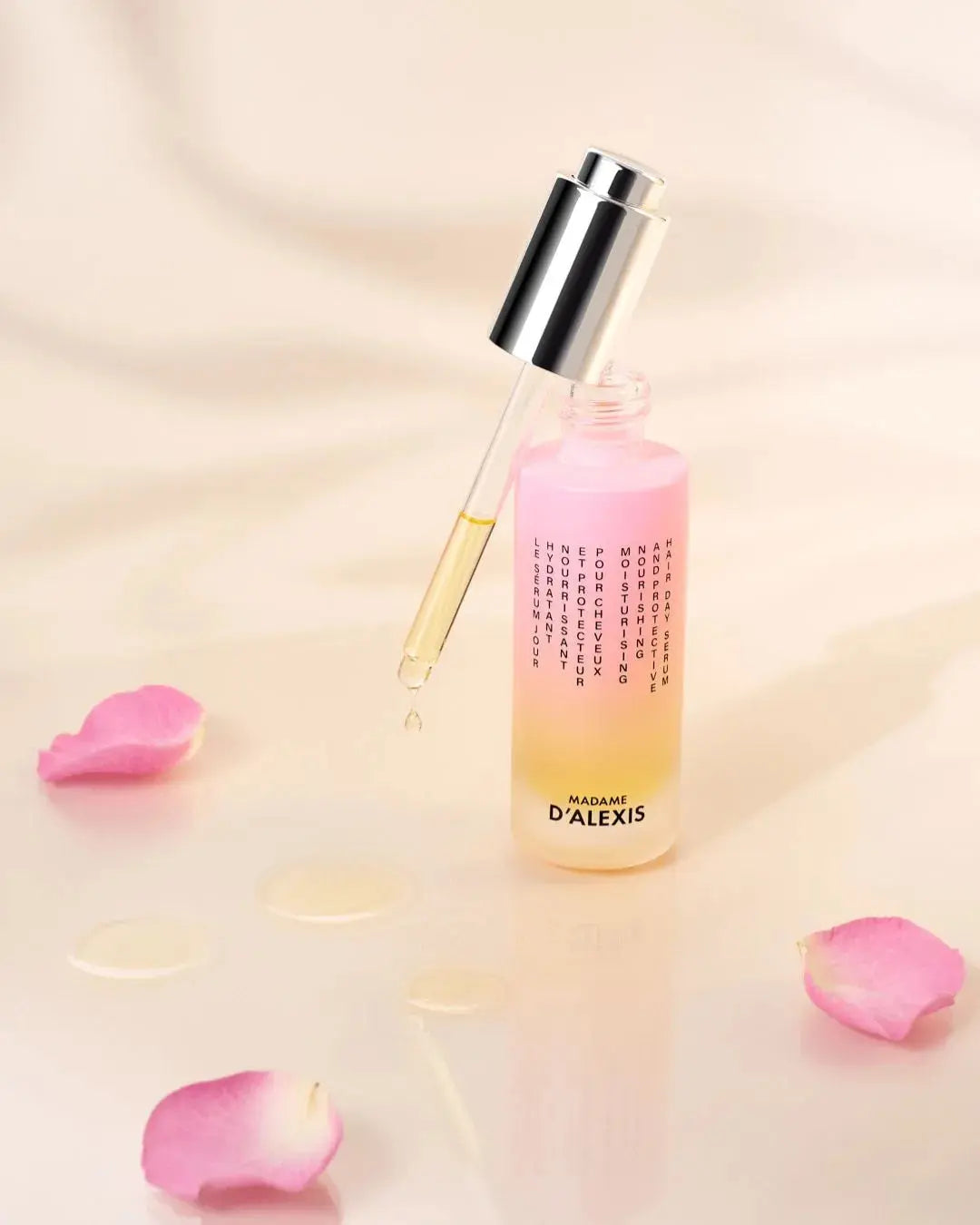
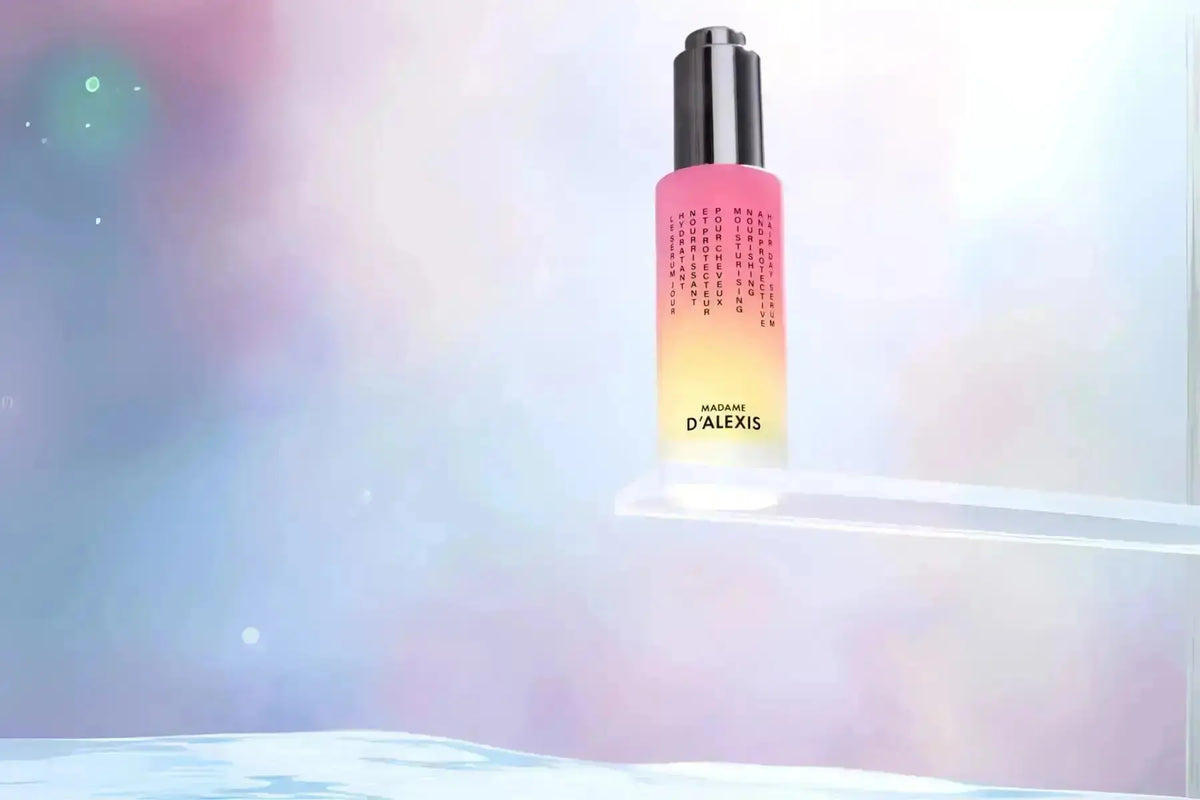
Heat-Free Anti-Frizz Day Serum
- On damp or dry hair, along the lengths and at the ends
- Dry oil finish, non-greasy
- Helps reduce frizz, humidity, and pollution
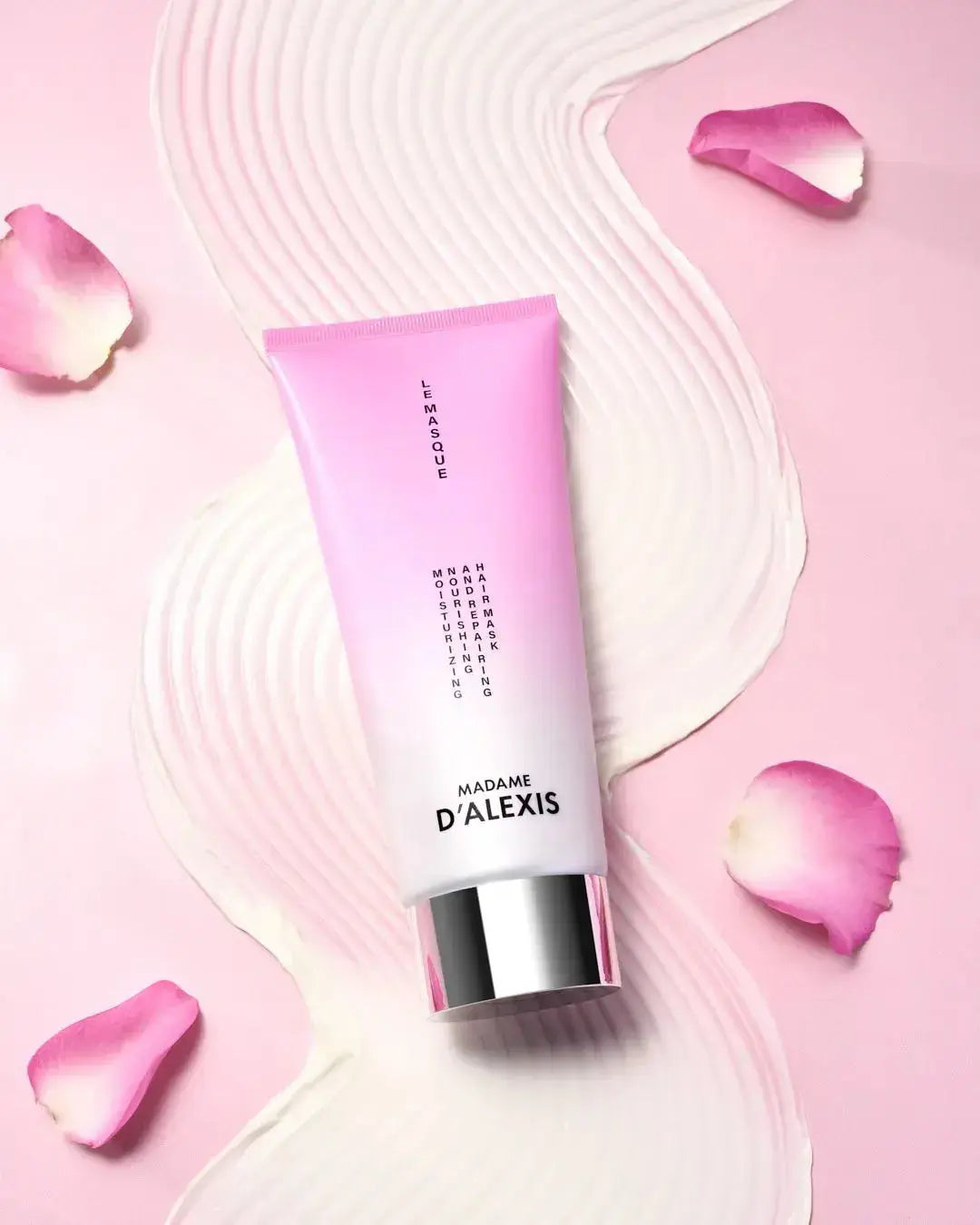
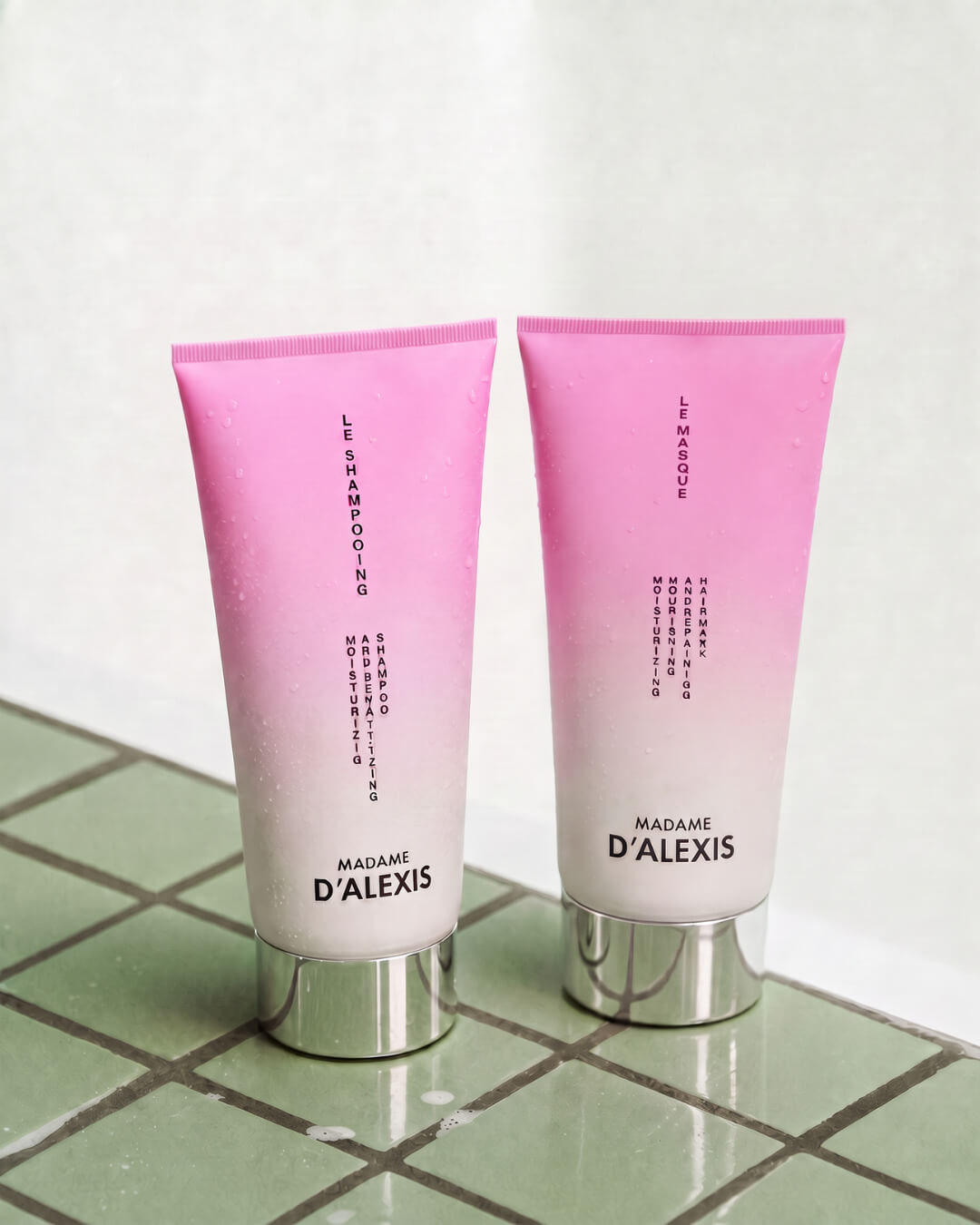
Anti-Frizz Mask for Dry Hair
- Leave on for 5 to 10 minutes along the lengths
- Helps smooth the hair before air-drying
- For use on the lengths and ends only
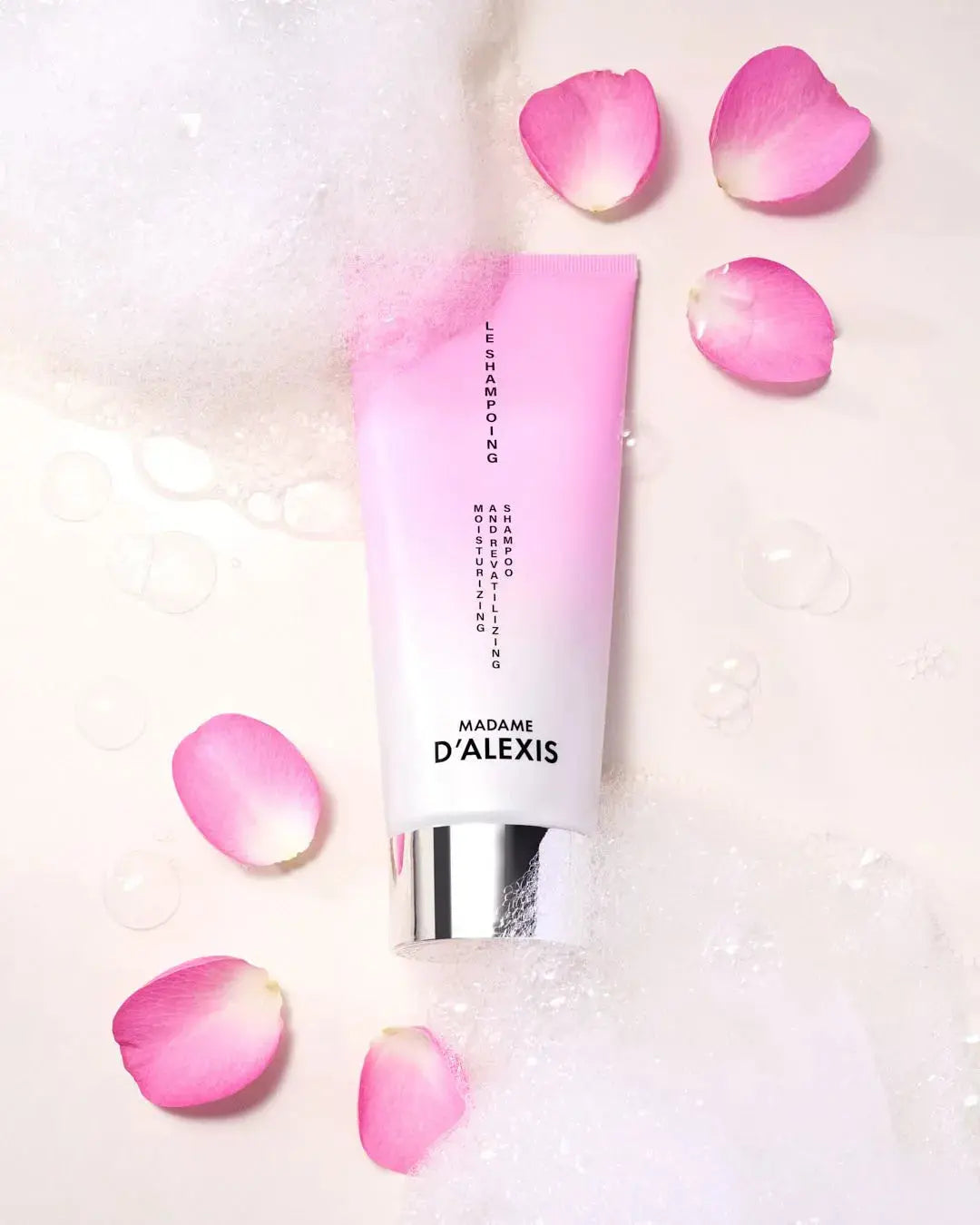
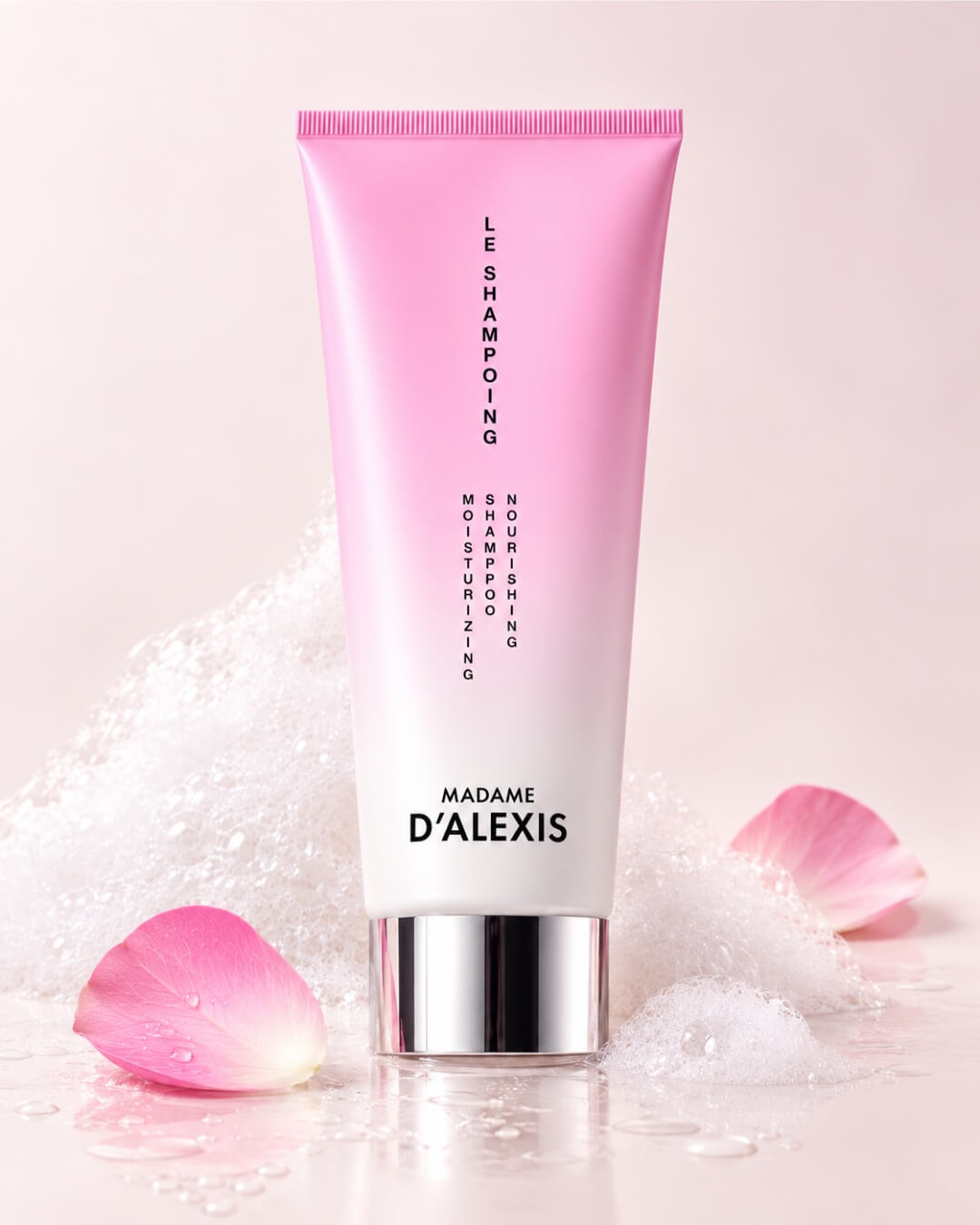
Mild, sulfate-free shampoo
- Cleanses without stripping the scalp
- Prepare the fiber for air-drying
- Ideal for dry, frizzy, or brittle hair
Natural-Drying Routine for Curly Hair
- To organize your hair washing, care, and styling routine
- Suitable for plopping and air-drying
- Helps preserve the definition of loops
Why choose to dry your hair without a hair dryer?
Getting into the habit of drying your hair without a hair dryer helps reduce heat exposure and protect the hair shaft, especially if your hair is dry, colored, curly, or already damaged. The idea isn’t to leave your hair soaking wet all day, but to replace harsh heat with a gentler drying method.
The key to drying your hair properly is to remove excess water quickly, protect the lengths, and then let the air finish the job.
Less heat
The hair is subjected to less thermal stress, especially on dry or colored ends.
Less friction
Whether you use a microfiber cloth or a T-shirt, the water is absorbed without scratching the cuticle.
More natural
Curls, waves, and natural volume regain their shape more easily.
Why avoid excessive heat?
Excessive heat can open the cuticle, accelerate dehydration, and make hair look duller. On hair that’s already porous, the risks are even more apparent: frizz, rough ends, breakage, and loss of shine.
The important distinction: using a hair dryer isn’t “off-limits.” It becomes a problem when it’s set too hot, held too close to the hair, used too often, or used without protection. For smart ways to vary your routine, see also the guide “Should You Blow-Dry Your Hair?”
Preparing Your Hair Before Air-Drying
Preparation is almost everything. Proper drying without a hair dryer starts in the shower and continues when you’re wringing out your hair. The more water you remove without damaging your hair, the better the final result will be.
Wash without stripping
Use a gentle, sulfate-free shampoo to cleanse without making the hair feel stiff.
Caring for Long Hair
On dry or porous hair, apply a dry hair mask to the mid-lengths and ends only.
Wring out without rubbing
Squeeze the lengths of your hair with a microfiber towel or a T-shirt. Do not twist the ends.
Protect Before Exposing to the Open Air
Apply 1 to 3 drops of Day Serum to the mid-lengths and ends of your hair to help tame frizz while blow-drying.
Five quick natural drying methods
| Method | Who is it for? | Instructions for use | Key point to watch |
|---|---|---|---|
| Microfiber Turban | All hair types. | Wrap it without twisting for 10 to 15 minutes. | Don't squeeze the roots too tightly. |
| Plopping | Wavy, curly, or textured hair. | Place the curls in a T-shirt, tie it, and wait. | Do not handle until the material is 80 to 90 percent dry. |
| Fluffing | Hair that lacks volume. | Gently lift the roots when they are almost dry. | Avoid breaking the loops. |
| Natural airflow | Travel, summer, no electricity. | Create a gentle airflow without direct heat. | Avoid prolonged exposure to cold winds. |
| Warm towel | Winter, thick hair. | A warm towel—never hot—for a few minutes. | Do not leave it damp for too long. |
For curly hair, our guide to drying curly hair explains plopping, using a gentle diffuser, and techniques to prevent frizz.
Specific tips depending on hair type
Curly and wavy hair
Opt for plopping, a cotton T-shirt, and minimal handling. The curly and wavy hair page helps you develop a complete routine.
Dry hair
Don't dry your hair without using a protective treatment. The dry hair care category helps round out your shampooing, conditioning, and styling routine.
Fine or straight hair
Use only a small amount of Day Serum, applying it only to the ends of your hair, to avoid making it feel heavy.
Sensitive scalp
Avoid going to bed with wet roots. A routine for an irritated scalp may be preferable if the moisture causes discomfort.
Products and accessories for drying your hair differently
Microfiber Towel
It absorbs water quickly without causing harsh friction. Squeeze, don't rub.
Cotton T-shirt
Ideal for curls: it helps maintain their shape and reducesstatic electricity.
Satin or silk hat
Very useful at night. Read our guide to nightcaps for curly hair.
For a shinier finish, a natural hair-shine serum or a lightweight dry oil helps smooth the surface without making your hair look stiff.

Common Mistakes to Avoid When Drying Your Hair Without a Hair Dryer
- Rub vigorously: the friction lifts the cuticles and causes frizz.
- Sleeping with wet hair: Prolonged exposure to moisture can weaken the hair shaft and irritate the scalp.
- Forget about using a protective treatment: without a light protective barrier, dry ends become frizzy more quickly.
- Don't touch your curls too soon: wait until they're almost dry before breaking up the style or lifting the roots.
- Let it dry in strong sunlight: heat and UV rays can also make the fiber more sensitive.
If your main goal is to avoid unruly strands, check out our guide on how to prevent frizz.
Video: Understanding How to Dry Hair Without Damaging the Hair Shaft
The routine described below follows these basic steps: remove excess water without rubbing, protect the hair strands, and then let the hair dry without exposing it to unnecessary thermal shock.
FAQ - How to Dry Your Hair Without a Hair Dryer
How can you dry your hair quickly without a hair dryer?
First, squeeze out the excess water by hand, then use a microfiber towel for 10 to 15 minutes. Apply a light styling product to the lengths of your hair and let it air dry gently—using a fan or room air—without direct heat.
What can replace a hair dryer?
A microfiber turban, a cotton T-shirt for curls, a gentle fan, a warm towel, or simply controlled air-drying can replace a hair dryer.
Is it good to let your hair dry naturally?
Yes, as long as the hair isn't left soaking wet for too long. Exposure to air helps limit heat, but prolonged exposure to moisture can weaken the hair shaft. So you should pre-dry it with a microfiber towel first.
How do you dry curly hair without a hair dryer?
Use the "plopping" method with a T-shirt, apply styling products to damp hair, handle the curls as little as possible, and wait until they're almost dry before fluffing up the roots.
How can you prevent frizz when air-drying your hair?
Do not rub; use a microfiber cloth, apply a few drops of Day Serum to the lengths and ends, then let it dry without touching your hair too often.
How to dry your hair with a towel?
Choose a microfiber towel, squeeze out the excess water section by section, and switch to a dry section regularly. Avoid circular motions, which can damage the cuticle.
Why is it bad to let your hair air-dry for too long?
When hair stays wet for too long, the hair shaft swells, the cuticle remains vulnerable, and friction increases. The goal, therefore, is to let it air dry, but not for an endless amount of time.
What is the best way to dry your hair?
The best method is a gradual one: gentle spinning, microfiber cloth, protective treatment, drying at room temperature, and then minimal handling until the item is almost completely dry.