Advice
Should you blow-dry your hair?
Blow-dry or air-dry? Discover the best method for your hair type to maintain its beauty, health, and shine.


Should You Blow-Dry Your Hair? A Gentle Method to Protect Your Hair Strands
Yes, drying your hair can be a true part of your hair care routine—as long as you manage moisture, heat, and hair fiber protection effectively. The goal is to dry your hair without stripping it, breaking it, or unnecessarily opening the cuticles.
- Leaving your hair wet for too long weakens the cuticle and makes the hair shaft more vulnerable to friction.
- A hair dryer used on a warm setting, held at a distance, and with a protective product may be safer than letting your hair air-dry for a very long time.
- The scalp should remain healthy and dry: prolonged moisture can lead to discomfort, itching, and dandruff.
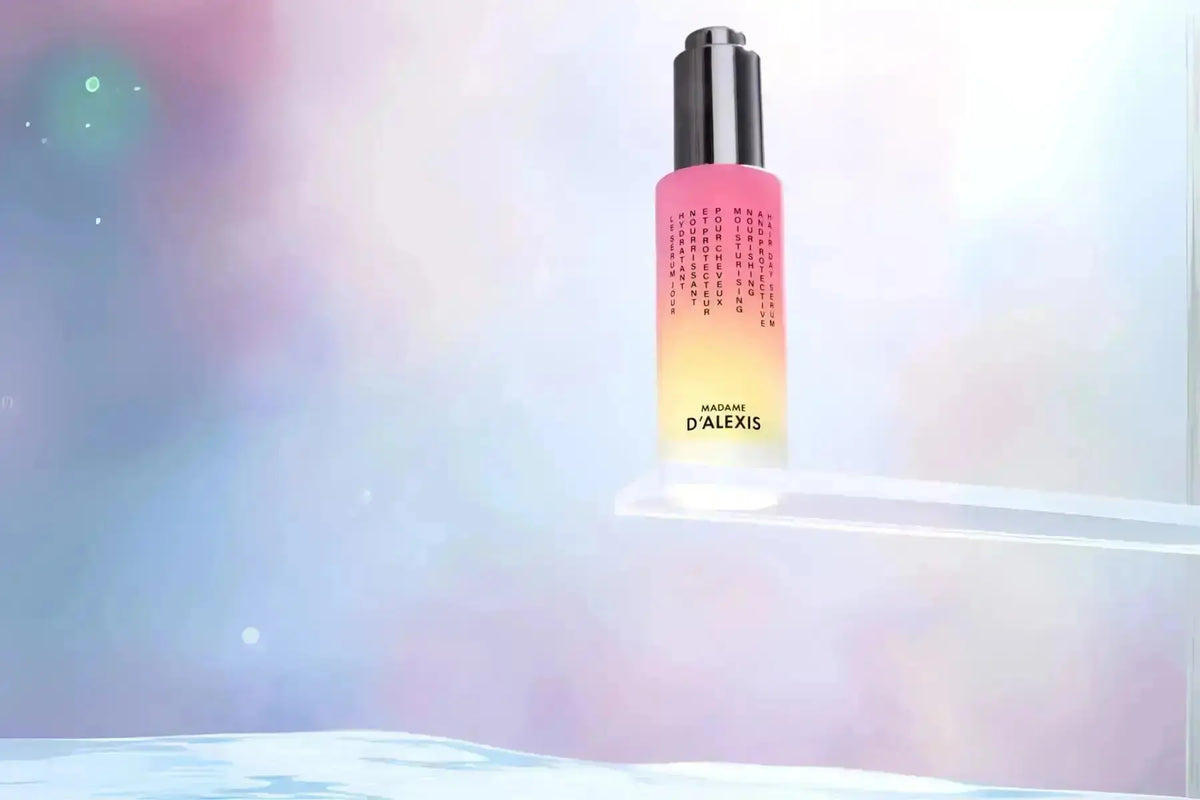
- Whether you're blow-drying, using a hot air brush, or a diffuser, the Heat-Protective Day Serum protects the lengths and ends of your hair up to 200°C.
Drying your hair: an essential step if you want to preserve the hair fiber
To the question, “Should you dry your hair?” the answer is clear: yes, but not just any way. Leaving your hair wet for too long or exposing it to uncontrolled heat can cause lasting damage—damage that may not be visible at first but is very real in the long run.
Prolonged moisture weakens
When hair remains wet, it swells, becomes heavier, and is more susceptible to mechanical and environmental damage.
Proper drying protects
When used on a low heat setting, a hair dryer helps control drying time, smooth the hair shaft, and preserve elasticity.
The scalp needs to breathe
Too much moisture can cause discomfort, dandruff, and an imbalance in the scalp.
It's the finishing touches that count
Proper drying enhances shine and prolongs the effects of the moisturizing ingredients applied during shampooing.

Letting your hair dry naturally: not such a trivial gesture
Air-drying avoids direct heat damage, but it isn’t always the best way to protect your hair. Wet hair is at its most vulnerable: the cuticle is more open, the hair shaft swells, and friction from towels, pillows, or clothing becomes more damaging.
- In thick, curly, or very long hair, moisture can linger at the roots for a long time.
- On a sensitive scalp, trapped moisture can lead to itching, dandruff, and discomfort.
- In winter or in the city, going out with wet hair exposes the hair shaft to a combination of moisture, pollution, and friction.
So the right balance isn't necessarily "all-natural" or "all-warm." It often involves gently pre-drying the hair, then finishing with warm or cool air.

Hair dryer vs. natural drying: which should you choose?
The dilemma between using a hair dryer and letting hair air dry comes up often. People mistakenly assume that heat is always harsh, while air drying is always gentle. In reality, it all depends on the duration of exposure, the temperature, the technique used, and the care taken before drying.
| Criterion | Natural drying | Proper Use of a Hair Dryer | Best Choice |
|---|---|---|---|
| Temperature | No direct heat | Adjustable warm or cool air | Controlled warm air |
| Drying time | Long and unpredictable | Fast and controlled | Remote-Controlled Hair Dryer |
| Fiber Risk | Swelling, porosity, friction | Damage occurs only if the heat is too high | Pre-drying + protection |
| Scalp | Prolonged humidity | Faster drying of the roots | Dry roots, protected lengths |
| Aesthetic result | Volume or random frizz | Volume, definition, smoothing | Depending on texture and finish |
The ideal approach: blot away water with a microfiber towel, apply a protective treatment, dry with warm air, and finish with a blast of cool air.
The Business and Grooming Tip: Protect Before Drying
Heat protection is the step that makes all the difference. Madame d’Alexis Day Serum is applied to the mid-lengths and ends before blow-drying, using a hot air brush, a diffuser, or straightening. It protects the hair shaft up to 200°C, helps control frizz, and provides a shiny finish without leaving hair feeling greasy.
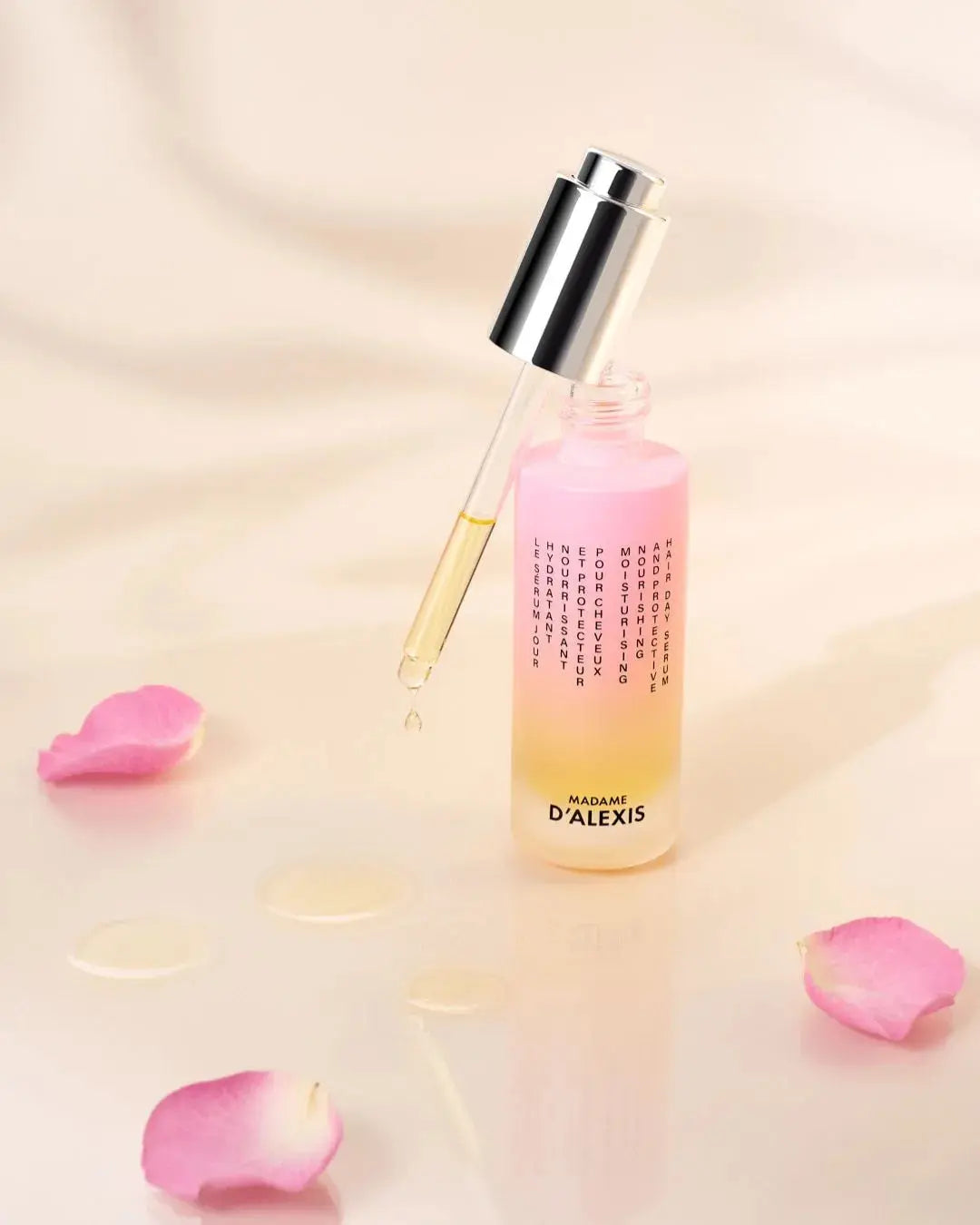
The Day Serum
- Before using a hair dryer, blow-drying, or a hot air brush
- Plant ceramides and organic jojoba oil
- Lengths and ends, without a greasy feel
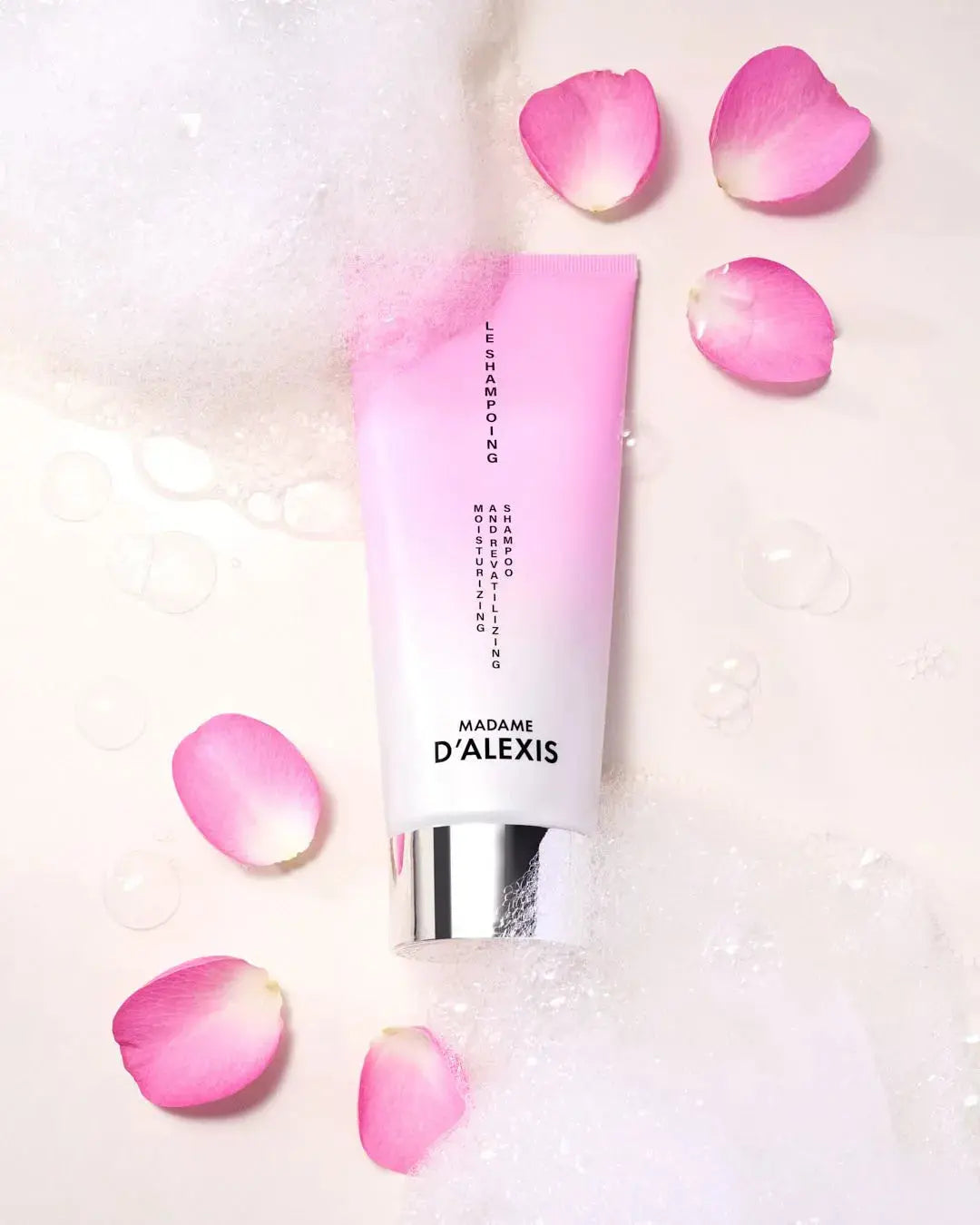
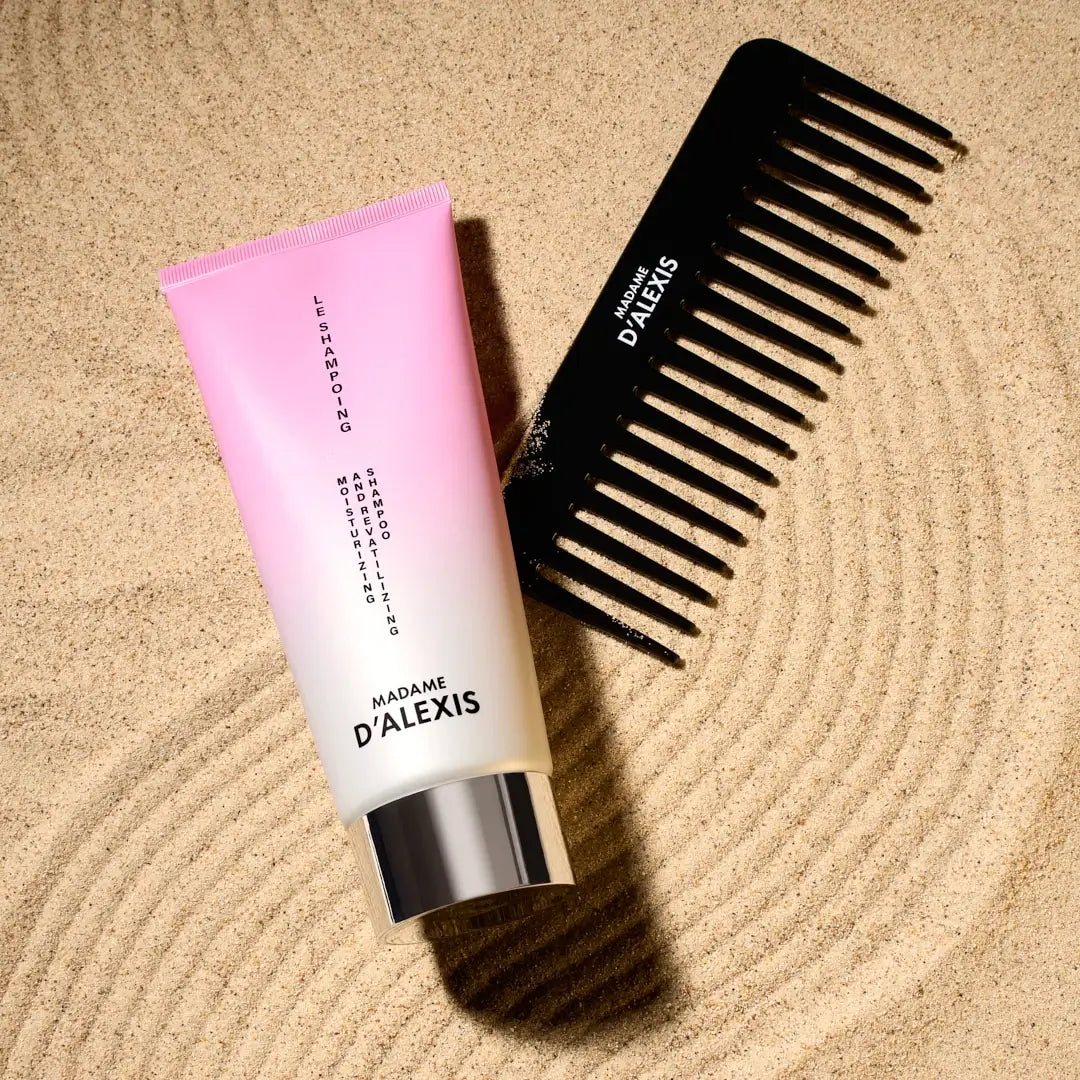
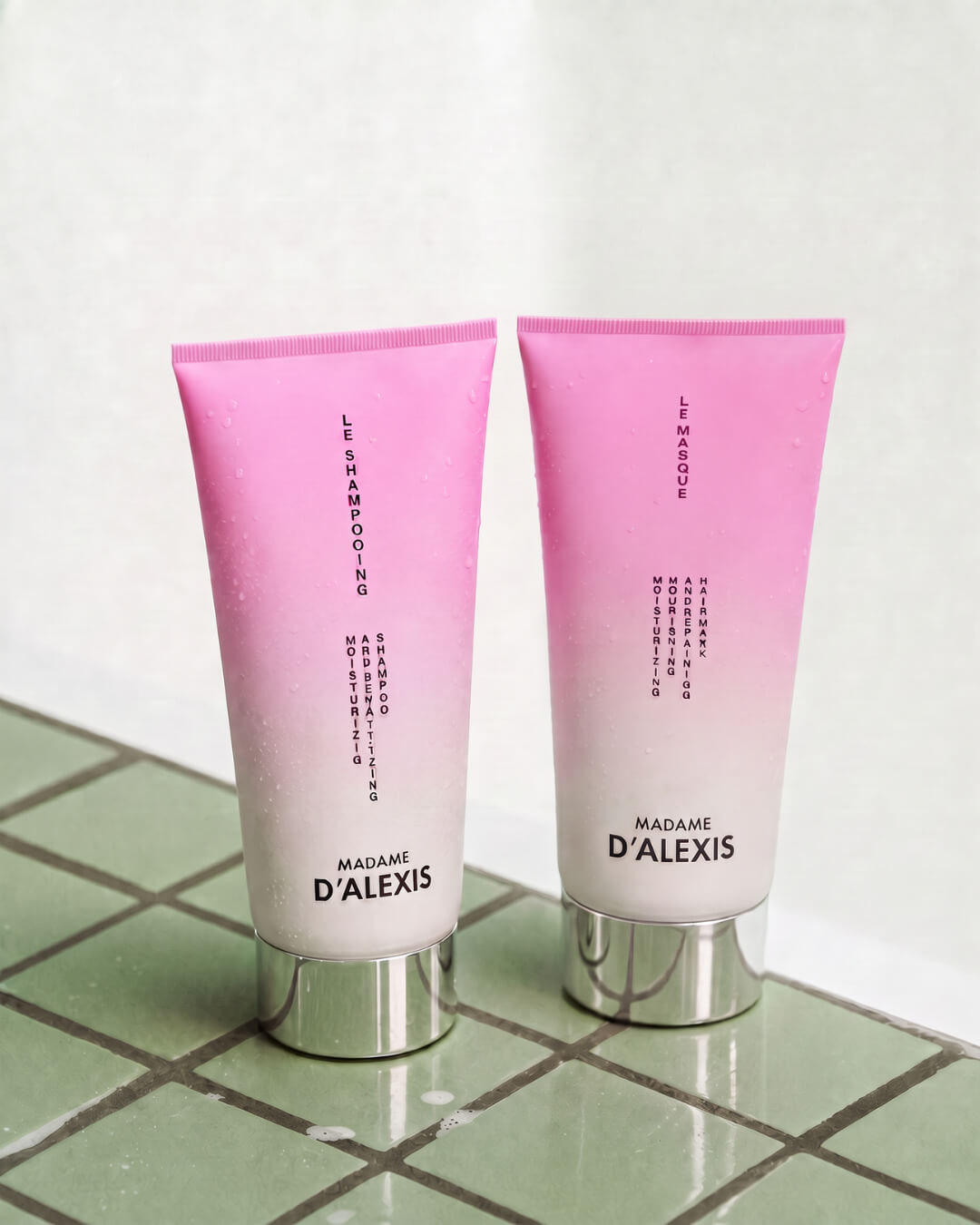
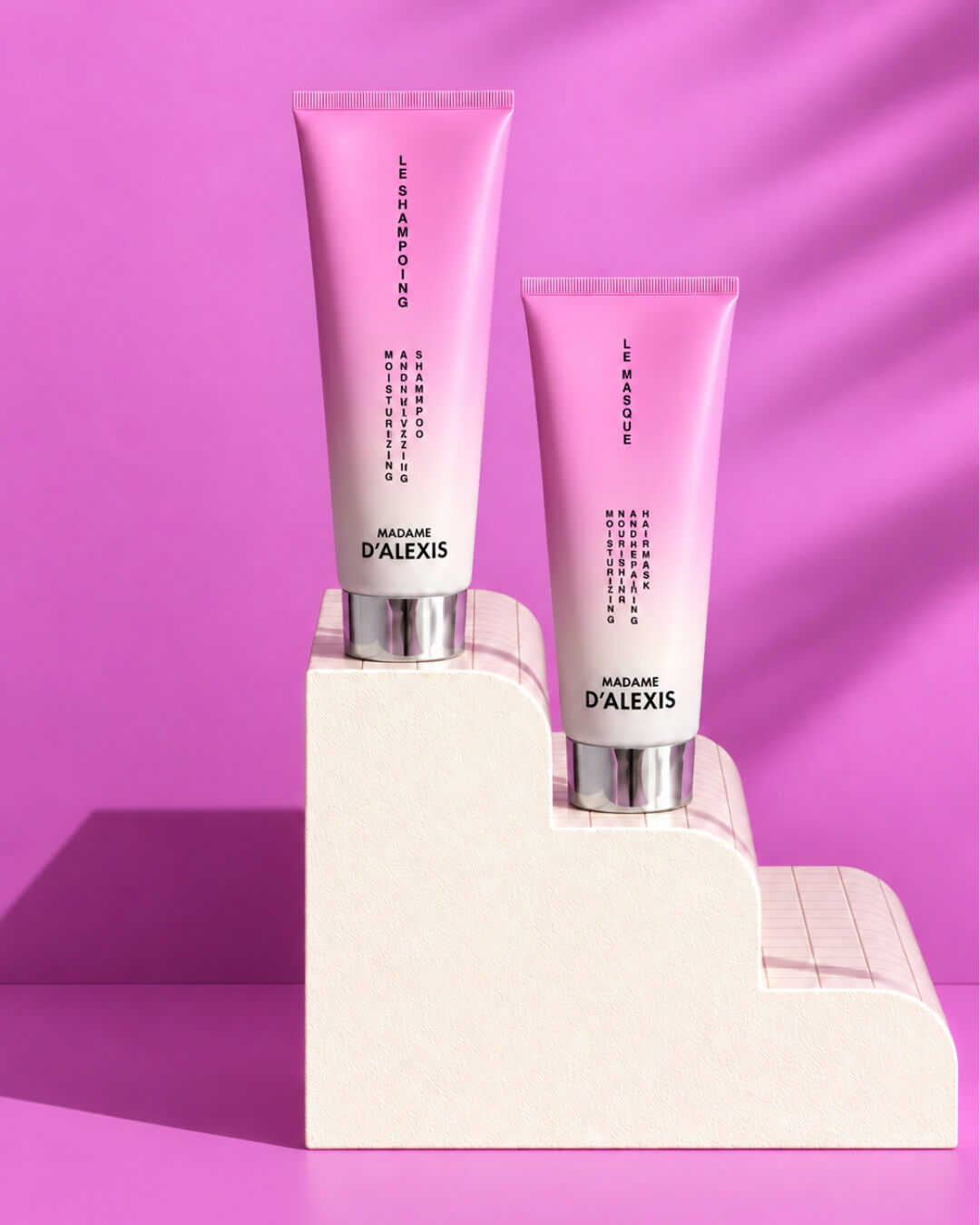
The Shampoo
- Cleanses without stripping the scalp
- Prepares the fiber for finishing treatments
- Hyaluronic acid and prebiotics
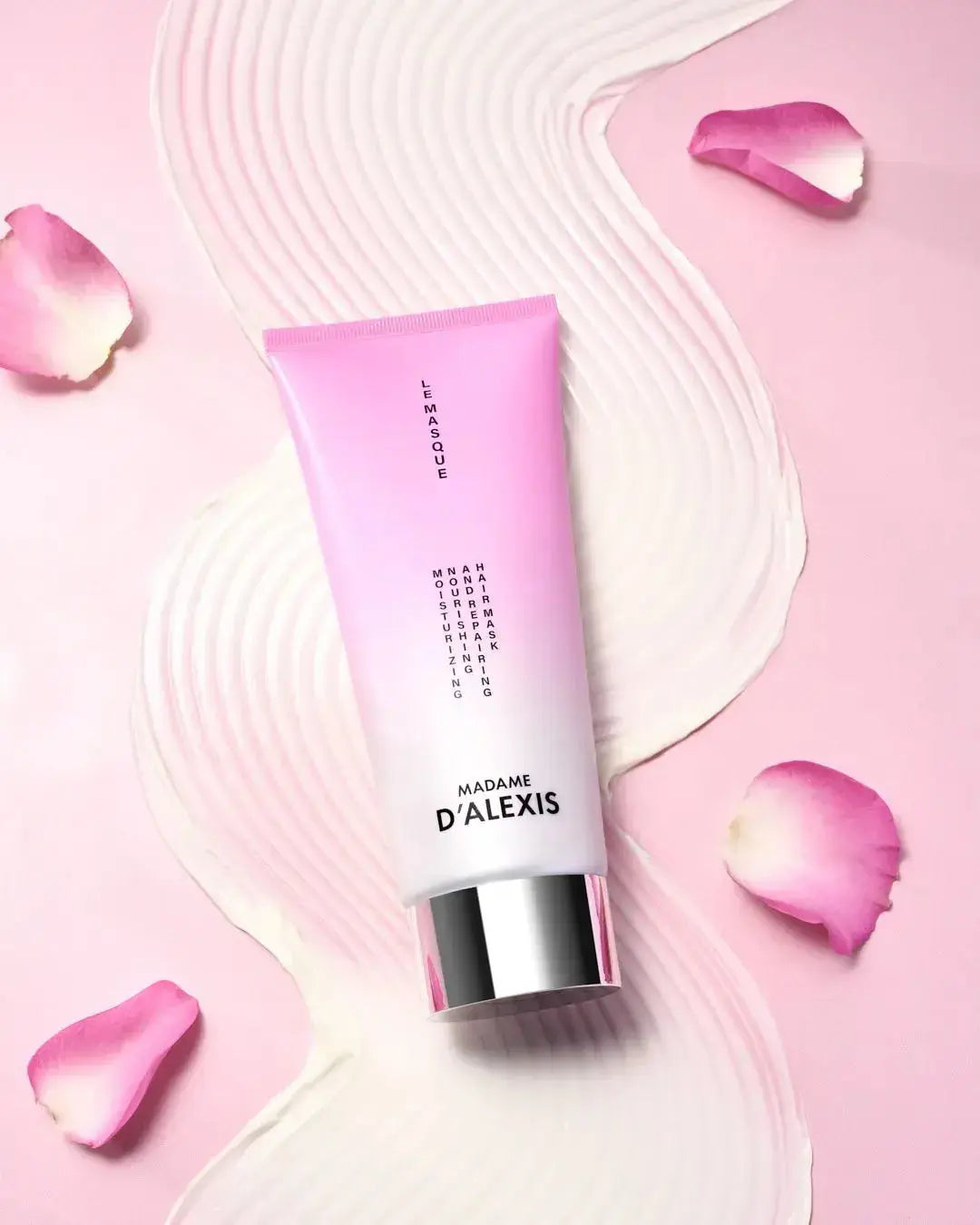
The Mask
- For lengths and ends only
- Helps smooth the cuticle before styling
- Ideal for dry or sensitized hair
How to dry your hair without damaging it
Drying your hair without damaging it isn't a matter of luck—it's a matter of technique. Every step counts, and every product you use affects the final texture, especially on dry, colored, curly, or damaged hair.
Wring out without rubbing
Use a microfiber towel and gently press the lengths. Avoid rubbing back and forth with a terry cloth towel, as this opens the cuticles.
Pre-dry to 70%
The hair should be damp, not soaking wet. This is the right level of moisture before using a diffuser, a brush, or blow-drying.
Protecting the Lengths
Apply 1 to 3 drops of Day Serum to the mid-lengths and ends of your hair. Do not apply to the scalp.
Dry with warm air
Hold the device at a distance, keep the airflow moving constantly, and finish with a blast of cold air to set the fiber.

The best way to dry your hair depending on its type
| Hair type | Recommended drying method | Risk to Avoid | Helpful Treatment |
|---|---|---|---|
| Fine hair | Warm air, moderate airflow, upside down | Heat too close, food too greasy | Day Serum in a very small amount |
| Dry hair | Gentle pre-drying, followed by warm air | Coarse hair, split ends | Dry Hair Routine |
| Curly hair | Air diffuser, angled head, warm to cool air | Break up the curls or create frizz | Understanding Your Curly Hair Type |
| Colored hair | Gentle air and comprehensive protection | Dull color, sensitized cuticles | Weekly treatment for the lengths of the hair |
| Dandruff on the Scalp | Thoroughly dried roots, without overheating | Stagnant moisture | Exfoliate every 10 to 15 days |
Things to Avoid When Drying
- Rub vigorously with a terrycloth towel: this causes frizz and breaks the hair strands, especially when the hair is damp.
- Using a hair dryer too close to the scalp: the concentrated heat weakens the hair shaft and irritates the skin.
- Brushing through the strands with a stiff brush: Proper hair brushing should be gentle, gradual, and tailored to the hair's texture.
- Forgetting to use a heat protectant: Without protection, heat can make your hair drier, more porous, and frizzy.
Why Your Hair Is Dry Even If You Don't Blow-Dry It
Many people believe that simply avoiding heat guarantees hydrated hair. This is a misconception. Air-drying, if not accompanied by the right steps, can also dry out the hair: the ambient air draws moisture from the hair shaft, the cuticles remain open longer, and the lengths become dull or frizzy.
The secret: never confuse a lack of heat with hydration. Dry hair needs a gentle shampoo, a mask applied to the lengths, and a leave-in treatment specifically designed for dry hair.
Alexis's "Madame" Routine for Blow-Drying Without Damaging the Hair
Wash without stripping
Use the sulfate-free Hydrosol Shampoo to cleanse the scalp without damaging the hair shaft.
Repair the lengths
Once a week, apply the mask to the mid-lengths and ends of your hair, especially if your hair is dry, colored, or brittle.
Protect from heat
Before using a hair dryer or hot air brush, warm 1 to 3 drops of the Day Serum between your hands, then apply it to the mid-lengths and ends.
Occasional Scalp Reset
Every 10 to 15 days, Le Scrub replaces shampoo to remove residue, pollution, and buildup from styling products.
FAQ: Should You Blow-Dry Your Hair?
Should you blow-dry your hair or let it air-dry?
The best choice depends on your hair type. For long, thick hair or a sensitive scalp, gentle drying with warm air may be preferable to prolonged exposure to moisture. The most important thing is to avoid rubbing, not to use excessive heat, and to protect the lengths of your hair.
Is it bad to go to bed with wet hair?
Yes, this is a habit you should avoid. Wet hair is more fragile, and prolonged contact with the pillow increases friction, creases, frizz, and scalp discomfort.
What hair care product should you use before blow-drying?
A lightweight heat-protective treatment applied to the mid-lengths and ends. Madame d’Alexis Day Serum is ideal for this purpose thanks to its dry oil texture, plant-based ceramides, organic jojoba oil, and heat protection up to 200°C.
How can you prevent frizz when blow-drying your hair?
Blot dry with a microfiber towel, apply a leave-in treatment, blow-dry with warm air in the direction of the hair’s natural grain, and finish with a blast of cool air. Avoid brushing curly hair when it’s dry.
Should the scrub be used before blow-drying?
Indirectly, yes. Every 10 to 15 days, it helps remove buildup and cleanse the scalp. It replaces shampoo on the day it’s used, and then the routine continues with a hair mask if needed and the Pre-Heat Day Serum.