Advice
Sulfates and Hair: Why Should You Avoid Them?
Sulfates damage hair. Discover clean & luxe alternatives and transform your hair routine with Madame d'Alexis.


What are the dangers of sulfates for hair?
Powerful but aggressive foaming agents
Few consumers are aware of this, but the abundant lather often associated with a shampoo's effectiveness is not always synonymous with gentleness. Sulfates, such as sodium lauryl sulfate (SLS) orammonium laureth sulfate, are foaming agents derived fromsulfuric acid.
Their role? To thoroughly cleanse, or even strip away, impurities andsebum from the scalp.
They are found in many everyday products: shampoos, shower gels, toothpastes, facial cleansers. While they provide quick cleansing and a luxurious lather, their action can be too aggressive, especially with regular use. Sensitive scalps suffer, as does the hair.

A drying and irritating effect
One of the most harmful effects of sulfates is their drying power. By removing natural protective oils, they expose the scalp to imbalances:
- Itching sensation, tightness, diffuse irritation.
- Dry hair, porous hair that lacks softness and becomes brittle.
- Appearance of dandruff or scalp inflammation in people prone to skin reactions.
Personally, after years of using conventional products, I noticed a radical transformation in my hair as soon as I eliminated sulfates from my hair care routine: my scalp felt soothed, and my hair was shiny, supple, and visibly stronger. The experience was eye-opening.
An assault on the hair fiber
In addition to weakening the skin, sulfates damage the hair fiber. Their detergent effect removes the hydrolipidic film, which is essential for protecting the hair. The result:
- Loss of natural shine.
- Brittle, dull hair that is difficult to style.
- Colour that fades faster: colored hair loses its shine and hold.
- Totally unsuitable for frizzy hair, oily hair or sensitive hair.
In high-end cosmetics, sulfate-free formulas are now preferred as they are gentler on the hair. Far from being a mere fad, this choice meets performance and safety requirements. Because yes, it is entirely possible to wash hair effectively... without damaging it.
Why avoid sulfates in your hair care routine?
Risks to hair and scalp health
Sulfates, such as sodium lauryl sulfate (SLS) and ammonium laureth sulfate (ALS), are powerful foaming agents found in many hair care products.
However, their detergent action can be too aggressive, removing not only impurities but also the natural oils that are essential for scalp health.
This excessive removal can lead to an imbalance in sebum, causing a dry, itchy, and irritated scalp.
In addition, regular use of products containing sulfates can disrupt the skin microbiota, which is essential for protecting against pathogens and regulating inflammation.
Long-term harmful effects
The accumulation of invisible irritations due to prolonged use of sulfates can weaken the skin barrier, making the scalp more sensitive to external aggressions. For people with atopic skin, this increased sensitivity can exacerbate existing skin problems.
In addition, disruption of the skin microbiota can promote the development of chronic inflammatory conditions, such as seborrheic dermatitis, which affect the overall health of the scalp and hair.

What effects do sulfates have on hair?
Hair growth inhibitor, hair loss accelerator
Sulfates can disrupt the normal functioning of hair follicles, the structures responsible for hair growth. This disruption can lead to chronic inflammation of the scalp, affecting follicle health and slowing hair growth.
In addition, chronic inflammation can lead to premature hair loss, as weakened follicles are no longer able to support healthy growth.
A weakened natural barrier
Sulfates have the abilityto remove the fatty substances and essential fatty acids that make up the scalp's hydrolipidic film. This film acts as a protective barrier, maintaininghydration and protecting against external aggressions.
When this barrier is compromised, the scalp becomes more vulnerable, which can lead to increased dryness, irritation, and sensitivity to hair products. This fragility can also affect hair health, making it more susceptible to breakage and loss.
In summary, although sulfates are effective at cleaning hair, regular use can have harmful effects on hair health and the scalp. It is therefore recommended to opt for sulfate-free products, which gently cleanse while preserving the natural balance of the scalp and the health of the hair.
How can you recognize sulfates in cosmetic products?
Understanding the product label
Knowing how to recognize sulfates is now an informed beauty practice. We readily pay attention to our skin, and it is high time we extended that attention to our hair. On cosmetic labels, sulfates are often hidden behind technical names that are not immediately obvious.
Among the most common names, the following are worth remembering:
- Sodium lauryl sulfate (SLS)
- Sodium laureth sulfate (SLES)
- Ammonium lauryl sulfate (ALS)
- Ammonium laureth sulfate (ALES)
- Sodium coco sulfate
These names usually appear at the top of the list of ingredients, indicating that they are present in large quantities. Their function? To act asa foaming agent, in other words, to produce the dense, creamy lather that is so popular in the shower.
But this lather is sometimes a misleading luxury, achieved at the expense of yourscalp's natural balance.
What is commonly referred to as a "good shampoo" is too often based on the immediate sensation of cleanliness, without taking into account the nature of the product that causes it.
The reality behind some "sweet" names
Brands compete to come up with creative ways to make their formulas appear reassuring. We see labels such as "coconut-based," "plant-based softness," and "natural origin."
However, some ingredients derived from natural raw materials can undergo chemical transformations that make them as irritating asindustrial detergents.
A classic example? Sodium coco sulfate. Although it does come from coconut oil, it is still an aggressive surfactant, chemically very similar to sodium lauryl sulfate. Another pitfall: claims such as "clean beauty" or "gentle formula" have no regulatory value. They do not guarantee the absence of sulfates.
To recognize a genuine sulfate-free shampoo, you have to look beyond the slogans. Reading the label is what makes the difference between a product that truly respects the hair fiber and another with attractive but misleading packaging.

What types of hair require sulfate-free shampoo?
The most exposed hair
Not all hair reacts the same way to sulfates, but certain types are more vulnerable. When hair is naturally fragile, has a unique texture, or the scalp is unbalanced, using these cleansing agents can be problematic. Here are the profiles to watch out for:
- Dry hair: naturally low in sebum, it lacks protection and quickly becomes brittle.
- Colored hair: coloring weakens the hair fiber. Sulfates accelerate color fading, dulling the hair.
- Kinky hair: spiral structure, constant need for hydration, and increased sensitivity to any aggressive foaming agents.
- Oily hair: paradoxically, washing too often with sulfates stimulates the scalp to produce even more sebum.
- Sensitive scalp: irritated, prone to itching, and even dandruff, it requires a gentle, non-stripping cleanser.
These cases are not a trend or a whim, but a physiological observation. For these profiles, choosing a sulfate-free shampoo is not a matter of vanity, it is a necessity.
Adapt your hair care routine to your hair type
Effective hair care begins with understanding your hair type. Every strand of hair tells a story, and it is by understanding its needs that we can provide it with the right care.
- For dry or damaged hair, choose moisturizing formulas enriched with plant oils and free of harsh foaming agents.
- For colored hair, choosing a sulfate-free formula prolongs the life of the dye and protects the hair fiber.
- Kinky hair, often misunderstood, benefits from gentle washing followed by rich, targeted nourishment.
By incorporating a sulfate-free shampoo into your hair care routine, you are choosing a product that meets the standards of beauty, health, and sustainability. This is an approach that we at Madame d'Alexis defend with conviction and high standards.
How to choose a sulfate-free shampoo?
Choose mild surfactants and natural ingredients
In the world of high-end hair care, choosing a sulfate-free shampoo is an essential step in maintaining the health and beauty of your hair.
Mild surfactants, such as coco glucoside and decyl glucoside, are alternatives that are gentle on the scalp and hair fiber. Theseplant-based ingredients gently cleanse without damaging the hair, while maintaining the natural balance of the scalp.
Choose formulas that are free from parabens, silicones, and sodium lauryl sulfate, which can be irritating and drying. Certified organic products guarantee a healthier and more transparent composition, in line with a conscious and sustainable approach to beauty.
Focus on product composition
When selecting your sulfate-free shampoo, it is crucial to pay close attention to the ingredients. Opt for short formulas, where each ingredient has a specific and beneficial function.
Certifiedorganic cosmetics guarantee superior quality, with ingredients known for their gentleness and effectiveness.
A good sulfate-free shampoo should contain mild cleansing agents, nourishing plant extracts, and essential oils suited to your hair type. This combination provides effective cleansing while respecting the sensitivity of your scalp.

What are the alternatives to sulfates?
New mild hair care cleansing agents
In response to the potentially harsh effects of sulfates, the cosmetics industry has developed gentler alternatives. Mild surfactants such as coco glucoside, decyl glucoside, and sodium coco sulfate provide effective cleansing without compromising scalp health. Thesenaturally derived cleansing agents are particularly well-suited for sensitive scalps and damaged hair.
Coco glucoside, derived from coconut, is known for its mildness and ability to produce a light lather. Decyl glucoside, derived from glucose and fatty alcohol, is valued for its biodegradability and compatibility with sensitive skin.
As forsodium coco sulfate, although it is a sulfate, it is considered gentler than sodium lauryl sulfate, while still offering good foaming capacity.
A new generation of gentle, sensorial shampoos
The new generation of sulfate-free shampoos feature innovative formulas that combine effectiveness with respect for the scalp. Although they produce less lather, these products provide deep cleansing while preserving the natural hydrolipidic film. This approach helps maintain optimal hydration, reduce irritation, and prevent dry skin.
By incorporating these sulfate alternatives into your hair care routine, you promote the long-term health and beauty of your hair. Gentle, natural formulations respect the balance of the scalp, offering a pleasant sensory experience and visible results.
Madame d’Alexis: a hair care routine without compromise
Sulfate-free, silicone-free, no added water
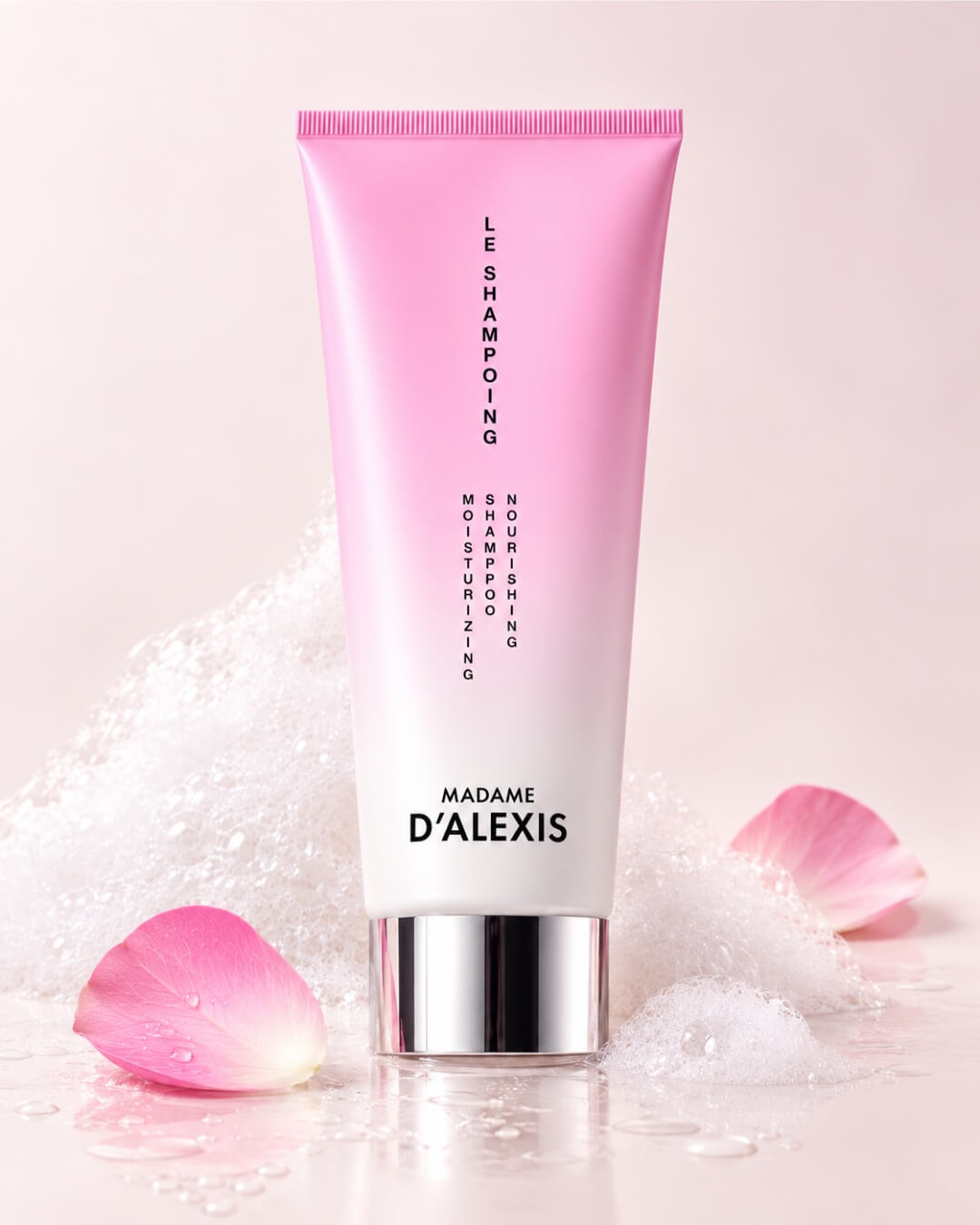
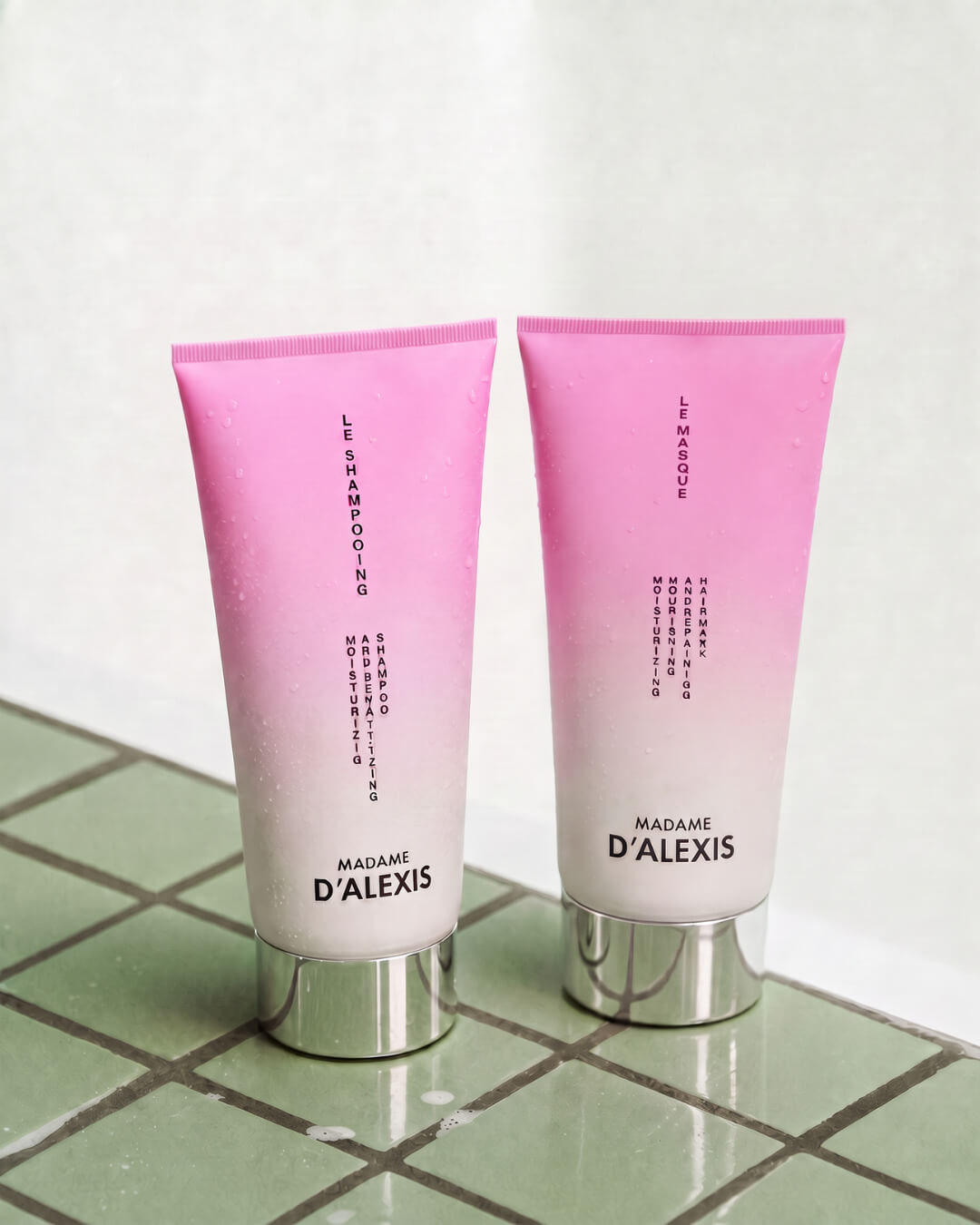
In the demanding world of hair care, Madame d'Alexis stands out with its radically innovative approach. Each product is formulated without sulfates, silicones, or added water, favoring noble and effective ingredients.
Floral hydrosols replace inert water, providing specific benefits for each hair type. Precious oils and natural active ingredients complete these formulas, offering a unique sensory experience and visible results.
Gentle and effective formulas for all hair types
Madame d'Alexis offers treatments tailored to a variety of hair needs:
- Dry hair: deep hydration and intense nourishment.
- Damaged hair: repair and strengthen the hair fiber.
- Colored hair: color protection and lasting shine.
- Kinky hair: defining curls and controlling frizz.
Each formula is designed to respect sensitive scalps and preserve the natural balance of the hair.
The experience of clean & luxury skincare
Using Madame d'Alexis products is like treating yourself to a moment of luxury every day. The silky textures glide over your hair, enveloping it in a 100% natural fragrance with delicate floral notes.
Botanical expertise combines with proven effectiveness, without the use of harsh foaming agents. Each application becomes a beauty ritual, combining pleasure and performance.
Switching to sulfate-free shampoo: a real turning point for your hair
Adopting a sulfate-free hair care routine is a beneficial decision for the health and beauty of your hair. Madame d'Alexis products embody this transition to more respectful care, without compromising on effectiveness. By choosing formulas rich in natural ingredients, you are giving your hair the best of nature and science.