Conseils
Should you dry your hair?
Blow-dry or air-dry? Discover the best method for your hair type to preserve its beauty, health, and shine.

Should you dry your hair? The gentle method to preserve the fibre
Yes, drying your hair can be a real act of care, provided you master humidity, heat, and fibre protection. The right goal: dry without stripping, without breaking, and without unnecessarily opening the cuticles.
- Leaving hair wet for too long weakens the cuticle and makes the fibre more vulnerable to friction.
- A hairdryer used with warm air, at a distance, and with a protective treatment can be safer than very long natural drying.
- The scalp must remain healthy and dry: prolonged humidity can promote discomfort, itching, and dandruff.
- Before blow-drying, using a blow-dry brush, or a diffuser, the heat protection of Le Sérum Jour covers the lengths and ends up to 200°C.
Drying your hair: an essential step if you want to preserve the fibre
To the question "Should you dry your hair?", the answer is clear: yes, but not just any way. Leaving your hair wet for too long or exposing it to poorly controlled heat can cause lasting damage, invisible at first, but very real in the long term.
Prolonged humidity weakens
Remaining wet, the hair swells, becomes heavier, and becomes more sensitive to mechanical and environmental aggressions.
Controlled drying protects
At a warm temperature, the hairdryer allows you to control the drying time, help smooth the fibre, and preserve elasticity.
The scalp must breathe
Too much humidity can promote discomfort, dandruff, and scalp imbalance.
The finish matters
Proper drying enhances shine and prolongs the effect of the moisturising active ingredients applied during washing.

Letting your hair air dry: not such a trivial step
Natural drying avoids direct thermal aggression, but it is not always the most protective choice. Wet hair is in a state of maximum vulnerability: the cuticle is more open, the fibre swells, and friction on a towel, pillow, or clothing becomes more aggressive.
- On thick hair, curly, or very long, humidity can remain for a long time at the roots.
- On a sensitive scalp, stagnant humidity can promote itching, dandruff, and discomfort.
- In winter or in the city, going out with wet hair exposes the fibre to a mixture of humidity, pollution, and friction.
The right compromise is therefore not necessarily "all natural" or "all heat". It often consists of gently pre-drying, then finishing with warm or cold air.

Hairdryer vs natural drying: what to choose?
The dilemma between a hairdryer and natural drying often comes up. Wrongly, we automatically associate heat with aggression, and then air drying with gentleness. In reality, it all depends on the exposure time, the temperature, the technique, and the treatment applied before drying.
| Criterion | Natural drying | Properly used hairdryer | Best choice |
|---|---|---|---|
| Temperature | No direct heat | Adjustable warm or cold air | Controlled warm air |
| Drying time | Long and random | Fast and controlled | Hairdryer at a distance |
| Risk to the hair | Swelling, porosity, friction | Damage only if heat is too high | Pre-drying + protection |
| Scalp | Prolonged humidity | Faster root drying | Dry roots, protected lengths |
| Aesthetic result | Volume or random frizz | Volume, definition, smoothing | Depending on texture and finish |
The ideal compromise: absorb water with a microfibre towel, apply a protective treatment, dry with warm air, then finish with a cold blast.
The key step: protect before drying
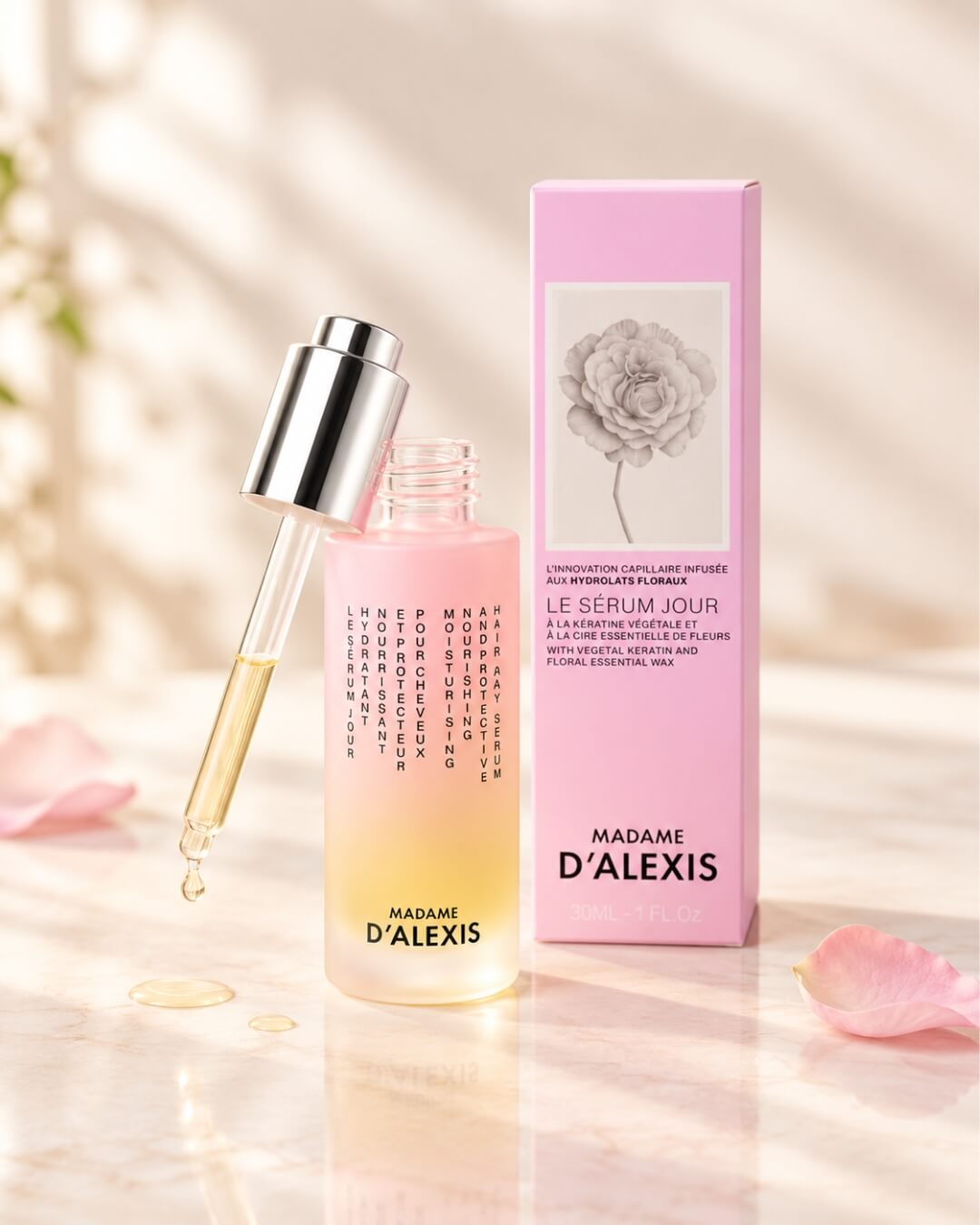
Heat protection is the step that changes everything. Le Sérum Jour by Madame d’Alexis is applied to the lengths and ends before blow-drying, using a blow-dry brush, a diffuser, or straightening. It protects the fibre up to 200°C, helps control frizz, and provides a shiny finish without a greasy effect.
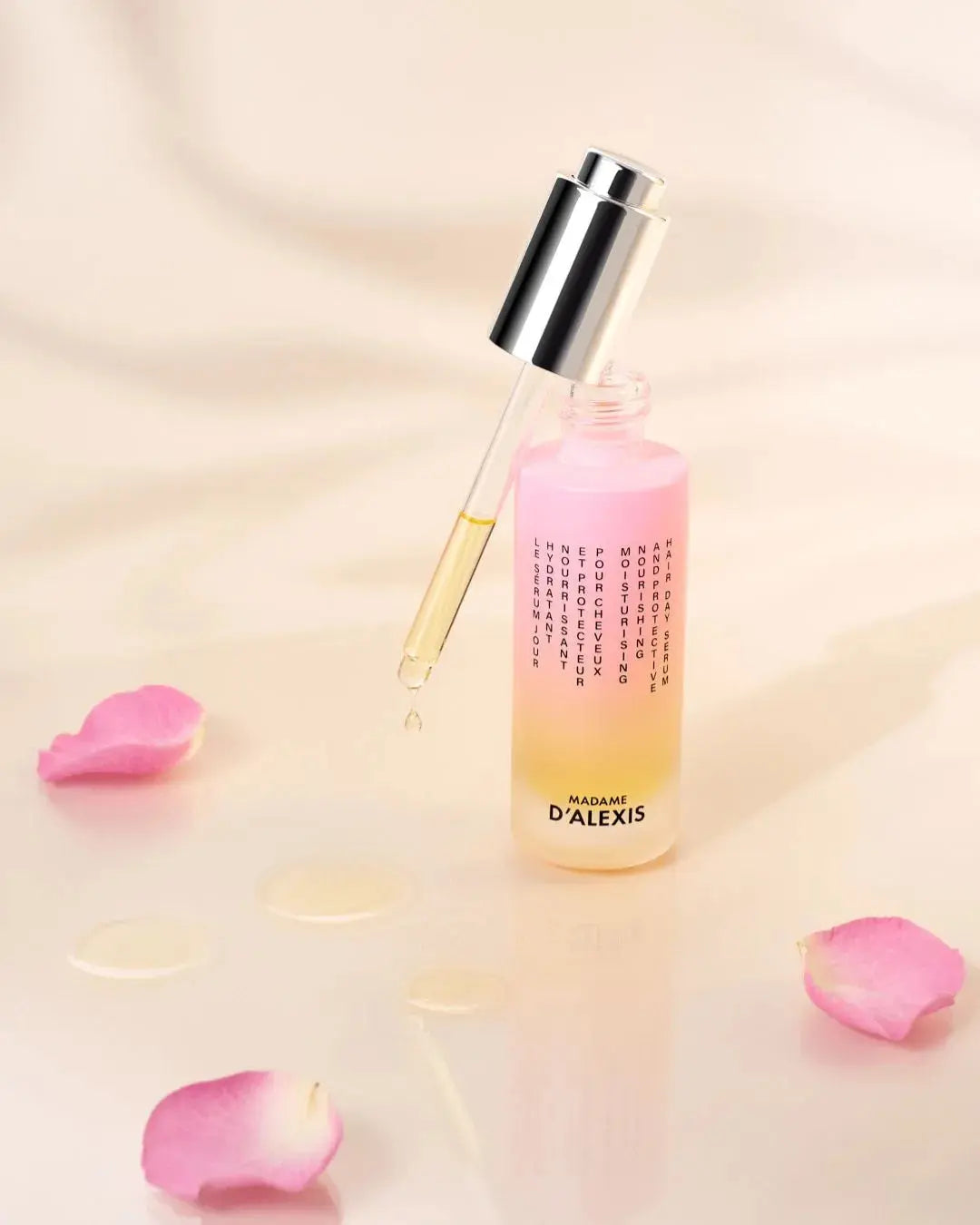
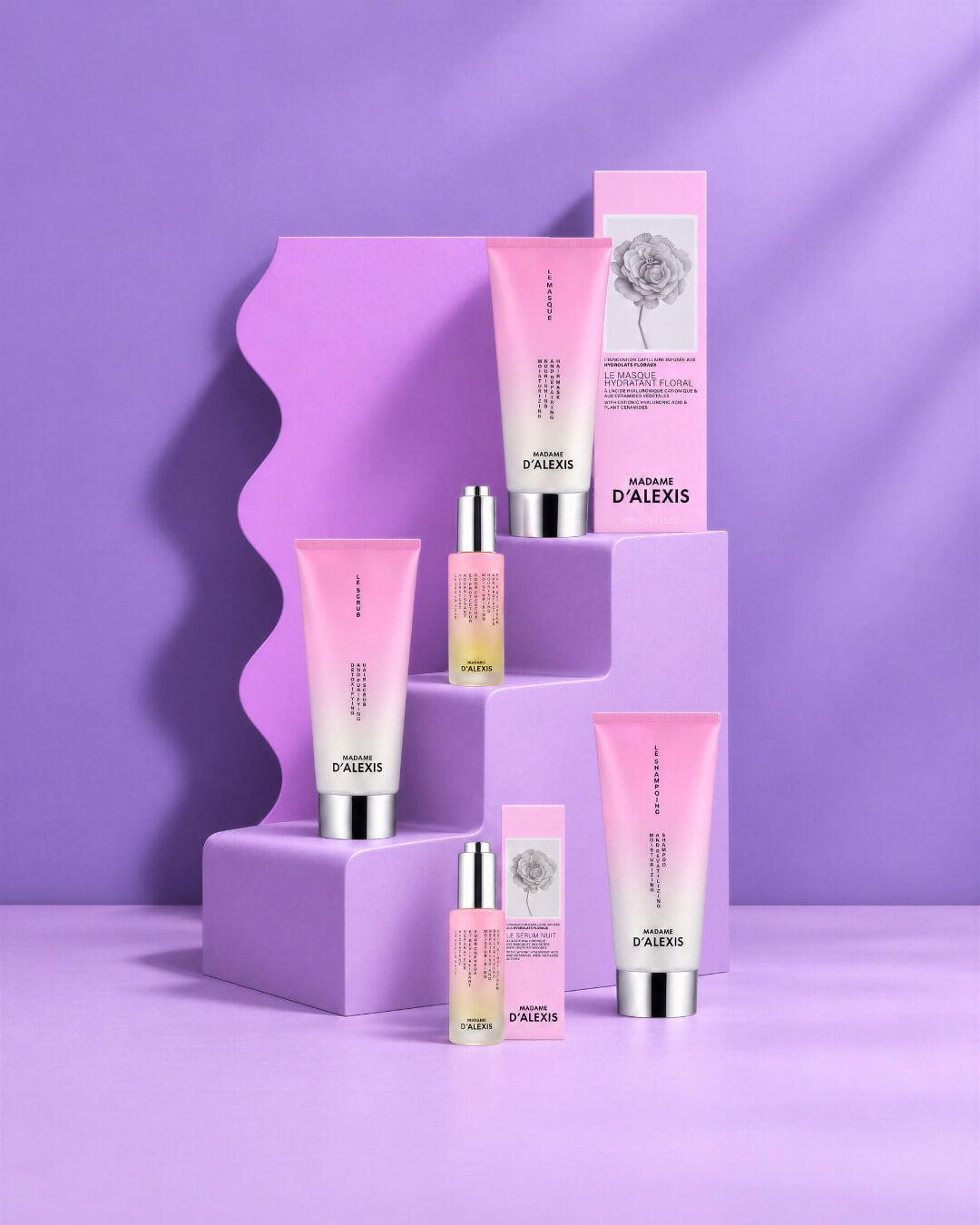
Le Sérum Jour
- Before blow-drying or using a hot air brush
- Plant ceramides and organic jojoba oil
- Lengths and ends, without a greasy effect
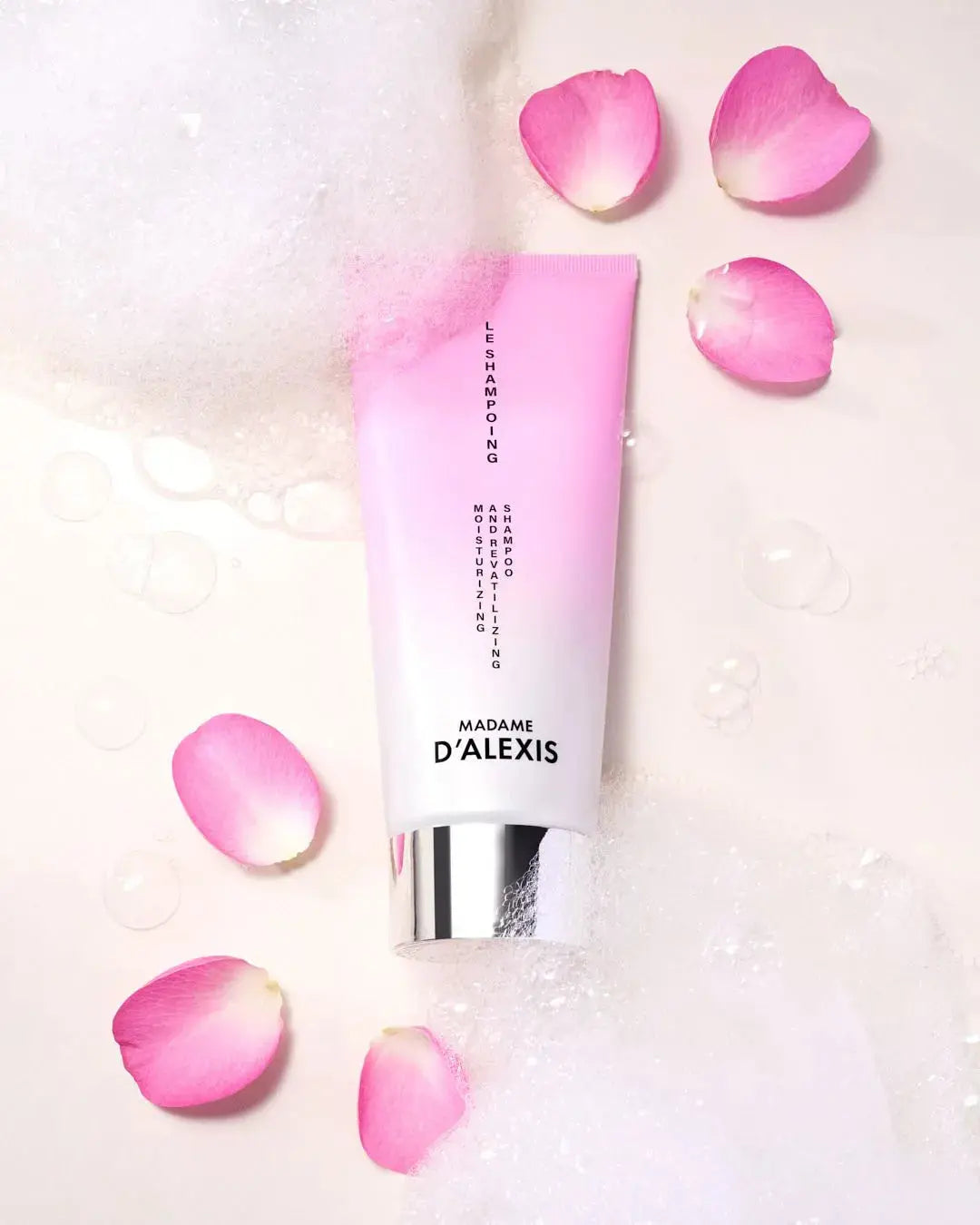
Le Shampoing
- Cleanses the scalp without stripping
- Prepares the fibre for finishing treatments
- Hyaluronic acid and prebiotics
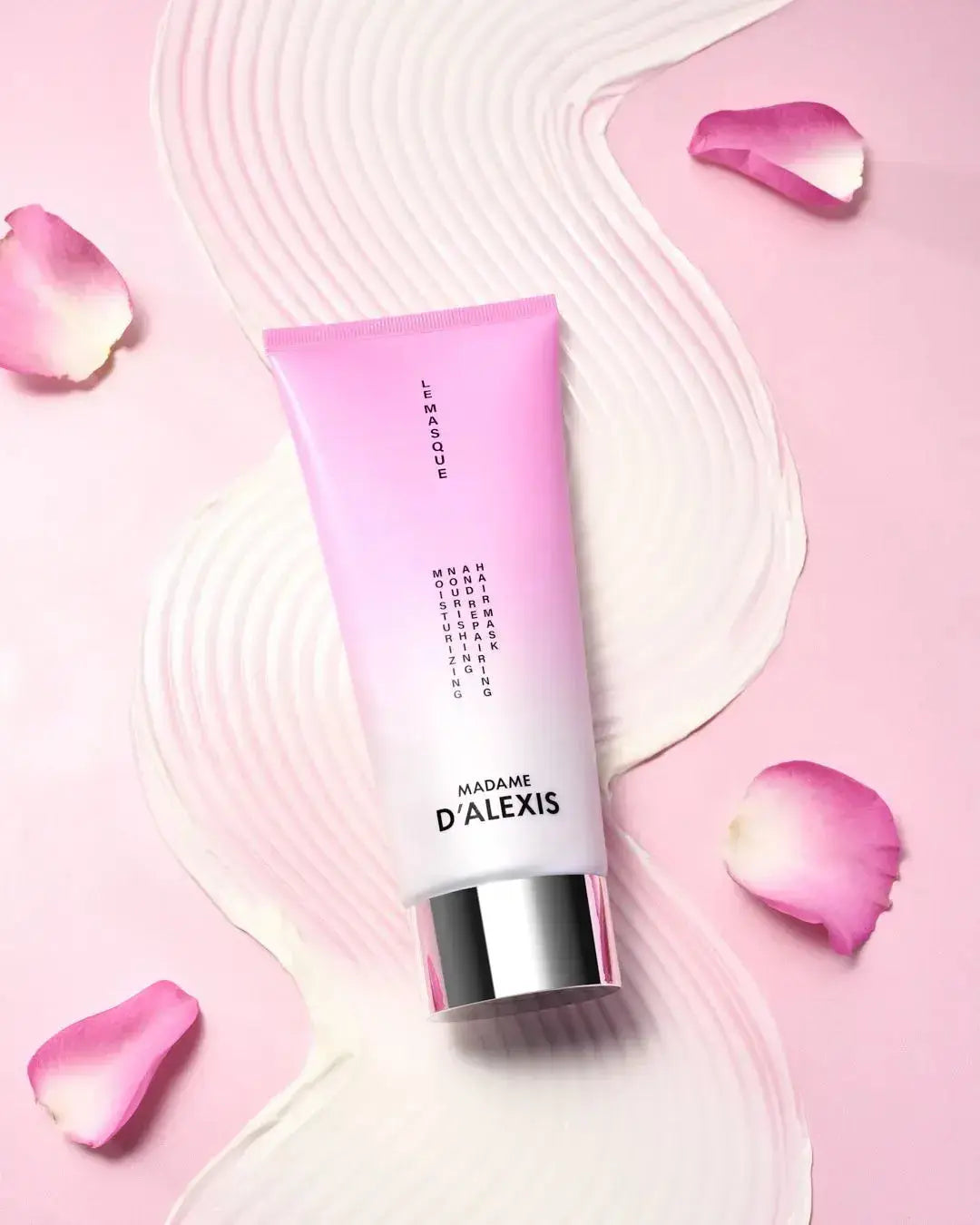
Le Masque
- On lengths and ends only
- Helps smooth the cuticle before styling
- Ideal for dry or sensitised hair
How to dry your hair without damaging it
Drying your hair without damaging it is not a matter of luck, but of method. Every step counts, every material used changes the final texture, especially on dry, coloured, curly, or sensitised hair.
Squeeze without rubbing
Use a microfibre towel and squeeze the lengths. Avoid rubbing back and forth with a terry towel, which opens the cuticles.
Pre-dry to 70%
The fibre must be damp, not soaking wet. This is the right level before a diffuser, brush, or blow-drying.
Protect the lengths
Apply 1 to 3 drops of Le Sérum Jour to the lengths and ends. Not on the scalp.
Dry with warm air
Keep the device at a distance, constantly move the airflow, and finish with a cold blast to set the fibre.

The best way to dry your hair according to its nature
| Hair type | Recommended drying | Risk to avoid | Useful treatment |
|---|---|---|---|
| Fine hair | Warm air, moderate flow, upside down | Heat too close, product too greasy | Le Sérum Jour in a very small quantity |
| Dry hair | Gentle pre-drying then warm air | Rough fibre, breaking ends | dry hair routine |
| Curly hair | Diffuser, tilted head, warm to cold air | Breaking the curl pattern or creating frizz | Understand your curly hair type |
| Coloured hair | Soft air and systematic protection | Dull colour, sensitised cuticle | Weekly mask on lengths |
| Scalp with dandruff | Well-dried roots, without overheating | Stagnant humidity | Scrub every 10 to 15 days |
Habits to avoid when drying your hair
- Rubbing vigorously with a terry towel: this creates frizz and breaks the lengths, especially when the hair is damp.
- Using a hairdryer too close to the scalp: localised heat weakens the fibre and irritates the skin.
- Pulling on strands with a stiff brush: proper hair brushing must remain gentle, gradual, and adapted to the texture.
- Forgetting the protective treatment: without protection, heat accentuates dryness, porosity, and frizz.
Why your hair is dry even if you do not dry it
Many think that simply not using heat guarantees hydrated hair. It is an illusion. Natural drying, if not accompanied by adapted steps, can also dry out: the ambient air captures the humidity present in the fibre, the cuticles remain open longer, and the lengths become dull or frizzy.
The secret: never confuse the absence of heat with hydration. Dry hair needs a gentle wash, a mask on lengths, and an adapted leave-in treatment for dry hair.
Madame d’Alexis routine for drying without breaking the fibre
Wash without stripping
Use Le Shampoing, sulfate-free, to cleanse the scalp without aggressing the fibre.
Repair the lengths
Once a week, apply Le Masque on lengths and ends, especially if the hair is dry, coloured, or brittle.
Protect before heat
Before the hairdryer or blow-dry brush, warm 1 to 3 drops of Le Sérum Jour between the hands, then apply to lengths and ends.
Occasional scalp reset
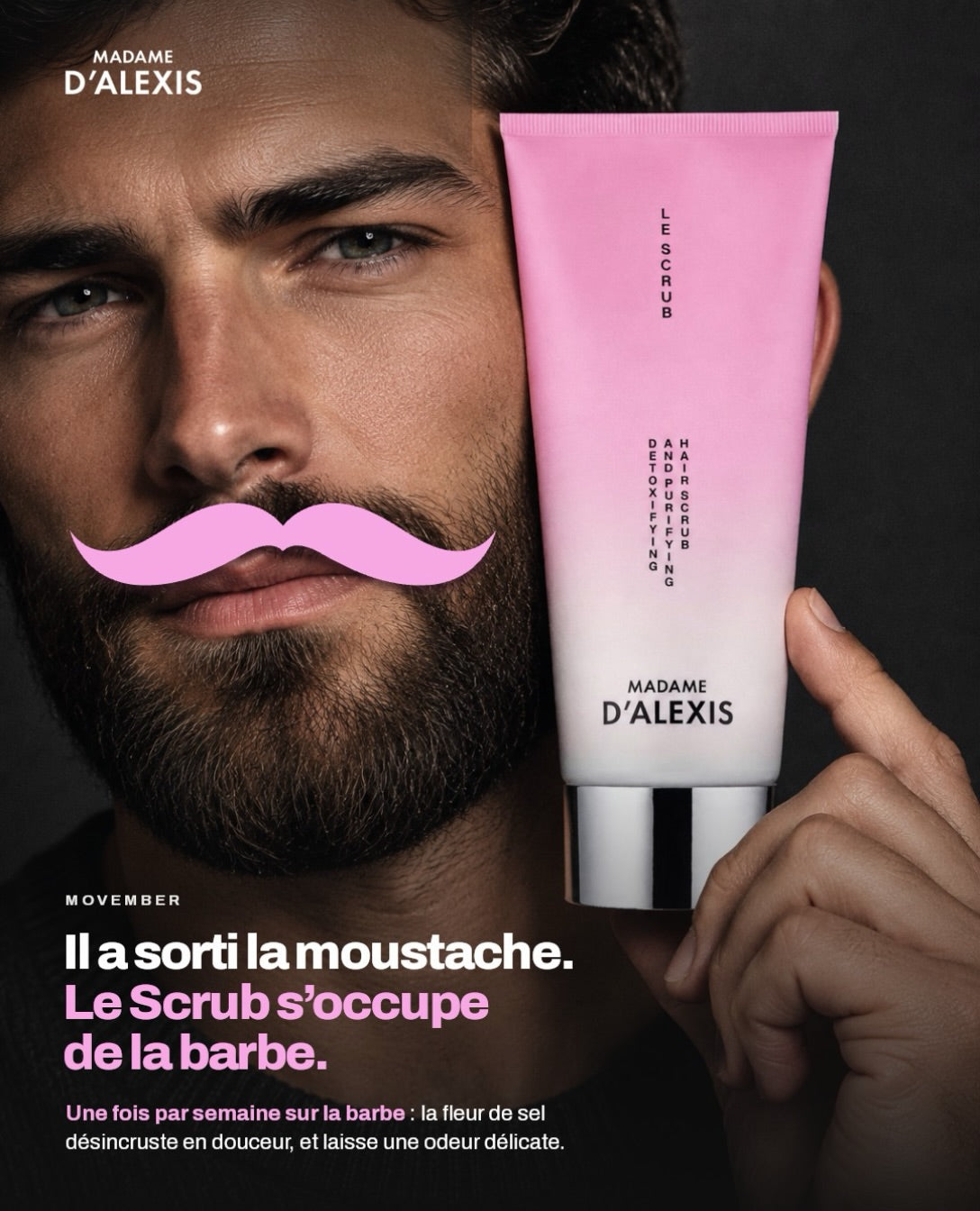
Every 10 to 15 days, Le Scrub replaces shampoo to remove residues, pollution, and the accumulation of styling products.
FAQ: should you dry your hair?
Should you dry your hair or let it air dry?
The best choice depends on your hair type. For long, thick hair or a sensitive scalp, gentle drying with warm air can be preferable to prolonged humidity. The most important thing is not to rub, not to heat too high, and to protect the lengths.
Is it bad to sleep with wet hair?
Yes, it is a habit to avoid. Wet hair is more fragile, and prolonged contact with the pillow increases friction, creases, frizz, and scalp discomfort.
What treatment should I apply before blow-drying?
A light heat-protecting treatment, applied to the lengths and ends. Le Sérum Jour by Madame d’Alexis is suitable for this use thanks to its dry oil texture, its plant ceramides, its organic jojoba oil, and its heat protection up to 200°C.
How to avoid frizz during drying?
Squeeze with a microfibre towel, apply a leave-in treatment, dry with warm air following the direction of the fibre, then finish with a cold blast. Avoid brushing curly hair when dry.
Is Le Scrub used before drying?
Indirectly, yes. Every 10 to 15 days, it helps remove residues and cleanse the scalp. It replaces shampoo on the day it is used, then the routine continues with a mask if needed and Le Sérum Jour before heat.