Conseils
Brittle hair: causes and what to do
Is your hair snapping easily and losing its shine and elasticity? Adopt a targeted routine to purify the scalp, strengthen your lengths and help prevent breakage naturally.

Dry, brittle hair: what can you actually do?
To get strong, healthy hair back and stop it snapping in the long term, you need to act on three levels: the scalp, the hair shaft and your lifestyle. Here are the 5 key actions to remember if your hair is dry and brittle:
- Purify the scalp every 10 to 15 days with a gentle exfoliating shampoo, used instead of your usual shampoo that day, to boost blood circulation in the scalp.
- Wash with a gentle shampoo, free from sulphates and silicones, to avoid stripping natural oils from the hair and scalp.
- Apply a nourishing mask rich in plant-based active ingredients and plant-based keratin to fill the gaps in the fibre.
- Protect your lengths every day with leave-in serums, light moisture and gentle hairstyles.
- Strengthen from within by eating a balanced diet and drinking plenty of water, with targeted supplements (iron, zinc, vitamin B6) if needed.
These simple steps, repeated regularly, make up an effective hair care routine to treat dry brittle hair naturally and for the long term.

Brittle hair: what is happening inside the hair shaft?
Hair does not break for no reason. Behind every weakened strand lies a specific imbalance, often with several factors at once. To act effectively, you first need to understand what is going on. Here are the main causes of brittle hair to know before you choose any product.
Why is my hair so dry and brittle?
Healthy hair is supple, strong and slightly elastic. When it breaks, its structure has been weakened, often at several levels: a damaged cuticle (the outer layer), an exposed cortex, weakened hair follicles. This gradual damage usually comes from one or more of the following:
- A lack of natural oils: sebum, produced by the glands of the scalp, acts as a protective film. When there is not enough of it, which is common in curly hair and coily hair, the hair becomes dry, porous and breakable, and the texture turns coarse and frizzy.
- Excessive heat: regular blow drying, straighteners or curling irons that are too hot alter the hair's keratin, especially without heat protection. The sun has the same effect: under prolonged UV exposure, the hair loses moisture and elasticity, and eventually cracks.
- Aggressive hair products: shampoos with harsh sulphates, alcohol-based styling products, hairsprays or silicone mousses strip the natural oils and weaken the cuticle. Stripped hair looks dull and, above all, loses its strength.
- Too many chemical processes: repeated colouring, relaxing, a Brazilian blow-dry... All these processes open the cuticle to change the internal structure of the hair. They weaken it for good, especially if they are too close together or not neutralised correctly.
- A clogged scalp: a scalp clogged with product residue, excess sebum or pollution prevents oxygenation and disrupts keratin production. The result: weakened growth and lifeless hair.
- Nutritional deficiency: nutritional deficiencies in iron, zinc, vitamin B6 or protein directly affect hair health. Hair becomes thinner, drier and more brittle. These nutrients help the body produce keratin and support healthy hair follicles.
- Stress and hormones: hormonal changes (menopause, after pregnancy, hypothyroidism and other thyroid disorders), chronic stress or mental fatigue can lead to thinning hair, hair shedding and overall weakening. Many women notice it at these times of life.
The cause of brittle hair is therefore rarely purely cosmetic. It is often linked to lifestyle, environmental conditions or habits that, fortunately, you can change.
Three families of causes
To know where to start, group these causes into three families:
- Chemical damage: bleaching, relaxing, perms and repeated colouring alter the proteins in the hair. Leave about two months between sessions so it can recover.
- Mechanical damage: vigorous brushing, tight hairstyles, hot tools and friction against a pillowcase weaken the cuticle little by little. Detangle with a wide-tooth comb, on wet hair, after applying a leave-in conditioner.
- Internal factors: a lack of protein or minerals, poor sleep, not drinking enough water or eating disorders such as anorexia weaken the hair from within.
Brittle hair on the lengths: what this indicates
When breakage affects the lengths, and not just the ends, the hair is weakened along its entire length: this is often a sign of too much colouring or heat styling, or a lack of moisture. The lengths then need a regular mask, a leave-in conditioner and a break from hot tools, while new growth gradually replaces the damaged parts.

How to treat dry, brittle hair: 6 essential steps
When hair breakage becomes visible, it is rarely the result of chance. It stems from an imbalance, often subtle at first, that eventually alters the very structure of the hair.
To restore strength and resilience to your hair, every step counts. Here is a six-step hair routine combining science and cosmetic effectiveness.
1. Exfoliate the scalp
A healthy scalp is the foundation of all effective hair care. When it is clogged with dead cells, oxidised sebum or styling residue, blood circulation slows down, oxygenation decreases and hair growth is disrupted. The result: finer roots and hair that is more fragile and prone to breakage.
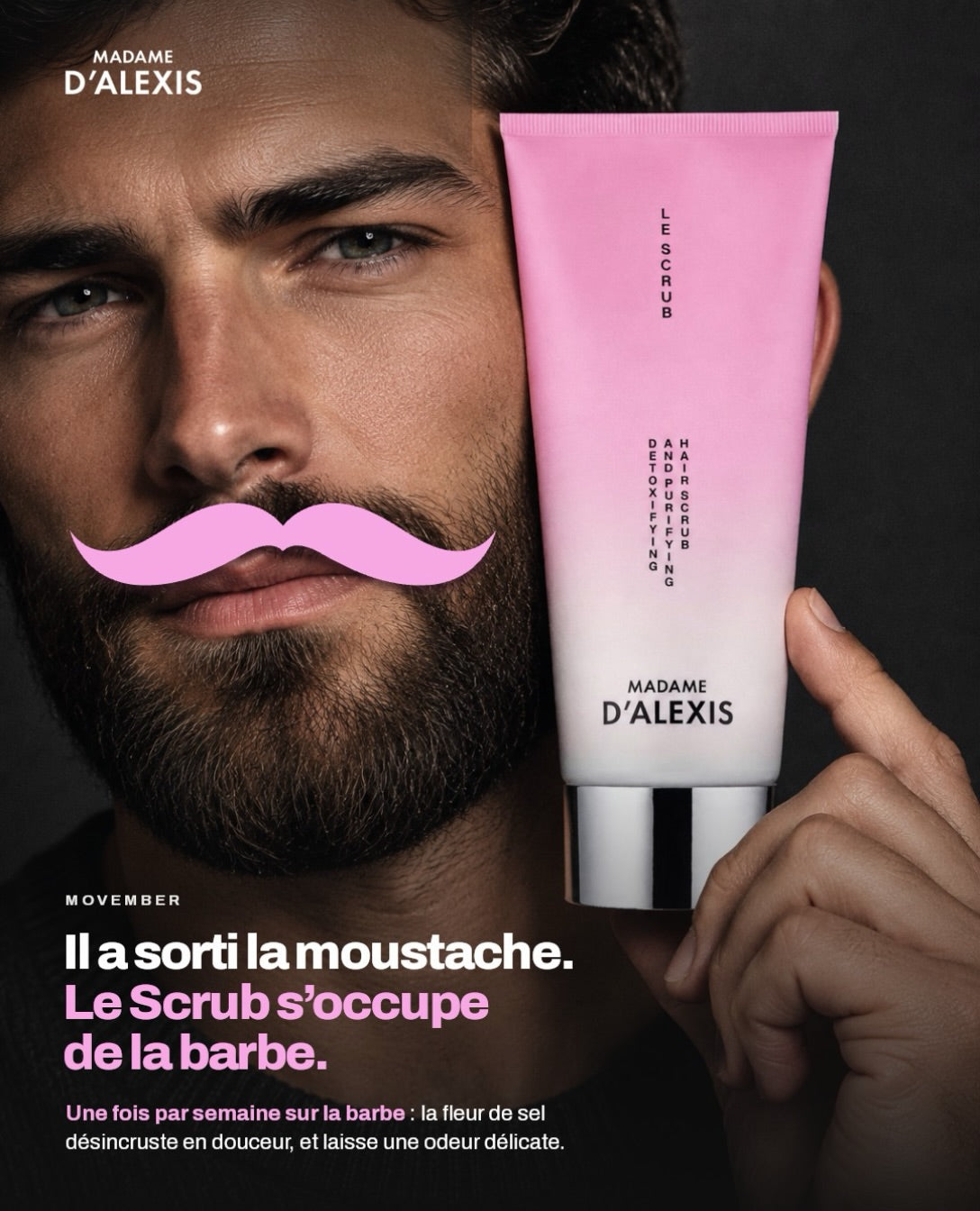
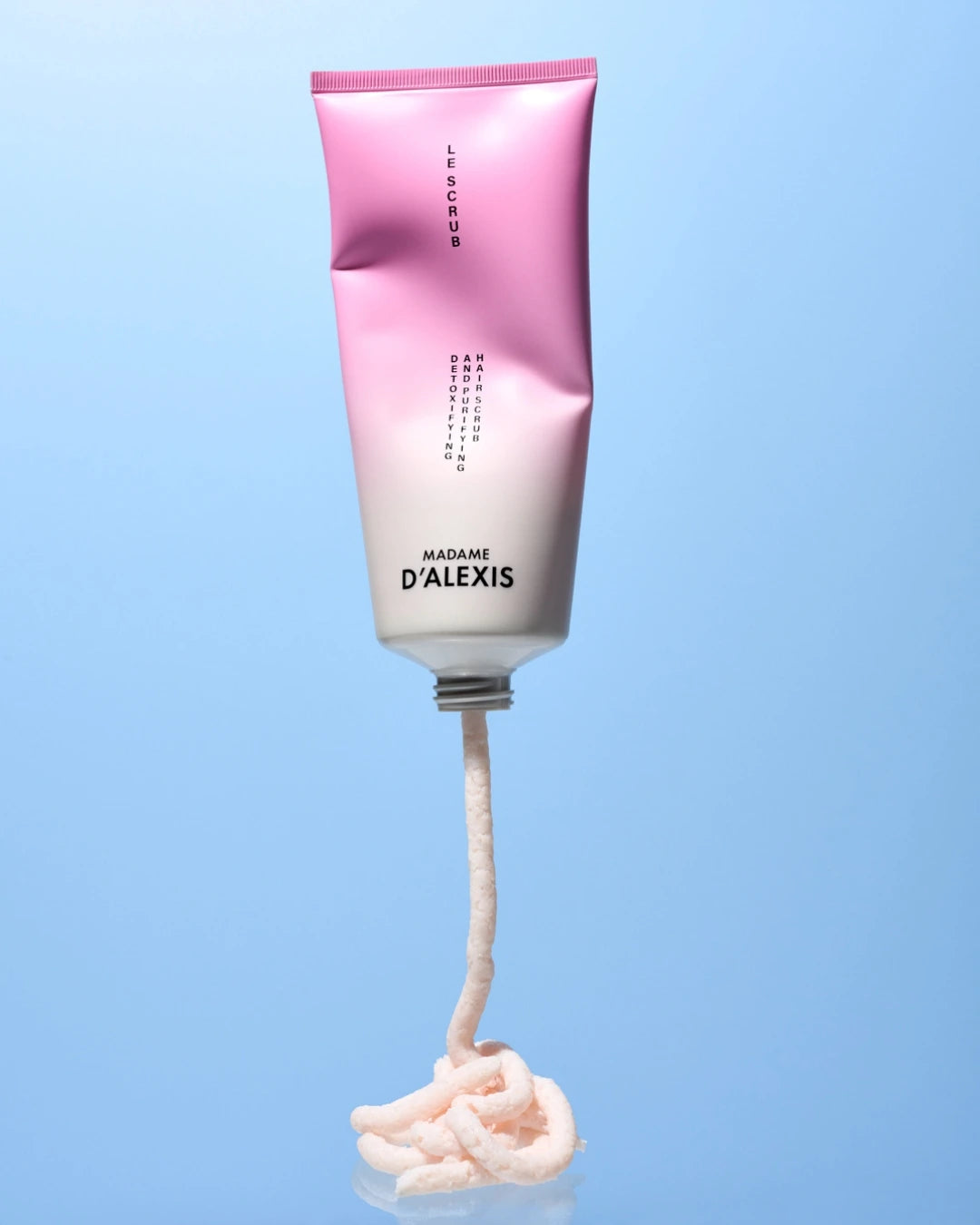
Le Scrub by Madame d’Alexis, an exfoliating shampoo with organic hydrosols, was designed to specifically target this cause:
- Its sea salt exfoliates mechanically and gently, without irritation.
- The Damask rose hydrosol hydrates the scalp, adds shine and soothes.
- The chamomile hydrosol brings its soothing, calming properties.
- The orange blossom hydrosol, toning and revitalising, wakes up the roots.
- The cationic hyaluronic acid, specially formulated to target damaged areas, hydrates and protects, while giving body to the roots.
Used every 10 to 15 days, instead of your shampoo and in two successive passes, like a double shampoo, this purifying exfoliating shampoo stimulates blood microcirculation and sets the stage for healthier growth, on a clean, balanced scalp.
2. Cleanse with a gentle, sulphate-free shampoo
Using a gentle shampoo is essential when hair is dry and brittle: a gentle wash two to three times a week is enough, so avoid overwashing. Harsh products containing sulphates or strong foaming agents disrupt the scalp's hydrolipidic film, weaken the cuticle and lead to dryness.
Le Shampoing by Madame d’Alexis offers a natural, caring approach:
- Formulated without sulphates or silicones, with gentle plant-based surfactants.
- Enriched with organic hydrosols (rose, chamomile, orange blossom), it soothes, hydrates the roots and helps limit breakage.
- Contains prebiotics that help balance the scalp's microbiome.
- Its plant-based keratin helps fill gaps in the cuticle and improves strength.
- The hyaluronic acid acts as deep conditioning care, protecting each strand with an imperceptible film.
Result: a clean scalp, soothed hair and lengths that feel softer and stronger wash after wash.

3. Repair with a nourishing hair mask
Brittle hair is hair whose internal structure has been damaged by chemical processes, mechanical stress or a protein and lipid deficiency. To restore elasticity and avoid split ends, hydration alone is not enough: hair also needs to be nourished. A conditioner after each shampooing is a good start, but a weekly mask goes further.
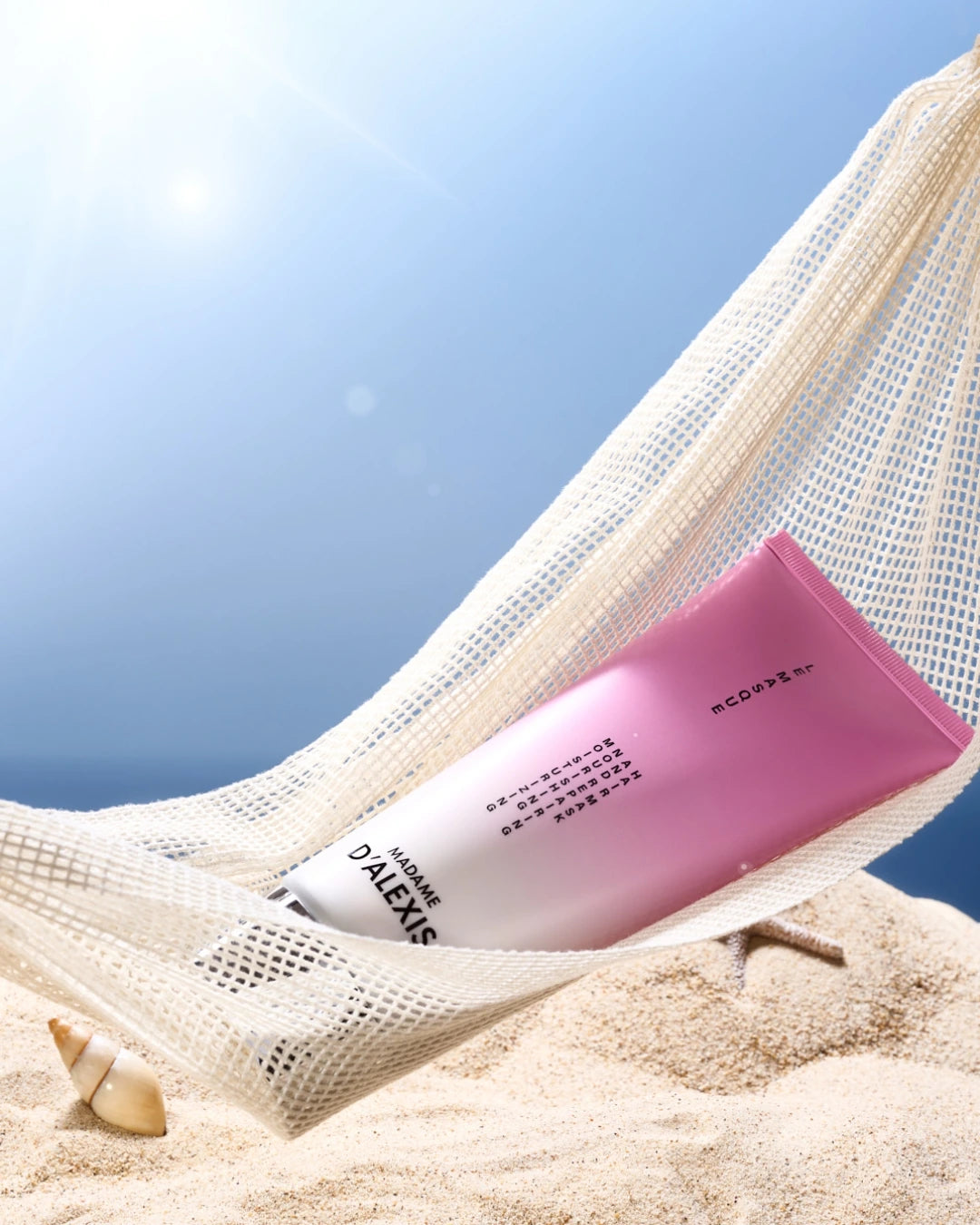
Le Masque by Madame d’Alexis, with no added water, is a concentrate of repairing active ingredients:
- Rose, chamomile, and orange blossom hydrosols to revitalise and soften the hair.
- Plant-based ceramides that strengthen the hair's protective barrier.
- Organic jojoba and apricot oils, rich in vitamins A and E, which deeply restore the lengths.
- Cationic hyaluronic acid, which fills micro-cracks in the hair shaft and helps protect it from drying out.
- Orange blossom wax to help hair retain moisture and bring back shine.
A nourishing mask for soft, supple hair that looks and feels less brittle.
4. Protect with leave-in care
Between washes, hair is exposed to pollution, UV rays, friction and changes in temperature. To limit dehydration, apply a light leave-in serum morning and evening.
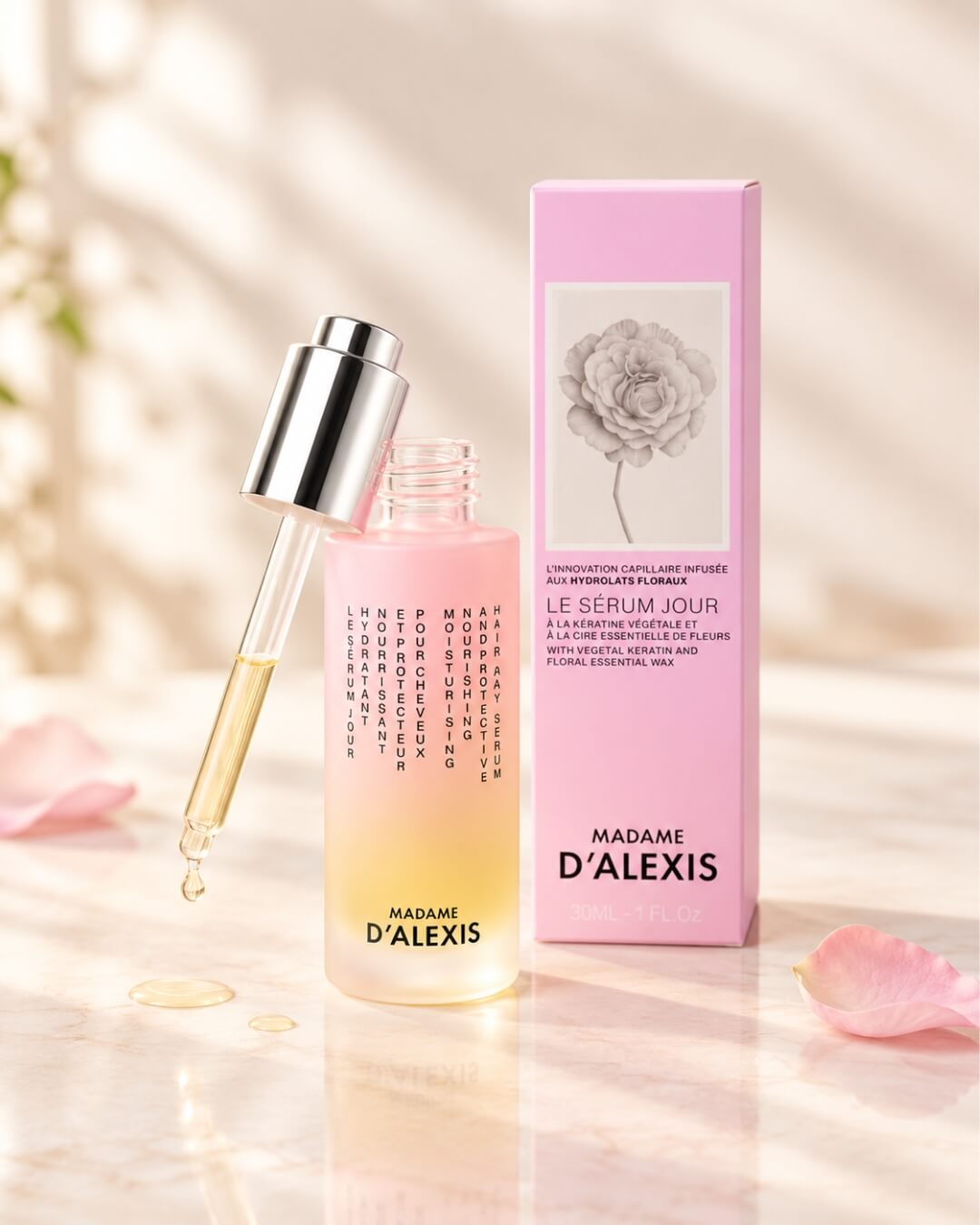
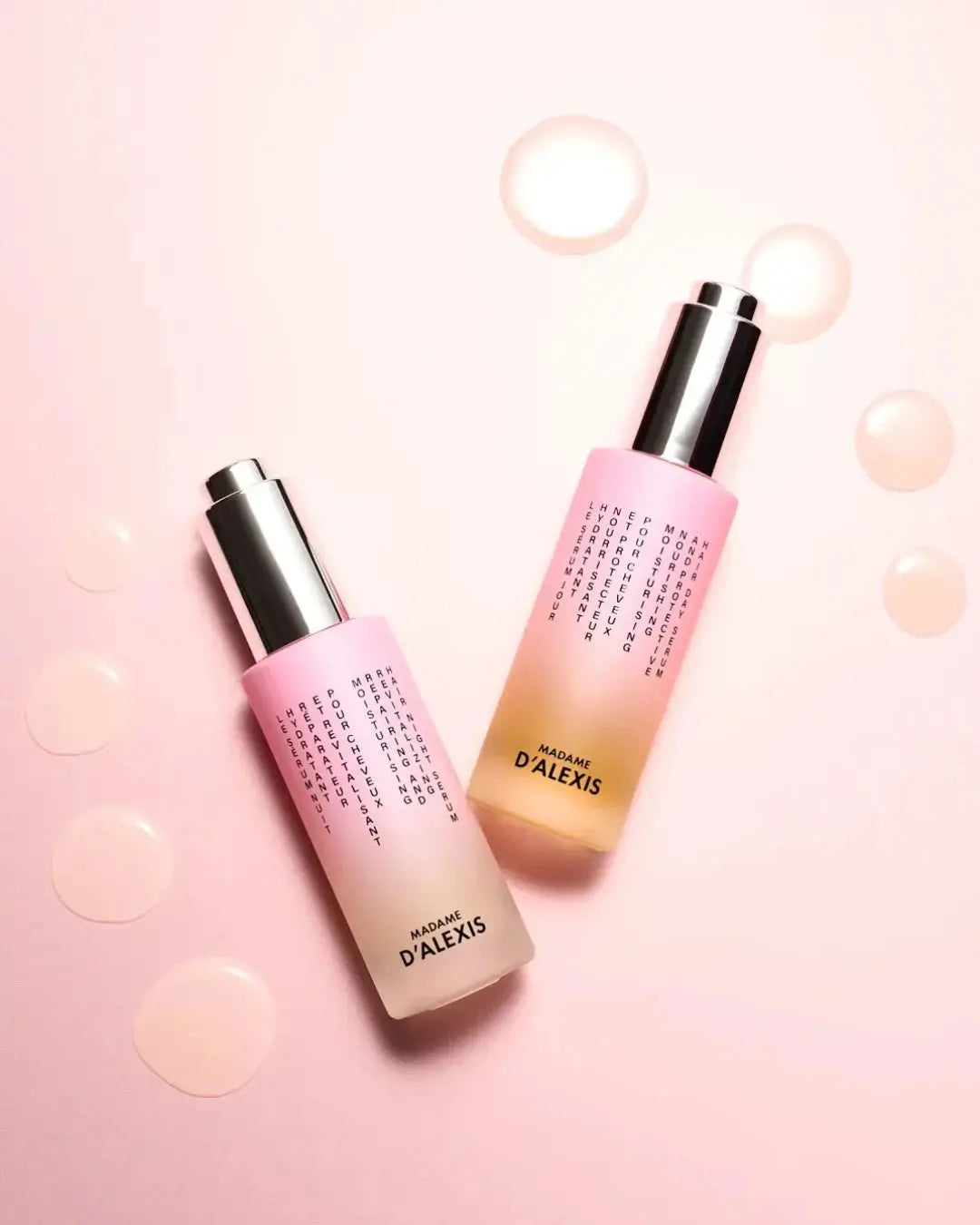
- Le Sérum Jour by Madame d’Alexis acts as a protective film: it hydrates, contains natural heat protectants that protect up to 200 °C and limits hair breakage during brushing or styling.
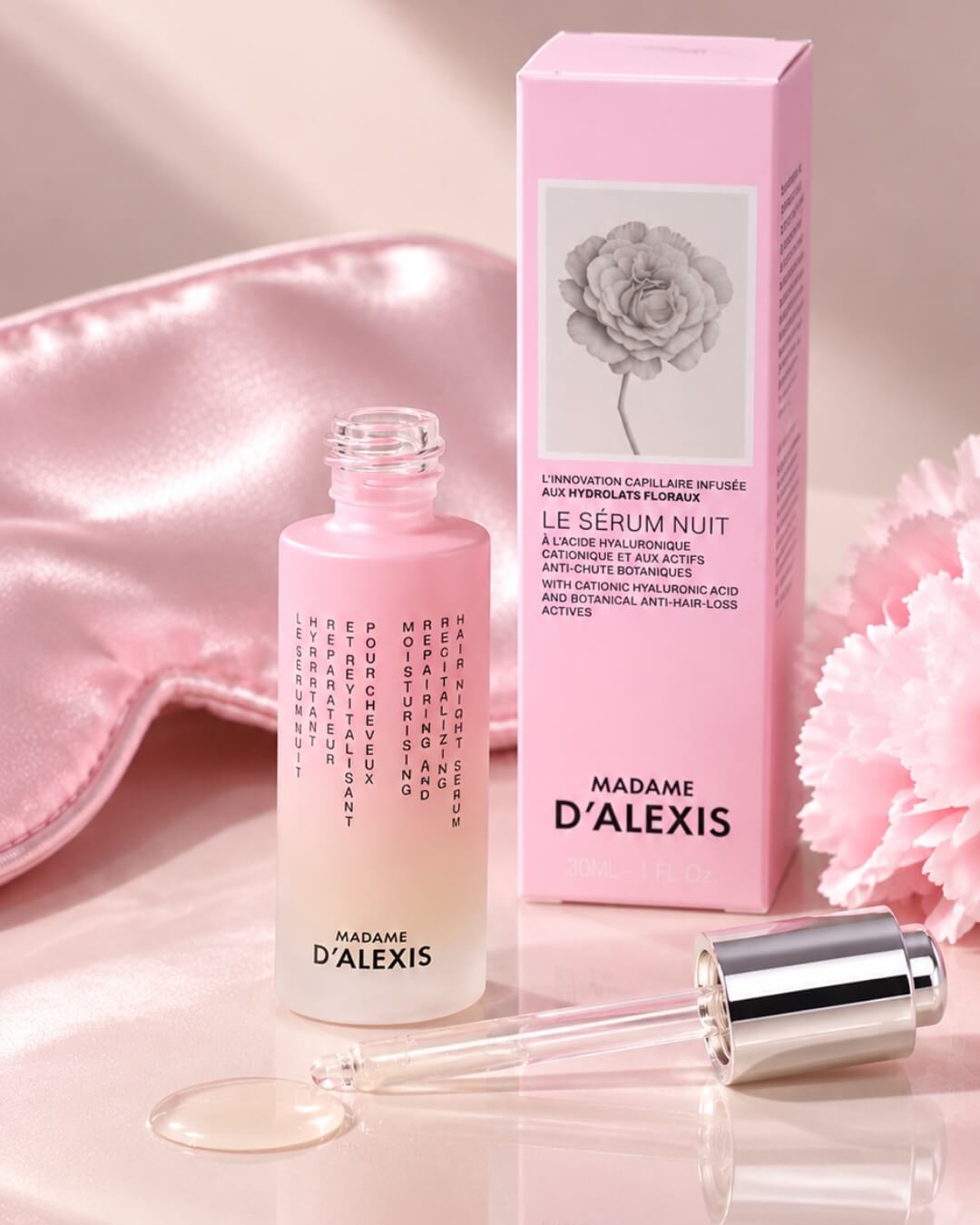
- Le Sérum Nuit, concentrated in prebiotics, ceramides, and plant oils, cares for the hair overnight. It is a night-time repair serum that works while you sleep.
These two serums complete the daily routine, adding shine and suppleness.
5. Limit heat styling and friction
Styling habits play a major role. Wet hair stretches more and is therefore more vulnerable.
Avoid:
- Tying wet hair
- Using metal hair ties
- Brushing from the roots
- Using straighteners without heat protection
Prefer:
- A soft brush with flexible bristles
- Silk scrunchies
- A heat protectant spray before blow drying or using straighteners
- Light hairstyles that are not tight
- These simple changes limit mechanical damage, especially on lengths that are already weak.
6. Strengthen hair from within
Finally, brittle hair can be a visible sign of nutritional imbalance. A lack of iron, zinc, or B vitamins, especially vitamin B6, can hold back keratin production and weaken the hair.
A three-month course of hair dietary supplements works alongside your topical care:
- It can support hair growth
- Help limit hair loss linked to deficiencies
- Make hair more resistant to daily stress
Each of these steps helps with treating brittle hair, and also with stopping it from coming back. Hair gradually regains its structure and shine, because strong hair is built at the root, on the surface and from within.
How to prevent hair breakage: good habits
Prevention is always better than cure. When it comes to brittle hair, simple, consistent habits make all the difference. A good conditioner or a nourishing mask once a week is not enough on its own.
It takes a daily, all-round approach to really prevent breakage and keep your hair in good condition.
Choose protective, gentle hairstyles
Too-tight hairstyles or styles worn repeatedly (high ponytail, tight bun, slicked-back plaits) put constant tension on the roots.
This repeated daily tension weakens the base of the hair and can lead to traction alopecia. This condition is particularly noticeable at the temples and nape of the neck, where the hair thins and then breaks.
Instead, choose:
- Flexible hair ties made of silk or satin that do not snag the hair fibre.
- Low, relaxed hairstyles, especially at night.
- Regular variation to avoid putting constant tension on the same areas.
Protect your hair from the sun
We often think about skin care, but hair also suffers from UV rays. The sun breaks down keratin, dries out the hair and oxidises the colour (natural or not). The result: less elasticity and increased breakage.
To prevent this:
- Wear a hat or scarf outdoors.
- Apply a UV-protective treatment as a mist or light cream.
- Avoid prolonged exposure without protection, especially after swimming in the sea or a chlorinated pool.
Moisturise your hair between washes
Washing less often helps keep the scalp balanced. But between shampoos, hair can lose moisture, especially with heat, friction or dry air from central heating.
However, regularly moisturising your hair is essential to keep it supple and stop it becoming brittle.
Try:
- A light moisturising mist made with hydrosols or floral waters.
- A few drops of dry vegetable oil (jojoba, apricot, argan oil or grapeseed) smoothed through the lengths.
- A minimalist but regular routine targeting the ends.
Space out colouring and chemical processes
Every chemical process (colouring, bleaching, relaxing or permanent smoothing) changes the hair's structure in depth. It weakens the cuticle, leads to a loss of resistance, and increases porosity. Without enough recovery time between sessions, hair cannot recover.
To limit damage:
- Leave a minimum of six weeks between chemical treatments.
- Choose gentle colours without ammonia or peroxide.
- Always use repairing care in the weeks that follow.
Eat a balanced, mineral-rich diet
The link between a balanced diet and hair health is direct. Hair is made of keratin, which the body produces from the nutrients you eat. Even a mild deficiency can affect hair strength, the growth rate, and scalp health.
Make sure you eat:
- Plant-based proteins (pulses, quinoa, tofu), rich in sulphur amino acids, and protein-based hair care
- B vitamins (B6, B8), which contribute to normal hair.
- Iron and zinc, found in seeds, nuts, and egg yolks.
- Fruits and vegetables rich in antioxidants to help combat oxidative stress.

Could it be a nutritional deficiency?
When hair breaks at the root, becomes thin or limp, or you notice hair falling out in unusual quantities, look for an underlying cause. Sometimes, hair breakage is not just down to habits or harsh products, but a reflection of an internal imbalance.
Recognise the warning signs
Certain symptoms may indicate a nutritional or hormonal deficiency:
- Diffuse, persistent hair loss
- Hair that breaks at the root without any growth
- Thinning areas, especially on the crown of the head
- Brittle nails, drier skin, and associated chronic fatigue
These signs should alert you, especially if they appear suddenly.
The most common deficiencies
Iron deficiencies are among the most common, especially in women. Since iron is involved in cellular oxygenation, a deficiency directly impacts the scalp.
Other nutrients to watch:
- Vitamin B6: involved in keratin production
- Zinc: contributes to the maintenance of normal hair
- Biotin (vitamin B8): contributes to the maintenance of normal hair and skin
- Sulphur amino acids: building blocks of keratin
An unbalanced diet, chronic stress, or certain endocrine disorders (such as a thyroid gland disorder) can also be to blame.
When to consult a professional about brittle hair
If your hair stays very brittle or stops growing despite the right care and a good diet, it is best to:
- Request a complete blood test, including ferritin, zinc, B6 and TSH (thyroid), via your GP.
- See a dermatologist or a trichologist.
- Consider a course of dietary supplements under professional guidance.
Taking care of your hair also means learning to listen to what it reveals about your overall balance. A healthy head of hair is often the silent reflection of a well-nourished, well-oxygenated, and well-cared-for body.
The Madame d’Alexis approach to brittle hair
When hair breaks, it is not just about repairing a damaged strand. It is about restoring balance and soothing a tired scalp so that new hair grows in the best conditions.
At Madame d’Alexis, this vision is central. It guides every formula, designed as an extension of nature and the hair’s biological intelligence.
Formulas with no added water, rich in plant-based active ingredients
Unlike most hair products, where water is often the first ingredient, Madame d’Alexis formulas are made without added water.
Their base is made from certified organic hydrosols: Damask rose, Roman chamomile, or orange blossom, chosen for their benefits:
- Soothing for the scalp
- Revitalising for dull or tired hair
- Naturally rich in antioxidants, minerals, and vitamins
This bold choice makes it possible to create highly concentrated active formulas that feel different from the very first use.
No sulphates, no silicones, no compromise
The formulas exclude the harsh ingredients often used in conventional products: sulphates, silicones, parabens and drying alcohols. This is not a marketing choice but a formulation commitment.
- Gentle surfactants cleanse without stripping the hair, respecting the scalp’s pH.
- Plant-based emollients replace silicones to smooth the fibre without suffocating it.
- Biotechnological actives, such as cationic hyaluronic acid or plant-based ceramides, help repair the hair in depth.
This choice of natural products, free from unnecessary additives, means good tolerance and targeted care for brittle hair, even when it is very damaged.
A simple routine for brittle hair
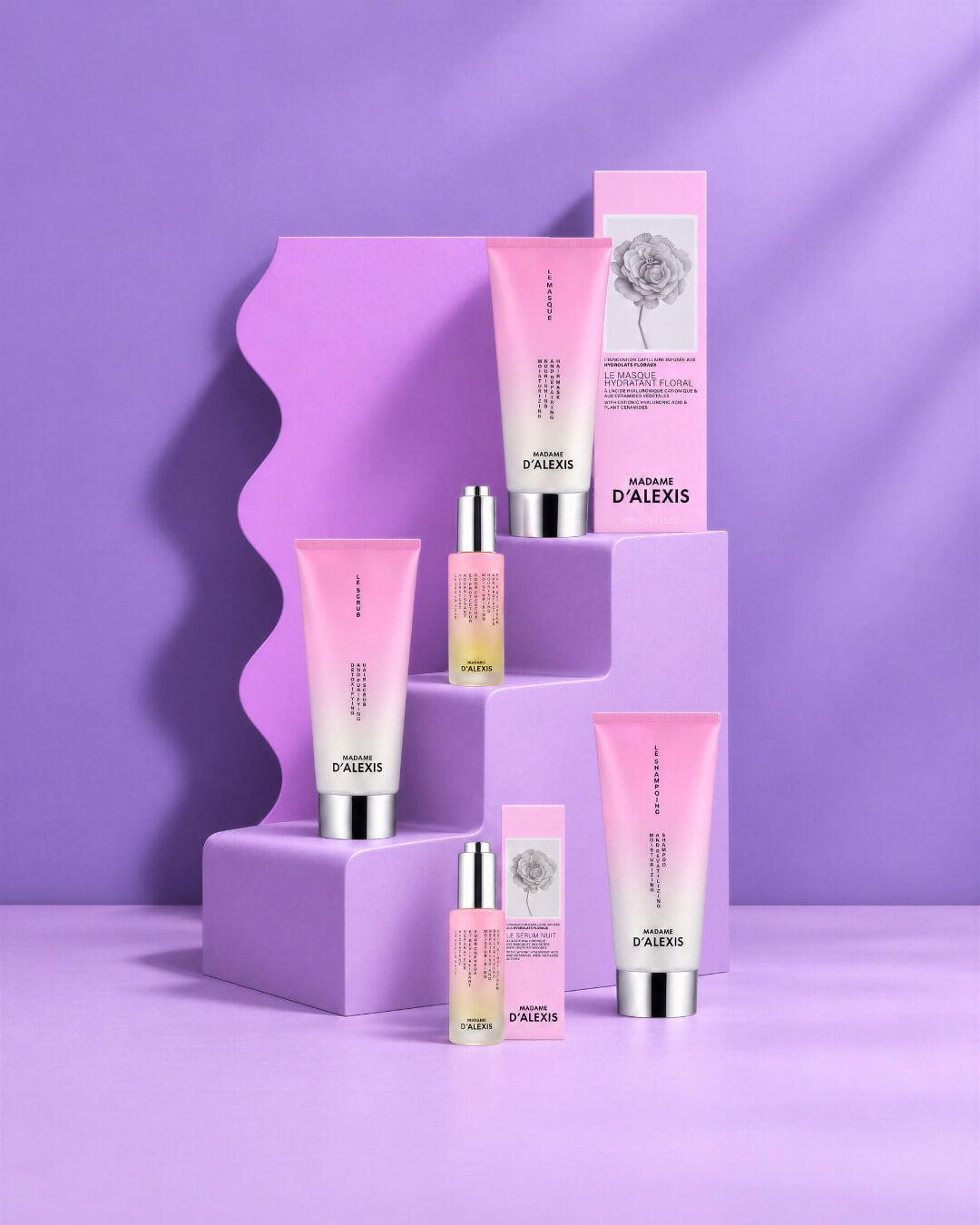
A good hair routine relies on regularity, simplicity and products that work together. Here is what Madame d’Alexis recommends for weakened hair:
-
Le Scrub, exfoliating shampoo (every 10 to 15 days, instead of Le Shampoing)
Purifies, gently exfoliates and stimulates blood microcirculation, with sea salt (fleur de sel), organic coconut oil and organic hydrosols. Apply in two passes, like a double shampoo, then rinse. -
Le Shampoing (2 to 3 times a week)
Cleanses while respecting the skin barrier. Its plant-based cleansing base combined with prebiotics helps rebalance the scalp’s microbiome. -
Le Masque (once a week or after sun exposure)
Repairs and nourishes. Its formula with no added water concentrates plant oils, ceramides and hyaluronic acid. -
Le Sérum Jour & Le Sérum Nuit (daily)
Le Sérum Jour acts as an antioxidant shield. Le Sérum Nuit works overnight with a blend of natural actives.
This natural, targeted routine works at every level: roots, lengths and scalp. It respects the nature of your hair while restoring what it has lost: shine, strength and suppleness.

In summary: how to treat dry brittle hair
Brittle hair is not inevitable. It is a sign of an imbalance that you can correct with observation, consistency and well-formulated care.
Here are the 6 fundamental habits to remember to regain strong, radiant hair:
- Purify the scalp: A clogged scalp weakens the roots. Gentle exfoliation gives you a healthy base.
- Wash without stripping: No more sulphates or harsh foaming agents. A gentle shampoo cleanses without stripping natural oils.
- Nourish in depth: A nourishing mask rich in lipids and ceramides smooths the cuticle and brings back elasticity.
- Protect your hair every day: Moisturising mist, leave-in care, protective hairstyles: every gesture helps prevent breakage.
- Be consistent: A regular hair care routine that is complementary is more effective than isolated products used randomly.
- Provide the right nutrients from within: A balanced diet rich in protein, iron, zinc and B vitamins supports healthy hair from the root.
By combining consistency, gentleness and natural ingredients, you can not only treat brittle hair but also stop it weakening again. At Madame d’Alexis, every formula is designed as deep care that respects the hair and stays true to one standard: no compromise between effectiveness, sensory pleasure and natural ingredients.
Frequently asked questions about brittle hair
How can I manage brittle hair at home?
If your brittle hair snaps at the slightest friction or when brushing, it is time to review your hair routine. Simple home remedies and the right products go a long way:
- Use a gentle shampoo without sulphates.
- Apply a nourishing mask once or twice a week.
- Incorporate a protein treatment if your hair is severely damaged or after bleaching.
- Massage your scalp to boost blood circulation.
- Limit heat styling tools, apply a heat protectant before using them and avoid hairstyles that are too tight.
How do you prevent hair breakage?
To limit breakage, keep your hair elastic and moisturised. A few good habits:
- Moisturise your hair with light moisturising products between washes.
- Incorporate moisturising masks and oil baths (such as coconut oil) into your routine.
- Choose protective hairstyles and avoid hair ties that are too tight.
- Protect your hair from the sun, chlorine, and salt.
- Follow a balanced diet rich in vitamins and plant-based proteins.
What causes brittle hair?
The causes of brittle hair are often combined. The most common include:
- An iron deficiency, vitamin B6 deficiency, or zinc deficiency.
- A poor diet lacking in protein.
- Stress, which disrupts hair growth.
- A thyroid gland imbalance, often associated with hair loss or thinning.
- Excessive heat (straighteners, hairdryers, sun).
- Repeated use of harsh products or chemical processes.
- Chronic dehydration of the hair lengths.
- Environmental factors (pollution, hard water).
How do you repair damaged hair?
To repair damaged hair, combine external care with good nutrition:
- Use a hair mask rich in repairing actives (plant oils, ceramides, hyaluronic acid), or try deep conditioning.
- Choose a shampoo with plant-based keratin, which strengthens the hair’s structure.
- Regularly apply a nourishing oil (jojoba, apricot, or coconut) to the ends.
- Choose a natural formula without silicones or sulphates.
- Consider adjusting your diet by incorporating sources of vitamin B6 and protein.
- Book regular trims to remove split ends.
What are the most effective tips for brittle hair?
Here are the best tips for brittle hair, to follow every day:
- Trim the ends regularly to prevent split ends from spreading.
- Leave your mask on longer, especially repairing formulas.
- Apply a mask at least once a week, focusing on the lengths.
- Moisturise the lengths between shampoos, especially in summer.
- Detangle without pulling, using a brush designed for your hair type, starting with the ends.
- Use gentle care formulated without sulphates or silicones.
- Avoid tight hairstyles or styles worn repeatedly.
- Protect your hair at night with a silk pillowcase or scarf, which also reduces frizz.
- Choose products suited to your hair type and its level of fragility.
How do you strengthen brittle hair?
To strengthen brittle hair, focus on consistency and quality:
- Incorporate moisturising products at every step: shampoo, conditioner or mask, and leave-in care.
- Use a gentle shampoo that respects the scalp’s pH.
- Apply a nourishing mask rich in plant oils and plant-based keratin.
- Complete with a vitamin and mineral course, especially iron, zinc, and biotin.
- Follow a healthy diet rich in protein (animal or plant-based).
- Jojoba oil, which closely resembles natural sebum, is ideal for strengthening the hair fibre without weighing it down.
Should split ends be trimmed?
Yes. A split end cannot be repaired: trimming it prevents the split from travelling up the hair shaft. A light trim about every two months, combined with a restorative routine, limits their reappearance.
What are the symptoms of brittle hair?
- Visible split ends: the fibre is damaged at the ends.
- Breakage in the middle of the lengths: the weakness affects the entire fibre.
- Lack of elasticity: wet hair stretches and then breaks instead of returning to its original shape.
- Loss of shine and a rough hair texture: the cuticle scales are raised.
- Hair found on the brush in small pieces: this is breakage, not hair loss.
If you notice unusual hair loss (whole hairs with their roots), talk to your GP or a dermatologist.