Advice
Stiff Hair After Bleaching: Causes and Solutions
Elastic hair after bleaching? Discover the causes, effective solutions, and Madame d'Alexis treatments to repair the hair fiber and restore shine and natural elasticity.


Sticky Hair After Bleaching: What Can You Do to Minimize the “Chewing Gum” Effect?
When a strand of hair stretches like chewing gum after bleaching, the priority isn’t to just pile on random treatments. You need to stop the damage, gradually rebuild the hair fiber, and protect what can still be saved.
Key Takeaways in 30 Seconds
The Real Problem
Bleaching opens the cuticles, increases porosity, and weakens the fiber’s internal structure. When wet, the hair stretches too much and then breaks.
The correct answer
We’re establishing a simple routine: a gentle, sulfate-free shampoo, a deep conditioning treatment, heat protection, and techniques to minimize friction.
- Keratin loss and the opening of the scales account for the "chewing gum" effect.
- Porous hair absorbs and releases water too quickly.
- Skincare products rich in plant-based ceramides and cationic hyaluronic acid help improve suppleness and resilience.
- In extreme cases, it is sometimes necessary to cut away areas that are too damaged.

Madame d’Alexis hair care products are useful after bleaching
Goal: to cleanse without stripping the hair, smooth the cuticle, moisturize the lengths, and protect the hair shaft from further damage.
Understanding the elastic effect after discoloration
Bleaching raises the pH, swells the hair shaft, and lifts the cuticle scales. This opening makes the fiber more porous and facilitates the loss of surface lipids and structuring proteins.
Oxidizing agents that lighten melanin can also weaken keratin. As a result, the internal structure loses its cohesion, water penetrates and escapes too quickly, and the hair fiber reacts unpredictably.
Soft texture
Wet hair feels limp and lifeless, as if it were stretching under your fingers.
Overstretching
The fiber stretches but does not return to its original length. That is a warning sign.
Quick Break
When the internal bridges become too weakened, the elongation eventually leads to a rupture.
Why is my hair so elastic after bleaching?
The chemical process begins with an alkaline phase that opens the cuticles and softens the protein matrix. The longer the processing time and the higher the temperature, the more the hair fiber weakens. Repeated cycles of washing, drying, and styling then amplify these effects.
Bleaching often causes hair to become dry and brittle. If the hair shaft is already weakened by highlights, coloring, or straightening treatments, its natural elasticity can be permanently compromised.
| Aggravating factor | Effect on the fiber | A Habit to Adopt |
|---|---|---|
| Too strong an oxidizing agent | Excessive opening of the scales and loss of cohesion. | Space out the treatments and request an appropriate professional protocol. |
| Repeated heat | Dehydration, microcracks, accelerated breakage. | Use a heat protectant for bleached hair before blow-drying or straightening. |
| Wet brushing | Pulling on a fiber that is already weakened. | Gently detangle with your fingers or a wide-tooth comb, always taking care. |
| Harsh sulfates | Removal of the hydrolipidic film and a rough feeling. | Switch to a sulfate-free shampoo. |
How can I remove the elastic effect on my hair after bleaching?
Stop the attacks
Stop bleaching, frequent coloring, straightening, using plates that are too hot, and aggressive blow-drying. Without a technical break, no treatment can truly stabilize the hair fiber.
Wash without stripping
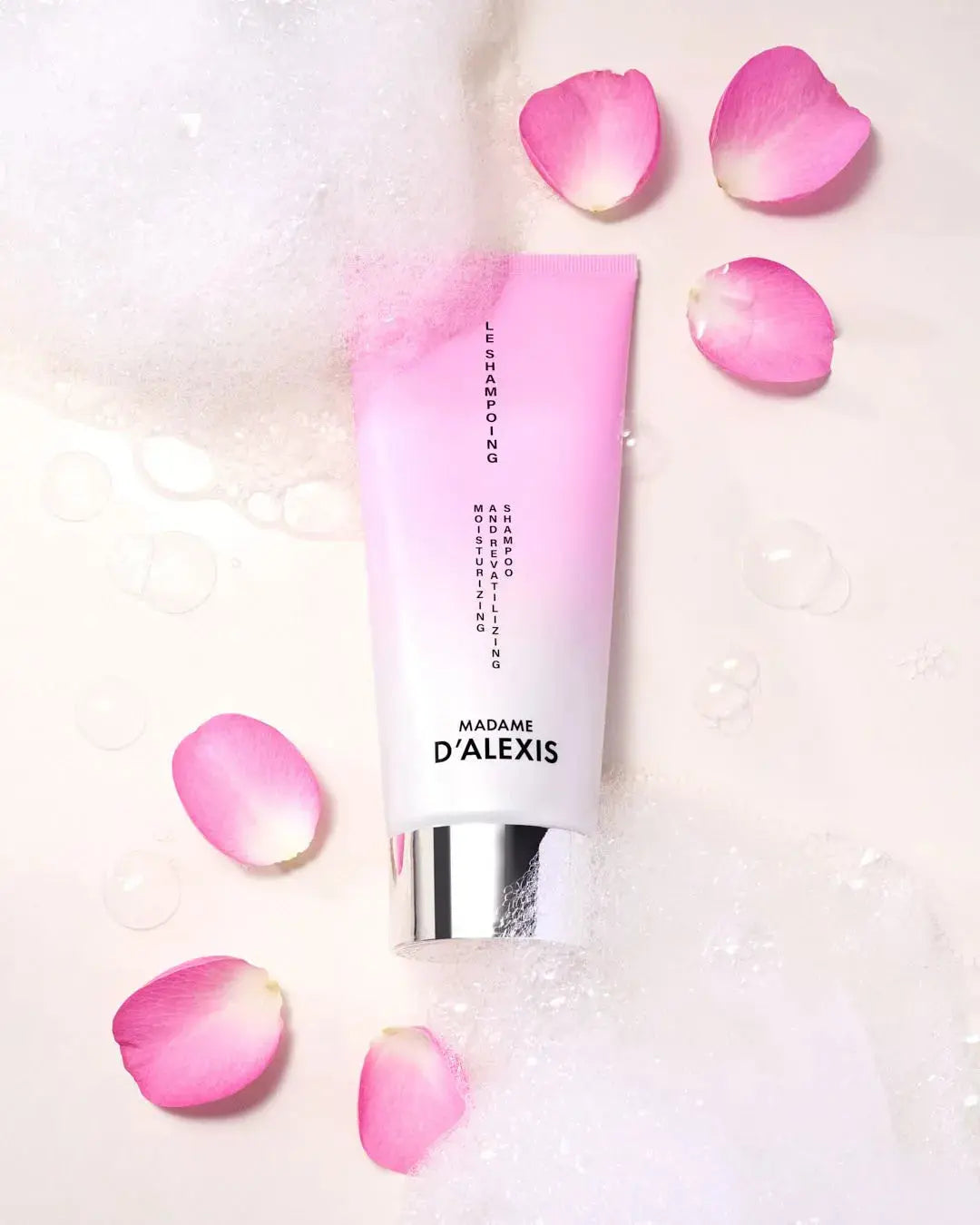
Apply the shampoo to a thoroughly wet scalp. Work it into a lather with water, massage gently, then rinse thoroughly. The goal is to cleanse without further opening the cuticle.
Repair the lengths
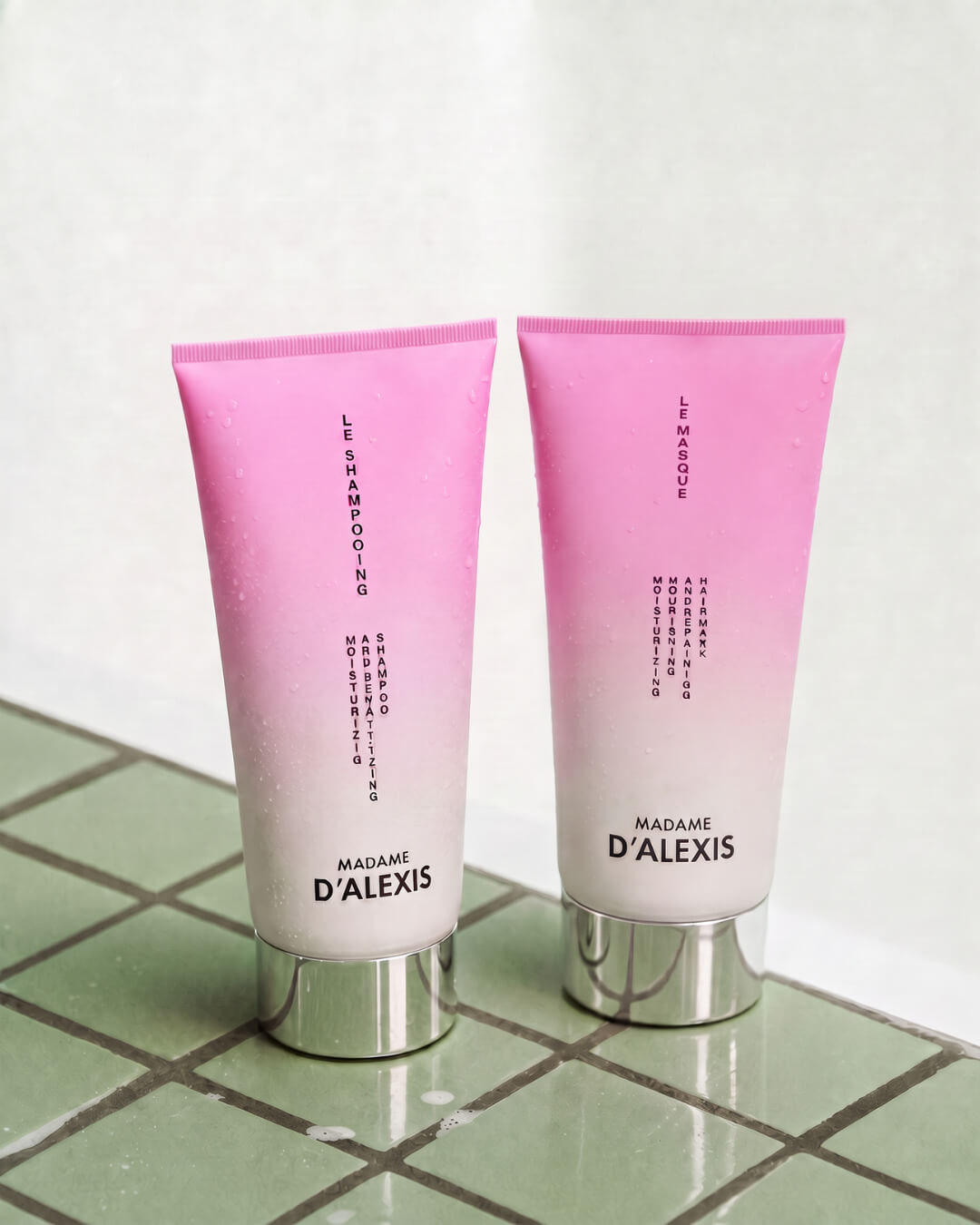
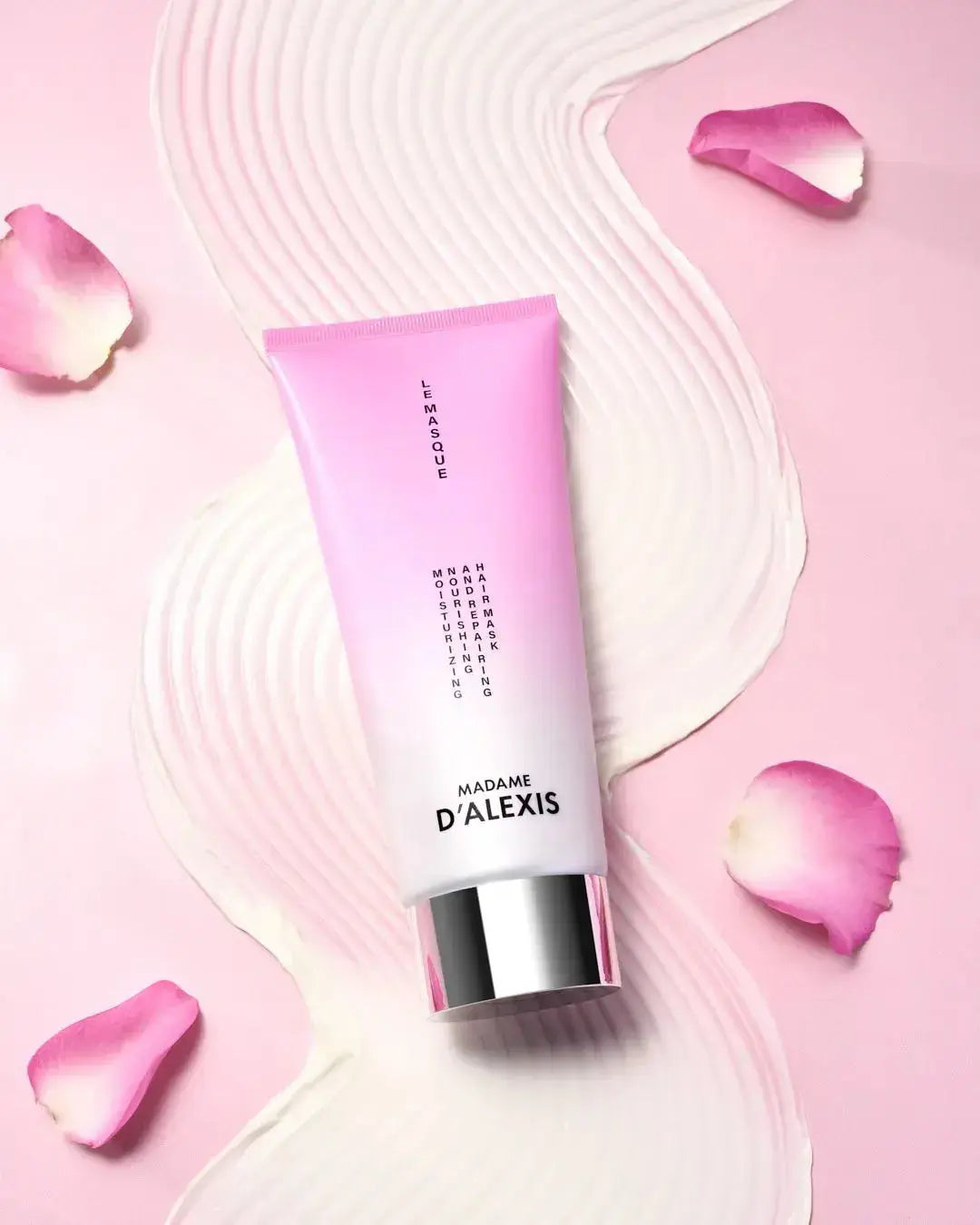
Apply the mask only to the lengths and ends of your hair. Leave it on for 10 to 30 minutes, depending on the condition of your hair, then rinse thoroughly.
Protect from heat
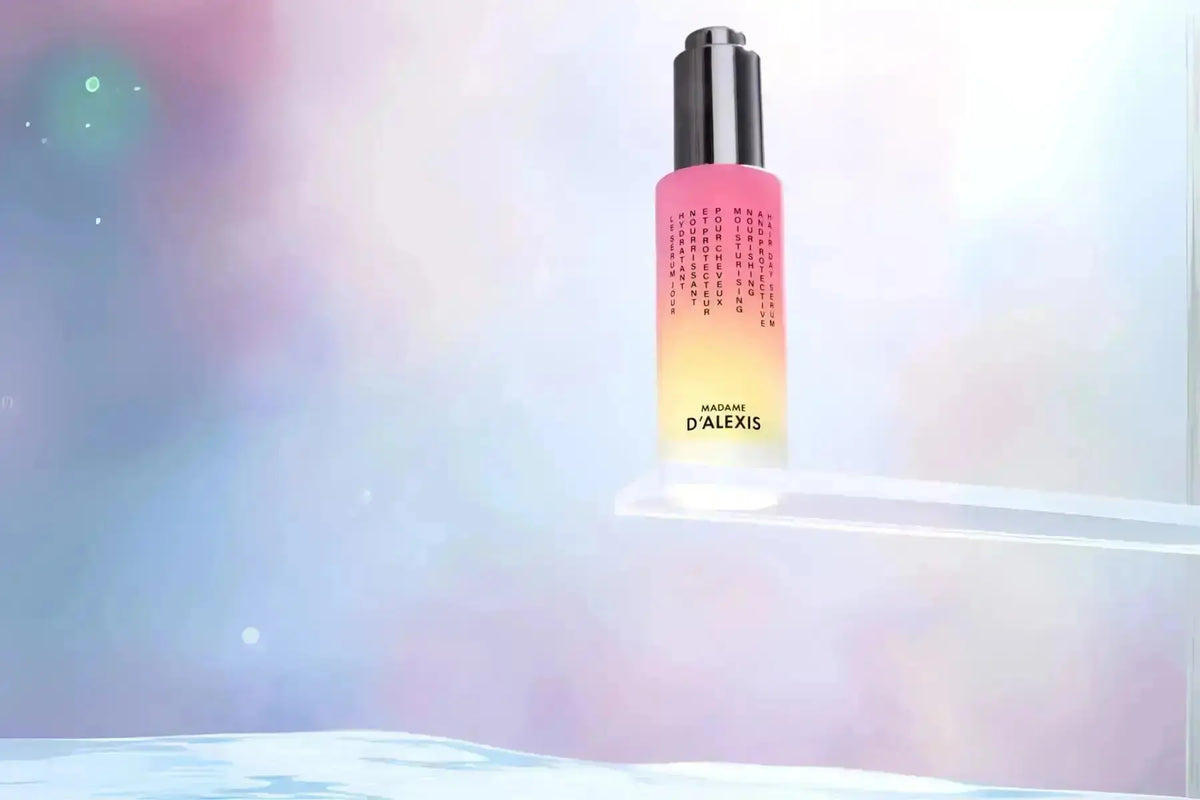
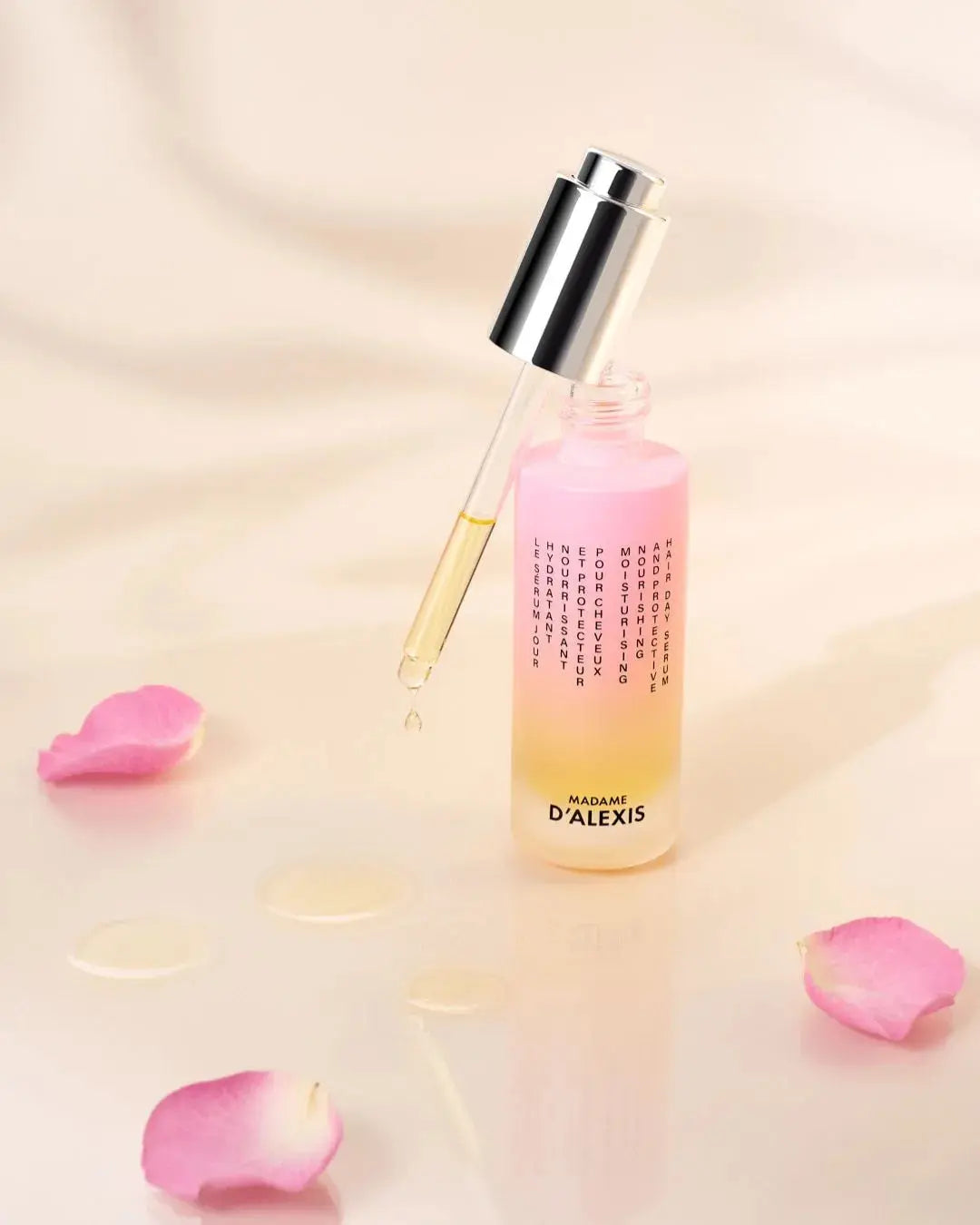
Warm 1 to 3 drops of Day Serum between your hands, then apply it to the mid-lengths and ends before blow-drying. Do not apply it to the scalp.
Purify as needed
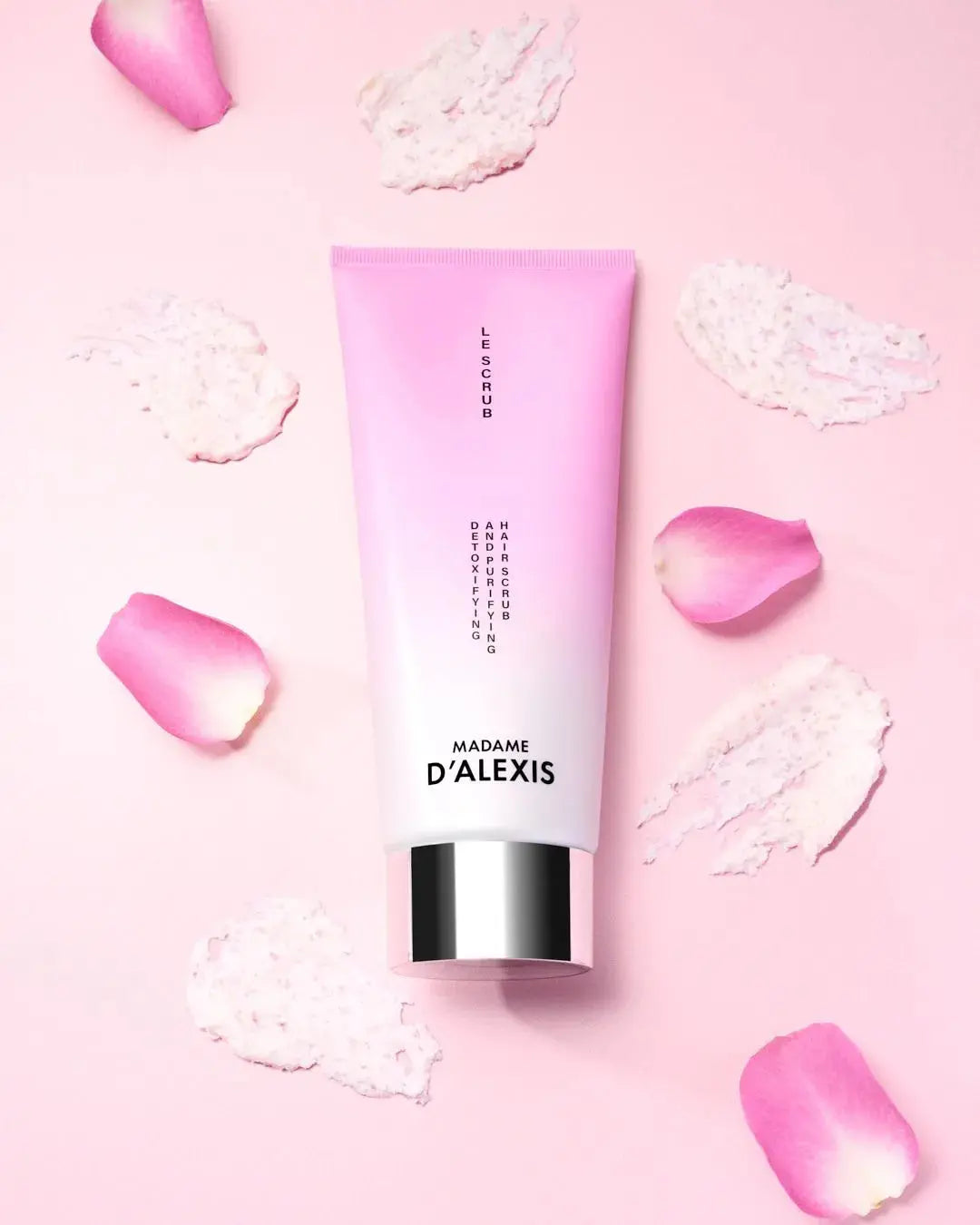
Every 10 to 15 days, Le Scrub can be used in place of shampoo on that day to remove residue and mineral buildup from a wet scalp. This is not a treatment to be done several times a week.
What products should you choose to restore elasticity to your hair after bleaching?
The right routine should combine gentle cleansing, deep conditioning, protection, and patience. Hair in an advanced state of fragility doesn't need an intensive routine, but rather a consistent one.
The Best Treatment to Choose
Alexis’s Madame Mask is the most suitable treatment for this situation: it directly addresses the question of which mask to use to repair damaged hair. Its formula, containing plant-based ceramides, cationic hyaluronic acid, organic hydrosols, and jojoba and apricot oils, helps smooth out damaged lengths and improve the hair’s texture.
To be included
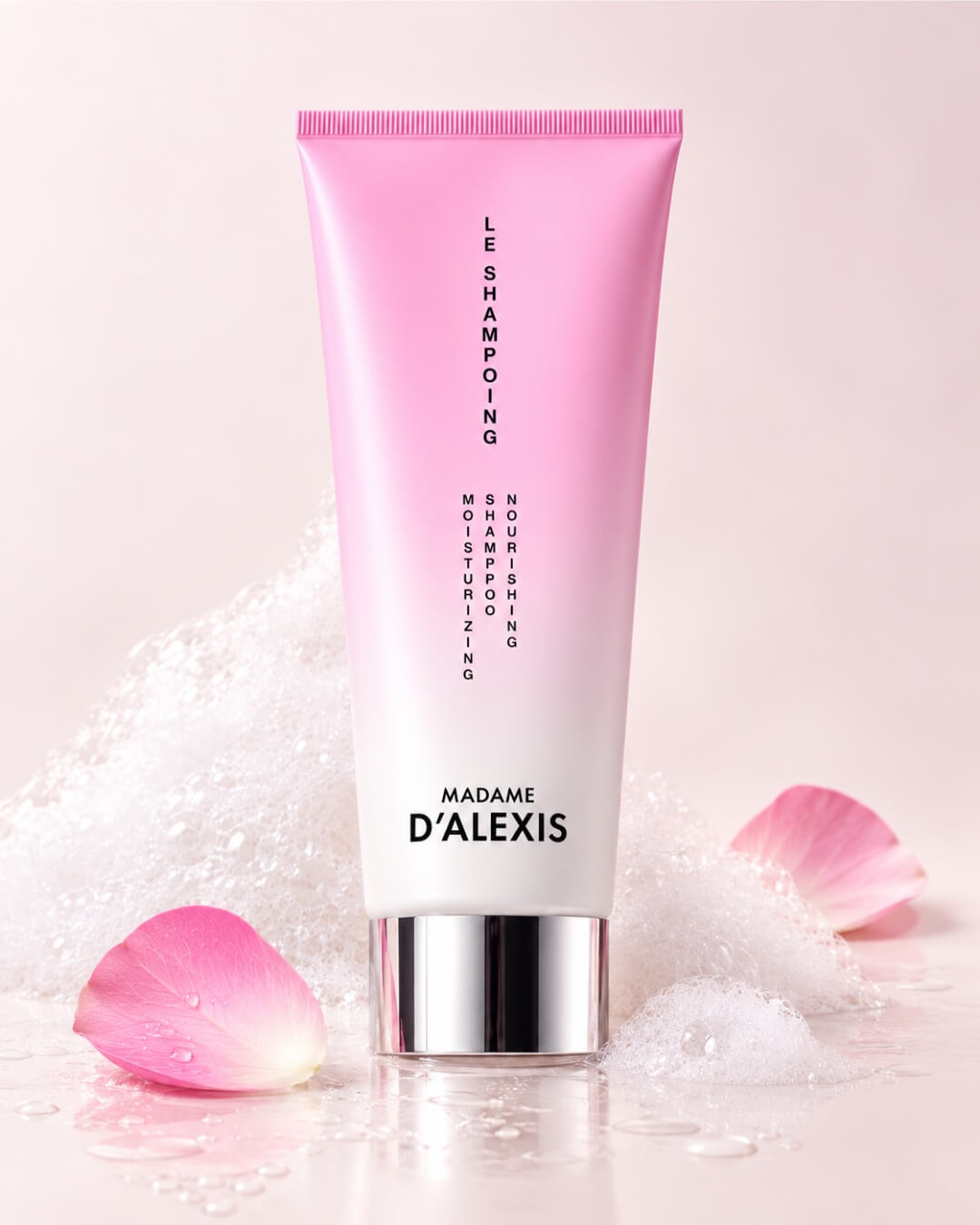
- Moisturizing Shampoo for gentle cleansing without harsh sulfates.
- The Repairing Mask for Hair Lengths and Ends.
- The Day Serum before exposure to heat, UV rays, or friction.
- The Growth & Density Treatment, if hair loss or thinning is accompanied by breakage.
To be avoided
- A so-called "miracle" mask that promises to "repair" damaged hair in a single application.
- The color is fading too quickly again.
- Hair straightener without heat protection.
- A heavy oil treatment that wasn't rinsed out properly on very fine, porous hair.
Natural Hair Care Routine for Colored, Highlighted, and Bleached Hair
For colored or highlighted hair, there are two key challenges: preserving the color and preventing the hair shaft from becoming further weakened. You can supplement this article with the guide dedicated to colored hair, highlights, and repair.
| Moment | Step | Useful product or link |
|---|---|---|
| Wash day | Mild shampoo; wash twice briefly if necessary; rinse thoroughly. | Sulfate-Free Moisturizing Shampoo |
| After washing | Apply the mask to the mid-lengths and ends; never massage it into oily roots. | Moisturizing Mask for Bleached Hair |
| Before drying | Heat protection along the lengths and ends. | Heat-Protective Day Serum |
| Every 10 to 15 days | Reset your scalp if there is buildup, pollution, or heavy roots. | Organic Hydrosol Scalp Scrub |
The repairing serum for dry hair is particularly useful as a finishing touch, provided you apply it to the right areas: the mid-lengths and ends for the Day Serum, and the scalp for the Night Serum.
Is it possible to save elastic hair?
Yes, sometimes, but not always completely. It all depends on the extent of the damage. A very elastic strand of hair that stretches and then breaks at the slightest touch will not regain its original structure. On the other hand, a damaged but still intact strand can become softer, stronger, and shinier with a regular care routine.
Damaged Hair
A gentle hair care routine, a weekly mask, and heat protection. The lengths can often be improved.
Chewing Gum Hair
Complete technical break, deep conditioning, minimal handling. The most damaged areas may sometimes need to be cut off.
Hair Breakage
Targeted trimming of porous ends, followed by a reconstructive treatment. The priority is to prevent breakage from spreading upward.
Repairing your hair doesn't mean saving every centimeter. To learn more, check out our guide to the best treatments for damaged hair.
Hairdresser's tips to avoid elastic hair after bleaching
- Space out bleaching treatments and avoid applying successive techniques to hair that is already porous.
- Protect your hair from heat with a suitable product before using a hair dryer or straightener. See also: How to dry your hair without a hair dryer.
- Use a deep mask once or twice a week as a treatment, then once a week for maintenance.
- Reduce friction: microfiber, satin or silk pillowcase, gentle detangling.
- If you are experiencing hair loss or a related loss of density, consider a scalp-focused approach using the Densifying Night Serum and the Growth & Density Ritual.
See also: Hair Damaged by Bleaching
Our Tips
FAQs about elastic hair after bleaching
How to moisturize bleached hair?
Start with a gentle shampoo made with hydrosols, followed by a nourishing mask applied to the mid-lengths and ends. Regular moisturizing helps prevent dryness, porosity, and breakage.
What treatments are most effective for porous and damaged hair?
Deep-nourishing treatments containing plant-derived ceramides, cationic hyaluronic acid, and lightweight oils are the most effective. The Madame d’Alexis Mask is the best product for this need.
Can elastic hair regain its natural elasticity?
They can improve if the damage isn't severe. A regular exercise routine can improve flexibility, touch, and strength, but a completely destroyed muscle fiber will not return to its original state.
What hair care routine should I follow to restore damaged hair?
Mild shampoo, deep conditioning treatment, pre-heat day serum, minimizing friction, and a technical break. The scrub can be used occasionally, every 10 to 15 days, on the scalp only.
What should I do if my hair has become brittle despite using hair care products?
You should stick to a gentle hair care routine, trim the most damaged ends, and avoid any further damage. If your hair is breaking off a lot, it’s essential to consult a hairstylist.
Which mask should you use for bleached and porous hair?
A moisturizing and nourishing mask, rich in ceramides and hyaluronic acid, is the most logical choice. The Madame d’Alexis Mask meets this need with a formula that contains no added water and features active organic hydrosols.