Advice
Oily Hair: Causes, Mistakes to Avoid, and Effective Natural Solutions
Oily hair: causes, mistakes to avoid, habits to correct, and appropriate treatments to restore a healthy, light scalp that lasts.


How can you treat oily hair without stripping the scalp?
Oily hair isn't inevitable. The real key isn't to eliminate sebum, but to restore balance to the scalp through gentle, regular care and appropriate products.
In summary: Oily hair is often a sign of an imbalance in the scalp, exacerbated by washing too frequently, hot water, sulfates, silicones, and occlusive hair care products. The right approach: gradually space out your shampooing, cleanse without stripping the scalp, exfoliate the scalp with a gentle scrub, and then choose an organic shampoo with hydrosols that respects the skin’s barrier.

What causes oily hair?
Oily hair is a sign of an imbalance—one that is often misunderstood and sometimes exacerbated by inappropriate hair care products. To restore lightness to the roots, a purified scalp, and balanced hair strands, you must first understand the causes and then relearn how to care for your hair—not by stripping it, but by respecting it.
I remember experiencing this persistent frustration myself: hair that was perfect in the morning but weighed down by the evening. For a long time, I thought I needed to wash it more, scrub harder, try those famous "purifying" shampoos that lather too much and dry everything out. Until I realized that oily hair isn't dirty hair, but a scalp crying out for help.
Overproduction of sebum linked to the sebaceous gland
Sebum is a lipid film naturally secreted by the sebaceous glands. It protects the scalp and moisturizes the hair shaft. The problem is not sebum itself, but its overproduction.
; puberty, contraception, endocrine fluctuations.
, fast-acting sugars, saturated fats, and ultra-processed foods.
, sleep disturbances, cortisol, hectic pace.
, sulfates, silicones, and excessive brushing.
The onset of oily hair: understanding the triggers
Beyond biology, certain factors can contribute to hair becoming oily quickly: hormonal changes, humid weather, urban pollution, occlusive styling products, using a flat iron without protection, or brushing too frequently.
At this stage, the hair is not damaged: it is being mistreated without the owner's knowledge.
Why does your hair get greasy quickly?
Why does my hair become greasy after just one day?
This phenomenon is often a sign of reactive hyperseborrhea. Simply put, when the scalp is stressed by excessive washing or harsh products, it defends itself by producing even more sebum.
The scalp loses part of its protective barrier.
Sulfates, hot water, and rubbing can disrupt the balance.
The sebaceous gland compensates by increasing its production.
Hair gets greasy again the very next day—sometimes even by that evening.
Why is my hair greasy when I just washed it?
This is a common question. Washing isn’t always ineffective—sometimes it’s just that the method used is inappropriate. The most common causes are: using a detergent that’s too harsh, not rinsing thoroughly, using water that’s too hot, or drying the items too vigorously.
What your oily hair needs is not a battle. It needs a gentle, rebalancing, and intelligent routine that can cleanse without causing damage.
What should you avoid doing to prevent your hair from becoming greasy?
There are mistakes—often made out of habit—that make oily hair worse. We think we’re doing the right thing: we wash, brush, and touch our hair, but we end up with the opposite result—heavy roots, dull ends, and hair that looks tired before the day is even over.
Bad habits to correct
- Washing your hair too often: A stressed scalp reacts by producing more sebum to protect itself.
- Constantly touching your hair: each time you run your hands through your hair, you transfer impurities and mechanically activate the roots.
- Using the wrong shampoo: those containing sulfates or silicones disrupt the skin's balance.
- Fiddling with your hair throughout the day —repeatedly tying it back, unconsciously scratching it, and frequently adjusting it—keeps the discomfort going.
The impact of hot water and aggressive brushing
Water that’s too hot opens the pores on the scalp and stimulates the sebaceous glands. Use lukewarm water for washing and cool water for the final rinse. When brushing, avoid vigorous movements: opt for a soft brush with natural bristles, and use it on dry hair that’s been detangled in sections.

How can you space out shampooing when you have oily hair?
Why is it good to space out shampooing?
It's an idea that seems off-putting at first. Washing your hair less often seems counterintuitive when your hair is greasy first thing in the morning. And yet, it's the most effective strategy in the long run.
Washing your hair too often strips the scalp of its natural protective barrier. The scalp immediately compensates by producing more sebum. By spacing out your washes, you gradually help the scalp regulate its sebum production.
A step-by-step method for spacing out shampoos
- Try protective hairstyles: loose braids, low ponytails, and half-up styles. They hide slightly shiny roots and minimize handling.
- Use dryshampoo sparingly: choose a natural, talc-free formula and apply it only to the areas that need it.
- Try these natural tips: rinsing with diluted apple cider vinegar, misting with sage or mint hydrosol, and a gentle dry massage.
How can you cleanse your scalp effectively and sustainably?
The scalp is often overlooked, as if it didn’t deserve the same attention as the skin on the face. Yet it’s where everything begins. An unbalanced scalp—whether too oily, too dry, or clogged— disrupts hair growth, dulls the hair shaft, and suffocates the follicle.
Purify the scalp without damaging it
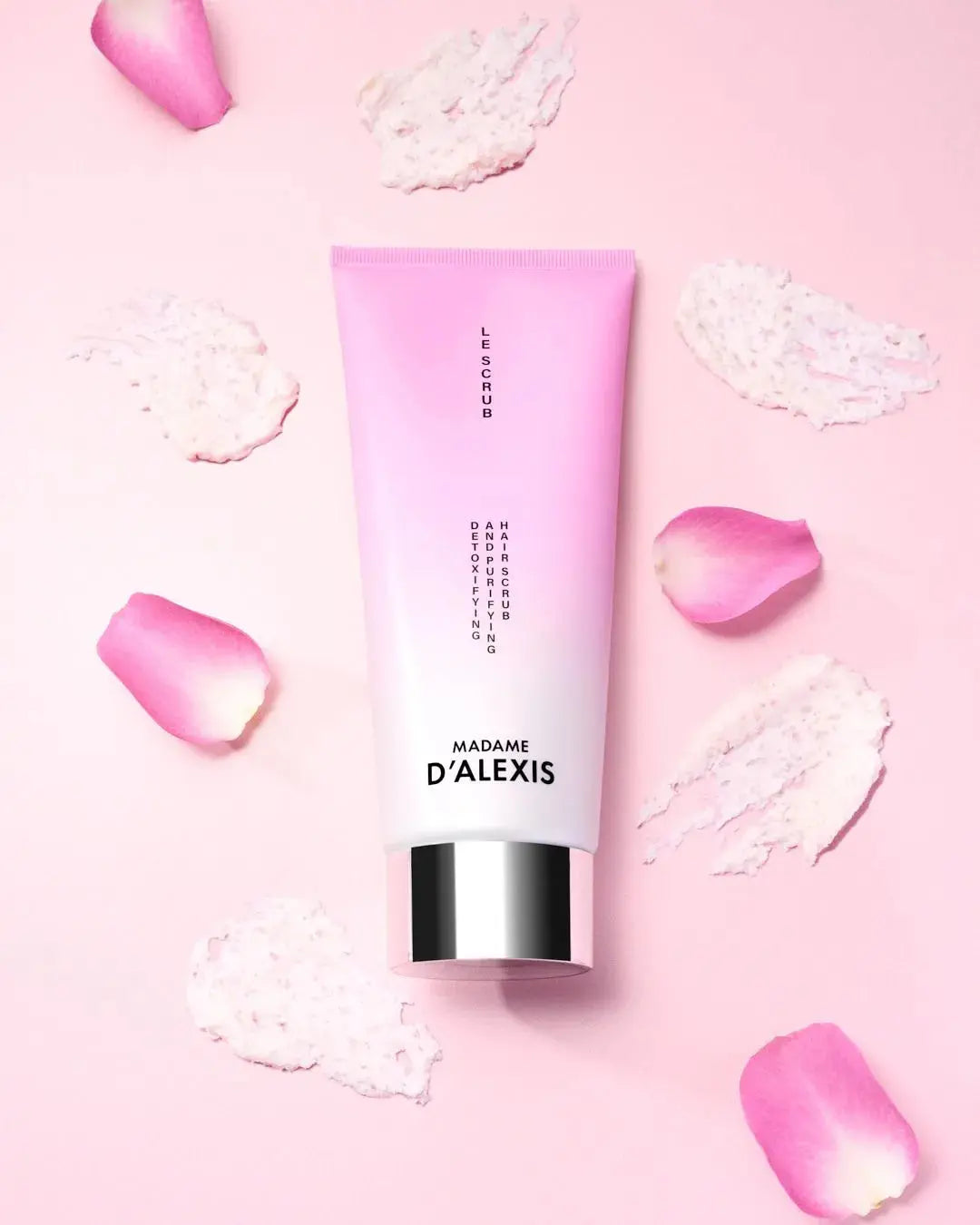
- A gentle exfoliation once a week: a scalp scrub, such as Alexis’s Le Scrub Madame, helps remove dead skin cells and styling product residue, and stimulates local microcirculation.
- Rinse with cold or lukewarm water: Water that is too hot stimulates the sebaceous glands. A moderate temperature soothes the skin and promotes a feeling of freshness.
- An occasional purifying mask: made with white clay or kaolin, applied only to the scalp to absorb excess sebum without drying out the hair shafts.
This routine should be followed regularly. That’s the secret to healthy hair: consistency in hair care.
What hair care routine should you adopt to regulate sebum production?
To break the vicious cycle of oily hair, it’s important to establish a specific, consistent hair care routine that’s gentle on the scalp.
Exfoliate
Once a week, the scrub helps unclog the scalp and remove built-up residue.
Wash
Wash your hair two to three times a week with an organic shampoo for oily hair formulated with hydrosols.
Rebalance
As a targeted nighttime treatment, the Night Serum nourishes the scalp without leaving the hair feeling greasy.
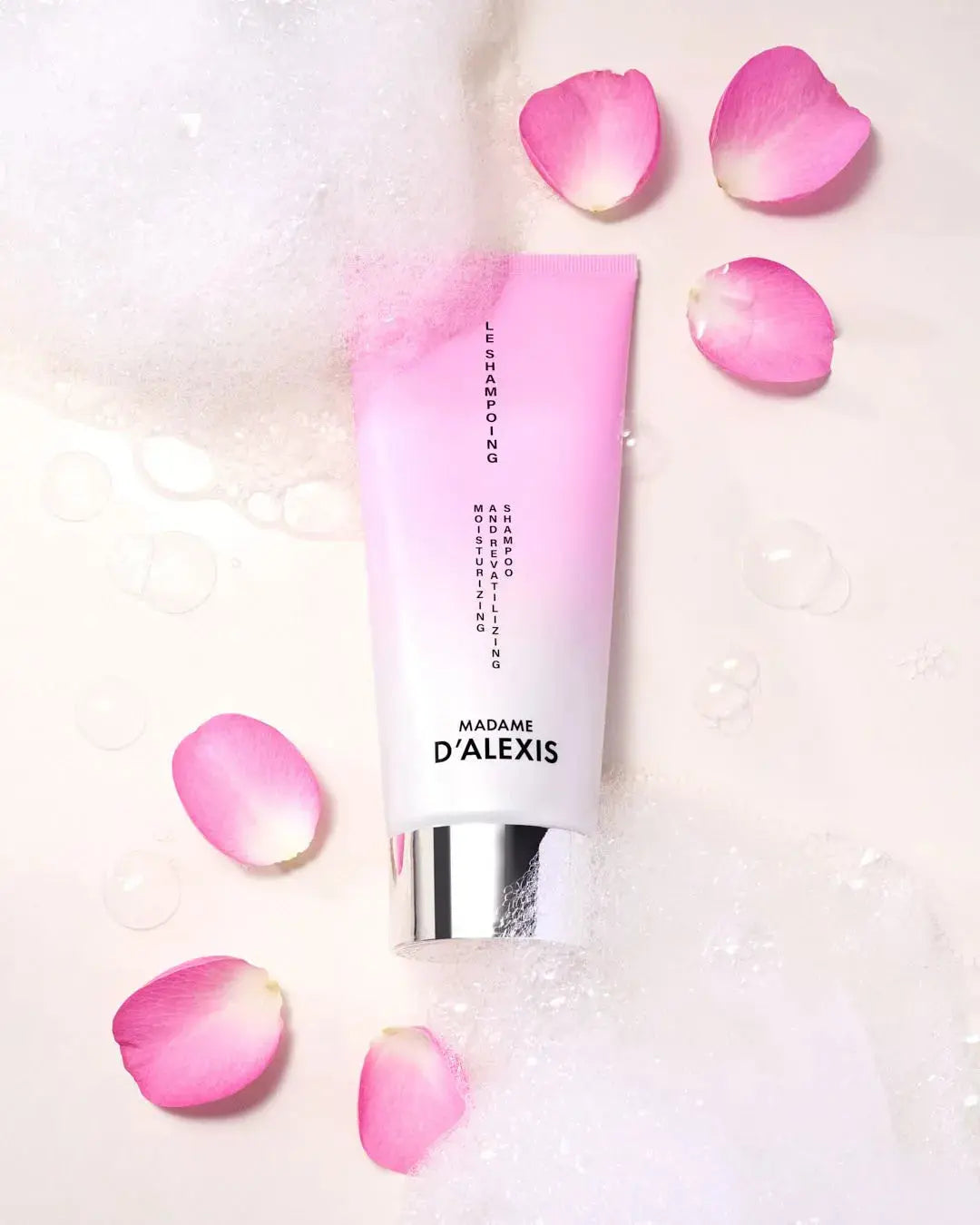
Organic oily hair shampoo with floral waters
Organic floral waters · sulfate-free · prebiotics
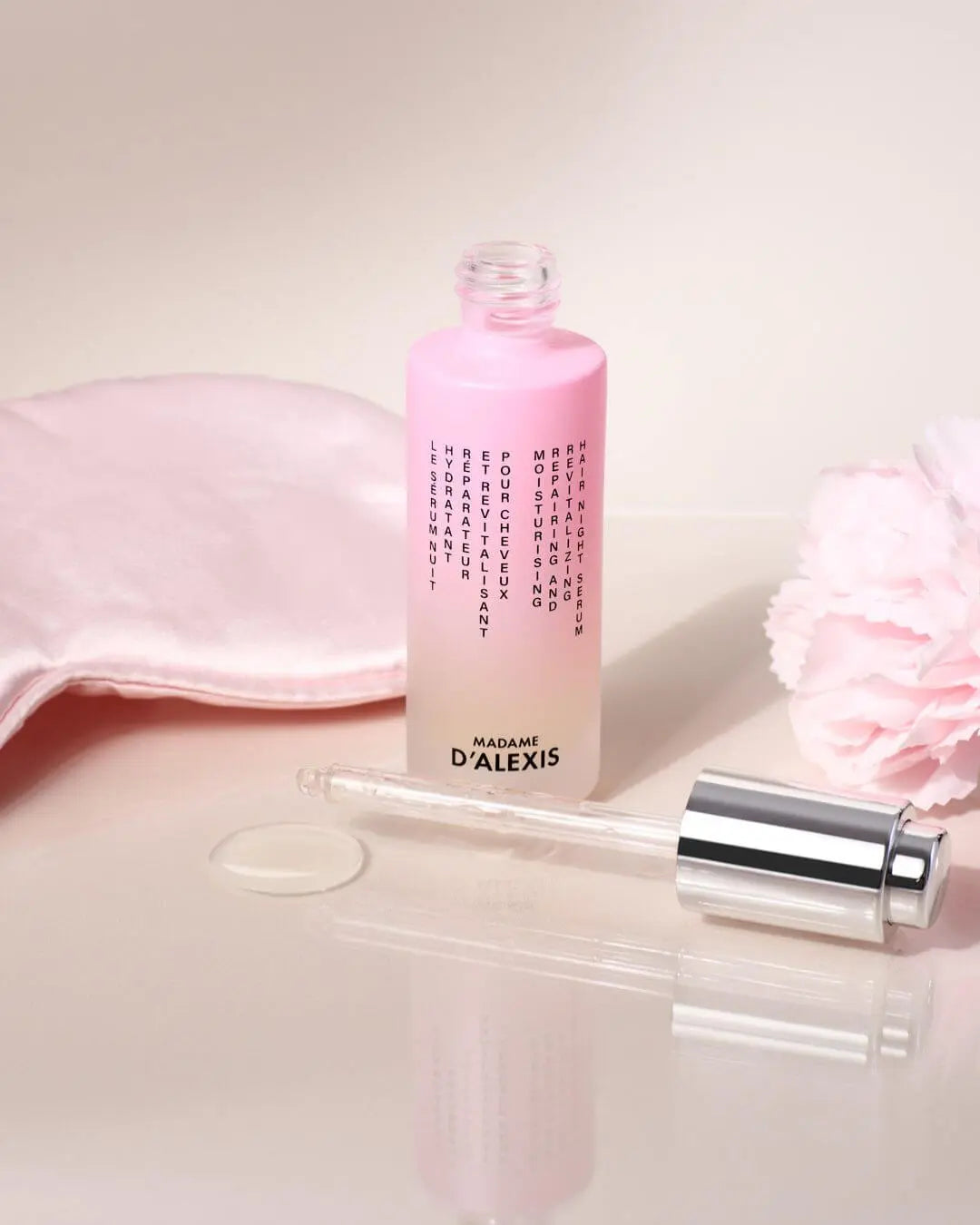
Anti-Hair Loss & Thickening Night Serum
Probiotics · scalp · nighttime care
Example of Madame d'Alexis' routine for oily hair
-
Once a week: Gently exfoliate with Le Scrub
. This hair scrub, enriched with floral hydrosols, helps remove impurities and stimulate microcirculation without causing irritation. -
Two to three times a week: Wash with
Organic Shampoo for Oily Hair. This organic shampoo for oily hair, formulated with Damask rose, orange blossom, and chamomile hydrosols, effectively cleanses while maintaining the scalp’s natural balance. -
For targeted care: Apply the Night Serum to the scalp
. Apply a small amount of this fluid serum directly to the scalp. Its formula, enriched with probiotics,cationic hyaluronic acid, and plant extracts, helps soothe sensitive scalps.
Role of sebum-regulating shampoo in maintaining fiber balance
A sebum-regulating shampoo plays an essential role, provided it is formulated precisely. It must be gentle enough not to cause excess sebum production, yet effective enough to thoroughly cleanse the scalp.
At Madame d’Alexis, the focus isn’t on harsh cleansing but on gentle balance: sulfate-free plant-based cleansers, soothing hydrosols, and a fluid texture that rinses off easily.
How to treat oily hair naturally?
Nature offers a wide range of ingredients that can help treat oily hair without resorting to overly harsh formulas.
| Natural active ingredient | Interest | Precaution |
|---|---|---|
| Diluted apple cider vinegar | Rebalances pH and tightens pores. | Use as a final rinse; do not use undiluted. |
| Green clay | Absorbs excess oil and impurities. | Leave it on briefly, applying it only to the roots. |
| Aloe vera | Moisturizes without leaving a greasy residue and soothes discomfort. | Choose a simple, well-preserved recipe. |
| Essential oils | Tea tree, lavender, or rosemary can be incorporated into a purifying routine. | Always dilute; never apply undiluted to the scalp. |
| Baking soda | Can help out in the event of a temporary overload. | Highly alkaline; for exceptional use only. |
A natural hair care product shouldn't just clean the hair—it should interact with the scalp, respect its natural rhythm, and support its natural balance.

What foods should be avoided to improve the condition of oily hair?
Diet directly affects the health of the scalp, sebum production, and how quickly the roots become oily.
The link between diet and scalp health
Certain foods can contribute to excessive sebum production or silent inflammation of the scalp: foods that are too high in fat, sugary and refined foods, and ultra-processed foods that are low in micronutrients.
Beneficial nutrients
- B vitamins, particularly B6 and B8, to help balance sebum production;
- zinc, which helps maintain skin balance;
- essential fatty acids, to support the lipid barrier;
- Adequate hydration, which is often underestimated.
A healthy scalp starts with what you eat, continues in the shower, and is strengthened overnight.

Answers to frequently asked questions about oily hair
Here are some frequently asked questions about oily hair, addressed from dermatological, cosmetic, and sensory perspectives.
What causes greasy hair?
Oily hair is caused by an overproduction of sebum, which is secreted by the sebaceous glands located at the root of the hair follicle. Chronic stress, a high-fat diet, and a harsh hair care routine can make the condition worse.
Why is my hair greasy when I just washed it?
This paradox is often caused by a reactive increase in sebum production. The most common causes of oily hair are shampoo that’s too harsh, incomplete rinsing, or water that’s too hot.
Why does my hair become greasy after just one day?
This condition often reflects an imbalance in the hydrolipid film, caused by washing too frequently, poorly formulated products, or repeated exposure to heat.
How can I prevent my hair from becoming so oily?
A sustainable hair care routine is based on gentle care, gradually spacing out washes, using a suitable shampoo without harsh sulfates, and minimizing actions that stimulate the roots.
How can you remove grease from your hair without dry shampoo?
You can use a rinse made with diluted apple cider vinegar, a gentle hair scrub like Alexis’s Le Scrub Madame, or a green clay mask applied only to the roots.
What is the best shampoo for oily hair?
A gentle shampoo—free of harsh sulfates and silicones, with a plant-based cleansing formula—is essential. At Madame d’Alexis, the Organic Shampoo for Oily Hair with Hydrosols combines Damask rose, chamomile, and orange blossom hydrosols to cleanse without stripping the hair.
Is it okay to leave your hair greasy?
Deliberately letting your hair get greasy isn't the answer. However, avoiding excessive washing helps the scalp return to a more balanced sebum production.
Is it good to space out shampooing for oily hair?
Yes, it's actually essential. Washing your hair less frequently helps your scalp regulate itself. The adjustment period can be uncomfortable, but it leads to lighter roots over time.
To remember
Oily hair isn’t fixed by using harsher products. It’s managed through a consistent routine: less harsh treatment, more precision, a gently cleansed scalp, and products that respect the hair’s natural balance.