Advice
Fabrication hydrolat : guide complet de la distillation
Learn how to make a hydrosol using steam distillation. Complete guide: equipment, steps, plants, benefits for skin and hair. Expertise from Madame D'Alexis in natural cosmetics.


How to make a hydrosol: the complete guide to steam distillation
You've probably heard of hydrosols, those precious liquids with soothing and moisturizing properties that organic cosmetics brands promote. But do you really know how they are made?
Contrary to popular belief,making hydrosolis notsome kind of cosmetic magic reserved for professional laboratories. It is a natural, age-old process based onsteam distillation—a technique you can even reproduce at home.
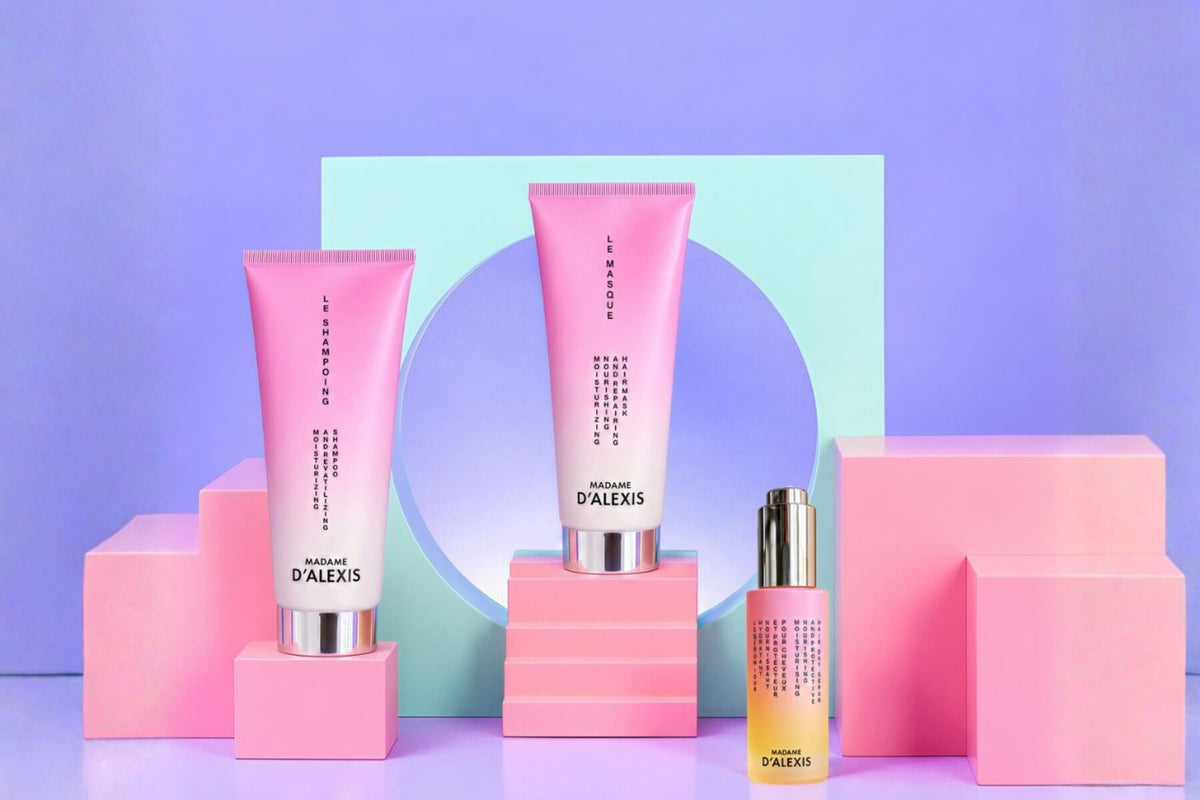
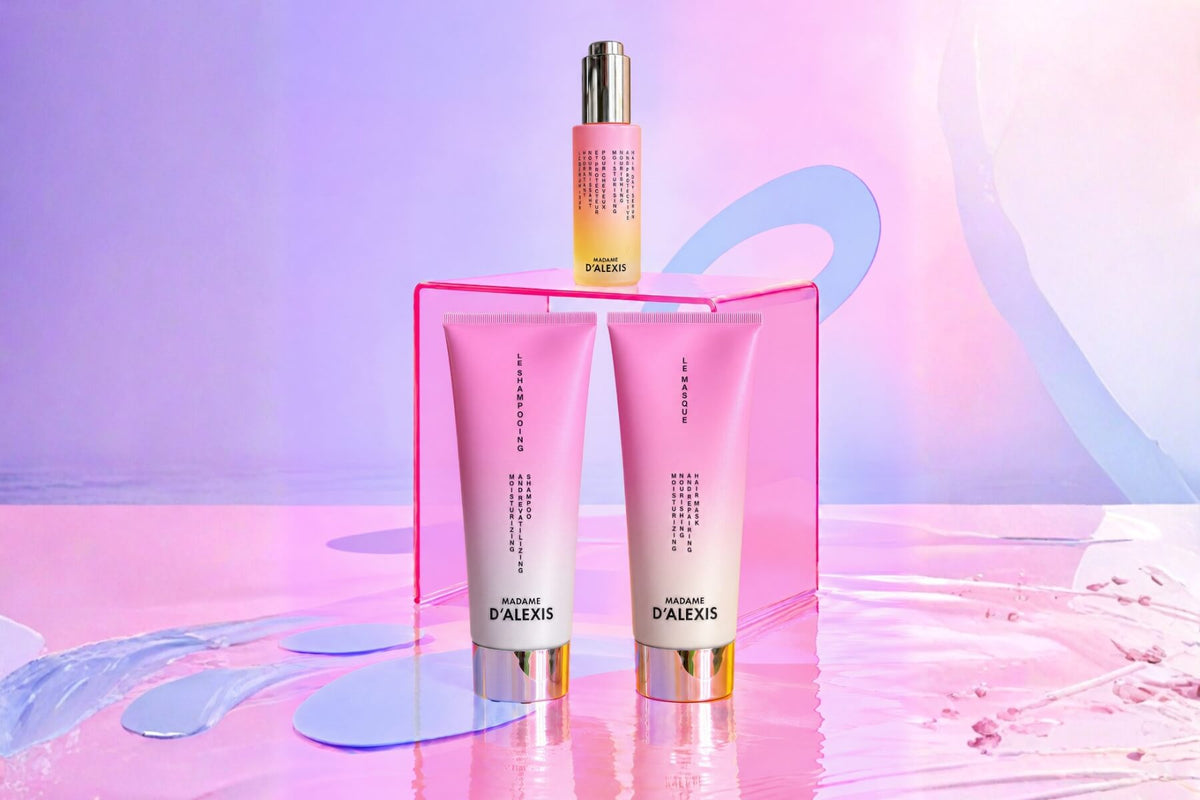
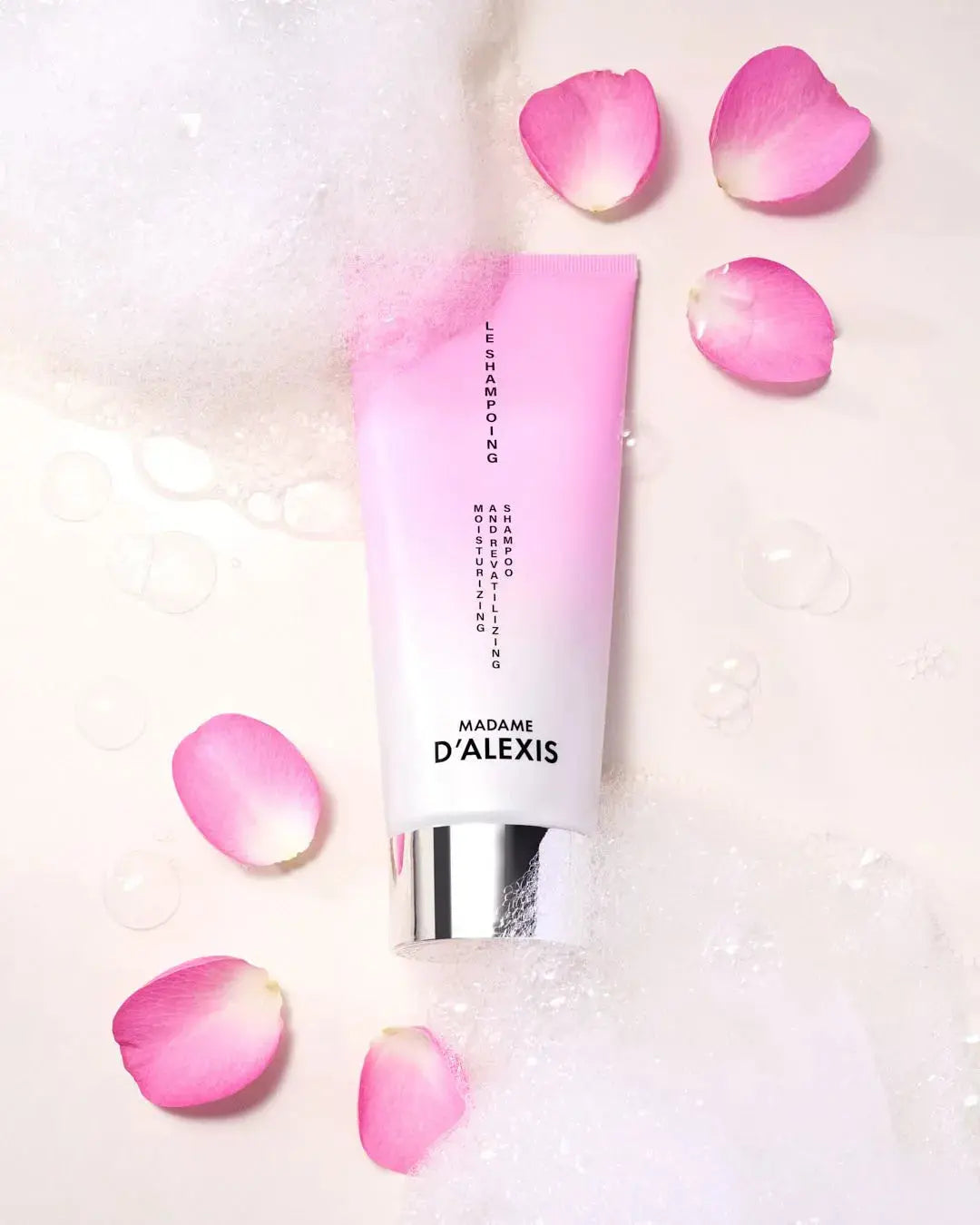
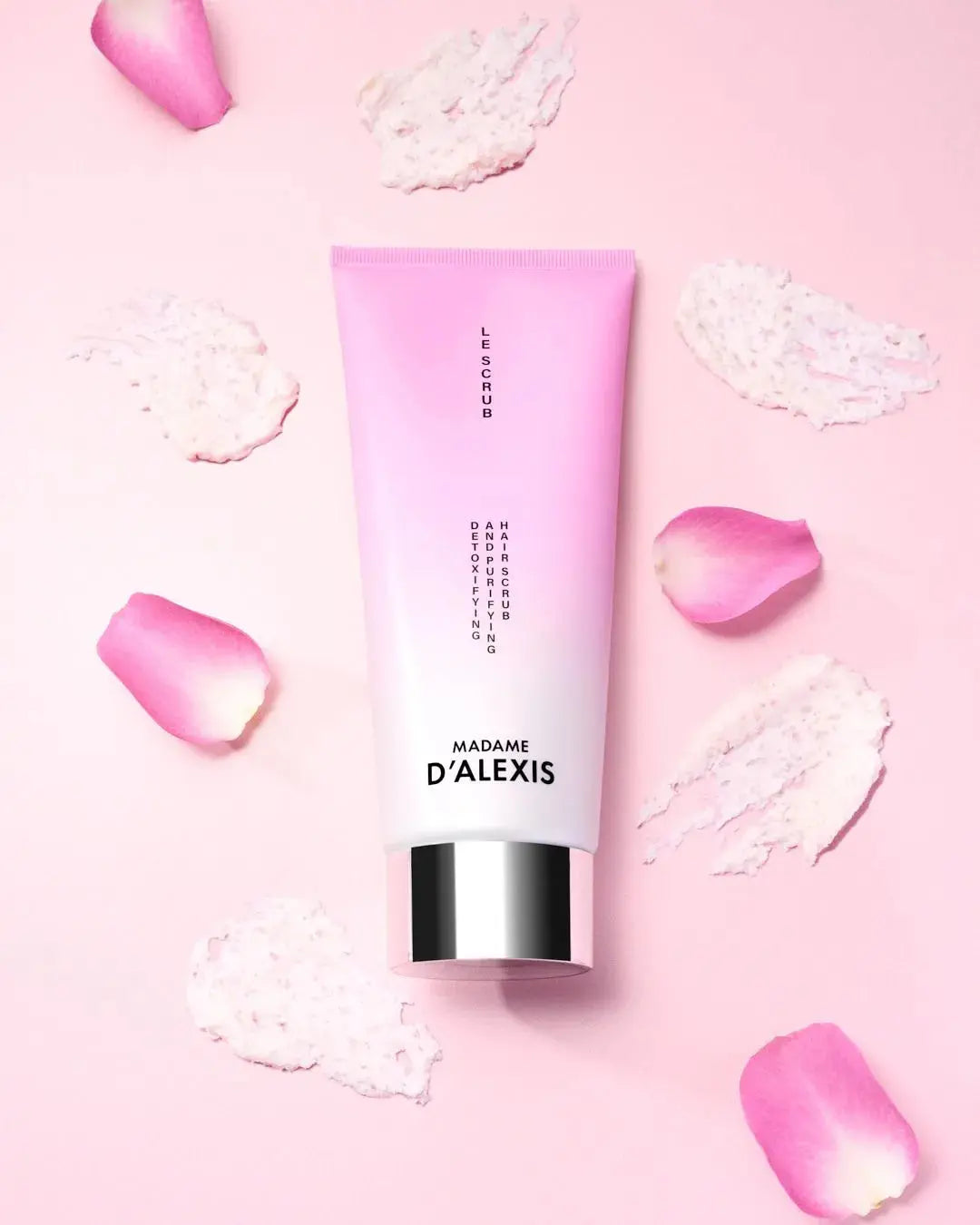
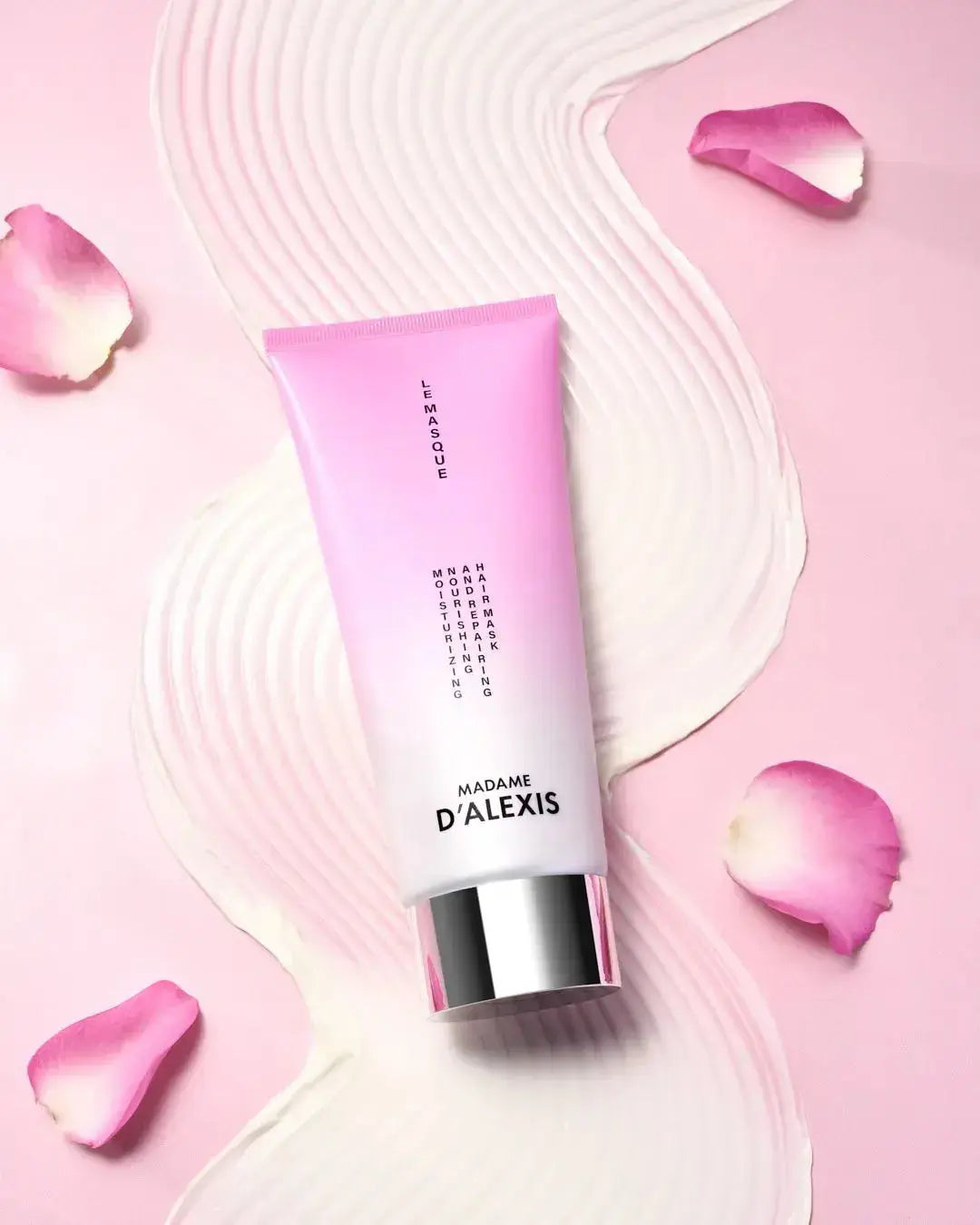
AtMadame D'Alexis, we have chosen to formulate our natural hair care products using organic hydrosols as a base. This expertise allows us to create products that respect the nature of your hair while benefiting from the genuine therapeutic properties of these floral waters. It is this same knowledge that we share with you in this comprehensive guide.

In this article, we explain everything fromthe hydrosol distillation processto thepractical steps for creating your own homemade hydrosols. You will discover why these floral waters have become essential in modern skincare routines, how to differentiate them from essential oils, and how to use them daily to enhance your skin and hair.
Whether you are curious to understand the composition of your beauty products or dream of creating your own hydrosols, this guide is for you.
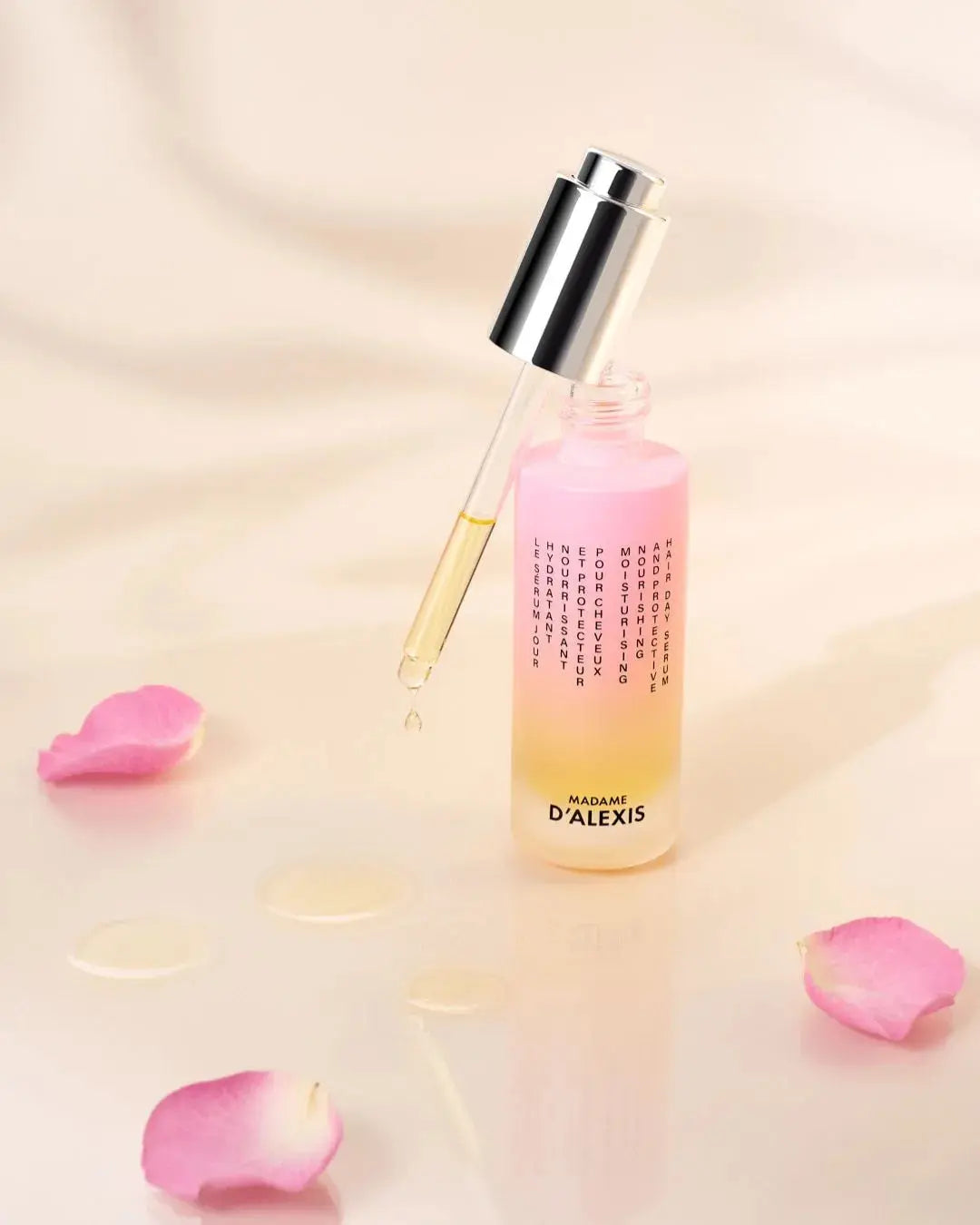
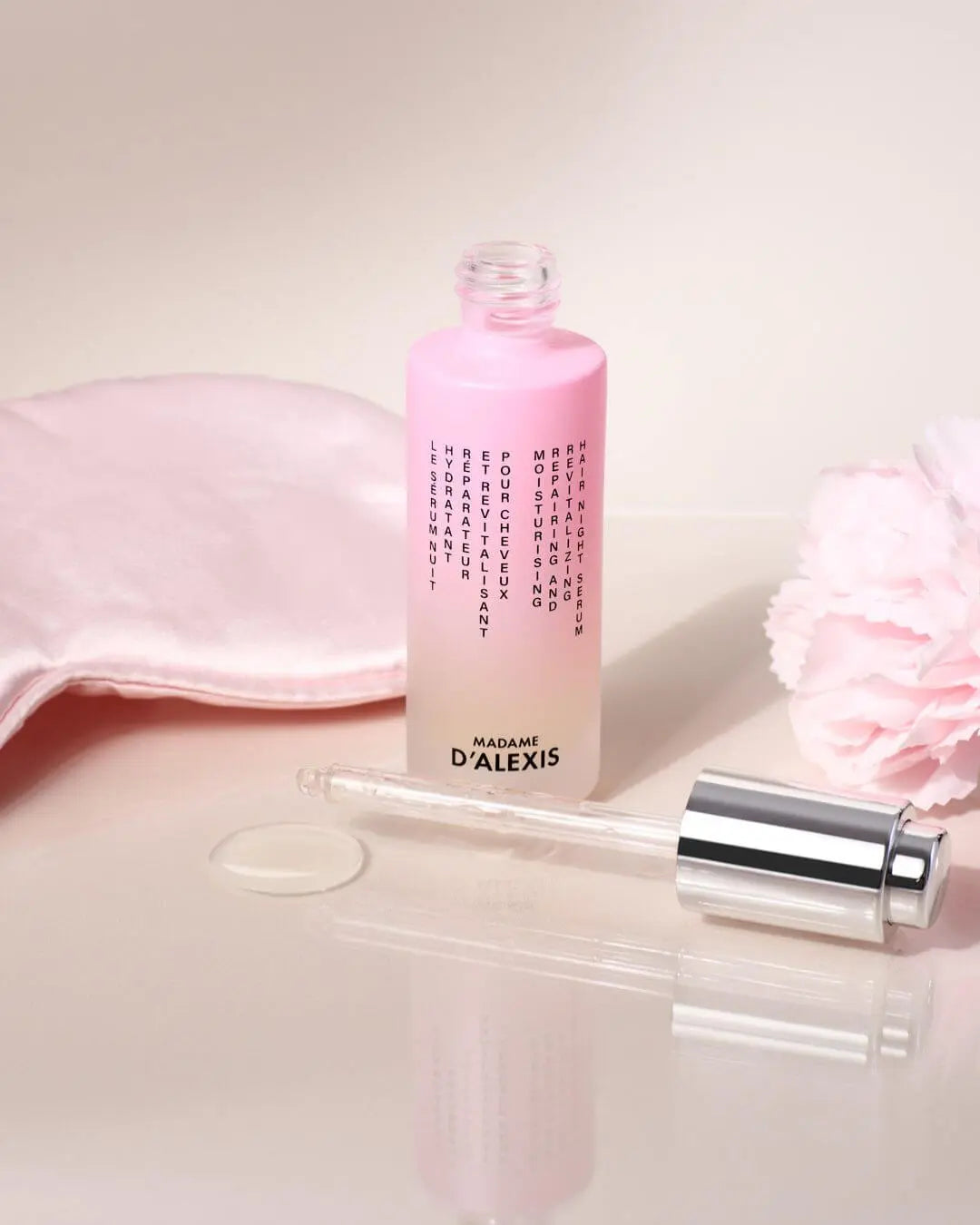
Madame d'Alexis hair care products made with organic hydrolats
What is a hydrosol? Definition and difference from floral water
Simple definition of hydrosol
Ahydrosolisthe aqueous residue obtained during thesteam distillationofaromatic plants. In concrete terms, it is the water that remains after the essential oil has been extracted. Far from being waste, this hydrosol concentrates the water-soluble aromatic molecules and therapeutic active ingredients of the plant, making it a highly valuable cosmetic and skincare product.
Simple composition:
- 99% pure water
- 1% aromatic molecules and plant-based active ingredients
- No preservatives (if handmade)
- Mild, natural scent
Hydrosol vs. floral water: what's the difference?
This is THE question that all beginners ask themselves. The answer is simple:there is practically no difference. The terms "hydrosol" and "floral water" are used interchangeably to refer to the same product. Some people also refer tothem asfloral watersorscented waters—it's exactly the same thing.
| Appearance | Hydrosol | Floral water |
|---|---|---|
| Process | Steam distillation | Steam distillation |
| Composition | Water + aromatic molecules | Water + aromatic molecules |
| Origin of the term | Technical/scientific term | Commercial/cosmetic term |
| Usage | Care, cosmetics, health | Skincare, cosmetics, beauty |
| Quality | Identical | Identical |
A slight distinction: Some professionals differentiate between "floral waters" (derived from flowers) and "hydrosols" (derived from any part of the plant: leaves, twigs, roots). But in commercial practice, the two terms are synonymous.At Madame D'Alexis, we use these terms interchangeably when referring to our organic hydrosols as a product base.
General properties and benefits
Hydrosols concentrate thetherapeutic propertiesofthe plant from which they are derived:
- Hydration: Rich in moisturizing molecules, ideal for dry and sensitive skin.
- Soothing: Calming and anti-inflammatory effect
- Toning: Tightens pores and revitalizes the skin
- Aromatic: Pleasant smell and positive psychological effect
- Gentle: Suitable for all skin types, even the most sensitive skin and children's skin
Thesebenefitsareparticularly important for hair care products based on hydrosols. That's why we have chosen to formulate our products around these hydrosols: they offer a natural and effective solution for all hair types.
The steam distillation process explained
How does steam distillation work?
Steam distillationisanatural, age-oldprocess based on a simple principle: the plant's aromatic molecules are carried away by steam, then condensed to form hydrosol.Steam extraction allows the active compoundstobe extracted without degrading them.
The 5 steps of the process:
- Preparation: Fresh or dried plants are placed in a still (or steamer).
- Heating: The water beneath the plants is heated, creating steam.
- Entrainment: Steam rises through the plants, carrying aromatic molecules with it.
- Condensation: The vapor loaded with aromatic molecules passes through a cooled coil.
- Separation: The hydrosol (water + molecules) naturally separates from the essential oil (which is lighter).
The role of the still and the coil
The stillisthe key piece of equipment used in distillation. Here are its essential components:
- Boiler: Contains the water that will be heated
- Basket or grid: Supports plants above the water (without direct contact)
- Dome: Covers everything and channels the steam
- Coil: Coiled tube where steam condenses (cooling by cold water)
- Collection container: Collects hydrosol and essential oil
Why the coil is crucial: It is what transforms the hot steam into liquid. The more effective the cooling, the better the quality of the hydrosol.Produced by distillationusinga good coil, the hydrosol retains all its active compounds.
Temperature, pressure, and efficiency
- Temperature: Between 100°C and 120°C (depending on the plant)
- Pressure: Generally low pressure (atmospheric) to preserve aromatic molecules
- Duration: Between 30 minutes and 2 hours depending on the plant
- Yield: Approximately 1 liter of hydrosol per 1 kg of fresh plants (or 100-200 g of dried plants)
Good to know: Professional hydrosols are often produced at low pressure to prevent the degradation of sensitive molecules. This is theproductionmethod we favor atMadame D'Alexistoguarantee the quality of our formulas.

What types of plants can be distilled?
The most popular plants and their properties
Almost all aromatic plants can be distilled. Here are the most common ones and theirspecificbenefits:
| Plant | Key features | Skin type | Usage |
|---|---|---|---|
| Rose | Moisturizing, soothing, toning | All types, sensitive | Daily care, face |
| Fine lavender | Soothing, healing, relaxing | All types | Care, bathing, aromatherapy |
| Peppermint | Refreshing, invigorating, energizing | Grasse, coed | Care, cooking, inhalation |
| Roman chamomile | Soothing, anti-inflammatory, gentle | Sensitive, irritated | Gentle care, child, baby |
| Cornflower | Soothing, decongestant, invigorating | Sensitive, tired | Eye care, face |
| Rosemary with verbenone | Invigorating, stimulating, clarifying | Grasse, coed | Scalp and hair care |
| Orange blossom | Calming, moisturizing, soothing | Sensitive, dry | Relaxing treatment, children |
| Bay laurel | Invigorating, purifying, balancing | Grasse, coed | Hair care |
| Yarrow | Healing, invigorating, balancing | All types | Care, minor wounds |
| Italian helichrysum | Regenerating, toning, anti-aging | Mature, sensitive | Anti-aging treatment, scars |
| Mint | Refreshing, invigorating | Grasse | Care, cooking |
| True lavender | Soothing, balancing, relaxing | All types | Care, bathing, sleep |
Fresh plants vs. dried plants
- Fresh plants: Higher yield, more intense aroma, better aromatic quality
- Dried plants: Easier to store, reduced yield (3-4 times less), less pronounced odor
Practical tip: To start with, choose fresh seasonal plants or high-quality organic dried plants.At Madame D'Alexis, we select our distilled plants from certified organic French producers to guarantee the purity of our hydrosols.
Parts of the plant to be used
You can distill different parts:
- Flowers: Rose, lavender, chamomile, cornflower, orange blossom (the most common)
- Leaves: Mint, rosemary, bay leaf, yarrow
- Twigs: Rosemary, bay leaf (with leaves)
- Roots: Less common, but possible for certain plants
Eachpartofthe plant offers a slightly different composition and therefore specific properties. That's why we test differentcombinationsofplants to create our hair care formulas.
Making homemade hydrosol: a practical guide
Required equipment
Option 1: Traditional still(best result)
- Copper or stainless steel still (capacity 5-50 liters depending on your needs)
- Thermometer
- Collection container
- Cold water for cooling the coil
Option 2: Steamer(low budget, acceptable results)
- Electric or traditional steamer
- Steamer basket
- Improvised coil (silicone tube + ice cubes)
- Collection container
Option 3: Simple DIY method(for beginners)
- Pressure cooker or large saucepan
- Steamer basket
- Glass bowl
- Ice cubes
- Food-grade silicone tubing
Detailed steps for making your own hydrosol
Step 1: Preparing the plants (10 minutes)
- Pick or buy your fresh plants (preferably in the morning).
- Rinse them lightly with cold water.
- Let them dry for a few hours (excessive moisture = lower yield).
- Weigh your plants: count 1 kg for a yield of approximately 1 liter.
Step 2: Setting up the still (15 minutes)
- Fill the boiler with water (up to 2/3 of its capacity).
- Place the basket or rack above the water.
- Arrange your plants in the basket (without packing them down).
- Close the still with the dome.
- Prepare the coil cooling system (cold water, ice cubes).
Step 3: Heating and distillation (1-2 hours)
- Turn on the heat (medium to high heat).
- Wait until steam begins to rise (you will see condensation).
- Adjust the steam flow to achieve a steady drip (not a continuous stream).
- Maintain a stable temperature
- Collect the hydrosol in a clean container.
Timing per plant:
- Light flowers (rose, chamomile): 45 minutes to 1 hour
- Leaves (mint, rosemary): 1 hour to 1 hour 30 minutes
- Dense plants (laurel, yarrow): 1.5 to 2 hours
Step 4: Separation and collection (30 minutes)
- Turn off the heat once the time is up.
- Allow the still to cool
- Recover the collected liquid
- Pour it into a glass: the essential oil (lighter) floats on top of the hydrosol.
- Carefully separate the oil from the hydrosol using a pipette (optional, but valuable!).
- Pour the hydrosol into clean bottles.
Realistic yield
- Fresh plants: 1 kg = ~1 liter of hydrosol
- Dried plants: 100-200g = ~1 liter of hydrosol
- First distillation: Best aromatic quality
- Second distillation: Possible with the same plants, reduced quality
Practical tips for success
✓Use high-quality water: Filtered or distilled water (not hard tap water) ✓Respect the timing: Too short = little aroma, too long = degradation of molecules ✓Maintain low pressure: Avoid excessive temperatures
✓Clean the still after each use: Prevents contamination ✓Document your distillations: Note down the plant, duration, yield, and smell to improve ✓Distill in small groups: It's more fun and you learn together!
Benefits and uses of hydrosols
Benefits for skin and health
Hydrosols offer a multitude ofbenefits, tailored to each skin type and need:
For sensitive skin
- Roman chamomile hydrosol: Soothes irritation, reduces redness
- Rose hydrosol: Gently moisturizes and strengthens the skin barrier.
- Cornflower hydrosol: Decongests, soothes inflammation
For dry skin
- Rose hydrosol: Intense and long-lasting hydration
- Orange blossom hydrosol: Nourishes and softens
- Chamomile hydrosol: Soothes and regenerates
For oily and combination skin
- Peppermint hydrosol: Purifies, tones, tightens pores
- Rosemary verbenone hydrosol: Balances, clarifies
- Laurel hydrosol: Tones, purifies
For mature skin
- Italian helichrysum hydrosol: Regenerating, anti-aging, toning
- Rose hydrosol: Tones, moisturizes, restores radiance
- Rosemary hydrosol: Stimulates circulation, tones
Daily uses in your skincare routine
Morning and evening
- Cleansing: Use the hydrosol as a rinse after cleansing.
- Toning: Spray the hydrosol onto your face using a spray bottle.
- Hydration: Apply the hydrosol before your usual cream (it prepares the skin to absorb the active ingredients).
- Serums and masks: Mix the hydrosol with your serums or masks to increase hydration.
Practical application
- Spray: Spray directly onto the face, neck, and décolleté.
- As a lotion: Soak a cotton pad and apply by patting.
- As a mask: Soak a cloth mask with the hydrosol and leave on for 15 minutes.
- In the bath: Pour 1-2 glasses into the bath water for a moment of relaxation.
Uses for health and wellness
Oral route (with caution)
- Mint hydrosol: 1 teaspoon in a glass of water, 2-3 times a day (digestion, freshness)
- Chamomile hydrosol: Calms tension, promotes sleep
- Rose hydrosol: Soothes emotions, calming effect
⚠️Important: Consult a professional before any oral use, especially for children and pregnant women.
Mouthwash
- Mint hydrosol: Purifies and freshens breath
- Rosemary hydrosol: Tones the gums
- Chamomile hydrosol: Soothes mouth inflammation
Inhalation and aromatherapy
- Pour a few drops into a bowl of hot water.
- Inhale the vapors for 5-10 minutes.
- Ideal for respiratory health and emotional well-being
Hair care
- Rosemary hydrosol: Tones the scalp and stimulates circulation.
- Mint hydrosol: Purifies, refreshes
- Lavender hydrosol: Soothes, nourishes
It is precisely for these reasons that Ms. D'Alexis chose to formulate her natural hair care products using organic hydrosols.Ourproducts combine several hydrosols to offer acompletesolution for all hair types. Discover how our formulas can transform yourdailyself-care routine.
Use in cooking
Some hydrosols can be used in cooking (with certified food-grade hydrosols):
- Rose hydrosol: Pastries, desserts
- Mint hydrosol: Beverages, cocktails, desserts
- Orange blossom hydrosol: Traditional pastry

Preservation and quality of hydrosols
How to store your hydrosol properly
Hydrosols are delicate products. Proper storage ensures their effectiveness and shelf life.
Ideal storage conditions
- Temperature: Between 5°C and 15°C (ideally in the refrigerator)
- Light: Protect from light (use opaque or tinted bottles)
- Bottle: Tinted or opaque glass, with airtight cap
- Shelf life: 1 to 2 months in the refrigerator (without preservatives)
- Storage or access: Keep your hydrosols in a cool, dry place.
Signs of deterioration
- Unpleasant odor or vinegar
- Cloudy or white deposit
- Visible mold
- Significant color change
If you notice these signs, discard the hydrosol.
Difference between homemade and professional hydrosols
| Appearance | Homemade hydrosol | Professional hydrosol |
|---|---|---|
| Lifespan | 1-2 months | 6-12 months |
| Conservatives | None | Natural preservatives (if organic) |
| Quality | Excellent (fresh) | Excellent (controlled) |
| Cost | Very economical | More expensive |
| Agriculture | Depends on the source | Often certified organic |
| Traceability | You control it | Certified |
Tip: Professional-grade organic hydrosols offer better preservation and guaranteed traceability. Ideal if you are looking for certainty of quality.At Madame D'Alexis, we select only certified organic hydrosols, produced inFranceaccording toour most demanding quality standards.
Quality and organic certification
For professional hydrosols, look for:
- ✓Organic farming label(AB, Ecocert, etc.)
- ✓Low-pressure distillation(preserves molecules)
- ✓No chemical preservatives(or natural preservatives)
- ✓Traceability of the plant(origin, variety)
- ✓Opaque bottle(light protection)
Our commitment at Madame D'Alexis: All our hydros are sourced fromFrenchorganic farms. We work directly with our producers to guaranteeimpeccablequality andpureessence in each of our products.
FAQ - Frequently asked questions about hydrosols and how they are made
Can you make hydrosol without a still?
Yes, but with limited results.Youcan use:
- A steamer with a makeshift cooling system
- A pressure cooker with a silicone hose
- A pot with a glass bowl hanging from it
Result: Less hydrosol, reduced aromatic quality, but it's a good place to start!
Which hydrosol is best for my skin?
It depends on your skin type:
- Dry skin: Rose, orange blossom, chamomile
- Oily skin: Mint, rosemary, bay leaf
- Sensitive skin: Chamomile, rose, cornflower
- Combination skin: Lavender, rosemary, rose
- Mature skin: Helichrysum, rose, rosemary
Tip: Try several hydrosols to find the one that best suits your skin. You can also check out ourcustomerreviews to find out what other users think.
Homemade hydrosol vs. store-bought: what are the differences?
| Criterion | House | Purchased |
|---|---|---|
| Freshness | Maximum (a few days) | Less expensive (storage) |
| Aroma | Very intense | Good, but less intense |
| Lifespan | 1-2 months | 6-12 months |
| Cost | Very economical | More expensive |
| Certifications | None | Organic, traceability |
| Effort | Important | None |
Verdict: Homemade = better aroma and freshness. Store-bought = better preservation and certifications.If you're looking for a ready-to-use solution with guaranteed quality, Madame D'Alexis products offer the best of both worlds: certified organic hydrosols and proven formulas.
Can you freeze hydrosol?
Yes, that's a great idea!Freezethe hydrosol in ice cube trays or small bottles. This will extend its shelf life by several months. You can also use the ice cubes directly on your skin (for a toning and refreshing effect).
What is the difference between hydrosol and essential oil?
| Appearance | Hydrosol | Essential oil |
|---|---|---|
| Composition | 99% water + aromatic molecules | 100% concentrated molecules |
| Concentration | Low | Very high |
| Usage | Directly on the skin | Must be diluted |
| Safety | Very safe | Call for caution |
| Cost | Economical | Dear |
| Smell | Sweet | Intense |
Summary: Hydrosol is the "gentle" and safe version of essential oil. That's why we favor hydrosols in our hair care formulas—they offer all thebenefitswithoutthe risk of irritation.
Can several hydrosols be mixed together?
Absolutely!It'seven recommended to create synergies:
- Rose + lavender = hydration + soothing
- Mint + rosemary = toning + clarifying
- Chamomile + rose = soothing + hydration
Tip: Mix equal parts and test on a small area first.At Madame D'Alexis, we testcomplexcombinations of several hydrosols to create our unique hair care formulas.
How long does it take to see results?
- Immediate effect: Hydration, freshness, pleasant scent
- Visible results: 2-4 weeks of regular use (morning and evening)
- Long-lasting results: 2-3 months of daily use
Patience: Hydrosols are gentle, so results take time but are long-lasting.
Are hydrosols suitable for children and babies?
Yes, with caution.Hydrosolsare very gentle and suitable for the sensitive skin of children and even babies. Choose:
- Roman chamomile hydrosol
- Rose hydrosol
- Cornflower hydrosol
Avoid: Peppermint (too invigorating), rosemary verbenone (too powerful).
Tip: Test on a small area first and consult a pediatrician before any oral use.
What is the best recipe for homemade hydrosol?
There is no "best"recipe—it all depends on your needs and preferences. Here are somepopularcombinations:
- For sensitive skin: Rose + chamomile (50/50)
- For toning: Mint + rosemary (60/40)
- For relaxation: Lavender + orange blossom (50/50)
- For hair: Rosemary + mint + lavender (40/40/20)
Tip: Start withsimplecombinations (two plants) before making your formulas more complex.
Where can I buy plants for distilling?
You can find distilled plants at:
- Local producers (markets, AMAP)
- Specialized herbalists
- Online organic suppliers
- Your garden (if you grow your own plants)
Important: Ensure that your plants are organic and have not been treated with chemicals.
Now you know everything there is to know aboutmaking hydrosolsandsteam distillation. Whether you decide to make your own homemade hydrosols or opt for professional-quality hydrosols, you have the keys to making the best choice.
Key points to remember
- ✓A hydrosol = water + aromatic moleculesobtainedthrough steam distillation ✓Hydrosol and floral water = same product, just different terms
- ✓You can make your own hydrosols at homeusinga still or even a steamer.
- ✓Each plant offers specific benefits: rose, lavender, mint, chamomile, etc.
- ✓Hydrosols can easily be incorporated into your daily routine: spray, lotion, mask
- ✓Refrigerated storage = extended shelf life(1-2 months at home, 6-12 months professionally)
Ready to get started?
There are two paths open to you:
1. Create your own homemade hydrosolsIfyou're passionate about DIY and have some time on your hands, why not try your hand at distillation? It's a wonderful adventure that will give you a real understanding of what you're using.
2. Use certified professional hydrosolsIfyou prefer aready-to-usesolution with guaranteed quality, discover our selection ofnatural hair care productsformulatedwith organic hydrosols as their base ingredient.
At Madame D'Alexis, we have chosen excellence: all our products are formulated using certified organic hydrosols, selected from French producers. Our formulas combine several hydrosols to offer acompletesolution suitable for all hair types.
Or if you're a DIY enthusiast, start with a small still and create your own hydrosols. The adventure awaits!
In summary
What is a hydrosol?Aliquid obtained by steam distillation of aromatic plants. It is the water remaining after extraction of the essential oil, rich in aromatic molecules and therapeutic active ingredients.
How is it made?Placefresh plants in a still, heat the water below to create steam, which carries the aromatic molecules. The steam condenses in a cooled coil and forms the hydrosol.
Hydrosol vs. floral water? There isnoreal difference. These are two terms used to describe the same product.
What are the benefits of hydrosols?Hydration, soothing, toning, anti-inflammatory effect. Each plant offers specific properties (rose = moisturizing, lavender = soothing, mint = toning).
How to use it?As aspray, lotion, mask, or bath additive. Morning and evening as part of your skincare routine. Some hydrosols can also be used orally or as a mouthwash.
How long does it last?1-2months in the refrigerator (home), 6-12 months (professional). Store in an opaque bottle, away from light.
Why choose Madame D'Alexis?Becausewe formulate our natural hair care products using certified organic hydrosols sourced from French producers. Our products offer guaranteed quality with the convenience of a ready-to-use solution.
Useful sources
- Helpac Laboratory:Manufacturing aromatic hydrosols–Technical and professional approach
- Natural Beauty:Making Your Own Hydrosol–A Detailed Practical Guide
- Copper still:Steam distillation–Equipment and processes
- DIY workshops:How to make homemade hydrosol–Step-by-step tutorial
- Eco-Nature:Discover how hydrosols are made–Hands-on experience and demonstration
Advice