Advice
Hydrolat vs. Huile essentielle : Quelle différence pour cheveux ?
Hydrosols and essential oils are two very different products. Hydrosols are water-based, gentle, and suitable for daily use. Essential oils are concentrated and must be diluted. Discover the key differences to help you make the right choice.

Hydrosols and essential oils are two very different products, derived from the same plant but with distinct properties, concentrations, and uses. Hydrosols are water-based, gentle, and can be used daily directly on the hair and scalp.
Essential oils are concentrated, powerful, and must be diluted before use. For daily hair care, hydrosols are more suitable, safer, and more accessible. Discover the key differences and how to choose according to your needs.

Clear definitions: Hydrosol, Essential oil, Floral water
What is a hydrosol?
Hydrosol (also known as floral water or distillation water) is an aqueous product obtained by steam distillation of an aromatic plant. During the distillation process, steam passes through the plant, extracts the aromatic molecules, and condenses. The resulting liquid separates into two phases:
- Aqueous phase (hydrosol): Contains water-soluble and aromatic molecules.
- Oily phase (essentialoil ): Floats on the surface
Hydrosol is therefore the aqueous by-product of distillation, naturally rich in aromatic molecules but much less concentrated than essential oil.
Key features:
- Watery, light texture
- Low concentration of aromatic molecules
- Naturally acidic pH (4.5-5.5)
- Can be used directly on skin and hair
- Safe for daily use
- Mild taste and odor
What is an essential oil?
Essential oil is a product highly concentrated in aromatic molecules, obtained by steam distillation or cold pressing (for citrus fruits). It is the oily phase that floats to the surface during distillation.
An essential oil contains the most powerful and volatile aromatic molecules of the plant, concentrated in a small volume.
Key features:
- Oily, concentrated texture
- Very high concentration of aromatic molecules
- Intense and powerful smell
- Must be diluted before use
- Recommended for occasional use
- Intense and spicy flavor
What is floral water?
Floral water is a synonym for hydrosol. It is exactly the same product: the aqueous liquid obtained during the steam distillation of an aromatic plant.
The terms "hydrosol," "floral water," "distilled water," and "aromatic water" are used interchangeably to refer to the same product.
Example:
- Damask rose hydrosol = Rose floral water = Rose water
Detailed comparison table: Hydrosol vs. Essential oil
Full comparison
| Appearance | Hydrosol (Floral water) | Essential oil |
|---|---|---|
| Origin | Aqueous phase of distillation | Fat phase of distillation |
| Texture | Watery, light | Oily, concentrated |
| Concentration | Low (0.1-1% aromatic molecules) | Very high (50-90% aromatic molecules) |
| Smell | Lightweight, soft, natural | Intense, powerful, penetrating |
| Taste | Light, grassy | Intense, spicy |
| pH | Acid (4.5-5.5) | Neutral to slightly acidic |
| Direct use | Yes, without dilution | No, must be diluted |
| Frequency of use | Daily possible | Occasional (1-2 times/week max) |
| Safety | Very safe, even for children | Requires precautions |
| Pregnant women | Yes, without risk | Avoid or use with caution |
| Children | Yes, starting at 3 months | From 3 years old minimum |
| Application | Directly on skin/hair | Mandatory dilution (5-10%) |
| Oral route | Possible (mouthwatering, cuisine) | Not recommended without professional advice |
| Price | Affordable (€10-30 for 200ml) | More expensive (€15-50 for 10 ml) |
| Shelf life | 6-12 months after opening | 2-5 years after opening |
| Effectiveness | Progressive, gentle | Fast, powerful |
| Results | Sustainable, progressive | Immediate, intense |
| Risk of allergy | Very low | Moderate to high |
| Skin irritation | Very rare | Possible if poorly diluted |
| Aromatherapy | Possible distribution | Recommended distribution |
Concentration and safety: Why it's crucial
What is concentration?
Concentration is the amount of aromatic molecules present in the product.
Concrete example:
To obtain 1 liter of rose essential oil, approximately 4 tons of rose petals must be distilled.
To obtain 1 liter of rose hydrosol, approximately 100 kg of rose petals must be distilled.
Result: Essential oil is about 40 times more concentrated than hydrosol.
Implications of concentration
Effectiveness
- Hydrosol: Gradual, gentle, long-lasting action
- Essential oil: Fast-acting, powerful, intense
Safety
- Hydrosol: Very safe, low risk
- Essential oil: Precautions required, risk of irritation if misused
Cost
- Hydrosol: Less expensive to produce, more accessible
- Essential oil: More expensive to produce, more costly
Security: Who can use what?
Hydrosols (Floral Water)
- ✅ Pregnant women: Yes, without restriction
- ✅ Breastfeeding women: Yes, without restriction
- ✅ Children: Yes, from 3 months old
- ✅ Babies: Yes, from 3 months old (mild hydrosols such as chamomile)
- ✅ Sensitive skin: Yes, ideal
- ✅ Irritated skin: Yes, soothing
- ✅ Daily use: Yes, recommended
Essential oils
- ⚠️ Pregnant women: Avoid or use with caution (professional advice recommended)
- ⚠️ Breastfeeding women: Avoid or use with caution.
- ⚠️ Children: From 3 years old minimum, with dilution
- ⚠️ Babies: Avoid completely
- ⚠️ Sensitive skin: Use with caution, dilution required
- ⚠️ Irritated skin: Avoid or use very diluted.
- ⚠️ Daily use: Not recommended (max. 1-2 times/week)
Daily use vs. Occasional use
Hydrosols: Daily use
Hydrosols are designed for safe, daily use.
Daily usage modes:
Spray
- Use: Spray directly onto the scalp and hair.
- Frequency: Daily (morning and/or evening)
- Advantages: Quick application, controlled dosage
- Results: Immediate soothing, fresh hair
As a tonic lotion
- Use: Apply to the scalp with a cotton pad.
- Frequency: 2-3 times per week
- Advantages: Greater concentration, better penetration
- Results: Long-lasting relief, balanced scalp
In final rinse
- Use: After shampooing, pour on as a final rinse.
- Frequency: Every time you shampoo your hair
- Advantages: Very easy to integrate, immediate relief
- Results: Soothed scalp, shiny hair
As a hair mask
- Use: Mix with a natural oil.
- Frequency: 1-2 times per week
- Benefits: Intensive and nourishing care
- Results: Soothed scalp, nourished hair
Essential oils: Occasional use
Essential oils should be used occasionally and always diluted.
Occasional use modes:
On air
- Use: Essential oil diffuser
- Frequency: 1-2 times per week, 15-30 min max
- Benefits: Aromatherapy, ambiance
- Results: Relaxation, well-being
Diluted in vegetable oil
- Use: 5-10 drops of essential oil per 50ml of vegetable oil
- Frequency: 1-2 times per week
- Advantages: Safe application, effectiveness
- Results: Intensive care, powerful action
In the bath
- Use: 5-10 drops diluted in milk or oil
- Frequency: once a week
- Benefits: Relaxation, well-being
- Results: Relaxation, calmness
By inhalation
- Use: 2-3 drops in a bowl of hot water
- Frequency: 1-2 times per week
- Benefits: Breathing, clearing
- Results: Clarity, respiratory well-being
Effectiveness and results: What to expect?
Hydrosols: Progressive and lasting effectiveness
Hydrosols act gradually but lastingly.
Timeline of results:
| Deadline | Results | Scalp |
|---|---|---|
| Immediate | Feeling of freshness and relief | All types |
| 2-3 days | First visible effects (soothing, moisturizing) | Irritated scalp |
| 1-2 weeks | Significant improvement (less itching, more shine) | Sensitive scalp |
| 3-4 weeks | Sustainable and reproducible results | All types |
| 8–12 weeks | Complete transformation (balanced scalp, transformed hair) | Very sensitive scalp |
Advantages :
- Sustainable and progressive results
- No dependency effect
- Continuous improvement over time
- Safe for long-term use
Essential oils: Fast and intense effectiveness
Essential oils act quickly but require occasional use.
Timeline of results:
| Deadline | Results | Effectiveness |
|---|---|---|
| Immediate | Strong olfactory effect | Very fast |
| 15-30 min | Initial effects (relaxation, well-being) | Quick |
| 1-2 hours | Maximum effect | Intense |
| 4-6 hours | Effect gradually diminishes | Temporary |
Advantages :
- Immediate and powerful results
- Intense and rapid effectiveness
- Ideal for occasional needs
Disadvantages:
- Temporary effect (4-6 hours)
- Requires regular use for lasting results
- Risk of olfactory habituation
Price and accessibility: What is your budget?
Hydrosols: Accessible and economical
Hydrosols are much more accessible than essential oils.
Average rates:
| Product | Format | Average price | Cost per ml |
|---|---|---|---|
| Rose hydrosol | 200 ml | $12-$20 | $0.06–$0.10/ml |
| Chamomile hydrosol | 200 ml | $10-$18 | $0.05–$0.09/ml |
| Lavender hydrosol | 200 ml | $10-$18 | $0.05–$0.09/ml |
| Orange blossom hydrosol | 200 ml | $12-$20 | $0.06–$0.10/ml |
Advantages :
- Very affordable (€10-20 for 200ml)
- Good value for money
- Can be used daily without guilt
- Ideal for limited budgets
Essential oils: More expensive
Essential oils are more expensive to produce and therefore more costly.
Average rates:
| Product | Format | Average price | Cost per ml |
|---|---|---|---|
| lavender essential oil | 10 ml | $8–$15 | $0.80–$1.50/ml |
| Rose essential oil | 5 ml | $25-$50 | $5.00–$10.00/ml |
| Chamomile essential oil | 10 ml | $15–$30 | $1.50–$3.00/ml |
| Orange blossom essential oil | 10 ml | $20-$40 | $2.00–$4.00/ml |
Advantages :
- Small size (5-10 ml) lasts a long time
- Higher initial investment but profitable
- Occasional use = savings
Disadvantages:
- More expensive per ml
- Higher initial investment
- Less accessible for limited budgets
Economic comparison
Scenario: Daily hair care for 1 month
With hydrosol:
- 1 bottle 200ml = $15
- Daily use = 1 bottle/month
- Monthly cost: $15
With essential oil:
- 1 bottle 10ml = $20
- Use twice a week = 1 bottle/3 months
- Monthly cost: $6.67
- BUT: Requires a base vegetable oil (€30/200ml)
- Total monthly cost: $6.67 + $1.50 = $8.17
Conclusion: Hydrosols are more economical for daily use.
Which one should you choose based on your needs?
Choose a hydrosol if you...
- ✅ Want to use it every day → Hydrosols are perfect for a daily hair care routine without any risk.
- ✅ Avez un cuir chevelu sensible ou irrité → Les hydrolats sont doux et apaisants
- ✅ If you are pregnant or breastfeeding → Hydrosols are safe, but essential oils should be avoided.
- ✅ Have children → Hydrosols are suitable for children aged 3 months and older.
- ✅ On a tight budget → Hydrosols are more affordable
- ✅ Look for lasting results → Hydrosols work gradually but effectively over time.
- ✅ Want a simple and safe routine → Hydrosols do not need to be diluted.
- ✅ Have very sensitive skin → Hydrosols are hypoallergenic
Choose an essential oil if you...
- ✅ Want fast, powerful results → Essential oils work immediately
- ✅ Looking for occasional use → Essential oils are ideal for specific needs.
- ✅ Love aromatherapy → Essential oils are perfect for diffusion
- ✅ Have a budget for the initial investment → Essential oils last a long time
- ✅ Have strong skin → Essential oils may be more potent
- ✅ Look for a concentrated solution → Essential oils are highly concentrated.
- ✅ Have expertise in aromatherapy → Essential oils require knowledge
Decision table
| Need | Hydrosol | Essential oil |
|---|---|---|
| Daily use | ✅ Excellent | ⚠️ Not recommended |
| Sensitive scalp | ✅ Excellent | ⚠️ Use with caution |
| Pregnancy/Breastfeeding | ✅ Excellent | ⚠️ Avoid |
| Children | ✅ From 3 months | ⚠️ Ages 3 and up |
| Limited budget | ✅ Excellent | ⚠️ Initial investment |
| Quick results | ⚠️ Progressive | ✅ Immediate |
| Aromatherapy | ✅ Possible | ✅ Excellent |
| Safety | ✅ Very safe | ⚠️ Precautions required |
| Ease of use | ✅ Very easy | ⚠️ Dilution required |
What are the best hair products made with hydrosols?
Distillation process: How is it done?
Steam distillation: The complete process
Steam distillation is the process used to obtain both hydrosols and essential oils.
Steps in the process:
1️⃣ Preparing the plant
- Harvesting the aromatic plant (flowers, leaves, stems)
- Drying or fresh use depending on the plant
- Light crushing to increase the contact surface
2️⃣ Loading the still
- Filling the still with the plant
- Adding distilled water
- Hermetic sealing of the still
3️⃣ Heating and vaporization
- Heating water to 100°C
- Water vapor formation
- The steam passes through the plant and extracts the aromatic molecules.
4️⃣ Condensation
- The steam laden with aromatic molecules rises
- It passes through a cooling coil.
- The vapor condenses into liquid.
5️⃣ Phase separation
- The condensed liquid separates into two phases:
- → Aqueous phase (hydrosol): Heavier, sinks to the bottom
- → Oily phase (essential oil): Lighter, floats on the surface
- Manual or automatic separation
6️⃣ Recovery
- Hydrosol: Collected from the bottom of the container
- Essential oil: Recovered from the surface
- Separate storage in opaque bottles
Yield:
For 100 kg of fresh plant:
- Hydrosol: 80-100 liters
- Essential oil: 0.1-1 liter (depending on the plant)
Concrete example:
To obtain 1 liter of rose essential oil, approximately 4 tons of rose petals must be distilled.
To obtain 1 liter of rose hydrosol, approximately 100 kg of rose petals must be distilled.
Cold expression: For citrus fruits
For citrus fruits (lemon, orange, bergamot),cold pressing is used instead of distillation.
Process:
- Mechanical pressure on bark
- Extraction of essential oil
- No distillation = No hydrosol
- Pure essential oil obtained directly
Main plants for hydrosols and essential oils
Most popular hair hydrosols
Damask rose hydrosol
- Plant: Rosa damascena
- Properties: Moisturizing, toning, soothing
- Use: Hair, skin, face
- Smell: Floral, sweet, delicate
- Benefits: Shine, hydration, soothing
Chamomile hydrosol
- Plant: Matricaria recutita
- Properties: Soothing, anti-inflammatory, calming
- Use: Sensitive scalp, irritated skin
- Smell: Herbaceous, sweet, soothing
- Benefits: Soothes, relieves itching, reduces dandruff
Lavender hydrosol
- Plant: Lavandula angustifolia
- Properties: Soothing, invigorating, purifying
- Use: Hair, skin, well-being
- Smell: Floral, herbaceous, relaxing
- Benefits: Calming, purifying, relaxing
Orange blossom hydrosol
- Plant: Citrus aurantium
- Properties: Invigorating, revitalizing, brightening
- Use: Dull hair, sensitive scalp
- Scent: Floral, sweet, enveloping
- Benefits: Radiance, toning, soothing
Peppermint hydrosol
- Plant: Mentha piperita
- Properties: Invigorating, purifying, refreshing
- Use: Scalp, oily hair
- Smell: Fresh, minty, invigorating
- Benefits: Freshness, purification, toning
Most popular essential oils
Lavender essential oil
- Plant: Lavandula angustifolia
- Properties: Soothing, relaxing, balancing
- Use: Aromatherapy, diffusion, dilution
- Smell: Floral, herbaceous, relaxing
- Benefits: Relaxation, calmness, well-being
Rose essential oil
- Plant: Rosa damascena
- Properties: Invigorating, soothing, luxurious
- Use: Aromatherapy, dilution (very expensive)
- Smell: Floral, intense, delicate
- Benefits: Well-being, relaxation, luxury
Chamomile essential oil
- Plant: Matricaria recutita
- Properties: Soothing, calming, anti-inflammatory
- Use: Aromatherapy, dilution
- Smell: Herbaceous, soothing, sweet
- Benefits: Calming, relaxation, well-being
Peppermint essential oil
- Plant: Mentha piperita
- Properties: Invigorating, refreshing, stimulating
- Use: Aromatherapy, dilution
- Smell: Fresh, minty, invigorating
- Benefits: Toning, clarity, energy
Tea tree essential oil
- Plant: Melaleuca alternifolia
- Properties: Purifying, anti-inflammatory, protective
- Use: Aromatherapy, dilution
- Smell: Herbaceous, fresh, powerful
- Benefits: Purification, protection, well-being
Madame D'Alexis products: Pure and concentrated hydrosols
Our philosophy: Clean + Performance + Sensory Experience
Madame D'Alexis is not a traditional cosmetics brand. It is a hair care brand based on a legacy passed down through the travel journals of a 1920s globetrotter, reinterpreted by modern science.
Each treatment is formulated without added water: we completely replace the aqueous phase with active organic hydrosols (Damask rose, chamomile, orange blossom). Whereas 70 to 80% of hair care products on the market are just inert water, we infuse our products with aromatic molecules, antioxidants, polyphenols, and minerals that really work.
Our formulas are directly inspired by skincare biotechnology: cationic hyaluronic acid, probiotics, plant ceramides, plant keratin. Cutting-edge active ingredients, dosed as in facial cosmetics, for measurable and lasting effectiveness.
Result: Clean skincare (97-99% natural, free from sulfates, silicones, and parabens), effective (visible and reproducible results), and sensual (evolving natural fragrance, premium textures).
Why we chose hydrosols over essential oils
1️⃣ Safe for daily use
- Hydrosols can be used daily without dilution.
- Essential oils require dilution and occasional use.
- For a daily hair care routine, hydrosols are more suitable.
2️⃣ Maximum security
- Hydrosols are safe for everyone: children, pregnant women, and those with sensitive skin.
- Essential oils require caution and knowledge.
- Our priority is the safety of our customers.
3️⃣ Long-lasting effectiveness
- Hydrosols act gradually but lastingly.
- Essential oils act quickly but temporarily.
- For lasting results, hydrosols are more effective.
4️⃣ Accessibility
- Hydrosols are more affordable (€10-20 for 200ml).
- Essential oils are more expensive (€15-50 for 10 ml).
- We want our products to be accessible to everyone.
5️⃣ Optimal concentration
- Hydrosols contain an optimal concentration of active molecules.
- Essential oils are too concentrated for daily use.
- Hydrosols offer the best balance between effectiveness and safety.
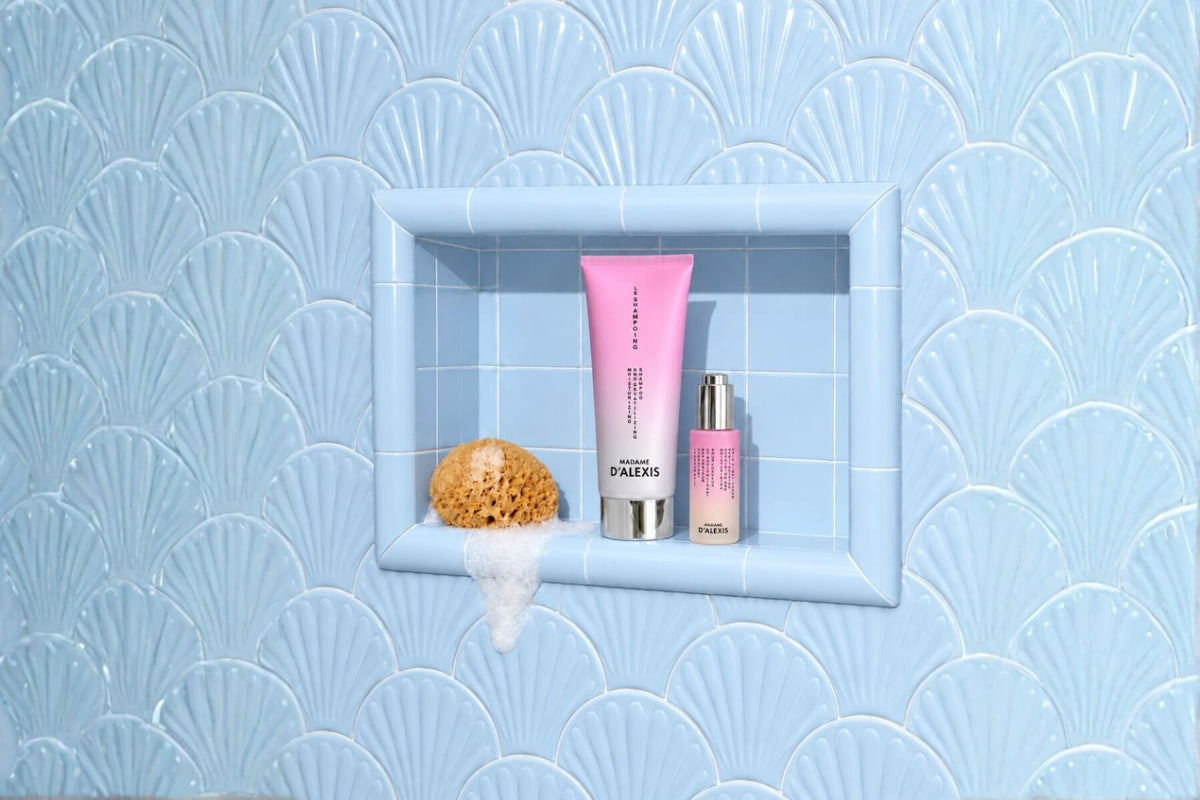
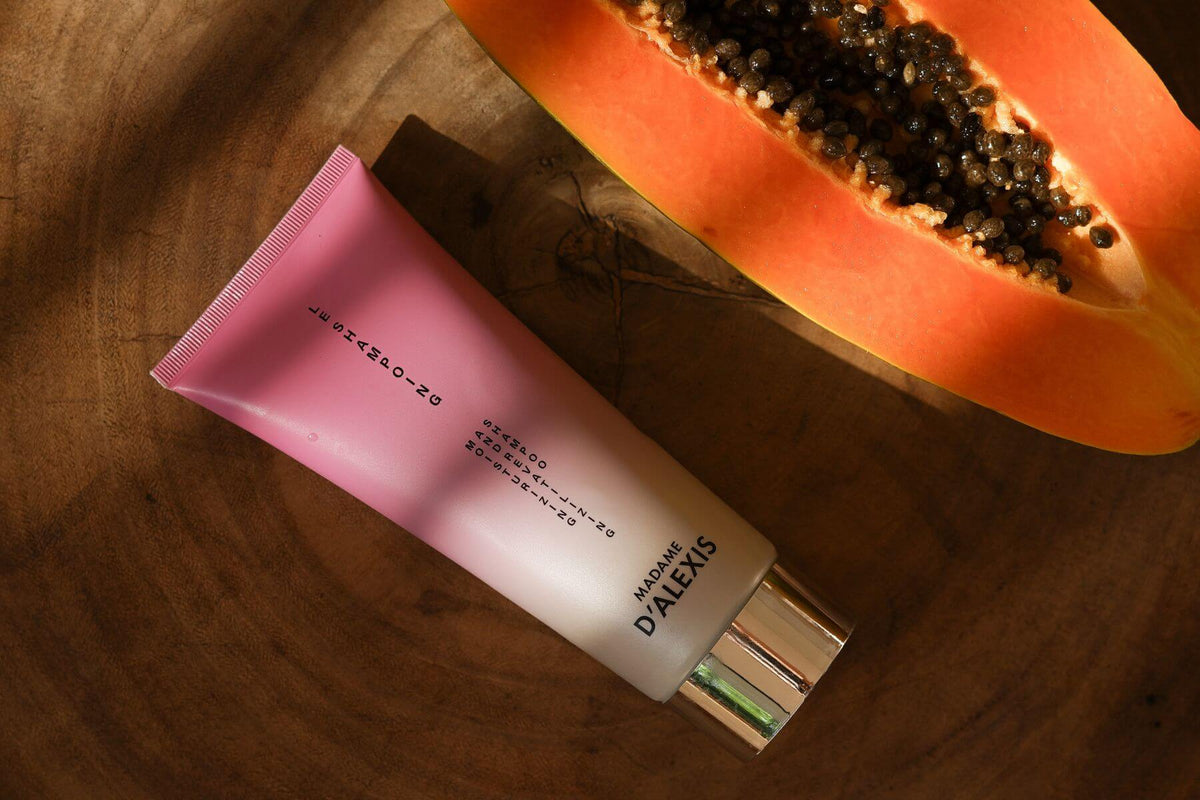
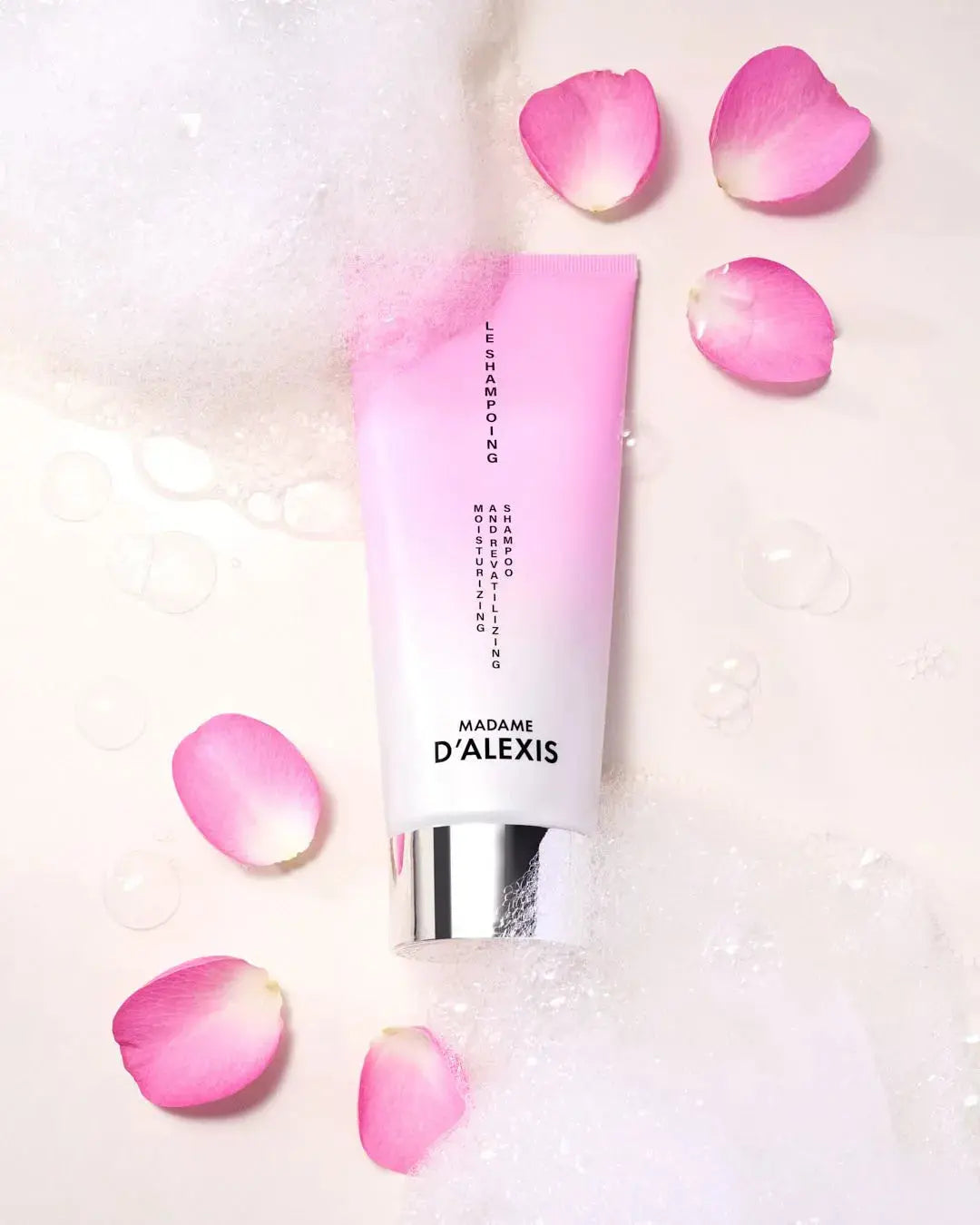
🌊 Floral Moisturizing & Revitalizing Shampoo
Scientific composition:
- Organic hydrosol base (Damask rose, chamomile, orange blossom) → 100% of the active aqueous phase
- Prebiotics → Nourish the skin flora, stabilize the microbiome
- Plant keratin → Strengthens the internal structure, improves elasticity
- Cationic hyaluronic acid → Deep hydration during washing
- Mild surfactants → Effective cleaning without damaging
Targeted benefits:
- ✅ Gently cleanses: Sulfate-free, respects the microbiome
- ✅ Hydrates during washing: Hydrosols provide hydration and toning.
- ✅ Strengthens the fiber: Keratin improves elasticity.
- ✅ Restores shine: natural acidic pH smoothes the cuticle
- ✅ Tones the scalp: Hydrosols revitalize
Expected results:
- Immediate: Clean, light, shinier hair
- 2-3 weeks: Toned scalp, more vibrant hair
- 4-6 weeks: Lasting shine, transformed hair
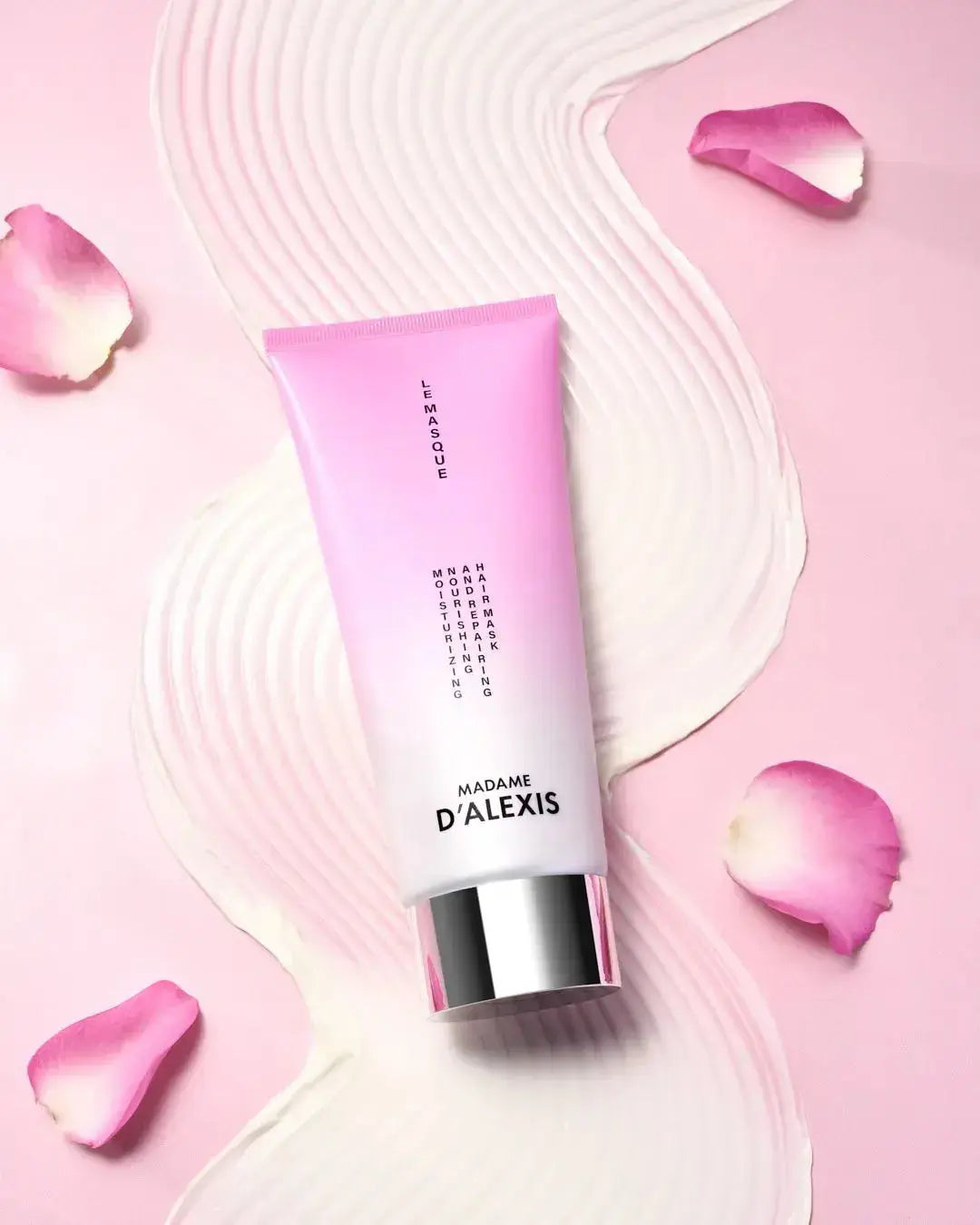
Hydrating & Nourishing Floral Mask
Scientific composition:
- Organic hydrosol base (Damask rose, chamomile, orange blossom) → Hydration + toning
- Plant ceramides → Restoration of the lipid barrier
- Cationic hyaluronic acid → Immediate plumping effect
- Orange blossom essential wax → Seals in moisture, adds shine
- Organic noble oils (jojoba, apricot) → Deep nourishment
Targeted benefits:
- ✅ Long-lasting hydration: Cationic HA penetrates deep into the heart of the skin.
- ✅ Restores shine: Essential orange blossom wax
- ✅ Strengthens the fiber: Plant ceramides
- ✅ Tones the scalp: Hydrosols tone
- ✅ Soothes irritation: Calming properties
Expected results:
- Immediate: Shiny, more supple hair
- 2-3 applications: Visibly hydrated fiber
- Regular use: Sustainable transformation
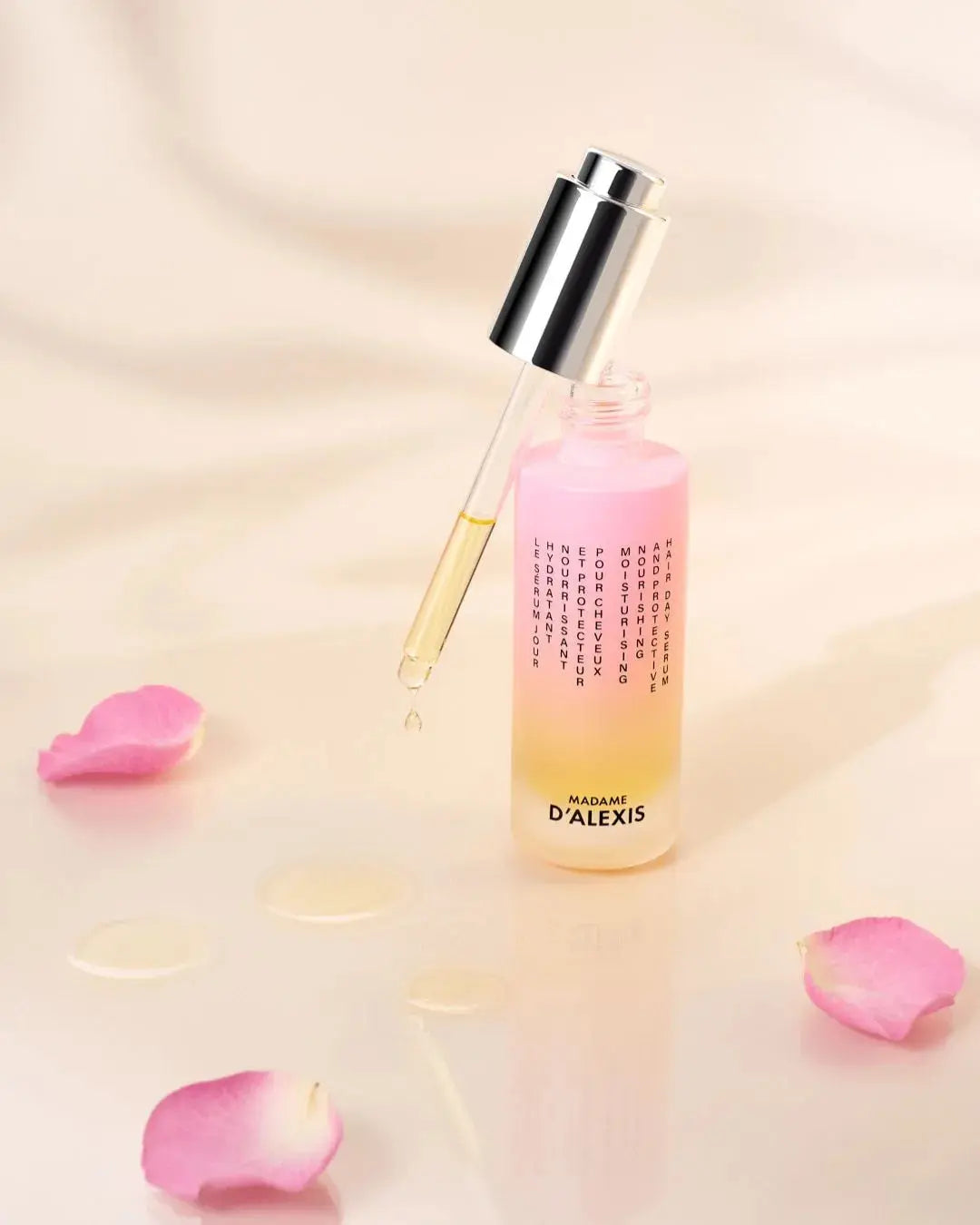
Moisturizing & Nourishing Day Serum
Scientific composition:
- Organic jojoba oil → Nourishes, regulates sebum
- Natural heat-protective ingredients → Protection up to 200°C
- Natural antioxidants → Protect against UV rays and pollution
- Plant ceramides → Rebuild the lipid barrier
- Orange blossom essential wax → Seals in moisture, adds shine
Targeted benefits:
- ✅ Nourishes without weighing down: Light texture, maximum effectiveness
- ✅ Protects against heat: Up to 200°C
- ✅ Restores shine: Immediate visible effect
- ✅ Protects against UV rays and pollution: Natural antioxidants
- ✅ Energizes the roots: Orange blossom signature
Expected results:
- Immediate: Shiny, smoother hair
- Regular use: Reinforced fiber, less breakage
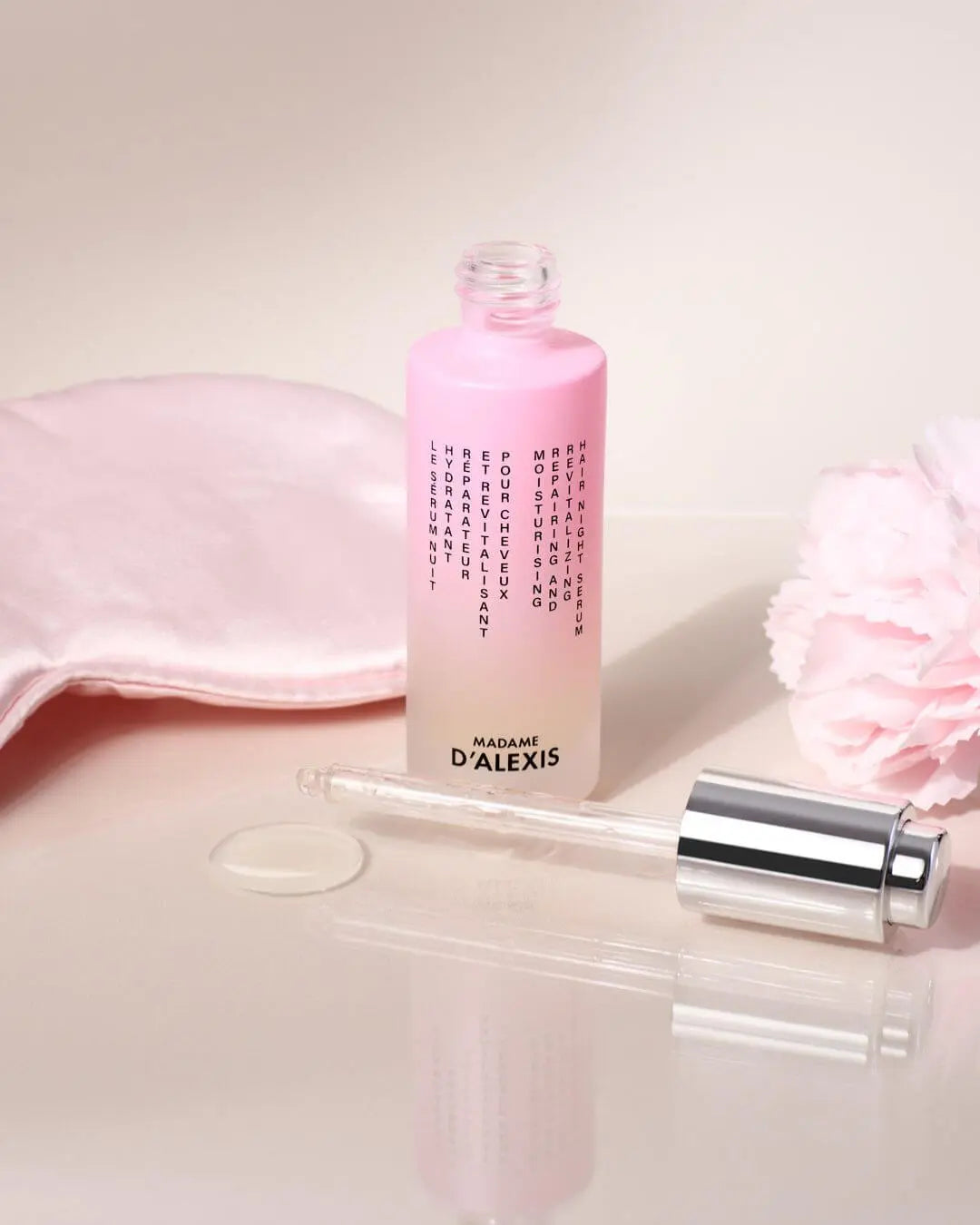
🌙 Repairing & Thickening Night Serum
Scientific composition:
- Organic hydrosol base (Damask rose, chamomile, orange blossom) → Toning + revitalization
- Cationic hyaluronic acid → Deep hydration of the scalp
- Probiotics & postbiotics → Rebalancing the microbiome
- Natural anti-hair loss ingredients → Strengthening of hair follicles
- Fermented extracts → Cellular vitality
Targeted benefits:
- ✅ Tones the scalp: Hydrosols revitalize
- ✅ Deeply hydrates: While you sleep
- ✅ Stimulates regeneration: Fermented extracts
- ✅ Soothes irritation: Toning properties
- ✅ Enhances shine: Hair looks more vibrant when you wake up
Expected results:
- 2-3 weeks: Toned scalp, more vibrant hair
- 4-6 weeks: Increased shine, revitalized hair
- 8-12 weeks: Lasting transformation
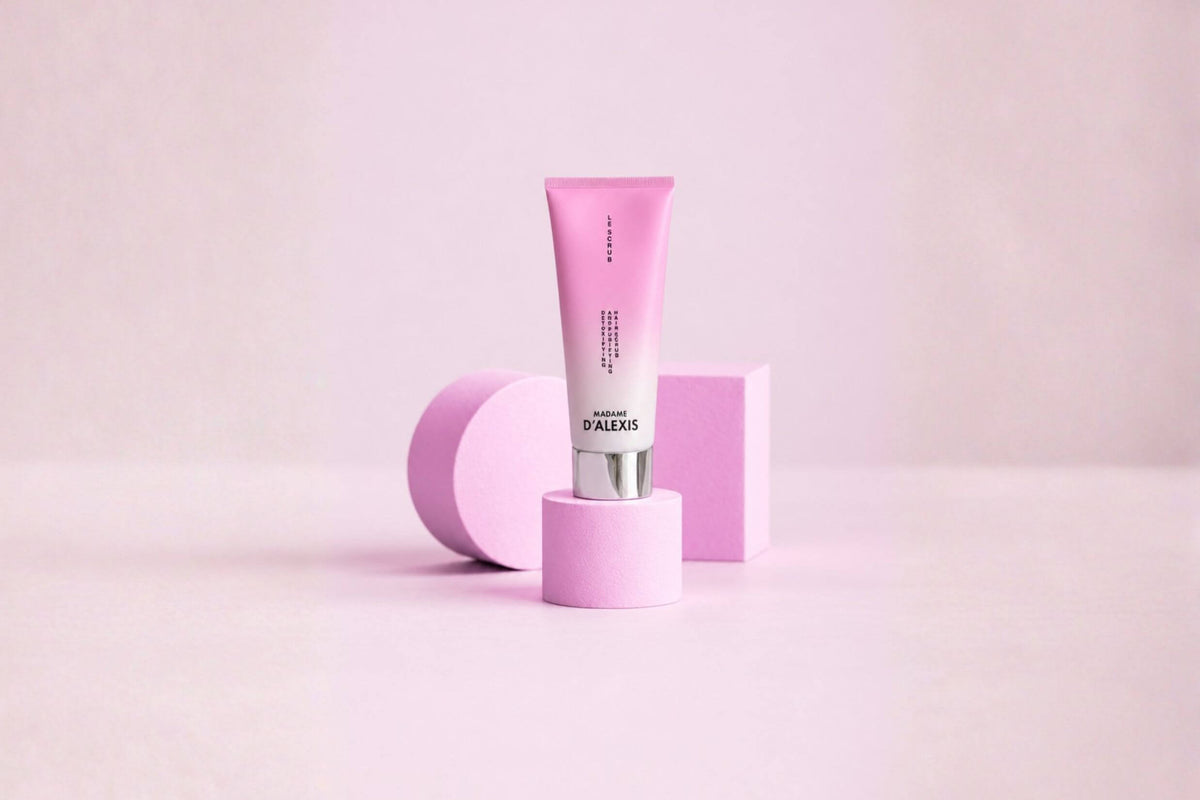
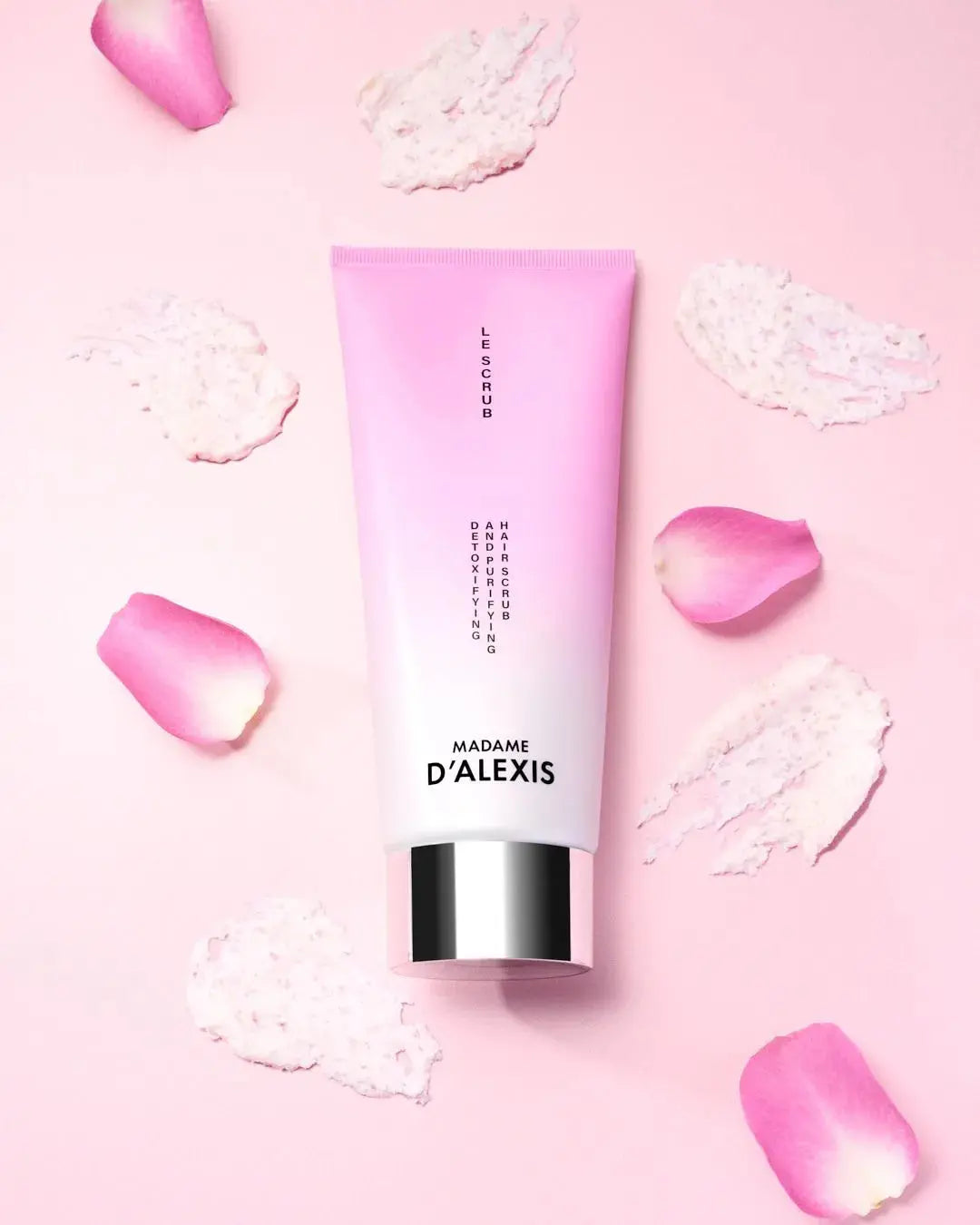
Detoxifying & Purifying Floral Scrub
Scientific composition:
- Organic hydrosol base (Damask rose, chamomile, orange blossom) → Toning + purifying
- Fleur de sel → Gentle mechanical exfoliation
- Cationic hyaluronic acid → Hydrates after exfoliation
- Orange blossom essential wax → Seals in moisture
- Organic coconut oil → Nourishes and protects
Targeted benefits:
- ✅ Deeply detoxifies: Removes residue and pollution
- ✅ Stimulates microcirculation: Improved vitality
- ✅ Tones the scalp: Hydrosols revitalize
- ✅ Restores shine: Purified scalp = more beautiful hair
- ✅ Adds lightness: Lighter, shinier hair
Expected results:
- Immediate: Cool scalp, lighter hair
- 2-3 uses: Increased shine
- Regular use: Balanced scalp, revitalized hair
FAQ - Your questions about hydrosols vs. essential oils
❓ What is the difference between hydrosol and essential oil?
Fundamental difference: Hydrosol is the aqueous phase obtained during steam distillation, while essential oil is the fatty phase that floats on the surface. Hydrosol is aqueous, mild, and can be used directly. Essential oil is concentrated, powerful, and must be diluted. For hair, hydrosol is more suitable for daily use.
❓ How do you use hydrosols?
Easy to use: Hydrosols can be used directly without dilution. Spray daily onto the scalp, use as a toning lotion 2-3 times a week, use as a final rinse after shampooing, or use as a weekly mask. Very easy to incorporate into your beauty routine.
❓ What are the benefits of essential oils?
Powerful properties: Essential oils offer powerful and rapid benefits in aromatherapy, diffusion, or dilution. They are ideal for occasional use, relaxation, well-being, and aromatherapy. However, they require caution and should only be used occasionally.
❓ Can hydrosol be used on the face?
Yes, completely safe: Hydrosol can be used directly on the face and all areas of the body. It is a very gentle and safe product, even for sensitive skin. Ideal for toning, moisturizing, and soothing the skin.
❓ Which plants can be used to make hydrosols?
Main plants: Damask rose, chamomile, lavender, orange blossom, peppermint, thyme, geranium, lemon balm. All aromatic plants can be distilled to obtain a hydrosol.
❓ Are hydrosols safe?
Very safe: Hydrosols are safe for everyone: pregnant women, nursing mothers, children (from 3 months old), babies, and those with sensitive skin. No special precautions are necessary. Can be used daily without risk.
❓ How are essential oils distilled?
Complete process: Steam distillation involves passing steam through the plant. The steam extracts the aromatic molecules and condenses. The liquid separates into two phases: hydrosol (aqueous) and essential oil (oily). For citrus fruits, cold expression is used.
❓ Can I use essential oil every day?
No, occasionally: Essential oils should not be used daily. Recommendation: 1-2 times per week maximum, always diluted. Daily use may cause irritation or addiction.
❓ Hydrosol or essential oil for hair?
Recommended hydrosol: For hair, hydrosol is more suitable. It can be used daily without risk, is more accessible, and offers long-lasting results. Essential oil can be used occasionally when diluted, but hydrosol is more practical for a daily routine.
❓ Floral water vs. essential oil: What's the difference?
Same product: Floral water and hydrosol are exactly the same product. The terms "hydrosol," "floral water," "distilled water," and "aromatic water" are synonymous. It is the aqueous phase obtained during steam distillation.
❓ Can you drink hydrosol?
Yes, it is possible: Some hydrosols can be consumed (rose water, chamomile water) in small quantities. However, make sure that the hydrosol is intended for consumption. For hair, external use is recommended.
In summary: Key points to remember
- ✅ Hydrosol and essential oil are two different products derived from the same plant but with distinct properties, concentrations, and uses.
- ✅ Hydrosol = Aqueous phase: Gentle, can be used directly, daily, accessible, safe for everyone.
- ✅ Essential oil = Oily phase: Concentrated, powerful, must be diluted, occasional use, more expensive.
- ✅ For hair: Hydrosol is more suitable for daily and long-term use.
- ✅ Safety: Hydrosols are safe for everyone (children, pregnant women). Essential oils require precautions.
- ✅ Effectiveness: Hydrosols act gradually but lastingly. Essential oils act quickly but temporarily.
- ✅ Price: Hydrosols are more affordable (€10-20). Essential oils are more expensive (€15-50).
- ✅ Use: Hydrosols daily, essential oils occasionally.
- ✅ Madame D'Alexis products: Formulated with organic hydrosols for safe and effective daily use.
Advice