Advice
Summer Hair Care: The Complete Routine to Protect Against UV Rays, Salt, and Chlorine
A targeted summer routine to keep hair healthy and shiny. Find out how to care for your hair under the sun.


How to Take Care of Your Hair in the Summer? The Complete Guide
UV rays, salt, chlorine, heat, and humidity weaken the hair shaft. The key tip: Take preventive measures before each exposure rather than trying to repair the damage afterward. The steps below follow this approach. Here’s a simple, practical, and premium routine to protect your hair before, cleanse it intelligently during, and then repair it after each exposure.
Key Tips for an Effective Summer Hair Care Routine
- Rinse your hair with fresh water after every swim to minimize salt or chlorine buildup.
- Use a mild, sulfate-free shampoo—not a harsh shampoo that you wash your hair with every day.
- Moisturize with a mask rich in ceramides and hyaluronic acid once a week.
- Protect your hair in the morning with a lightweight leave-in serum, especially before exposure to the sun, wind, or humidity.
- Repair your scalp at night with a nighttime treatment containing hydrosols and probiotics.
Skincare to Take With You All Summer Long
A short, straightforward routine: cleanse as needed, wash without stripping the skin, deeply moisturize, protect during the day, and repair at night.
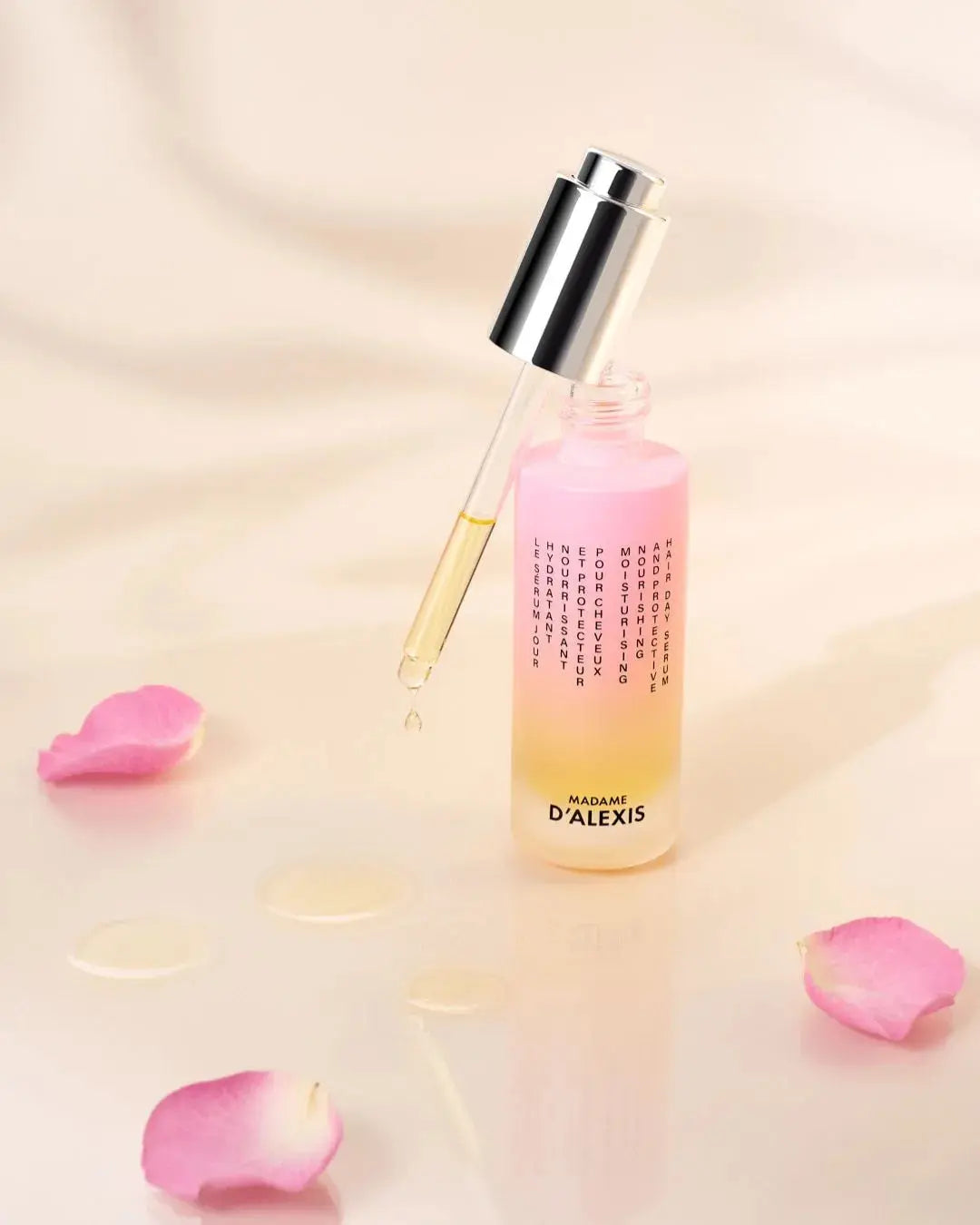
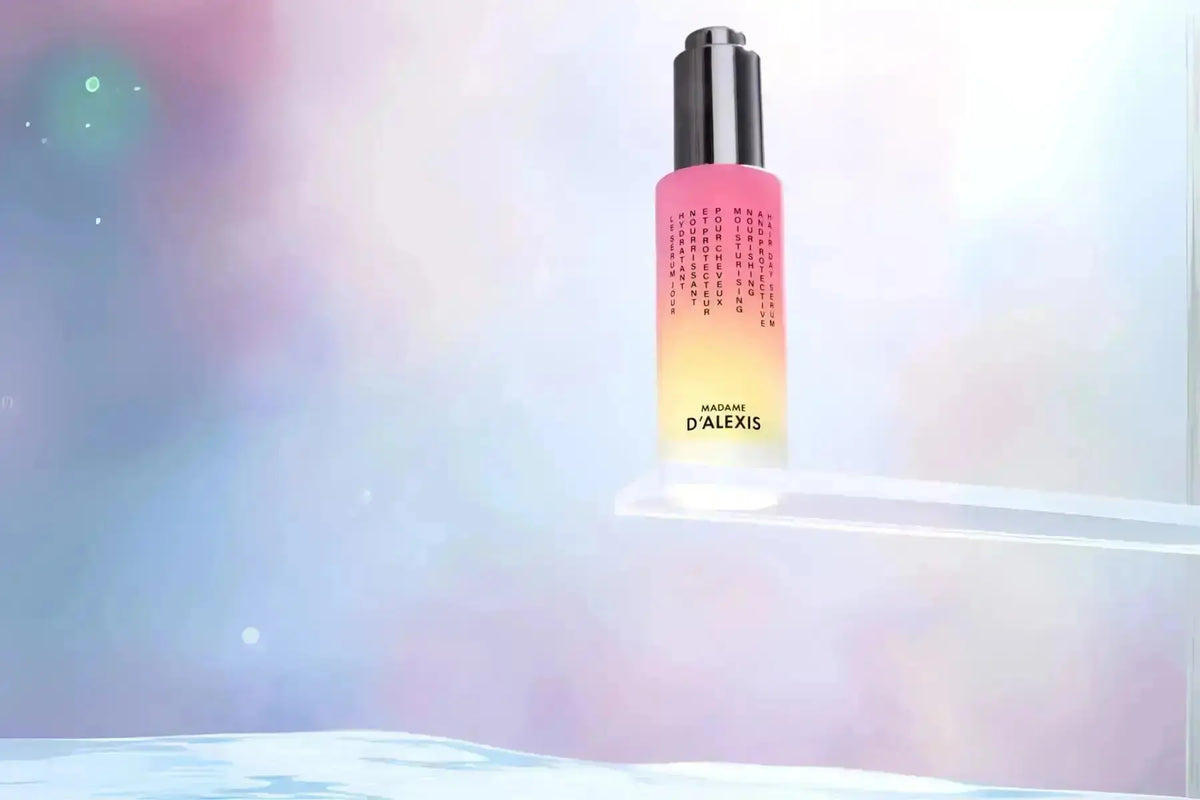
The Day Serum
Heat Protection · UV Protection · Moisture Protection
- Plant ceramides and jojoba oil
- Lightweight protection against heat, UV rays, and frizz
- Glossy finish without a greasy feel
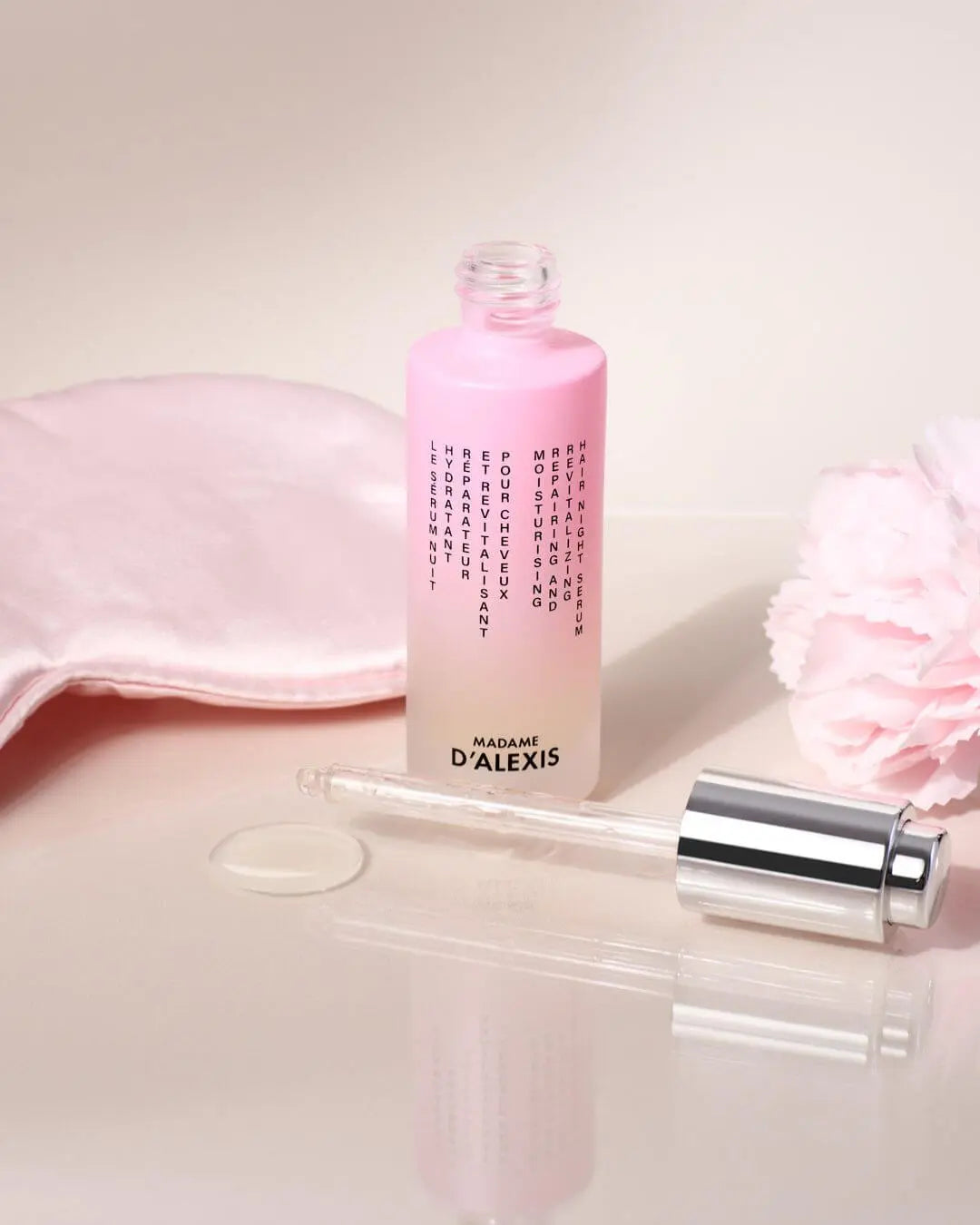
Night Serum with Hydrolats
Organic hydrosols · probiotics · density
- Apply in the evening, parting by parting
- Helps restore balance to the microbiome after UV exposure
- Ideal for use after sun exposure, contact with salt or chlorine, or exposure to heat
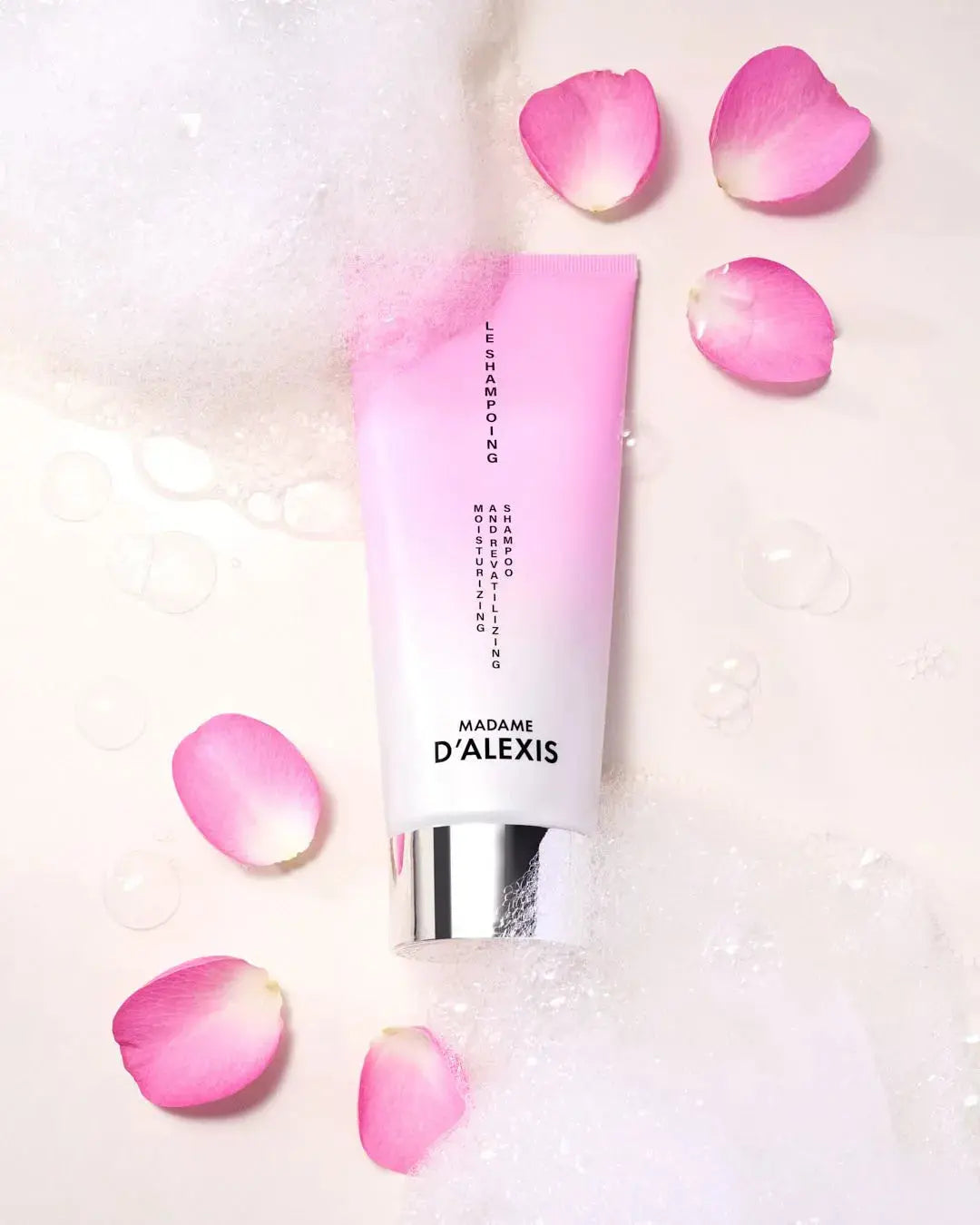
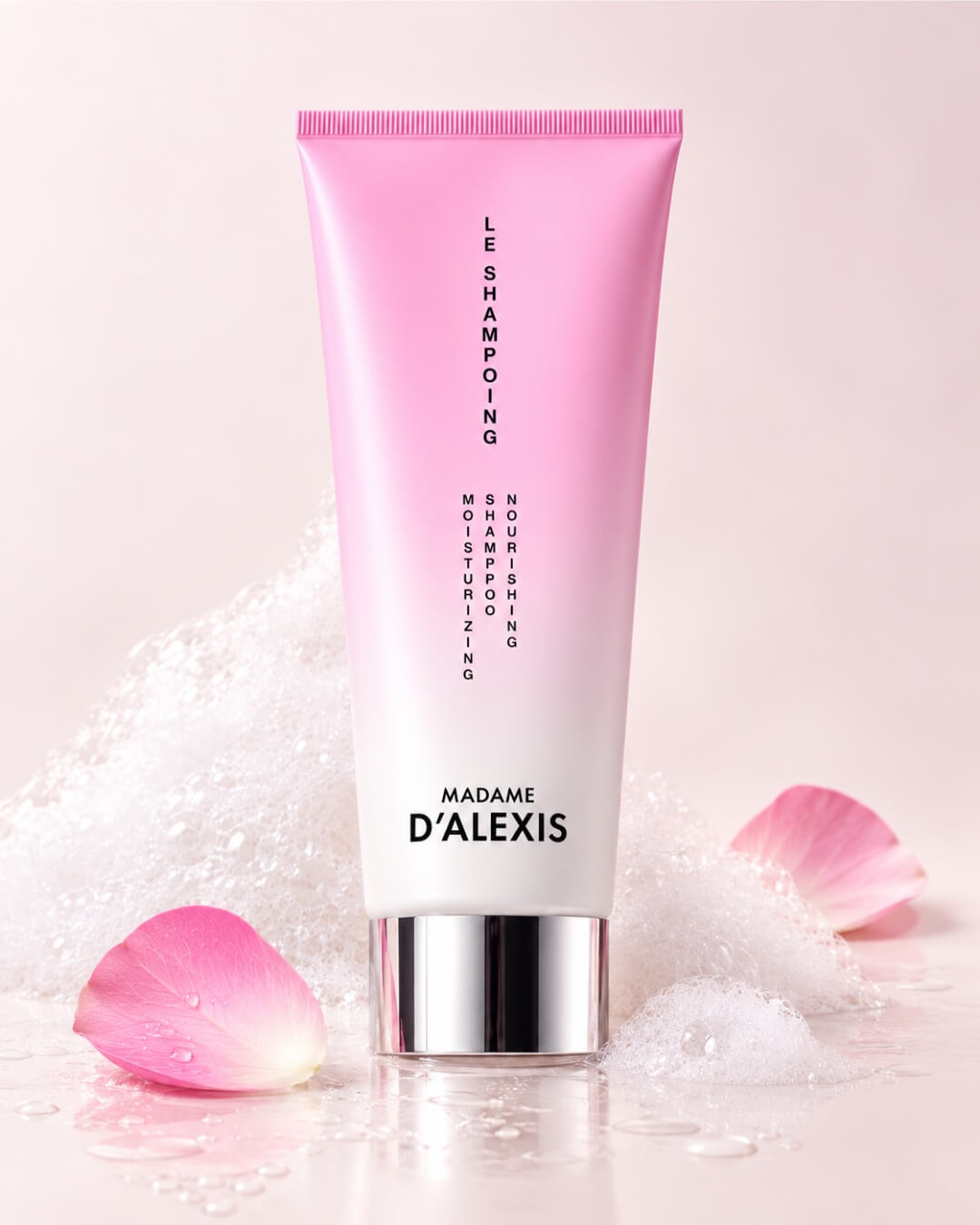
Hydrolat Shampoo
Clean without stripping
- Organic hydrosols, free of sulfates and silicones
- Gentle on an irritated scalp
- Perfect for use after swimming, exposure to chlorine, or sweating
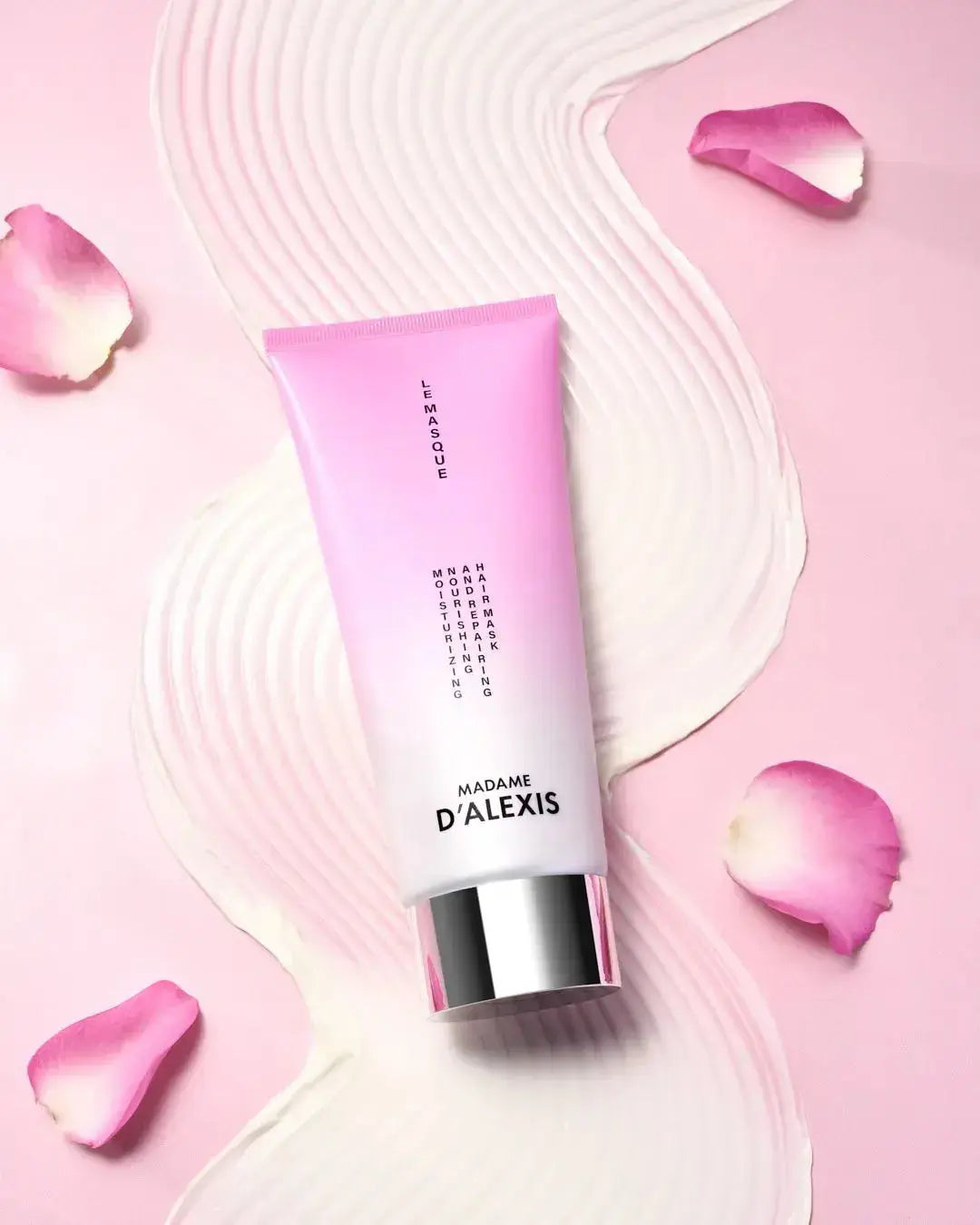
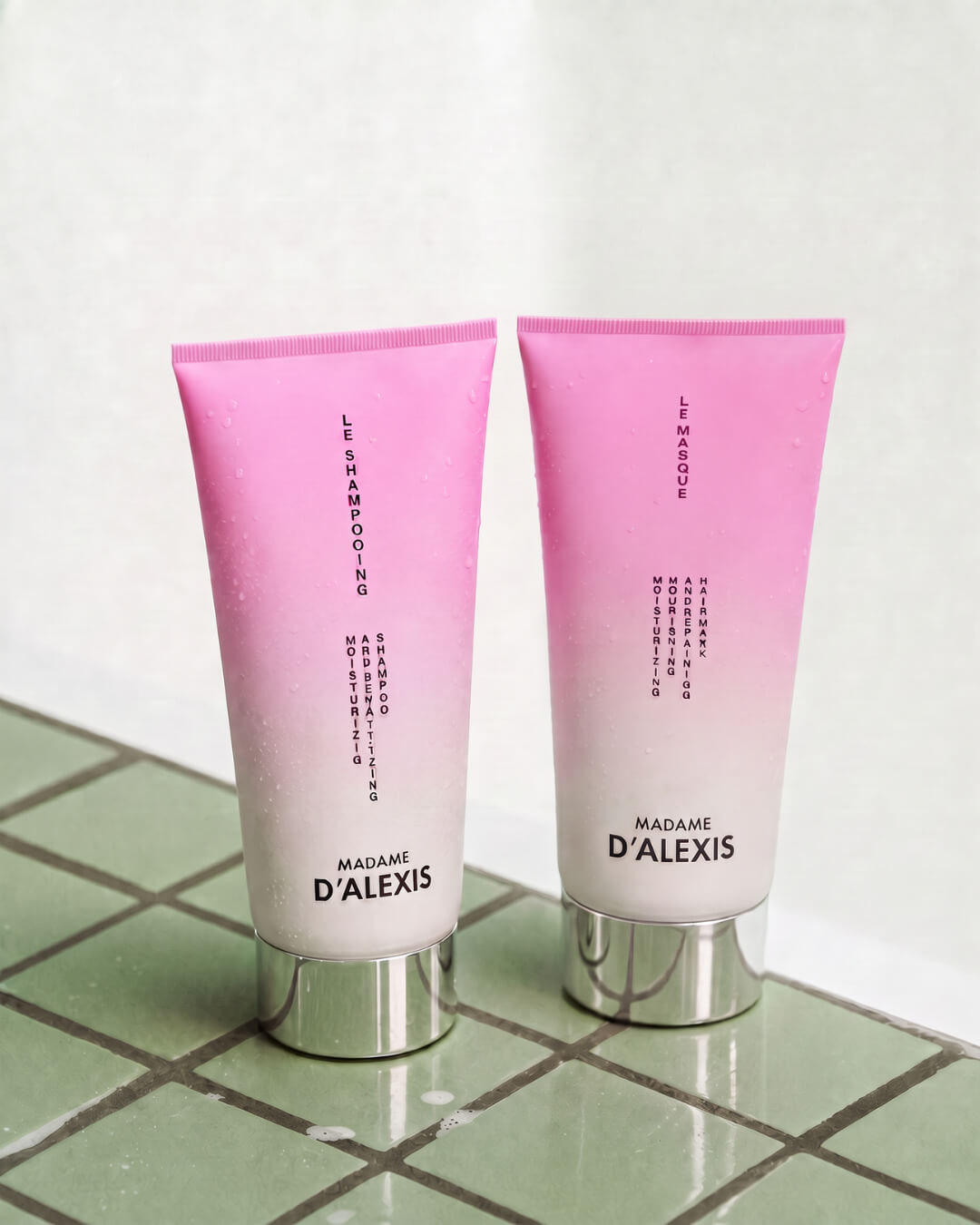
The Hydrolat Mask
Ceramides · hyaluronic acid
- Replenishes lipid loss caused by UV exposure
- Restores softness, suppleness, and shine
- Use once a week
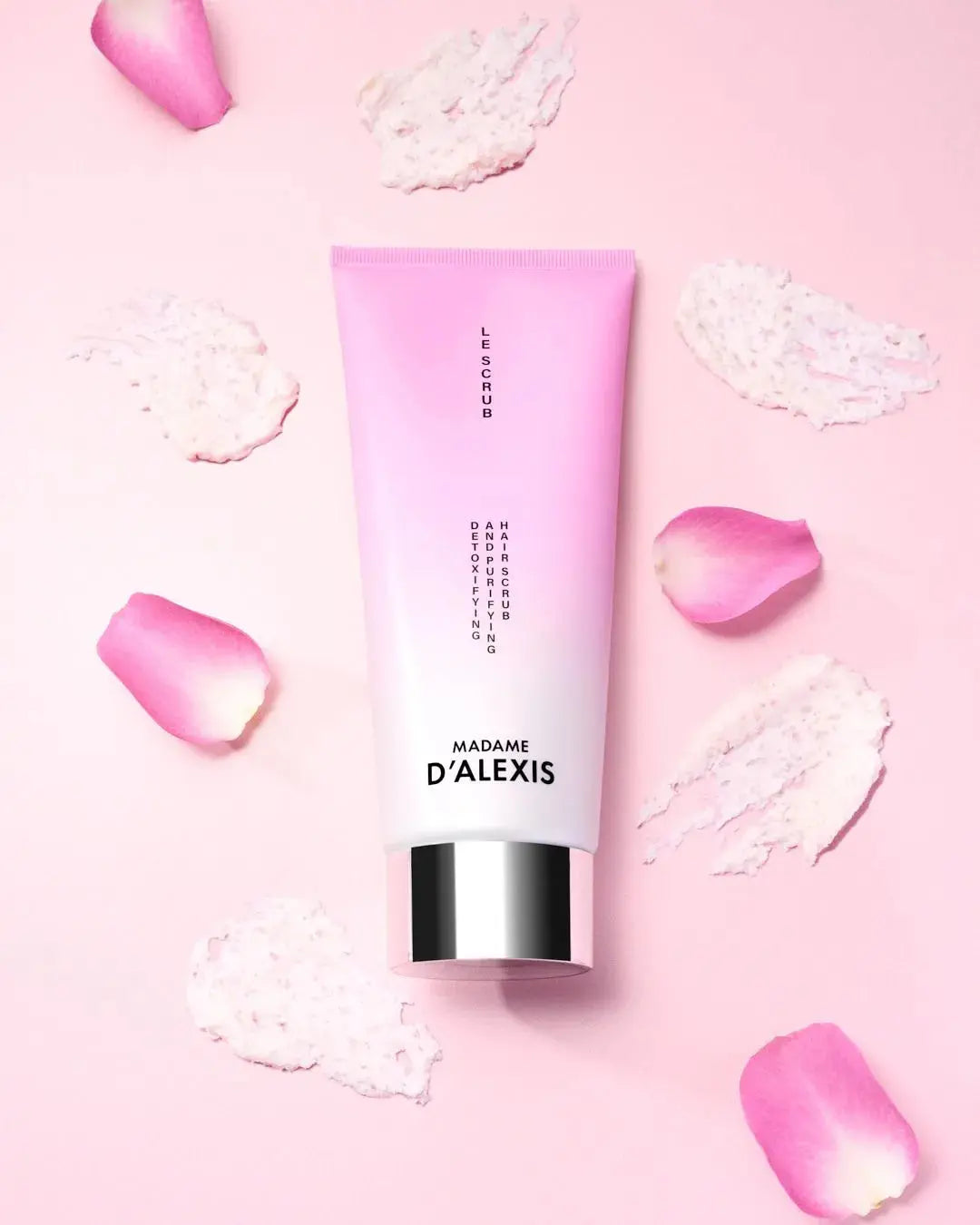
Exfoliating Scrub
Residue · sebum · sweat
- Removes sunscreen residue from the scalp
- Fleur de sel and organic hydrosols
- Use once a week in the summer
Why Does Summer Damage Your Hair? UV Rays, Salt, Chlorine, Heat
Summer exposes the hair shaft to a combination of damaging factors: UV rays, sea salt, chlorine, hot wind, and more frequent washing. Just like the skin, hair needs a protection strategy, but it’s often overlooked. Every time you go swimming or are exposed to the sun for an extended period, the cuticle lifts, the hair shaft loses moisture, the color fades, and the ends become more porous.
The Effects of UV Rays on Hair Fibers
UV rays disrupt keratin, break down disulfide bonds, and oxidize natural or artificial pigments. This explains why blonde hair turns yellow, brown hair takes on a coppery hue, or a color loses its vibrancy. The hair becomes duller, drier, and more brittle.
Salt, chlorine, heat: the destructive trio
Seawater acts as a powerful dehydrating agent. Chlorine disrupts the hydrolipidic film. Heat, in turn, accelerates the evaporation of water from the hair shaft. Together, these three factors contribute to breakage, tangles, frizz, and a loss of shine.
Symptoms: dryness, breakage, dullness
Rough ends, hair that feels coarse to the touch, unruly curls, fading color, and an itchy scalp: these are signs that the hair shaft is damaged. The more porous the hair becomes, the less effectively treatments penetrate or the faster they evaporate. The goal of your summer hair care routine is therefore simple: minimize hair loss and restore the hair shaft’s integrity.
How to Take Care of Your Hair in the Summer? The Complete Guide
A summer hair care routine consists of 5 simple steps, which you can adapt to your hair type. The goal isn't to use a lot of products, but to protect your hair beforehand, cleanse it effectively while you're out, and repair it after each time you're exposed to the sun.
Rinse with fresh water after each swim
After swimming in the ocean or a pool, a quick rinse with fresh water removes most of the salt, chlorine, and sand. The longer you wait, the more the residue builds up and the more the hair fibers oxidize. It’s the simplest step—but also the most effective—for keeping your hair soft and supple.
Space out your shampooing sessions; choose sulfate-free products
Washing your hair too often can weaken the scalp, especially with sulfate-based formulas. Choose a gentle shampoo—free of sulfates and silicones—that cleanses without stripping the scalp. Madame d’Alexis Shampoo, formulated without added water and containing organic hydrosols, helps cleanse your hair after swimming while protecting the skin’s natural barrier.
Exfoliate your scalp once a week
Sunscreen, sweat, sand, sebum, and minerals build up on the scalp. A gentle scrub helps free the roots without causing irritation. Madame d’Alexis’s exfoliating scrub, with fleur de sel, organic hydrosols, and cationic hyaluronic acid, acts as a sensory reset after sun exposure.
Apply a protective serum during the day
A leave-in treatment is the hair care equivalent of daily protection. The Day Serum, with plant-based ceramides, jojoba oil, and heat-protective active ingredients, forms a lightweight veil that helps prevent dehydration, frizz, and straw-like texture, as well as damage caused by the sun or wind.
Repair Your Hair Overnight with a Scalp Treatment
Nighttime is a key time: the scalp regenerates, the hair shaft relaxes, and the active ingredients work longer. Madame d’Alexis Night Serum, with hydrosols and probiotics, helps restore balance to the scalp after exposure to the sun, salt, chlorine, and heat.
Hair and Humidity in the Summer: Taming Frizz
Summer humidity opens the cuticle and causes the hair shaft to swell. That's what causes frizz. The solution isn't to "smooth" the hair, but to saturate the hair shaft with moisture before it's exposed to the elements, so it doesn't draw moisture from the air.
Two pumps of Madame d'Alexis Day Serum applied to damp hair create a lightweight protective barrier that blocks moisture without weighing hair down. The result: curls stay defined, and straight hair stays smooth.
Summer Hair Care Routine for Colored Hair
Colored hair is more vulnerable in the summer because the coloring process opens up the hair shaft and makes it more porous. Sun, salt, chlorine, and wind accelerate the oxidation of pigments and can lead to more brittle hair.
Ideally, schedule your hair coloring at least two weeks before prolonged sun exposure. Then use specific hair care products: a nourishing mask rich in ceramides to maintain the hair fiber’s integrity, the Day Serum to form a protective barrier against UV rays, and Madame d’Alexis Shampoo to cleanse without altering the pigments.
Before each sun exposure, applying a small amount of serum or mask to the lengths of your hair can create a subtle, nourishing barrier. Your color shouldn’t just survive the summer—it should stay vibrant.
Travel Routine: What to Pack?
When traveling, there’s no need to pack your entire bathroom. Three products are all you need: Madame d’Alexis Shampoo in a small, reusable bottle; the Hydrosol Mask for deep conditioning or as a quick leave-in treatment on damp ends; and the Day Serum to protect your hair throughout the day.
For a week, pack about 50 ml of each. In the evening, apply the Night Serum if your scalp feels hot, itchy, or tight after exposure to the sun, salt, or chlorine. The routine is short, but it covers the essentials: cleanse, moisturize, protect, and repair.
How can you repair your hair after the summer?
Summer often leaves visible damage: dry ends, porosity, dull color, and uneven texture. Repair begins with a gentle cleansing to remove residue from sand, salt, and sunscreen, without irritating an already sensitive scalp.
Next, apply the Madame d’Alexis Mask twice a week for 2 to 3 weeks, leaving it on for 20 minutes under a warm towel. Finish by applying the Day Serum to the lengths of your hair in the morning and the Night Serum to your scalp in the evening to prolong the repair process.
Tip: On days when you don't shampoo, reactivate the product with a small amount of mask or a few drops of serum on damp hair.
FAQ
How do you take care of your hair in summer?
5 essential steps: rinse with fresh water after every swim, use a sulfate-free shampoo, exfoliate your scalp once a week, apply a protective serum during the day (heat protection + UV protection), and repair your scalp at night with a treatment containing hydrosols and probiotics. These 5 steps are all you need to preserve the hair’s shine and strength all summer long.
What hair care products should you use in the summer?
In the summer, the priority hair care steps are: a gentle, sulfate-free shampoo; a mask rich in ceramides and hyaluronic acid (once a week); a protective leave-in serum in the morning; and a scalp treatment in the evening. A weekly scalp scrub rounds out the routine to rid the roots of sunscreen and sweat residue.
Should you wash your hair every day in the summer?
No. After swimming, rinse your hair with fresh water first. You can limit shampooing to 2 or 3 times a week if the shampoo has a gentle formula. Washing too often with sulfates can make dryness worse and stimulate oil production.
How can you prevent your hair from looking like straw after a day at the beach?
Rinse quickly, apply a moisturizing mask once a week, then use a leave-in serum on damp hair. Ceramides and hyaluronic acid help restore suppleness and reduce breakage.
What product should I use to combat humidity-induced frizz?
A lightweight leave-in serum is best. Madame d’Alexis Day Serum, with jojoba oil and plant-based ceramides, creates a moisture-blocking barrier that protects the hair shaft without weighing down the lengths.
How can you protect colored hair in the summer?
Avoid coloring your hair right before you leave, use a sulfate-free shampoo, protect the lengths with the Day Serum, and apply a ceramide-rich mask once a week. Colored hair needs protection before exposure and repair afterward.
A short, sensory, and effective summer routine
A good skincare routine isn't about using lots of products. It's about choosing the right steps: rinsing, gently cleansing, exfoliating occasionally, protecting your skin during the day, and repairing it at night.
Discover the Day Serum