What can you do for dry and brittle hair?
To repair dry, brittle hair, you must first identify the cause of the dryness, then adopt a routine that hydrates, nourishes, protects, and strengthens the hair shaft without damaging it.
- Dry hair is often caused by a lack of sebum or moisture: the hair shaft becomes coarse, dull, porous, and more prone to breakage.
- Repeated damage makes the problem worse: flat irons, hair dryers set too hot, hair dye, bleaching, sun, wind, hard water, and harsh shampoos.
- To care for your hair properly, you need to distinguish between dry hair, brittle hair, and damaged hair: dry hair lacks moisture or lipids; brittle hair needs to be strengthened; and damaged hair requires deeper repair.
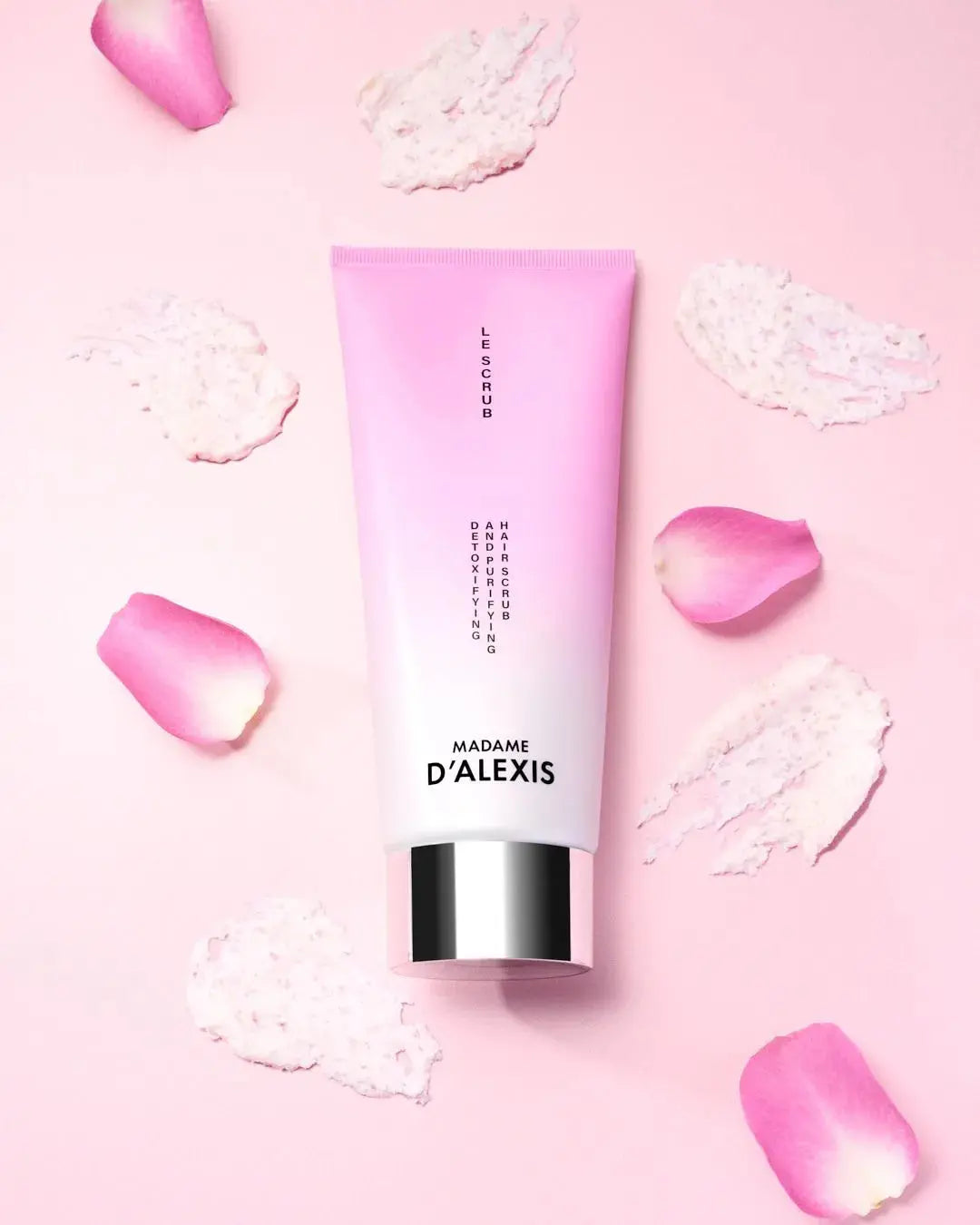
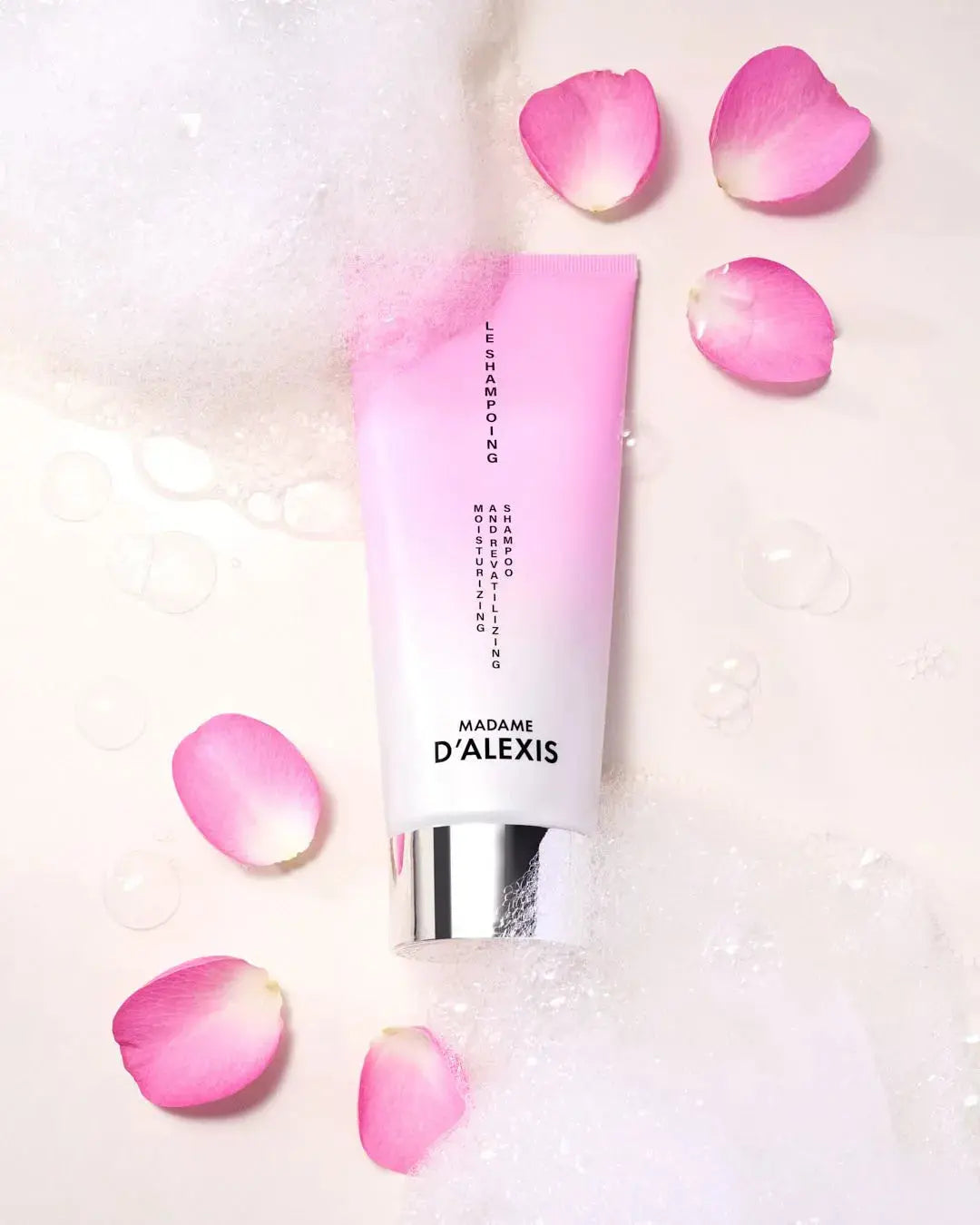
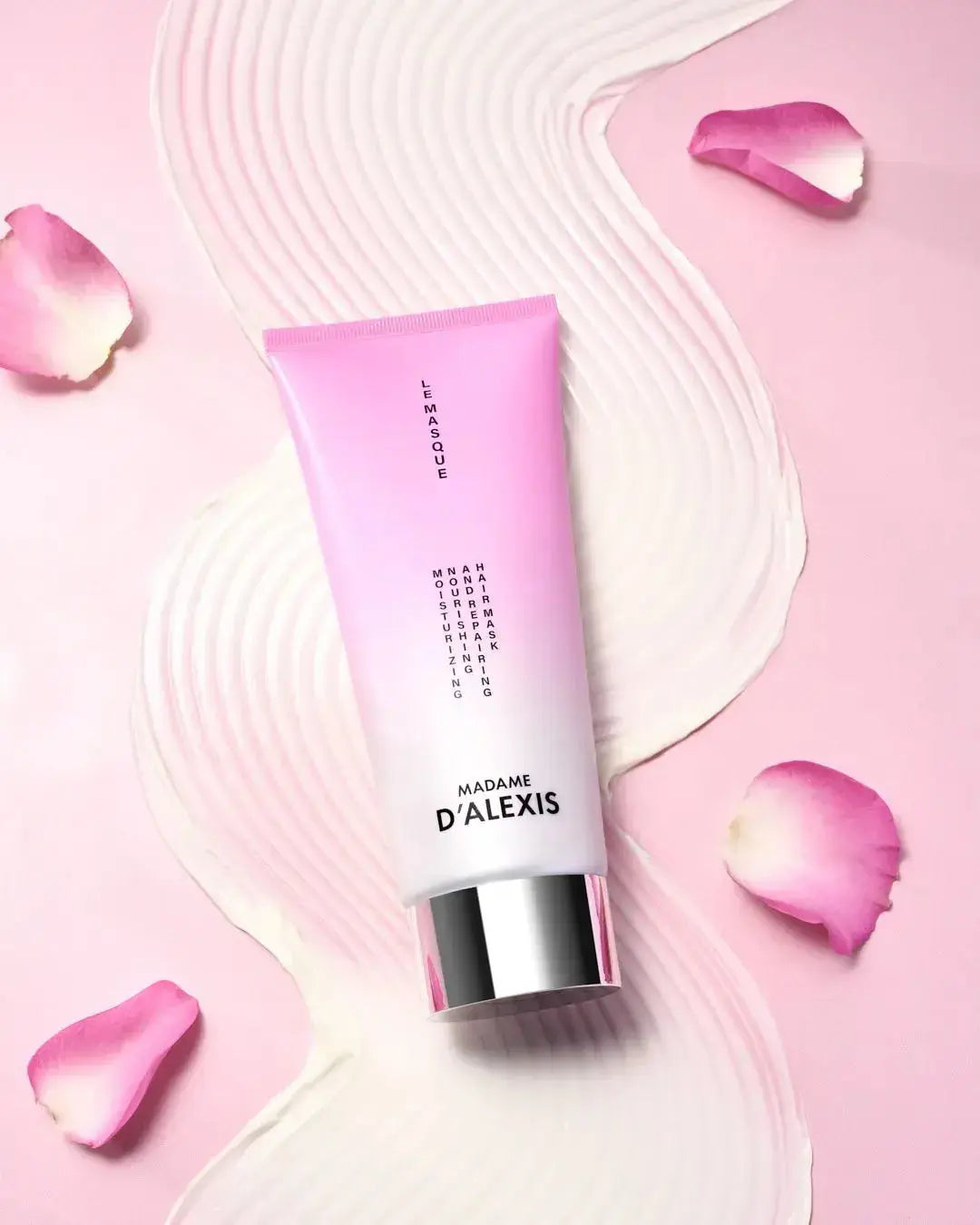
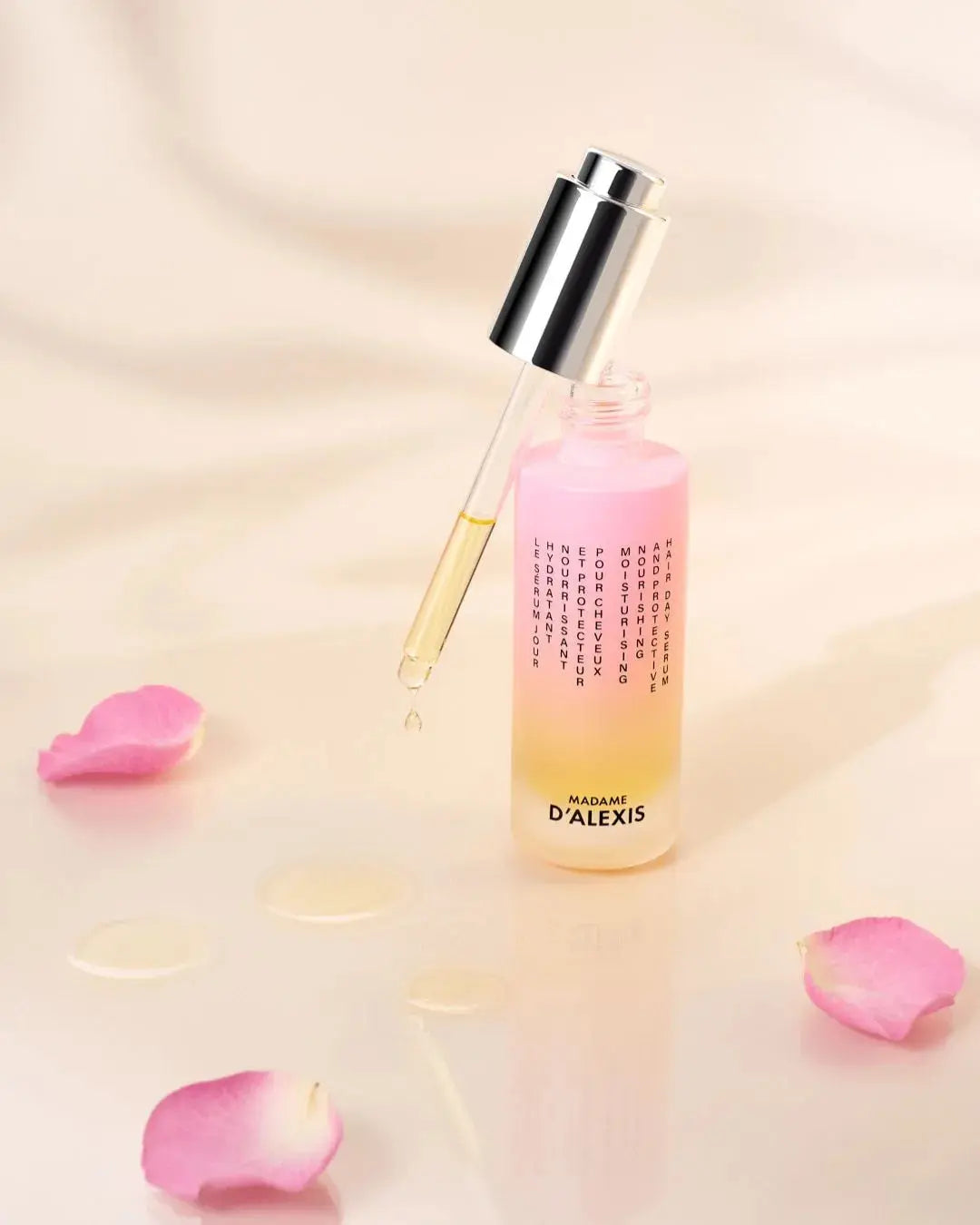
- The ideal routine consists of 5 steps: cleansing the scalp with a gentle scrub, washing with a sulfate-free shampoo, repairing with a nourishing mask, protecting with a daytime serum, and supporting the scalp with a nighttime serum.
- To see results, consistent use is key: hair often feels softer after just a few uses, but a real improvement in breakage, shine, and strength is typically noticeable after 4 to 8 weeks.
The Best Products for Dry, Brittle, and Damaged Hair
What are the causes of dry and brittle hair?
It is often mistakenly believed that dry hair is simply unavoidable. However, behind this lack of elasticity and dreaded straw-like appearance lies a much more complex mechanism.
As a hair care enthusiast, I myself have long confused dry hair with damaged hair. However, understanding the distinction is essential for effective action.
The main causes stem from a lack of sebum: this thin lipid layer, naturally produced by the scalp, acts as a protective barrier. When it is insufficient or unevenly distributed, the hair shafts become coarse, dull, and prone to breakage.
In addition to this, there are repeated aggressions:
- Frequent use of straightening irons or curling irons
- Repeated chemical colorings
- Prolonged exposure to the sun, wind, or open air
- The use of harsh shampoos that are unsuitable for your hair type
Lifestyle also plays a central role. An unbalanced diet, deficiencies (in zinc, omega-3, or iron), chronic stress, or a lack of internal hydration can weaken the hair fiber in depth.
Finally, the hair's porosity (its ability to retain water) is often neglected. The more open the hair cuticles are, the faster they dehydrate, despite treatments.

Dry, brittle, or damaged hair: How do you make the right diagnosis?
Before choosing a hair care product, you need to understand what your hair is really telling you. Not all dry hair is necessarily damaged, and not all brittle hair is simply lacking moisture.
| Problem | Visible Signs | Common cause | Priority Care |
|---|---|---|---|
| Dry hair | Rough texture, lack of shine, frizz | Lack of moisture, lack of sebum, dry air | Hydration + Light Nutrition |
| Brittle hair | Hair that breaks, split ends, brittle strands | Heat, friction, aggressive brushing | Strengthen + Protect |
| Damaged Hair | Porous hair, straw-like texture, dull hair | Hair coloring, bleaching, straightening, hair straighteners | Repair + Rebuild |
| Very porous hair | The treatments don't last; my hair is frizzy | Open scales, weakened cuticle | Lock in moisture |
| Scalp Imbalance | Heavy roots, itchiness, dry ends | Residues, silicones, harsh chemicals | Gentle Reset with Scrub |
Key takeaway:
- If your hair is coarse but doesn't break, focus on hydration.
- If your hair breaks when you brush it: Focus on repairing it.
- If your hair is porous after coloring or heat styling: prioritize restructuring ingredients.
- If your hair care routine isn't working anymore: Start by cleansing your scalp and removing any buildup.
What can you do to hydrate dry hair?
Treating dry hair starts with one golden rule: never dry it out further. It may seem obvious, but using a gentle shampoo is often the first step people forget. Avoid sulfate-based formulas and opt for shampoos for dryhair that are rich in natural active ingredients.
Next, it's time for deep treatments. A good hair mask, rich in shea butter, coconut oil, or vegetable avocado oil, should be applied generously, wrapped in a warm towel, and left on for at least twenty minutes. This simple ritual, inspired by spa protocols, makes all the difference.
Complete this ritual by also nourishing your hair from the inside. It is essential to drink enough water daily and to adopt a balanced diet rich in essential fatty acids:
- Avocado
- Nuts
- Grapeseed oil
- Fatty fish
Finally,nourishing dry hair (especially with a serum for dry hair) also means respecting its natural rhythm. Don’t wash it too often, and limit exposure to heat. Hair doesn’t need to be tamed at all costs—it deserves to have its softness, suppleness, and natural shine restored.
Hair doesn't need to be tamed at all costs: it deserves to have its softness, suppleness, and natural shine restored.
30-Day Natural Recovery Protocol: Week by Week
| Week | Objective | Routine | Expected results |
|---|---|---|---|
| Week 1 | Scalp Reset | Floral Scrub (1 use) + Gentle Floral Shampoo | Lighter hair, residue removed, hair strands ready for treatment |
| Week 2 | Intensive Nutrition | Floral Mask Twice a Week + Daily Day Serum | Smoother, less dry hair with more shine |
| Week 3 | Consolidation | Floral Mask once a week + Night Serum 3 to 5 times a week | Less breakage, stimulated scalp, stronger hair strands |
| Week 4 | Maintenance and Visible Results | Floral Shampoo + Floral Mask + Day Serum | Smoother, shinier hair that's less prone to breakage |
Rules to Follow for 30 Days
- Do not use harsh shampoo.
- Avoid using flat irons, curling irons, and excessive heat.
- Use the Floral Scrub only once every 10 to 15 days.
- Leave the Floral Mask on for 20 to 30 minutes.
- Apply the Day Serum to the lengths of your hair to protect the hair shaft.
- Massage the Night Serum into the scalp to support nighttime regeneration.
Recommended Skincare Routine
| Step | Product | Role |
|---|---|---|
| Reset | Floral Scrub | Removes residue, silicones, pollution, and impurities |
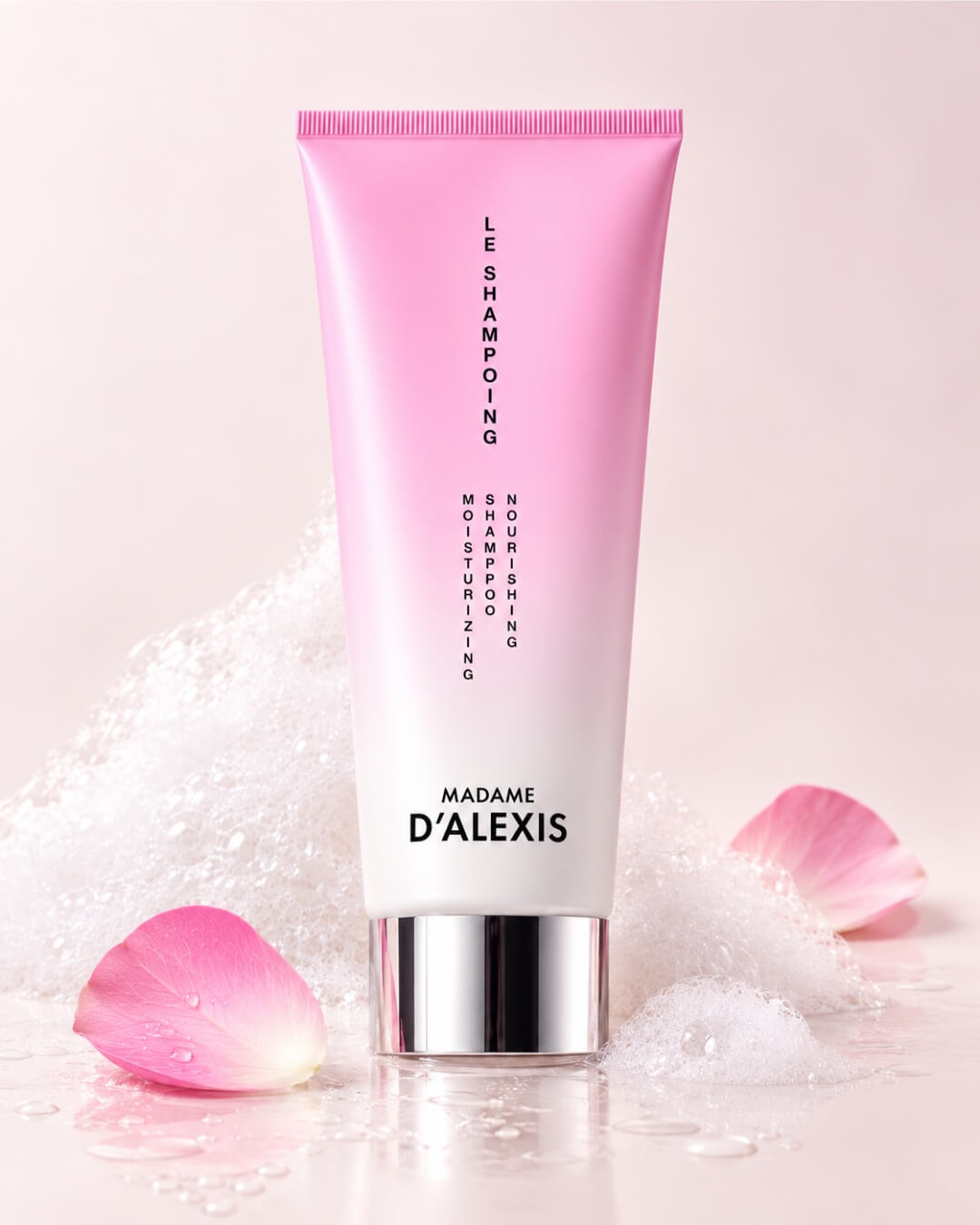
| Washing | Floral Shampoo | Cleans without sulfates and without being harsh |
| Repair | Floral Mask | Nourishes, moisturizes, and strengthens the hair shaft |
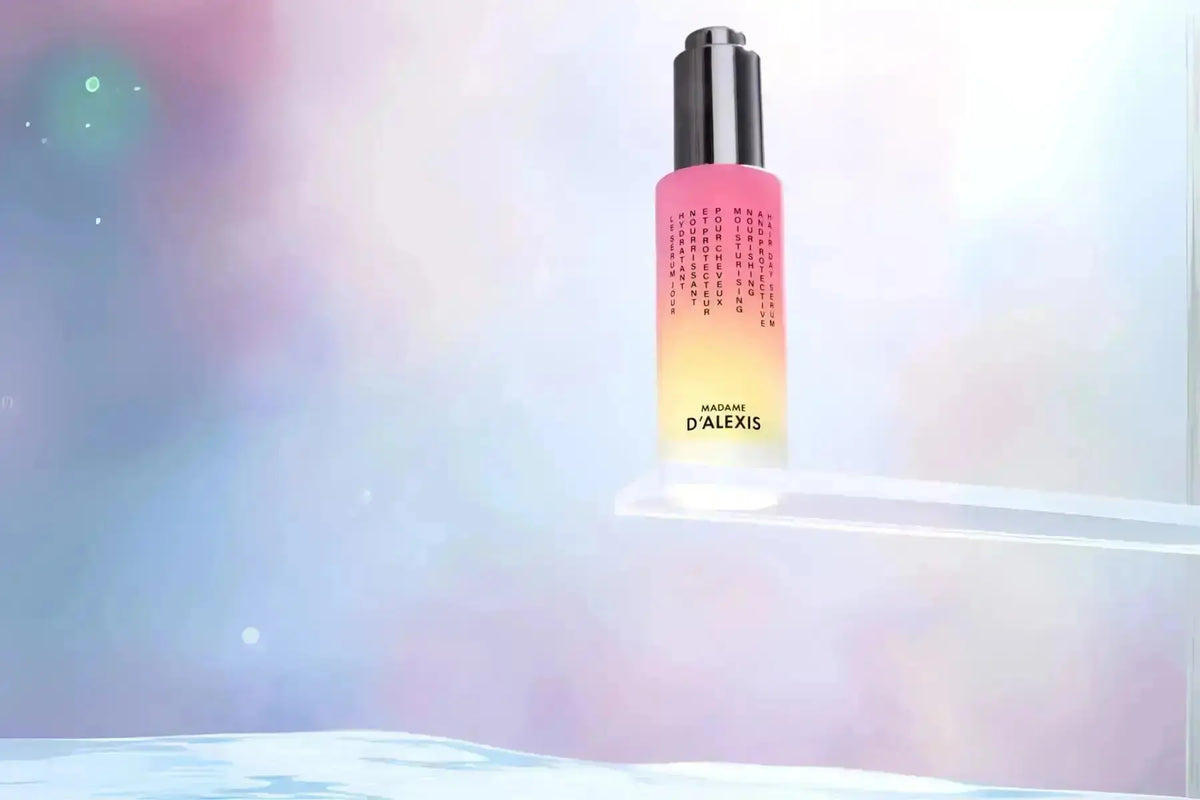
| Protection | Day Serum | Protects against heat, smooths hair, and reduces breakage |
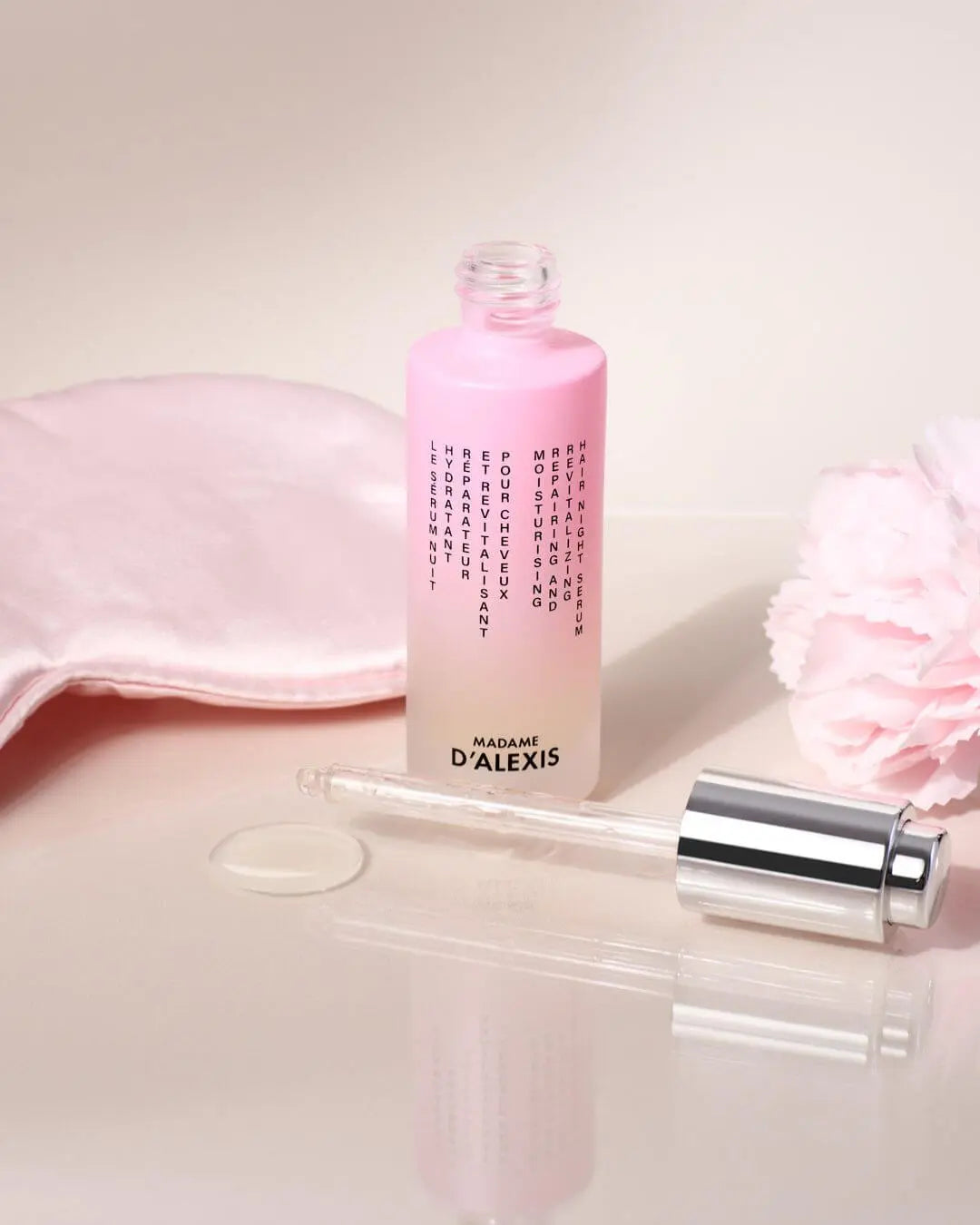
| Regeneration | Night Serum | Supports the scalp and hair growth |
How to repair brittle hair?
When brittle hair becomes the norm, it is no longer just an aesthetic inconvenience, but a warning sign that the hair fiber needs to be deeply regenerated. The key word here: repair, gently, with targeted treatments and respectful actions.
I always recommend to my clients, even the busiest ones, to incorporate an intense weekly treatment into their routine. It makes all the difference. The ideal mask should combine both nourishing and restructuring properties.
Among the most effective active ingredients, vegetable keratin is a valuable ally: it mimics the natural structure of the hair and fills internal gaps.
For those who enjoy DIY, here is a recipe that I personally use once a week:
- 2 tablespoons of jojoba oil (or avocado oil for very dry hair)
- 1 tablespoon of vegetable keratin
- 1 teaspoon of olive oil
Mix, apply to the lengths of your hair, wrap in a warm towel and leave on for 30 minutes. Then rinse with a gentle shampoo.
Applying a hair oil the day before shampooing is also a simple but remarkably effective way to strengthen the hair fiber. Coconut oil, when applied to the ends, creates a protective barrier against breakage.
And above all, never forget to trim your ends regularly. Hair that breaks doesn't grow back: it shortens. Beautiful hair is also hair that is consistently maintained.
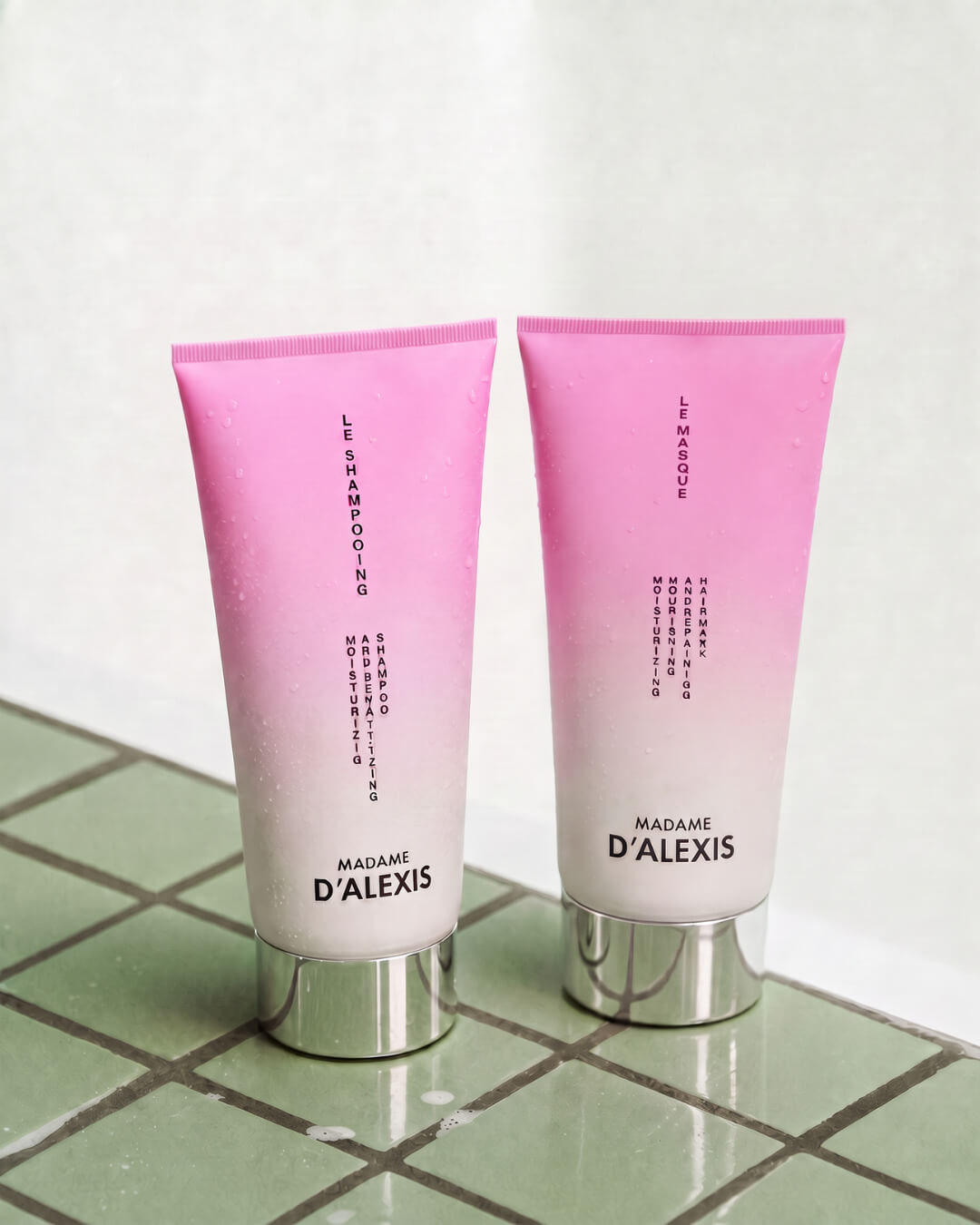
Our natural shampoo is specially formulated to clean without damaging dry hair. For a thorough repair, use our day serum which nourishes the fiber without weighing it down
Our natural shampoo is specially formulated to cleanse dry hair without stripping it. For deep repair, use our daytime serum, which nourishes the hair shaft without weighing it down
Silicones and Damaged Hair: Why They Make the Problem Worse
| Immediate Effects of Silicones | A Real Long-Term Problem |
|---|---|
| Hair that feels smoother to the touch | Cosmetic repair only |
| Artificial brilliance | The fiber remains weakened beneath the film |
| Less frizz from the start | Gradual build-up over distance |
| Coated Hair | Repairing ingredients that don't absorb as well |
| Immediate, gentle effect | Dull, heavy, or brittle hair over time |
Why are silicones a problem?
- They are making a film about hair strands.
- They give the impression of repairing the hair without actually rebuilding it.
- They can prevent active ingredients such as plant-derived ceramides, plant-derived keratin, or cationic hyaluronic acid from penetrating properly.
- They build up wash after wash.
- They can weigh down the hair and clog the scalp.
Going Silicone-Free: What to Expect?
| Period | What You Can Observe | What this means |
|---|---|---|
| Days 1 through 7 | Hair that's less smooth and coarser | The silicone film is starting to peel off |
| Days 7 through 14 | Hair that looks more “natural,” though sometimes drier | The actual condition of the fiber becomes visible |
| Weeks 3–4 | The skincare products are absorbed more effectively | Fiber is starting to return to balance |
| After 30 days | Lighter, more supple hair | The restorative routine really works |
Alternative Madame by Alexis
| Instead of silicones | Profit |
|---|---|
| Organic hydrosols | Moisturize and soothe without leaving hair feeling heavy |
| Plant ceramides | Help strengthen the lipid barrier |
| Cationic hyaluronic acid | Retains moisture within the fiber |
| Vegetable oils | Nourish and provide flexibility |
| Day Serum | Protects, smooths, and tames without leaving a greasy residue |
Key takeaway: Silicones mask damaged hair. Well-formulated silicone-free products actually help improve the hair fiber.
Damaged Hair: What Type of Damage Do You Have?
| Type of damage | Visible Signs | Main cause | Top Priority Solution |
|---|---|---|---|
| Thermal damage | Split ends, frizz, dull hair | Hair straighteners, curling irons, and hair dryers that get too hot | Protective Serum + Floral Mask |
| Chemical damage | Low elasticity, breakage, straw-like appearance | Hair coloring, bleaching, straightening | Ceramide Mask + Gentle Shampoo |
| Mechanical damage | Breaks along the length, knots, tapered tips | Aggressive brushing, rubber bands, friction | Leave-in Serum + Gentle Detangling |
| Water damage | Extreme dryness, frizzy hair | Hard water, UV rays, wind, sun | Moisturizing Mask + Organic Hydrosols |
How to Choose Your Routine?
- If your hair is breaking: prioritize the Floral Mask + Day Serum.
- If your hair is dry but supple: focus on hydration and light nourishment.
- If your hair is porous after coloring: prioritize plant-based ceramides.
- If your hair looks dull despite your hair care routine: start by giving it a reset with the Floral Scrub.
What are the natural remedies for damaged hair?
The elegant thing about natural remedies is that they combine simplicity, effectiveness and respect for damaged hair. But you still have to choose the right ingredients, at the right time.
Here are two homemade mask recipes for dry hair that I recommend:
-
Nourishing Mask with Honey and Coconut
Ideal for very dry hair: - 1 tablespoon of honey
- 1 tablespoon of coconut oil
- 1 tablespoon of cider vinegar (to smooth the cuticle)
Apply, leave on for 20 to 30 minutes, then rinse thoroughly.
-
Shea Butter and Avocado Mask
Perfect for hair damaged by coloring: - 1 tablespoon of melted shea butter
- 1/2 ripe avocado
- 1 tablespoon of vegetable oil (hazelnut or grapeseed)
These natural remedies are rich, gentle and deeply restorative.
Finally, avoid shampoos containing sulfates as much as possible. Although they lather well, their cleansing power dries out the hair and undermines all your repair efforts. The beauty of damaged hair that’s being restored begins with gentleness.
How to prevent hair breakage?
Elegance and full, thick hair often go hand in hand. However, even the most beautiful hair can be weakened by repeated actions that seem harmless but are damaging in the long run.
To avoid hair breakage, the most important thing is to adopt a routine based on gentleness, consistency, and informed care.
It all starts in the shower. Forget harsh shampoos and opt instead for a gentle shampoo without sulfates or silicones. This is a golden rule. Washing your hair is important, but not too often.
Two to three times a week is enough, depending on your hair type. Washing your hair too much stimulates sebum production but dehydrates the lengths, which encourages hair breakage.
After rinsing, the key step is to detangle. Use a natural bristle brush or a wide-tooth comb on towel-dried hair, never when it's soaking wet. And most importantly, don't pull.
This is a habit I had for a long time, before realizing how much my ends were visibly thinning.
Before each exposure to heat—whether from a hair dryer, straightening iron, or curling iron—apply a protective product. This invisible barrier makes all the difference. Finally, avoid repeated exposure to the sun without hair protection: UV rays weaken the hair fiber as much as a poorly executed blow-dry.

What kind of care should you give to frizzy, curly, and wavy hair?
Frizzy, curly, and wavy hair have specific needs that cannot be ignored. Their spiral structure slows down the natural distribution of sebum, which makes them naturally drier. The watchwords here are: hydrate, nourish, protect.
Here are the fundamentals of a suitable routine:
- Use a very mild shampoo enriched with botanical ingredients
- Always apply a conditioner rich in vegetable butter (such as shea butter or mango butter)
- Once or twice a week, apply a nourishing mask based on avocado or grapeseed oil
- Seal in moisture with a vegetable oil (jojoba, argan, or coconut) as a finishing touch
- Choose leave-in products to maintain hydration between washes
- Space out shampoos to avoid further weakening the hair fiber
These treatments help nourish and protect the hair, preserving the natural structure of the curls while respecting the sensitivity of the hair. In the long term, these repeated, almost ritualistic actions help to restore supple, luminous, and healthy hair.
How to improve hair health on a daily basis
Hair health is not accidental. It is maintained with rigor, patience, and a certain attention to detail. Too often, we seek immediate results with miracle treatments, when strong, shiny hair comes from a well-thought-out routine and a balanced lifestyle.
First of all, it's important to remember the obvious: beautiful hair comes from a well-nourished body. A diet rich in zinc, biotin, and iron promotes hair growth and strengthens its resistance.
Leafy green vegetables, oilseeds, legumes, and oily fish are valuable allies.
Personally, I have seen a real transformation by incorporating a daily mix of almonds, ground flax seeds, and a spoonful of rapeseed oil into my meals.
Hydration is the other essential pillar: two liters of water per day is not an option, but a necessity. Hot water, heating, or air conditioning silently damage dry hair, which must therefore be hydrated from the inside and out.
In terms of care, choose products free of silicone and parabens, which weigh hair down without nourishing it. Opt for concentrated formulas enriched with plant-based active ingredients, with a silky texture and a discreet but elegant fragrance.
Finally, establish a simple yet effective weekly routine:
- A nourishing mask once a week
- A gentle shampoo suited to your hair type
- A leave-in moisturizing treatment based on aloe vera
- And, if possible, a scalp massage to stimulate microcirculation
These regularly repeated steps are often enough to visibly improve hair health without artificial aids.
Example of a hair care routine for dry and brittle hair
When dry hair and damaged hair take over, you need to offer them a restorative routine that is both targeted and sensory. Here is a tried and tested suggestion that I have often recommended to my most demanding clients.
Day 1:
- Wash with a gentle shampoo
- Application of a nourishing hair mask
- Air drying or, if necessary, using a protective product before heat styling
Day 3:
- Vegetable oil bath (coconut, avocado, jojoba) applied under a warm towel
- Rinsing with apple cider vinegar to close the hair cuticles
Day 5:
- Moisturizing treatment based on aloe vera or flaxseed gel, applied to damp hair
Following week:
- Scalp massage with a fortifying lotion
- Hair mask with plant-based keratin to strengthen the hair fiber
By respecting this rhythm, we observe a real metamorphosis: brittle hair regains its suppleness, its shine, and above all a more resistant structure.
Because luxury today no longer lies in artifice, but in the regularity of a treatment perfectly suited to the nature of your hair.
What can be done for persistently dry and brittle hair?
There is no miracle solution, but a truth that we rediscover at each stage of care: hair beauty is cultivated over time, with consistency and dedication. Knowing what to do for dry and brittle hair means first taking the time to listen to your hair, to recognize its weaknesses and to respond with targeted actions, without excess or brutality.
Deeply moisturize, nourish dry hair with suitable hair care products, protect the lengths from external aggressions: this is the basis of a precious, almost intimate routine.
Transformation is achieved by applying masks enriched with plant-based keratin, alternating oil treatments, scalp massages, and using gentle shampoos. Little by little, brittle hair regains its structure, becoming shiny, supple, and almost weightless.
Then there's that moment—often around the fifth or sixth week—when you notice the hair fiber thickening and hair growth returning to a healthy pace.
Yesterday's damaged hair gives way to beautiful hair that feels confident, vibrant, and free-flowing. It's at this moment that you understand: true luxury isn't measured in instant promises but in the lasting quality of the results.
For those who dream of reviving radiant hair and watching their long hair flourish with vitality, the path is clear: targeted care, a consistent routine, and a sincere commitment to hair health.
What if this routine, demanding yet sensory, is what truly revitalizes our hair and reveals its true beauty?
How to Choose Your Routine?
- If your hair is breaking: prioritize the Floral Mask + Day Serum.
- If your hair is dry but supple: focus on hydration and light nourishment.
- If your hair is porous after coloring: prioritize plant-based ceramides.
- If your hair looks dull despite your hair care routine: start by giving it a reset with the Floral Scrub.
How can I tell if my hair is really damaged?
| Test | How do I do that? | Result |
|---|---|---|
| Elasticity Test | Gently pull on a wet strand of hair | If it breaks easily or doesn't spring back into shape, it has become brittle |
| Porosity Test | Place a strand of hair in a glass of water | If it flows quickly, it is porous |
| Visual inspection | Pay attention to the ends and the rest of the hair | Split ends, frizz, and a straw-like texture are signs of damaged hair |
The most common signs are breakage, loss of shine, split ends, coarse hair, and hair care products that no longer seem to work.
How long does it take to repair damaged hair?
The first visible results usually appear within 4 to 8 weeks with a regular routine. Hair becomes softer, shinier, and less brittle.
For more thorough repair, it often takes about 3 months, since the hair shaft needs time to regain its strength.
Is it possible to repair damaged hair without cutting it?
Yes, if the hair is dry, porous, or damaged, but not completely split. The right active ingredients can improve the appearance and strength of the hair shaft: plant-based keratin, plant-based ceramides, cationic hyaluronic acid, plant oils, and organic hydrosols.
On the other hand, a split end will not “grow back” permanently. In this case, trimming it slightly allows you to start over with a cleaner base.
What's the difference between dry hair and damaged hair?
| Dry hair | Damaged Hair |
|---|---|
| Lack moisture and sebum | Have a weakened structure |
| They are rough but sometimes durable | Break easily |
| Can be improved with hydration and nutrition | Require more extensive repairs |
| Often related to the climate, washing, or hair type | Often associated with heat styling, coloring, bleaching, or straightening |
Is the Floral Mask suitable for very damaged hair?
Yes. The Floral Mask is particularly well-suited for dry, brittle, and severely damaged hair, as it combines plant-based ceramides, cationic hyaluronic acid, plant oils, and organic hydrosols.
It helps nourish, moisturize, smooth, and strengthen the hair shaft without weighing down the lengths.
Should you trim your split ends before starting a repair treatment?
This is recommended if the ends are very split, brittle, or thin. Trimming them slightly helps prevent the split from traveling up the length of the hair.
But it's not required to start with. You can first follow a 30-day repair regimen, then assess the condition of your hair ends afterward.