Advice
Hair Strengthener: How Can You Naturally Strengthen the Hair Shaft?
How to choose an effective, natural hair tonic that is suited to your hair type to stimulate growth and prevent hair loss in the long term.


Which fortifier should you choose for stronger, more resistant hair?
Before embarking on a hair care routine, it is essential to understand what makes a hair tonic truly effective.
The goal is not only to stimulate growth, but also tostrengthen the hairfiber, rebalance the scalp, and prevent breakage in the long term. Here are the key points to remember when choosing a hair tonic that suits your needs:
- Combining nutrition and local care: a good fortifier works both internally (dietary supplements) and externally (targeted hair care).
- Choose natural, balanced formulas: botanical active ingredients, organic hydrosols, and amino acids strengthen the hair fiber without weighing it down.
- Stimulate microcirculation in the scalp: regular massage and the use of a strengthening serum promote hair growth and density.
- Hydrate and protect the hair fiber: cationic hyaluronic acid and plant-based ceramides maintain the cohesion of the cuticles and limit breakage.
- Be consistent: a regular routine, applied over several weeks, is the key to restoring strength, shine, and vitality to your hair.
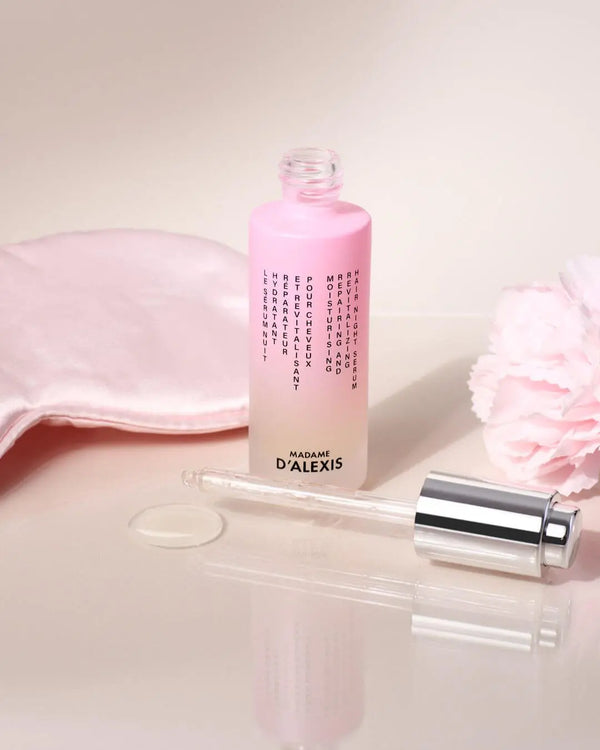
The Night Serum
Nighttime regeneration · density
- Stimulates growth during rest
- Moisturizes the scalp without weighing it down
- Strengthens the fiber and limits breakage
Dull hair, loss of density, brittle strands... These signs indicate a gradual weakening of the hair structure. When hair loses its vitality, it is not simply a cosmetic problem, but a profound imbalance in the scalp and hair strands.
Today, hair cosmetology combines scientific research and botanical active ingredients to restore hair strength in a sustainable way.
Understanding the causes of this weakening is essential for choosing a truly effective fortifier and restoring your hair to its former vitality.

Why does hair become weak? Common causes of loss of strength
Hormonal changes, stress, and seasons: underestimated factors
The hair cycle consists of three main phases: growth (anagen), regression (catagen), and shedding (telogen). Stress, hormonal fluctuations, or seasonal changes can disrupt this natural rhythm.
During pregnancy, after childbirth, or during menopause, hormonal shifts shorten the growth phase and lead to increased hair shedding.
Chronic stress also acts as a real accelerator of hair loss. It increases the production of free radicals, disrupts microcirculation, and weakens the hair bulb.
The seasons finally play their part: in fall or spring, hair loss may temporarily intensify as the scalp naturally rebalances itself.
Nutrition and deficiencies: when the scalp becomes depleted
Hair reflects our nutritional status. A deficiency in iron, zinc, or biotin directly impacts the production of keratin, the main protein in hair fibers. Without these nutrients, the hair shaft becomes fragile and loses its strength.
To maintain hair vitality, certain elements are essential:
- Iron, which allows oxygenation of the bulb and stimulates growth.
- Zinc, essential for keratin synthesis and cell regeneration.
- Biotin (vitamin B8), known for strengthening hair fibers and reducing breakage.
- Sulfur-containing amino acids, particularly cysteine and methionine, are the building blocks of hair.
An unbalanced diet, restrictive diets, or digestive stress can quickly lead to dull, brittle hair.
Aggressive hair care and pollution: the enemies of hair fibers
Beyond internal causes, external aggressions play a decisive role. Repeated use of products containing sulfates or heavy silicones damages the cuticle and suffocates the fiber.
Frequent straightening, repeated coloring, or exposure to urban pollution accelerate oxidative stress on the scalp.
This imbalance also weakens the scalp microbiome, the natural ecosystem that protects the skin on the scalp. When it is disrupted, the natural defenses weaken, leading to irritation, dandruff, and faster hair loss.
Restoring a balanced microbiome through gentle, tailored care is therefore one of the key ways to strengthen hair in the long term.

What are the best hair tonics?
Strengthening hair fiber requires a holistic approach. Hair needs more than just external care: it also reflects the body's internal balance.
To achieve lasting results, it is essential to take action on two levels: supporting growth from within with targeted nutrients and nourishing the scalp with topical treatments rich in fortifying active ingredients.
Dietary supplements: acting from within
Hair is made up of nearly 95% keratin, a protein made from amino acids, minerals, and vitamins. A deficiency in any of these elements is enough to alter the structure of the hair.
That is why dietary supplements play a decisive role in strengthening hair.
The most effective ones are based on balanced, natural formulas that provide essential nutrients without excess:
- Zinc, which is essential for cell division, stimulates hair growth and regulates sebum.
- Biotin (vitamin B8), often referred to as the beauty vitamin, contributes to keratin synthesis and reduces breakage.
- Iron improves oxygenation of the hair bulb, preventing hair loss linked to fatigue or hormonal cycles.
- Cystine and methionine, sulfur-containing amino acids, are the building blocks of hair fiber.
- Spirulina and B vitamins support energy production in scalp cells.
A minimum three-month treatment is recommended to allow the hair to complete a full growth cycle.
It is preferable to choose supplements based on plant extracts and bioavailable nutrients, rather than overly concentrated mixtures that saturate the body.
Fortifying hair care: nourish and stimulate the scalp
At the same time, external action remains essential. A balanced, well-hydrated scalp is the foundation for thick, strong hair. Fortifying treatments act at the root to strengthen the hair fiber and stimulate microcirculation.
The Night Serum
Nighttime regeneration · density
- Stimulates growth during rest
- Moisturizes the scalp without weighing it down
- Strengthens the fiber and limits breakage
Among the most effective formulas are:
- Organic hydrosols (Damask rose, chamomile, orange blossom) that soothe and revitalize.
- Cationic hyaluronic acid, which strengthens fiber cohesion and maintains hydration.
- Probiotics, guarantors of the balance of the scalp microbiome.
- Natural anti-hair-loss active ingredients such as nettle, licorice, or oak bark are known to stimulate regrowth.
These treatments should be applied regularly, using gentle massage, to promote the penetration of active ingredients and stimulate the hair bulb.
What is the best strengthening hair care product made from natural ingredients?
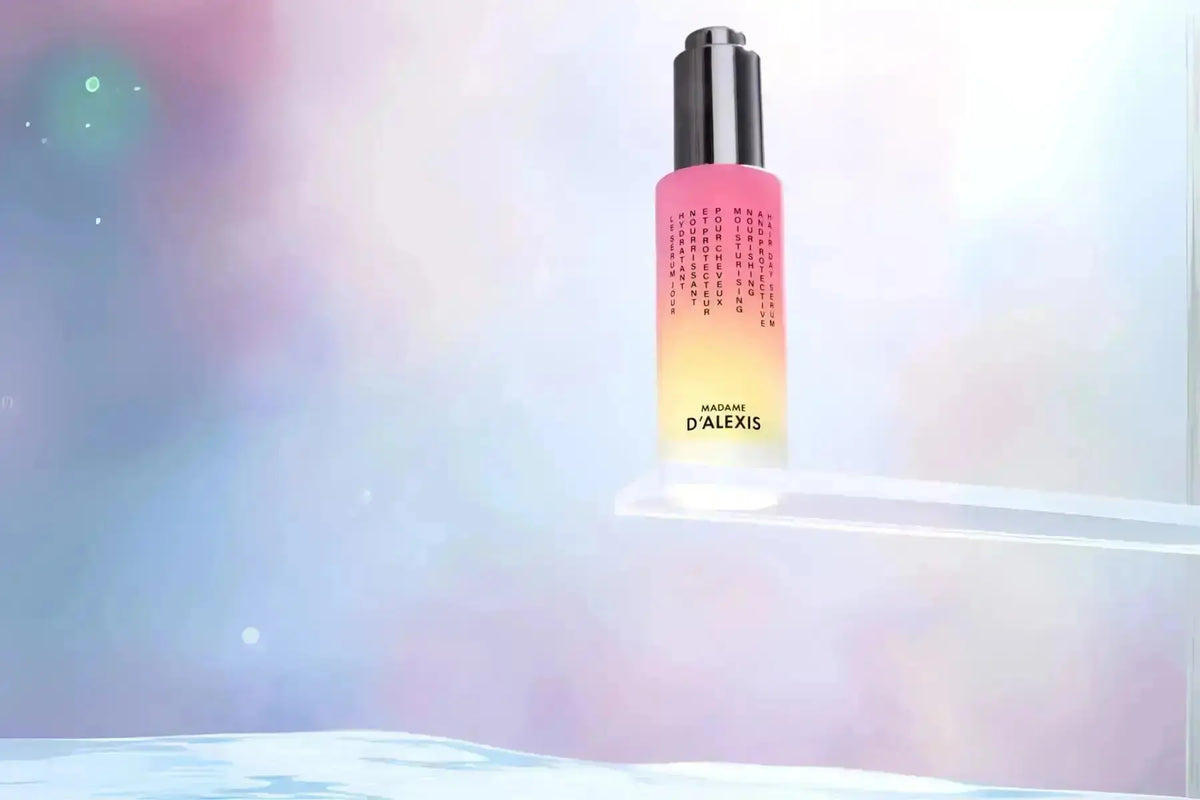
Among the most effective strengthening treatments, Madame d'Alexis Night Serum has established itself as a benchmark in the world of high-end natural hair care.
Its unique feature is itsformula, whichcontains no added water. Instead, it contains organic floral hydrosols carefully selected for their beneficial properties for the scalp and hair fiber.
This treatment does more than just beautify the hair: it works deep down, where regeneration takes root.
- Damask rose hydrosol, known for its moisturizing and antioxidant properties, restores the scalp's moisture balance and brings shine back to the hair.
- Chamomile hydrosol soothes irritation, reduces inflammation, and promotes an environment conducive to hair growth.
- Orange blossom hydrosol revitalizes tired roots and stimulates cell regeneration.
This precious floral base is complemented by a complex of innovative active ingredients inspired by dermocosmetics:
- Cationic hyaluronic acid, an advanced form of hyaluronic acid, targets damaged areas of the hair fiber. It strengthens the cohesion of the cuticles, deeply hydrates, and adds volume from the root.
- Probiotics, the true guardians of the scalp microbiome, restore biological balance and reduce irritation, promoting stronger hair roots.
- Plant extracts from oak bark, nettle, and licorice act as a natural shield against hair loss. They stimulate microcirculation, strengthen the hair bulb, and slow down reactive hair loss linked to stress or hormonal changes.
Applied in the evening, Madame d'Alexis Night Serum works while you sleep, when cell renewal is most active. Its fluid, lightweight texture is quickly absorbed without leaving a greasy residue, leaving the scalp soothed and the hair fiber revitalized.
Results are visible from the very first weeks: hair becomes thicker, shinier, and stronger. Used over the long term, it becomes a true nighttime fortification ritual, combining scientific effectiveness and botanical refinement.
How can you adopt an effective hair strengthening routine?
Strengthening your hair is not just a matter of applying a treatment from time to time. It is a comprehensive ritual that works over time and combines care, nutrition, and scalp balance.
Consistency and quality of care make all the difference. A well-designed strengthening hair care routine not only strengthens the hair fiber, but also preserves the health of the scalp, the true root of beautiful hair.
Step 1 – Stimulate the scalp
The first step, which is often overlooked, is to reactivate microcirculation. A well-nourished scalp feeds the hair bulb more effectively, promoting healthy and continuous growth.
- Massage your scalp every day for two to three minutes. This simple action, performed with your fingertips, oxygenates the roots and awakens dormant follicles.
- Using a fortifying night treatment, such as a light serum or botanical oil, helps prolong this stimulation. The active ingredients penetrate deeper when the scalp is at rest.
- Once a week, a gentle scrub made from sea salt or plant powder helps remove impurities and dead skin cells. This physiological cleansing promotes scalp respiration and enhances the effectiveness of subsequent treatments.
My experience leads me to emphasize this point: a neglected scalp compromises any attempt at strengthening. It is the foundation upon which everything else rests.
Step 2 – Cleanse and moisturize without damaging the skin
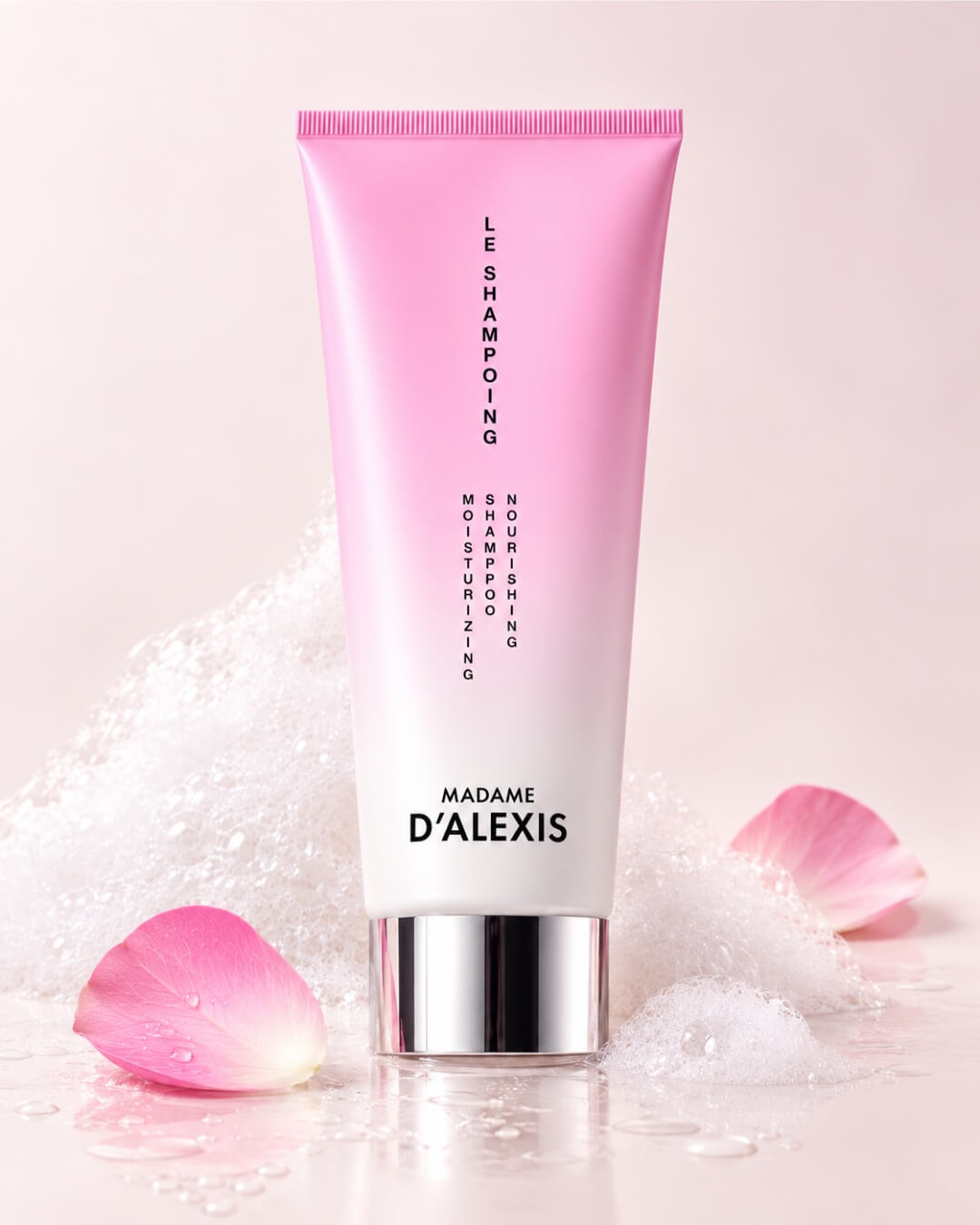
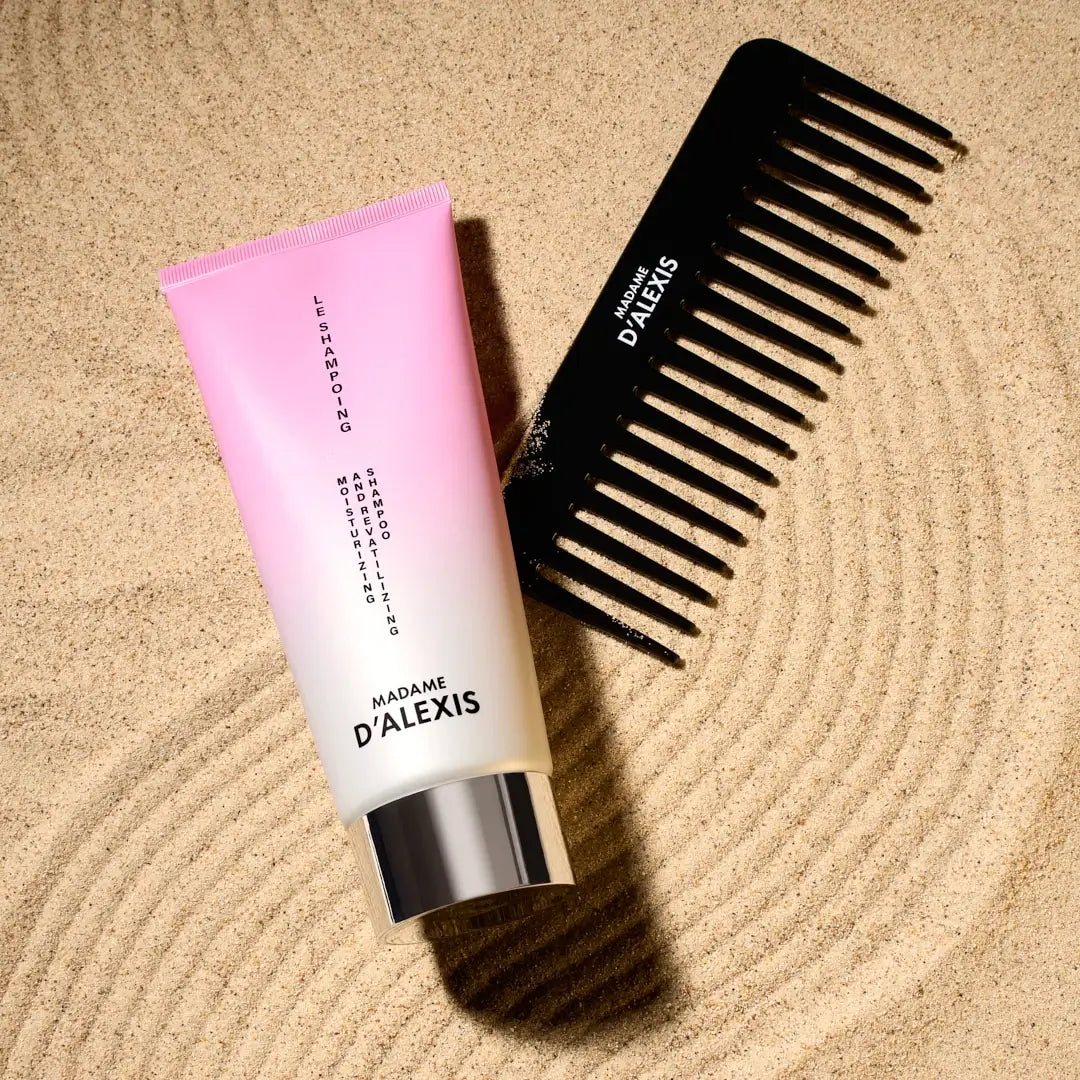
Choosing the right shampoo is crucial. It must cleanse without upsetting the balance. Sulfate-free formulas enriched with hydrolats or natural moisturizing agents respect the hydrolipidic film and prevent dehydration of the hair fiber.
Cationic hyaluronic acid is particularly interesting: it binds to the hair's keratin and strengthens the cohesion of the cuticles. It also improves flexibility and mechanical resistance, especially on fine or fragile hair.
Ideally, you should wash your hair two or three times a week, depending on your scalp type. Washing too often irritates the scalp and causes a vicious cycle of excess sebum production and weakening.
Step 3 – Nourish and protect the hair fiber
Once clean and moisturized, the fiber must be nourished to restore its natural strength.
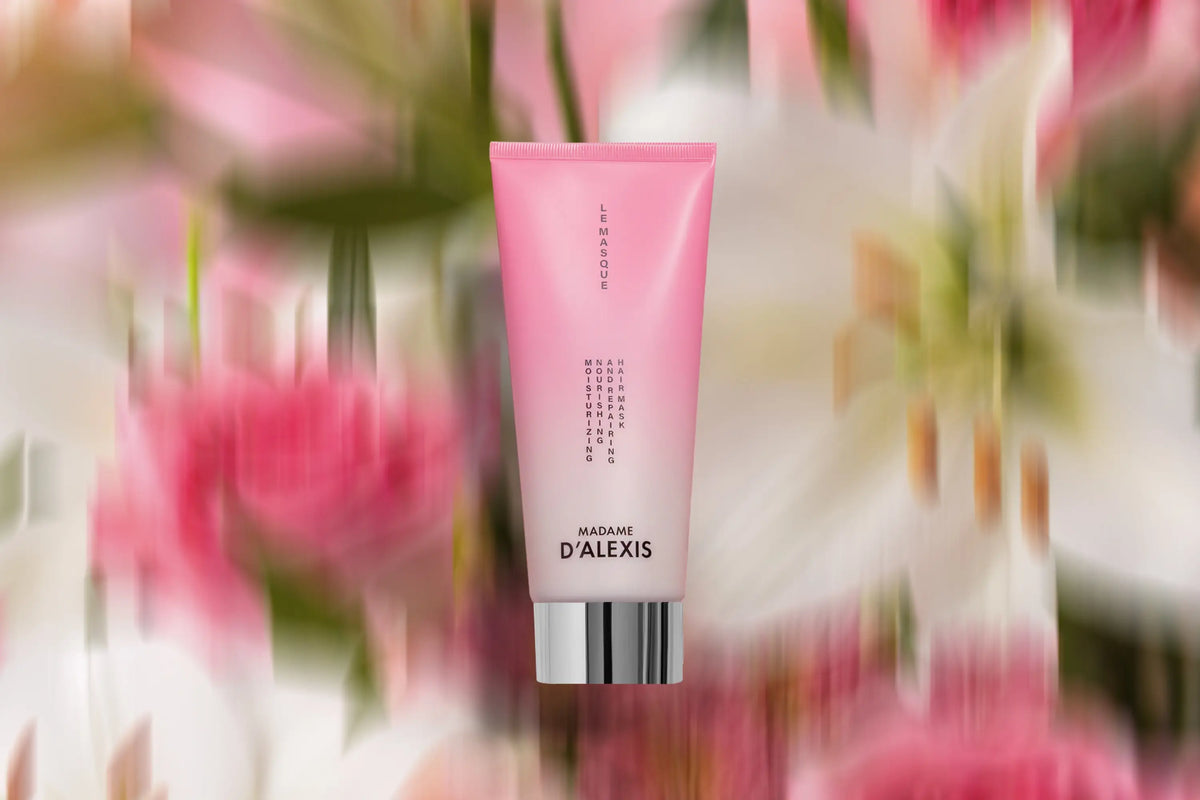
- Apply a strengthening mask once or twice a week to the lengths of your hair. Formulas based on plant oils, ceramides, or floral extracts strengthen the hair's internal cohesion.
- Protect hair from heat sources. A heat-protective treatment prevents keratin from breaking down.
- Adjust the frequency of care: fine hair will benefit from lighter textures, while thick or curly hair will benefit from richer products.
The key lies in consistency: a simple but regular routine is better than a series of one-off treatments.
Summary: An effective tonic is a synergy between care, nutrition, and regularity.
The keys to successful fortification
Strengthening hair requires a comprehensive approach:
- A regular hair care routine to stimulate, moisturize, and protect the hair fiber.
- Targeted nutritional supplements to nourish hair from the root.
- Natural ingredients rich in minerals, amino acids, and antioxidants.
Maintaining a healthy scalp is essential. That's where it all starts: a balanced scalp promotes growth, limits hair loss, and makes hair care more effective.
In summary
Strengthening your hair means restoring its balance and vitality without weighing it down. By combining precise techniques, gentle care, and natural active ingredients, you can achieve visible, long-lasting results. Products based on hydrosols and organic ingredients, such as Madame d'Alexis Night Serum, embody this philosophy: gently soothing, revitalizing, and strengthening.
It is this combination of rigor, naturalness, and consistency that, in my opinion, makes all the difference between hair that is simply maintained and hair that is truly transformed.
Quick FAQs about hair tonics
How long does it take to see the results of a fortifier?
The speed at which the effects of a hair tonic become apparent depends primarily on the hair's life cycle, which lasts between two and five years.
On average, it takessix to eight weeks to see the first signs of improvement, whether it's reduced breakage or thicker regrowth.
Optimal results generally appear afterthree months of regular use, which is the time it takes for the hair follicles to regenerate and the new hair fiber to strengthen.
It is essential to be patient: no fortifying product, however effective, can work instantly. Hair care products act on the surface and at the root, while dietary supplements strengthen the fiber as the hair grows.
It is the consistency of the ritual that determines success, not haste.
Can dietary supplements and hair care products be combined?
Absolutely. It's actually the most effective combination. Dietary supplements provide the nutrients needed for keratin production and promote hair bulb health from within.
Topical treatments, on the other hand, nourish and stimulate the scalp directly.
This dual internal and external action enables:
- to strengthen the resistance of the existing fiber;
- stimulate new hair growth;
- to maintain a healthy, well-hydrated, and oxygenated scalp.
I have seen, both personally and professionally, that a well-conducted treatment combined with high-quality fortifying care, particularly those based on floral hydrosols and natural active ingredients, produces visible and lasting results.
Are fortifying products suitable for fine or colored hair?
Yes, provided you choose the right products. Fine hair needs light, non-greasy care that strengthens the hair fiber without weighing it down.
Organic hydrosols (such as Damask rose or chamomile) andcationic hyaluronic acid are ideal: they moisturize and add volume while maintaining the hair's lightness.
For colored hair, natural fortifiers are preferable, as they contain no sulfates or silicones that could alter the color. They help prolong shine and preserve the integrity of the hair fiber, which is often weakened by repeated coloring.
Regardless of your hair type, strengthening hair relies on gentleness, consistency, and high-quality active ingredients that restore vitality without compromising the hair's natural balance.
What are the best hair tonics?
The best hair strengtheners are those that act on both the hair bulb and the surface fiber. They should combine B vitamins, zinc, biotin, keratin, and selenium, which are essential nutrients for the production of natural keratin. Strengthening dietary supplements promote hair density and strength, while hair care products directly nourish the scalp.
For fine hair, a light formula enriched with hydrolats or amino acids is ideal, while normal or thick hair can benefit from products richer in vegetable oils. Brewer's yeast, naturally concentrated in B vitamins and amino acids, remains a benchmark for strengthening hair mass and stimulating growth.
How can I stimulate hair growth?
To stimulate hair growth, you must first ensure that the hair bulb, the actual root of the hair, is healthy. A regular hair care routine, combining scalp massages and treatments based on natural active ingredients, promotes microcirculation and awakens the follicles.
Dietary supplements for hair, rich in amino acids, B vitamins, and zinc, support keratin production. In terms of diet, focus on foods rich in vitamins such as eggs, legumes, oily fish, and dried fruit. These nutrients work together to promote growth and maintain healthy hair.
How can hair loss be prevented?
Hair loss is often the result of an imbalance: oxidative stress, deficiencies, fatigue, or hormonal imbalance. To prevent hair loss, it is essential to act on the microcirculation of the scalp and strengthen the hair fiber's natural defenses.
Natural anti-hair loss treatments and active ingredients, such as nettle, oak, and licorice extracts, stimulate the roots and reduce inflammation. At the same time, a fortifying dietary supplement rich in zinc, selenium, and biotin protects the follicles against oxidative stress. This combined approach helps reduce hair loss and restore density to weakened hair.
Which ingredients are effective for hair?
Certain ingredients stand out for their scientifically proven effectiveness:
- Sulfur amino acids (cysteine, methionine) for keratin production.
- Essential B vitamins for growth and shine.
- Zinc and selenium to protect follicles from oxidative stress.
- Biotin and brewer's yeast to strengthen and thicken the hair fiber.
- Vegetable oils (jojoba, argan, coconut) to nourish and smooth the cuticle.
- Spirulina, rich in iron and protein, revitalizes the hair fiber.
These essential nutrients work together to strengthen the hair fiber, improve mechanical resistance, and restore the hair's natural shine.
What hair routine should you adopt?
Adopting a strengthening hair care routine involves balancing external care with a healthy lifestyle. Start with a gentle sulfate-free shampoo, followed by a nourishing mask or strengthening serum rich in hydrolats and amino acids.
In terms of lifestyle, a balanced diet and a hair supplement support growth from within. Hydration, stress reduction, and sleep are just as essential. An effective routine is not about using an abundance of products, but rather about regularity and consistency in the care you choose based on your hair type.
What are the effects of dietary supplements?
A fortifying dietary supplement acts over time, nourishing the root and promoting hair fiber synthesis. After a few weeks, you will notice:
- a reduction in hair loss;
- improved fiber strength;
- faster and denser growth;
- improved shine and suppleness.
These supplements, containing B vitamins, amino acids, zinc, or brewer's yeast, stimulate hair growth naturally and gradually. Visible results generally appear after two to three months of treatment.
How can you improve the health of your hair?
Improving hair health requires a holistic approach. A balanced lifestyle, a nutrient-rich diet, and natural hair care products can restore vitality and suppleness to the hair.
Vitamins, minerals, and plant proteins are essential for strong hair fibers. A clean, well-hydrated scalp that is protected from oxidative stress is the foundation for strong, shiny hair. Combining a tailored routine with a hair fortifier rich in botanical active ingredients optimizes results over the long term.
What are the benefits of brewer's yeast?
Brewer's yeast is one of the most popular dietary supplements for beautiful hair. Naturally rich in B vitamins, proteins, and essential amino acids, it supports keratin production and improves hair health.
Its main benefits:
- Strengthens hair fibers and reduces breakage.
- Stimulates hair growth and density.
- Promotes natural shine and radiance.
- Also improves nail and skin health.
Brewer's yeast acts as a natural fortifier that is both economical and effective, especially when combined with a skincare routine rich in moisturizing and nourishing ingredients.