Advice
Should you moisturize your hair every day?
Should you moisturize your hair every day? Find out when, how and with which light care products to maintain daily hydration, preserve shine, suppleness and long-lasting hair health more

Moisturizing your hair every day: five truths to remember
- Lightweight products prevent hair from becoming weighed down when moisturizing it every day.
- A moisturizing + lipid duo stabilizes your hair's moisture levels for longer than a single agent.
- Adjust your hair care routine as soon as your scalp becomes oily or remains dry after 24 hours.
- Vary the frequency of washing according to the season and UV exposure to maintain daily hydration.
- Regularly check the appearance, texture, suppleness, and shine: only these indicators confirm that you are maintaining healthy hair.

Understanding hair hydration
Difference between moisturizing and nourishing the hair fiber
Hydrating means restoring water to the heart of the cortex; nourishing means sealing this water behind a protective lipid film. Imagine a glass of ice water: hydration fills the glass, nutrition puts a tight-fitting lid on it.
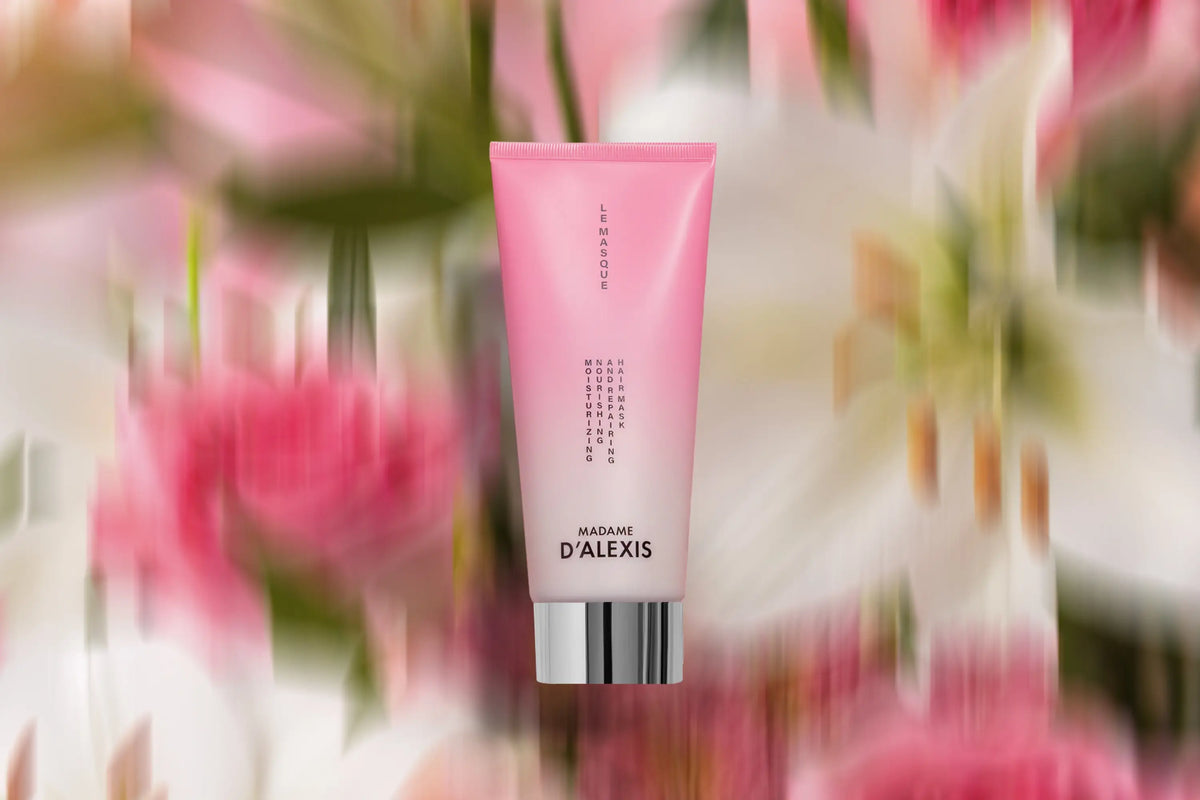
Alexis' Masque Madame, rich in hydrolats and plant ceramides, combines these two actions precisely: it diffuses moisturizing molecules into the center of the fiber, then seals them in under a light veil of precious oils to prevent evaporation.
Role of water, sebum, and fatty substances in the cuticle
The cuticle, the translucent scales that cover each strand of hair, depends on a delicate balance between water molecules, natural sebum, and external lipids. Without this combination, the scales spread apart, light is scattered, and the fiber becomes dull.
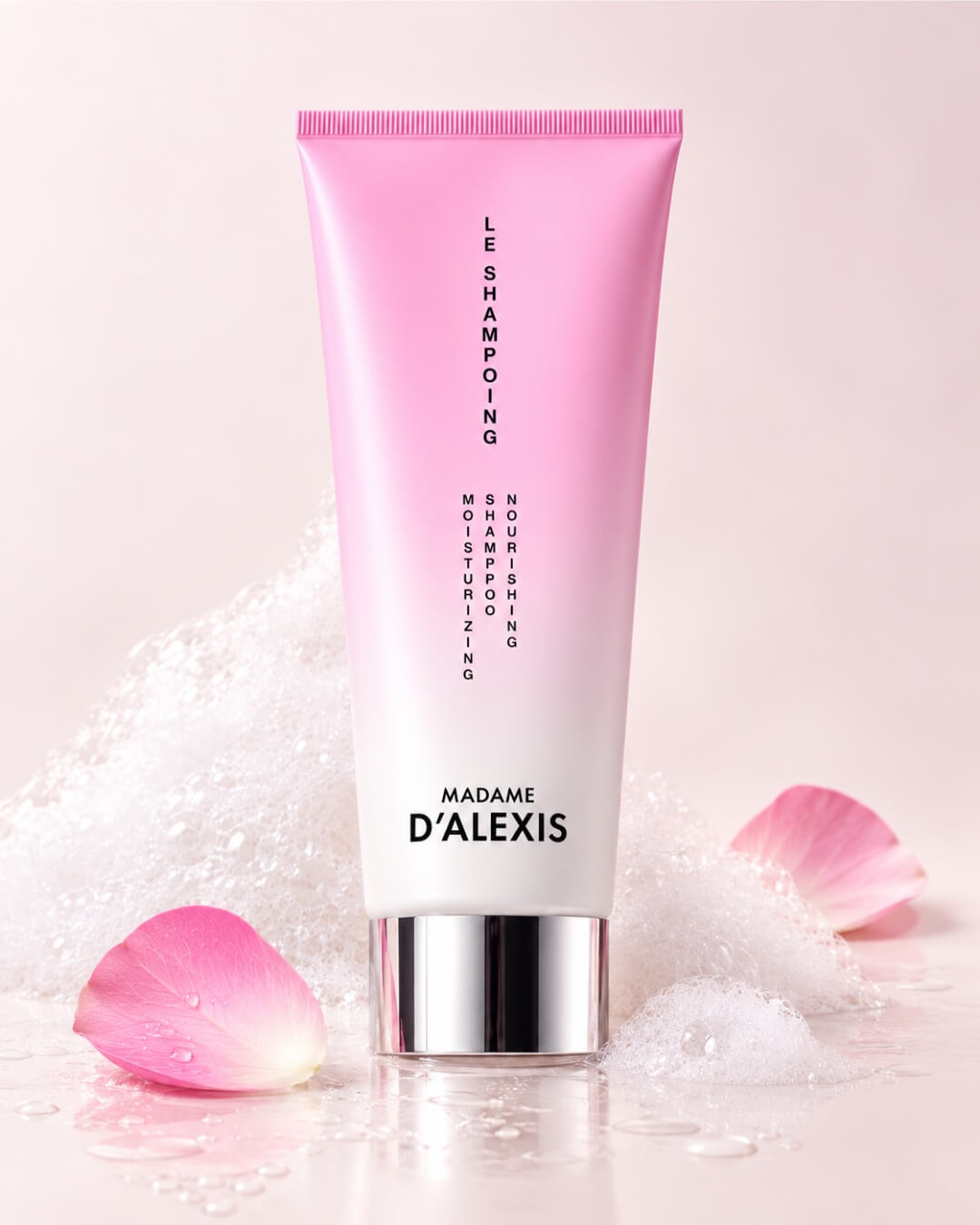
Madame d'Alexis Shampoo, formulated with rose hydrosol and cationic hyaluronic acid, restores this hydrolipidic film as soon as it is washed, while respecting the microflora of the scalp.
What are the signs of dehydrated hair: dryness, frizz, lack of shine
Some clues are unmistakable:
- rough texture to the touch;
- stubborn frizz even in dry weather;
-
no reflections and no mirror effect;
- split ends that split prematurely.
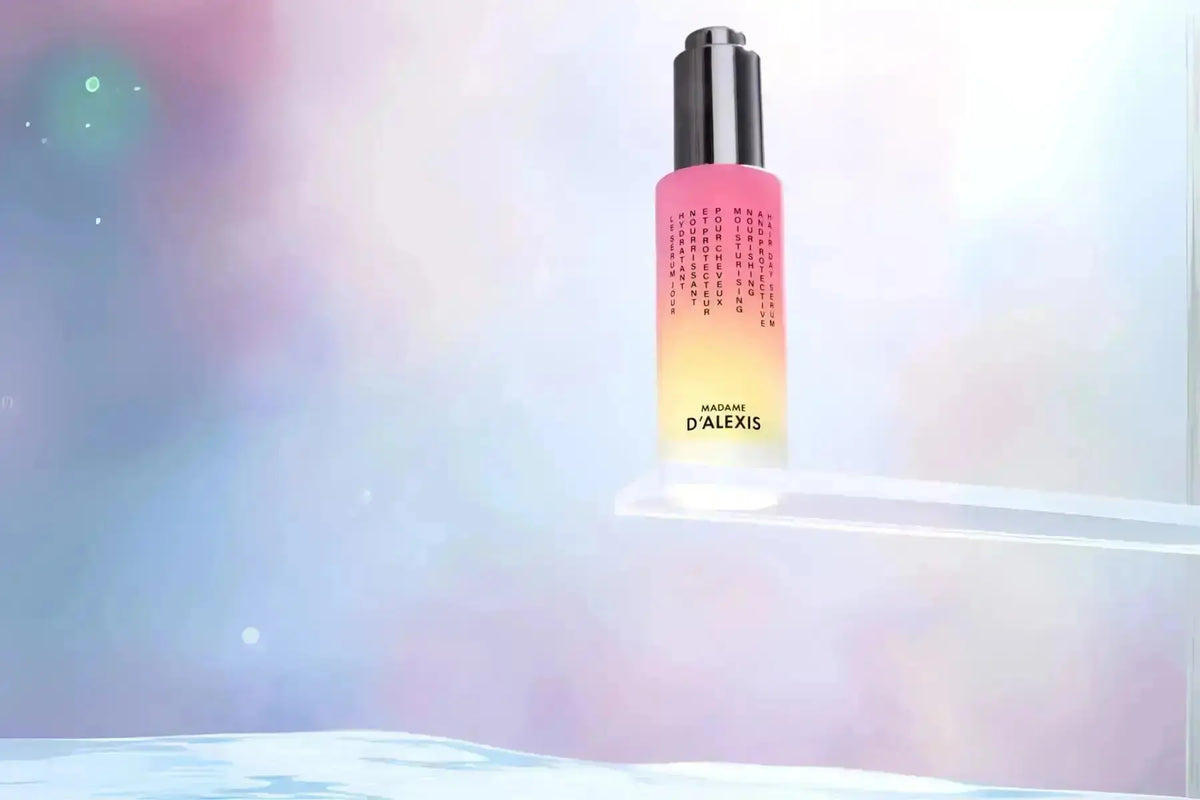
When these symptoms appear, a daily routine becomes essential: three drops of Alexis' Madame Day Serum instantly smooth the cuticle while capturing ambient moisture, thanks to the essential orange blossom wax it contains.
Specific features: dry, curly, frizzy, coarse, fine, colored hair
Each hair type reacts differently:
- Fine hair quickly becomes weighed down; it benefits from a light aloe spray.
- Naturally porous, frizzy hair requires weekly oil treatments to lock in moisture.
- Curls easily lose their definition; a nighttime veil of Night Serum preserves their bounce until morning.
- Colored hair, weakened by oxidation, benefits from a lukewarm rinse followed by a sulfate-free moisturizing mask to prolong its shine.

Can you really moisturize your hair every day?
Every morning, the coastal mist blows through my hair, reminding me that well-hydrated fibers capture ambient moisture without ever dripping.
The question, then, is not whether the daily gesture is possible, but rather to understand the conditions that make it desirable.
Factors to consider: hair type, climate, heat, sebum production
- Straight or fine hair absorbs little; a light spray of hydrosol is sufficient.
- Curly and frizzy hair has natural porosity; it requires continuous moisture and then a protective lipid film.
- Dry climate, indoor heating, and solar radiation accelerate evaporation.
Risks of excessive hydration: heavy roots, excess product
Excessive water causes the cortex to swell and then relax, a phenomenon known as hygroscopic fatigue. The fiber becomes soft, dull, and sometimes sticky.
It is better to use continuously diffused formulas such asDay Serum, three drops warmed in the palm of your hand, rather than a mask left on permanently.
Special cases: dry scalp vs. oily hair
- Dry scalp: micro-flaking and tightness. TheNight Serum delivers prebiotics and cationic hyaluronic acid to restore comfort without leaving any residue.
- Oily hair: shiny roots by evening. A weekly scrub with Alexis' Scrub Madame purges impurities and boosts microcirculation, allowing for targeted hydration along the lengths.
Determine if your hair needs daily hydration
Before adding a new bottle to your vanity, observe the material and listen to its silent language.
Porosity test and observation of the hair fiber
- Place a clean strand of hair in a glass of water.
- It floats for a long time: low porosity, tight cuticle, light hydration.
-
It sinks in immediately: high porosity, open cuticles, needs a regenerating mask such asLe Masque Madame by Alexis to fill in the gaps.
- It stagnates in the middle: natural balance; simply maintain it.
Self-diagnostic routine: feel, elasticity, drying time
Every week, run your fingers from root to tip. The surface should feel silky smooth, the strand should stretch and then return to its original shape, and drying time should not exceed one hour in the open air. If any of these indicators are not met, adjust the amount of moisture you apply with care: healthy hair only needs what it actually requires.
The ideal hair care routine for moisturizing hair according to frequency
Each fiber has its own rhythm; the art lies in listening to it without ever saturating it. I have seen opulent manes reborn simply by reorganizing three appointments with water and lipids.
Daily routine (light spray: aloe vera, glycerin, water)
A microfine mist at dawn is enough to quench your thirst without weighing you down. Prepare a homemade mist with equal parts aloe hydrosol, vegetable glycerin, and filtered water, then store it in the refrigerator to wake up your complexion.
- Spray from a distance of 30 centimeters to distribute evenly.
- Paint with a natural bristle brush to guide the micro-droplets along the fiber.
Application: LOC or LCO method, absorbent pad and open air
The LOC (Liquid, Oil, Cream) method locks in moisture with a layer of jojoba oil followed by a light cream; the LCO variant favors oil last for fine hair.
After each session, pat dry with a microfiber towel; this keeps the cuticle closed and frizz at bay. Then let your hair air dry: artificial heat disrupts the moisture balance in less than ten minutes.
Biweekly routine: moisturizing mask, leave-in conditioner, hair day cream
Two evenings a week, treat your hair to an emollient mask made with plant-based ceramides. Rinse with lukewarm water, gently squeeze out excess water, then apply a leave-in fluid enriched with hyaluronic acid.
The next morning, a small amount of day cream reactivates suppleness without the need to rinse.
Weekly routine: castor oil or coconut oil bath, shea butter, scalp massage
On Sundays, massage your scalp with a warm mixture of castor oil and coconut oil to stimulate microcirculation. Leave on for an hour under a heated cap. Rinse with a mild shampoo and finish by rubbing melted shea butter between your palms and applying it to the lengths of your hair.

The best moisturizing products and natural ingredients for hair
The quest for lasting hair hydration begins with a selection of premium active ingredients and precisely formulated treatments. I like to compare this step to choosing a haute couture wardrobe: each piece must serve a purpose, enhance the material, and withstand the seasons without losing its elegance.
Humectants: honey, hyaluronic acid, aloe
Humectants act like a winter garden, capturing dew and delivering it to the heart of the fiber.
- Raw honey, rich in enzymes and antioxidants, retains water while protecting keratin from a phenomenon called glycation.
- Low molecular weight hyaluronic acid acts as an intrafibrillar water cushion; it temporarily increases the diameter of the hair, giving it subtle but visible volume.
- Aloe vera, meanwhile, contains polysaccharides that soothe the scalp and improve comb glide, a valuable advantage for detangling without breakage.
These humectants feature prominently in homemade formulas; fresh aloe gel mixed with two drops of vegetable glycerin becomes, in just a minute, an ideal shine-reviving spray for use between shampoos.
Emollients: light vegetable oils, shea butter
Once the water has been captured, it must be prevented from evaporating; this is where emollients come into play.
- Grape seed oil, which is light and almost dry, enhances shine without weighing down straight or colored hair.
- Sacha inchi oil, rich in omega-3, is ideal for curly hair in need of softness.
- Shea butter, which is denser, provides a perfect occlusive barrier for tight curls and damaged ends; melted between the palms, it transforms into a melting balm and redefines the hair's curvature.
However, avoid mineral oils, which, although shiny, form an impermeable film and prevent water-based products from penetrating.
Gentle film-forming agents to seal moisture into your hair
The final step is almost like high jewelry: applying an invisible glove that locks in moisture without suffocating the fiber.
- Sugar esters create a breathable micro-mesh that reduces transcutaneous water loss.
- Orange blossom essential wax adds a delicate sensory note and leaves hair supple, never stiff.
This combination of humectant, emollient, and film-forming agent forms the winning trio for long-lasting hydration.
For those who want a complete ritual, I have put together five iconic products below, each one an expert in its category; they form a perfectly synergistic routine, from protective cleansing to regenerating night care.
MDA PRODUCT CAROUSEL
Madame d'Alexis essentials for natural and effective hydration
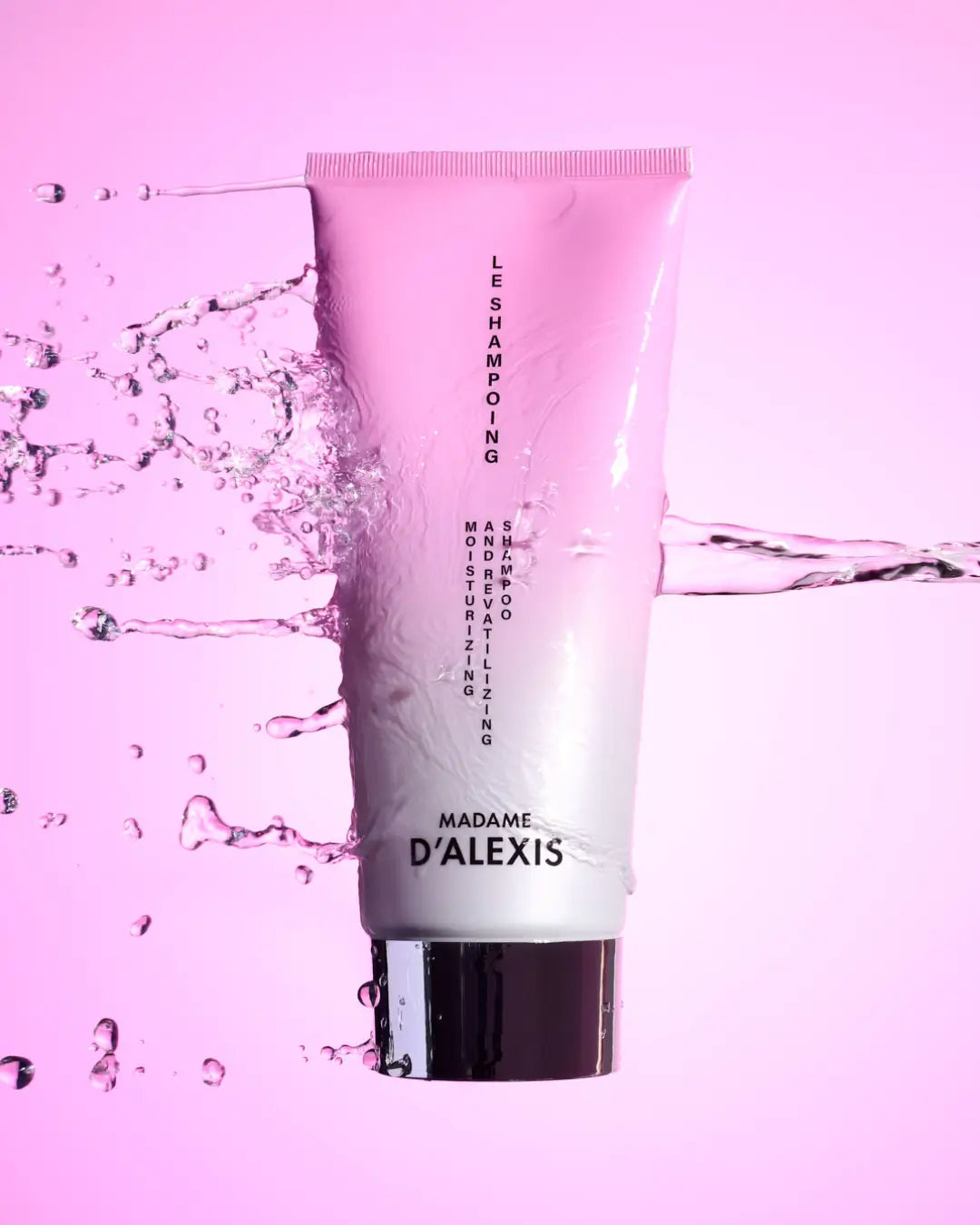
Madame d’Alexis Moisturizing Shampoo
- 98% natural
- Organic floral waters
- Hyaluronic acid & plant keratin
€39
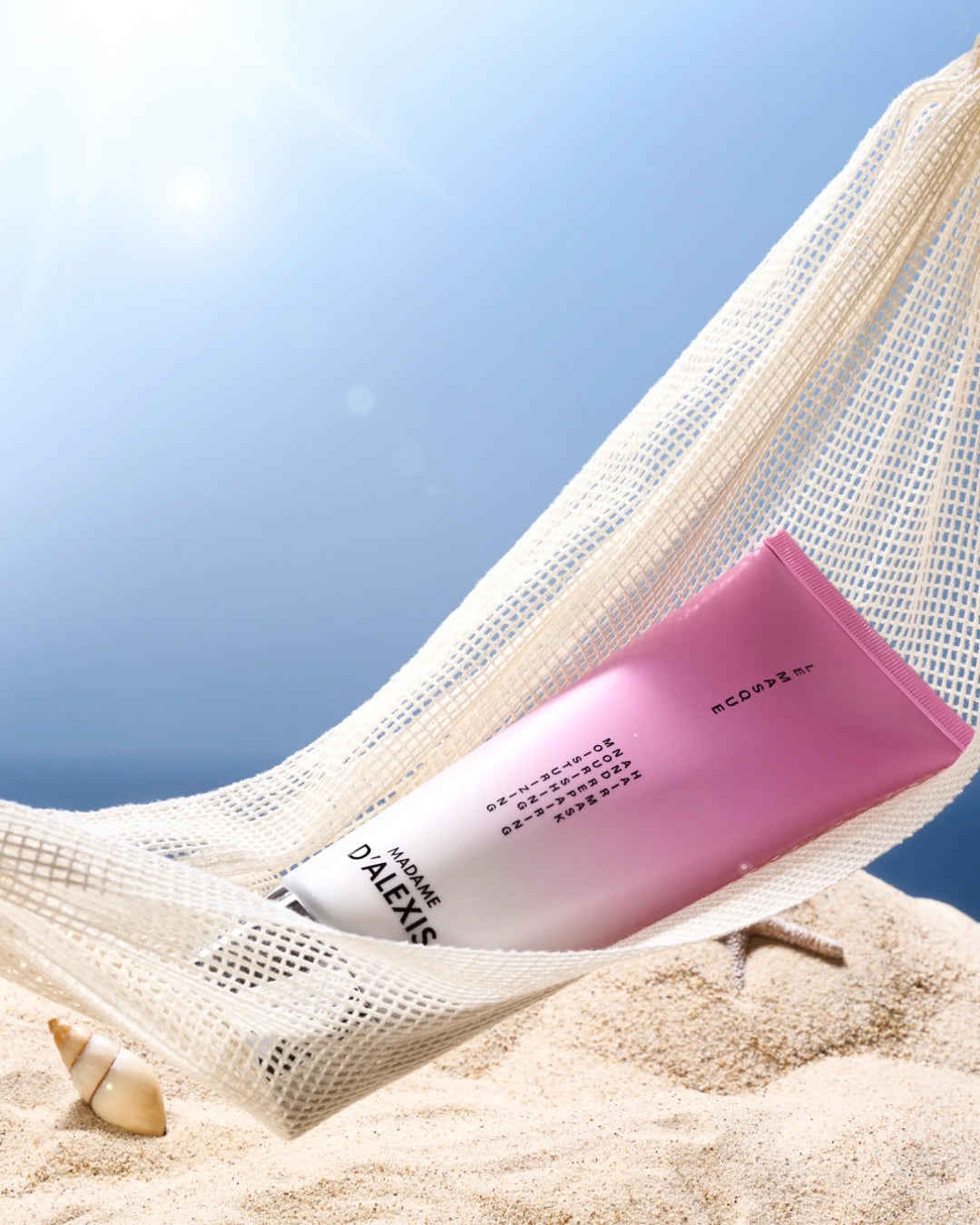
Madame d’Alexis Hydrating Mask
- 97% natural, water-free
- Plant ceramides
- Nourishing hyaluronic acid
€53
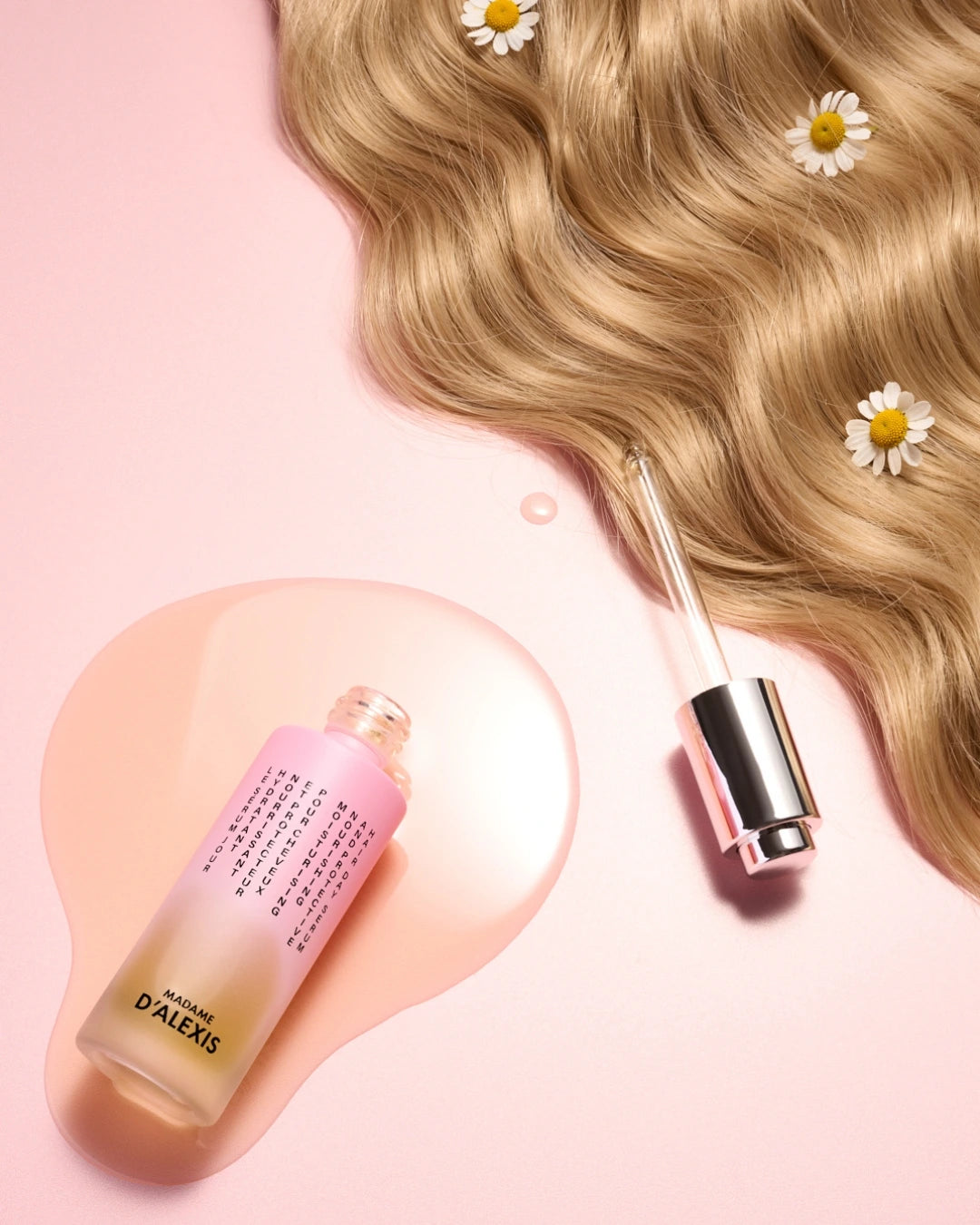
Madame d’Alexis Moisturizing & Protective Day Serum
- 99% natural
- Heat protector & anti-frizz
- Fine oils, light moisturizing film
€35
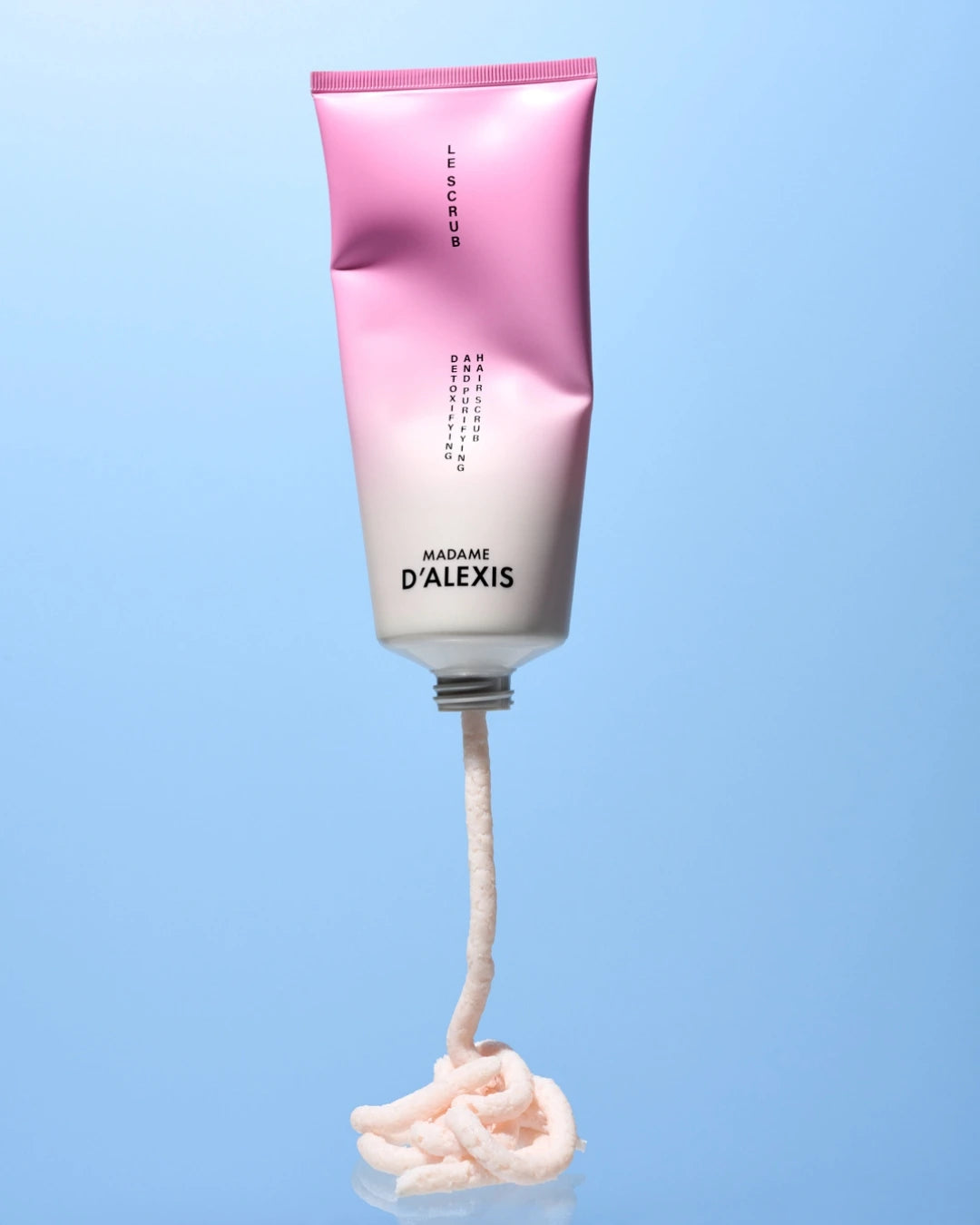
Madame d’Alexis detox scrub
- 97% natural
- Exfoliating sea salt
- Soothing hydrosols & AH
€42
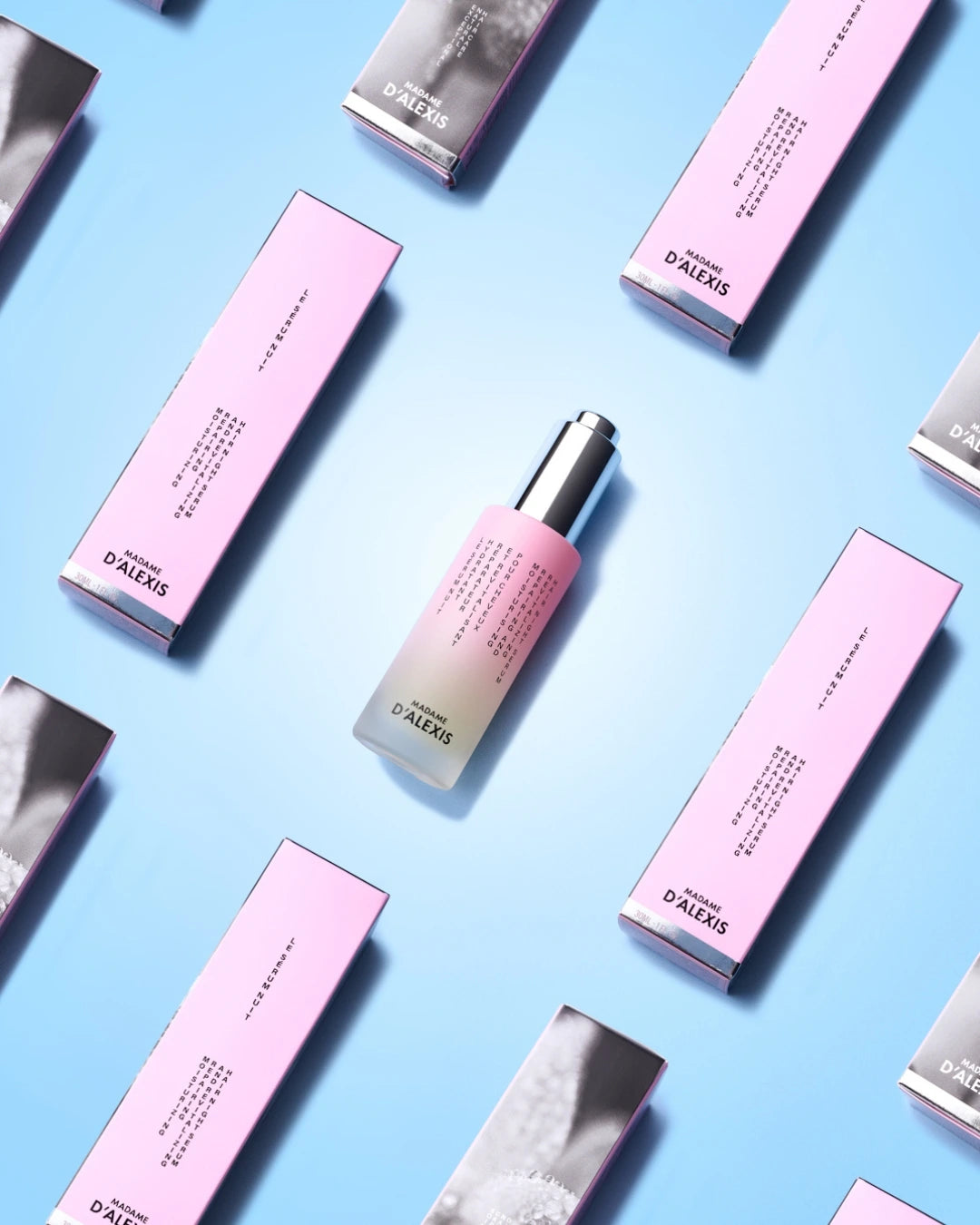
Madame d’Alexis Night Serum
- 98% natural
- Regenerating probiotics
- Deep hydration & growth
€35
Best practices for keeping hair healthy and well hydrated
Avoid harsh sulfates; opt for a gentle shampoo.
Sulfated surfactants, prized for their abundant lather, weaken the cuticle; eventually, water escapes faster than it enters.
A gentle shampoo, formulated without lauryl or laureth sulfate, cleanses while respecting the natural hydrolipidic film. I like to compare this difference to a silk glove versus a horsehair glove: the former polishes, the latter scratches.
For sensitive scalps, choose a cleansing base with a physiological pH enriched with amino acids or sucroesters derived from cane sugar. The result: hair moisture is preserved, color is less dull, and hair feels softer.
Thermal protection, UV protection, wind protection, pollution protection
The sun, hair dryers, and urban breezes all share one flaw: they oxidize keratin. A recent study highlights that daily exposure to UVB rays for one hour reduces the mechanical strength of hair fibers by 25%. Three steps are all it takes:
- Apply a leave-on treatment containing UV filters and antioxidants.
- Lower the temperature of heated tools below 180°C.
- Wear a silk scarf on dry, windy days to limit evaporation.
These touches, while elegant, remain discreet; they affirm a vision of luxury: protect before repair.
Hair washing frequency and sebum-moisture balance
I recommend washing fine hair every other day, medium-textured hair three times a week, and tight curls once a week.
Sebum, often criticized, remains the best water-repellent barrier; spacing out shampooing allows natural lipids to lubricate the hair shaft. Between washes, a spritz of aloe vera reactivates shine without weighing hair down.

Quick FAQs about hair hydration
Can I apply moisturizer every day?
Absolutely, if the formula is based on humectants and is free from heavy silicones. Low molecular weight hyaluronic acid attracts water to the cortex, while jojoba oil, which is similar to human sebum, creates a discreet shield.
Apply a small amount to towel-dried hair; comb through to distribute, then apply light pressure with your palms. The gesture is quick, but it ensures lasting shine.
How can I tell if I am over-moisturizing my hair?
The surest sign appears during drying: a wick saturated with water takes more than two hours to evaporate in the open air and relaxes like a wet ribbon.
This phenomenon, known as hygral fatigue, occurs when the cuticle expands and then shrinks repeatedly. To reduce its frequency, use masks less often, rinse your hair with cold apple cider vinegar, and use protein-based hair care products once every two weeks to restore tone and bounce.
What is the difference between nourishing your hair and moisturizing it?
Moisturizing is like loosening the weave of a fabric to slip in droplets, while nourishing is like sewing in a thread of gold to prevent these pearls from escaping.
Humectants such as glycerin, aloe, and honey attract water, while fatty substances, vegetable oils, butters, and ceramides seal it in. Depriving the fiber of either is like exposing a garden to the sun without installing a watering system or protective mulch.
Should you moisturize your hair every day?
Daily moisturizing is suitable if you use light products: aloe mist, water-based gel, or leave-in conditioner. For very porous hair or hair exposed to the sun, moisturizing your hair every day helps maintain daily hydration and keeps your hair healthy.
A scalp with normal sebum production will benefit from washing every other day to avoid saturating the hair fiber.
What is the difference between moisturizing and nourishing?
Hydrate or nourish? Hydration and nutrition fulfill two distinct roles: the former provides water, while the latter seals in that water with lipids. Ignoring this difference leads to dry hair, as the water evaporates and the hair becomes fragile, even deep down. The best practice is to alternate between hydration and nutrition.
How to properly moisturize your hair?
To truly hydrate your hair, use a weekly moisturizing mask, followed by a castor oil or shea butter treatment. Curly and frizzy hair benefits from a glycerin-rich leave-in conditioner; moisturizing products should be free of heavy silicones to prevent buildup.
What products should you use to moisturize?
Choose targeted products: a nourishing coconut oil mask, a gentle shampoo enriched with vegetable glycerin, and a light daily hair cream. This trio keeps hair soft without making it greasy.
How can you avoid dry hair?
Moisturize hair from the roots, correct mistakes to avoid (water that is too hot, blow drying at high heat) and soothe a dry scalp to prevent dehydration. Nourish hair with a few drops of vegetable oil to protect the moisture in the hair fiber.
What is the ideal hair care routine?
A balanced hair care routine alternates between hydration and nutrition: a rich hair mask once a week, leave-in hair care on other days, and appropriate washing frequency. This routine guarantees healthy hair.
How can I tell if my hair is hydrated?
Observe the appearance: a shiny surface reflects light. Feel the texture: softness and bounce indicate well-hydrated hair. Dehydrated hair appears dull and rough, lacks elasticity, and breaks easily.