Advice
Care for Fine Hair: Thicken, Moisturize, and Add Volume
Fine hair care: diagnosis, lightweight products, volume gestures and targeted nutrition to densify, protect and enhance fiber every day.

Fine hair care: five things you need to know
- Care for fine hair begins with measuring diameter and density; a simple gauge test guides the entire program.
- Choose lightweightproducts for fine hair —plant-based proteins and micro-hyaluronic acid—to strengthen without weighing it down.
- Adding volume is part of caring for fine hair: drying your hair upside down, using texturizing spray and light mousse.
- A nighttime ritual is part of the fine hair care routine: thickening serum to stimulate growth and repair the cuticle.
- Your diet complements your fine hair care routine: sulfur amino acids and zinc strengthen the hair fiber from within.

Fine hair can be recognized by its average diameter of less than 0.06 mm. This biological characteristic makes it light but also fragile: it has a thinner cuticle, less dense cortex, and reduced mechanical resistance.
The result: a lack of body, a loss of hold, and an increased tendency to knot. Experts note that 35% of French women report suffering from "flat" hair.
To overcome this challenge, the routine must be approached like a facial treatment: precise diagnosis, selection of targeted active ingredients, gentle movements, and products formulated to never saturate the fiber.
The method outlined below is based on four key points: understanding the cause of thinning hair, avoiding maintenance mistakes, using thickening active ingredients, and choosing professional formulas with a light texture.
Understanding fine hair fiber and fine hair
Why is my hair so fine?
- Genetics: Hair diameter is determined during fetal life. Natural blondes often have the thinnest hair fibers.
- Hormones: Changes in estrogen levels (post-pregnancy, menopause) influence the anagen phase and reduce thickness.
- Age: each decade causes a loss of approximately 10% density.
- Deficiencies: iron, zinc, and vitamin B8 deficiency weakens the bulb.
-
Environmental factors: UV rays, hard water, and pollution oxidize keratin, accentuating thinness.
A trichological study reveals that fine hair has 20% fewer cortical cells than normal hair, explaining its lower elasticity.
Mistakes that weigh down or weaken fine hair
- Sulfate shampoos: they strip away essential lipids, causing the hair fiber to become dehydrated and break.
- Heavy silicones: they artificially smooth the hair, but it becomes limp by the second day.
- Excess oil: thick oil baths or rich masks that are not rinsed off leave an occlusive film.
- Direct heat: blow drying at temperatures above 180°C destroys disulfide bonds and breaks the fiber.
- Accessories that are too tight: thin elastic bands or metal clips create a point of tension and promote traction loss.
Expert tip: Wash your hair with lukewarm water, massage your scalp with your fingertips to stimulate microcirculation, then rinse thoroughly to remove any residue that might weigh your hair down. If your fine hair is also fluffy, check out our guide.

Fine hair: personalized diagnosis to identify your hair type
A reliable diagnosis begins with a cross-examination of diameter and density. Fine hair with a diameter of less than 0.06 mm retains a regular distribution, but its reduced cross-section limits volume.
Thinning hair reveals widened partings and a visible scalp: density then falls below 150 fibers/cm². This distinction guides the routine: thickening the fiber on one side, stimulating regrowth on the other.
Common profiles of fine hair
- Fine, oily hair: roots appear shiny the day after washing.
- Fine, dry hair: eroded cuticle, rough texture.
- Fine, brittle hair: micro-cracks, fragile elasticity.
- Sensitive fine hair: repeated bleaching or straightening.
- Fine colored hair: high porosity, dull highlights.
- Fine curly hair: poorly defined waves, uneven volume.
What care is needed for fine hair?
| Fine hair + | Priority need | Key asset |
|---|---|---|
| Fat | Gentle purification | Zinc PCA |
| Dry | Light nutrition | Jojoba oil |
| Brittle | Internal reinforcement | Hydrolyzed keratin |
| Aware | Targeted repair | Biomimetic ceramides |
| Colorful | Chromatic protection | Antioxidants |
| Curly | Aerial definition | Aloe vera |
Special cases to consider when choosing a product for fine hair
- Reactive scalp: soothing niacinamide, less frequent washing.
- XXL lengths: condition only mid-lengths to ends.
- Fine curls: glycerin + light proteins blend to preserve bounce.

Care for fine hair: key active ingredients and formulations to thicken without weighing down
Thickening without weighing down requires miniature molecules capable of nestling between the scales. Laboratories are now focusing on biomimetic complexes that coat, moisturize, and protect in a single step.
- Hydrolyzed vegetable proteins (wheat, rice): flexible mesh, apparent diameter +10% after three uses.
- Panthenol: water retention in the cuticle, increased tensile strength.
- Pullulan and tara gum: flexible, imperceptible film with no sticky residue.
- Low molecular weight hyaluronic acid: plumps, leaves roots feeling light.
- Caffeine, biotin, copper peptides: microcirculation boosted, anagen phase prolonged.
- Vitamin E, green tea extract: antioxidant shield against UV rays and pollution.
Ideal formulation for fine hair care
- Water-based formula with a pH of 5.5, free from harsh sulfates.
- Agents conditionnants faiblement chargés, silicones volatils < 2 %.
- Cellulose polymers for lasting volume, no cardboard effect.
Tip for fine hair: spray on a volumizing spray before drying, with your head tilted forward, then seal the ends with a dab of light mousse. During a backstage session, I saw this simple combination transform lifeless hair into a manageable cloud, proving that with the right ingredients, the delicacy of fine hair can finally become an asset.
Hair care routine for fine hair: steps & frequency
Lightening without neglecting is the guiding principle behind an effective routine for fine hair. Each step aims to preserve the reduced diameter of the hair fiber while providing lift and flexibility, a balance comparable to that of a gel-cream day cream on combination skin.
Cleaning fine hair
- Frequency: 1 to 3 washes per week, never more than that so as not to damage the fragile cortex.
- Formula: volumizing shampoo, mild surfactants, physiological pH.
- Variation: alternate between a special volume shampoo free of sulfates and silicones— Pureology Pure Volume is the archetype—and an ultra-light micellar cleanser.
- Tip: a cloud of dry shampoo, applied from a distance of 15 centimeters, extends the time between washes and keeps roots looking fresh. A reminder from a backstage session: on a Parisian catwalk, this quick fix saved an airy updo threatened by the heat of the spotlights.
Deep conditioning for fine hair
- Weekly: hair mask packed with plant extracts (bamboo, brewer's yeast); leave on for ten minutes, rinse with warm water, then finish with cold water to tighten the cuticle.
- Twice a year: anti-hair loss treatment with peptides or Ayurvedic infusion (amla, bhringaraj) to stimulate the hair bulb and thicken the hair structure. Consistency is key: two three-week cycles are enough to see a reduction in hair breakage.
Enhance and protect fine hair
- Before blow-drying: alcohol-free texturizing spray enriched with rice proteins, followed by a light heat-protective veil.
- Styling: Air-whip mousse whipped like whipped cream; volumizing powder applied to the roots for an instant push-up effect.
- Sun exposure: UV mist with encapsulated filters; prevents melanin oxidation and keeps light strands looking bright.

Hairstyling techniques to boost the volume of fine hair
The volume of fine hair depends as much on technique as on product. Skillful use of air, heat, and movement transforms a slender fiber into an airy structure. Remember: a quick upside-down blow dry, spotted in a salon in Saint-Germain, transformed a dull cut into a dynamic cascade in just five minutes.
- Drying upside down: wrap your hair around the round brush, direct the airflow 15 cm away to lift the roots without burning the cuticle.
- Targeted backcombing: lightly tease the roots of the top sections; fix with a light mist of hairspray for guaranteed hold without a cardboard effect.
- Light wave: 25 mm iron, temperature limited to 170°C; S-shaped waves that amplify the reflective surface, thereby increasing the perception of density.
- Suitable cut: straight mid-length bob, or subtle layers at the ends to create a full line without weighing it down.
By combining these precise movements with gentle care, fine hair gains body without sacrificing its natural look. It's a daily routine that requires attention, but the reward is lasting volume that stands up to the light.
Care for fine hair: how to use Madame d'Alexis fine hair care products?
An effective "fine hair care" protocol combines respect for the hair fiber, scalp balance, and continuous protection. Madame d'Alexis' water-free formulas, all infused with certified organic hydrosols and biotechnological active ingredients, nourish without weighing hair down.
Prepare the scalp
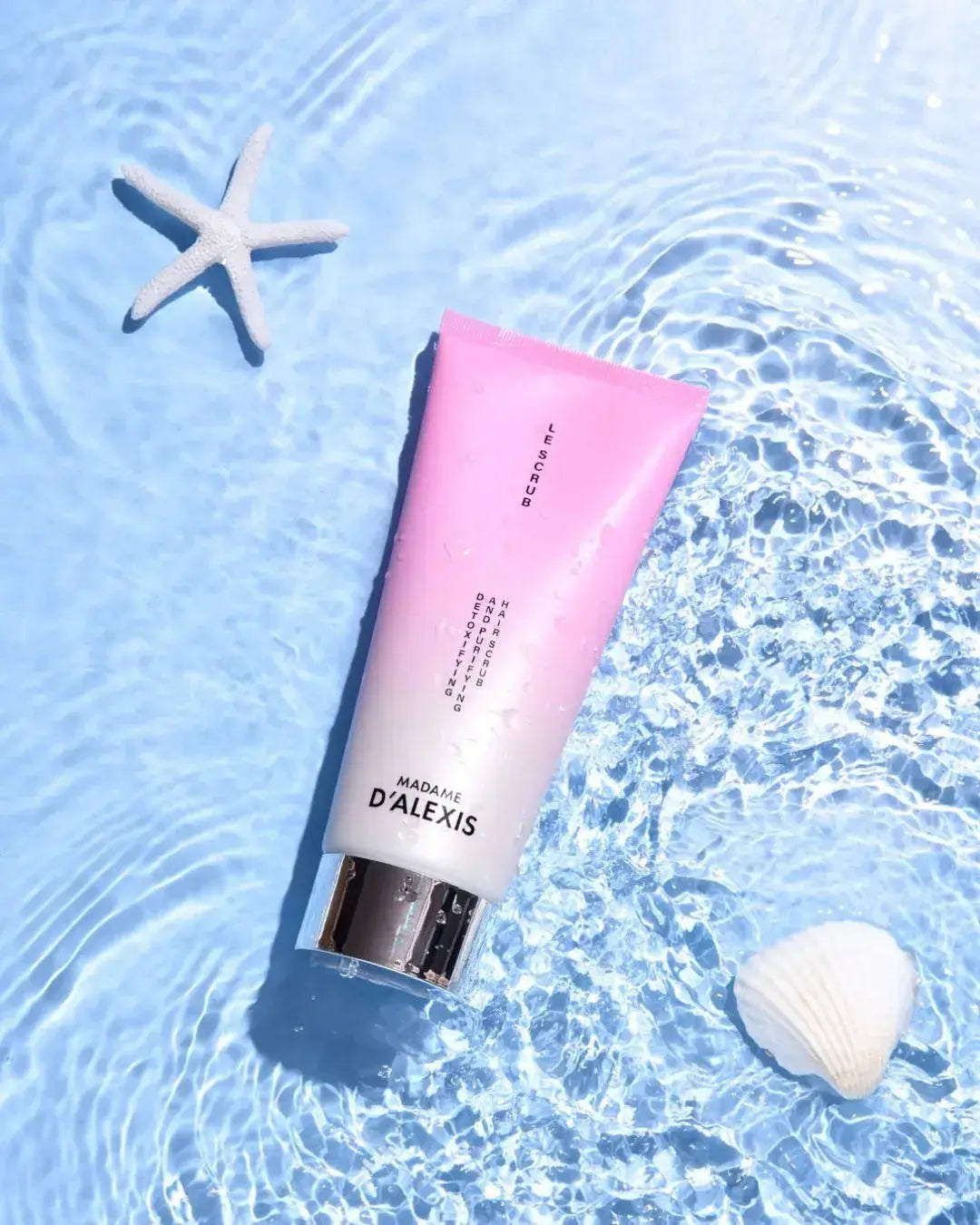
Detoxifying and Purifying Scrub
- Exfoliating fleur de sel: frees roots from styling residue.
- Rose, chamomile, and orange blossom hydrosols: soothe micro-irritations.
- Cationic hyaluronic acid: moisturizes during massage.
Clean without weighing down
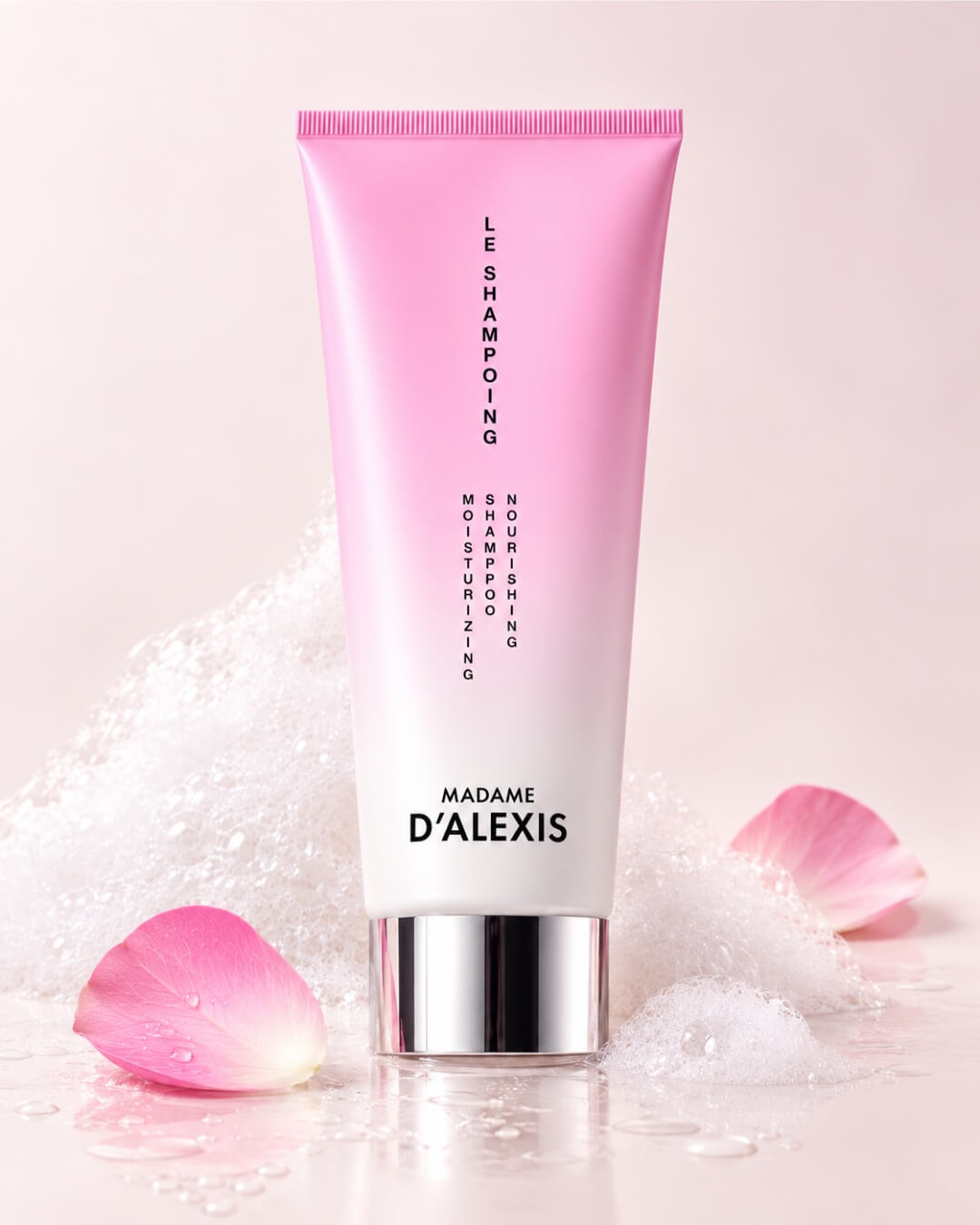
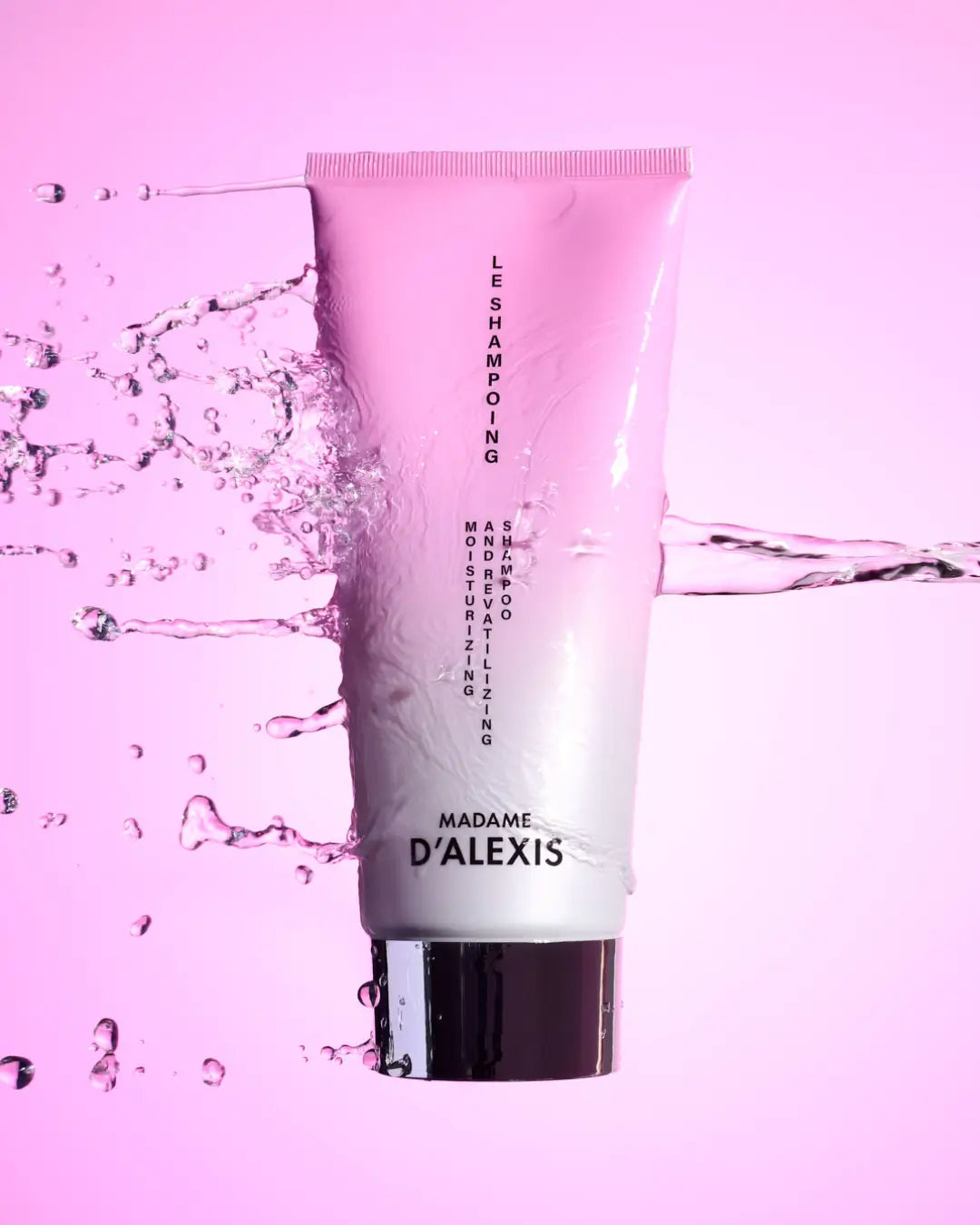
Moisturizing and revitalizing shampoo
- Mild plant-based surfactants: fine lather, rinses off quickly.
- Prebiotics: support the microbiome, key to healthy growth.
- Plant-based keratin + hyaluronic acid: fill in micro-breaks and plump up the hair fiber.
Deeply regenerate
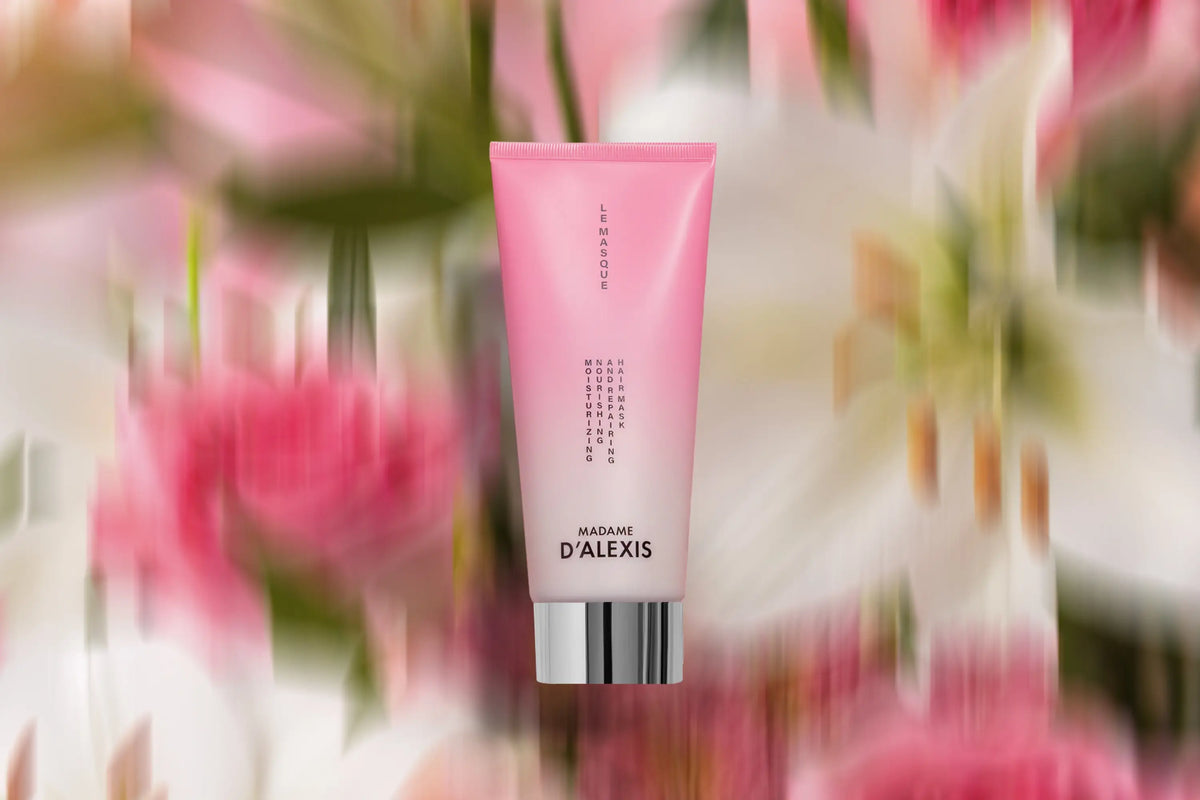
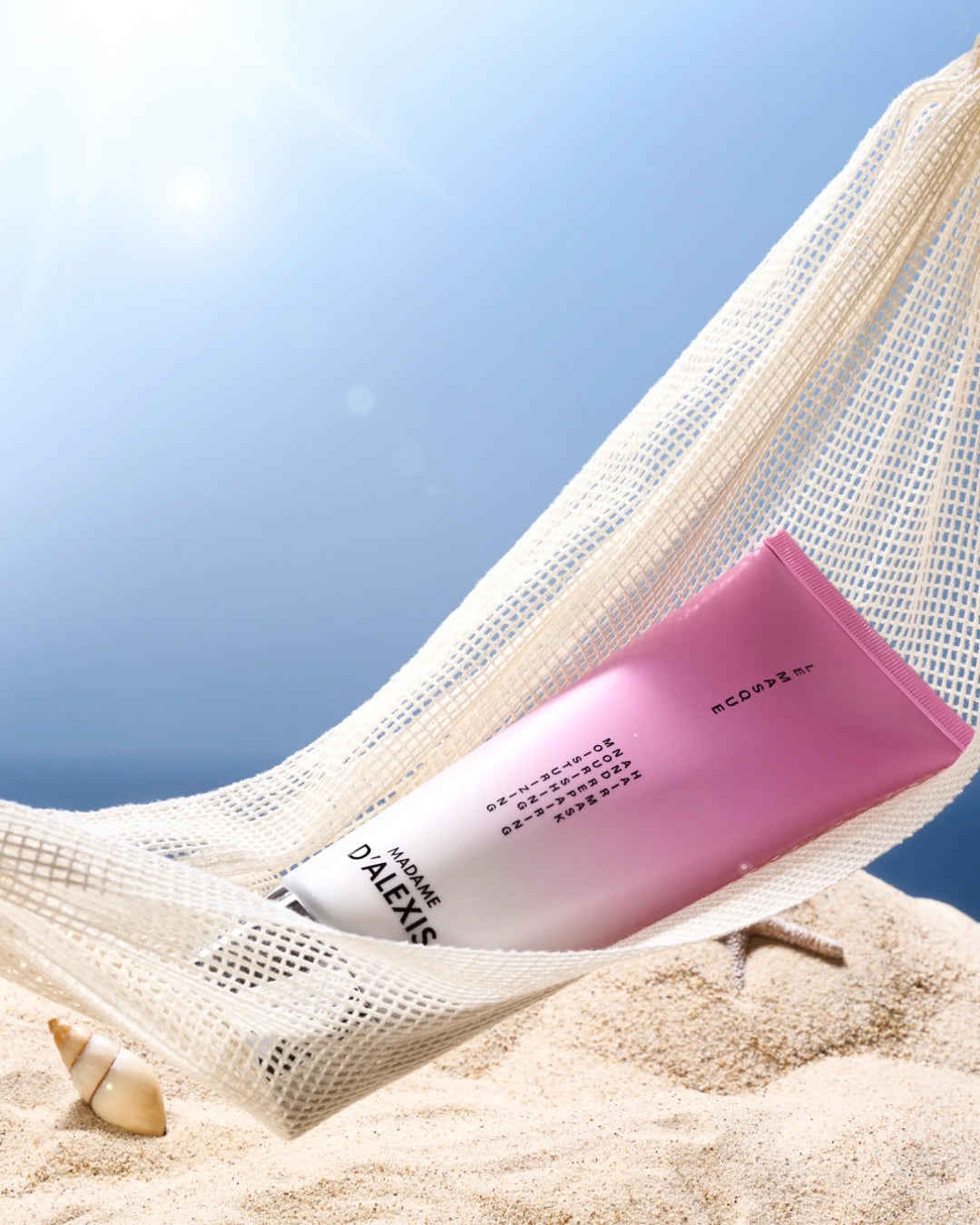
The Hydrating and Nourishing Mask
- Plant ceramides: strengthen the lipid barrier and limit breakage.
- Orange blossom essential wax: seals in moisture and adds a silky sheen.
- Organic apricot and jojoba oil: targeted nutrition, without leaving a greasy film.
Apply from mid-length to ends once a week; rinse with cool water to tighten the cuticles of fine hair.
Wake up nighttime growth
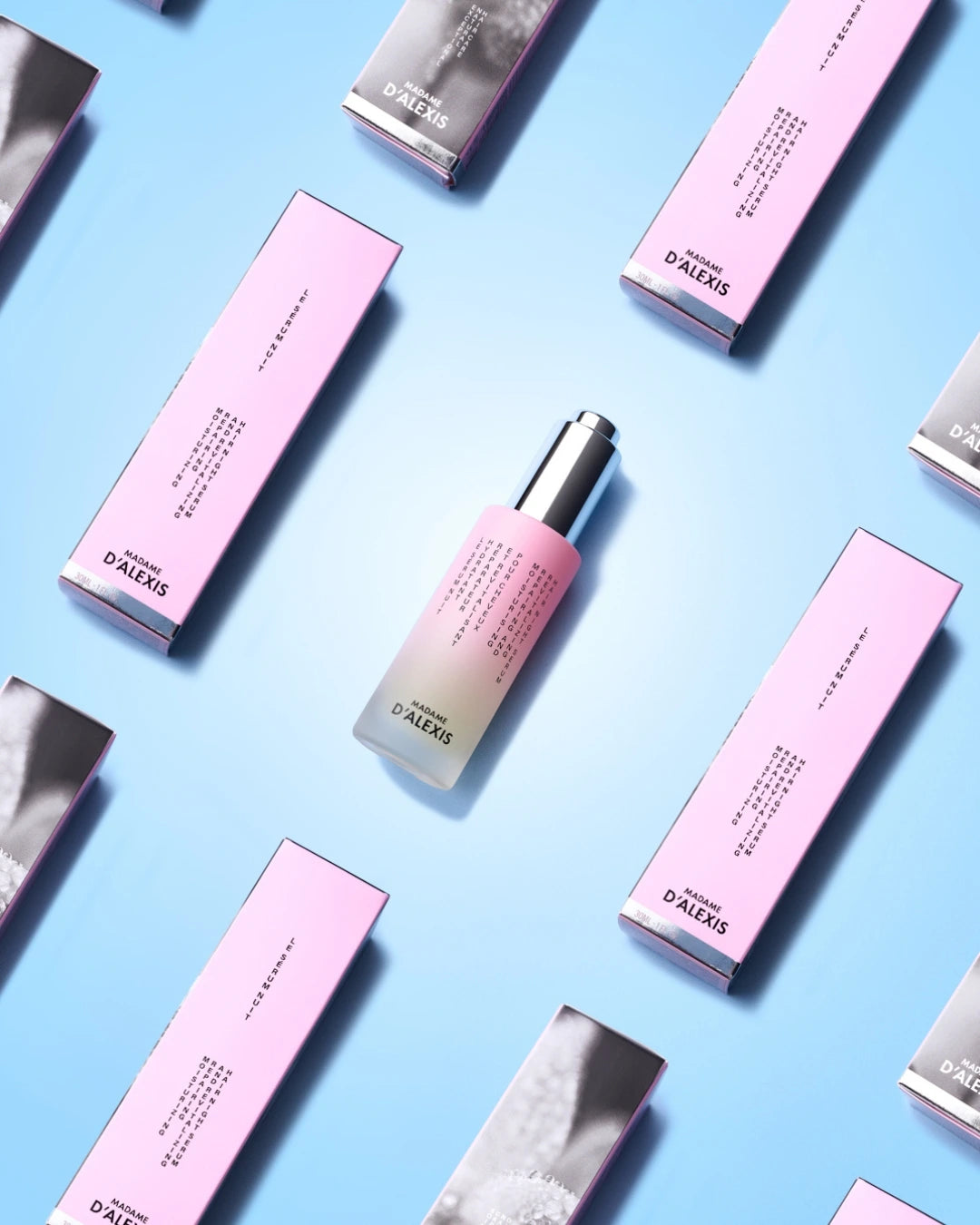
The Repairing and Revitalizing Night Serum
- Trio of hydrosols (rose, chamomile, orange blossom): anti-inflammatory and toning action.
- Probiotics + extracts of nettle, oak, licorice: slow down hair loss, stimulate the anagen phase.
- Cationic hyaluronic acid: visible results from the roots when you wake up.
Apply three pipettes to dry scalp, massage gently in circular motions, and let the botanical synergy work while you sleep.
Protect and enhance every day
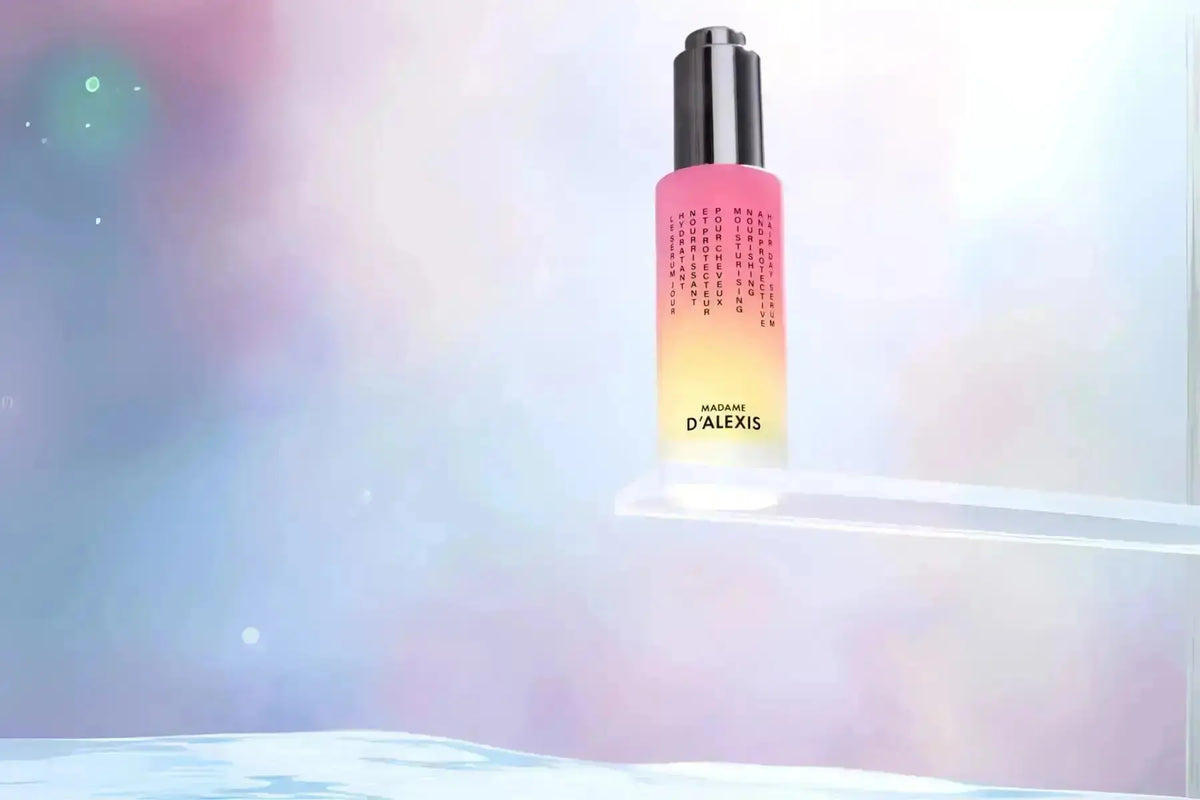
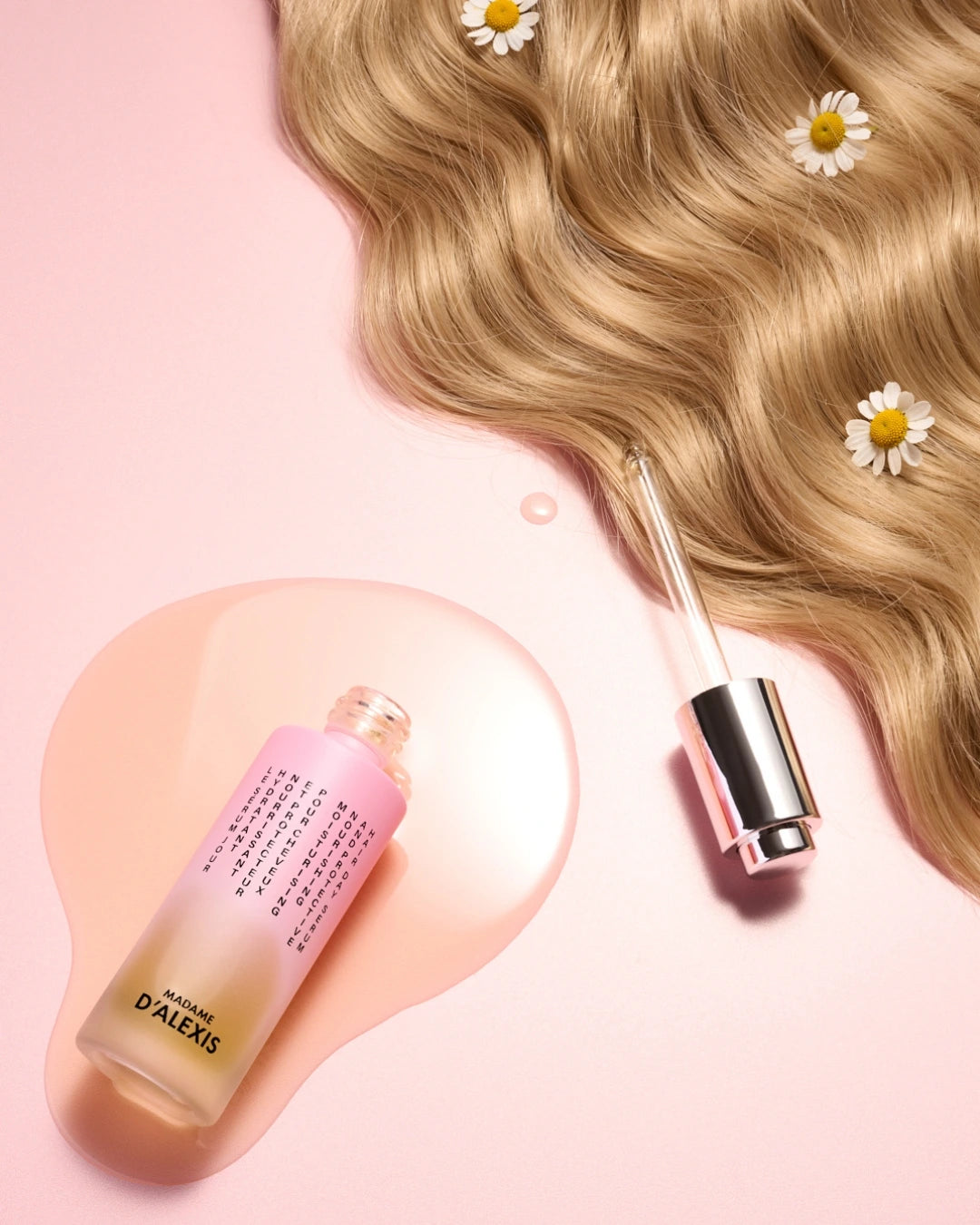
Moisturizing and nourishing day serum
- Plant ceramides: smooth the cuticles and strengthen internal cohesion.
- Organic jojoba oil: regulates sebum, provides a satin finish.
- Natural heat-protective active ingredient: invisible barrier up to 422°F.
Slide two drops between your palms, lightly brush over the lengths and ends before blow-drying; a shiny veil forms without ever weighing down the lightness of fine hair.
What are the best hair care products for fine hair?
Care for fine hair: Madame d’Alexis selection
- Lightness preserved: formulas without sulfates or silicones that never weigh down the hair fiber.
- Targeted nutrition: organic hydrosols and cationic hyaluronic acid provide deep hydration.
- Balanced microbiome: pre- and probiotics soothe the scalp for healthy hair growth.
- Instant shine: plant-based ceramides and orange blossom wax smooth the cuticle.
FAQs about fine hair
How can you thicken very fine hair?
Thickening first requires a meticulous routine for fine hair: monthly scalp exfoliation, light treatments rich in hydrolyzed proteins, followed by a densifying night serum.
These active ingredients attach themselves to the gaps in thehair fiber, creating a flexible mesh that increases the apparent diameter by up to 10%. Finally, supplement with a protein-rich diet and a daily massage that stimulates microcirculation to add volume from within.
What to do with fine hair that lacks volume?
Start by lifting the roots: dry your hair upside down and apply texturizing mousse before it is 80% dry. Choose a straight bob or a subtle layered cut, which will add structure and lightness at the same time.
When it comes to products, never exceed 2% fat content; too much fat suffocates thehair fiber and ruins its hold. A minimalist routine for fine hair, packed with light care products, remains the safest strategy for adding volume without frizz.
How often should very fine hair be washed?
Two to three shampoos per week is ideal: frequent enough to keep hair light, but not so frequent as to overstimulate the sebaceous glands. Use a dry shampoo made from rice starch in between washes if necessary.
Each wash should be part of aroutine for fine hair: gentle cleanser, thorough rinsing, then a light moisturizing spray to preserve the elasticity of the hair fiber and give lasting volume.
What treatment is best for fine hair?
Twice a year, opt for a three-week treatment based on copper peptides, biotin, and nettle extracts. Combined with circular massages, these drops stimulate the scalp and reduce seasonal hair loss.
Supplement with iron and zinc if a blood test reveals a deficiency. This treatment targets the depth of the hair;light dailycare ensures cosmetic maintenance and adds volume to the hair fiber.
Do dietary supplements really thicken fiber?
Yes, provided they are rich in cystine, methionine, and B vitamins. These sulfur-containing building blocks are directly involved in keratinization. In a French study conducted in 2024, the average hair diameter increased by 0.008 mm after three months of continuous use.
Combine supplements witha routine for fine hair based on gentle care; internal and external action work together to give visible volume and strengthen the hair fiber against breakage.
Which brush is best for fine hair?
Choose soft nylon bristles or a mixture of boar bristles and nylon: they detangle without pulling. The tips should be rounded to stimulate microcirculation without causing micro-scratches.
Brush morning and night, with your head tilted back; this action distributes sebum, naturally nourishes thehair fiber, and helps add volume at the crown. Always do this after applying your light hair care products to seal the cuticle.
Is air drying preferable for fine hair?
Not always. Slow evaporation can weaken the cuticles if the water stagnates. Opt for warm drying with a wide diffuser, held ten centimeters away. When 70% dry, finish with cold air and your head tilted forward: the hair fiber contracts, the roots lift, and you get natural volume.
This step, combined with aroutine for finehair and light care products, creates a silky finish without frizz.
Should you cut your hair often to thicken fine hair?
Regular trimming every eight to ten weeks eliminates split ends, which make hair look thinner. It does not increase the biological thickness of the hair, but it does make the cut line denser and gives instant volume immediate volume.
Combine this appointment with strengthening serums; the lengths gain cohesion, and thehair fiber is sealed with each session. In a fine hair routine, scissors remain an essential ally.
Do plant-based dyes thicken the fiber?
Neutral henna and indigo bind to proteins and deposit a mineral coating: diameter increases by an average of 6% after two applications. An interesting mechanical effect, but be careful not to apply too many layers, which can stiffen the hair if it lacks moisture.
Always alternate withlight moisturizingtreatments to maintain the flexibility of the hair fiber while adding volume. This coloring synergy fits perfectly into a thoughtful routine for fine hair.