Skip to content
0
Basket 0
Your cart is empty... for now

Discover our products

scrub for colored hair

Hair scrub after coloring: good or bad idea?

Can you really exfoliate colored hair without damaging the color? Find out the answer, the right steps to take, and the mistakes to avoid in order to keep your color looking vibrant.

Why exfoliate your hair after coloring it?

Hair exfoliation after coloring fulfills a specific need: purifying the scalp without altering the color. This step, which is often overlooked, helps maintain the scalp's balance and prolong the shine of the color. Here are the key points to remember:

  • Remove dye residue: exfoliation removes excess pigment, impurities, and traces of oxidants left behind after dyeing.
  • Preserving color vibrancy: a healthy scalp promotes better oxygenation and longer-lasting pigmentation.
  • Soothe irritation: the natural hydrosols and oils contained in gentle scrubs calm itching caused by coloring products.
  • Prepare the scalp for subsequent treatments: after exfoliation, masks and serums penetrate more effectively, strengthening the hair fiber.
  • Maintaining the health of colored hair : by rebalancing the scalp's microbiome, exfoliation helps keep roots light and hair shiny for longer.

This simple step, performed with the appropriate care, becomes an essential part of post-coloring care, enhancing the color while protecting the hair fiber.


hair scrub


After coloring, hair often needs to be rebalanced. The hair fiber is weakened, the scalp becomes more sensitive, sometimes saturated with pigments and chemical residues. 

In this context, hair scrubs appear to be an interesting step in hair care. They help purify, stimulate microcirculation, and restore shine and lightness to the hair.

But be careful, not all scrubs are suitable for colored hair. Some can alter the color or dry out the hair fiber. Others, on the contrary, enhance it. It all depends on the formula chosen and how the treatment is applied.


What is a hair scrub and what is its purpose after coloring?

The principle of hair exfoliation

Hair scrub acts as an exfoliant for the scalp. It removes dead cells, impurities, excess sebum, and coloring residue. Unlike a simple shampoo, it acts more deeply and prepares the scalp to better receive subsequent treatments.

There are two types of hair scrubs:

  • Scalp exfoliation, designed to purify the roots and stimulate regrowth.
  • Hair fiber scrub, also known as hair color remover, used to lighten or remove excessively dark hair color.

For gentle care after coloring, only the first option is recommended. Color removers often contain reducing agents or citric acid, which alter pigmentation.

How does a scrub affect colored hair?

A suitable scrub cleanses without stripping. It purifies the scalp while respecting the pigments fixed in the fiber. Gentle formulas, free of sulfates and silicones, enriched with floral hydrosols, hyaluronic acid, or natural oils, remove residue without dulling the color.

A good scrub does not remove color, it prolongs it. It restores balance to the scalp, prevents excess sebum production, and revitalizes the hair.

Key point: scalp exfoliation after coloring is not a stripping treatment. It is a purifying treatment that acts on the scalp without altering pigmentation.


What hair care routine should you adopt for highlighted or colored hair?


Can you exfoliate colored hair without damaging the color?

Exfoliating your scalp after coloring your hair can be beneficial, provided you do it properly. Used correctly, it purifies the scalp without altering the pigments.

However, if poorly chosen or incorrectly applied, it can damage the color and dry out the hair fiber. The balance depends on three factors: the right time, the right formula, and the right technique.

Mistakes to avoid

Certain actions can weaken the color without you even realizing it. It is therefore essential to be aware of these before incorporating a scrub into your hair care routine.

  • Using an abrasive or coarse-grained scrub immediately after coloring: thick salts or raw sugar can open the hair cuticle and wash out the color.
  • Exfoliating too soon: pigments need five to seven days to set permanently. Before this time, the color is not yet stabilized.
  • Ignoring your hair type: fine, dry, or sensitized hair reacts differently. It requires gentle care, formulated without harsh ingredients.
  • Extend the application time: a scrub should never be left on for more than a few minutes. Any longer than that and it can upset the balance of the scalp or alter hair color.

Exfoliation should be considered a precision treatment, not an intensive cleansing.

The right steps to take when exfoliating your hair after coloring

A well-executed scrub purifies without damaging color. It even prolongs color retention when intelligently incorporated into your hair care routine.

  • Choose a scrub that is suitable for colored hair: opt for a gentle formula that is sulfate-free and does not contain any harsh chemicals, enriched with moisturizing active ingredients.
  • Space out applications: every two to three weeks is sufficient.
  • Gently massage the scalp for one to two minutes to stimulate microcirculation.
  • Rinse thoroughly, then apply a nourishing or moisturizing mask to strengthen the hair fiber and restore shine.
  • Follow up with a repigmenting treatment if the color appears dull, to restore its depth and radiance.

In my opinion, hair exfoliation is an important maintenance treatment, almost comparable to a facial. When done correctly, it allows colored hair to regain purity, lightness, and vitality without ever compromising the beauty of its color.


When and how should you exfoliate after coloring your hair?

Good timing

Hair scrubs should not be used immediately after coloring. The pigments need time to set in order to become permanently anchored in the hair fiber.

It is therefore advisable to waitbetween five and seven days before the first scrub. This allows the color to stabilize and the hair cuticle to close.

Exfoliating too soon could cause the color to fade, especially for dark shades or oxidation-based colors. Conversely, leaving too long between treatments can lead to a build-up of residue that dulls the shine.

Finally, never exfoliate before bleaching or changing your hair color significantly: the hair fiber, already sensitized, would not be able to withstand this double action.

Exfoliation is a maintenance treatment, not a preparatory step for a chemical process.

How to apply the scrub


Effective exfoliation depends on controlled and regular application.
Here are the steps I recommend:

  • Apply a small amount of product to damp scalp.
  • Gently massage for two to three minutes with your fingertips, without rubbing.
  • Leave on for a few minutes, depending on the texture of the product, to allow the active ingredients to take effect.
  • Rinse thoroughly with warm water, then apply a moisturizing or repairingtreatment to strengthen the hair fiber and preserve the color's shine.

A well-executed scrub acts as a reset for the scalp: it purifies, stimulates microcirculation, and makes the hair more receptive to nourishing treatments.


Which scrub should you choose after coloring your hair?

The criteria for a good scrub for colored hair

To preserve the beauty of the color, choose gentle, natural hair care products. A good shampoo for colored hair should:

  • be sulfate- and silicone-free, to avoid any stripping effect,
  • contain floral hydrosols or soothing plant oils,
  • incorporate moisturizing ingredients such as cationic hyaluronic acid,
  • have a fine, non-abrasive texture for a gentle, sensory exfoliation.

These elements guarantee effective care while maintaining the intensity of the color.


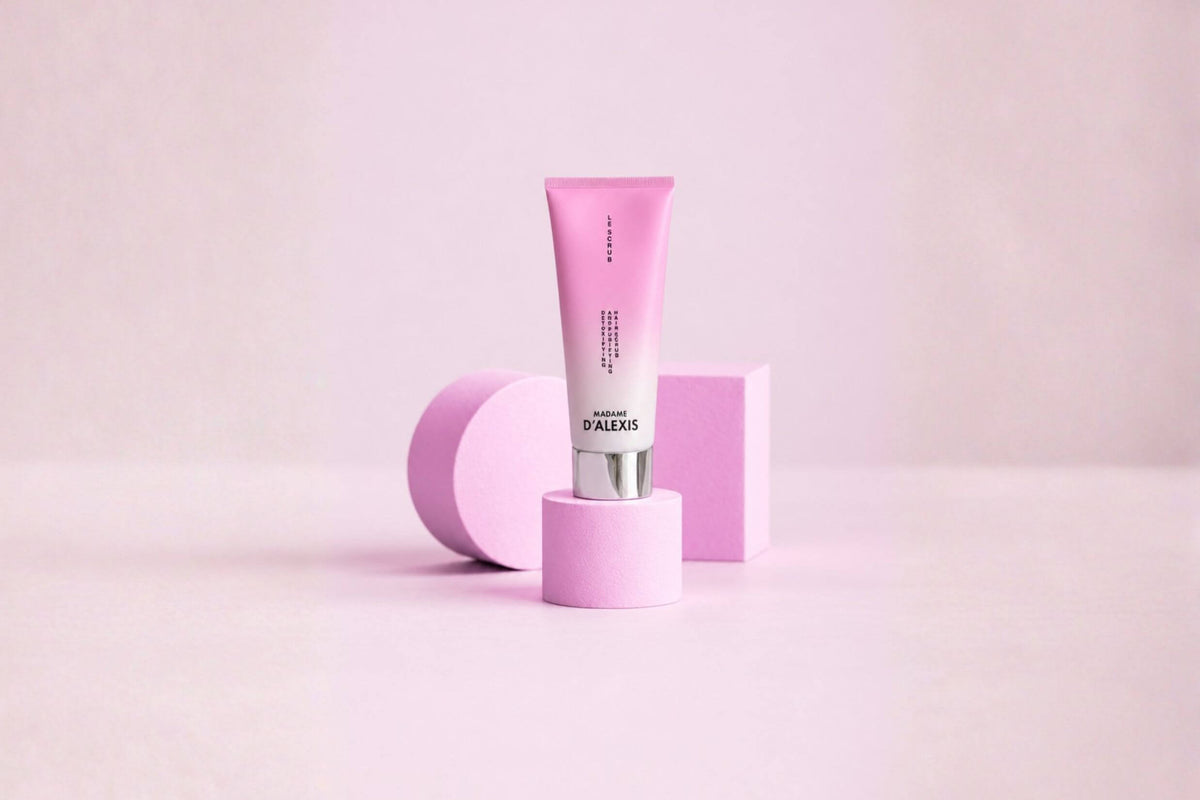
Madame d’Alexis Detoxifying Scrub

Detoxifying Scrub for Colored Hair

Gentle hair scrub, 98% natural origin. Purifies without dulling color.

  • Organic hydrosols: rose, chamomile, orange blossom
  • Fine sea salt, coconut oil, hyaluronic acid
  • Suitable for colored or highlighted hair
 See the treatment


Focus on Madame d'Alexis Detoxifying Scrub

Madame d'Alexis Detoxifying Scrub is specifically designed to meet the needs of colored hair:

  • 98% natural ingredients, no added water or sulfates.
  • Organic Damask rose, chamomile, and orange blossom hydrosols: soothe the scalp and preserve pigments.
  • Fine sea salt: gentle exfoliation that removes residue without dulling the color.
  • Coconut oil and cationic hyaluronic acid: hydration and prolonged color shine.
  • Suitable for all hair types, including recently colored hair.

This treatment acts as a gentle purifying ritual, ideal for maintaining color, prolonging its shine, and preserving the hair fiber.


Madame d'Alexis Growth & Density Ritual


Should you choose a scrub or a color eraser?

Differences between the two techniques

Hair scrubs andcolor removers serve very different purposes.

Hair scrub acts on the surface. It purifies the scalp, removes coloring residue, and maintains shine. Its role isto cleanse without altering the color.

It promotes better oxygenation of the roots and restores vitality to the fiber. It is a care treatment, not a chemical treatment.

The color remover works deep down. It acts on the fiber to remove the artificial pigments left behind after coloring.

By breaking the bonds between color molecules and keratin, it gradually lightens hair without bleaching.

This technique, similar to bleaching, requires great precision. If used incorrectly, it can sensitize the fiber and dull the natural color.

In summary:

  • Hair scrub nourishes and purifies.
  • The color eraser corrects and lightens.
  • The first relates to care, the second to corrective action.

In my opinion, exfoliation should be part of any balanced hair care routine. It prepares the scalp, prolongs color, and preserves hair health. The eraser, on the other hand, should only be used when truly necessary, under the supervision of a professional.


When should you choose a remover or a repigmenting treatment?

The color remover is used to correct a shade that is too dark or an unwanted reflection. It is suitable for those who want to return to a lighter base before coloring their hair again.

It is an effective but demanding solution, as it alters the pigment balance of the hair.

Repigmenting treatments, on the other hand, revive existing color without bleaching. They restore intensity, hydrate the hair fiber, and enhance highlights. On gray hair, they help soften the demarcation line and even out the hair.

In practice :

  • Color eraser → correct a mistake, lighten.
  • Repigmenting treatment → maintain, enhance, prolong.


Precautions to take to preserve color after exfoliation

Between exfoliations, your skin color deserves simple but essential care.

  • Use gentle, moisturizing hair care products that are suitable for colored hair.
  • Limit the heat of styling appliances (straighteners, hair dryers).
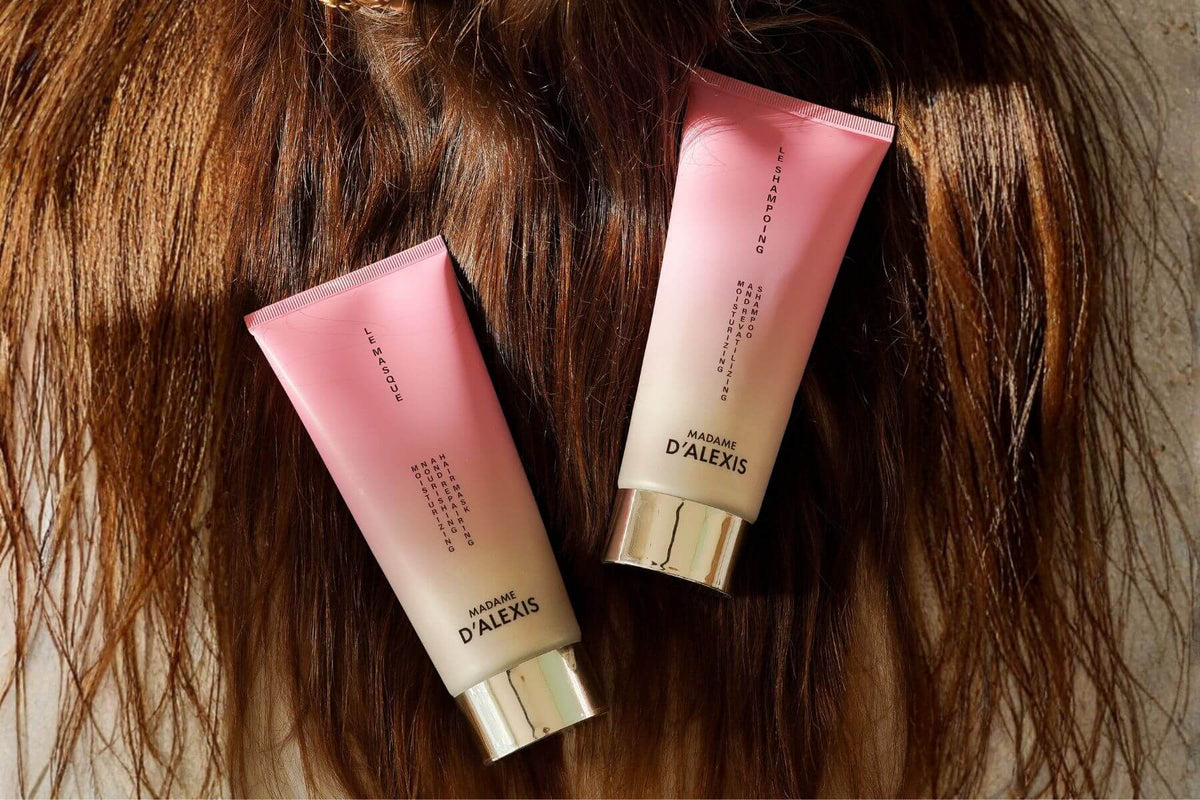
  • Nourish the hair with a repairing mask such as Alexis' Masque Madame, rich in plant ceramides and natural oils.
  • Space out your exfoliation sessions: every two or three weeks is enough to maintain your skin without damaging it.

These reflexes help maintain shine, prevent dryness, and preserve color longevity.


In summary: is scalp exfoliation a friend or foe to hair color?


Objective To do To be avoided Result
Purify the scalp Gentle sulfate-free scrub Abrasive or overly frequent exfoliation Light roots, healthy scalp
Revive the color Repigmenting treatment and moisturizing mask Excessive heat, caustic products Bright, uniform color
Correct a tint Professional color eraser Home stripping Controlled results, preserved fiber


FAQ – Everything you need to know about color hair scrubs and caring for colored hair

How can I remove hair dye that is too dark?

Hair that is too dark can quickly become a real headache. Fortunately, there are several hair techniques that can correct the result without damaging the hair fiber or dulling the hair. The choice will depend on the desired degree of lightening and the health of the colored hair.

1. Hair color remover (color eraser)

  • This treatment, also known as color remover, is specifically formulated to remove artificial pigments from the fiber.
  • It works by breaking the chemical bonds between the color and the hair's keratin, without completely bleaching the hair.
  • Result: the color lightens gently, without damaging the hair fiber.
  • Best used in a salon, as improper application can damage the hair.

2. Hair scrub (colored hair scrub)

  • This is the gentlest and most gradual solution for removing color.
  • Unlike a chemical eraser, it acts on the surface. It purifies the scalp and helps remove oxidized pigment residues.
  • Used regularly, it provides natural lightening while improving scalp health.
  • Ideal for maintaining colored hair without weakening it.

3. Hair bleaching (professional technique)

  • This is a powerful chemical method, similar to bleaching.
  • The products used contain oxidizing agents that break down the coloring pigments inside the fiber itself.
  • This technique is reserved for hairdressers: stripping your hair at home can cause significant breakage and lasting damage to your hair.

My expert opinion

To correct a color that is too dark, it is always best to start with the mildest solutions.

  • The hair cleanser works deep down to even out the color.
  • Hair scrub completes the treatment by cleansing the scalp and prolonging shine.

These two hair techniques are complementary: one corrects, the other maintains. Stripping, on the other hand, should remain a last resort, only to be performed by professionals.

What are the best hair scrubs?

The best hair scrubs combine effectiveness and gentleness. They cleanse the scalp without damaging the hair fiber.

  • A good scrub is a great alternative to hair cleansers or color removers that contain too many chemicals.
  • Professional products favor natural formulas, free of sulfates and silicones, enriched with floral hydrosols or plant oils.
  • Coloring scrubs containing fine salt or brown sugar offer gentle and stimulating exfoliation.

To make your choice, always consult reviews on scrubs and compare brands that specialize in colored hair care.

How does a scalp scrub work?

The principle of hair exfoliation is based on gentle exfoliation of the scalp.

  • Micro-grains or natural agents help remove product residue and rebalance sebum production.
  • Unlike techniques based onreducing agents or chemicals, exfoliation does not seek to break down pigment molecules.
  • It acts as a natural makeup remover, improving microcirculation and scalp health.

In summary, the way colored hair scrubs work is based on gentle mechanical cleansing, not chemical action.

How long should a scrub be left on?

The application time varies depending on the texture of the product and the type of scalp.

  • On average, the scrub should be left on for 2 to 5 minutes after a gentle massage.
  • Exfoliating for too long does not increase its effectiveness, but can irritate sensitive scalps.
  • The scrub should always beapplied to damp hair, followed by thorough rinsing and a moisturizing treatment.

This step ensures optimal hair exfoliation while preserving the hair fiber.

Can you use a scrub on colored hair?

Yes, but only if you use a scrub technique that is suitable for colored hair. Not all scrubs are suitable after coloring, as some can have undesirable effects on the color.

Hair scrubs purify the scalp without altering color when properly formulated. Gentle hair scrubs made with fine sea salt, plant oils, or hydrosols respect the hair fiber and help remove impurities that build up after coloring.

On the other hand, a scrub that is too abrasive or poorly dosed can be likened to light hair stripping. The risks of using an unsuitable scrub include loss of shine, partial pigment loss, or scalp sensitization.

To avoid these inconveniences:

  • Choose a product designed for colored hair, free of sulfates and alcohol.
  • Gently massage the scalp, without rubbing the hair shafts.
  • space out exfoliation sessions by two to three weeks;
  • Then apply a nourishing or repairing treatment.

When used correctly, color hair scrubs become an ally in post-coloring care: they cleanse, rebalance, and prolong shine, while avoiding the risk of stripping. It is a mastered hair technique that, when properly integrated into a care routine, improves scalp health without damaging color.

What natural ingredients can be used for a scrub?

Natural ingredients can be used to create gentle and effective homemade scrubs.

  • Baking soda: helps remove grime, but use with caution as it can be too alkaline.
  • Apple cider vinegar: purifies and tightens the scales, but must be well diluted.
  • White clay: absorbs impurities without irritating the skin.
  • Honey and lemon: moisturize and add shine.

These homemade scrub recipes are for occasional use only. For long-lasting, safe results, choose natural products formulated by professional brands that are specifically designed for colored hair.

Select options