Conseils
Do hot air brushes damage your hair?
The hot air brush is loved for its speed, but repeated heat can weaken the hair fibre. Learn how to style with one without damaging your hair, and how to choose the right model for your hair type.

Does a hot air brush damage hair? The complete guide to styling without breaking the fibre
A blow dry brush can be a real ally for a salon-style finish at home, as long as you keep the temperature in check, never style soaking wet lengths and apply a thermal protection serum before every pass.
- A hot brush does not automatically damage hair. The risk of damage comes mainly from repeated heat exposure, friction and skipping a protective product.
- Thin, coloured, highlighted or already porous lengths need gentler heat and a more protective routine.
- Rule number one: rough dry your hair until it is almost dry, then switch to the brush on damp hair, never on dripping lengths.
- The single most useful habit: apply a heat protectant serum to the mid-lengths and ends before you style.
- If you use hot tools every week, a regular hair mask and a gentle sulphate-free shampoo help limit that parched, dull, brittle feel.
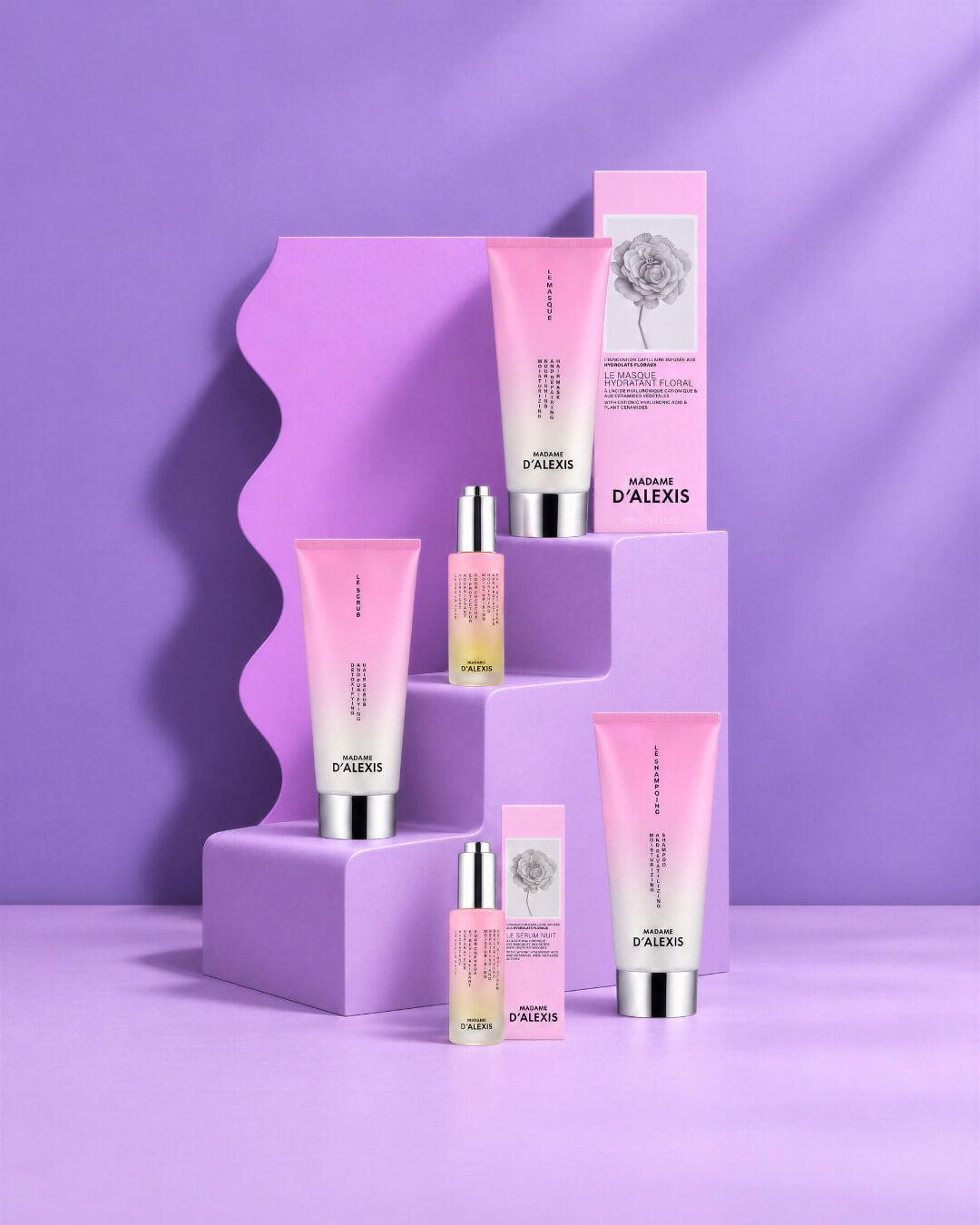
Madame d’Alexis haircare to pair with your hot brush
A styling brush becomes safer for hair when it sits within a proper routine: shield the lengths before styling, repair them after repeated hair styling, wash without stripping and give the scalp an occasional reset.
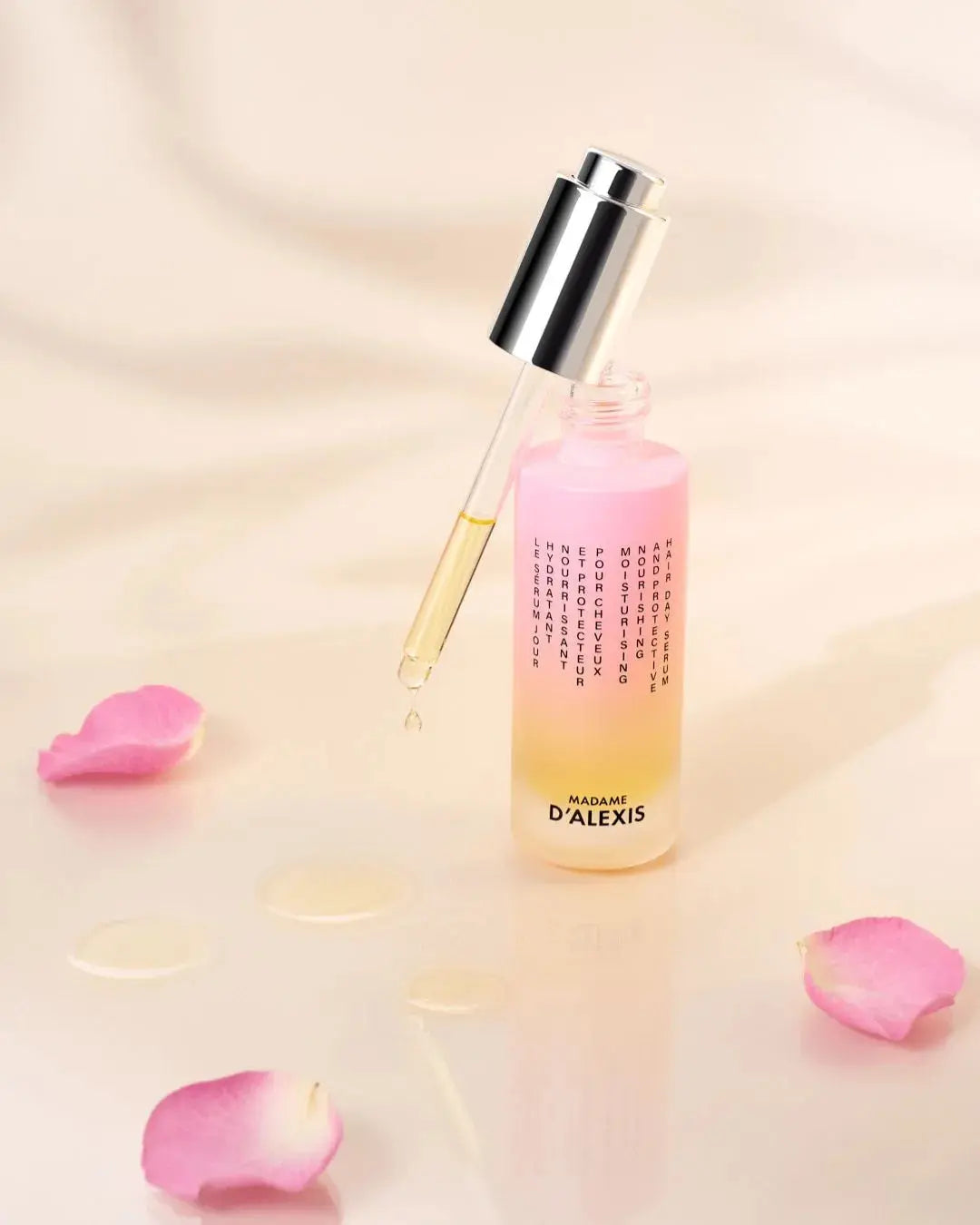
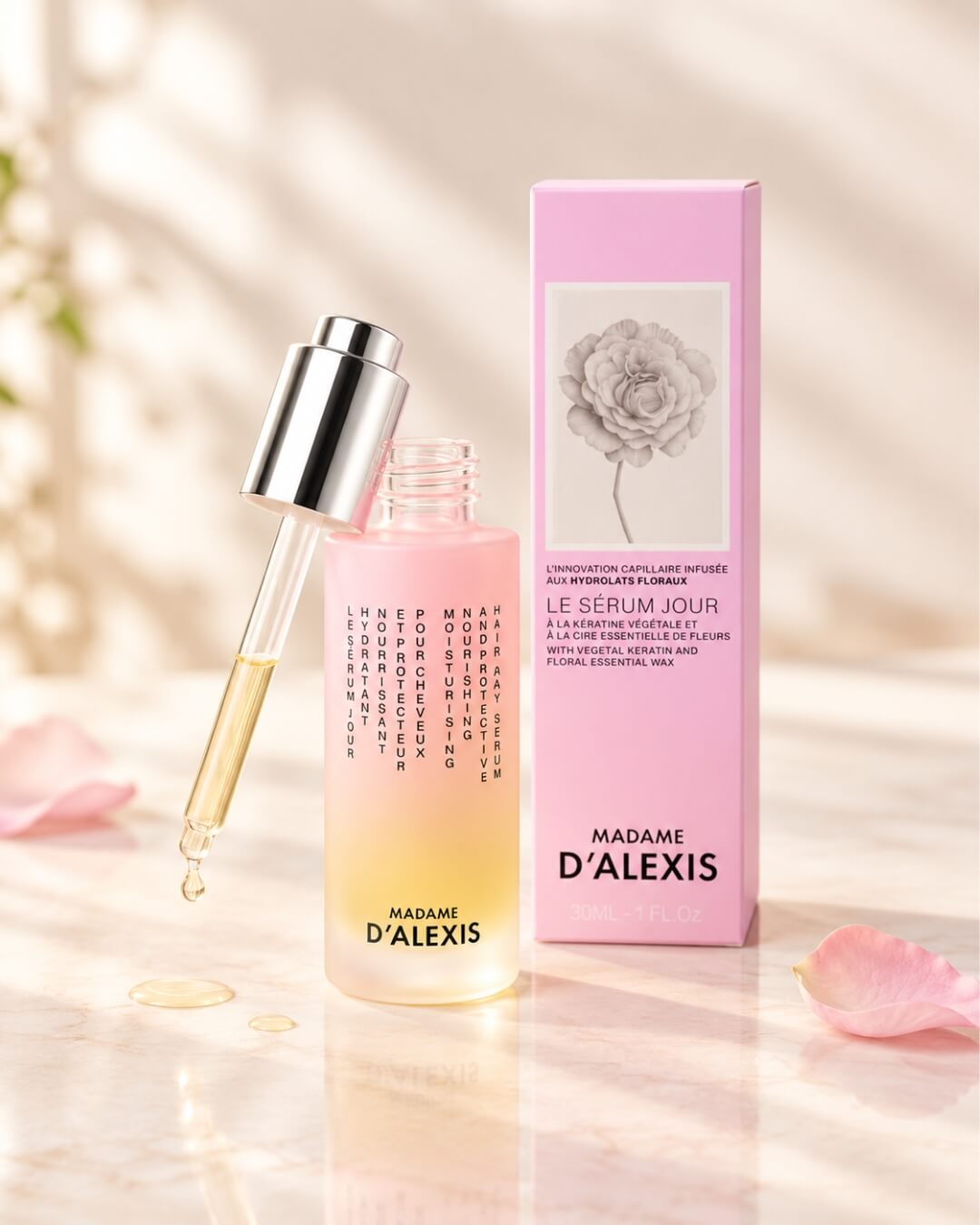
Le Sérum Jour
- Shields hair before a hot brush, blow dry or straightening
- Natural thermal protectors, effective up to 200°C
- No silicones or parabens, no greasy finish
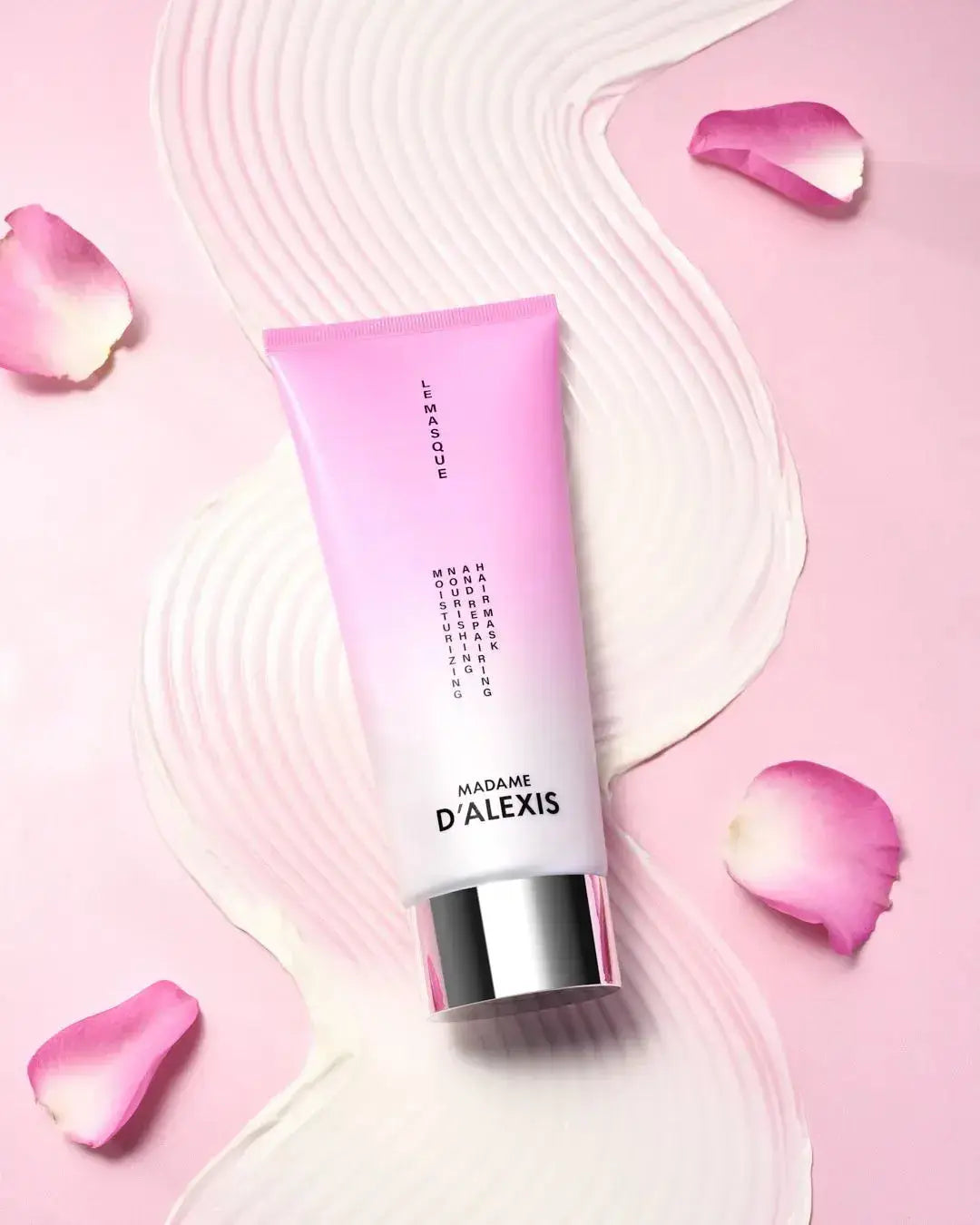
Le Masque
- For lengths styled with heat several times a week
- Helps smooth the cuticle and nourish the fibre
- On mid-lengths and ends only
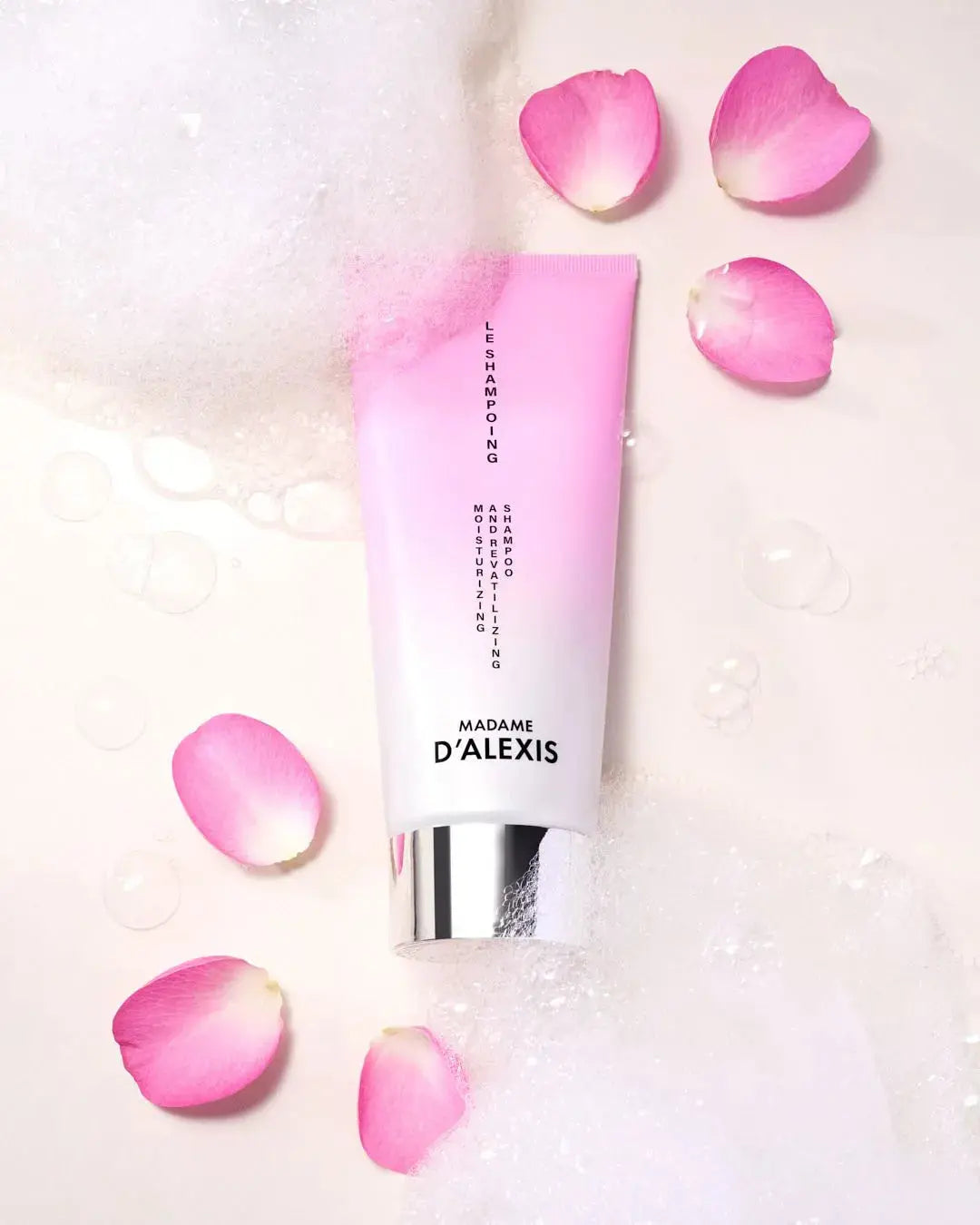
Le Shampoing
- Cleanses without stripping the scalp
- Preps the lengths for the mask and serum
- Ideal for sensitised hair
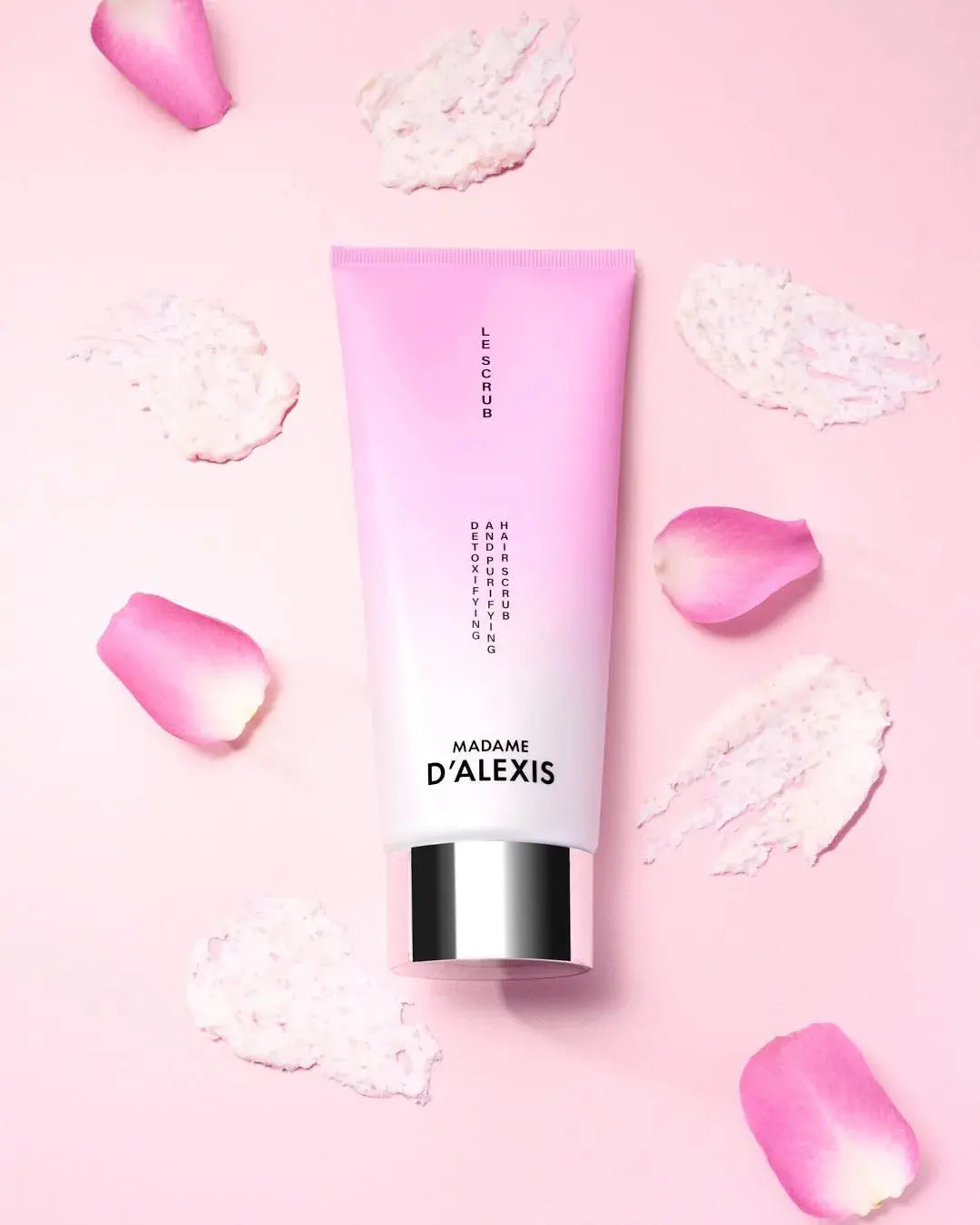
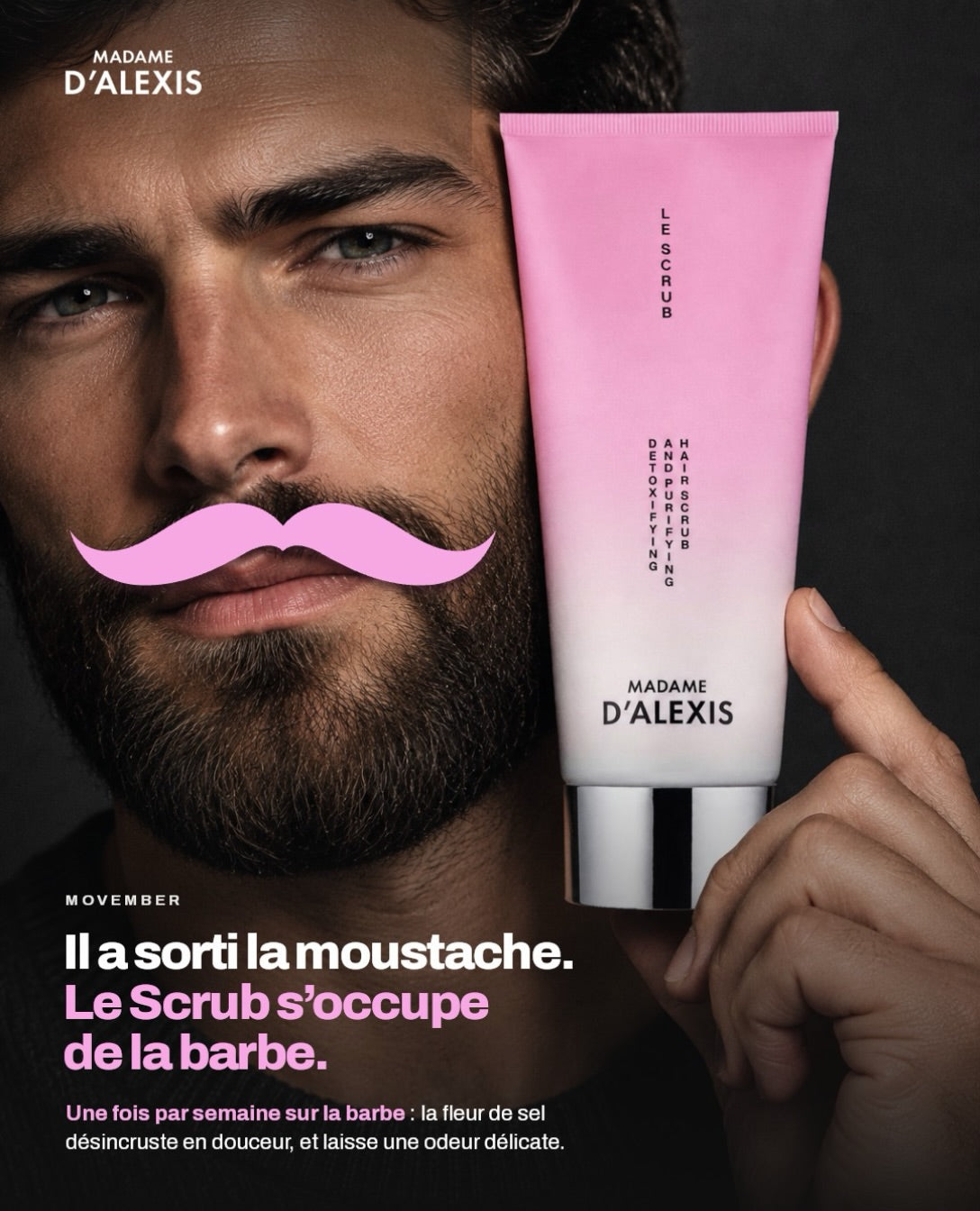
Le Scrub
- Every 10 to 15 days on a wet scalp
- Replaces your shampoo when you scrub
- Clears residue, pollution and product build-up
Are hot air brushes damaging for your hair?
A blow dryer brush combines hot airflow with a brush barrel, so it can dry and style your hair in one go, like a hairdryer and round brush in a single gadget. That two-in-one action explains why dryer brushes are so popular in the UK, and also where their limits lie. If the setting is too hot or the section is still too wet, the fibre loses moisture, the cuticle lifts and the lengths feel rougher. The damage level depends far less on the brand than on your technique: how hot you style, the barrel size, how long you hold each section and whether you shield the hair first. In other words, the brush is rarely the problem: the habit is.
Heat
Repeated heat exposure weakens the keratin, dehydrates the lengths and can lead to split ends and breakage over time.
Friction
Tugging and tension from the bristles cause mechanical damage, especially on hair that is wet, bleached or already fragile. Detangle gently before you start to keep this mechanical stress low.
Moisture
Hair saturated with water is at its most vulnerable, and drying it too fast is tempting. Towel it off first, then style from damp rather than going from wet to dry with the brush.
How a hot brush affects each hair type
| Hair type | Main risk | Best setting | Recommended care |
|---|---|---|---|
| Fine or damaged hair | Breakage and flat roots | Low temperature, quick passes | Le Sérum Jour, just 1 drop on the ends |
| Coarse or parched hair | Dehydration, frizzy lengths, rough ends | Low to medium setting | Gentle shampoo, weekly Le Masque, Le Sérum Jour before styling |
| Coloured or highlighted hair | More fragile cuticle, colour that looks dull | Gentle heat, never on soaking wet hair | See our guide to coloured and highlighted hair |
| Curly or wavy hair | Loss of curl definition, frizzy texture | Diffuser or soft attachment, minimal tension | A routine designed for curly and wavy hair |
Hot air brush vs thermal brush vs straightener: which is safer for hair?
A blow dry brush pushes warm airflow through the bristles, a thermal hot brush warms up the barrel and works mainly through contact, and a straightener (or flat iron) clamps each strand between two plates. At the same frequency, direct contact is generally harder on the cuticle, which is why a dryer brush is usually the gentler option for regular styling, provided the airflow stays warm rather than scorching. Thermal hot brushes are not especially damaging in themselves either, but they reward quick, light passes rather than slow ones.
| Appliance | How it works | Risk of damage | Key point |
|---|---|---|---|
| Blow dry brush | Warm airflow + bristles | Moderate with the right technique | Rough dry first and protect the lengths |
| Thermal brush | Warmed barrel, contact styling | Higher with prolonged contact | Avoid slow, repeated passes |
| Flat iron | Direct contact with hot plates | High on fragile hair | Low heat, thermal protection essential |
How to style with a blow dry brush without damaging your hair
1. Rough dry
Squeeze out excess water with a microfibre towel, then let your hair dry naturally for a few minutes. For an even gentler method, read our guide on how to dry your hair without a hairdryer.
2. Apply a heat protectant
Smooth 1 to 3 drops of Le Sérum Jour over the mid-lengths and ends, never on the scalp, then comb through gently. It does the same job as a heat protectant spray, in a lightweight serum.
3. Pick the right heat settings
Use the lowest temperature for fine, coloured or fragile hair and a medium setting for thick or coarse hair, keeping passes short. Work with proper sectioning: smaller sections are ready faster, so each one needs less heat.
4. Keep the brush moving
Never hold the barrel on one section. Glide slowly but steadily from root to tip, without pulling, and finish on the cool shot to set the shape and add a little lift at the roots.
The Madame d’Alexis routine to limit heat damage
There is no need to pile on products. A good routine covers three needs: cleanse without stripping, repair the lengths and shield the hair before any styling session.
| Step | Product | How often | Why |
|---|---|---|---|
| Gentle cleansing | gentle sulphate-free shampoo | 2 to 3 times a week, as needed | Cleanses without stripping the scalp’s natural protective film |
| Repair | moisturising repair mask | Once a week, twice during an intensive phase | Plant ceramides and hyaluronic acid to help soften |
| Thermal protection | Le Sérum Jour | Before every blowout or hot brush session | Natural thermal protectors, shine and smoothness |
| Scalp reset | scalp scrub | Every 10 to 15 days | Replaces your shampoo on that wash day and clears residue |
How to repair heat damaged hair
Hair weakened by hot tools will not be transformed by one treatment, but a consistent routine can improve how it feels, its shine and its resilience. The aim is to stop the damage, reach for the styler less often and strengthen the cuticle week after week. Ends that have already split cannot be mended by any product, so the goal is to keep the rest of your lengths healthy until your next trim.
First step
Turn the temperature down, apply Le Sérum Jour before any blow drying and Le Masque once or twice a week on the lengths.
Next
Keep a gentle routine with a sulphate-free shampoo, style with the brush less often and end with a cool blast.
Maintenance
A weekly mask, sensible styling habits and a trim from a professional at the salon if the ends stay brittle or split.
If your main concern is puffiness and a lack of definition, our guide to puffy hair is worth a look too.
What are the signs that heat has already harmed your hair?
Visible signs
- Split or brittle ends.
- Dull, lifeless lengths.
- Flyaways that persist after styling.
- Strands that snap when you brush them.
How it feels
- A rough, straw-like texture.
- Strands with little stretch.
- A parched feel straight after washing.
- Knots that are harder to detangle.
To limit friction, pair your routine with the right hair brushing technique, particularly if your hair is thin, coloured or sensitised.
Which blow dry brushes are the least damaging?
The model matters, but it will never replace good technique, and understanding how your brush works is half the battle. When you compare models, look for several settings including a genuinely low one, a ceramic or tourmaline barrel with technology for even heat, ionic technology to reduce static, a cool shot button, interchangeable attachments and a barrel size suited to your length: a smaller barrel for short hair, a larger one for long hair and smooth volume. A cordless model is handy for touch-ups, but check that it still offers a low setting. Whichever you choose, the attachment should glide through the hair without snagging.
Blow dry brush pros and cons
Pros
- Saves time: dries and smooths in one go, a real time saver on busy mornings.
- Softer, more natural volume than a flat iron, from sleek straight hair to soft bends.
- A practical option for a quick salon-style blowout at home.
- A smooth, bouncy result without overdoing the styling.
Cons
- Can cause dryness if used too often.
- Bristles may tug on wet lengths, which is more damaging than it looks.
- Can leave hair puffy without the right final touch.
- Needs heat protection every single session.
If your main issue is a halo of flyaways after styling, our complete guide on how to prevent frizz has plenty of practical tips.
FAQ: hot air brushes and hair damage
Does a hot air brush damage your hair?
It can weaken hair if it runs too hot, if you style with it too often, on soaking wet hair or without a heat protectant. With the right technique, a hot air brush is gentler than a straightener or flat iron, which apply direct contact heat.
What should you apply before a blow dry brush?
The essential step is thermal protection on the mid-lengths and ends. Le Sérum Jour by Madame d’Alexis goes on before you blow dry, on towel-blotted or slightly damp hair.
Can you style with a blow dry brush every day?
It is best not to, especially on thin, coloured or fragile hair. Even with thermal protection, space out your styling sessions and let your hair dry naturally in between.
Which setting should you choose?
Low for fine hair and for sensitised or coloured lengths, medium for thick or coarse hair. Save the highest setting for occasional, brief touch-ups only.
Which products help repair heat damaged hair?
The most consistent trio: Le Shampoing to cleanse without sulphates, Le Masque for sensitised lengths and Le Sérum Jour to shield hair before styling. For parched lengths, our guide to choosing a mask for dry hair completes this routine.
Is a hot air brush suitable for curly hair?
Yes, with care: a low setting, minimal tension and a protective serum. To understand your curl type, see our guide to the difference between curly, coily and afro-textured hair.