Conseils
How to get curly hair?
Want to know how to get curly hair? Natural techniques, suitable products, and essential tips for defining your curls and enhancing your hair every day.

How to get naturally curly hair without damaging it?
For those who want to understand how to achieve and maintain beautiful curly hair, it is essential to know the characteristics of this type of hair and the techniques that make a difference. Here is the essential information to remember:
- Curly hair is distinguished by a spiral hair fiber that is naturally drier and more fragile.
- Achieving defined, long-lasting curls requires proper preparation: gentle washing, hydration, and rinsing with cold water.
- Heat-free methods (braids, twists, buns) allow you to curl your hair naturally without the risk of breakage.
- A specific hair care routine, including moisturizing shampoo, nourishing mask, and leave-in treatment, is essential.
- Regular care and protection from external aggressors (pollution, friction, heat) ensure soft, shiny, and resilient curls.

Understanding the nature of curly hair
Before trying to achieve or maintain beautiful curls, it is essential to understand what truly characterizes curly hair.
Hair structure is not uniform: it depends on biological factors, particularly the shape of the hair follicle and the distribution of keratin in the core of the fiber.
The more curved the follicle is, the more the strand takes on a spiral shape, giving rise to curly, coiled, or kinky hair.
What defines curly hair?
Curly hair is distinguished by a pronounced curve, often in a tight spiral. This particular shape falls between curly hair, with wider waves, and kinky hair, whose twists are even tighter.
Wavy hair, meanwhile, features a slight wave without a true spiral.
- Wavy hair: soft texture, S-shaped movement.
- Curly hair: wide spiral, more bounce.
- Curly hair: tight curl, voluminous appearance.
- Kinky hair: very tight twist, increased fragility.
The role of the hair fiber and the core of the fiber in curly hair
The major difference lies in the hair fiber. In straight hair, the core of the fiber (called the cortex) is symmetrical. In curly hair, this structure is asymmetrical, which causes the strand to twist.
This specificity also explains why curly hair does not reflect light as well: its surface is more irregular, hence a tendency to appear drier.
What are the specific needs of curly hair?
Curly hair has specific requirements that must be taken into account to enhance it:
- Insufficient hydration: sebum does not travel properly along the spiral, leading to chronic dryness.
- Frizz and loss of definition: linked to a porous cuticle that allows water to evaporate quickly.
- Fragile ends: the twist makes the fiber more sensitive to friction, increasing the risk of breakage.
- Apparent slow growth: hair grows normally, but the spiral shape visually shortens the length.
In summary, having beautiful curly hair requires understanding its unique nature: a spiral hair fiber, more fragile and drier, which calls for targeted care to preserve its definition, limit frizz, and strengthen the ends.
The best techniques to get naturally curly hair
Step one: wash and prepare your hair
Achieving beautiful curly hair always starts with a suitable wash. The choice of shampoo is crucial. A revitalizing shampoo or a gentle color-safe shampoo cleanses without stripping and preserves the scalp's protective film.
This basic care prepares the fiber to receive the hydration it needs.
The conditioner is, in my opinion, essential. Too often neglected, it nevertheless plays a key role: it allows you to gently detangle the strands while delivering water and nourishing agents to the core of the fiber.
This is the step that prevents tangling and limits the breakage effect. Finally, I recommend rinsing with cold water. This simple gesture closes the cuticle scales and gives the curls more shine.
Styling tips to define curls
Drying directly influences the definition of curly hair. Leaving it to dry in the open air is ideal, but if time is short, using a lukewarm diffuser remains a good alternative. You must absolutely avoid excessive heat, which weakens the hair fiber.
Using a microfiber towel is also an effective reflex. It absorbs moisture without creating friction, thus without frizz. To give it bounce, there is a technique I particularly appreciate: scrunching.
It consists of lifting the strands toward the roots with your hands, pressing gently.
Drying the head upside down further accentuates natural volume. Finally, to maintain well-defined curls, it is better to use a wooden comb or simply your fingers. Classic brushes break the spiral and create frizz.
Heat-free methods to curl hair
Certain natural tricks allow you to gain definition without damaging the lengths. Braids, a bun, a ponytail, or even twists done before going to sleep give soft curls upon waking.
Sleeping with a silk scarf protects the hair from friction and prevents static electricity.
Compared to a curling iron, these so-called heat-free methods preserve the health of the fiber and allow you to achieve perfect curls gradually and gently.
For me, it is the most effective approach in the long term: it respects the nature of the hair while enhancing its texture.

The ideal hair care routine for curly and coiled hair
What products to choose to maintain curly hair?
Maintaining curly or coiled hair requires a targeted approach. Their spiral structure makes them beautiful but also vulnerable.
Without suitable care, they become dry, dull, and difficult to manage. To avoid these issues, a consistent hair care routine is essential.
- Leave-in treatment: a true essential, it hydrates the fiber throughout the day and acts as a protective barrier against external aggressors.
- Styling cream, gel, or curl cream: these formulas help define curls, reduce frizz, and add bounce to each strand.
- Light oils: they seal in moisture, nourish the ends, and add softness without weighing down the hair.
In my opinion, the most common mistake is accumulating too many heavy products. The key lies in consistency and choosing textures suited to the density of the hair.
The best hair care products for curly or coiled hair
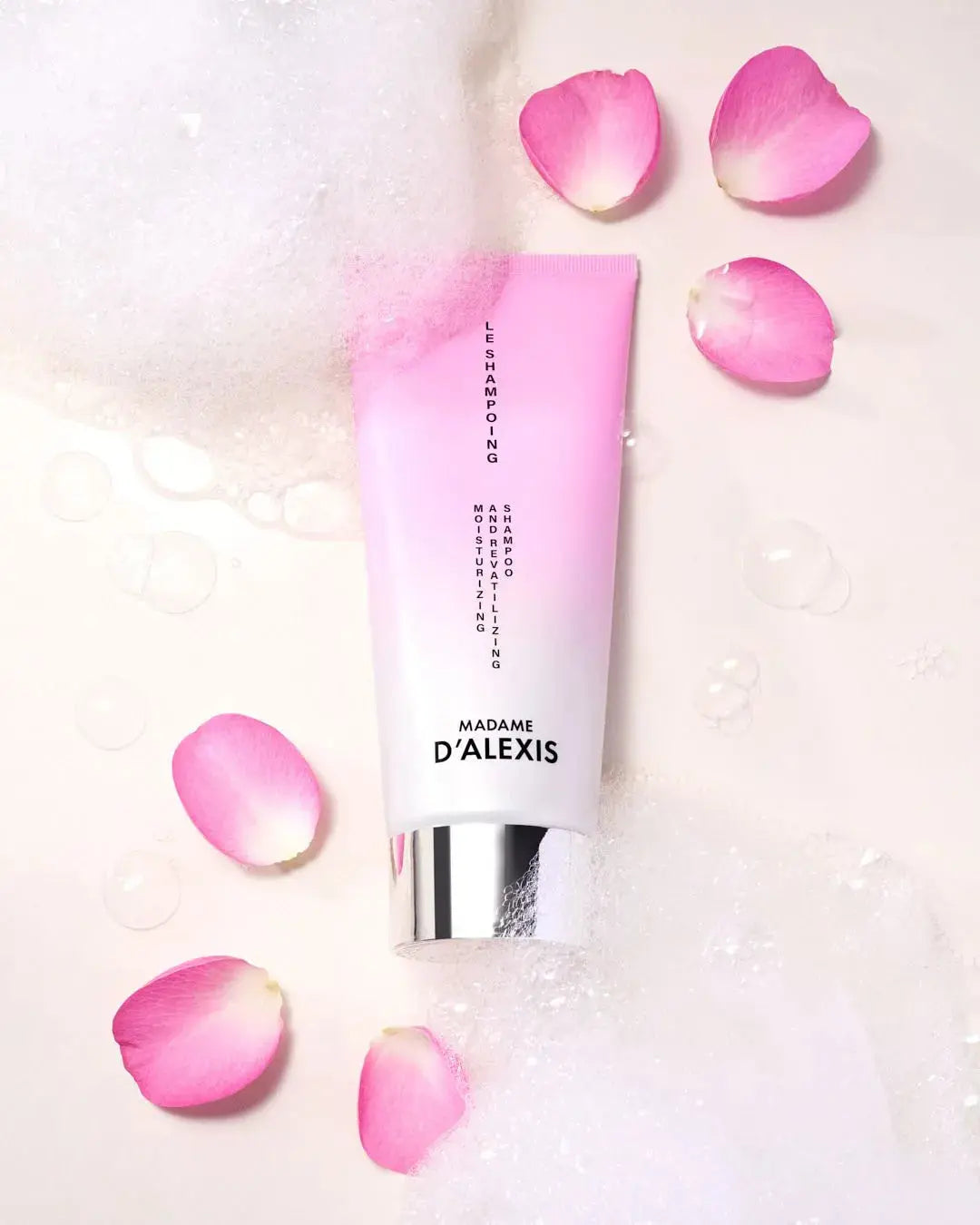
The Shampoo
Gently cleanses · organic hydrosols
- Cleanses without stripping or weighing down
- Preserves hydration and definition
- Ideal base before mask and styling
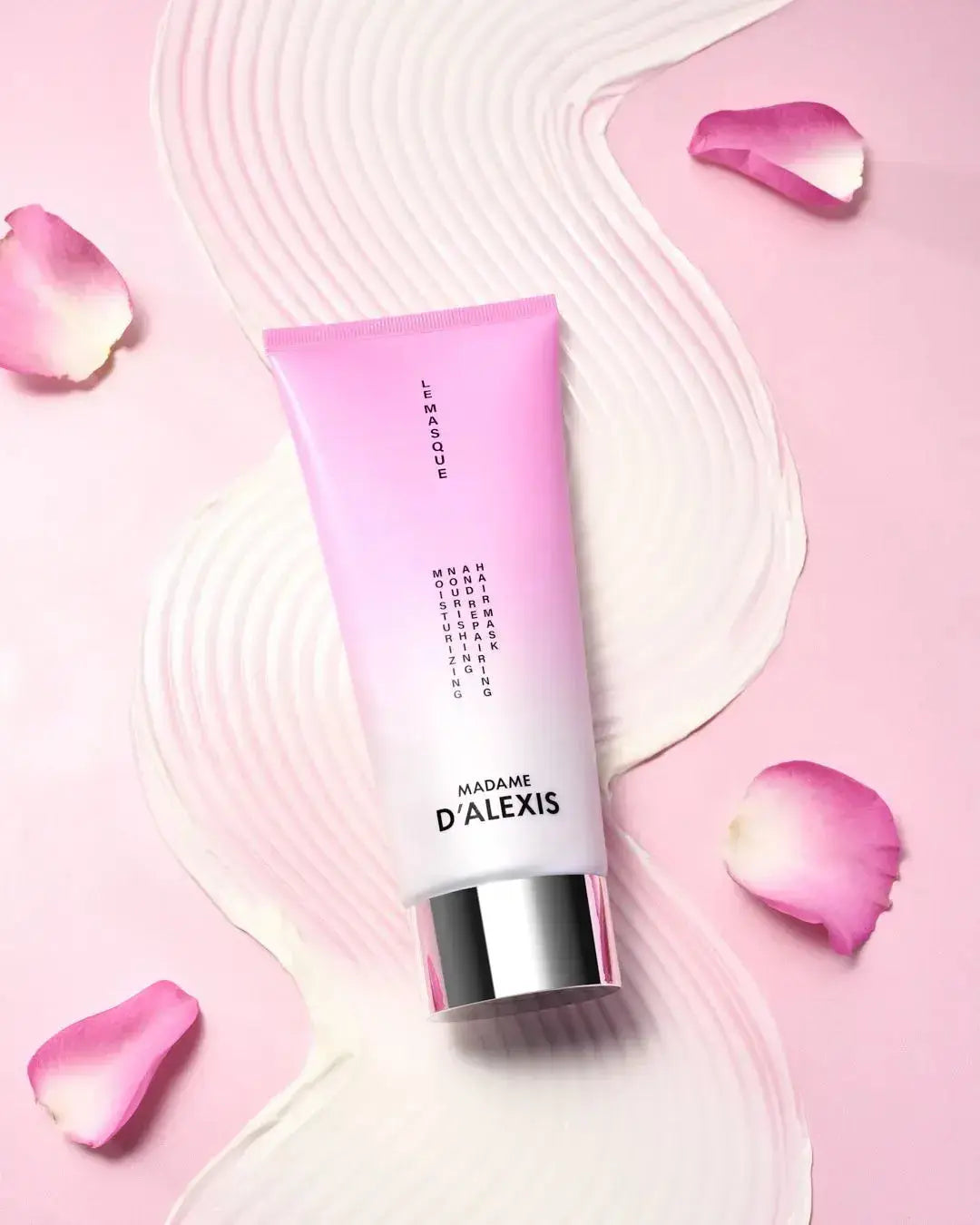
The Mask
Intense hydration · plant-based ceramides
- Repairs the fiber deeply
- Smooths the cuticle, reduces frizz
- Restores bounce and softness to curls
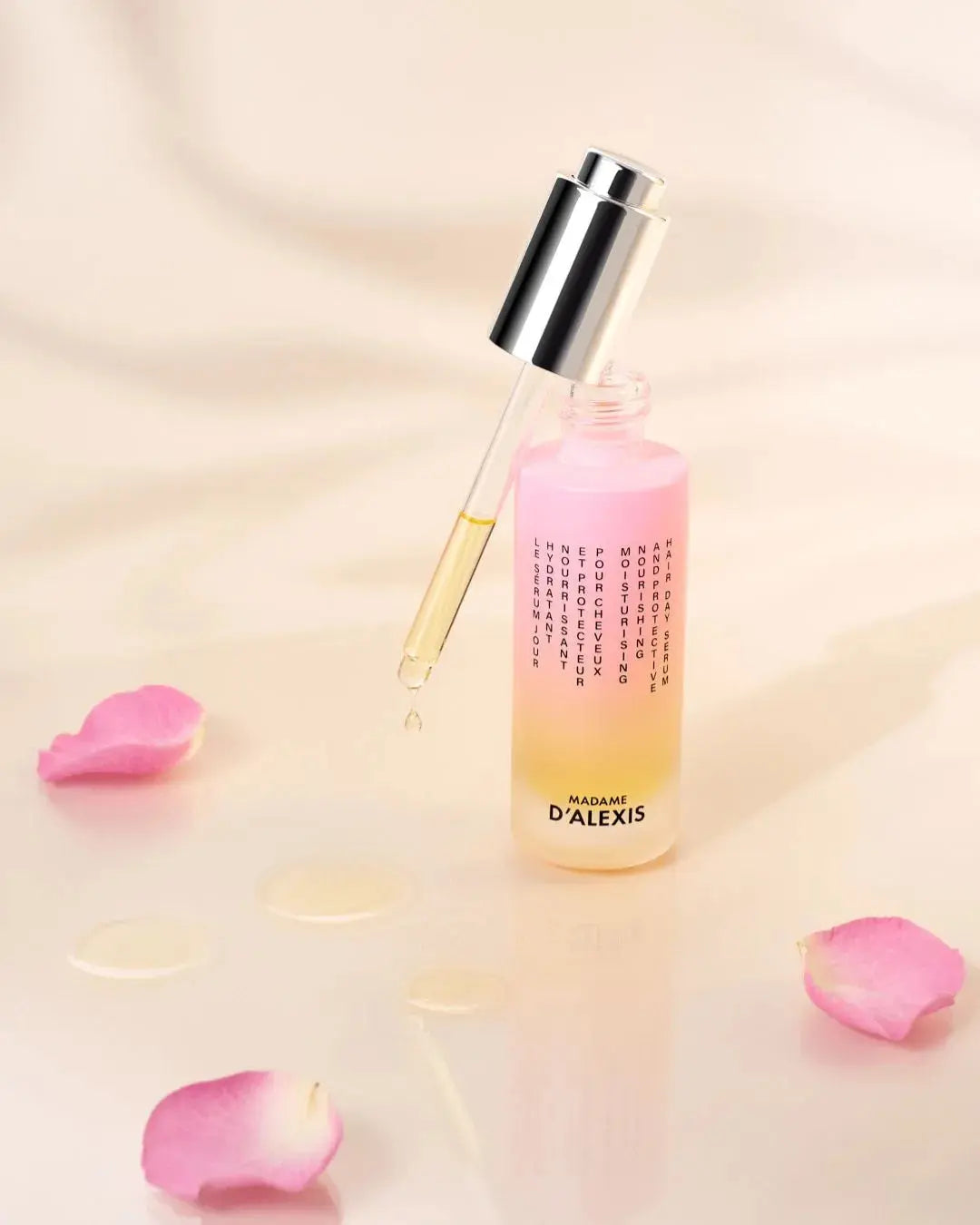
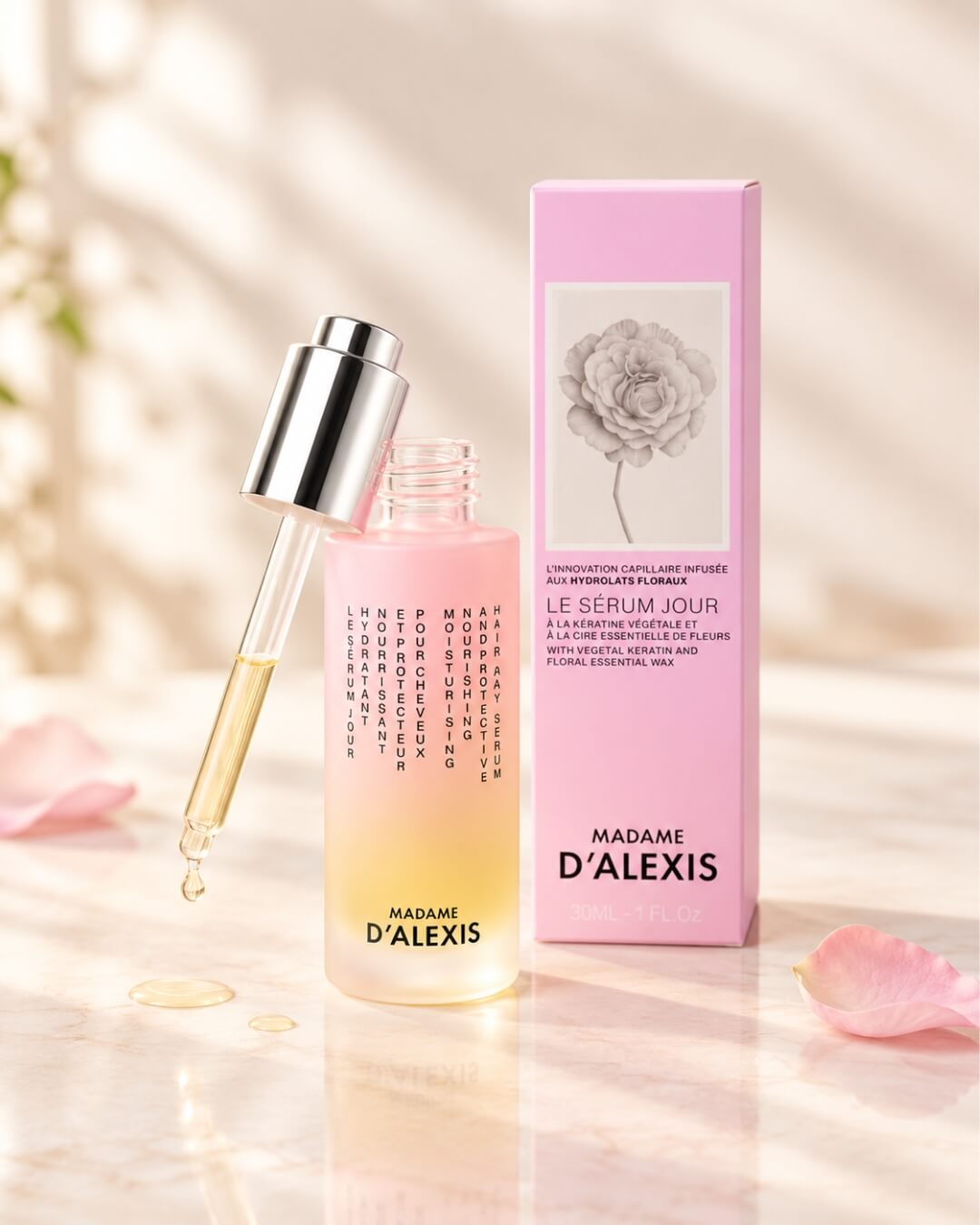
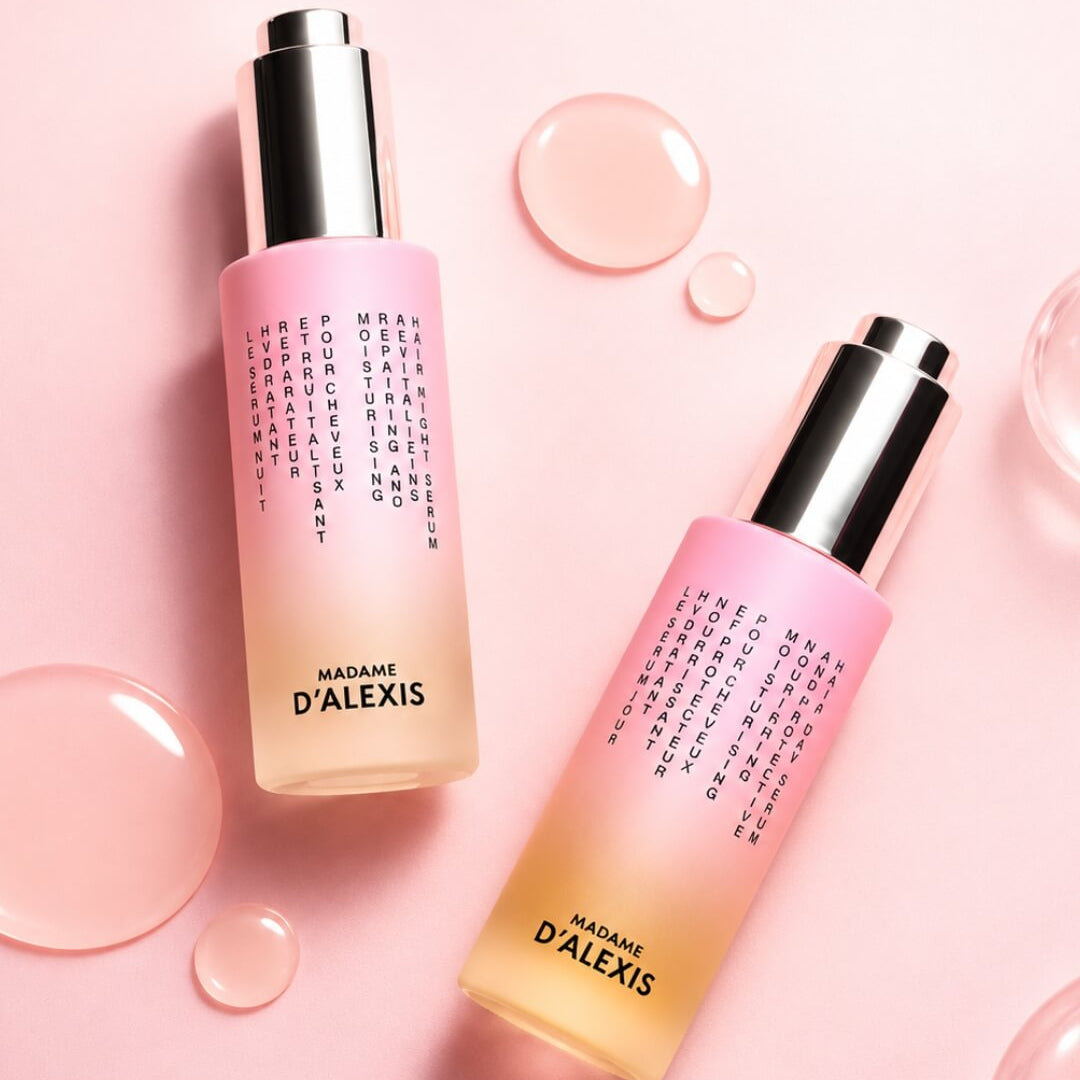
The Day Serum
Protection · light shine
- Heat, UV, and pollution shield
- Tames frizz without weighing down
- Shiny finish and defined curls
How to apply shampoo and a mask to curly / coiled hair?
What are the best treatments for curly and coiled hair?
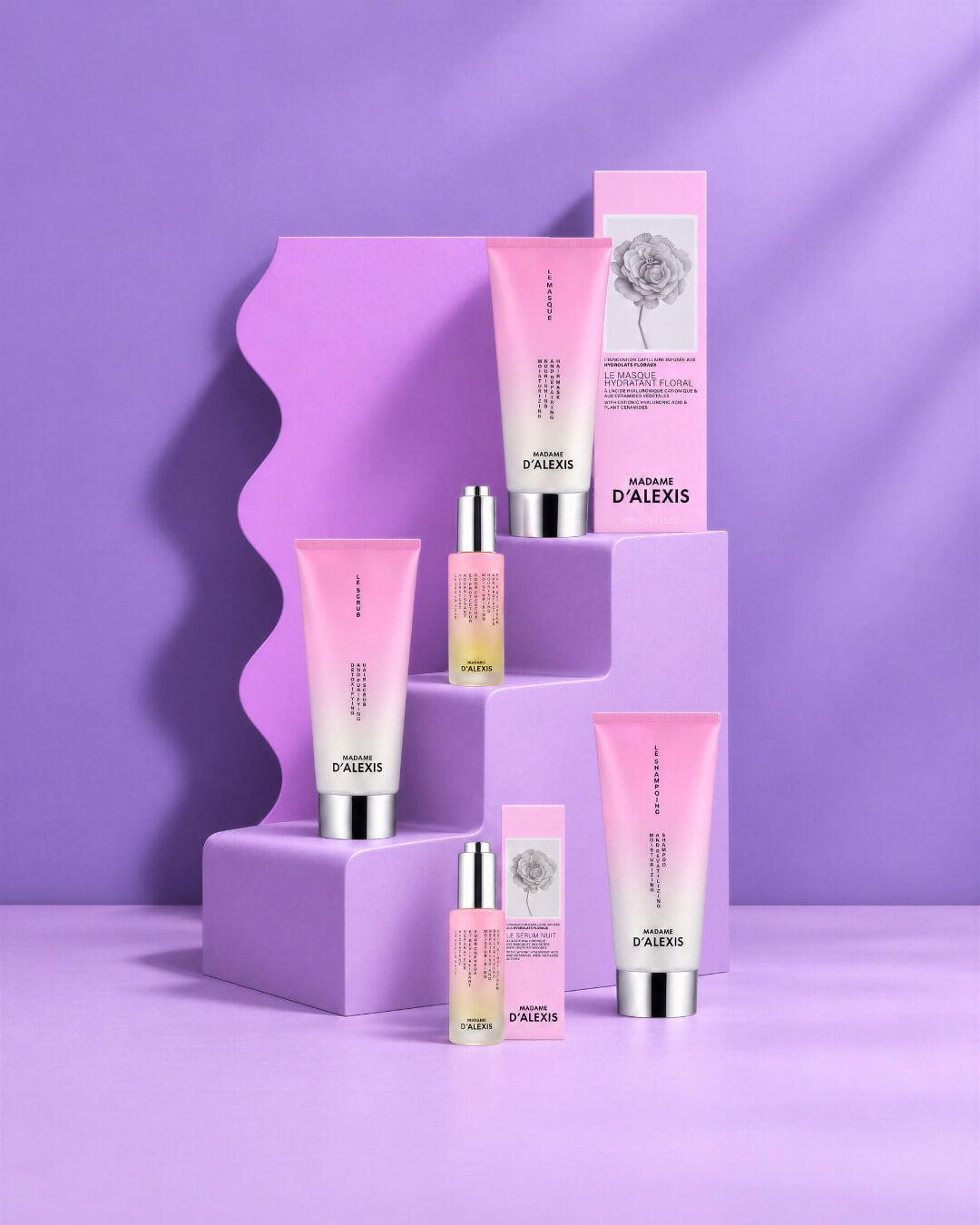
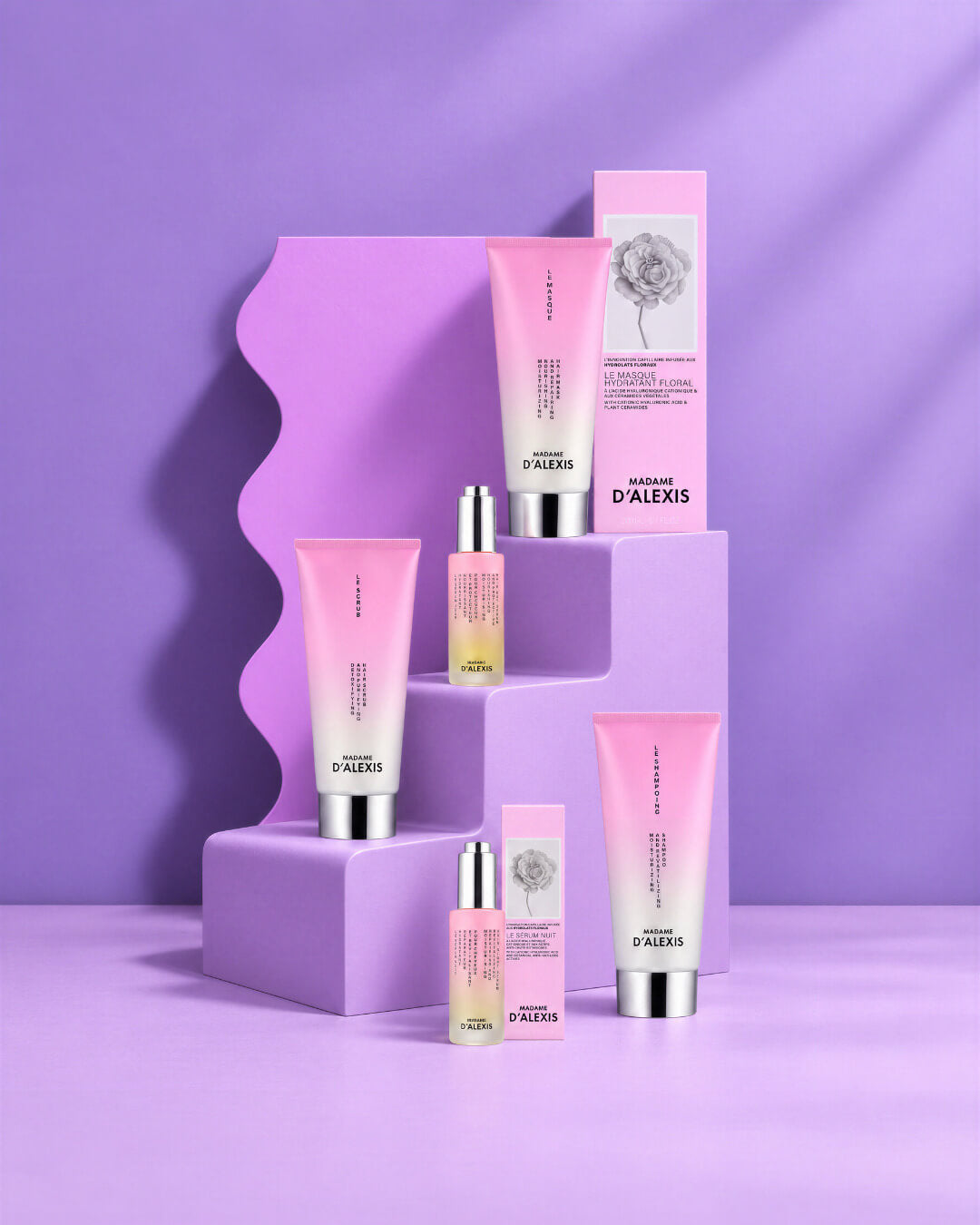
Certain products stand out for their formulation and range consistency. The Madame d’Alexis Curly Hair Routine Pack is a good example.
- Moisturizing shampoo: it cleanses without stripping and hydrates thanks to organic rose, chamomile, and orange blossom hydrosols. Plant-based keratin strengthens the hair fiber.
- Nourishing Mask: it repairs deeply, protects the lengths, and visibly reduces frizz.
- Day serum for curly hair: a true shield, it protects against heat, pollution, and UV rays while providing shine and lightness.
Key benefits for curly hair:
- More defined and bouncy curls.
- Intense hydration and smoothed cuticle.
- Reduced frizz and enhanced elasticity.
- Long-lasting protection for textured hair and wavy hair.
Practical tips to enhance curly hair
Beyond products, a few simple gestures make a difference:
- Space out washes to once or twice a week.
- Refresh curls every morning with a moisturizing spray (refresh).
- Alternate between free hair, braids, ponytails, or protective hairstyles.
- Regularly massage the scalp to stimulate growth and improve blood circulation.
In my experience, the success of a routine depends less on the number of steps than on their consistency. Hydrating, protecting, and taming are the three pillars that guarantee healthy, shiny, and long-lasting curls.
The Dos and Don'ts for Healthy Coily and Curly Hair
Caring for coily or curly hair is about more than just choosing the right products: daily habits play an equally important role.
Some habits enhance curl definition and shine, while others can weaken the hair fiber and increase frizz.
To help you distinguish good practices from common mistakes, watch this video, which clearly and practically explains what to do and what to avoid.
FAQ on Coily and Curly Hair
How to get naturally curly hair without heat?
There are several gentle methods for curling your hair without using a curling iron or heat, which helps preserve the integrity of the hair fiber. The most effective techniques rely on mechanical styling:
- Braids: create two to four braids in slightly damp hair and undo them after a few hours to achieve soft waves or more defined curls, depending on the thickness of the strands.
- A bun or buns: wrap the hair around itself and secure it to encourage natural spiral formation.
- Twists: easy to create, they provide a curly effect when undone the next day.
- A scarf or sock: more original techniques involve wrapping the strands around fabric to create tight curls.
In my opinion, these methods have two benefits: they promote hair health and allow you to experiment with different styles without a permanent commitment.
What is the difference between curly, coily, and kinky hair?
The distinction between these hair types is based primarily on the shape of the hair fiber and the size of the spirals:
- Wavy hair: gentle “S” waves, with a soft, shiny appearance.
- Curly hair: large, well-defined spirals that create a bouncy effect.
- Coily hair: tight, voluminous curls that can sometimes be difficult to manage without the right care.
- Kinky hair: very tight twists, close to a “Z” shape, characterized by particular fragility.
The determining factor is the shape of the hair follicle. The more curved it is, the more spiral-shaped the strand becomes. Understanding this difference helps you choose a specific hair care routine suited to your hair type.
Which products are essential for maintaining coily hair?
A successful routine rests on three pillars: hydrate, nourish, and protect. Because coily hair is naturally dry, it requires targeted care:
- A gentle shampoo: ideally sulfate-free, to cleanse without stripping the hair.
- A nourishing conditioner or mask: to smooth the cuticle and strengthen the hair fiber.
- A leave-in treatment: it maintains hydration throughout the day.
- A styling cream or curl gel: to define curls and reduce frizz.
- A light oil: to lock in moisture and protect the ends.
My view is clear: it is better to use fewer but higher-quality products rather than layering too many. Consistency is more important than quantity.
How to prevent frizz in coily hair?
Frizz is caused by an open, porous cuticle that allows moisture to escape. Several simple steps can help limit it:
- Use a microfiber towel instead of a regular towel to avoid friction.
- Air-dry or dry on a low heat setting to preserve the cuticle.
- Apply a hydrating treatment to damp hair to lock moisture in the hair fiber.
- Sleep with a silk scarf or a satin pillowcase to reduce nighttime friction.
- Avoid brushing dry hair: it is better to detangle with a wooden comb or your fingers on damp hair.
Personally, I believe the key lies in prevention: well-hydrated hair responds much better to ambient humidity.
What daily hair care routine should you follow to enhance coily hair?
An effective routine should be simple but consistent. Here is a typical routine I recommend:
- Washing: once or twice a week with a hydrating shampoo.
- Deep conditioning: a weekly nourishing mask to strengthen the hair fiber.
- Daily hydration: apply a leave-in treatment and a styling cream to maintain curl definition.
- Protection: use a serum or a light oil before any exposure to heat or sunlight.
- Scalp: gentle massages to stimulate microcirculation and support hair growth.
What I have learned after several years of observation: consistency and gentleness are coily hair’s true allies. Overusing products does not yield better results, while a structured, gentle routine can transform hair over time.