Conseils
Hyaluronic acid for hair: everything you need to know about this hydrating active ingredient
Hyaluronic acid, a skincare favourite, also works wonders for hair. Its moisturising power plumps the hair fibre, helps tame frizz and limits breakage. Ideal for dry, curly or damaged hair, it brings back suppleness and shine. Find out why this ingredient has become a staple of premium hair care and how to add it to your routine.

Hyaluronic acid for hair: benefits, usage, risks and complete routine
Hyaluronic acid helps retain water in the hair fibre, smooth the cuticle, reduce roughness, and support scalp comfort. At Madame d’Alexis, we go further with a cationic version, designed to adhere better to the hair.
The 80/20 to remember
- Hyaluronic acid for hair hydrates the fibre, tames frizz, and improves suppleness.
- It is suitable for dry, curly, fine, coloured, or damaged hair, provided the formula remains lightweight.
- No known risks in standard cosmetic use, but a skin patch test is still recommended.
- The Madame d’Alexis cationic version adheres better to the fibre than standard hyaluronic acid.
- The best results come from a complete routine: gentle cleansing, deep treatment, balanced scalp.
Madame d’Alexis products containing hyaluronic acid
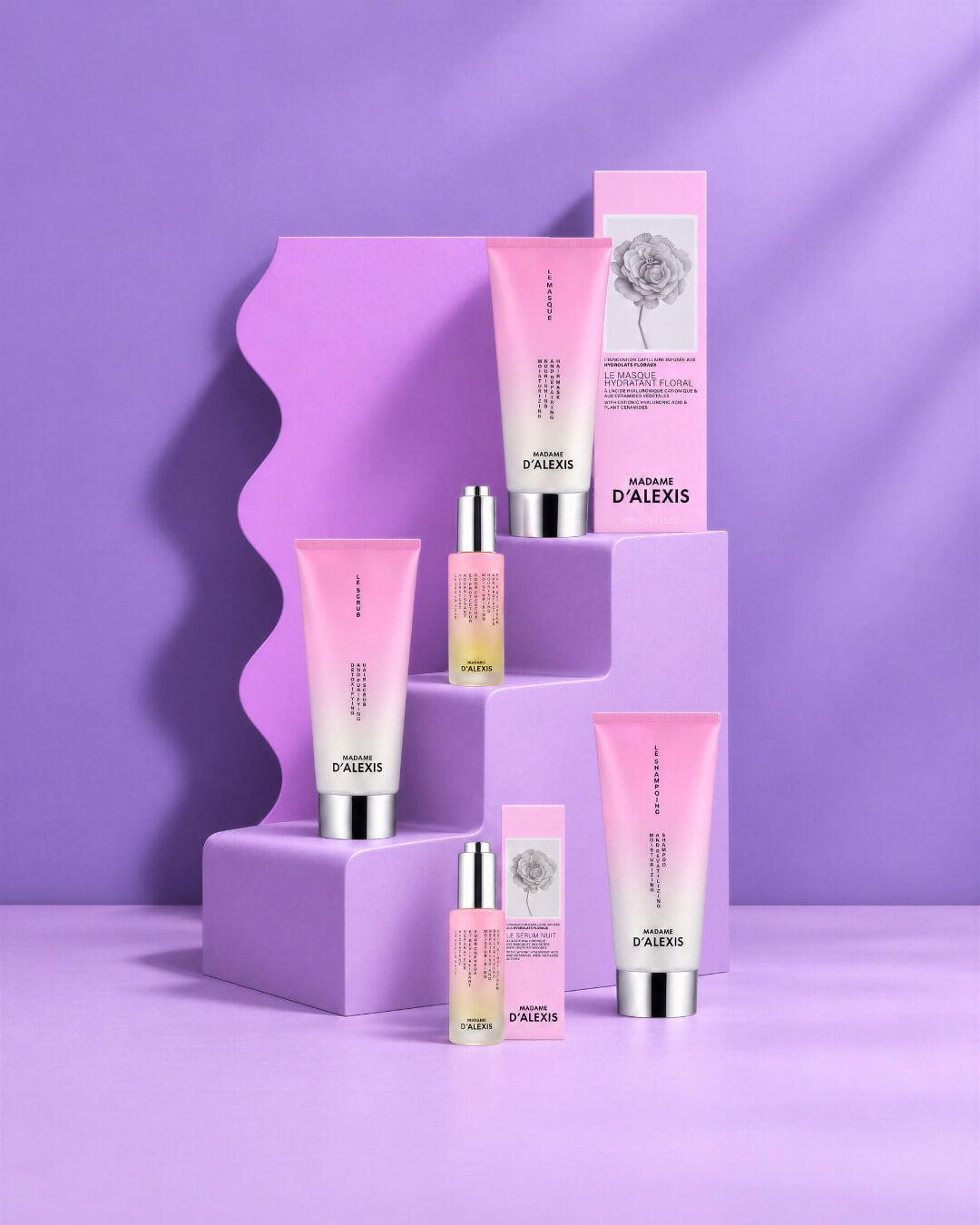
To turn the information into a concrete routine, here are the products in the range that incorporate cationic hyaluronic acid in a complementary logic: cleanse, exfoliate, treat overnight, nourish the fibre.
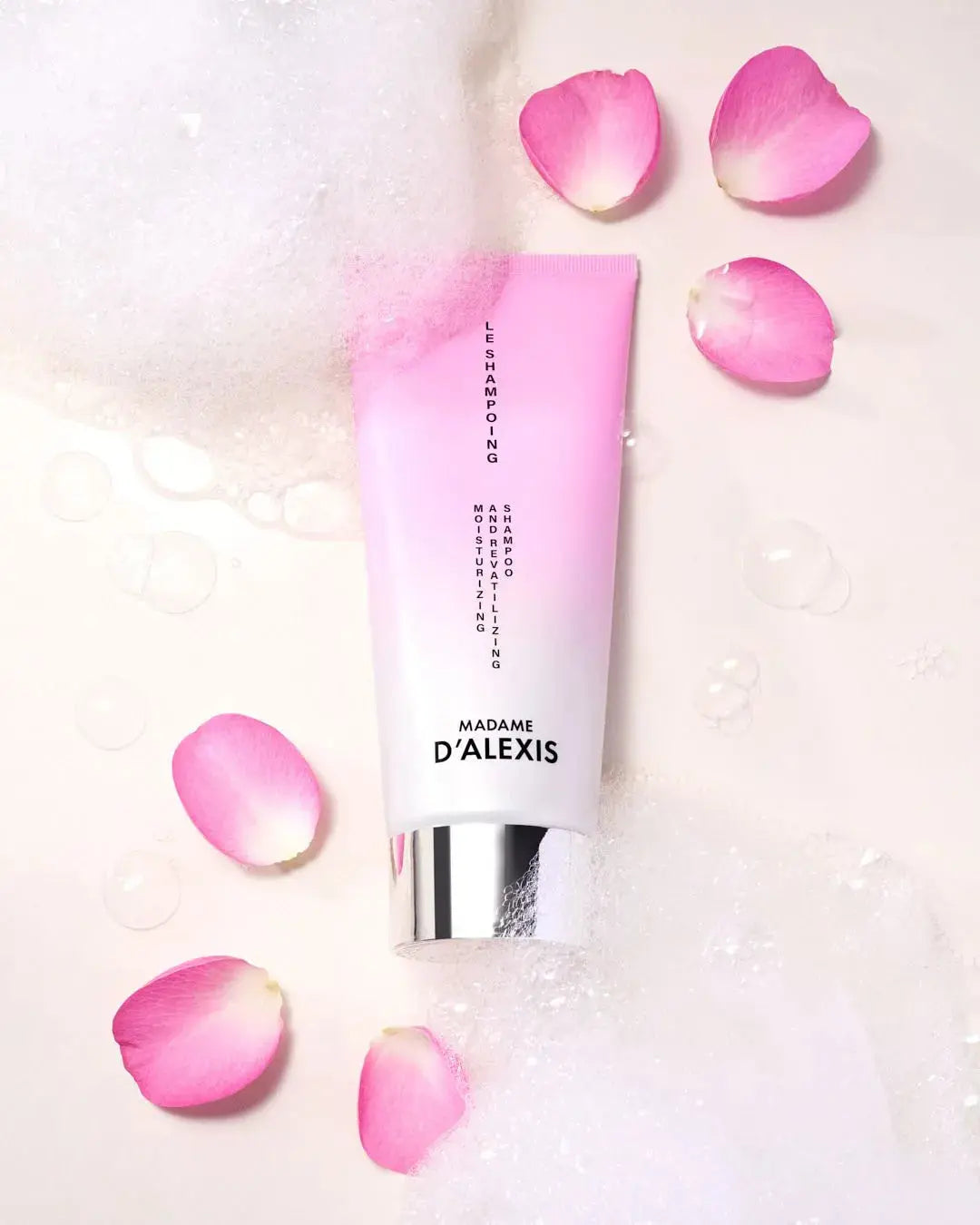
Le Shampoing - Organic hydrosols and hyaluronic acid
Sulfate-free · Cationic HA · organic hydrosols
- Cleanses without stripping
- Helps smooth the fibre during washing
- Ideal for dry, dull, or sensitised hair
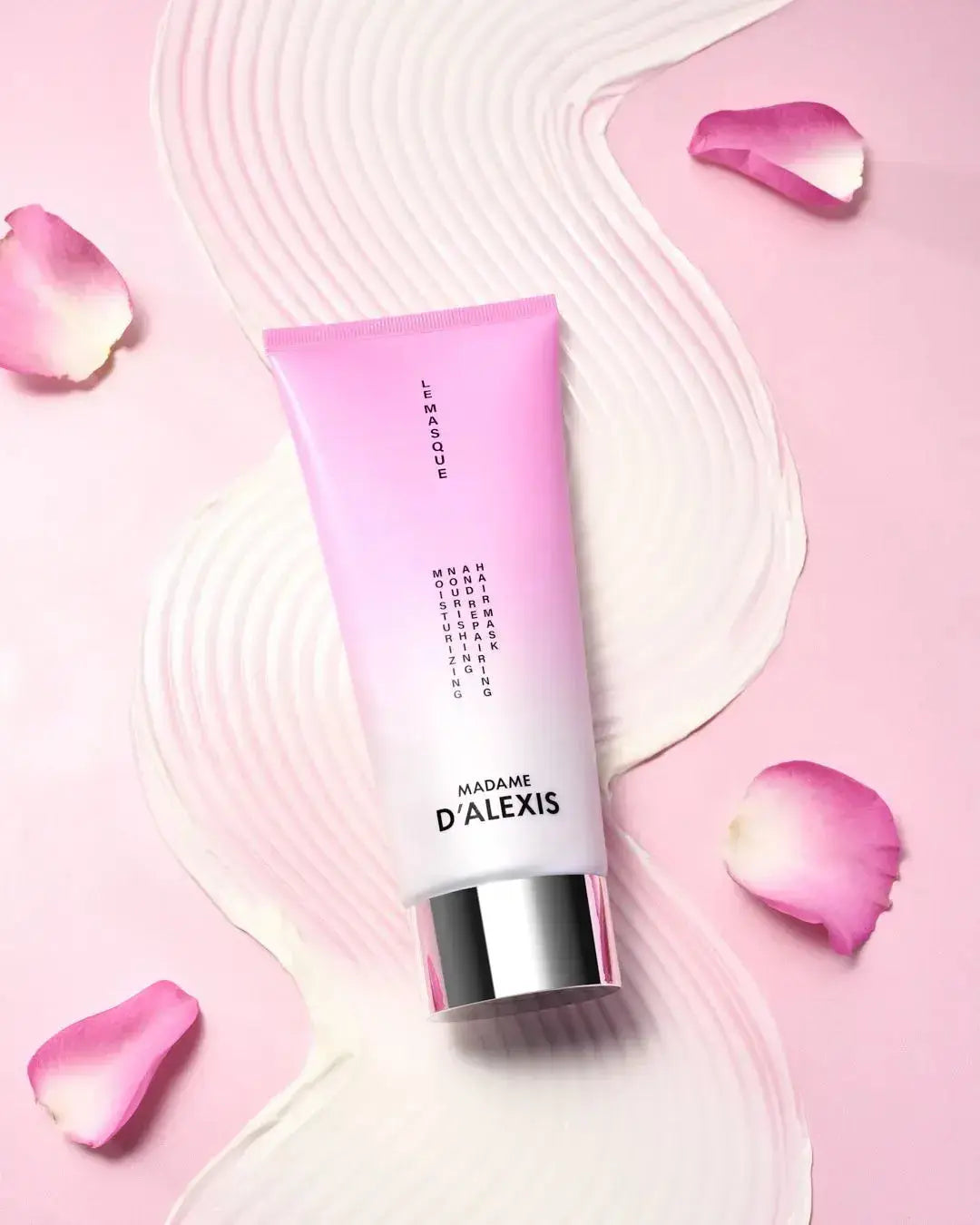
Le Masque - Deep hydration with organic hydrosols
Plant ceramides · Cationic HA · nourishment
- Plumps dehydrated lengths
- Helps reduce breakage
- Provides softness, suppleness, and shine
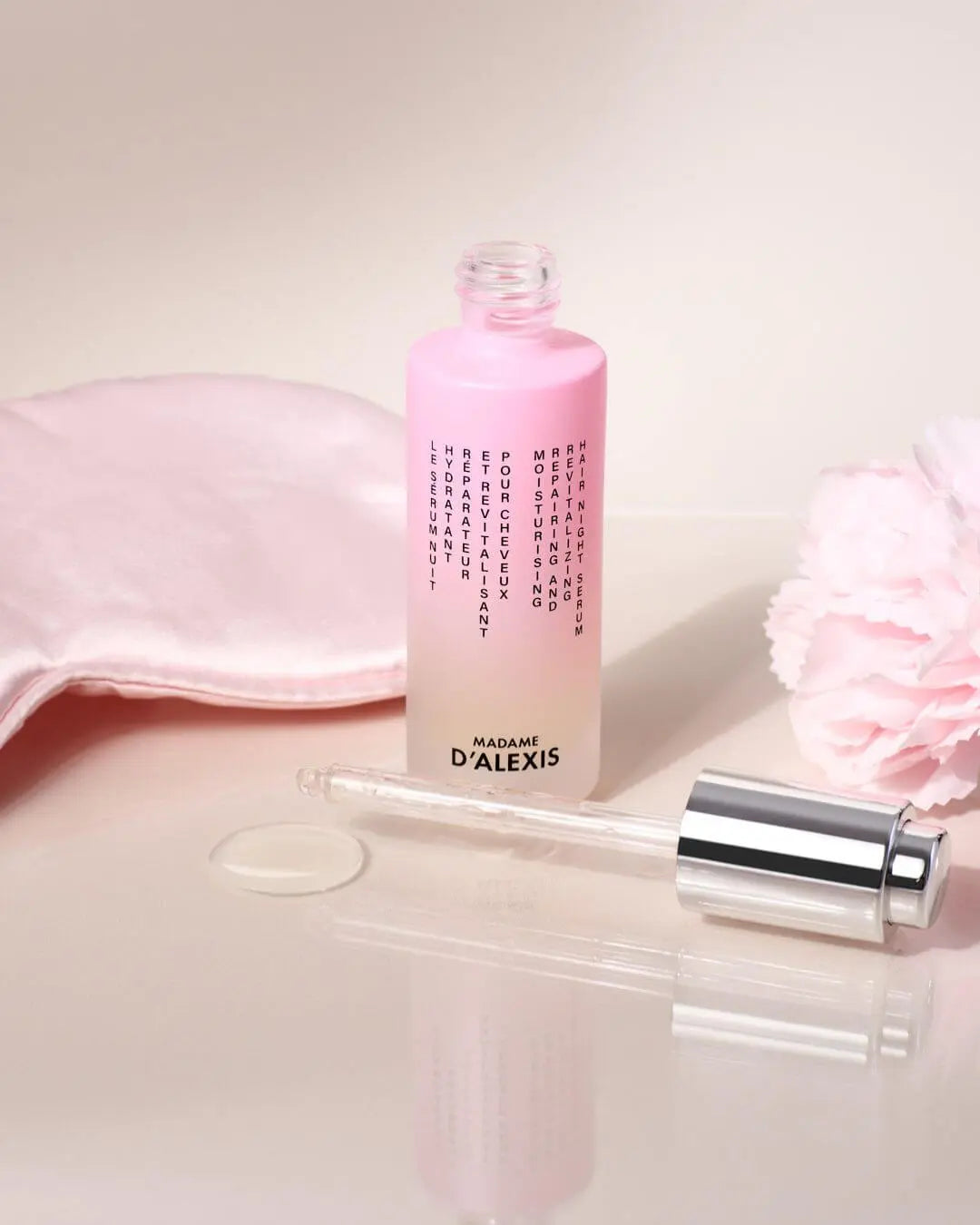
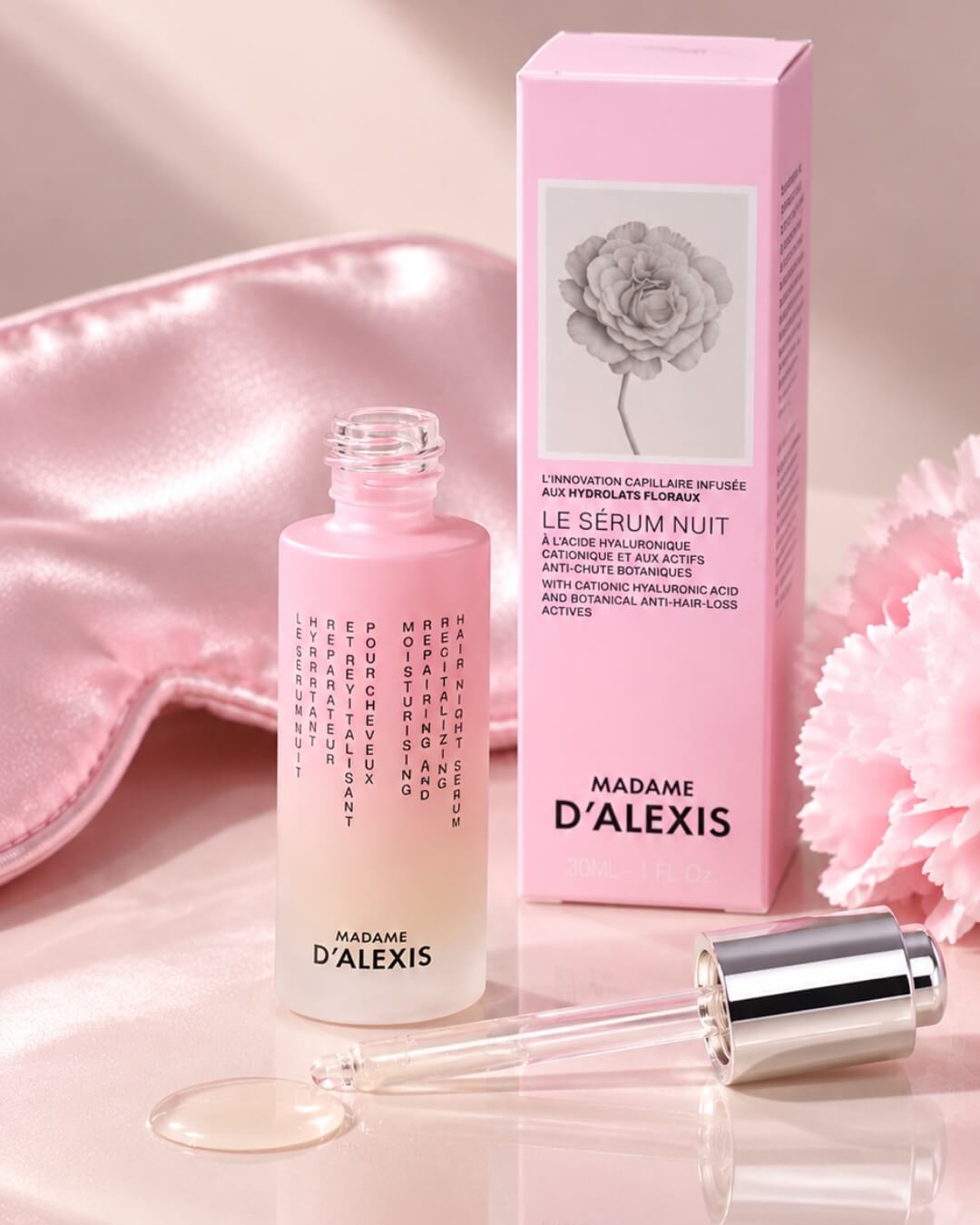
Le Sérum Nuit - Anti-hair-fall and densifying serum with probiotics
Scalp · probiotics · Cationic HA
- Night treatment section by section
- Helps soothe the scalp
- Density routine 3 to 5 evenings/week
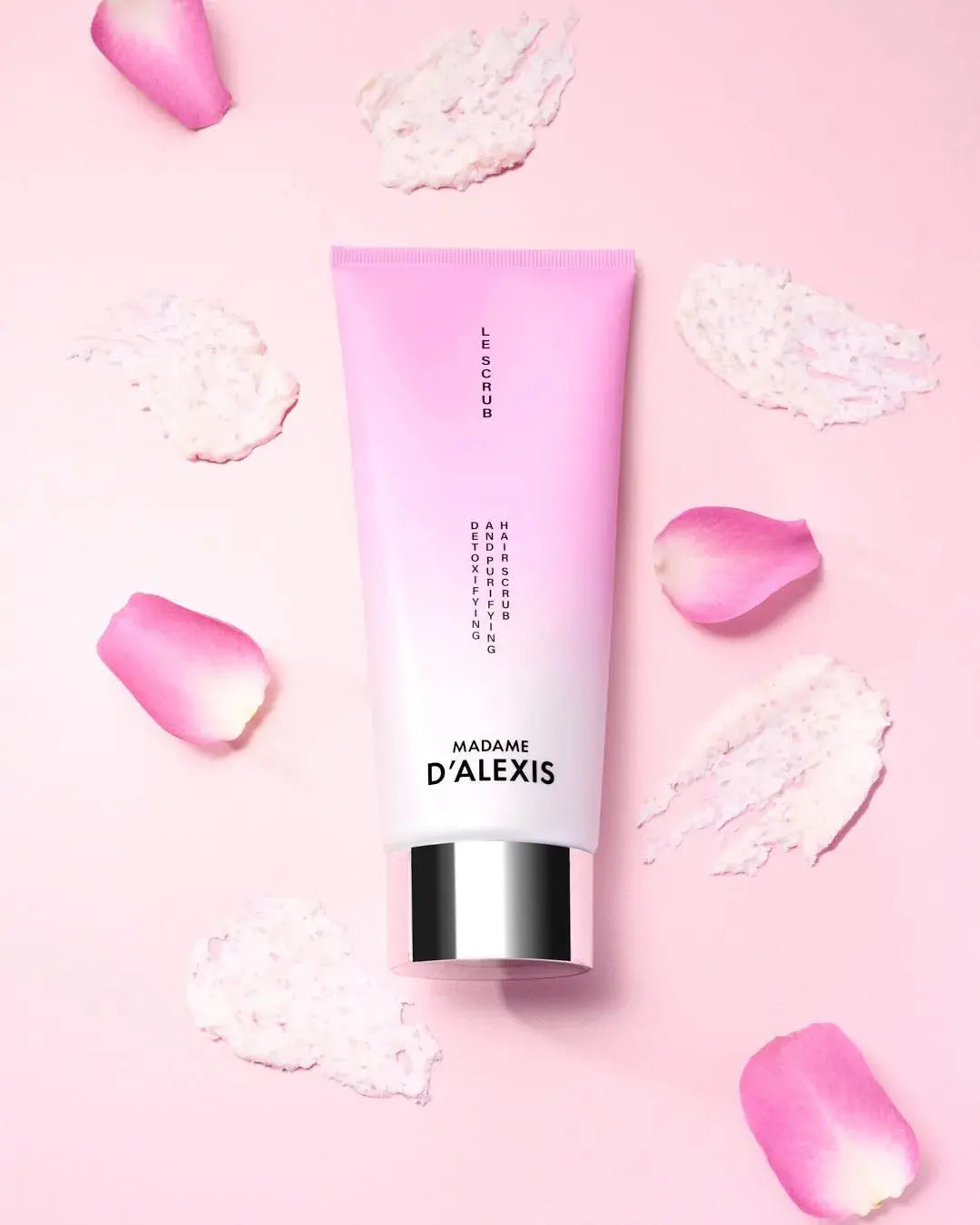
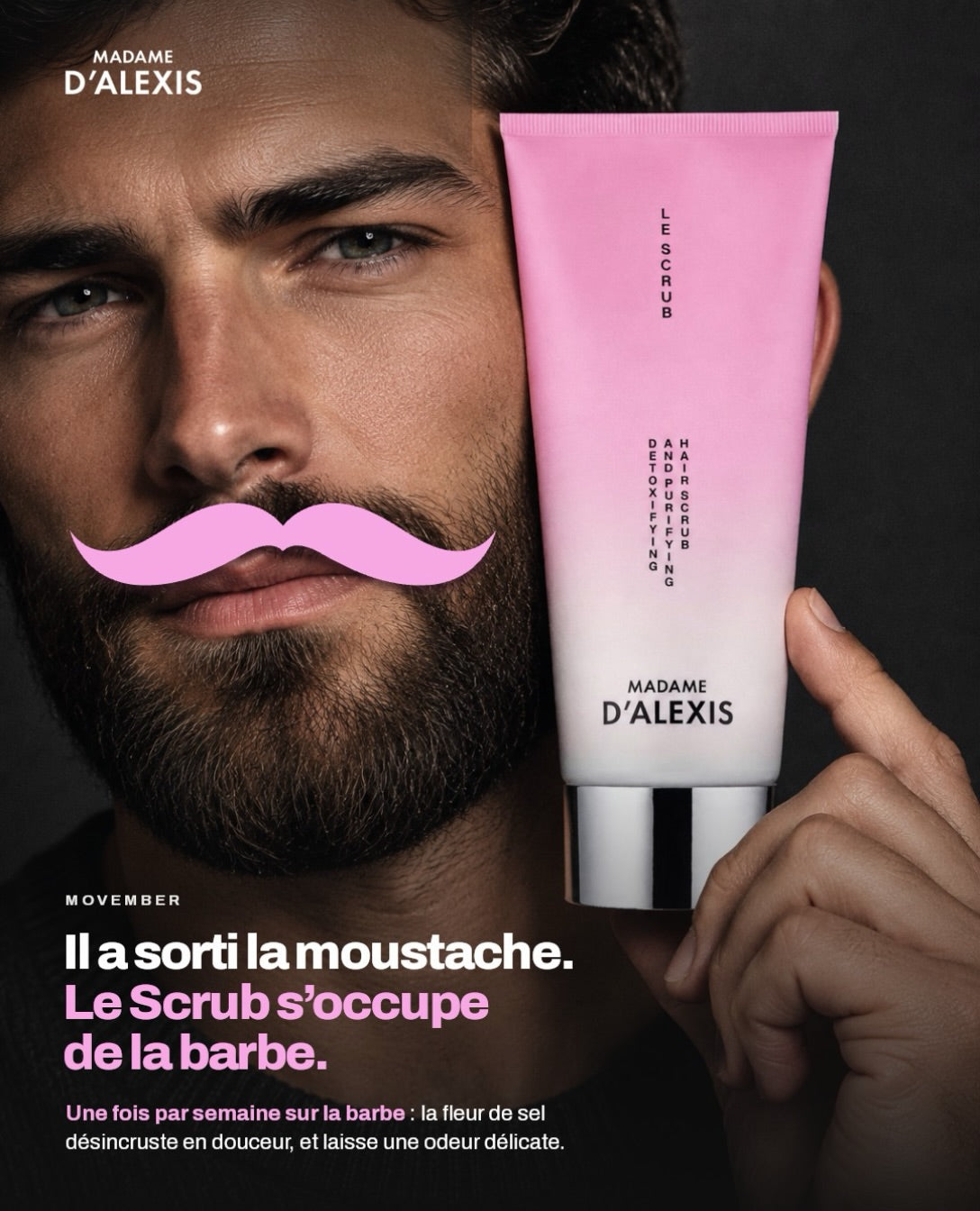
Le Scrub - Exfoliating scalp shampoo with organic hydrosols
Fleur de sel · organic hydrosols · Cationic HA
- Exfoliates without stripping
- Prepares the scalp for treatments
- Lighter and cleaner roots
What is hyaluronic acid and how does it act on the hair fibre?
Hyaluronic acid is a molecule naturally present in the body, notably in the skin, connective tissues, and scalp. Its particularity: it acts as a hydrating sponge, capable of retaining a very large amount of water.
It helps the fibre retain water, to reduce the dry, rough, or dull appearance.
A better hydrated fibre becomes more flexible, easier to style, and less prone to breakage.
By visually smoothing the cuticle, it improves light reflection and shine.
On the skin, hyaluronic acid mainly helps maintain hydration and elasticity. On the hair, it acts more as a hydrating and protective film, while providing a sensation of a softer, more supple, and more disciplined fibre.
MDA Cationic HA vs Standard Market HA
This is the point that competitors rarely explain: not all hyaluronic acids behave the same way on the hair fibre.
Standard hyaluronic acid
- Hydrates on the surface.
- Can be partially removed upon rinsing.
- Interesting, but less targeted for hair.
MDA Cationic Hyaluronic Acid
- Positive charge, better affinity with the hair fibre.
- Helps deposit on weakened areas.
- More relevant hydrating, smoothing, and protective effect in hair care.
Damaged hair is naturally more negatively charged. A cationic form, therefore positively charged, has more affinity with the fibre. This is what allows obtaining a more technical treatment than a simple “hydrating active” added to a classic formula.
How does hyaluronic acid hydrate hair and limit breakage?
Dry hair becomes more porous, stiffer, and more brittle. Hyaluronic acid helps maintain water in the fibre, which improves suppleness and reduces the straw effect.
| Visible problem | What hyaluronic acid can bring | Recommended routine |
|---|---|---|
| Frizz | Helps smooth the cuticle and limit water loss. | Light serum or a weekly mask. |
| Breakage | Improves the cosmetic elasticity of a weakened fibre. | A mask with ceramides and hyaluronic acid. |
| Dull hair | Provides a smoother and more luminous surface. | Gentle shampoo + nourishing mask. |
| Uncomfortable scalp | Contributes to surface hydration and comfort. | Le Sérum Nuit, anti-hair-fall and densifying, with probiotics. |
Le Masque - Deep hydration with organic hydrosols
Plant ceramides · Cationic HA · nourishment
- Plumps dehydrated lengths
- Helps limit breakage
- Provides softness, suppleness, and shine
Le Shampoing - Organic hydrosols and hyaluronic acid
Sulfate-free · Cationic HA · organic hydrosols
- Cleanses without stripping
- Helps smooth the fibre during washing
- Ideal for dry, dull, or sensitised hair
What benefits for dry, curly, fine, coloured, or damaged hair?
It lacks water and suppleness. Hyaluronic acid helps restore a softer fibre sensation, especially in combination with care for dry hair.
Curls need light hydration. HA helps limit frizz and keep a more supple curl, in combination with care for curly hair.
It provides hydration without necessarily weighing it down, provided you avoid greasy textures and overdosing.
It helps improve the appearance of the fibre after colouring, heat, or repeated blow-drying, especially with hair fibre ceramides.
How to apply hyaluronic acid on hair? Serum, mask, or shampoo
Hyaluronic acid does not have the same role depending on the texture that carries it. It is the carrier that determines the proper use.
Ideal to incorporate the active from washing, without weighing it down. The hyaluronic acid shampoo cleanses and accompanies the fibre from the first step.
Perfect for dry, coloured, or brittle lengths. It provides a more enveloping hydration.
Interesting as a night treatment, section by section, for uncomfortable or dehydrated scalps.
Le Shampoing - Organic hydrosols and hyaluronic acid
Sulfate-free · Cationic HA · organic hydrosols
- Cleanses without stripping
- Helps smooth the fibre during washing
- Ideal for dry, dull, or sensitised hair
Le Sérum Nuit - Anti-hair-fall and densifying serum with probiotics
Scalp · probiotics · Cationic HA
- Night treatment section by section
- Helps soothe the scalp
- Density routine 3 to 5 evenings/week
Le Masque - Deep hydration with organic hydrosols
Plant ceramides · Cationic HA · nourishment
- Plumps dehydrated lengths
- Helps limit breakage
- Brings softness, suppleness and shine
Hyaluronic acid for the scalp: what does it do for the roots and hair growth?
A dehydrated scalp that feels tight or itchy is a less comfortable environment for the roots. Hyaluronic acid can help hydrate and soothe the surface, especially when it is combined with hydrosols and prebiotics.
To go further on scalp health, see our guide to an itchy scalp and hair loss and our article on the scalp microbiome.
Hyaluronic acid for hair: risks and myths
Not directly. It mainly improves hydration, comfort and the look of the hair fibre.
In normal cosmetic use, no specific risk is known for most people.
False. A well-dosed formula used regularly is better than too much product.
Good practice: do a skin patch test 24 hours before first use, especially if your scalp is sensitive, prone to eczema or very reactive. If you are under medical treatment, notice unusual hair loss or have persistent irritation, ask a healthcare professional for advice.
Hyaluronic acid for hair before and after: what results to expect?
The expected effect is not an artificial transformation, but a gradual improvement in the cosmetic quality of the hair fibre.
| Before the routine | After several regular uses | Why |
|---|---|---|
| Rough, straw-like hair | Softer feel, more supple fibre | Better water retention and a smoothing effect on the surface. |
| Visible frizz | Smoother, more manageable hair | A visibly smoother cuticle. |
| Dull lengths | Clearer shine | A more even hair surface that reflects light better. |
| Uncomfortable scalp | A soothed feeling | Surface hydration, hydrosols, prebiotics and gentle actives. |
Which Madame d’Alexis products contain hyaluronic acid?
The ideal routine depends on your main need. The aim is not to pile up products, but to choose the right step at the right time.
| Need | Recommended product | Why |
|---|---|---|
| Dry or dull hair | Le Masque - Deep hydration with organic hydrosols | Plant ceramides and cationic HA to nourish and plump the lengths. |
| Gentle, regular washing | Le Shampoing - Organic hydrosols and hyaluronic acid | Cleanses without sulfates and hydrates from the wash. |
| Uncomfortable scalp | Le Sérum Nuit - Anti-hair-fall and densifying serum with probiotics | Applied at night, section by section: microbiome balance, hydration and comfort. |
| Clogged roots | Le Scrub - Exfoliating scalp shampoo with organic hydrosols | Exfoliates, lifts residue and prepares the scalp for active ingredients. Use it every 10 to 15 days, in place of Le Shampoing that day. |
Le Masque - Deep hydration with organic hydrosols
Plant ceramides · Cationic HA · nourishment
- Plumps dehydrated lengths
- Helps limit breakage
- Brings softness, suppleness and shine
Le Shampoing - Organic hydrosols and hyaluronic acid
Sulfate-free · Cationic HA · organic hydrosols
- Cleanses without stripping
- Helps smooth the fibre from the wash
- Ideal for dry, dull or sensitised hair
Le Sérum Nuit - Anti-hair-fall and densifying serum with probiotics
Scalp · probiotics · Cationic HA
- Night-time care, section by section
- Helps soothe the scalp
- Density routine 3 to 5 evenings a week
Le Scrub - Exfoliating scalp shampoo with organic hydrosols
Fleur de sel · organic hydrosols · Cationic HA
- Exfoliates without stripping
- Prepares the scalp for treatments
- Lighter, cleaner roots
Your questions about hyaluronic acid for hair
What is hyaluronic acid for hair and what does it do?
It is a hydrating molecule that can hold a large amount of water. On hair, it helps maintain hydration, smooth the fibre, limit frizz and bring more suppleness and shine.
Is hyaluronic acid dangerous for hair?
In normal cosmetic use, it has no known risk for most people. It is still best to do a skin patch test before first use, especially if your scalp is sensitive or reactive.
Does hyaluronic acid make hair grow?
It does not make hair grow directly like an anti-hair-loss medicine. Its value lies in keeping the scalp comfortable and the fibre better hydrated, two conditions for healthier-looking hair.
Can you apply hyaluronic acid to the scalp?
Yes, when it is part of a formula designed for the scalp. It can help reduce the feeling of dryness, tightness or discomfort, without a greasy effect when it is well formulated.
Is hyaluronic acid suitable for curly hair?
Yes. Curly hair often needs light hydration to limit frizz and keep curls supple. Hyaluronic acid helps hold water in the fibre without weighing down the natural shape of the curl.
What before and after results can you expect from hyaluronic acid for hair?
You may notice softer, more supple, shinier and less rough hair. Results depend on the starting condition of the fibre and on regular use, usually over several washes or several weeks.
What is the difference between cationic HA and standard HA?
Cationic hyaluronic acid has a stronger affinity with the hair fibre, which is naturally negatively charged. It therefore clings to the hair better than standard HA, which rinses away more easily.
Which Madame d’Alexis product should I choose for hyaluronic acid?
Le Shampoing, Le Masque, Le Scrub and Le Sérum Nuit all contain cationic hyaluronic acid. The choice depends on your need: gentle washing, deep care, scalp exfoliation or night-time care for the roots.
Should you use a hyaluronic acid serum or mask?
A mask is ideal for dry or damaged lengths. A serum is more useful for targeted application, especially on the scalp or as part of a night-time routine.
Does hyaluronic acid weigh down fine hair?
Not if the formula is light and well dosed. On fine hair, choose non-greasy textures and avoid building up too much product on the lengths.
Sources
- Improving the Mechanical Properties of Damaged Hair Using Low Molecular Weight Hyaluronan, a study on the mechanical effects of HA on bleached hair.
- Healthline - Hyaluronic Acid for Hair, a dermatology overview of benefits, precautions and uses.
- Verywell Health - Hyaluronic Acid for Hair: What to Know, an accessible overview of hydration, safety and the limits of hair growth claims.
- Floral hydrosols and hair care by Madame d’Alexis, to understand our active base made with no added water.
Ready to turn hydration into a real hair ritual?
Start with the simplest duo: a gentle hyaluronic acid shampoo to wash, then a mask or a serum depending on your main need.
Discover Madame d’Alexis hair care