Conseils
How Menopause Affects Your Hair: Understanding the Hormonal Mechanisms
At menopause, the drop in estrogen weakens the hair and scalp: diffuse hair loss, dryness, itching. Discover the hormonal causes and the natural routine to take action in 8 to 12 weeks.

Hair and Menopause: Understanding the Hormonal Link to Take Effective Action
At menopause, the drop in estrogen weakens the hair fiber, alters sebum, and disrupts the scalp microbiome. To regain control, you need to address the entire chain: hormones, scalp, nutrition, stress, and a targeted routine.
In Summary
At menopause, the drop in estrogen disrupts the estrogen/DHT ratio and weakens both the hair fiber and the scalp microbiome. The result: drier, thinner hair, diffuse shedding, and itching.
The good news is that this is not inevitable. A targeted routine, gentle exfoliation, pH-friendly shampoo, microbiome serum, a balanced diet, cortisol management, and, if necessary, medical advice regarding the thyroid and hormones can help you regain control in 8 to 12 weeks.
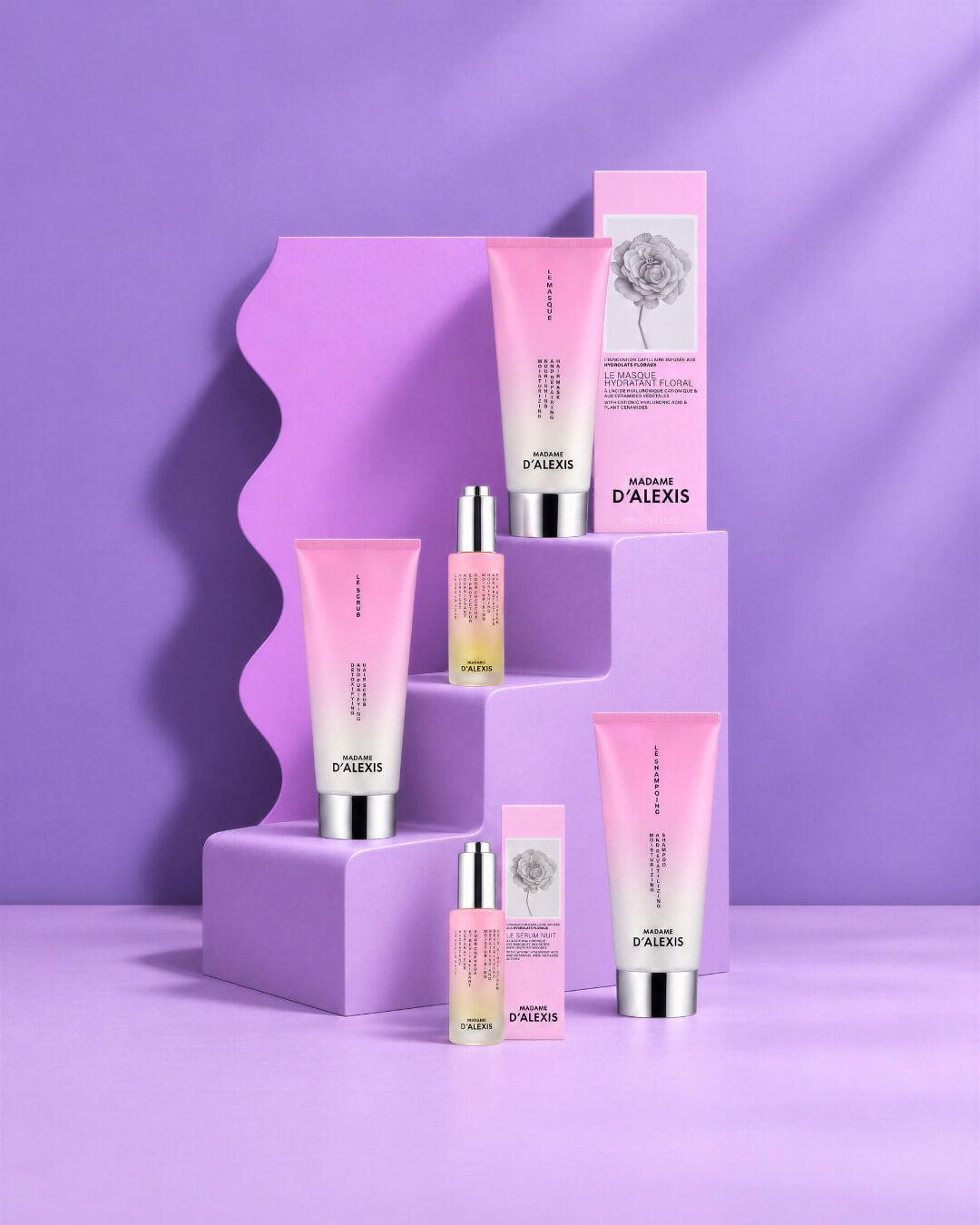
The 3 products to combine when menopause weakens the scalp
Purify without stripping, wash without aggression, then treat the microbiome at night.
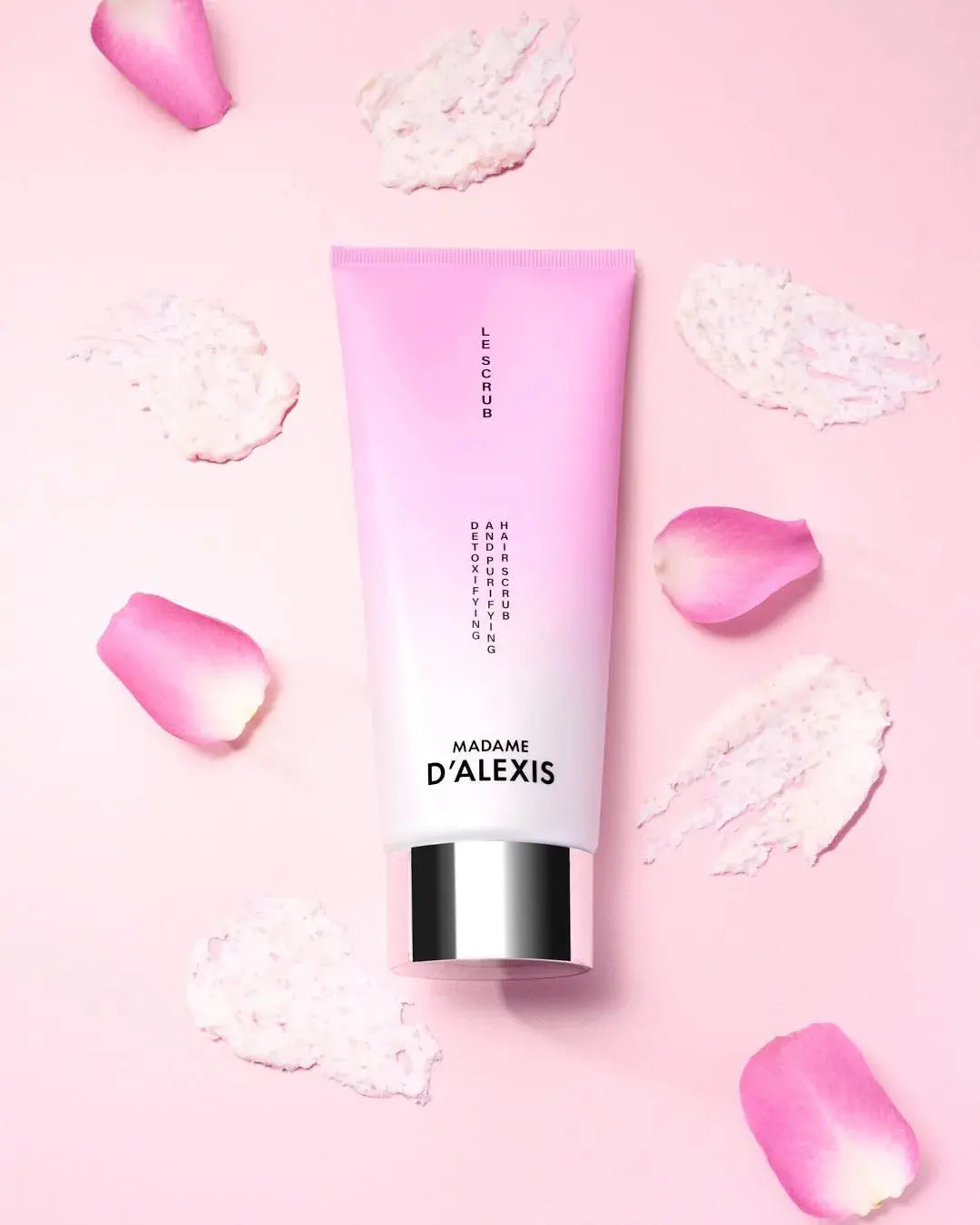
Exfoliating Scrub
Scalp detox · gentle purification
- Micronized sea salt
- Active organic hydrosols
- Purifies without stripping
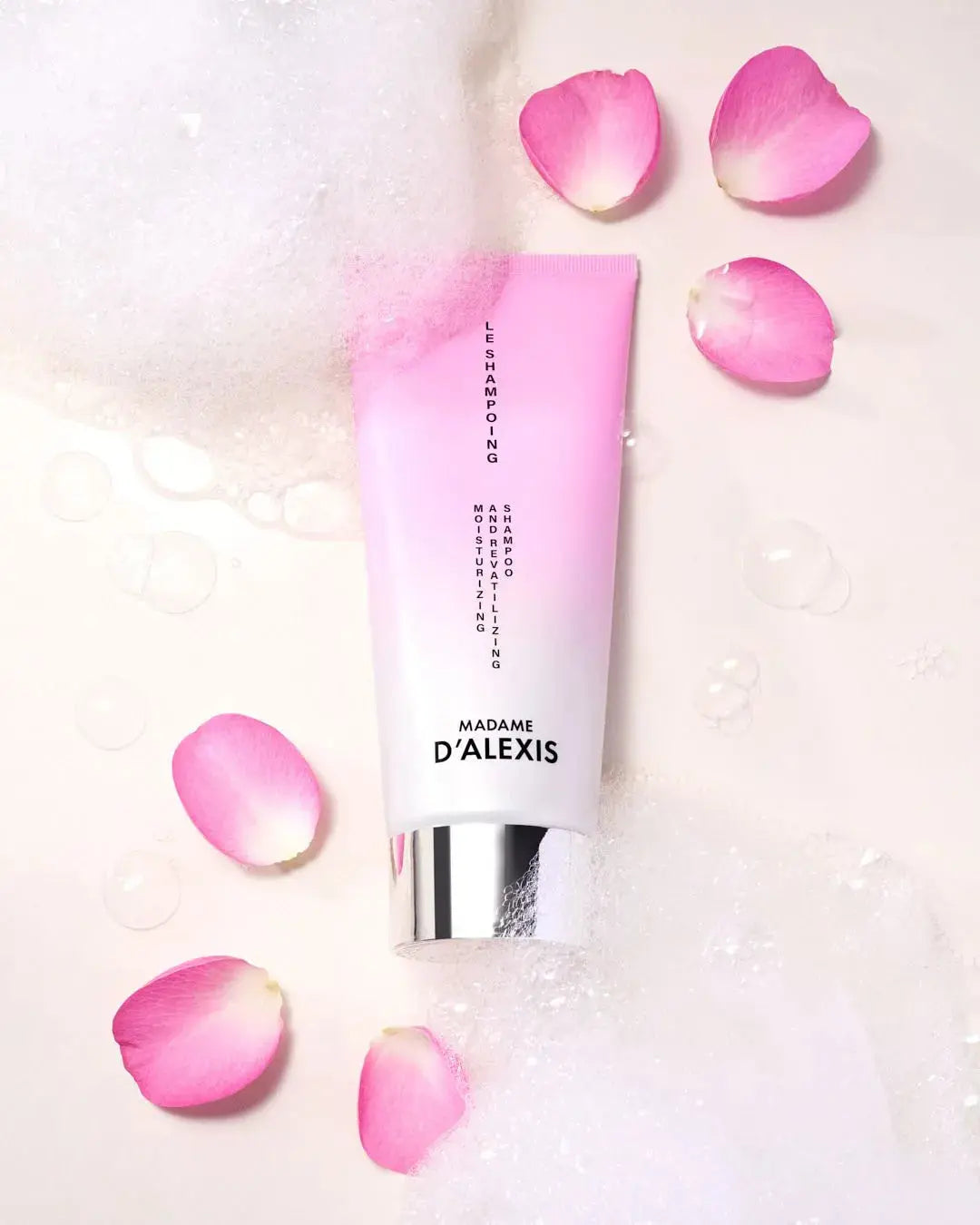
Gentle Shampoo
Sulfate-free · organic hydrosols
- Gentle cleansing
- Plant-based keratin
- Cationic AH
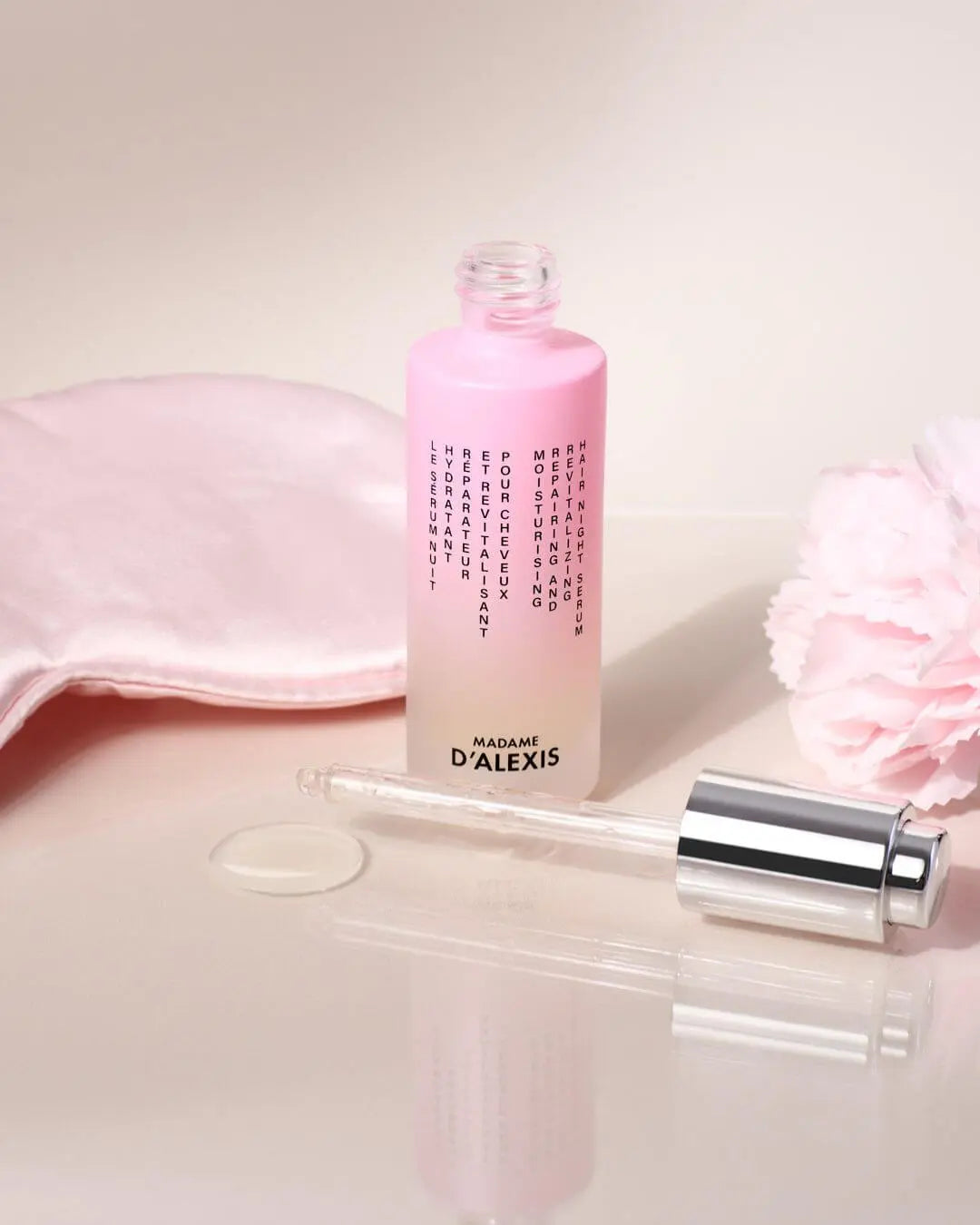
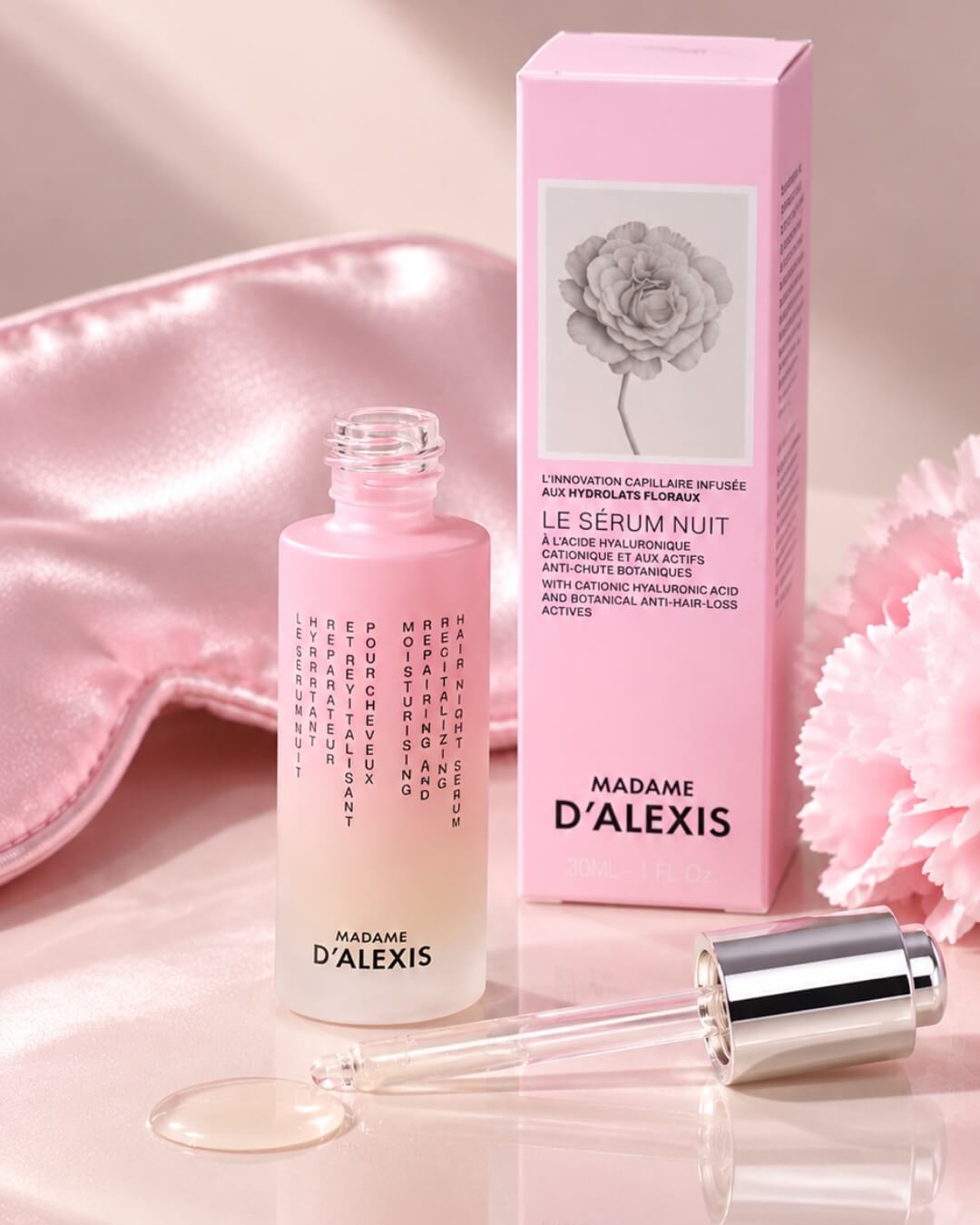
Night Serum
Microbiome · density · roots
- Probiotics & postbiotics
- Anti-hair loss actives
- Leave-in
1. Hormonal Changes at Menopause: What Really Happens in Your Scalp
Starting in perimenopause, generally between 45 and 55 years old, the production of estrogen by the ovaries drops sharply, while androgen production decreases much more gradually. This relative imbalance is not just theoretical: it changes the biology of every hair follicle.
It prolongs the anagen phase, stimulates aromatase, and indirectly slows the conversion of testosterone into DHT.
When the hormonal lock is broken, DHT shortens the growth phase, lengthens the resting phase, and gradually thins the fiber.
When this lock is broken, circulating testosterone, whose levels remain generally stable after menopause, is more easily converted into DHT by type 2 5-alpha-reductase. However, DHT is precisely the molecule that miniaturizes follicles: it shortens the growth phase, lengthens the resting phase, and gradually turns a terminal hair into a vellus hair, and then into nothing at all.
Concretely, on the Hair Fiber
The hair caliber decreases over time, making the hair visually less dense.
The anagen phase becomes shorter, and hair no longer reaches the same length before falling out.
The scalp produces less protective sebum, which changes hydration and texture.
The problem is not just the fiber, but the entire environment of the follicle.
This is therefore not “just” hair loss: it is a structural change in the fiber and its environment, which explains why generic solutions are not always enough. You need to address the hormonal axis and the skin environment.
2. Specific Symptoms: How to Recognize a Menopausal Scalp
Women in perimenopause or menopause rarely report a single isolated symptom. It is often a combination of symptoms that gradually develops over several months.
Menopause does not only change shedding. It also changes texture, scalp comfort, and the way the fiber retains hydration.
Menopause Hair Loss: Diffuse, Not in Patches
Menopause hair loss typically manifests as diffuse effluvium: more hair in the brush, on the pillow, in the shower, but no localized patch. It mainly affects the crown of the head and the parting. If you lose more than 100 hairs a day for a prolonged period, beyond 3 months, that is the signal to watch.
Thinning and Thinning Hair
Thinning is the decrease in density visible to the eye: you see more of the scalp through the hair, and the ponytail seems thinner than before. It is the direct consequence of follicular miniaturization: terminal hairs are gradually replaced by vellus hairs, which are shorter and thinner.
Dryness and Loss of Shine
The drop in estrogen reduces sebum production by the sebaceous glands. The hydrolipidic film that naturally protects the fiber diminishes, and the hair becomes drier, duller, and more prone to breakage along the lengths.
Frizz and Unruly Hair
Many women notice the appearance of frizz or a change in texture, with hair becoming rougher and harder to style. This is linked to the alteration of the cuticle when natural hydration decreases.
Itching and Scalp Discomfort
Skin dryness also affects the scalp: tingling, tightness, and a reactive scalp sensation. This symptom is often the first visible sign of a deeper imbalance in the skin microbiome. To support this environment, a complete routine for irritated scalp can help restore more comfort.
3. The Microbiome, a Little-Known Major Amplifier of Hormonal Imbalance
This is where the least-known part of the menopause hair topic comes into play, yet it is the most decisive for taking effective action.
- More stable skin barrier
- Less tightness
- More favorable environment for growth
- Low-grade inflammation
- Itching and dandruff
- More weakened follicles
How Hormones Alter the Scalp Microbiome
The scalp naturally hosts a community of microorganisms, bacteria such as Cutibacterium and Staphylococcus, and yeasts such as Malassezia, which live in balance and protect the skin. This balance depends largely on sebum production, which is itself driven by hormones.
The quantity and composition of sebum change, altering the nutrient environment of the microorganisms.
Certain species proliferate at the expense of others, weakening the stability of the scalp.
The skin becomes more permeable to irritants, with more tightness and reactivity.
The scalp becomes a more hostile environment for healthy growth.
Dysbiosis and Inflammation: The Vicious Cycle
Once dysbiosis is established, the scalp becomes a biologically hostile environment: local inflammatory markers increase, the protective barrier is further damaged, and this chronic low-grade inflammation amplifies the deleterious action of DHT on follicles already weakened by the lack of estrogen.
In short: hormones open the door, and the unbalanced microbiome worsens the damage. This is why an approach that only treats the hormonal axis, or only the classic cosmetic axis, misses part of the problem.
Why This Also Explains Itching and Dandruff
Dysbiosis often promotes the proliferation of Malassezia, a lipophilic yeast associated with dandruff and seborrheic dermatitis. It is the same mechanism that links dryness, itching, and hair loss: a scalp whose microbial ecosystem and skin barrier are weakened simultaneously.
4. Natural Solutions: Probiotics, Postbiotics, and Adaptogens
Faced with this dual mechanism, hormonal and microbiome, the best-documented natural approaches act on three levels.
Probiotics and postbiotics support the skin environment and low-grade inflammation.
Hydrosols, gentle pH, and topical actives limit the sensation of a reactive scalp.
Nutrition, sleep, and cortisol management support the hair cycle over time.
Probiotics to Rebalance the Environment
When taken orally, certain probiotic strains, notably Lactobacillus and Bifidobacterium, have shown in recent clinical trials a reduction in the proportion of hairs in the active shedding phase. A realistic result to keep in mind: probiotics help slow it down, not miraculously regrow hair.
Postbiotics for Immediate Topical Action
Postbiotics are the active compounds produced by probiotics during fermentation. Applied directly to the scalp, they soothe, help maintain a healthy skin pH, and support the resident flora rather than disrupting it.
Adaptogens for Stress Response
Adaptogenic plants, ashwagandha, rhodiola, and ginseng, are traditionally used to help the body better regulate its stress response, and therefore indirectly its cortisol production. They have a place in a comprehensive strategy, even if specific studies on their direct effect on hair remain limited.
At Madame d'Alexis: we rely on formulations based on active organic hydrosols, with compositions featuring at least 98% ingredients of natural origin, made in Brittany. The idea: nourish the scalp and respect its microbiome rather than stripping it.
5. 3-Step Menopause Routine for Hair and Scalp
Here is a simple routine designed to act on both fronts, hormonal and microbiome, without stripping an already weakened fiber.
Step 1 - Exfoliating scrub
A gentle scalp scrub removes dead cells, excess oxidized sebum, and styling product residue that feed dysbiosis.
Step 2 - Gentle shampoo daily
A shampoo formulated to preserve the hydrolipidic film and the scalp's physiological pH, without harsh sulfates.
Step 3 - Night serum microbiome
A night treatment concentrated in soothing postbiotic actives and hydrosols, to work during resting hours.
What to expect? The first effects on scalp comfort, less itching, and a soothing sensation are often felt within 3 to 4 weeks. For perceived density and regrowth quality, allow 8 to 12 weeks of a regular routine.
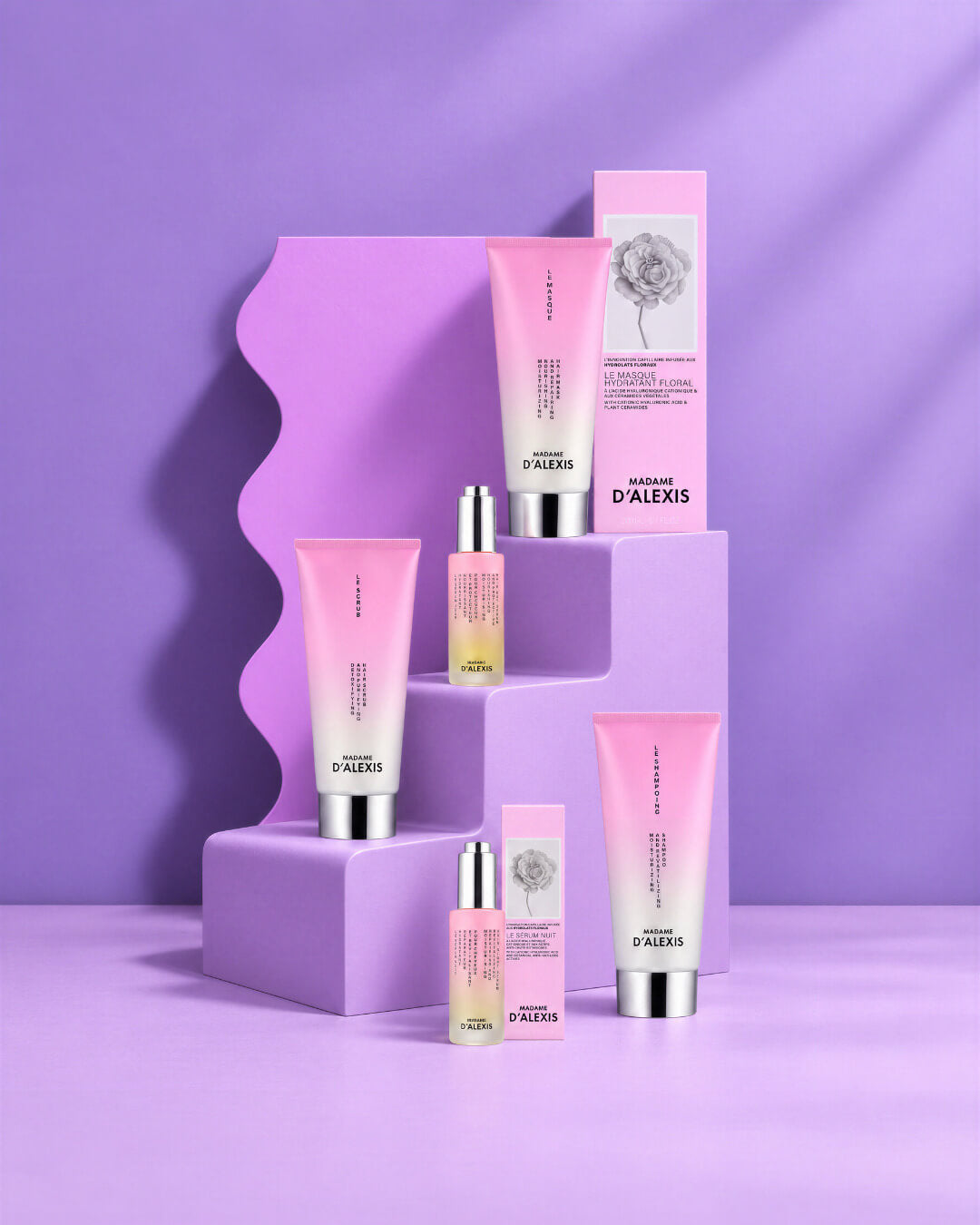
The complete routine to add to your cart
Exfoliating Scrub
Scalp Detox · gentle purification
- Micronized sea salt
- Active organic hydrosols
- Purifies without irritation
Gentle Shampoo
Sulfate-free · organic hydrosols
- Gentle cleansing
- Plant-based keratin
- Cationic AH
Night Serum
Microbiome · density · roots
- Probiotics & postbiotics
- Anti-hair loss actives
- Leave-in
6. Nutrition and stress management: the cortisol axis we too often forget
What cortisol does to your hair
Cortisol, the stress hormone, acts as an accelerator of the hormonal problem already underway at menopause. A chronic excess of cortisol shortens the anagen phase, weakens keratin, and reduces blood flow to the scalp, limiting the supply of nutrients and oxygen to the follicles.
The follicles are rushed more quickly into the resting phase.
The fiber becomes more vulnerable to breakage, dullness, and lack of hold.
Fewer nutrients and oxygen reach the roots.
The typical delay between a stress peak and visible hair loss is 2 to 3 months.
Nutrition: the nutrients that really matter
No dietary miracle, but common deficiencies to correct as a priority: iron and ferritin, protein, omega-3, zinc, vitamin D, and biotin in case of a proven deficiency.
| Nutrient | Why it matters | Key takeaway |
|---|---|---|
| Iron / ferritin | A deficiency, even mild, can promote diffuse hair loss. | Check with a blood test if hair loss persists. |
| Protein | Keratin is built from amino acids. | Regular intake via eggs, fish, meat, legumes. |
| Omega-3 | Contribute to cell suppleness and inflammation regulation. | Interesting when the scalp is reactive. |
| Zinc / vitamin D | Involved in the hair cycle. | Often checked in menopausal women. |
| Biotin | Useful especially in case of a proven deficiency. | Not a universal solution. |
Managing stress, an underestimated lever
Regular sleep, moderate physical activity, brisk walking, yoga, breathing exercises, or meditation: these are not gadgets. They are levers that act directly on the hormonal axis that drives your hair cycle. Adaptogens can support this regulation, as a complement and not a replacement for a good lifestyle.
7. When to consult: the signs that should alert you
An adapted hair routine does a lot, but it does not replace medical advice in certain situations.
Consult your general practitioner first if
Hair loss has lasted for more than 3 months without improvement.
Unusual fatigue, unexplained weight fluctuations, cold or heat intolerance.
A thyroid disorder must be ruled out.
TSH, free T4, ferritin, and vitamin D can clarify the situation.
See the endocrinologist if
TSH returns abnormal, a thyroid disorder is confirmed, an autoimmune issue is suspected, or a broader hormonal imbalance seems possible.
See the dermatologist if
Hair loss is sudden, in localized patches rather than diffuse, the scalp is painful, red, or presents lesions, or TSH is normal but hair loss persists despite an adapted routine for several months.
Emergency signal: sudden and massive hair loss associated with fever, joint pain, or marked weight loss justifies a quick consultation.
Frequently Asked Questions
Is hair loss at menopause permanent?
No, not systematically. A part of hair loss related to stress or deficiencies, telogen effluvium, is reversible in about 95% of cases once the cause is corrected. Follicular miniaturization related to DHT evolves more slowly and requires more continuous management, but it can be slowed and stabilized.
How long before seeing a result with a natural routine?
Allow 3 to 4 weeks for scalp well-being, less itching, less dryness, and 8 to 12 weeks to perceive an effect on density and regrowth quality, the time for a hair cycle to fully express itself.
Can menopause hormone therapy help my hair?
Some data suggests that restoring estrogen via hormone replacement therapy can limit the progression of hair loss in some women, but this is not its main indication. The decision must be made with a doctor, taking into account the overall benefit-risk balance, not just hair.
Should I stop washing my hair every day if my scalp is itchy?
Not necessarily stop, but change the formula: a gentle shampoo, with a pH respectful of the scalp, washed as often as necessary for your comfort, is preferable to forced spacing that allows sebum and residue to accumulate.
Are anti-hair loss supplements enough?
They can help in case of a real deficiency, iron, vitamin D, zinc, but they do not correct a hormonal imbalance or scalp dysbiosis on their own. They fit into an overall approach, not as a single solution.
How to limit hair loss at menopause?
To limit hair loss at menopause, combine several levers rather than a single solution: a gentle shampoo, a microbiome serum, a diet rich in iron and protein, and good cortisol management. If your hair becomes dry and brittle, hydrate it with a nourishing mask. When hair loss becomes chronic despite these steps, hormone therapy can be discussed with your doctor.
What are the causes of hair loss?
The causes of hair loss at menopause are multiple: drop in estrogen, thyroid imbalance, iron deficiency, chronic stress, shortening of the growth phase, and progressive thinning of the hair. Hence the usefulness of a blood test if hair loss persists for more than three months.
What treatments for hair during menopause?
During menopause, hair care should prioritize gentleness: gentle shampoo with a physiological pH, nourishing mask once or twice a week if the lengths are dry, and light scalp scrub to remove residue. Anti-hair loss products based on postbiotics or soothing actives are particularly indicated for fragile hair.
How to take care of your hair at menopause?
Adapt your routine to the evolution of your scalp: some women have dry hair, others oily hair. The fundamentals remain the same: space out heat tools, cut the ends regularly, and favor natural products respectful of the microbiome rather than harsh formulas.
What are the effects of menopause on hair?
The effect of menopause on hair is reflected by an overall hair change: drier hair, modified texture, frizz, progressive loss of density on top of the head, and thinner hair. This can be added to a reactive hair loss related to stress.
Can we stop hair loss at menopause?
We cannot always stop hair loss 100%, but we can significantly slow it down and improve regrowth. The most coherent solutions combine a targeted anti-hair loss treatment, correction of deficiencies, and a gentle hair routine. Hair grows in cycles: early management often allows stabilizing density in a few months.
Useful Sources
- PMC - Menopause and hair loss, mechanisms and management
- PMC - Androgens and hair follicle biology
- PMC - Estrogen and female pattern hair loss
- Santé Magazine - Why I lose my hair at menopause and what to do
- Vichy - Hair loss and thyroid
- Vichy - Hair loss and stress