


Can you exfoliate a sensitive scalp?
Oui, mais pas n’importe comment. Sur un cuir chevelu réactif, l’exfoliation doit être fine, espacée, apaisante et pensée comme un soin de peau, pas comme un décapage mécanique.
Key Points to Remember
Un soin formulé comme le Scrub capillaire Madame d’Alexis apporte une exfoliation douce, respecte le microbiome et procure une vraie sensation de fraîcheur et de confort.
La routine douce pour exfolier sans agresser
On garde une logique simple : préparer le cuir chevelu, laver sans sulfates, puis restaurer le confort avec des soins ciblés.
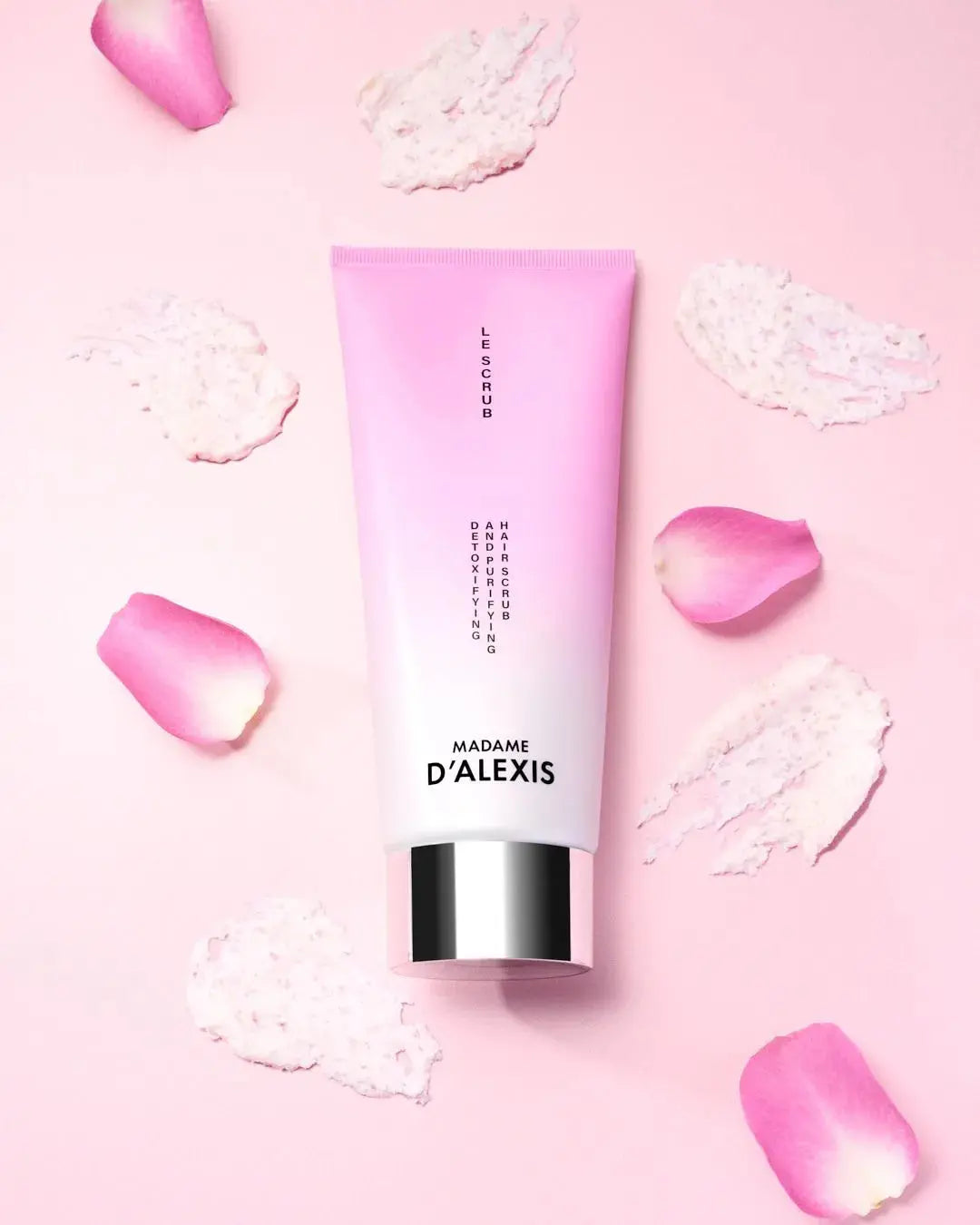
The Scrub - Exfoliating Scalp Shampoo with Organic Hydrosols
Reset cuir chevelu · squames · sébum
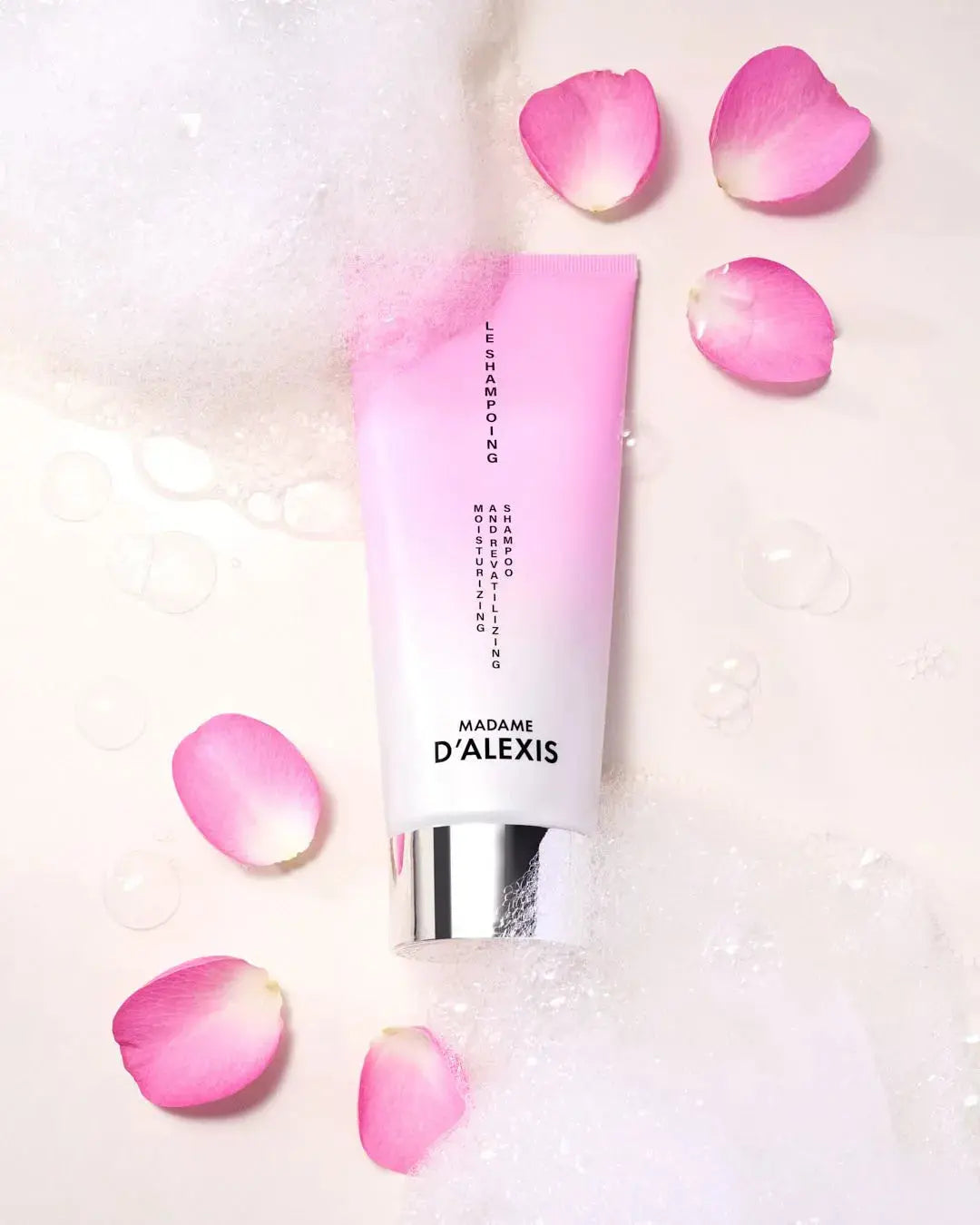
Shampoo - Organic Hydrosols and Hyaluronic Acid
Lavage doux · sans sulfates · pH respecté
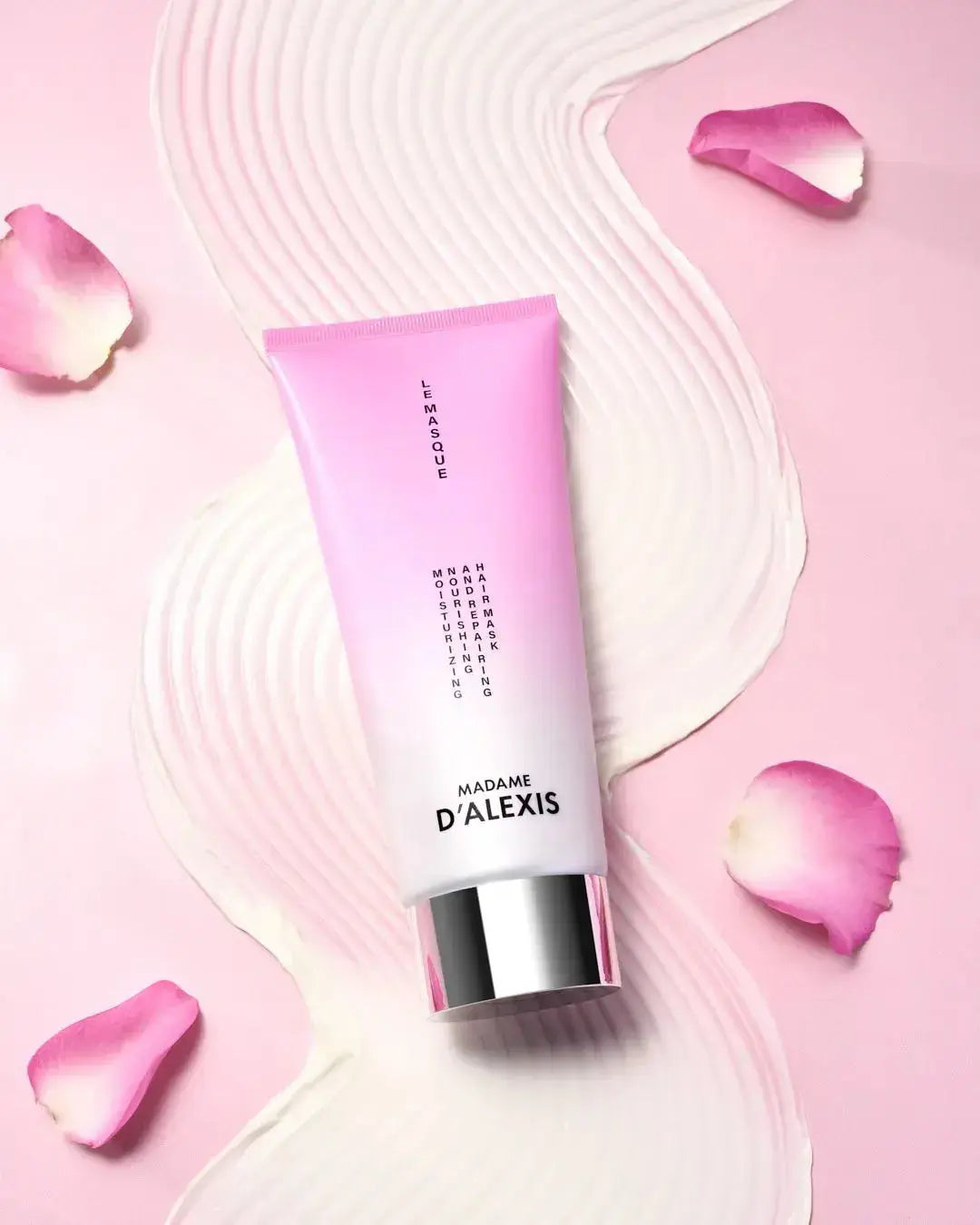
The Mask - Deep Hydration with Organic Hydrosols
Longueurs · douceur · céramides
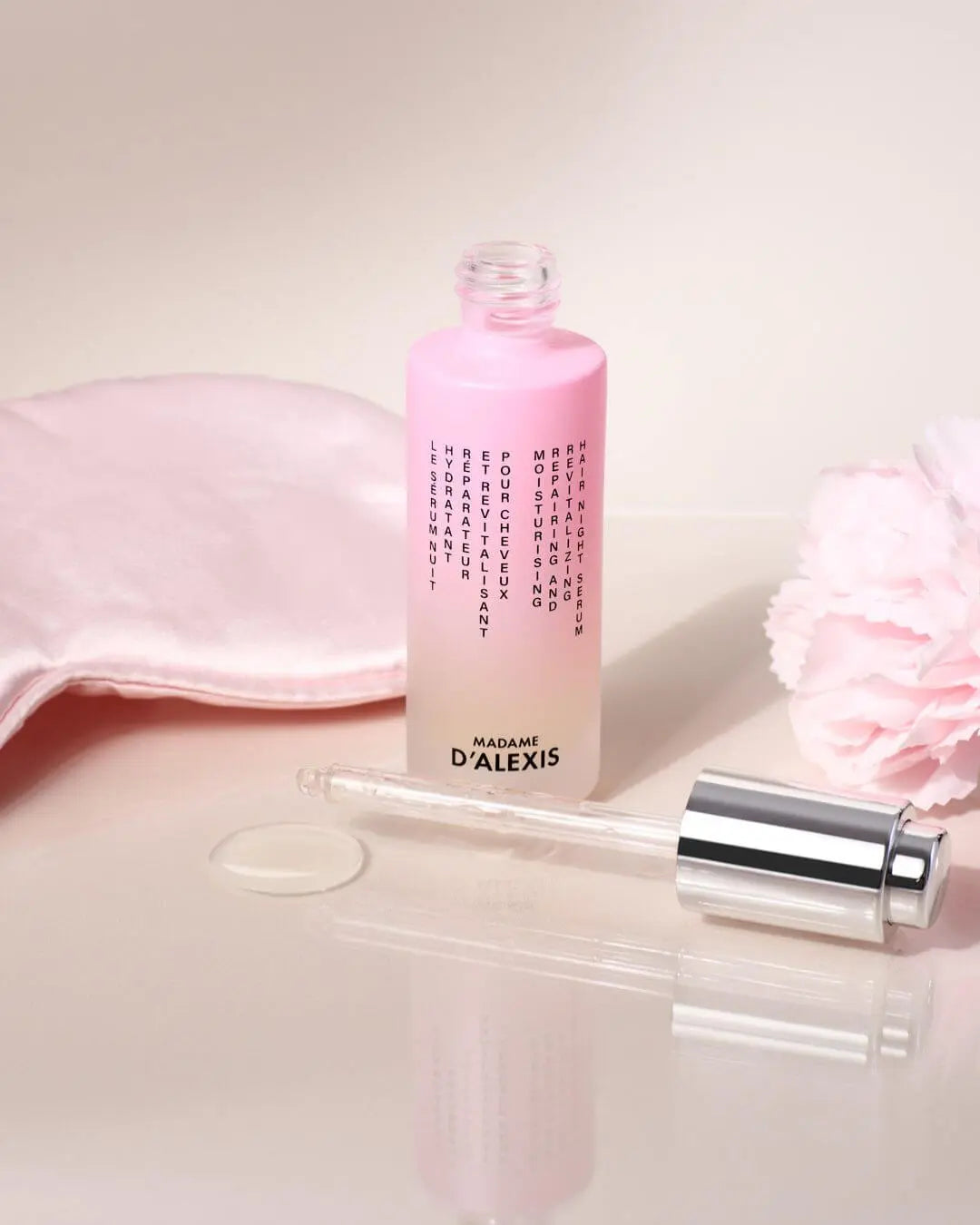
Anti-Hair Loss & Thickening Night Serum with Probiotics
Microbiome · confort · densité

1Pourquoi exfolier son cuir chevelu est utile, même sensible ?
Le cuir chevelu fonctionne comme la peau du visage : il produit naturellement du sébum, retient des résidus de pollution et accumule des cellules mortes. Sans entretien, cet excès peut étouffer les follicules pileux et fragiliser la fibre capillaire.
Ce que le gommage retire
- Cellules mortes et impuretés de surface.
- Résidus de produits coiffants.
- Excès de sébum oxydé à la racine.
Ce qu’il aide à relancer
- Une meilleure oxygénation du cuir chevelu.
- Une microcirculation plus stimulée.
- Un terrain plus propre pour la pousse.
Même en cas de sensibilité, l’exfoliation peut donc apporter un bénéfice réel. La clé est de choisir un gommage capillaire doux, adapté à la fragilité du cuir chevelu. Là où un cuir chevelu normal ou gras tolère plus facilement des textures riches en grains, un cuir sensible nécessite des formules apaisantes, avec des particules fines et des actifs hydratants.
2Les risques d’un mauvais gommage sur cuir chevelu sensible
Exfoliating a sensitive scalp requires caution. In some cases, it is best to refrain from doing so.
| Ingrédient ou geste | Pourquoi c’est risqué | Alternative plus douce |
|---|---|---|
| Sel marin grossier ou sucre roux non fondu | Peut créer des micro-irritations. | Fleur de sel finement broyée ou grains très fins. |
| Baking soda | Alcalin, il modifie le pH naturel du cuir chevelu. | Formule au pH pensé pour la peau du crâne. |
| Marc de café | Mal rincé, il peut rester coincé à la racine. | Scrub formulé, facile à rincer. |
| Huiles essentielles concentrées | Peuvent irriter les cuirs très réactifs. | Hydrolats bio apaisants, mieux tolérés. |
3Comment choisir un gommage adapté pour cuir chevelu sensible ?
Un cuir chevelu sensible demande des soins ciblés. Beaucoup hésitent à introduire le gommage capillaire dans leur routine par crainte d’aggraver les irritations. Pourtant, réalisé avec les bons ingrédients et les bons gestes, il peut purifier, apaiser et stimuler la pousse.
The best ingredients for an effective hair scrub
Organic hydrosols
Rose, camomille ou fleur d’oranger : ils aident à calmer les inconforts et apportent de la douceur.
Hyaluronic acid
Il aide à retenir l’eau dans la fibre capillaire et à protéger de la déshydratation.
Fine fleur de sel
Une exfoliation mécanique légère, suffisante pour éliminer impuretés et cellules mortes sans irriter.
Certains actifs sont particulièrement recommandés lorsqu’il s’agit d’exfolier un cuir chevelu sensible. L’association idéale combine purification, hydratation et confort.
Le choix recommandé : un soin formulé, pas une recette approximative
Le Scrub Madame d’Alexis associe des hydrolats bio, de la fleur de sel et de l’acide hyaluronique cationique dans une formule sans eau ajoutée, 98 % d’origine naturelle. Son intérêt : exfolier avec délicatesse tout en apportant une hydratation durable et une sensation de fraîcheur.


4À quelle fréquence réaliser un gommage du cuir chevelu sensible ?
The question of frequency is essential. For sensitive scalps, it is best to limit exfoliation to once every two weeks. This is enough to remove impurities without causing irritation.
| Profil | Recommended frequency | Point to Watch For |
|---|---|---|
| Greasy hair | Jusqu’à une fois par semaine ponctuellement. | Réguler le sébum sans décaper. |
| Dry hair | Environ une fois par mois. | Ne pas fragiliser davantage la fibre. |
| Sensitive scalp | Une fois toutes les deux semaines. | Espacer les applications pour préserver le confort cutané. |
Exfoliation should always be part of a consistent and gentle routine: a sulfate-free moisturizing shampoo to cleanse, a soothing mask to nourish and protect, and appropriate serums to strengthen the hair fiber and maintain scalp balance.
5Howto Use a Hair Exfoliator or Scrub?
How you apply a scrub is just as important as its ingredients. On a sensitive scalp, gentleness is essential.
Mouiller généreusement
Appliquez toujours le gommage sur cheveux mouillés pour limiter la friction.
Masser sans gratter
Massez en mouvements circulaires avec la pulpe des doigts, jamais avec les ongles.
Rincer longtemps
Rincez abondamment à l’eau tiède jusqu’à disparition complète du produit.
6Homemade Recipesvs. Commercial Hair Care Products
Depuis quelques années, les recettes maison de gommage capillaire circulent largement. Leur succès tient à leur simplicité, mais leur tolérance n’est pas toujours adaptée aux cuirs chevelus sensibles.
Recettes maison
- Sel de mer et huile de coco.
- Sucre roux et miel.
- Marc de café et huile végétale.
Elles sont accessibles, mais les grains peuvent être trop gros, le pH mal équilibré et le rinçage imparfait.
Formulated skincare product
- Grains contrôlés et faciles à rincer.
- Actifs complémentaires, hydrolats, acide hyaluronique.
- Texture pensée pour la tolérance du cuir chevelu.
Un soin formulé sécurise l’expérience et limite les erreurs de dosage.
Les grains de sel ou de sucre contenus dans le scrub peuvent être trop gros et provoquer des micro-irritations. À l’inverse, le Scrub Madame d’Alexis associe des hydrolats bio aux vertus apaisantes, de la fleur de sel finement broyée pour une exfoliation douce et de l’acide hyaluronique cationique pour hydrater et protéger.
Une première approche de l’exfoliation capillaire peut être intéressante avec des recettes simples, mais un cuir chevelu sensible gagne à choisir une formule plus fiable.
7Le gommage capillaire : un geste beauté complet
Au-delà de la simple exfoliation, le gommage du cuir chevelu est un geste beauté à part entière. Il élimine les cellules mortes, libère la peau des résidus de produits coiffants, stimule la microcirculation, soutient la pousse des cheveux et redonne de la légèreté à la chevelure.
Le geste clé : le gommage capillaire devient un vrai rituel quand il conjugue santé, beauté et bien-être. Bien choisi et bien dosé, il aide à entretenir un cuir chevelu sain et une chevelure plus lumineuse.
8FAQ sur le gommage du cuir chevelu sensible
How to make a homemade scrub?
Il est possible de réaliser un gommage à la maison avec des ingrédients simples. Une recette classique consiste à mélanger une cuillère à soupe de sucre fin ou de sel fin avec un peu d’huile végétale. L’important est de soigner la préparation et application : appliquer sur cuir chevelu mouillé, masser doucement, puis rincer abondamment. Une huile essentielle douce peut être ajoutée avec prudence, mais le dosage doit rester très faible.
How often should you exfoliate?
La fréquence dépend du type de cuir chevelu. Un cuir chevelu sec doit être exfolié avec parcimonie, environ une fois par mois. Pour un cuir chevelu normal, une fois toutes les deux semaines est une bonne cadence. Sur cuir chevelu gras, un gommage une fois par semaine peut aider ponctuellement à réguler l’excès de sébum, à condition d’utiliser un gommage doux.
What ingredients should be avoided for sensitive scalps?
Pour préserver l’équilibre cutané, il faut éviter les gommages abrasifs : bicarbonate de soude, sel marin aux grains trop gros, sucre non fondu, marc de café difficile à rincer et huiles essentielles trop concentrées. Tout gommage chimique non formulé pour le cuir chevelu sensible doit aussi être évité.
How can you soothe an irritated scalp?
Pour apaiser un cuir chevelu sensible ou irrité, privilégiez des soins apaisants riches en hydrolats et en actifs hydratants. Un masque capillaire nourrissant peut aider les longueurs, mais évitez les huiles riches directement sur les racines si elles regraissent vite.
Which scrubs are recommended?
Les meilleurs gommages pour cuir chevelu sensible sont ceux qui privilégient la douceur : grains fins, actifs apaisants, formule sans sulfates ni silicones, texture facile à rincer. Les formules avec hydrolats et acide hyaluronique sont particulièrement intéressantes pour purifier sans dessécher.

