Advice
Dandruff on the Scalp: How to Get Rid of It Naturally and Permanently
Dandruff? An expert, natural, and sulfate-free routine can transform your scalp. Discover Madame d’Alexis treatments.

How can you naturally get rid of dandruff on your scalp?
Dandruff isn't a matter of cleanliness. It often indicates an imbalance in the scalp: a disrupted microbiome, excess sebum, dryness, inflammation, or a hair care routine that's too harsh.
Key takeaways
Alexis's "Madame" Routine for Dandruff
For a natural approach, the goal isn’t to strip the scalp, but to help it regain its balance. Here are the treatments mentioned in the article; choose the ones that best suit your needs.
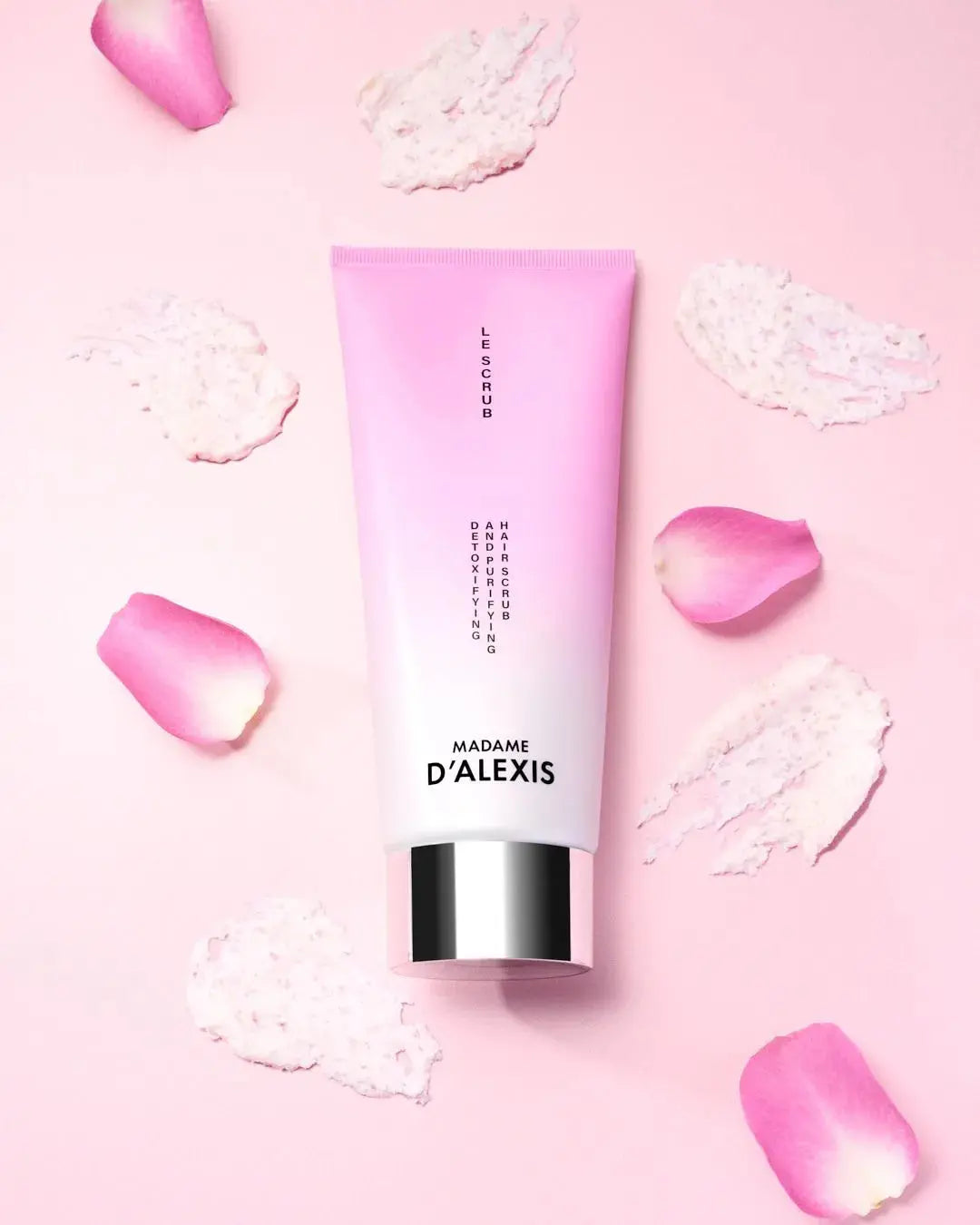
The Scrub - Scalp Scrub with Organic Hydrolats
Gentle Detox · Fleur de Sel · Organic Hydrosols
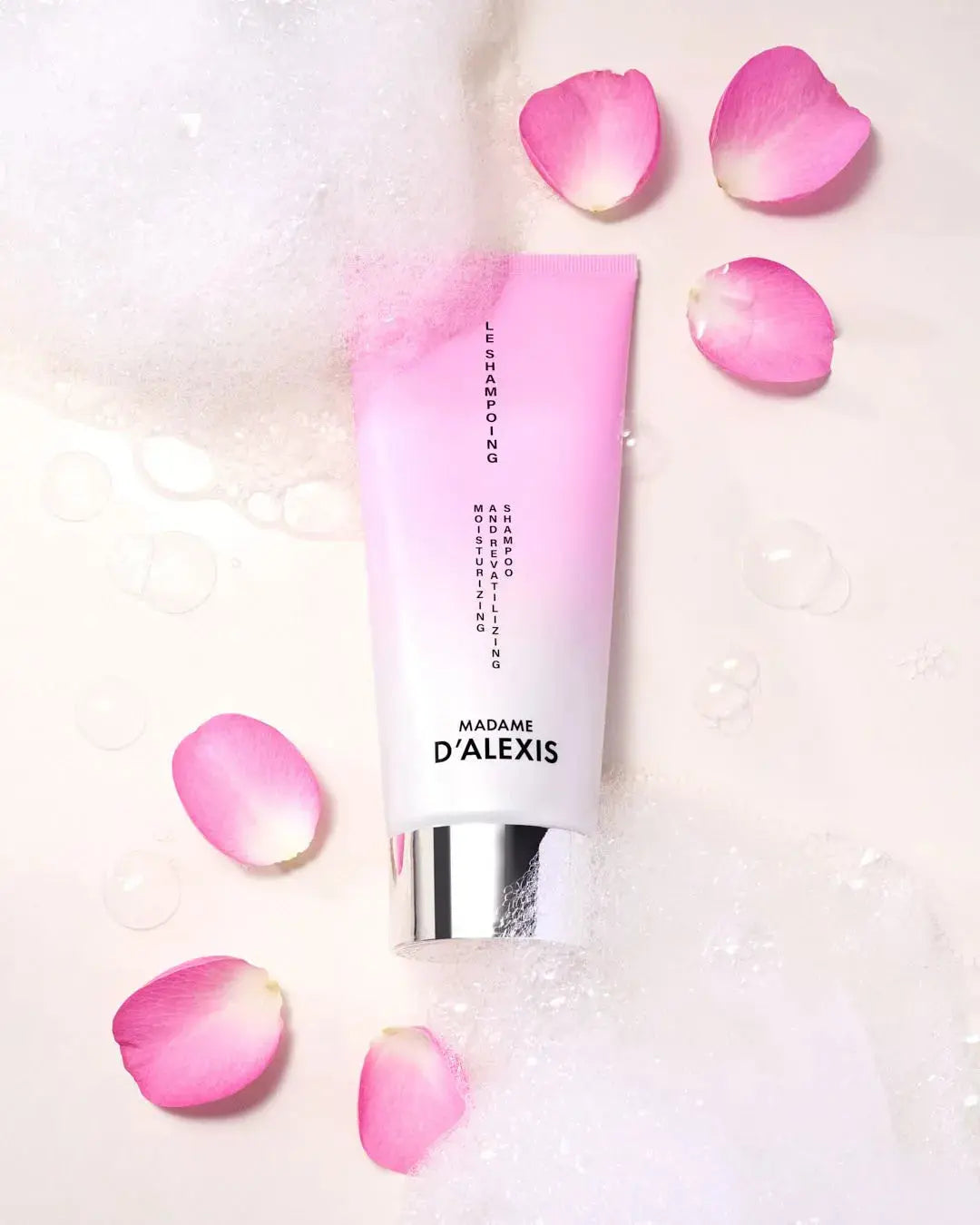
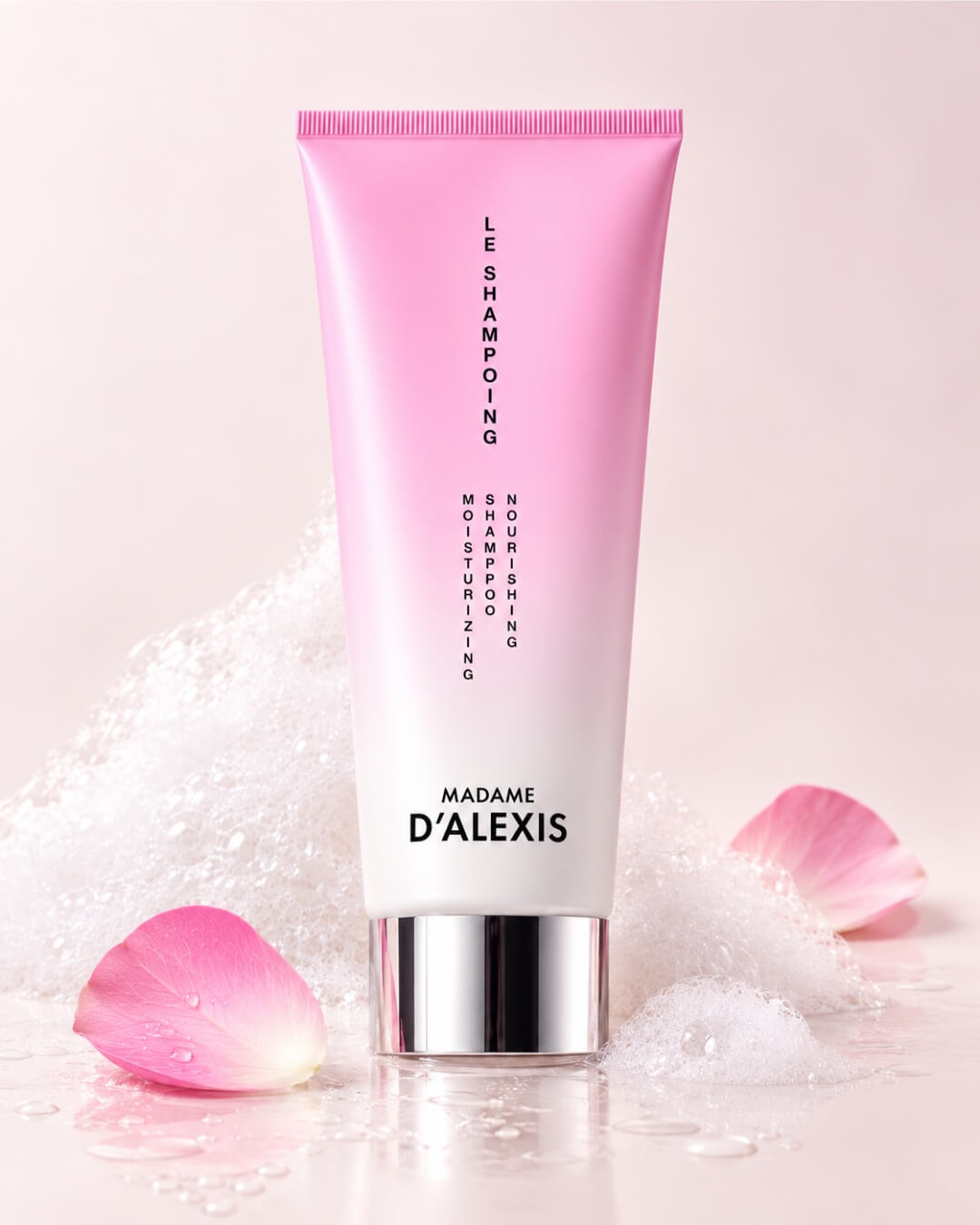
The Shampoo - Organic Hydrolats and Hyaluronic Acid
Sulfate-free · silicone-free · with organic hydrosols
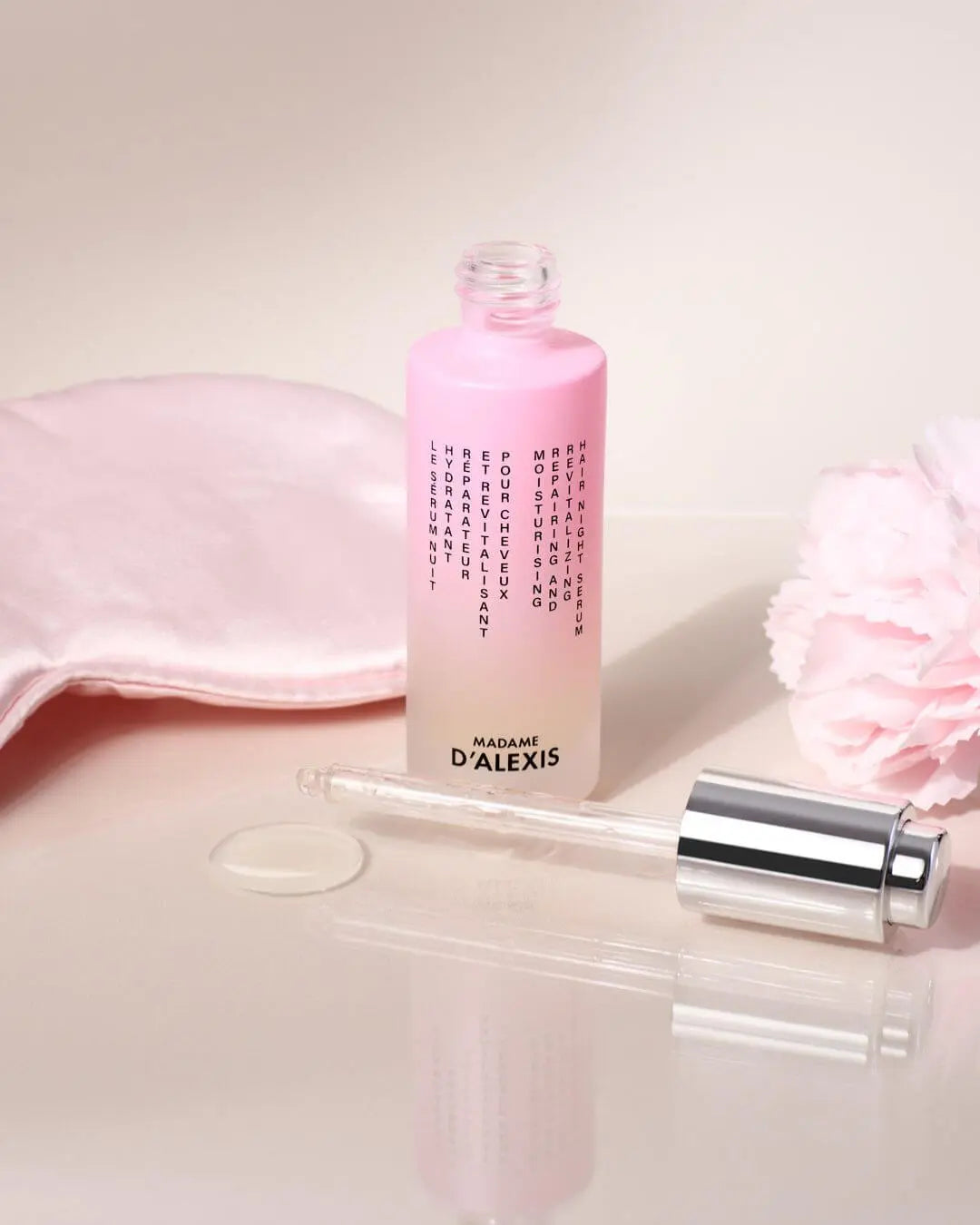
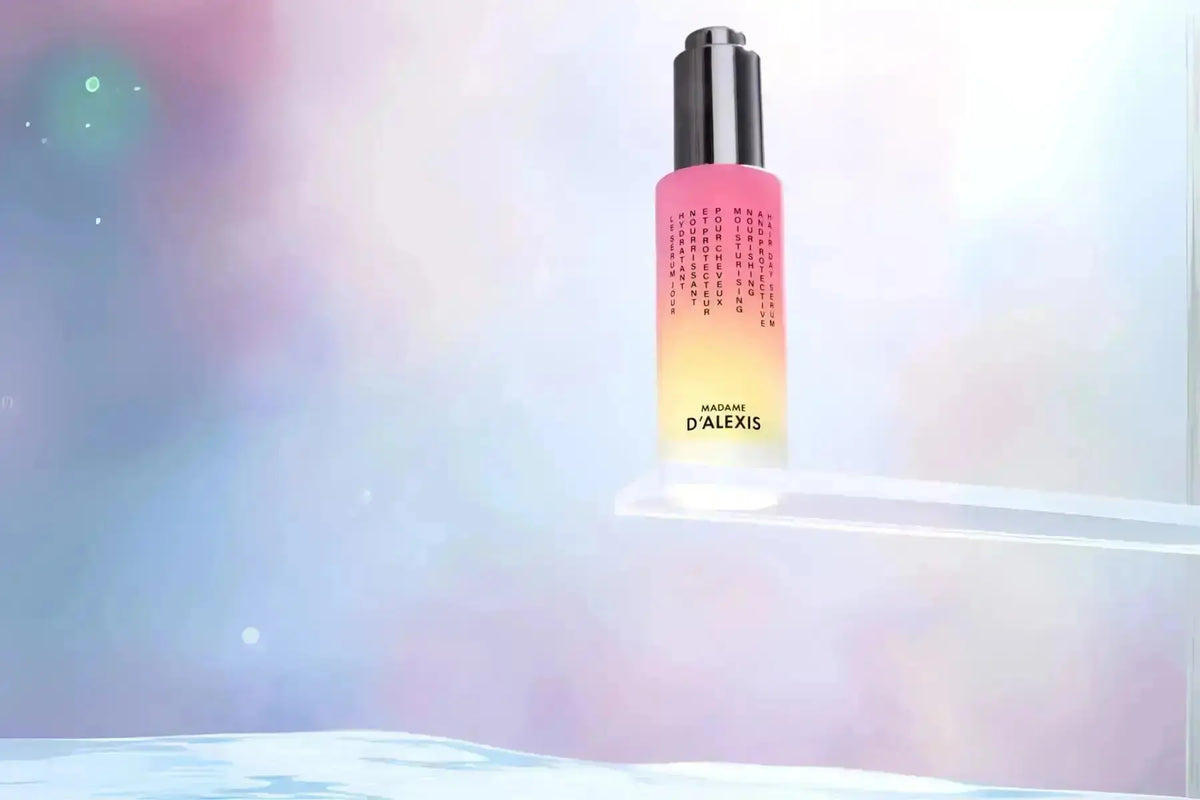
Probiotic Nighttime Scalp Serum
Microbiome · comfort · density
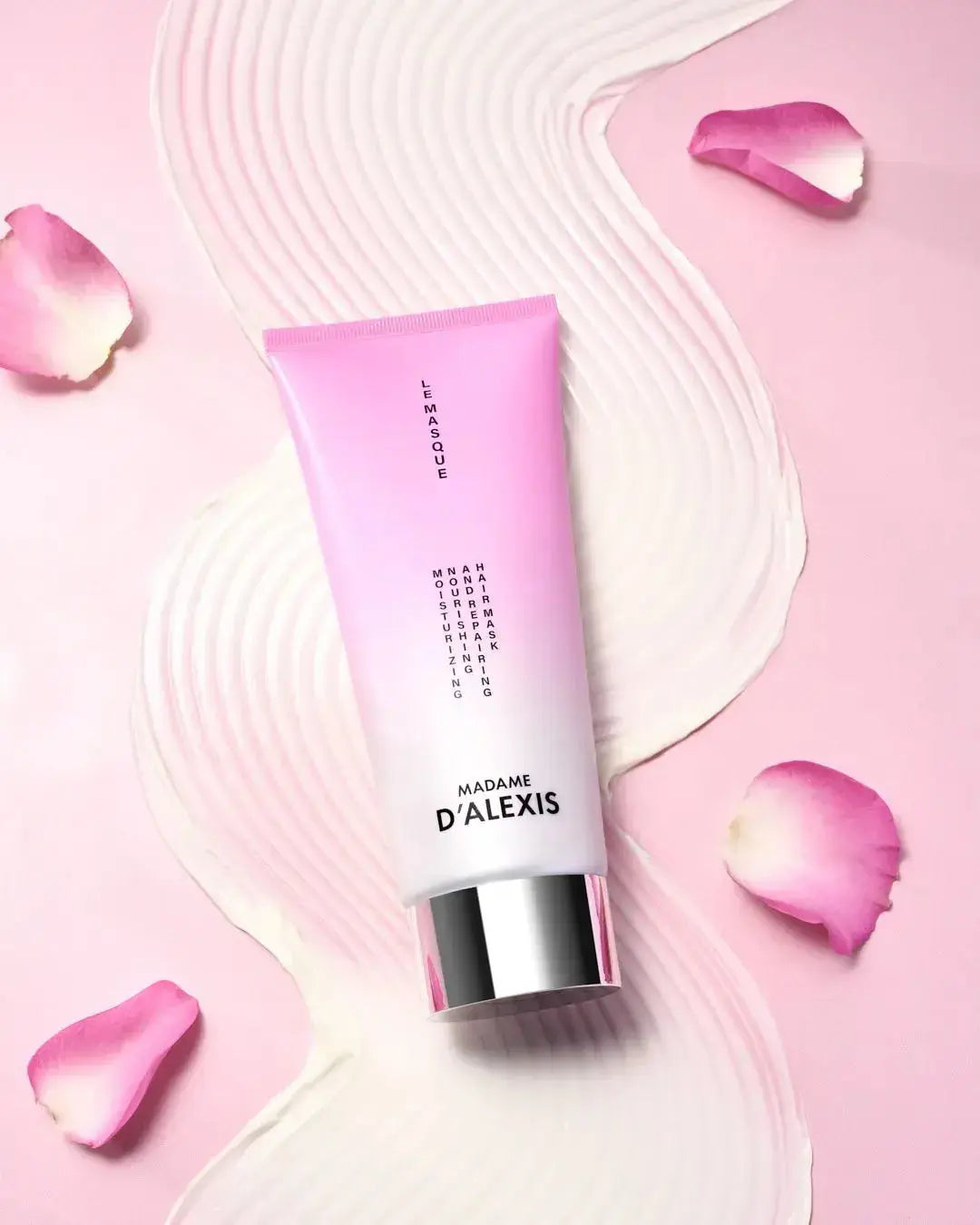
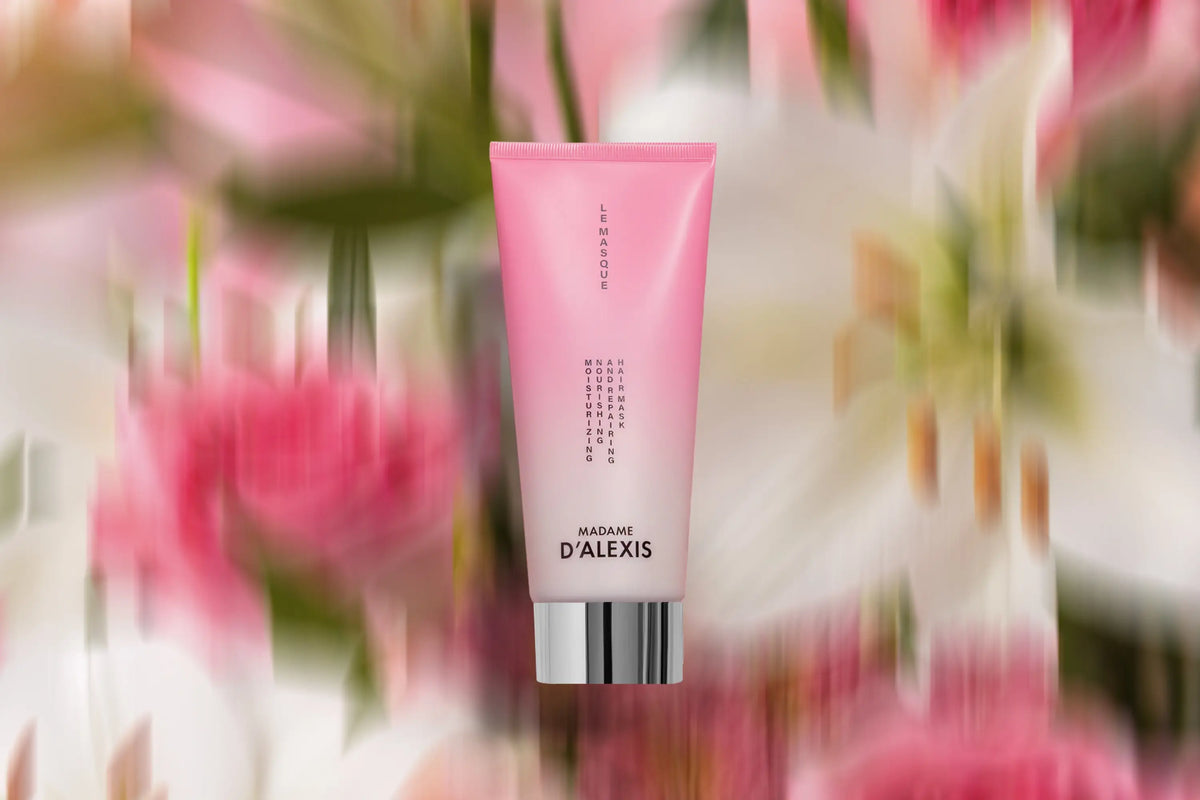
The Mask - Deep hydration with organic floral waters
Plant-based ceramides · dry hair
Madame d’Alexis Routine Tips: Use the Scrub every 10 to 15 days; on the days you use it, it replaces shampoo. Apply the Night Serum to the scalp and roots only. Apply the Mask to the mid-lengths and ends; never use it as an anti-dandruff treatment on the scalp.
Dandruff in the hair: understanding before treating
Scalp Flaking: When Cell Renewal Becomes Visible
Scalp flaking is a natural phenomenon: your skin is constantly renewing itself, and dead cells gradually shed. In people with healthy hair, this process goes unnoticed. However, when cell turnover accelerates or the balance of the microbiome is disrupted, the flakes accumulate visibly and become what we call dandruff.
These visible flakes—whether dry, oily, or associated with seborrheic dermatitis—indicate an imbalance in the scalp. Getting rid of dandruff, therefore, isn’t just about removing surface flakes, but about reestablishing a gentler routine, minimizing irritation, and supporting the balance of the microbiome.
To get rid of dandruff naturally, you need to understand what you’re treating. Dandruff is a flake—that is, a dead cell resulting from the shedding of skin on the scalp.
This shedding is normal. But when it speeds up, dead cells build up and become visible as white or yellowish residue.
Fine, white, and light, they fall easily onto the shoulders. They are often associated with a dry, dehydrated, or sensitized scalp.
Thicker and sometimes yellowish, they stick to the scalp. They are often accompanied by excess sebum and itching.
It is characterized by red patches, thick scales, possible crusts, and chronic discomfort. A dermatological diagnosis is recommended.
| Location | Appearance | What this indicates | A Useful Reflex |
|---|---|---|---|
| Dry dandruff | White, thin, fluttering | Dehydrated scalp, compromised skin barrier | Moisturizing, gentle shampoo, mask for the lengths |
| Oily dandruff | Yellow, thick, sticky | Sebum, Malassezia, disrupted microbiome | Gentle spot exfoliation, gentle cleansing, scalp serum |
| Seborrheic dermatitis | Red patches, thick scales, severe itching | Possible chronic inflammation | Dermatologist's recommendation: a gentle skincare routine to complement treatment |

The scalp microbiome: the true cause of chronic dandruff
The scalp is a living ecosystem. It is home to bacteria, yeasts, and fungi that naturally coexist in balance. This balance constitutes the scalp’s microbiome.
When this balance is disrupted, the Malassezia fungus can proliferate. It feeds on the lipids in sebum and produces irritating fatty acids, which trigger inflammation, accelerated flaking, and the development of dandruff.
- Harsh sulfates and water that is too hot can weaken the scalp's protective barrier.
- Using anti-dandruff treatments too often can dry out your hair and cause a rebound effect.
- Gentle exfoliation, organic hydrosols, and prebiotics help support the skin's natural balance.
It is this dermo-capillary approach— treating the scalp as skin with its own microbiome—that sets Madame d’Alexis’s products apart from purely stripping routines.
What hair care routine should you adopt to get rid of dandruff?
Step 1: Exfoliate gently
A scalp scrub removes dead skin cells, visible flakes, and excess sebum, which contributes to inflammation.
Alexis 's Madame Scrub combines fleur de sel, organic hydrosols, cationic hyaluronic acid, organic coconut oil, and orange blossom essential wax. It should be used every 10 to 15 days, as needed.
The Scrub - Scalp Scrub with Organic Hydrolats
The detox treatment to remove dead skin cells, sebum, and residue without stripping the skin.
Step 2: Cleanse between scrubs
Between exfoliations, the shampoo helps maintain balance with a sulfate-free, silicone-free formula containing organic hydrosols, which have been replaced with active organic hydrosols. The recommended routine: a first wash to remove impurities and sebum, followed by a second wash to allow the active ingredients to take effect.
The Shampoo - Organic Hydrolats and Hyaluronic Acid
Gentle cleansing that cleans without irritating the skin or disrupting the microbiome.
Step 3: Soothe the scalp in the evening
A flaky or itchy scalp isn’t just dry —it’s often inflamed. Madame d’Alexis Night Serum is applied part by part to a clean scalp to support nighttime balance.
Probiotic Nighttime Scalp Serum
Probiotics, hydrosols, and cationic hyaluronic acid for scalp comfort.
30-day natural routine: week-by-week guide
Cleanse without stripping: Use the Scrub once if the scalp is clogged, then the Shampoo for subsequent washes. Goal: a cleaner scalp, without stripping it.
Continue with the treatment. Apply the mask if the hair is dry or damaged. Dandruff begins to decrease.
Continue using the Shampoo on wash days and the Night Serum a few nights a week on a clean scalp. Repeat the Scrub only if 10 to 15 days have passed.
Maintain the appropriate frequency. The scalp feels more comfortable, and the microbiome begins to stabilize.
Key takeaway: Don’t scrub more than once every 10 to 15 days; rinse thoroughly; use lukewarm water; and give your microbiome three to four weeks to gradually regain comfort.
Natural Remedies for Dandruff: What Really Works
Not all natural remedies and home remedies for dandruff are created equal. Some can help soothe discomfort and support the scalp’s balance, such as bioactive hydrosols, prebiotics, or probiotics. Others, on the other hand, can further irritate a sensitive scalp, especially when used in the wrong amounts.
The key lies in the formulation, the concentration, and the scalp’s tolerance. That’s why hair care products formulated with a skincare approach—featuring stabilized active ingredients and incorporated into a consistent routine—are preferable to improvised treatments: gentle cleansing, occasional exfoliation, organic hydrosols, cationic hyaluronic acid, prebiotics in The Shampoo, and probiotics/postbiotics in The Night Serum.
| Natural active ingredient | Interest | Key point to watch |
|---|---|---|
| Diluted apple cider vinegar | Helps restore pH balance from time to time. | Never use undiluted, and never apply to an irritated scalp. |
| Green clay | Absorbs excess oil in cases of oily dandruff. | May dry out if left on too long. |
| Aloe vera and jojoba | Light hydration and sebum control. | Adjust according to whether your skin is oily or dry. |
| Hair Masks | They nourish the hair and enhance overall comfort. | Avoid applying directly to oily roots. |
Be careful with improperly formulated recipes: baking soda that’s too alkaline, undiluted essential oils, or insufficient rinsing. These mistakes can weaken the skin barrier and trigger itching again.
How can I prevent dandruff from returning?
Preventing dandruff means maintaining good hair hygiene without being too harsh on your hair. The goal isn't to wash your hair every day, but to choose the right products and avoid the buildup of residue.
- Gently exfoliate your scalp every 10 to 15 days with Le Scrub.
- Gently cleanse with Le Shampoing, formulated without sulfates or silicones.
- Nourish your scalp with the Night Serum, formulated with cationic hyaluronic acid, probiotics, and organic hydrosols.
- Reduce sources of stress, prioritize quality sleep, and focus on a diet rich in zinc, B vitamins, and omega-3s.
For a comprehensive approach, discover our natural hair care products.
See also: How to Complete Your Anti-Dandruff Routine
Scalp and Exfoliation
Madame d’Alexis Products and Active Ingredients
FAQ: Everything You Need to Know About Getting Rid of Dandruff
What causes dandruff?
Often, excessive overgrowth of Malassezia, combined with an imbalance in sebum and the scalp microbiome.
How do you remove them quickly and safely?
Follow a gentle routine: exfoliate every 10 to 15 days, use a sulfate-free shampoo, rinse thoroughly, use lukewarm water, and apply a soothing treatment.
What are the best natural anti-dandruff products?
Chamomile, rose, and orange blossom hydrosols; cationic hyaluronic acid; aloe vera; prebiotics; probiotics; and gentle exfoliating powders.
Dry or oily dandruff: how to adapt your treatment?
For dry dandruff, focus on hydration and gentle care. For oily dandruff, focus on gentle exfoliation and rebalancing sebum production. If you have red patches or chronic symptoms, consult a healthcare professional.
Is scalp scrubbing effective against dandruff?
Yes, that’s often the missing step. It gently removes dead skin cells, helps remove residue around the roots, and prepares the scalp for subsequent treatments. Use the Scrub every 10 to 15 days.
Can dandruff return after treatment?
Yes, if the underlying cause hasn't been addressed. A maintenance routine using Le Scrub and Le Shampoing helps maintain a balanced routine.
How do you treat dry dandruff?
Avoid water that's too hot, sulfates, and harsh hair care products. Opt for a gentle shampoo, organic hydrosols, a moisturizing mask for the lengths of your hair, and exfoliation only once in a while.
How can you relieve an irritated scalp?
Avoid harsh treatments, scented products, and washing your hair too often. Use a mild shampoo, rinse thoroughly, and apply a soothing treatment to your clean scalp.
What treatments are available for oily dandruff?
They should target excess sebum and Malassezia overgrowth. Gentle exfoliation, a sulfate-free double shampoo, and a microbiome treatment can help. Severe cases should be referred to a dermatologist.
How to effectively eliminate dandruff?
It is important to address not only the visible flakes but also the cause of the imbalance and the prevention of recurrence: exfoliate, wash gently, moisturize, minimize discomfort, and adjust your lifestyle.
Sources and Useful References
PMC / National Library of Medicine — Studies on the role of skin microbiome dysbiosis in the onset and persistence of dandruff, particularly through the proliferation of Malassezia.
Dermato-info.fr / French Society of Dermatology — Clinical definition of dandruff and seborrheic dermatitis, with useful guidelines on situations requiring medical advice.
Head & Shoulders / P&G Research — Research on the role of Malassezia globosa in accelerating skin shedding and the mechanisms of action of anti-dandruff ingredients.
Madame d’Alexis — Formulas containing bioactive hydrosols, prebiotics, probiotics, postbiotics, and cationic hyaluronic acid, developed using a skincare approach applied to hair to help maintain scalp balance.