Advice
What are some natural alternatives to silicone for hair care?
Silicone masks the real needs of hair. Discover natural alternatives such as vegetable oils, ceramides and botanical waxes.

Silicone for Hair: Mirror Effect or Just Another Bad Idea?
Silicones provide instant shine, but they can also mask dryness, build up on the hair shaft, and slow down the effectiveness of actual hair care products. Here’s how to understand their role, read labels, and switch to a more natural, active, and sustainable routine.
Silicone provides immediate results, but not necessarily deep conditioning
- It coats the hair and leaves it feeling soft from the very first use.
- It doesn't actually moisturize the hair; rather, it mainly creates a surface film.
- Some silicones build up and require a more thorough cleansing.
- Natural alternatives can smooth, protect, and lock in moisture without weighing down the hair.
Goal of the Transition
Replace the “varnish” effect with a real hair care routine: cleanse without stripping, repair the lipid barrier, lock in moisture, and protect the hair shaft every day.
Alexis's Silicone-Free "Madame" Routine to Replace the Slimming Effect
When Madame d’Alexis’s skincare products are mentioned in the article, here are the concise fact sheets designed to guide your purchase without making the article too long.
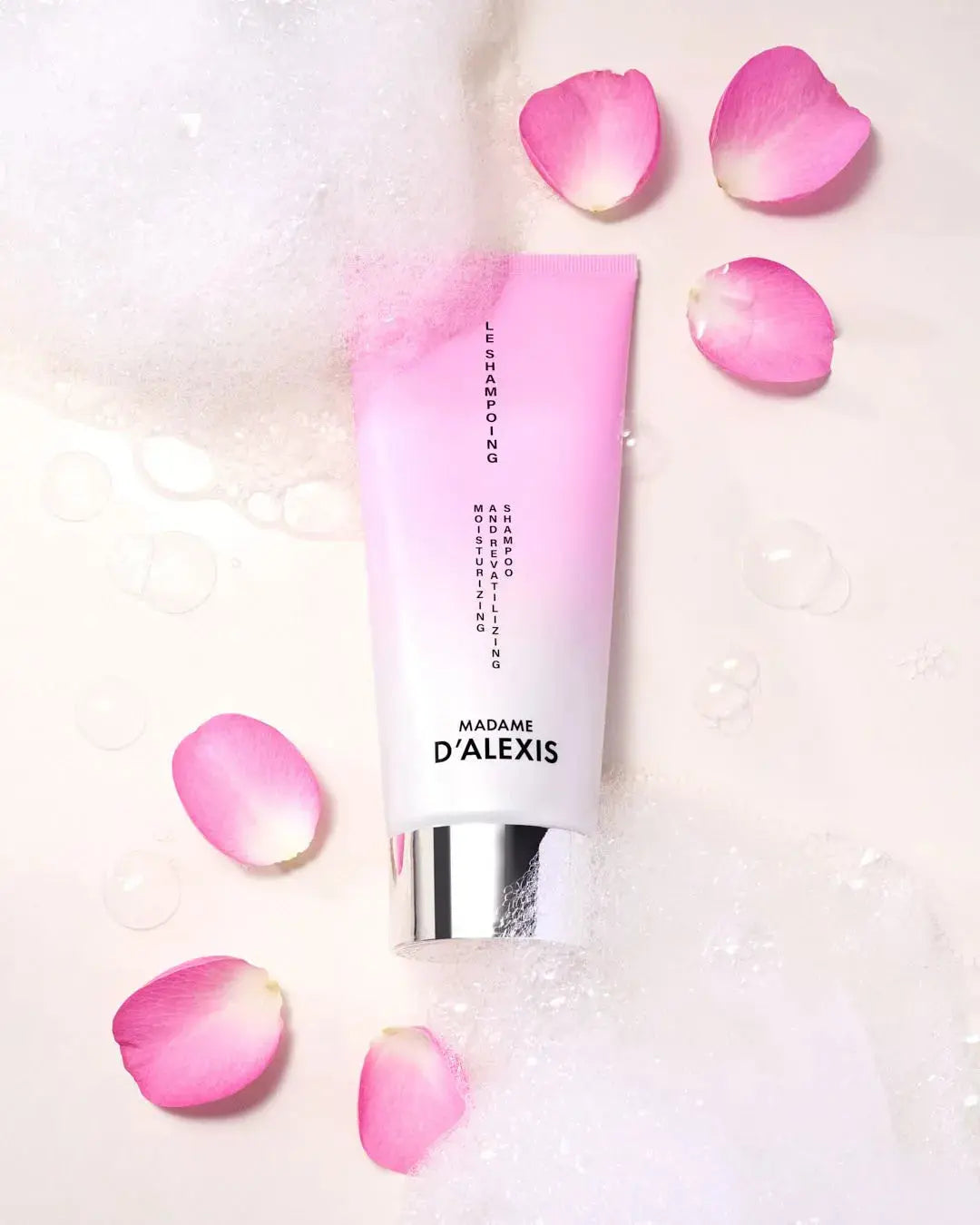
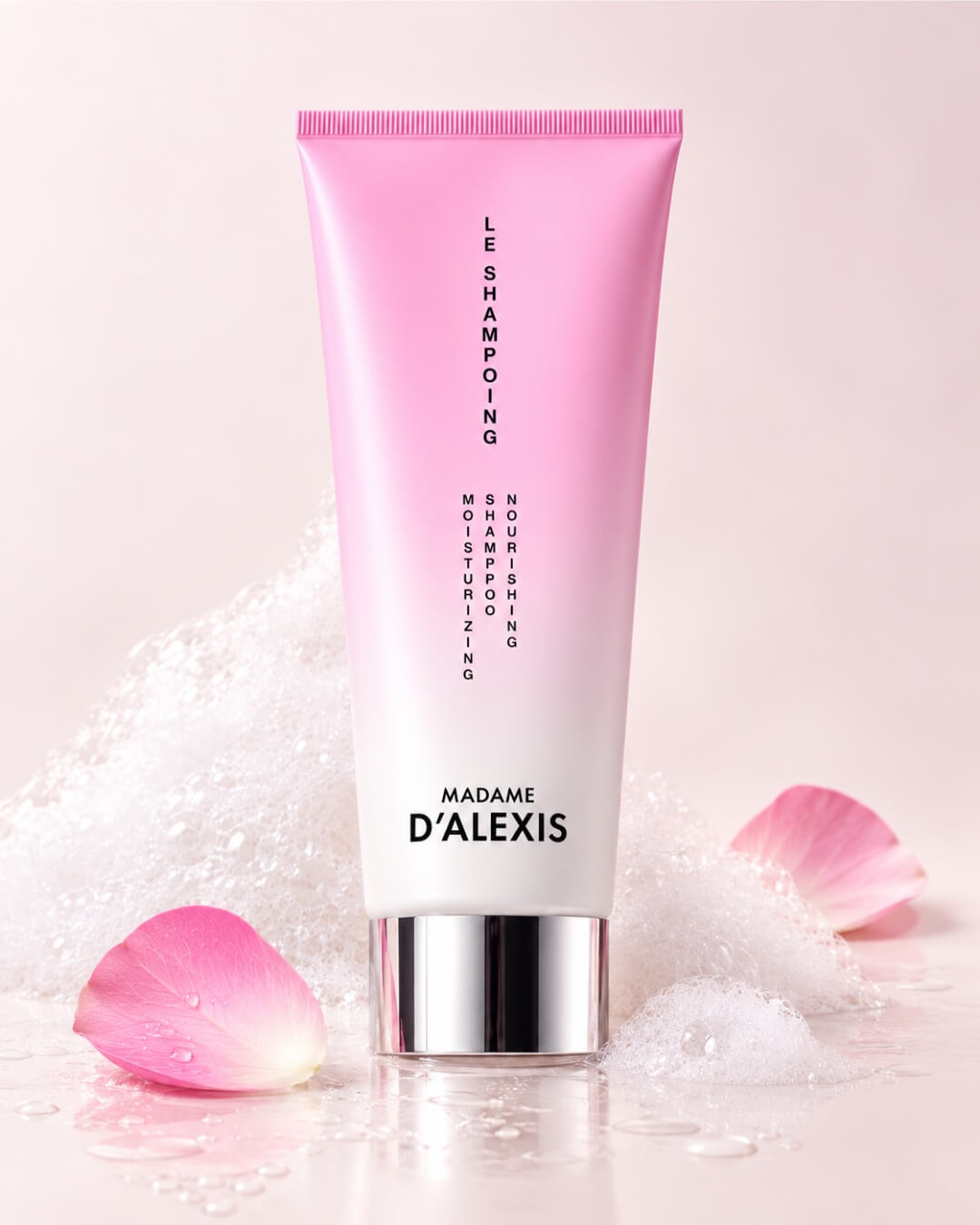
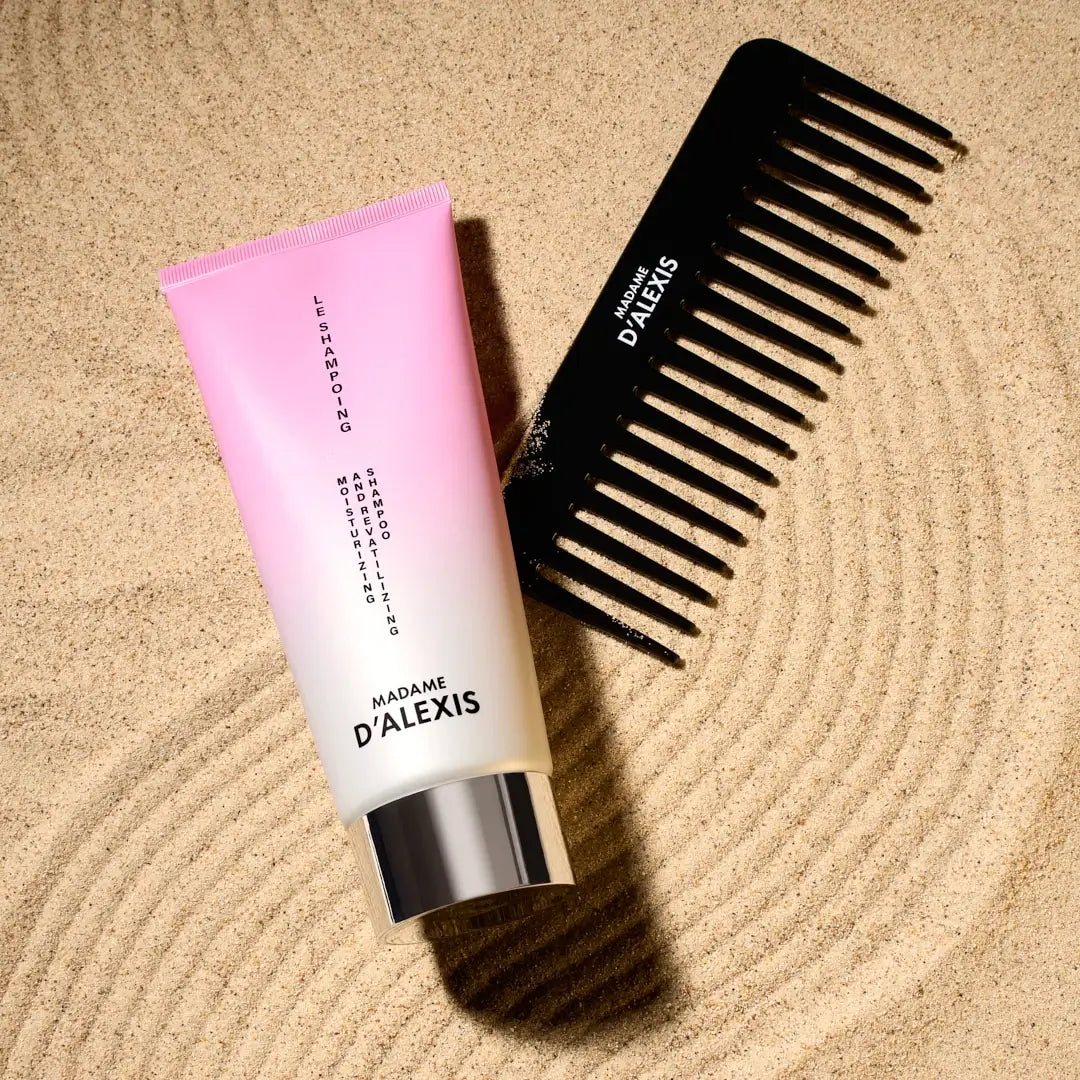
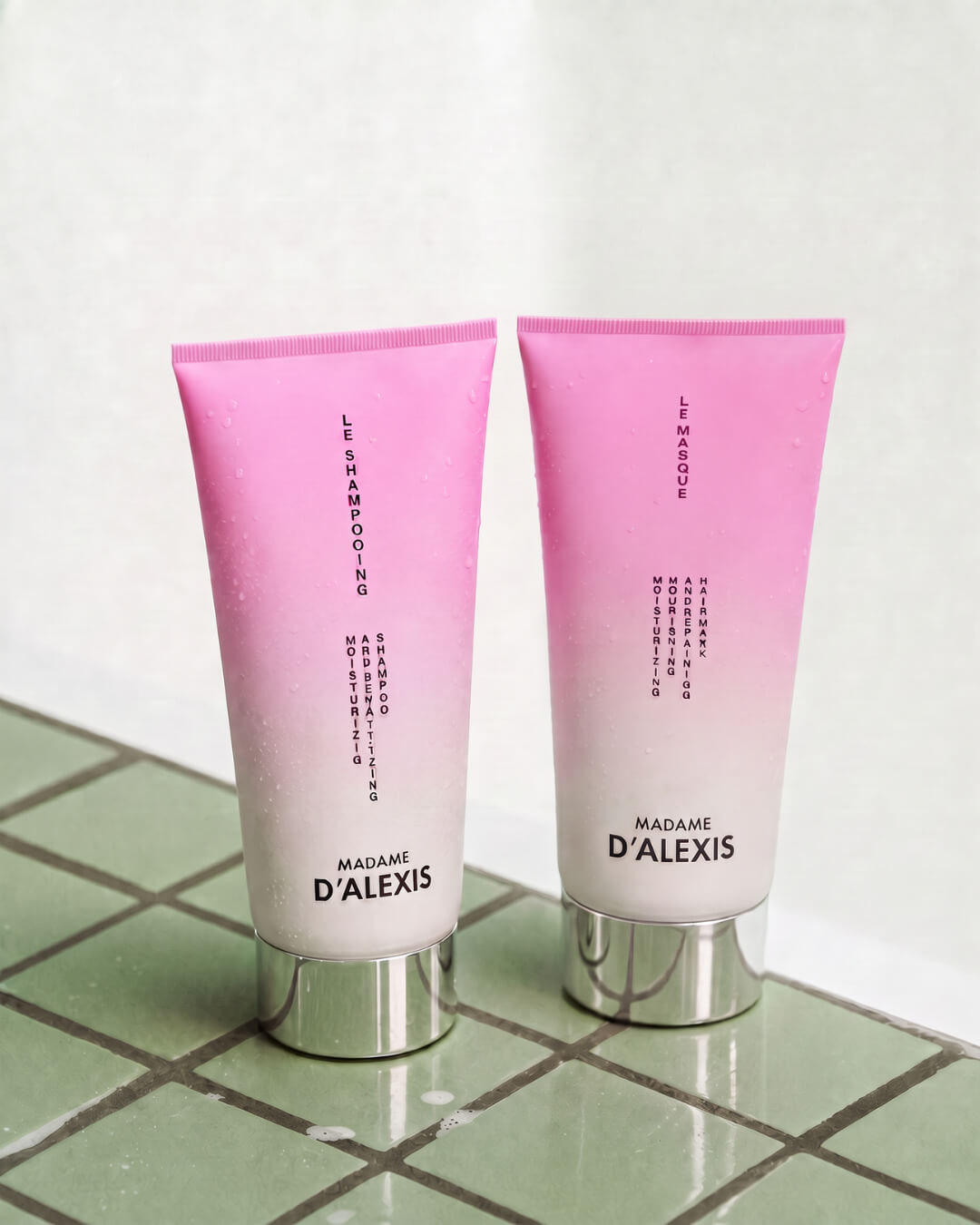
The Shampoo - Organic floral waters & hyaluronic acid
Sulfate-free · Silicone-free · 98% natural
- Cleans without stripping
- Active Organic Floral Waters
- Cationic hyaluronic acid
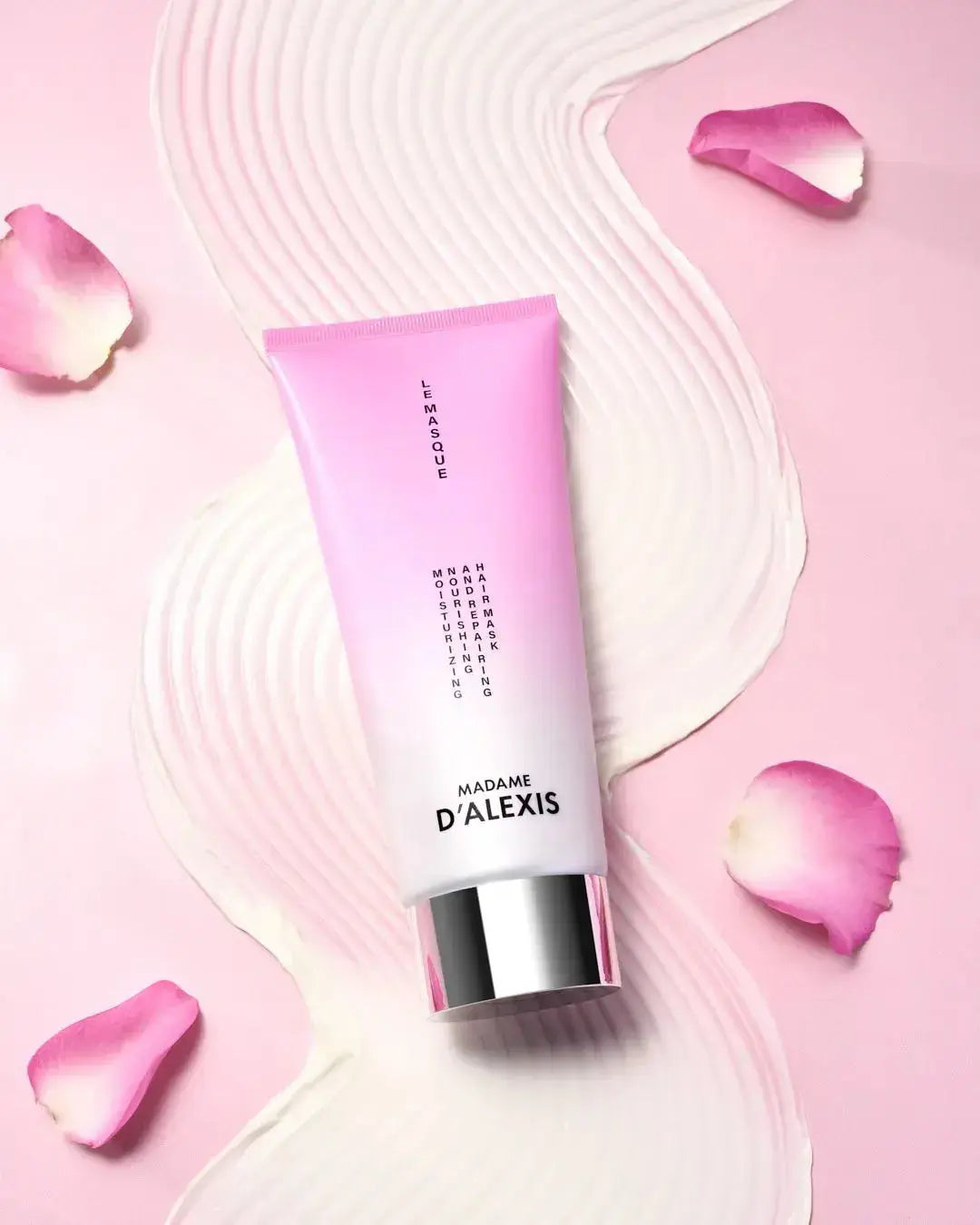
The Mask - Deep hydration with organic floral waters
Plant-derived ceramides · Hyaluronic acid
- Locks in moisture
- Helps smooth the cuticle
- Flexibility and shine
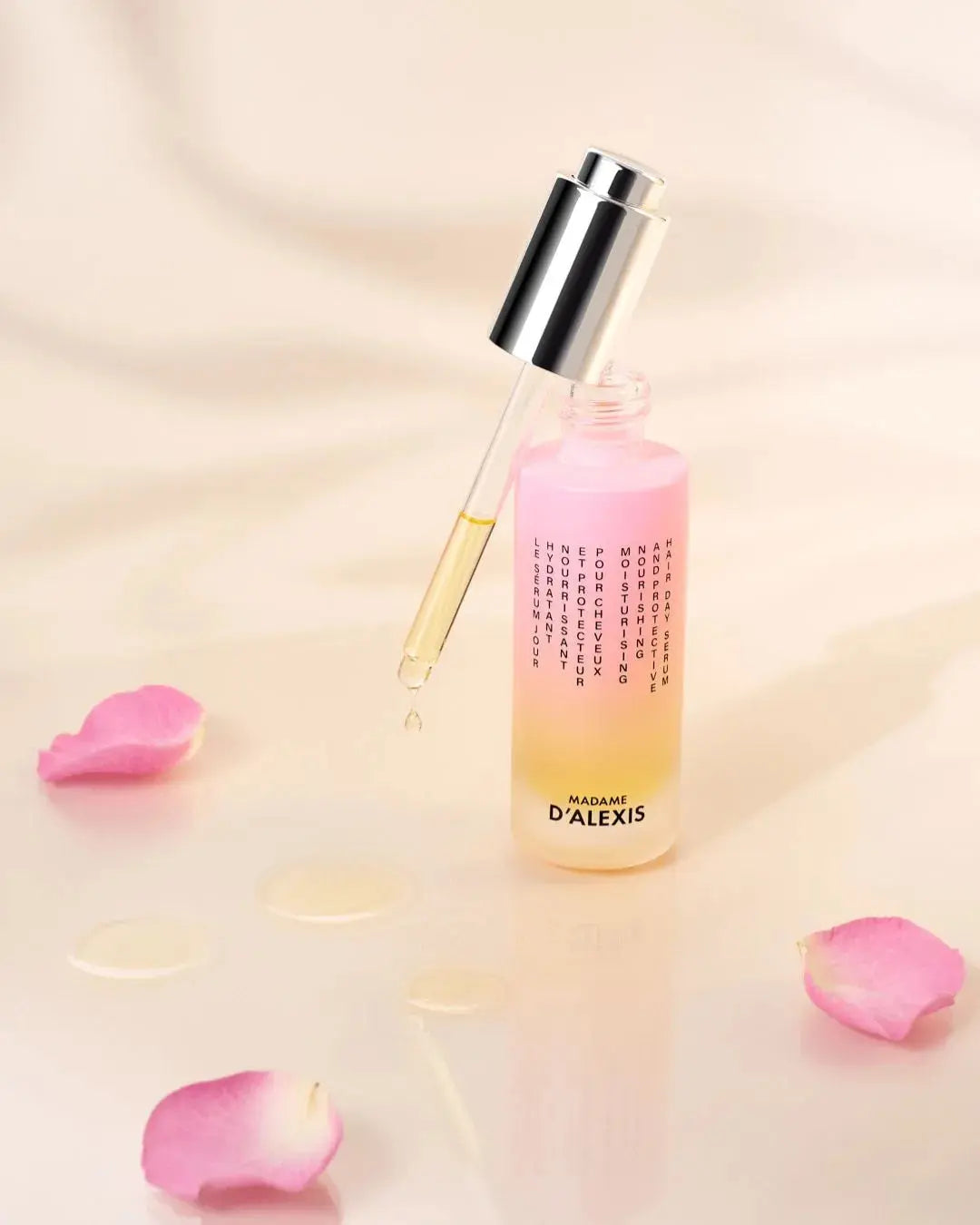
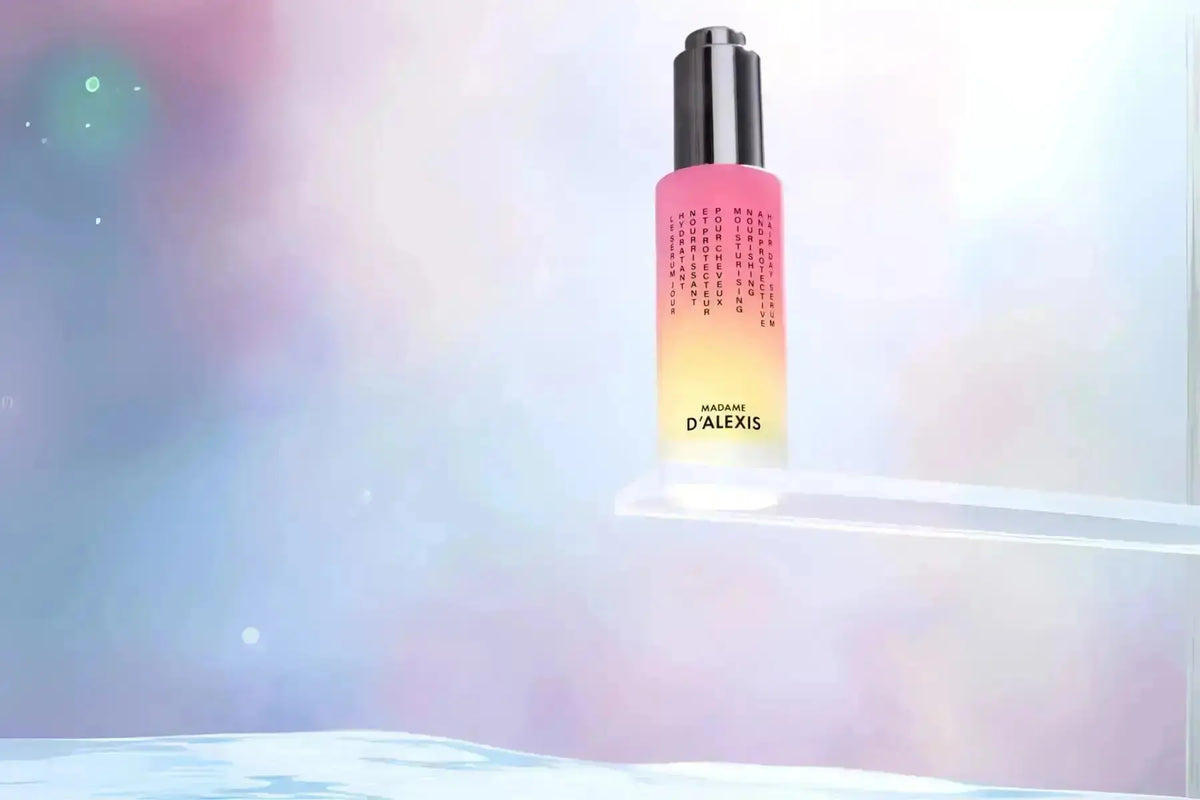
Day Serum with Ceramides & Organic Jojoba Oil
Heat Protection · Anti-Frizz · Silicone-Free
- Protects up to 200°C
- Non-greasy drying oil
- Smooth, glossy finish
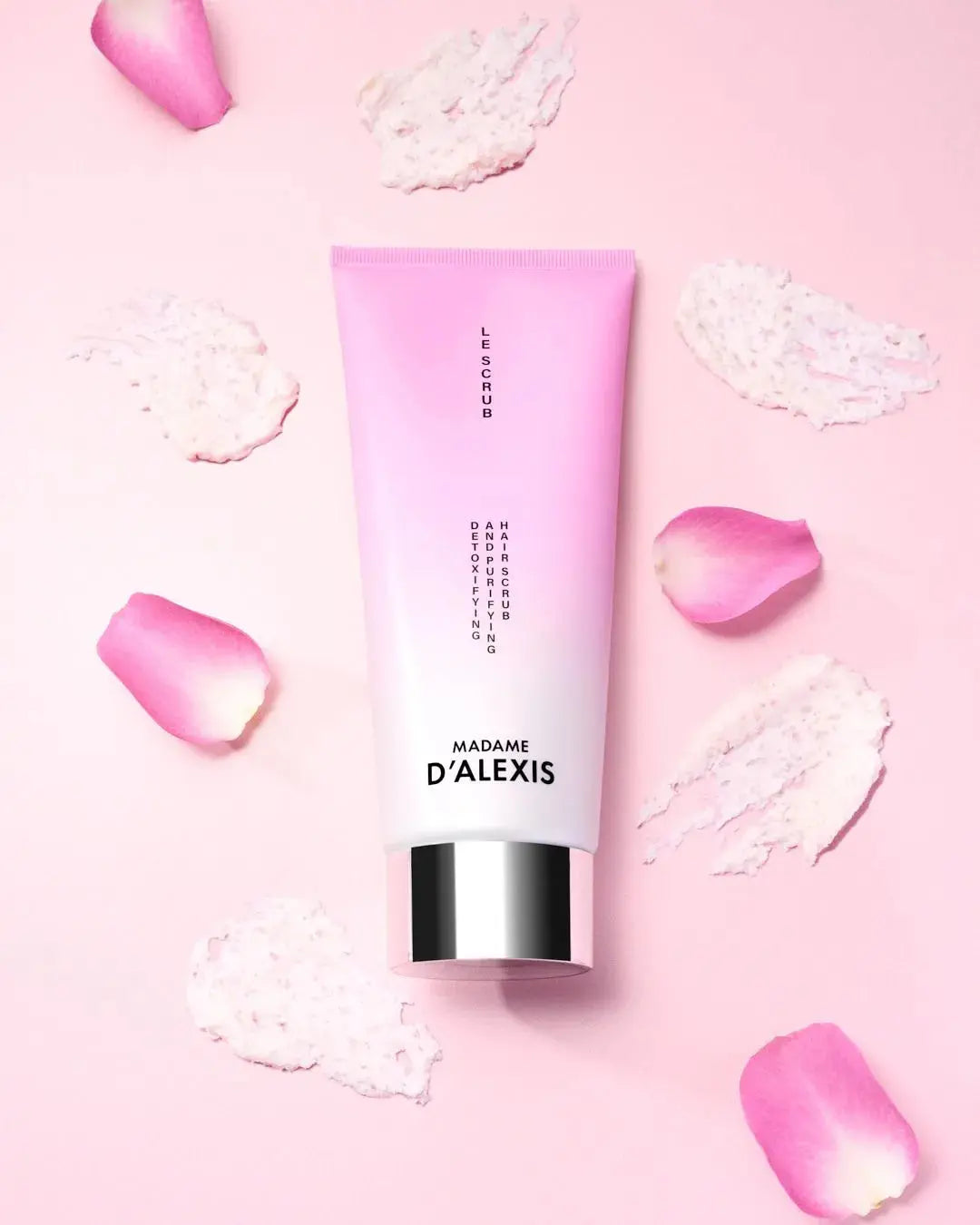
The Scrub - Exfoliating scalp shampoo with organic floral waters
Gentle Detox · Fleur de Sel · 98% Natural
- Removes buildup
- Helps oxygenate the roots
- Replaces shampoo on that day
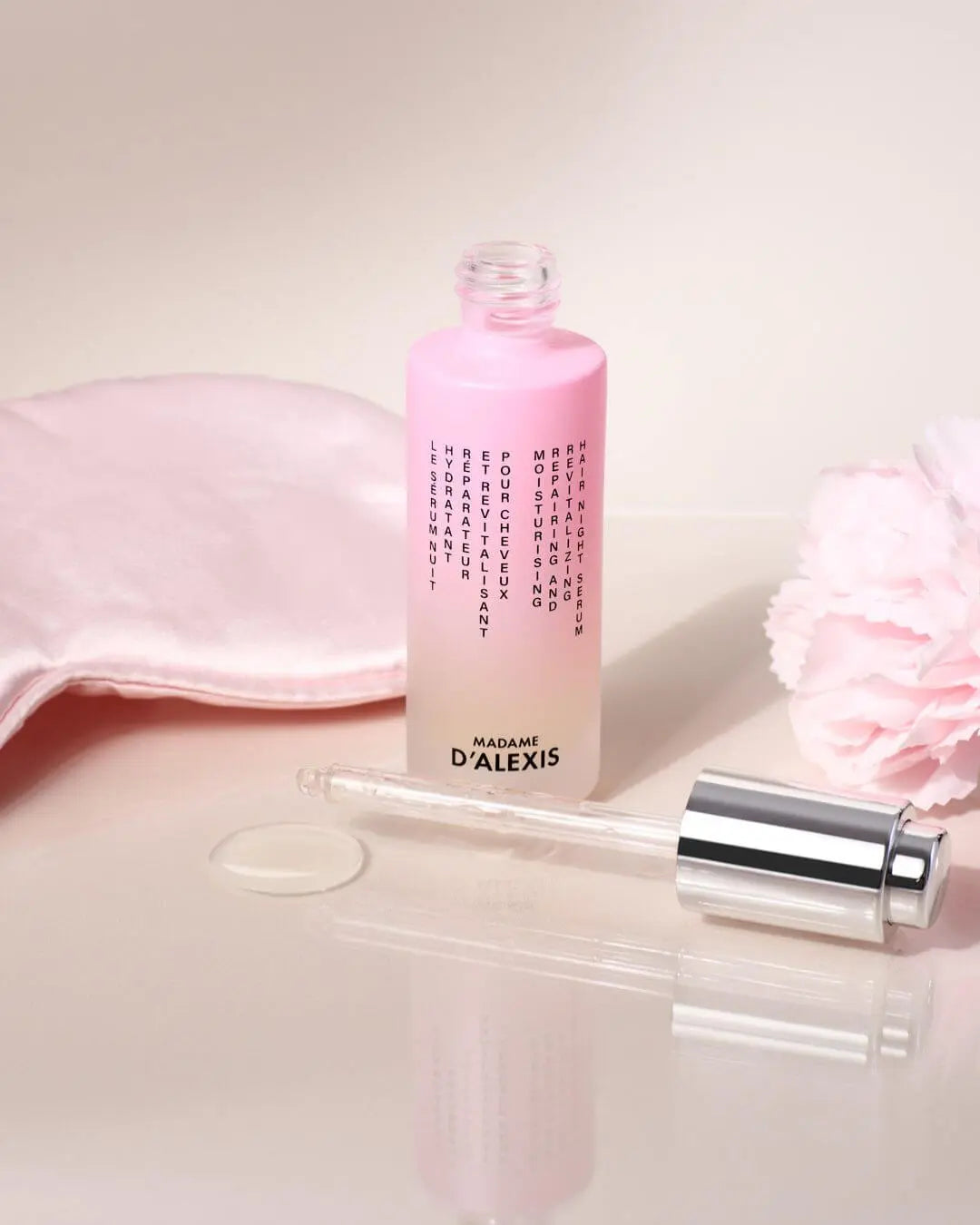
Anti-Hair Loss & Thickening Night Serum with Probiotics
Microbiome · Density · Scalp
- Probiotics and postbiotics
- Soothing organic hydrosols
- Leave-in Night Treatment
What is silicone and how does it affect hair?
Silicone has become a staple of the cosmetics industry, prized for its smoothing and protective properties. But behind this apparent perfection lies a more complex reality.
If you've ever marveled at how shiny and silky your hair looks after using a conventional conditioner, there's a good chance that a silicone film is responsible for that illusion.
Definition and role of silicone in cosmetics
Silicone is a synthetic polymer derived from silicon, designed for its film-forming properties. It forms an artificial barrier around the hair shaft, provides an immediate smooth feel, and makes detangling easier.
Smoothing effect
It reduces friction between the strands and makes the hair feel more manageable.
Instant Shine
It reflects light and gives the appearance of a perfectly healthy strand.
Protective film
It temporarily reduces frizz, but it can also slow down the absorption of hair care products.
The problem: Silicones do not moisturize the hair. They coat it with a waterproof layer that can block the absorption of moisturizing ingredients and, over time, mask a weakened hair shaft.
Why is silicone not recommended for hair?
Silicones have long been praised for their ability to make hair instantly smooth and shiny. However, behind this mirror-like effect, their action remains essentially cosmetic.

Deceptive effect and hair dependency
Silicone acts like a coat of varnish: it masks the hair's true texture without addressing the lack of moisture.
It coats the hair shaft and can prevent plant oils, ceramides, and moisturizing ingredients from penetrating properly.
When you're not wearing it, your hair may look duller or drier because the cosmetic effect wears off.
What are the long-term effects of silicone on hair?
- Gradual drying out: The hair becomes depleted if hair care products no longer penetrate properly.
- Clogged scalp: Buildup can lead to dandruff, itching, and excess sebum.
- Dull hair at rest: without the surface film, the hair shaft reveals its true condition.
Silicones: How Can You Identify Them on a Label?
The first step in choosing a silicone-free skincare routine is to identify the most common suffixes in INCI lists.
-cone
Common examples: dimethicone, amodimethicone.
-siloxane
Common examples: cyclopentasiloxane, cyclohexasiloxane.
-conol
A common example: dimethiconol, which often forms a film.
What are the alternatives to silicones in organic cosmetics?
Eliminating silicones from your hair care routine doesn't mean you have to give up silky hair. Natural cosmetics offer alternatives that protect, moisturize, and coat the hair shaft without weighing it down.

What natural ingredients can be used as a substitute for silicone?
| Natural Alternative | Role on the fiber | Why It's More Interesting | Related Madame d’Alexis Skincare Products |
|---|---|---|---|
| Plant oils, jojoba, argan, coconut | Nourish, soften, and improve texture. | Provides genuine moisture without leaving an artificial, glossy finish. | Day Serum, Face Mask |
| Plant ceramides | Strengthen the lipid barrier and reduce moisture loss. | Structural repairs, not just a quick fix. | Face Mask, Day Serum |
| Natural waxes | They lock in moisture and add shine. | A more natural, more sensorial slimming effect. | Face Mask, Day Serum, Scrub |
| Glycerin, aloe vera, hyaluronic acid | Attract and retain water within the fiber. | True hydration, ideal for dry or porous hair. | Shampoo, Hair Mask, Scrub, Night Serum |
| Active Organic Floral Waters | Soothe the scalp and replace inactive water. | The formula base becomes active. | Shampoo, Hair Mask, Scrub, Night Serum |
Madame d’Alexis: A Compromise-Free Alternative to Silicones
At Madame d’Alexis, each treatment has been designed to enhance the hair without silicones, focusing on active ingredients that truly work on the hair shaft and scalp.
Organic jojoba oil
Incorporated into the Day Serum, it deeply nourishes the skin while leaving it feeling dry, silky, and light.
Plant ceramides
Featured in the Hair Mask, they restore the hair fiber and strengthen its natural barrier.
Active Organic Floral Waters
Damask rose, chamomile, and orange blossom replace plain water to provide a true “skincare-for-hair” experience.
Prebiotics and probiotics
The Night Serum nourishes the scalp overnight, when skin regeneration is at its peak.
What are the environmental impacts of silicone?
Silicone is effective at smoothing and protecting, but its environmental impact raises concerns: some compounds are persistent and do not break down easily in the environment.
In the water
Some rinsed-off silicones can enter wastewater and contribute to invisible pollution.
In the soil
Their persistence can lead to accumulation problems over the long term.
In the air
Volatile compounds are frequently discussed in terms of their potential environmental impact.
Using natural alternatives, such as plant oils, hydrosols, or ceramides, allows you to care for your hair while reducing your reliance on synthetic film-forming agents.
How to choose silicone-free products?
Adopting a silicone-free hair care routine doesn't mean giving up softness. It's an opportunity to rediscover your hair's true texture, free from synthetic coatings.
Read the INCI
Avoid ingredients that end in -cone, -siloxane, or -conol, and check where they appear in the list.
Clean gently
Choose sulfate-free and silicone-free shampoos to cleanse without stripping your hair.
Repairing the Fiber
Replace the artificial smoothing effect with plant-derived ceramides, cationic hyaluronic acid, and premium oils.
Protection for Everyday Life
Add a silicone-free finishing product to protect against heat, UV rays, pollution, and frizz.
Madame d’Alexis’s Silicone-Free Skincare Routine: The Simple Regimen
A well-thought-out routine transforms your hair over the long term. The idea isn't to pile on treatments, but to give each step a clear purpose.
1. Scalp Reset
The Scalp Scrub helps remove residue and product buildup.
2. Gentle wash
The shampoo cleanses with a base of organic hydrosols and is free of sulfates, silicones, and parabens.
3. Deep Repair
The Mask provides plant-based ceramides, cationic hyaluronic acid, and organic hydrosols to restore the hair fiber.
4. Daytime Protection / Nighttime Care
The Day Serum protects and adds shine without leaving a heavy film. The Night Serum supports the scalp and the microbiome.
FAQ - Silicone in Hair and a Silicone-Free Routine
Is silicone really bad for your hair?
Not necessarily in the short term: it leaves hair feeling smooth and shiny. The problem mainly stems from buildup and the fact that it can mask the actual dryness of the hair shaft.
How can you tell if a product contains silicone?
Check the INCI list and look for suffixes such as -cone, -siloxane, or -conol. The most well-known ones are dimethicone, amodimethicone, and cyclopentasiloxane.
What happens when you stop using silicones?
Your hair may feel coarser at first, as the “varnish” effect wears off. This is a transitional phase. A moisturizing and restorative routine helps restore a healthier texture.
What natural alternatives are there to silicone?
Plant oils, plant-derived ceramides, natural waxes, hyaluronic acid, bioactive hydrosols, and certain plant polysaccharides can provide structure, softness, and protection.
Should you use a clarifying shampoo after using silicone-based products?
Yes, if your hair feels heavy, dull, or sticky. A gentle scalp reset can help remove residue, and then you should switch to a more consistent silicone-free routine.
Are Madame d’Alexis’s skincare products silicone-free?
The Madame d’Alexis skincare routine features active organic hydrosols, plant-based ceramides, cationic hyaluronic acid, and plant oils to smooth, protect, and moisturize without a silicone-like feel.
Switch to silicone-free products without losing shine
The secret: replace the artificial film with a routine that truly hydrates, repairs, and protects the hair shaft.
Discover Madame d’Alexis SkincareRecommended routine
Occasional Scrub, Gentle Shampoo, Repairing Mask, Protective Day Serum, Nighttime Scalp Serum.