Skip to content
0
Basket 0
Your cart is empty... for now

Discover our products

exfoliating scalp shampoo

Anti-Itch Shampoo: The Complete Guide to a Soothed Scalp

An itchy scalp is never normal. Choosing the right shampoo, free of sulfates and irritants, can make all the difference. Here’s how to soothe it long-term with a suitable and sensory treatment.

Sensitive scalp

Anti-Itch Shampoo: The Complete Guide to a Soothed Scalp

An itchy scalp isn't inevitable—it's a warning sign. Dryness, excess sebum, product buildup, an imbalance in the microbiome: there are many causes, and the wrong shampoo can make any of them worse.

The usual instinct is to look for an anti-itch shampoo at the drugstore. But most conventional formulas contain sulfates, silicones, and synthetic fragrances—precisely the ingredients that perpetuate irritation over the long term. Soothing the scalp without causing further irritation requires a different formulation.

Madame d'Alexis's approach is inspired by skincare: treating the scalp as skin in its own right, with targeted active ingredients, organic chamomile hydrosols, prebiotics, and plant-based keratin, which soothe itching while restoring the natural balance of the scalp's microbiome. No added water, no harsh sulfates, made in Brittany.

This guide explains why your scalp itches, what ingredients to look for in an anti-itch shampoo, and how to establish a long-lasting soothing routine, with or without Madame d'Alexis products.

Key points to remember to soothe an irritated scalp

An itchy scalp is a warning sign from your skin, not just a temporary discomfort. Before choosing a shampoo, you need to identify the cause: dryness, excess oil, dandruff, dermatitis, or a reaction to products are not treated the same way.

  • For dry hair: an ultra-gentle, sulfate-free shampoo enriched with hydrosols.
  • For dandruff: a purifying shampoo with clay or prebiotics.
  • Causes dermatitis: Use a hypoallergenic shampoo free of synthetic fragrances; consult a dermatologist if symptoms persist.
  • Cause: Harsh products. Stop using sulfates and let your scalp regenerate for 3 to 4 weeks.

Why does the scalp itch?

Frequent causes of itching

Let's face it: an itchy scalp is never just a simple inconvenience. It's a signal. The body expresses itself, often directly.

Among the most frequent causes, we find:

  • Dry skin, often exacerbated by seasonal changes or excessive washing. This causes the hydrolipidic film to become porous, allowing irritants to penetrate.
  • The accumulation of sebum or styling product residue, which clogs the follicles and disrupts the natural balance of the scalp.
  • Chronic skin conditions such as seborrheic dermatitis, psoriasis, or eczema. These conditions require a gentle approach and, in some cases, medical treatment.
  • Stress, often underestimated, but whose impact on microcirculation and the cutaneous microbiota is very real.
  • Poor rinsing or the use of overly aggressive shampoos, which strip the skin instead of protecting it.

Dry, Oily, or Sensitive Scalp: Different Causes

A dry scalp doesn’t itch for the same reasons as an oily scalp. The former lacks lipids and moisture; it feels tight and often produces fine white flakes. The latter may be clogged with sebum, pollution, or styling product residue: the hair follicles become suffocated, itch, and then become oily again more quickly.

A sensitive scalp, on the other hand, reacts excessively to ordinary stimuli: synthetic fragrances, hot water, overly aggressive brushing, sulfates, hair dye, stress, or seasonal changes.

Cause Distinguishing Features Immediate Solution
Dry Skin Tightness, fine white flakes Sulfate-Free Shampoo + Hydrosols
Excess sebum Oily scalp, itchy roots Purifying Shampoo, Less Frequent Washing
Dandruff or seborrheic dermatitis Oily scales, redness Mild anti-dandruff shampoo; consult a doctor if symptoms persist
Product Reactions Appearance after a change in treatment Discard the suspect product; use a mild shampoo
Stress Widespread itching, with no visible lesions Scalp Massage + Soothing Routine
Psoriasis / Eczema Thick plaques, inflammation A dermatologist consultation is required

When should you see a dermatologist?

If the itching persists for more than 3 weeks despite using a suitable shampoo, or if it is accompanied by patches, severe redness, hair loss, or visible lesions, consult a dermatologist.

These symptoms may indicate psoriasis, severe seborrheic dermatitis, or ringworm, all of which require specific medical treatment. A cosmetic shampoo, even one that is well-formulated, is no substitute for a medical diagnosis.

What ingredients are in an anti-itch shampoo?

Top Soothing Ingredients to Look For

The choice of ingredients is no accident. It reflects a vision: that of a skincare product that respects, soothes, and also enhances.

At Madame d’Alexis, we’ve made it our mission to eliminate water from our formulas and replace it with cosmetic-grade hydrosols that offer real benefits for scalp comfort.

  • Organic chamomile hydrosol: known for its soothing properties, it relieves feelings of discomfort.
  • Damask rose hydrosol: a classic in perfumery, but also a treasure for sensitive skin. It helps reduce redness while leaving a delicate scent in its wake.
  • Orange blossom hydrosol: Used in baby care products, it gently refreshes and tones. Perfect for irritated scalps.
  • Natural prebiotics: They nourish the beneficial bacteria on the scalp, promoting a balanced microbial flora.
  • Plant-based keratin: Often used to strengthen the hair shaft, it also helps make your scalp care routine more comfortable.
  • Cationic hyaluronic acid: It binds to sensitized areas, hydrates, smooths, and provides long-lasting relief.
scalp care

Sulfates, silicones, fragrances: ingredients to avoid

At first glance, a conventional shampoo seems to meet our primary need: to cleanse. However, behind an abundant lather and a persistent fragrance often lie ingredients that disrupt the delicate balance of the scalp.

The following components should be absolutely avoided when suffering from itching:

  • Sulfates, particularly sodium laureth sulfate, are powerful surfactants that have extremely strong degreasing properties. They produce a rich lather but can dry out the skin and disrupt the protective hydrolipidic film.
  • Although silicones provide an instant softening effect, they form an occlusive film on the hair shaft. Over time, they can disrupt the scalp’s natural balance.
  • Synthetic fragrances, when too concentrated or poorly tolerated, are likely to cause redness, itching, or even allergic reactions.

The choice of a shampoo should therefore go beyond immediate sensory appeal. It's about restoring a living ecosystem, not masking it.

5 Common Misconceptions About Anti-Itch Shampoos

Before choosing an anti-itch shampoo, it’s important to avoid a few common misconceptions. An itchy scalp isn’t always treated with a medicated formula, daily washing, or a product that lathers heavily.

Common Misconception 1

The more a shampoo lathers, the better it cleans. False: The lather often comes from harsh surfactants, not from greater effectiveness.

Common Misconception 2

An itchy scalp should be washed every day. False: This can make it even drier and cause further irritation.

Common Misconception 3

A pharmacy is always the best option. This is true in cases of medical conditions, but not necessarily for chronic sensitivity without a diagnosis.

Common Misconception 4

Essential oils are always soothing. False: They can cause irritation if used in excessive amounts or if the wrong type is chosen.

Common Misconception 5

Dry shampoo is a substitute for washing your hair. False: It masks sebum, but can clog hair follicles if the scalp is already irritated.

Natural anti-itch shampoo vs. drugstore shampoo: What's the difference?

What's in a drugstore shampoo?

Pharmacies offer anti-itch shampoos that provide short-term relief. Their formulas contain active pharmaceutical ingredients—piroctone olamine, zinc pyrithione, and ketoconazole—designed to treat diagnosed conditions such as seborrheic dermatitis or psoriasis. They are not intended for daily use on a scalp that is simply sensitive or reactive.

When used regularly in the absence of a medical condition, these active ingredients can disrupt the skin's microbiome and lead to dependency: the scalp is temporarily soothed, but itching resumes as soon as treatment is stopped.

What's in a Well-Formulated Natural Shampoo

A well-formulated natural shampoo works differently: it restores balance rather than masking the symptom. Organic hydrosols of German chamomile and orange blossom soothe inflammation, prebiotics strengthen the microbiome, and the absence of sulfates prevents sebum overproduction.

For a chronically sensitive scalp with no diagnosed medical condition, a natural approach is more suitable in the long term.

Comparison Chart

Criterion Pharmacy Shampoo Natural Shampoo (Organic Hydrosols)
Main action Treatment of the symptom Restoring Balance
Recommended frequency One-time treatment Suitable for regular use
Key assets Zinc, ketoconazole, piroctone Hydrosols, prebiotics, gentle active ingredients
Microbiome Risk Possible disruption Reinforcement
Based on diagnosed condition Yes See a dermatologist
Suitable for people with chronic sensitivity Limited Yes

Madame d'Alexis: Shampoo Designed to Soothe Without Stripping the Scalp

The best shampoo for an itchy scalp isn’t necessarily the one that lathers the most, smells the best, or is the most “treatment-oriented.” It’s the one that cleanses without stripping the scalp, soothes without suffocating it, and protects the skin barrier over time.

1

Free of harsh sulfates

To avoid the rebound effect: the scalp is stripped, and then sebum returns more quickly.

2

Soothing Ingredients

Chamomile, rose, orange blossom, prebiotics, and cationic hyaluronic acid.

3

Suitable for regular use

A gentle formula, suitable for use 2 to 3 times a week.

Madame d'Alexis Shampoo: Formulation and Active Ingredients

Madame d'Alexis Shampoo is not like other shampoos. It is an exceptional treatment, born from a conviction: the health of the scalp determines the beauty of the hair.

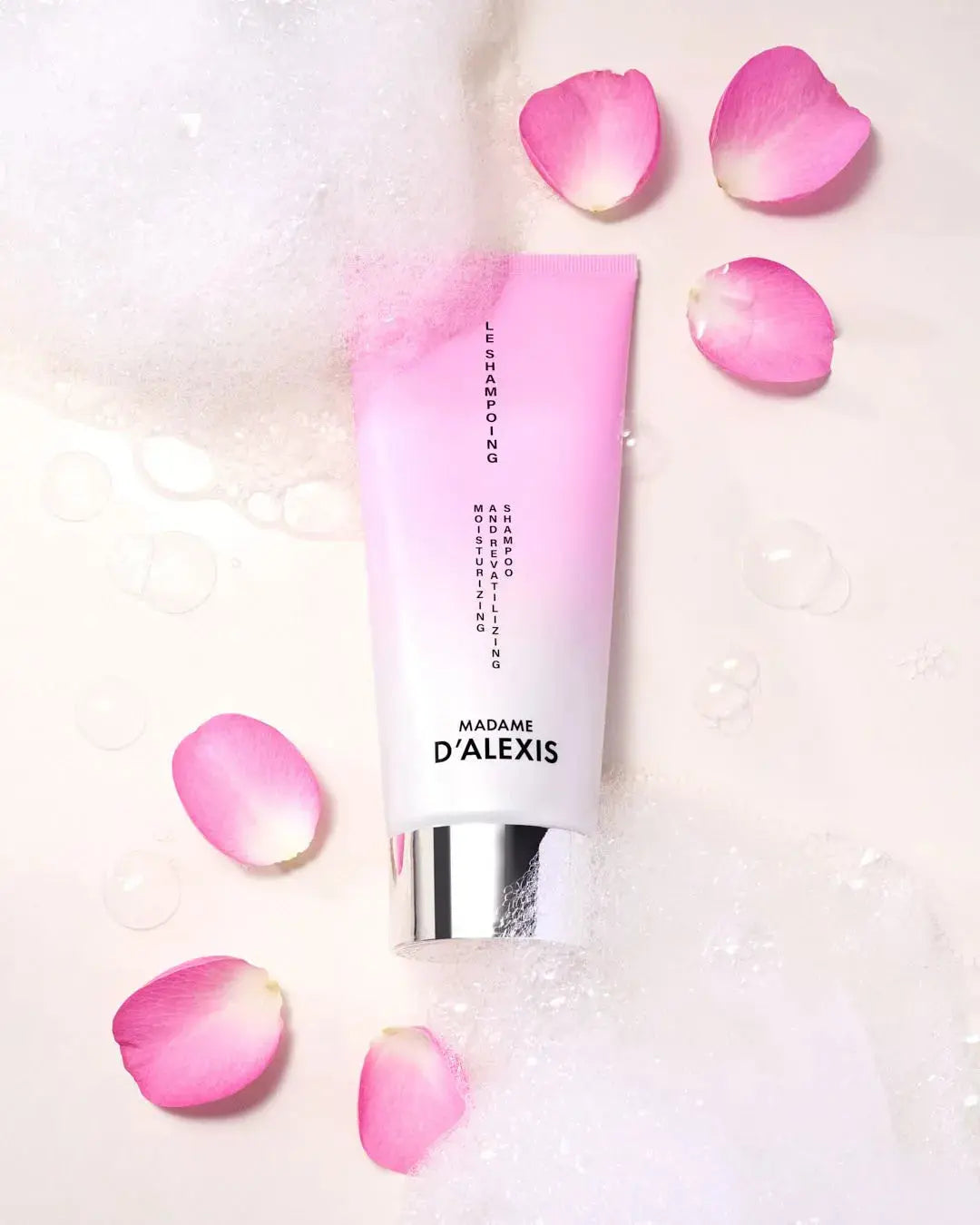
Gentle wash Madame d’Alexis Shampoo for an Itchy Scalp
Sensitive scalp

An uncompromising formulation

Organic Hydrosols · Prebiotics · Sulfate-Free Cleansers

★★★★★ 4.9/5 · 159 reviews

  • Gently cleanses without irritating the scalp.
  • Sulfate- and silicone-free, ideal for a soothing hair care routine.
  • Helps maintain the balance of the sensitive scalp.

35,00 €

Learn About the Treatment

When I launched this formula, the requirement was clear. No superfluous ingredients, no compromise on skin tolerance. Only what is useful, beneficial, and effective.

  • 98% naturally derived ingredients: an ultra-clean formula designed to be gentle on the skin and the environment.
  • 0% added water: Water, which is usually the first ingredient in shampoos, is replaced by organic hydrosols with soothing properties.
  • Sulfate-free, silicone-free, paraben-free: promising optimal tolerance.
  • Tested on sensitive scalps: a formula designed for reactive skin.

What users are saying

What users are saying:

“I have a sensitive scalp that gets itchy easily. From the very first application, I felt immediate relief.” — Alexandra M.

"My scalp feels much less irritated than before. Even my hair is shinier." — Anaïs C.

Avoiding conventional shampoos means choosing beauty products with care. Choosing Madame d’Alexis means embracing a new philosophy of hair care: discerning, sensorial, and deeply respectful of the skin.

Sensitive, itchy scalp

Our Best Products for an Itchy Scalp

An effective routine for sensitive scalps is based on three complementary steps: removing product buildup, gently cleansing, and then prolonging the soothing effect with a targeted nighttime treatment.

How to use a soothing shampoo for lasting results?

The effectiveness of a hair care product depends not only on what it contains, but also on how it is used. For an itchy scalp, the order in which you apply the products is just as important as the products themselves.

A Scalp-Moisturizing Shampoo: Why Moisture Is Key

A dehydrated scalp itches. It’s a simple matter of physiology: without an intact hydrolipidic film, the skin’s nerve endings are exposed and react to even the slightest stimulus. A scalp-moisturizing shampoo therefore works on two levels: it cleanses without stripping the skin, and it delivers moisturizing ingredients directly to the scalp.

The most effective moisturizing ingredients in a shampoo arecationic hyaluronic acid, which targets sensitized areas; organic hydrosols, for immediate and long-lasting hydration; and prebiotics, which strengthen the skin barrier. This is precisely the combination used in Madame d'Alexis Shampoo.

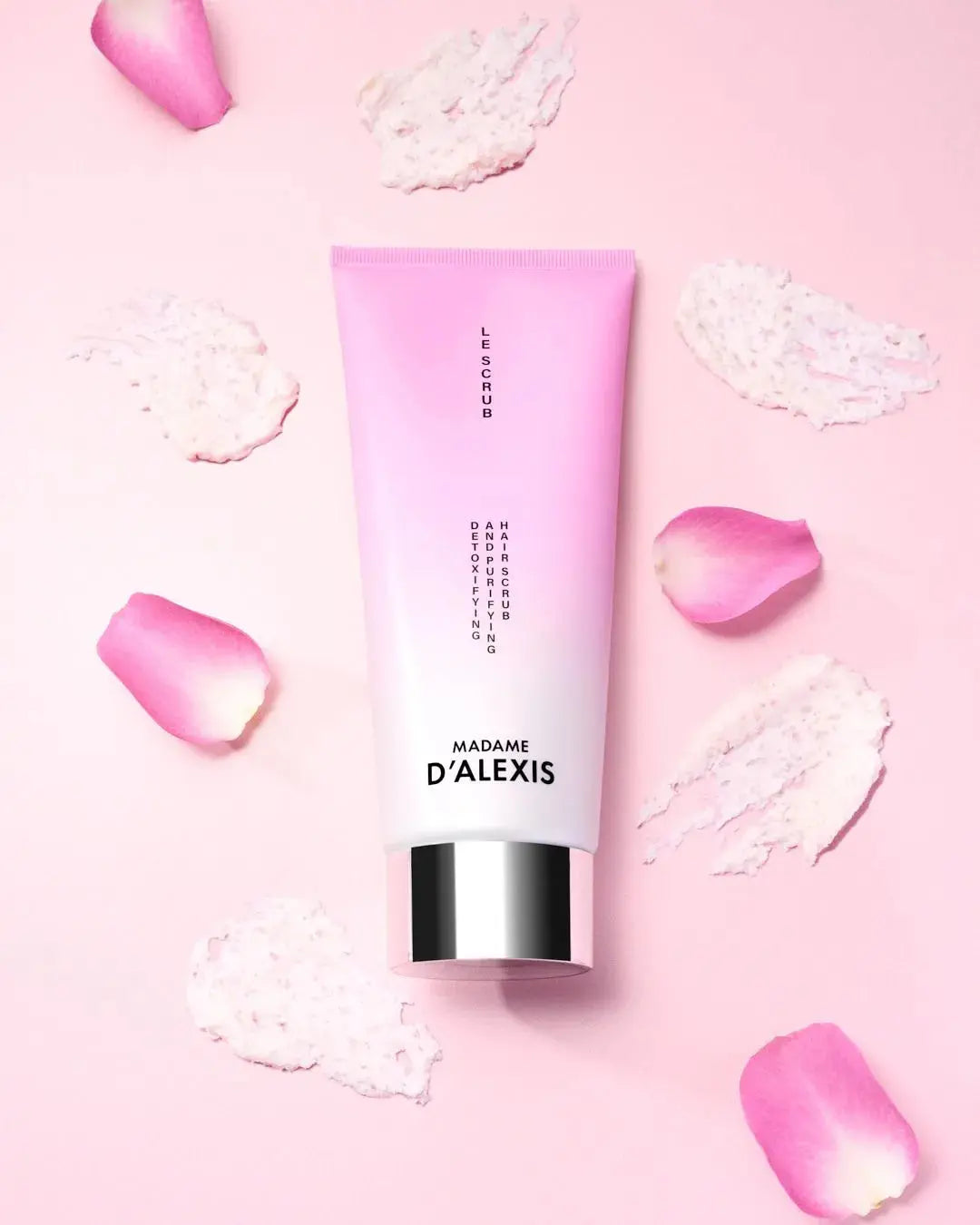
Step 1 - Monthly Exfoliation (Floral Scrub)

Before shampooing, start with an Exfoliating Shampoo to remove product buildup, excess sebum, and dead skin cells that clog hair follicles and cause itching.

  • Apply to wet scalp and gently massage with your fingertips.
  • Let it sit for 2 to 3 minutes to allow the fleur de sel and organic hydrosols to take effect.
  • Rinse thoroughly before using a mild shampoo.

Step 2 - Gentle shampoo 2–3 times a week

Follow up with the Hyaluronic Acid Shampoo, formulated without sulfates or silicones to protect the delicate skin barrier.

  • Brush your hair while it's dry first to stimulate microcirculation.
  • Apply to a wet scalp and massage gently: the goal is not to create an excessive lather, but to deliver the soothing active ingredients as close to the skin as possible.
  • Wash a second time, letting the product sit for a few minutes: the organic hydrosols and prebiotics work deeply on sensitive areas.
  • Rinse with lukewarm water—never hot—to maintain the scalp's natural balance.

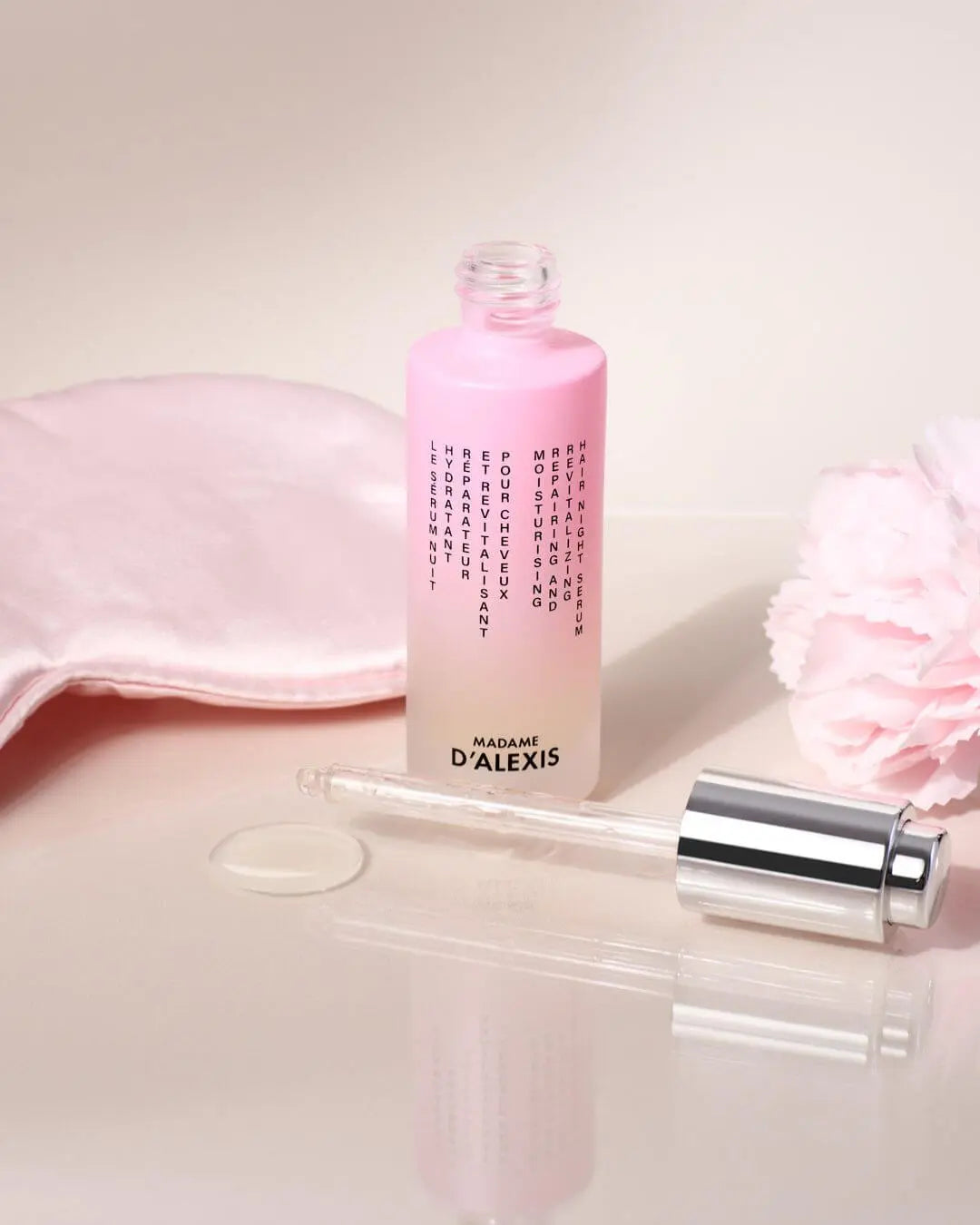
Step 3 - Night Serum with Hydrosols

In the evening, the Night Serum with Hydrosols rounds out the routine as a targeted, leave-in treatment. It supports weakened scalps and prolongs the soothing effect throughout the night.

To complete your hair care routine, you can apply a moisturizing mask after washing, then a few drops of treatment to the ends if your hair is dry.

What other steps can you take for a healthy scalp?

External treatments are not always enough. A holistic approach can often address the root cause of the problem. Simple steps can enhance the effectiveness of the shampoo:

  • Avoid sources of excessive heat: hot hair dryers, flat irons, and water that's too hot.
  • Wash your hair less often: washing your hair too often can strip away protective oils, leading to a vicious cycle of dryness.
  • Massage your scalp regularly: a few minutes is enough to boost microcirculation and promote oxygenation of the hair follicles.
  • Maintain a balanced diet: focus on omega-3s, zinc, and vitamin B6. What you eat also nourishes your scalp.
  • Choose products with a neutral pH, without dyes or occlusive agents: simplicity often ensures tolerance.
Treatments for an itchy scalp

FAQ - Itchy Scalp: All the Answers

What is the best shampoo for an itchy scalp?

The best shampoo for an itchy scalp meets three criteria: it’s sulfate-free, so it doesn’t strip away the hydrolipidic film; it contains targeted soothing ingredients, such as organic chamomile hydrosols, prebiotics, and cationic hyaluronic acid; and it’s formulated for regular use without causing a rebound effect.

Pharmacy shampoos, such as Ducray, Vichy, or Bioderma, are effective as a short-term treatment for a diagnosed condition. For a chronically sensitive scalp, the Madame d'Alexis Shampoo—which contains no added water and is formulated with organic hydrosols—is designed for regular, long-term use.

Which shampoo is best for a sensitive scalp?

A sensitive scalp is characterized by tightness, itching, redness, or a burning sensation. It requires a gentle shampoo—free of sulfates and harsh ingredients—that is specifically formulated to respect the skin’s microbiome.

To make the right choice, look for scalp care products that are free of synthetic fragrances and dyes, have a light texture that rinses off easily, and contain soothing active ingredients such as floral hydrosols, chamomile, or cationic hyaluronic acid.

Which shampoo is best for sensitive scalps at a big-box store?

At big-box stores, the options remain limited, but there are reliable alternatives. The most accessible ones are Bioderma Nodé, which is gentle and free of harsh sulfates; La Roche-Posay Kerium Doux, which is hypoallergenic; and Ducray Sensinol, designed for sensitive scalps.

Avoid volumizing or shine-enhancing product lines, which often contain silicones, sulfates, and stronger fragrances. For a chronically sensitive scalp, sulfate-free formulas available online—such as Madame d'Alexis—offer a more comprehensive formulation with concentrated soothing active ingredients: organic hydrosols, prebiotics, and no added water.

How to soothe an itchy scalp?

An itchy scalp can have several causes: dryness, stress, excess sebum, dandruff, or allergies. To soothe your scalp, use an anti-itch shampoo free of irritants, massage gently with your fingertips, and avoid water that’s too hot.

Which ingredients are best for an anti-itch shampoo?

A good treatment shampoo isn't about the quantity of ingredients, but their quality. Look for chamomile or orange blossom hydrosols, prebiotics, cationic hyaluronic acid, and mild cleansing agents. Avoid sulfates, silicones, dyes, and synthetic fragrances.

Can you use an anti-itch shampoo every day?

Yes, as long as it is formulated without sulfates or harsh cleansing agents. A gentle shampoo made with hydrosols can be used 2 to 3 times a week without causing a rebound effect. Avoid using medicated shampoos on a daily basis; reserve them for occasional treatment regimens recommended by a healthcare professional.

Dry shampoo: Is it a good idea for an itchy scalp?

No, not if you have active itching. Dry shampoo often contains powders, starches, or alcohols that can aggravate irritation and clog hair follicles. It can be a temporary solution between washes, but it is never a substitute for a suitable cleansing product.

Itchy Scalp and Hair Loss: What's the Connection?

A chronically itchy scalp can contribute to hair loss, but not directly. Repeated scratching weakens the hair shaft at the root and can cause localized traction alopecia. Chronic scalp inflammation also disrupts the hair growth cycle and slows regrowth. So, prioritizing relief from itching—using a sulfate-free shampoo with anti-inflammatory ingredients—is also a way to protect your hair.

Sulfate-free anti-itch shampoo: Does it really exist?

Yes, and that’s exactly what dermatologists recommend for chronically sensitive scalps. Sulfates (SLS, SLES) are harsh surfactants that strip the scalp’s hydrolipidic film and worsen irritation. A sulfate-free anti-itch shampoo uses mild surfactants (coco-glucoside, sodium cocoyl isethionate) that cleanse effectively without disrupting the skin’s microbiome. Madame d’Alexis shampoo is formulated without sulfates or silicones, using organic active hydrosols as a moisturizing base.

Itchy Scalp and Pimples: What's the Connection?

Pimples on the scalp can appear when hair follicles become clogged with sebum, styling product residue, or inadequate rinsing. The itching then perpetuates the irritation, as scratching weakens the skin. In this case, gentle exfoliation with a scalp treatment, followed by a soothing shampoo, can help. If the pimples are painful, numerous, or persistent, you should consult a dermatologist.

What treatment is best for an itchy scalp?

Effective treatment relies on a consistent routine: a mild shampoo, occasional exfoliation, scalp massage, and leave-in treatments as needed. If you have dandruff, distinguish between dry dandruff and oily dandruff. To combat dandruff, use a suitable treatment and avoid washing your hair too often. You can also apply a soothing mask once a week to the lengths if they’re dry.

What are the best shampoos for dry scalps?

The best shampoo for a dry scalp should restore moisture while preserving the scalp’s protective barrier. It should be ultra-gentle, free of sulfates and drying alcohols, and have a pH level close to that of the scalp. In addition, you may want to use complementary products, such as a gentle exfoliator, a moisturizing mask, and a serum if your hair is damaged. For an irritated scalp, you can also check out the selection of shampoos for irritated scalps.

Select options