Advice
After-bleaching care routine for bleached and damaged hair
Damaged bleached hair? Discover the step-by-step repair routine: sulfate-free shampoo, ceramide mask, protective serums. Visible results in just a few weeks.


What you need to know about aftercare following bleaching
- After-bleaching care is essential, as bleaching is a chemical process that destroys melanin, opens the cuticle, and permanently weakens the hair fiber.
- Bleached hair becomes porous, dry, and brittle; only a targeted routine can repair the hair's internal structure and restore its protective barrier.
- Post-bleaching care relies on a complete routine: gentle, non-stripping shampoo, a repairing mask rich in ceramides, a protective leave-in treatment, and ideally, an overnight treatment.
- Hydration must be intense but controlled: active ingredients such as hyaluronic acid and ceramides moisturize and strengthen without weighing down fragile hair.
- Consistency is key: properly applying a treatment for bleached hair over several weeks helps limit breakage, preserve color, and restore hair that is more supple, stronger, and visibly healthier.
Alexis's 5 Madame Hair Care Products to Repair Hair After Bleaching
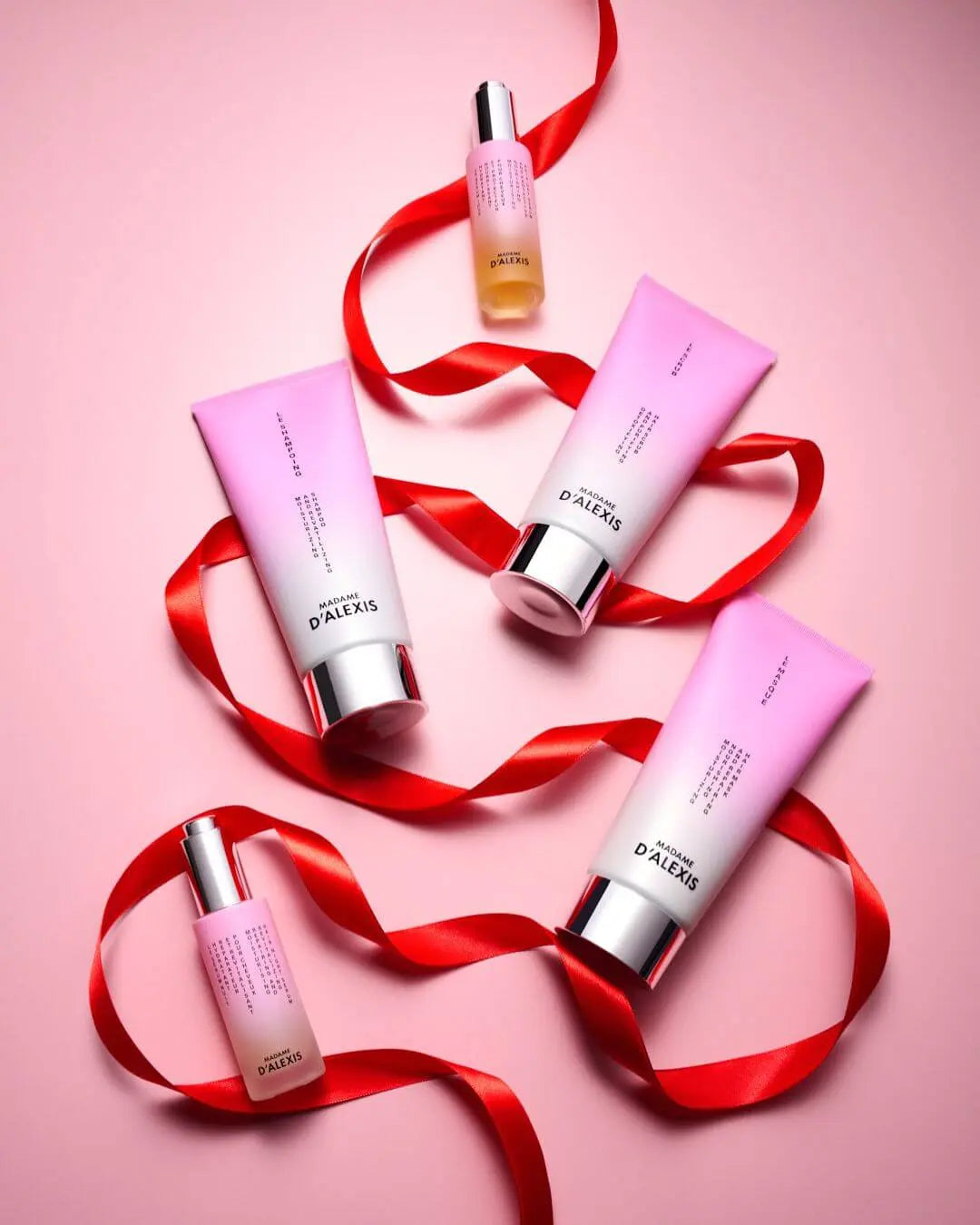
A complete routine for bleached, sensitized, or brittle hair: purify the scalp, gently cleanse, deeply nourish, protect the hair shaft, and extend the repair process at home.
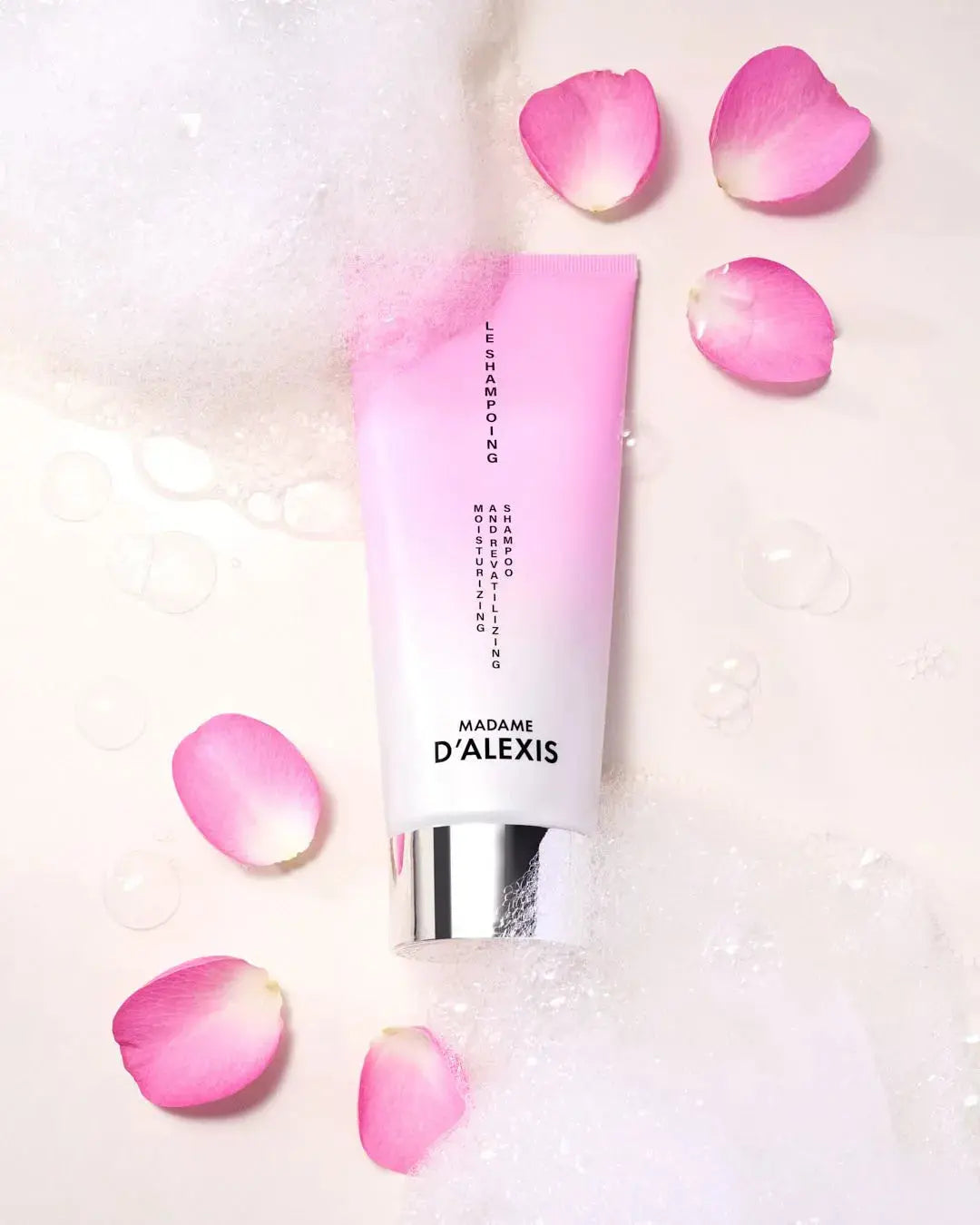
Hydrolat Shampoo
Gentle cleansing · sensitive hair
- Sulfate-free, silicone-free
- Cleans without damaging the fabric
- Ideal after bleaching
35,00 €
View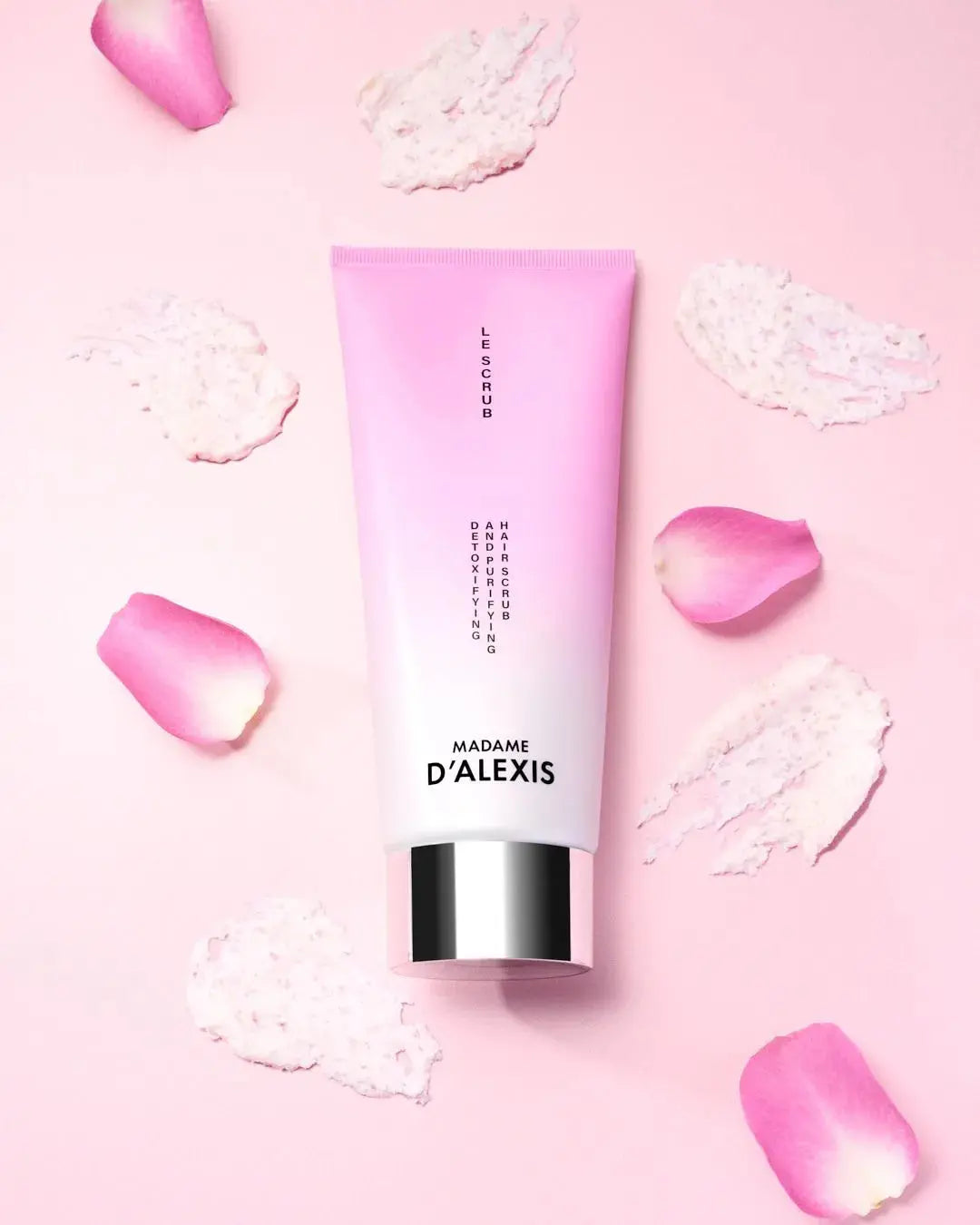
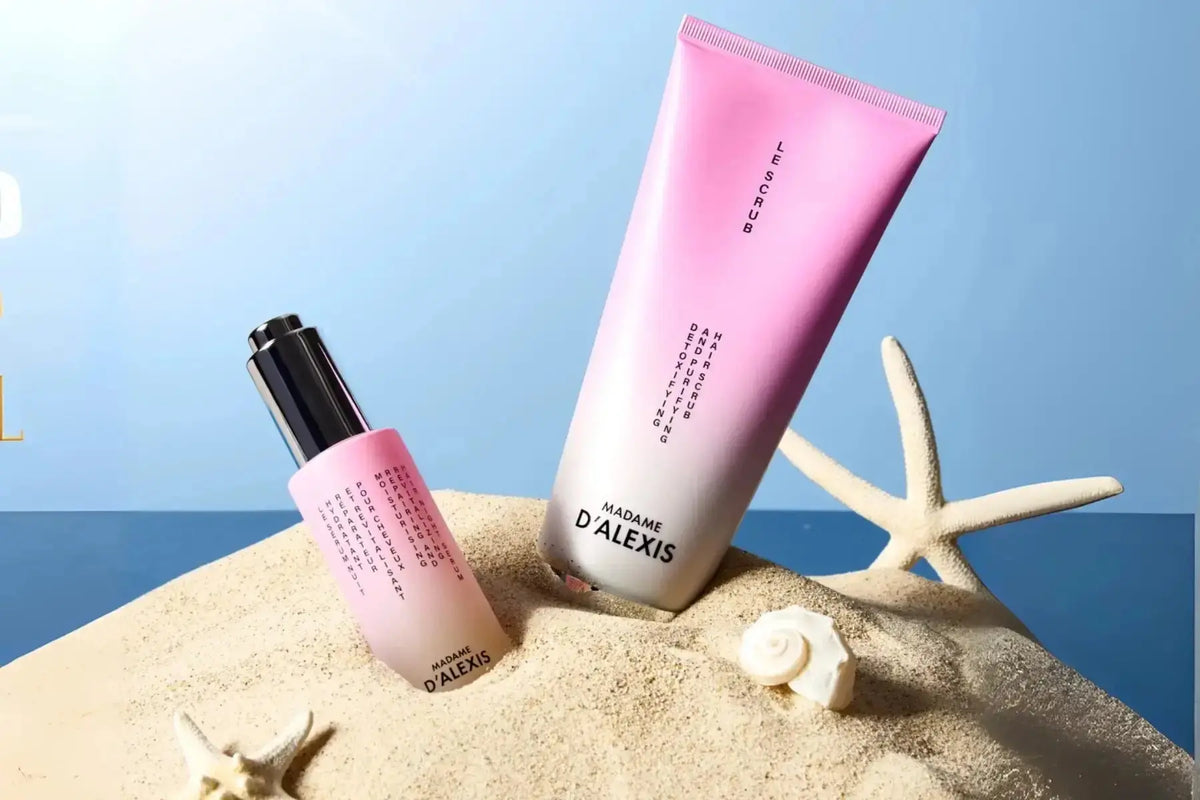
Hydrolat Scrub
Gentle Detox · Scalp
- Removes buildup from the scalp
- Get ready for the restorative routine
- Use gently after coloring
39,00 €
View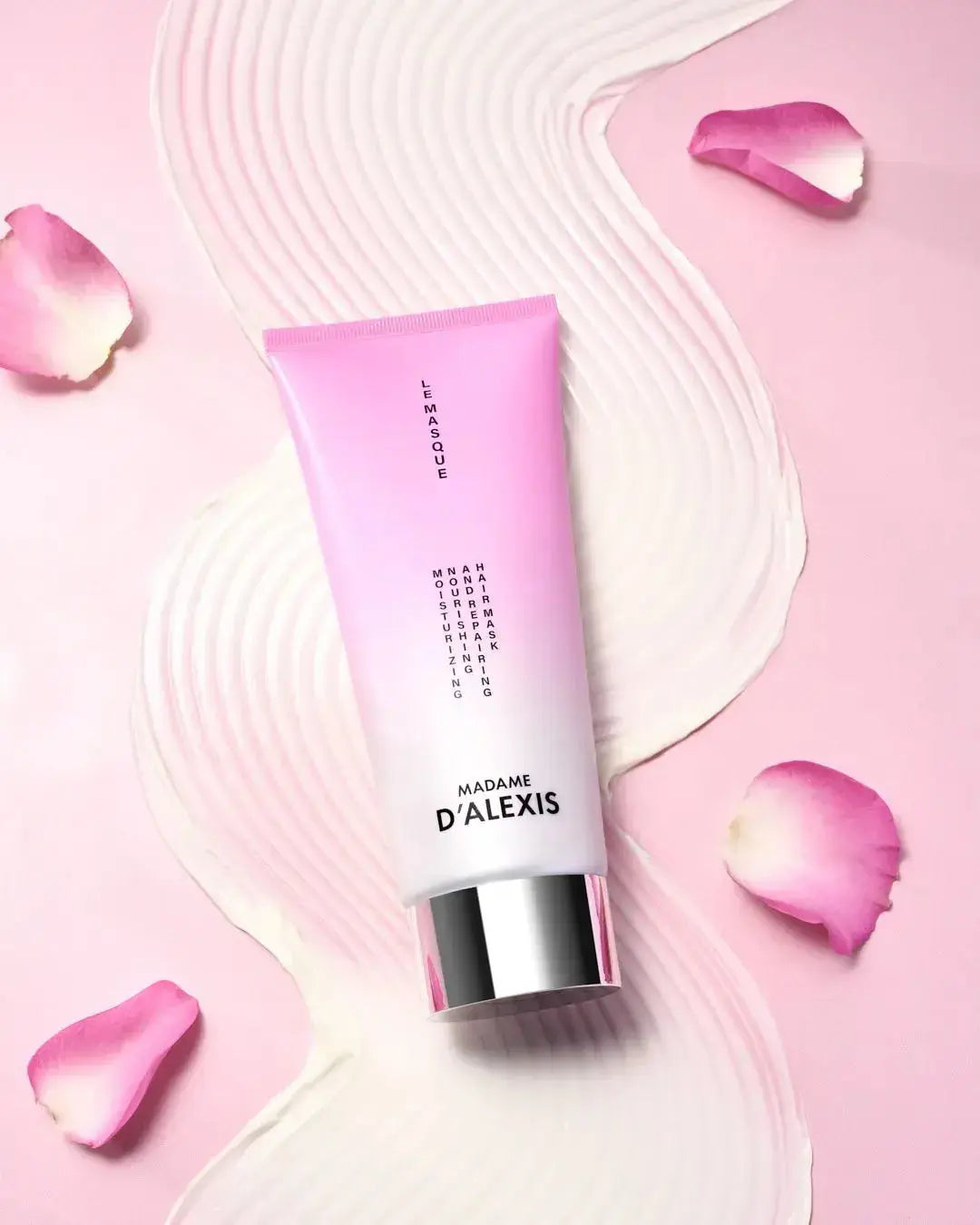
The Hydrolat Mask
Repair · Intensive Nourishment
- Plant-based ceramides and precious oils
- Nourishes damaged hair
- Helps restore suppleness and shine
49,00 €
View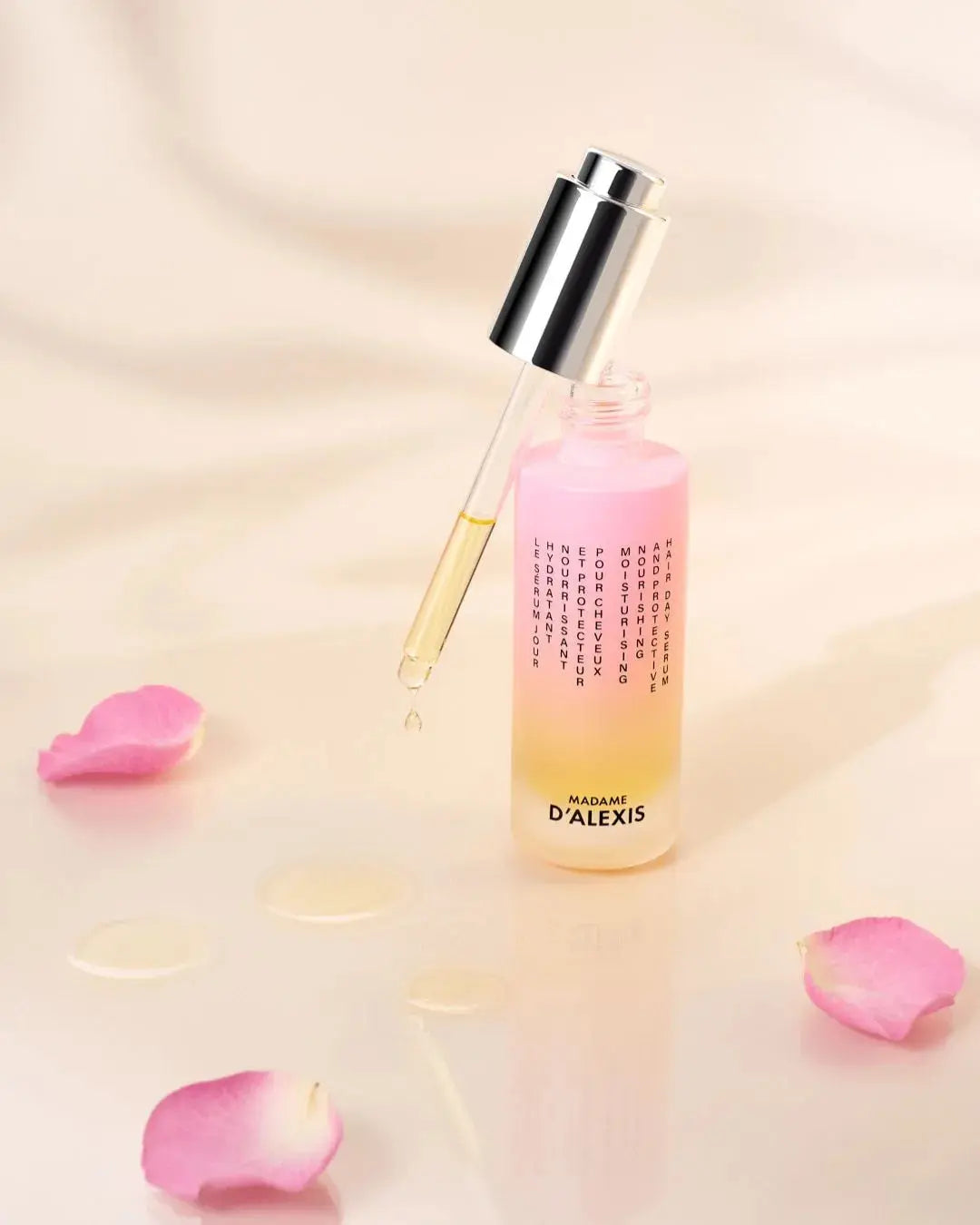
The Day Serum
Shine · Heat protection
- Enriched with jojoba oil
- Helps protect hair before blow-drying
- Adds shine without weighing hair down
35,00 €
View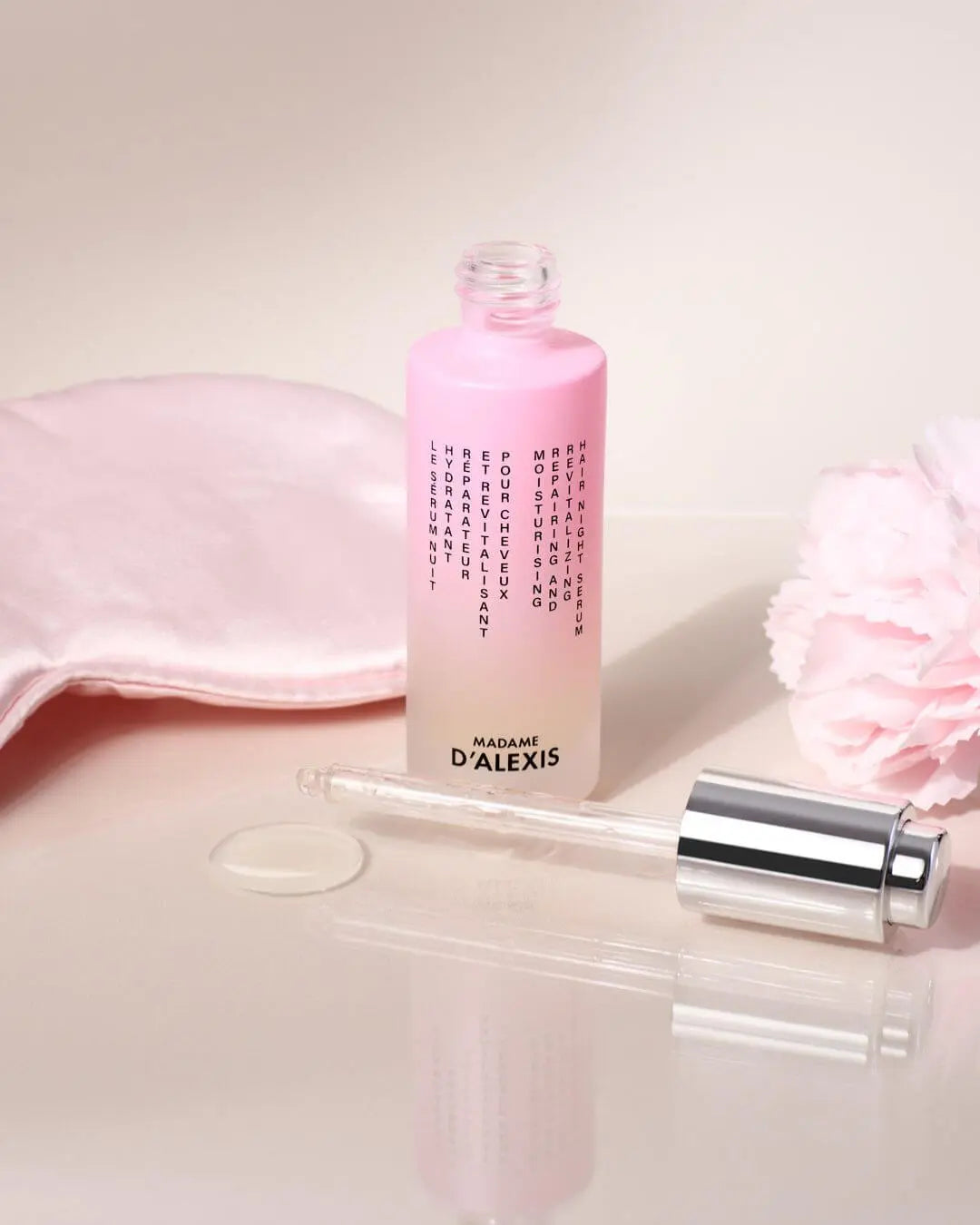
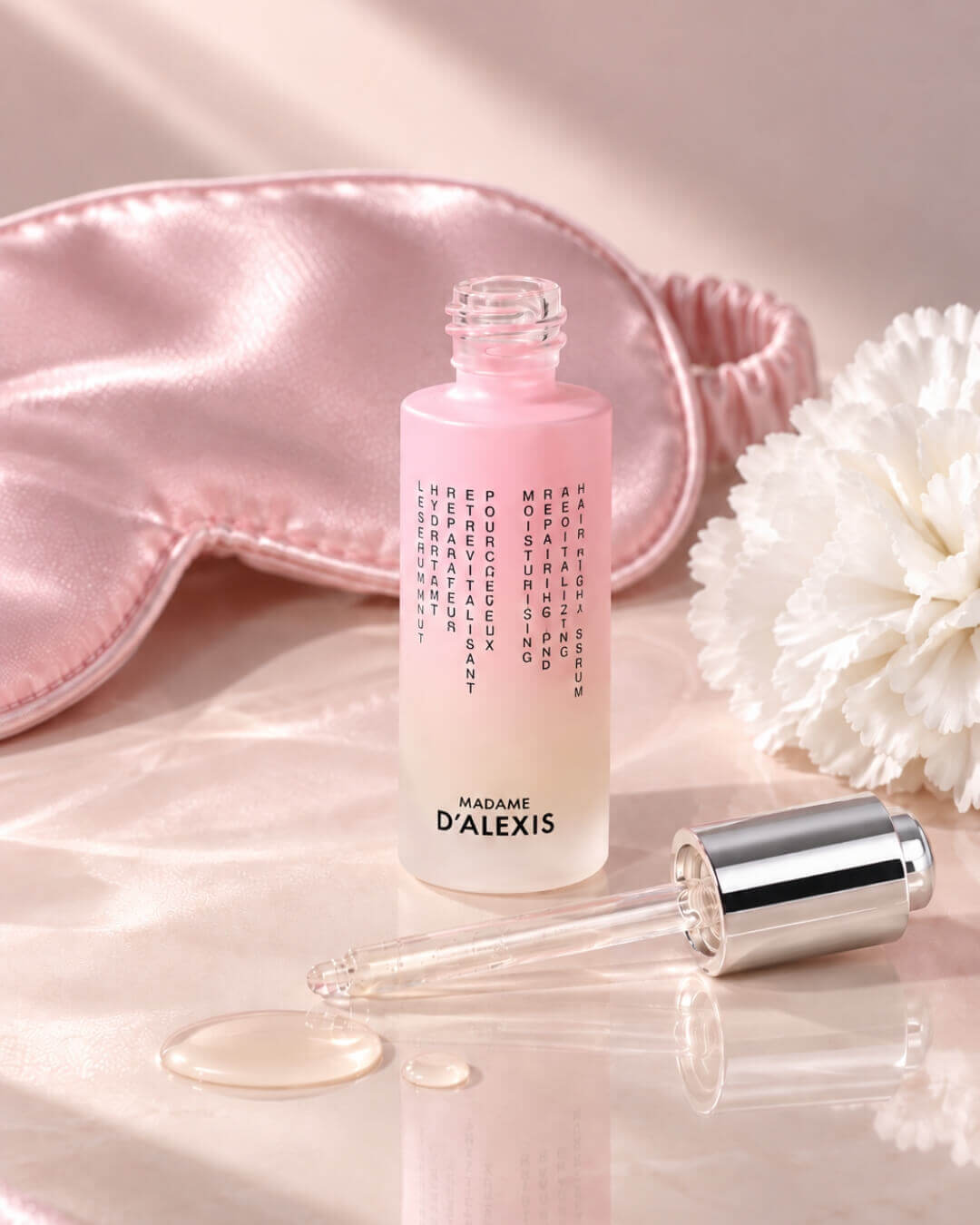
Night Serum with Hydrolats
Scalp · Repair Routine
- Use in the evening; no need to rinse
- Supports weakened scalps
- Extend your post-bleaching routine
35,00 €
ViewScroll down to discover the complete post-bleaching routine
Hairlightening is one of the most transformative techniques in hairstyling. It allows you to lighten hair, bring out blonde tones, and create contrast.
But it is never neutral. Behind the aesthetic result lies anaggressive chemical process that profoundly alters the internal structure of the hair.
Without proper aftercare following bleaching, the consequences are rapid and visible: breakage, dryness, increased porosity, loss of shine, and hair that is difficult to style.
Bleached hair cannot be treated like simply colored hair. It requires a specific hair care routine, built step by step, inspired by professional practices and designed to repair without overloading.

Why does bleaching cause significant damage to hair?
Hair bleaching relies on the combined action of a bleaching powder and an oxidizing agent. Their role is specific: to open the cuticle to reach the hair shaft and destroy melanin, the natural pigment responsible for hair color.
Bleached hair becomes porous, sometimes elastic, or even burnt after overly aggressive bleaching.
This process leads to several major imbalances:
- Excessive opening of the cuticle, which never closes completely
- Damage to the hair fiber, weakened from within
- Loss of the protective lipid barrier
- Modification of the keratin structure
Bleached hair becomes porous, sometimes elastic when wet, often dry and brittle. The material loses its cohesion, water escapes quickly, and external aggressions penetrate more easily.
This is why hair damaged by bleaching requires targeted, continuous, and consistent care.
Mistakes to avoid after bleaching
Damage is not only caused by the technique itself, but also by what you do after bleaching. Certain habits can significantly worsen the condition of your hair:
- Washing too often, which increases dehydration
- Using harsh shampoo that's full of stripping sulfates
- Using multiple heated styling tools (straighteners, curling irons, hair dryers) without protection
- Believing that purple shampoo is enough to repair hair fibers
- Neglecting the scalp, which is often sensitized by bleaching
Effective post-bleaching care begins with eliminating these mistakes. Repairing also means knowing what to avoid.

The ideal post-bleaching care routine (step by step)
The post-bleaching skincare routine on video - Madame d'Alexis
Step 1: Clean gently without weakening the fiber
The first step is often the most underestimated. However, the post-bleaching shampoo determines the entire rest of the routine.
The goal is clear:
to eliminate chemical residues, sebum, and impurities without further stripping the fiber.
Conventional shampoos, which are often rich in sulfates, clean too aggressively. They lift the cuticle and increase breakage. Conversely, a moisturizing shampoo, formulated without sulfates and with an acidic pH, helps smooth the cuticle and preserve the hair's structure.
This is precisely the approach taken by Madame d'Alexis's Hydrating & Revitalizing Floral Shampoo. Its unique feature is its formula, which contains no added water and is based onorganic hydrosols combined with prebiotics and plant keratin andcationic hyaluronic acid.
Hydrolat Shampoo
Gentle Cleansing · Organic Hydrosols · Plant-Based Keratin
- Gently cleanses sensitized hair
- Sulfate- and silicone-free to protect the hair shaft
- Ideal after bleaching or lightening
This type of cleansing respects fragile hair, moisturizes during washing, and effectively prepares the hair for subsequent repair treatments.
Proper care after bleaching always starts with the right amount of washing. Not too much, not too little. But above all, smart.
Step 2: intensively repair the hair fiber
After bleaching, the hair fiber is structurally weakened. The cuticle remains slightly open, the keratin chains are damaged, and the hair loses its internal cohesion.
At this stage, amask for bleached hair is not an option, it is a necessity.
The Hydrolat Mask
Plant-Based Ceramides · Premium Oils · Nutrition
- Intensely nourishes damaged hair
- Helps restore softness, suppleness, and shine
- Ideal after bleaching or lightening
A repairingmask for bleached hair works where shampoo leaves off. It penetrates deep into the hair fiber to rebuild, strengthen, and nourish. The key ingredients make all the difference:
- plant ceramides restore the lipid barrier, which is essential for limiting breakage;
- proteins fill in the gaps in keratin;
- Deep moisturizing agents restore suppleness and resilience.
Madame d'Alexis' Hydrating & Nourishing Floral Mask precisely meets these needs. Its concentrated formula, with no added water, provides intense repair without weighing down the skin.
It is a deep treatment that truly transforms the material, provided it is used regularly and with patience.
Step 3: Protect and nourish without weighing down the skin (daily)
Bleached hair remains vulnerable on a daily basis. Heat, friction, and color oxidation further weaken the hair fiber. This is where leave-in treatmentcomes in.
The Day Serum
Jojoba oil · Shine · Heat protection
- Enriched with jojoba oil to soften the hair
- Helps protect heat-damaged hair
- Adds shine without a greasy feel or weighing hair down
A well-formulated serum for bleached hair helps to:
- maintain hydration between washes;
- smooth the cuticle to reduce breakage;
- preserve color and shine;
- protect from the heat of styling appliances.
Madame d'Alexis Moisturizing & Nourishing Day Serum acts as a light protective layer. It tames lengths, controls frizz, and provides effective thermal protection without leaving hair feeling greasy.
Personally, I consider this type of treatment essential: it makes the difference between repaired hair and hair that breaks again.
Step 4: Act at night to strengthen and thicken
Nighttime is a key moment. The scalp regenerates, microcirculation is more active, and treatments work more deeply. After bleaching, this phase is strategic.
Night Serum with Hydrolats
Scalp · Thickness · No-rinse
- Extend your at-home hair-bleaching routine
- Apply to the scalp; no need to rinse
- Supports weakened scalps
A nighttime hair treatment focused on the scalp and roots helps to:
- support growth;
- strengthen the fiber from birth;
- improve the quality of regrowth.
Madame d'Alexis Repairing & Thickening Night Serum is part of this approach. It works without rinsing, directly on the scalp, to support the overall repair of weakened hair fibers. This step is often overlooked, yet it is crucial in the medium term.
Step 5: Rebalance the scalp after bleaching
Discoloration does not only affect the lengths. The scalp is often sensitized, sometimes irritated, and clogged with chemical residues. A gentle hair scrub, used occasionally, helps to restore the scalp to a healthy state.
Hydrolat Scrub
Gentle Detox · Fleur de Sel · Organic Hydrosols
- Helps remove buildup from the scalp
- Prepares the hair to receive restorative treatments
- Ideal as an occasional treatment after coloring or bleaching
Madame d'Alexis Detoxifying & Purifying Floral Scrub, applied every 10 to 15 days, helps to:
- purify without damaging;
- stimulate microcirculation;
- improve the effectiveness of subsequent care.
How often should you follow your routine after bleaching?
An effective foundation:
- mild shampoo: 2 to 3 times a week;
- repair mask: once or twice a week;
- day serum: daily;
- night serum: 2 to 4 nights per week;
- scrub: once every 10–15 days.
Heavily bleached, platinum-blonde, or long hair often requires more nourishment. Fine hair calls for lightweight formulas and careful application.
Alexis's 5 Madame Hair Care Products to Repair Hair After Bleaching
A complete routine for bleached, sensitized, or brittle hair: purify the scalp, gently cleanse, deeply nourish, protect the hair shaft, and extend the repair process at home.
Hydrolat Shampoo
Gentle cleansing · sensitive hair
- Sulfate-free, silicone-free
- Cleans without damaging the fabric
- Ideal after bleaching
35,00 €
View
Hydrolat Scrub
Gentle Detox · Scalp
- Removes buildup from the scalp
- Get ready for the restorative routine
- Use gently after coloring
39,00 €
View
The Hydrolat Mask
Repair · Intensive Nourishment
- Plant-based ceramides and precious oils
- Nourishes damaged hair
- Helps restore suppleness and shine
49,00 €
View
The Day Serum
Shine · Heat protection
- Enriched with jojoba oil
- Helps protect hair before blow-drying
- Adds shine without weighing hair down
35,00 €
View
Night Serum with Hydrolats
Scalp · Repair Routine
- Use in the evening; no need to rinse
- Supports weakened scalps
- Extend your post-bleaching routine
35,00 €
ViewScroll down to discover the complete post-bleaching routine
Should you trim your hair after bleaching it?
Yes, and without delay. Cutting damaged ends allows you to:
- to stop the damage;
- immediately improve the appearance of the hair;
- to optimize the effectiveness of care.
A haircut does not replace hair care. It complements it. Together, they help restore healthier, stronger, and visibly more beautiful hair after bleaching.

FAQ – Care after bleaching
What is the best treatment after bleaching?
There is no single treatment, but rather a complete and consistent routine. After bleaching, hair needs to be deeply repaired, lasting hydration, and daily protection.
The best aftercare for bleached hair combines a gentle, non-stripping shampoo, a repairing mask rich in ceramides and reconstructing agents, and a leave-in treatment to limit breakage and preserve the hair fiber. It is the regularity of this routine, rather than the intensity of individual treatments, that produces visible results.
How long does it take to repair bleached hair?
Repairing bleached hair takes time. Bleaching permanently alters the internal structure of the hair and cannot be "reversed" in a matter of days. In general, improved suppleness and shine will appear after two to four weeks of appropriate care.
To truly strengthen the hair fiber and reduce breakage, it often takes two to three months of regular routine. Patience is essential, as the hair fiber rebuilds itself gradually.
Is it possible to moisturize without weighing down the skin?
Yes, provided you choose formulas that are suitable for bleached hair. This type of hair is often fine and porous, which makes it sensitive to overly rich textures.
Effective hydration relies on active ingredients that can retain water in the hair fiber, such as hyaluronic acid, and ceramides that strengthen the structure without adding grease. Application should be moderate, especially on the lengths and ends.
Should purple shampoo be used continuously?
No. Purple shampoo is a color-correcting treatment, not a repair treatment. Its role is to neutralize yellow or orange tones in bleached blonde hair. Used too frequently, it can dry out the hair fiber and increase breakage.
It is best to use it occasionally, once a week or every ten days, and alternate it with a moisturizing shampoo specifically formulated for bleached hair.
How can you prevent breakage after bleaching?
To limit damage after bleaching, it is essential to reduce mechanical and thermal stress. The use of heating appliances should be limited or systematically accompanied by thermal protection.
Excessive friction, tight hairstyles, and aggressive brushing further weaken the hair fiber. Regular repair masks, combined with trimming damaged ends, help preserve the hair's structure and improve its strength over the long term.
How to repair bleached hair?
Repairing bleached hair involves treating a fiber that has been deeply weakened by bleaching. Hair damaged by bleaching needs targeted hair care that can rebuild the hair's internal structure.
Ahair mask used regularly is the basis of the best hair treatment for this type of hair.
Thisdeep treatment provides gradual repair, strengthens the hair, and limits breakage. Repair can only be continuous: it depends on a regular and consistent routine.
What aftercare should you choose following bleaching?
After-treatment post-bleaching hair care products should be chosen carefully. It is essential to choose a shampoo formulated for damaged hair, along with gentle products that are gentle on the hair shaft.
Amoisturizing conditioner or repairing mask helps restore the hair's structure, while a leave-in treatment protects the lengths on a daily basis.
An effectivehair care routine favors gentle products that are part of a comprehensive post-bleaching care regimen, often inspired by a structural repair line designed to rebuild the hair fiber.
How to moisturize bleached hair?
Hydrating bleached hair relies on controlled natural hydration. Dry hair needs to be hydrated without being saturated.
Alighthair oil, occasional oil treatment, or ultra-nourishing mask can be used as needed. Products containinghyaluronic acid are particularly effective for long-lasting hydration, as they help retain water in the hair fiber. Hydrating also nourishes and preserves the hair's elasticity.
What are some tips for bleached hair?
Professional advice is clear: avoid repeated chemical treatments and protect your hair from daily damage.
It is recommended to reduce the use of heated styling tools, adopt a suitable hair care routine, and prioritize regular hair care.
Cutting damaged ends helps limit breakage and improve the overall appearance of the hair. Proper hair care is essential to preserve the quality of colored hair over time.
How to choose a shampoo after bleaching?
A post-bleaching shampoo should cleanse without weakening the hair. Purple shampoo is useful for neutralizing yellow tones, but it is not a repair treatment and should not be used continuously.
For everyday use, it is best to choose agentle, moisturizing shampoo and sulfate-free shampoo, specifically designed for bleached hair. The best shampoo is one that respects the hair fiber and effectively prepares the hair for subsequent treatments.
What ingredients are good for damaged hair?
Nourishing and repairing ingredients are essential for damaged hair. Keratin and proteins help strengthen the hair structure, while amino acids support fiber cohesion.
Coconut oil, vitamins, and moisturizing ingredients provide nourishment and suppleness. When properly formulated, these restorative elements provide lasting repair without weighing hair down.
Why is my hair stretchy after bleaching?
Hair becomes elastic after bleaching when the internal protein structure is profoundly altered. This phenomenon, known as "overextensibility," indicates that the disulfide bonds that hold keratin together have been broken by the chemical process.
Healthy hair has limited natural elasticity: it can stretch by about 30% before returning to its original shape. But when it becomes too elastic, it stretches excessively when wet, deforms easily, and eventually breaks.
This extreme fragility reveals maximum porosity: the fiber has lost its protein density and no longer retains water or nutrients. Elastic hair after bleaching requires intensive reconstruction, based on:
- Protein-rich treatments(keratin, silk proteins) to fill structural gaps
- Ceramidestorestore the lipid barrier and limit porosity
- Controlled hydration, because too much water without protein structure impairs elasticity.
It is also essential to limit heat sources (hair dryers, straighteners) as much as possible and avoid aggressive styling. In the most severe cases, cutting off excessively damaged lengths remains the most effective solution to stop breakage from progressing.