


Silicone cheveux : effet miroir ou vraie fausse bonne idée ?
Les silicones donnent une brillance immédiate, mais ils peuvent aussi masquer la sécheresse, s’accumuler sur la fibre et ralentir l’action des vrais soins. Voici comment comprendre leur rôle, lire les étiquettes et passer à une routine plus naturelle, plus active et plus durable.
Le silicone donne un résultat immédiat, pas forcément un soin profond
- Il gaine la fibre et donne une impression de douceur dès la première application.
- Il n’hydrate pas réellement le cheveu : il crée surtout un film de surface.
- Certains silicones s’accumulent et nécessitent un nettoyage plus clarifiant.
- Les alternatives naturelles peuvent lisser, protéger et sceller l’hydratation sans étouffer la fibre.
Objectif de la transition
Remplacer l’effet “vernis” par une vraie routine de soin : nettoyer sans décaper, réparer la barrière lipidique, sceller l’hydratation, protéger la fibre au quotidien.
La routine Madame d’Alexis sans silicones pour remplacer l’effet gainant
Quand les soins Madame d’Alexis sont cités dans l’article, voici les cartes compactes validées pour guider l’achat sans alourdir la lecture.
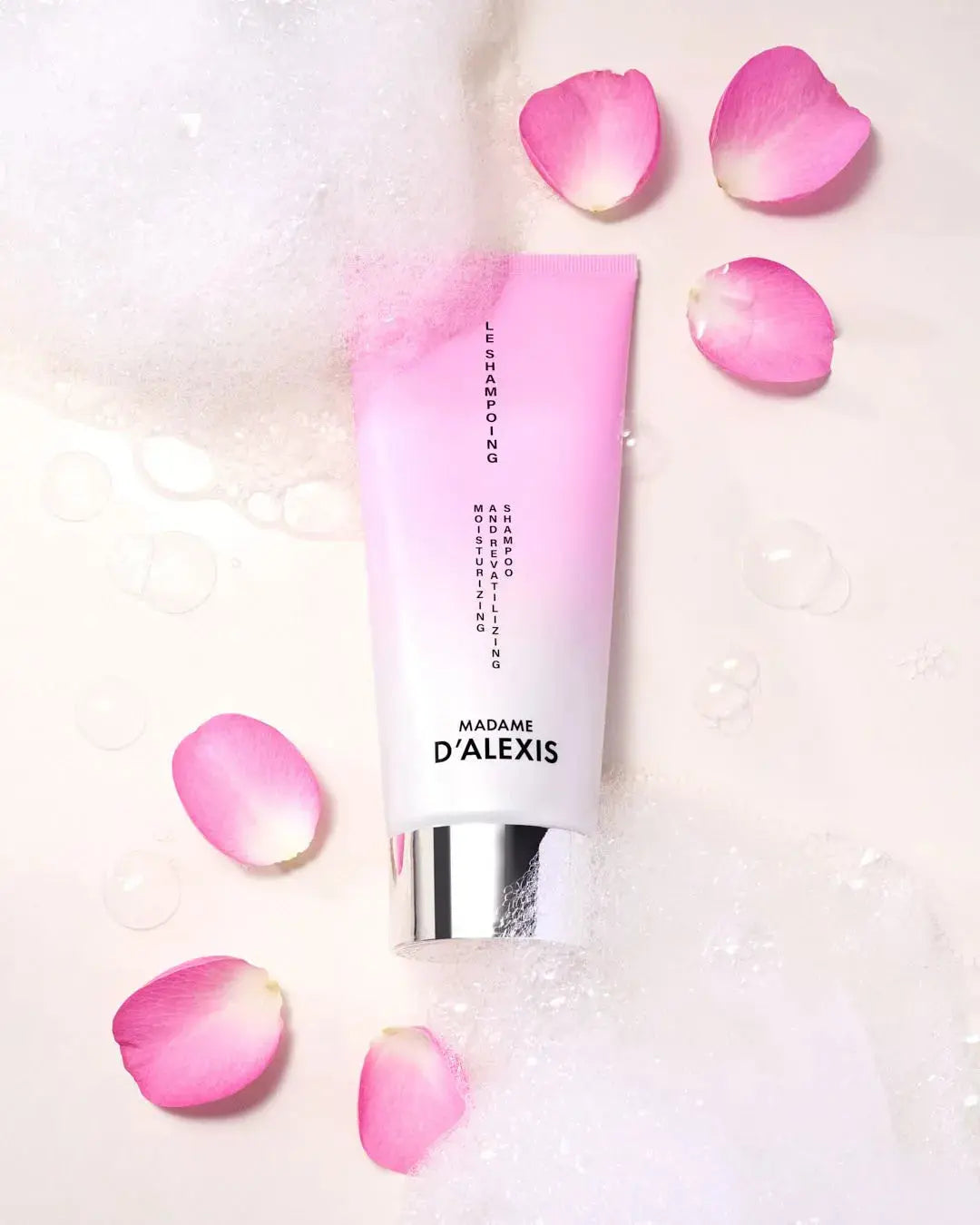
Shampoo - Organic Hydrosols & Hyaluronic Acid
Sans sulfates · Sans silicones · 98 % naturel
- Cleans without stripping
- Organic active hydrosols
- Cationic hyaluronic acid
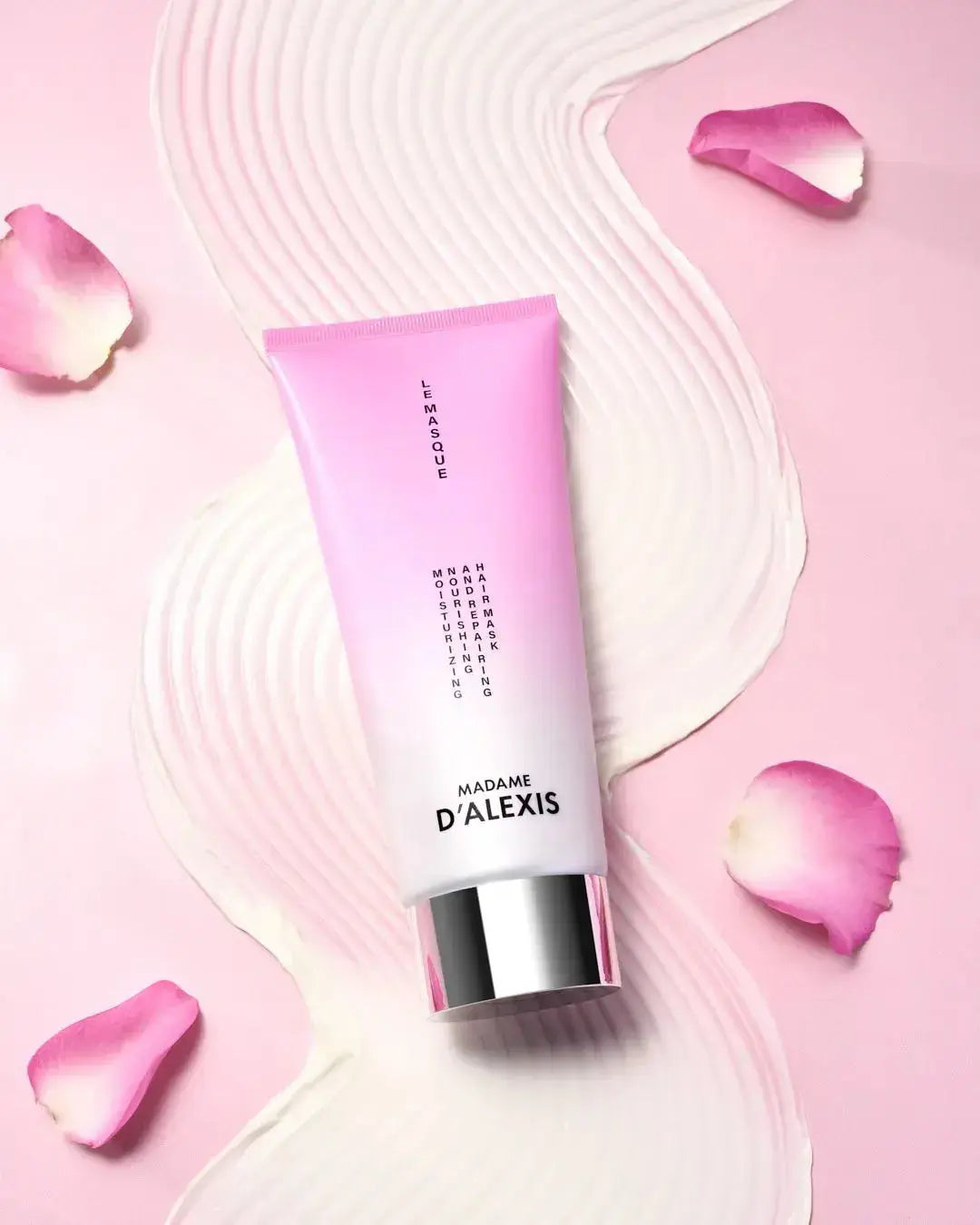
The Mask - Deep Hydration with Organic Hydrosols
Céramides végétales · Acide hyaluronique
- Locks in moisture
- Helps smooth the cuticle
- Flexibility and shine
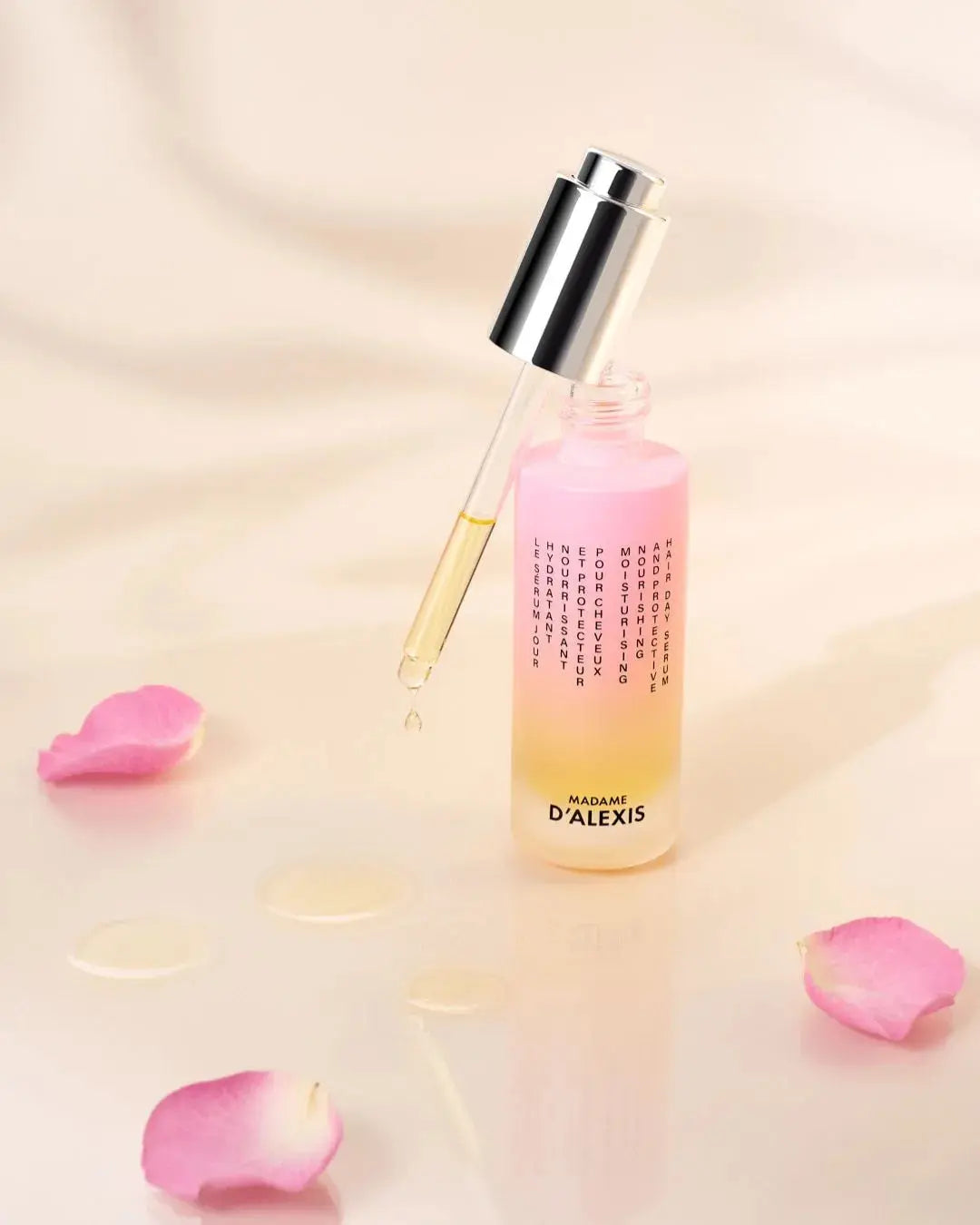
Day Serum with Ceramides & Organic Jojoba Oil
Thermoprotection · Anti-frisottis · Sans silicone
- Protège jusqu’à 200°C
- Huile-sèche non grasse
- Finition lisse et brillante
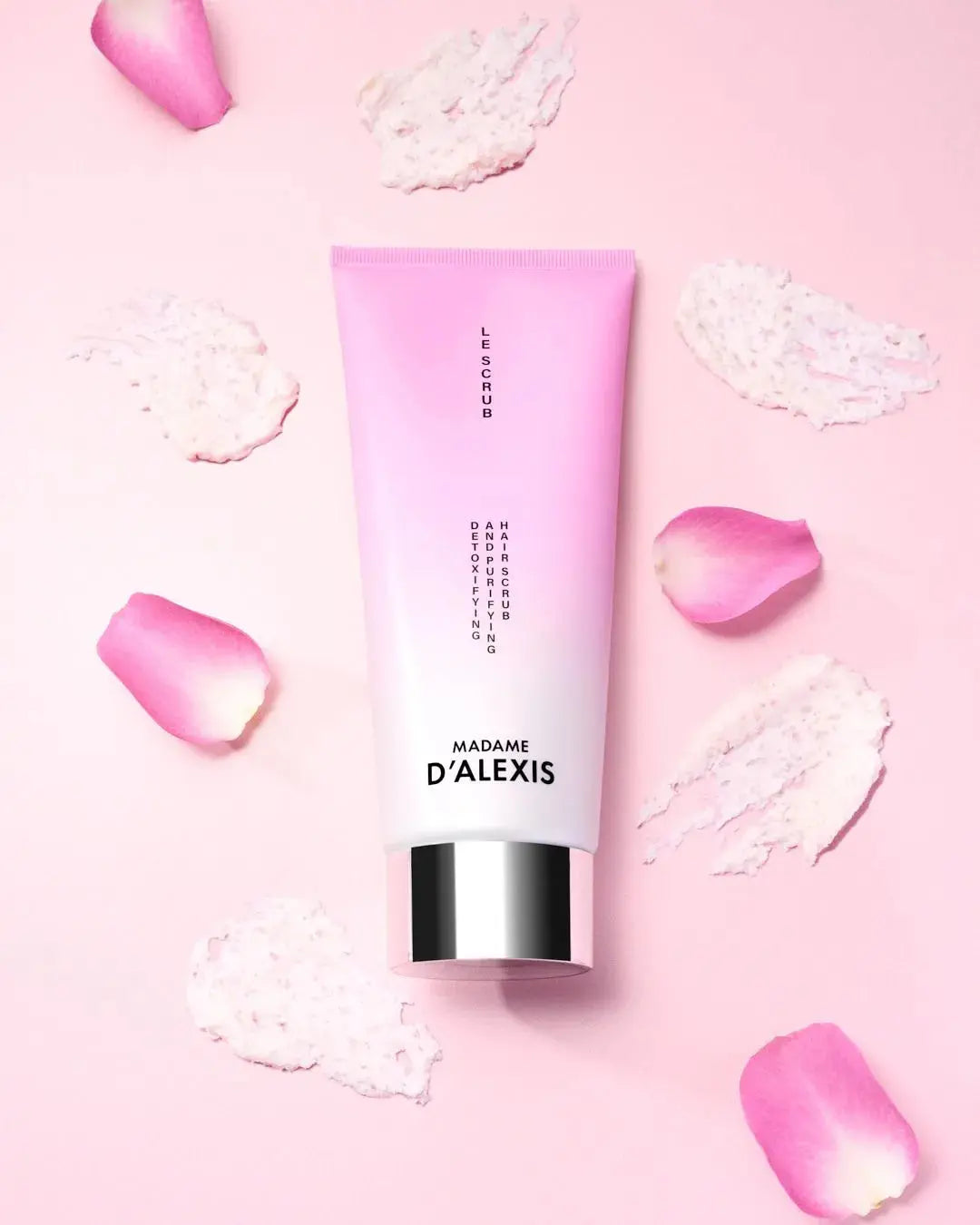
The Scrub - Exfoliating Scalp Shampoo with Organic Hydrosols
Détox douce · Fleur de sel · 98 % naturel
- Removes residue
- Aide à oxygéner les racines
- Remplace le shampoing ce jour-là
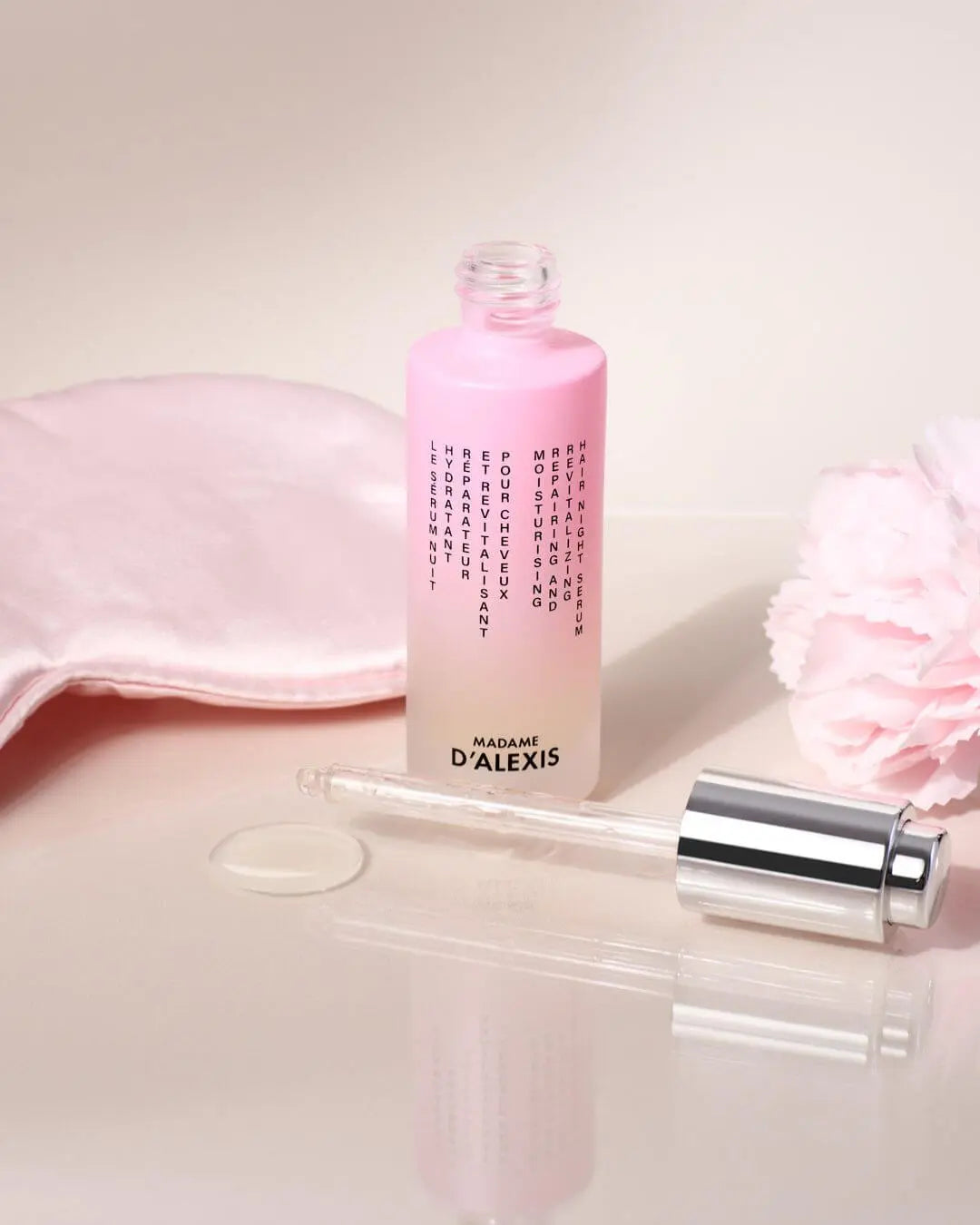
Anti-Hair Loss & Thickening Night Serum with Probiotics
Microbiome · Densité · Cuir chevelu
- Probiotics and Postbiotics
- Soothing organic hydrosols
- Soin de nuit sans rinçage
What is silicone and how does it affect hair?
Le silicone est devenu un incontournable de l’industrie cosmétique, adulé pour son effet lissant et protecteur. Mais derrière cette apparente perfection se cache une réalité plus complexe.
Si vous vous êtes déjà émerveillé devant des cheveux brillants et soyeux après l’utilisation d’un après-shampoing conventionnel, il y a de grandes chances qu’un film de silicone soit responsable de cette illusion.
Definition and role of silicone in cosmetics
Le silicone est un polymère synthétique dérivé du silicium, conçu pour ses propriétés filmogènes. Il forme une barrière artificielle autour de la fibre, donne un toucher lisse immédiat et facilite le démêlage.
Smoothing effect
Il réduit la friction entre les mèches et donne une sensation de cheveux plus disciplinés.
Brillance instantanée
Il réfléchit la lumière et donne l’impression d’une fibre parfaitement saine.
Film protecteur
Il limite temporairement les frisottis, mais peut aussi freiner l’absorption des soins.
Le problème : les silicones n’hydratent pas le cheveu. Ils le recouvrent d’une couche imperméable qui peut bloquer l’absorption des actifs hydratants et, à terme, masquer une fibre fragilisée.
Why is silicone not recommended for hair?
Les silicones ont longtemps été célébrés pour leur capacité à rendre les cheveux instantanément lisses et brillants. Pourtant, derrière cet effet miroir, leur action reste essentiellement cosmétique.

Deceptive effect and hair dependency
Le silicone agit comme un vernis : il masque la vraie texture du cheveu sans corriger le manque d’hydratation.
Il gaine la fibre et peut empêcher les huiles végétales, céramides et actifs hydratants de pénétrer correctement.
À l’arrêt, les cheveux peuvent paraître plus ternes ou secs, car l’effet cosmétique disparaît.
What are the long-term effects of silicone on hair?
- Assèchement progressif : la fibre s’appauvrit si les soins ne pénètrent plus correctement.
- Cuir chevelu encombré : l’accumulation peut favoriser pellicules, démangeaisons et excès de sébum.
- Cheveux ternes à l’arrêt : sans le film de surface, la fibre révèle son état réel.
Silicones : comment les reconnaître sur une étiquette ?
La première étape pour choisir une routine sans silicone consiste à repérer les suffixes les plus fréquents dans les listes INCI.
-cone
Exemples fréquents : dimethicone, amodimethicone.
-siloxane
Exemples fréquents : cyclopentasiloxane, cyclohexasiloxane.
-conol
Exemple fréquent : dimethiconol, souvent filmogène.
Quelles sont les alternatives aux silicones dans les cosmétiques bio ?
Éliminer les silicones de sa routine capillaire ne signifie pas renoncer à une chevelure soyeuse. La cosmétique naturelle propose des alternatives qui protègent, hydratent et gainent la fibre sans l’étouffer.

Quels ingrédients naturels peuvent remplacer le silicone ?
| Alternative naturelle | Rôle sur la fibre | Pourquoi c’est plus intéressant | Soins Madame d’Alexis associés |
|---|---|---|---|
| Huiles végétales, jojoba, argan, coco | Nourrissent, assouplissent, améliorent le toucher. | Apport lipidique réel, sans effet vernis artificiel. | Sérum Jour, Masque |
| Plant ceramides | Renforcent la barrière lipidique et limitent la perte d’hydratation. | Réparation structurelle, pas simple camouflage. | Masque, Sérum Jour |
| Cires naturelles | Scellent l’hydratation et apportent brillance. | Effet gainant plus naturel, plus sensoriel. | Masque, Sérum Jour, Scrub |
| Glycérine, aloe vera, acide hyaluronique | Attirent et retiennent l’eau dans la fibre. | Hydratation réelle, utile sur cheveux secs ou poreux. | Shampoing, Masque, Scrub, Sérum Nuit |
| Organic active hydrosols | Apaisent le cuir chevelu et remplacent l’eau inerte. | La base de formule devient active. | Shampoing, Masque, Scrub, Sérum Nuit |
Madame d’Alexis : une alternative sans compromis aux silicones
Chez Madame d’Alexis, chaque formule a été pensée pour sublimer les cheveux sans silicones, en privilégiant des actifs qui travaillent réellement la fibre et le cuir chevelu.
Organic jojoba oil
Intégrée au Sérum Jour, elle nourrit intensément tout en apportant un toucher sec, soyeux et léger.
Plant ceramides
Présentes dans le Masque Capillaire, elles restaurent la fibre et renforcent sa barrière naturelle.
Organic active hydrosols
La rose de Damas, la camomille et la fleur d’oranger remplacent l’eau inerte pour apporter une vraie dimension skincare-for-hair.
Prebiotics and probiotics
Le Sérum Nuit accompagne le cuir chevelu pendant la nuit, là où la régénération cutanée est la plus intéressante.
What are the environmental impacts of silicone?
Le silicone est efficace pour lisser et protéger, mais son impact environnemental soulève des questions : certains composés sont persistants et se dégradent difficilement dans l’environnement.
Dans l’eau
Certains silicones rincés peuvent rejoindre les eaux usées et contribuer à une pollution invisible.
Dans les sols
Leur persistance peut poser un problème d’accumulation sur le long terme.
Dans l’air
Les formes volatiles sont régulièrement discutées pour leur impact environnemental potentiel.
Adopter des alternatives naturelles, comme les huiles végétales, les hydrolats ou les céramides, permet de prendre soin des cheveux tout en réduisant le recours aux agents filmogènes synthétiques.
How to choose silicone-free products?
Adopter une routine capillaire sans silicone ne signifie pas renoncer à la douceur. C’est l’occasion de redécouvrir la vraie texture des cheveux, libérée des couches synthétiques.
Lire l’INCI
Évitez les ingrédients terminant par -cone, -siloxane ou -conol, et regardez leur position dans la liste.
Nettoyer en douceur
Choisissez des shampoings sans sulfates et sans silicones pour laver sans décaper.
Réparer la fibre
Remplacez l’effet gainant artificiel par des céramides végétales, de l’acide hyaluronique cationique et des huiles nobles.
Protéger au quotidien
Ajoutez un soin de finition sans silicone pour limiter chaleur, UV, pollution et frisottis.
Routine sans silicone Madame d’Alexis : le protocole simple
Une routine bien pensée transforme les cheveux sur le long terme. L’idée n’est pas de multiplier les soins, mais de donner à chaque étape un rôle clair.
1. Reset cuir chevelu
Le Scrub cuir chevelu aide à retirer les résidus et l’accumulation de produits.
2. Lavage doux
Le Shampoing nettoie avec une base d’hydrolats bio, sans sulfates, sans silicones et sans parabènes.
3. Réparation profonde
Le Masque apporte céramides végétales, acide hyaluronique cationique et hydrolats bio pour restaurer la fibre.
4. Protection jour / soin nuit
Le Sérum Jour protège et fait briller sans film lourd. Le Sérum Nuit soutient le cuir chevelu et le microbiome.
FAQ - Silicone cheveux et routine sans silicone
Le silicone est-il vraiment mauvais pour les cheveux ?
Pas forcément à court terme : il donne un toucher lisse et brillant. Le problème vient surtout de l’accumulation et du fait qu’il peut masquer la sécheresse réelle de la fibre.
Comment savoir si un produit contient du silicone ?
Regardez la liste INCI et repérez les suffixes -cone, -siloxane ou -conol. Les plus connus sont dimethicone, amodimethicone ou cyclopentasiloxane.
Que se passe-t-il quand on arrête les silicones ?
Les cheveux peuvent sembler plus rêches au début, car l’effet vernis disparaît. C’est une phase de transition. Une routine hydratante et réparatrice aide à retrouver une texture plus saine.
Quelles alternatives naturelles remplacent le silicone ?
Les huiles végétales, les céramides végétales, les cires naturelles, l’acide hyaluronique, les hydrolats bio actifs et certains polysaccharides végétaux peuvent apporter gainage, douceur et protection.
Faut-il faire un shampoing clarifiant après les silicones ?
Oui, si les cheveux sont lourds, ternes ou poisseux. Un reset doux du cuir chevelu peut aider à retirer les résidus, puis il faut passer à une routine sans silicones plus régulière.
Les soins Madame d’Alexis sont-ils sans silicone ?
La routine Madame d’Alexis mise sur des hydrolats bio actifs, des céramides végétales, de l’acide hyaluronique cationique et des huiles végétales pour lisser, protéger et hydrater sans effet silicone.
Passer au sans silicone sans perdre la brillance
Le secret : remplacer le film artificiel par une routine qui hydrate, répare et protège réellement la fibre.
Découvrir les soins Madame d’AlexisRecommended Routine
Scrub ponctuel, Shampoing doux, Masque réparateur, Sérum Jour protecteur, Sérum Nuit cuir chevelu.

