Advice
Paraben-free, sulfate-free, silicone-free shampoo: just a fad or actually good for your hair?
Opting for a shampoo without sulfates, parabens, or silicones gently preserves your hair. Discover its real hair benefits.


Sulfate-free, paraben-free, silicone-free shampoo: How do you choose a truly “clean” formula?
Is your hair dull and heavy, and does your scalp feel tight after every wash? It doesn't have to be that way: your shampoo may contain ingredients that clean thoroughly but aren't gentle on your hair strands or scalp.
In summary: sulfates, parabens, silicones, harsh alcohols, and synthetic fragrances can irritate the scalp, weaken the hair shaft, or build up with repeated washing.
A shampoo without these ingredients cleans just as well, provided that the harsh agents are replaced with a truly gentle cleansing base and beneficial active ingredients: organic hydrosols, cationic hyaluronic acid, plant-based keratin, and prebiotics.
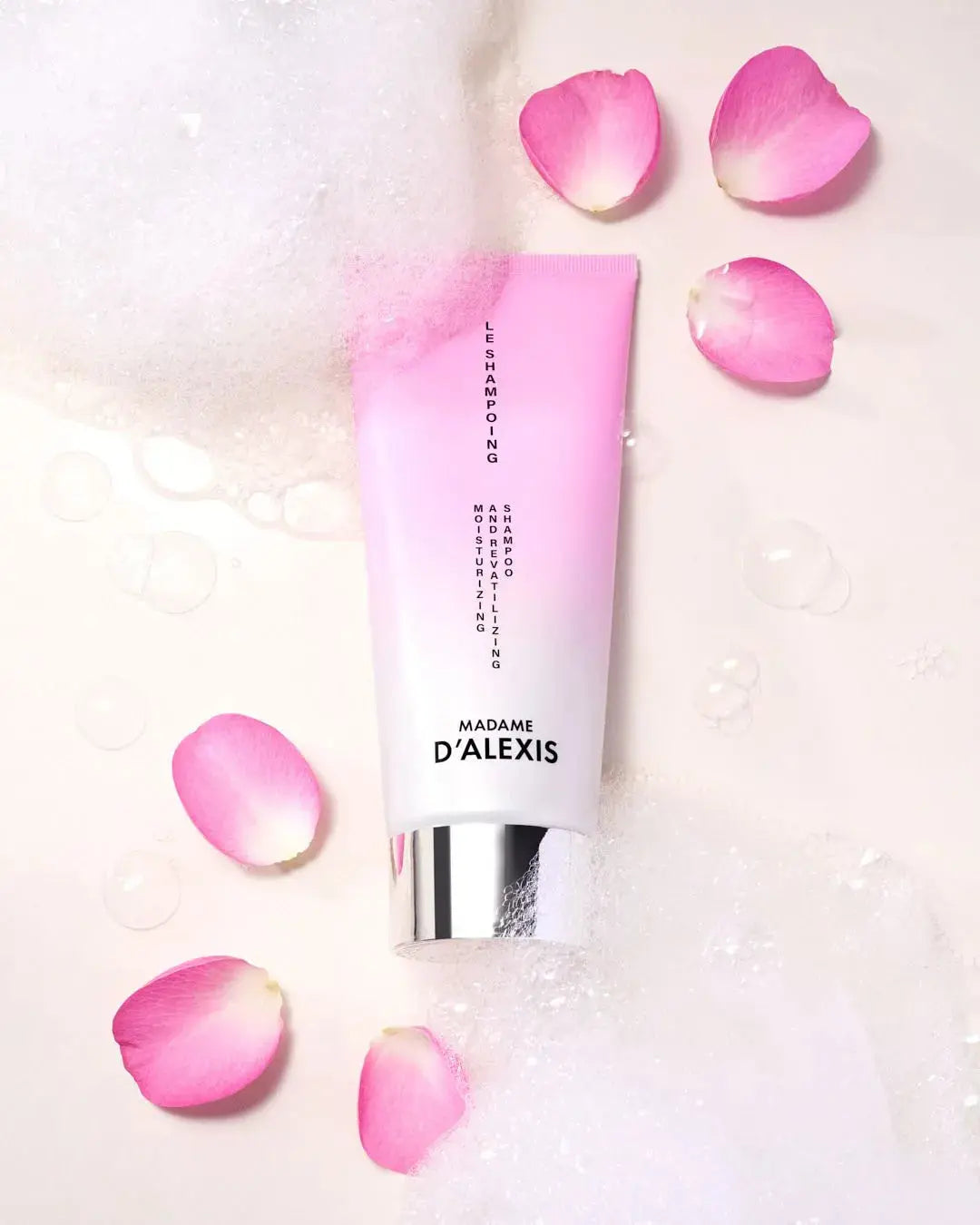
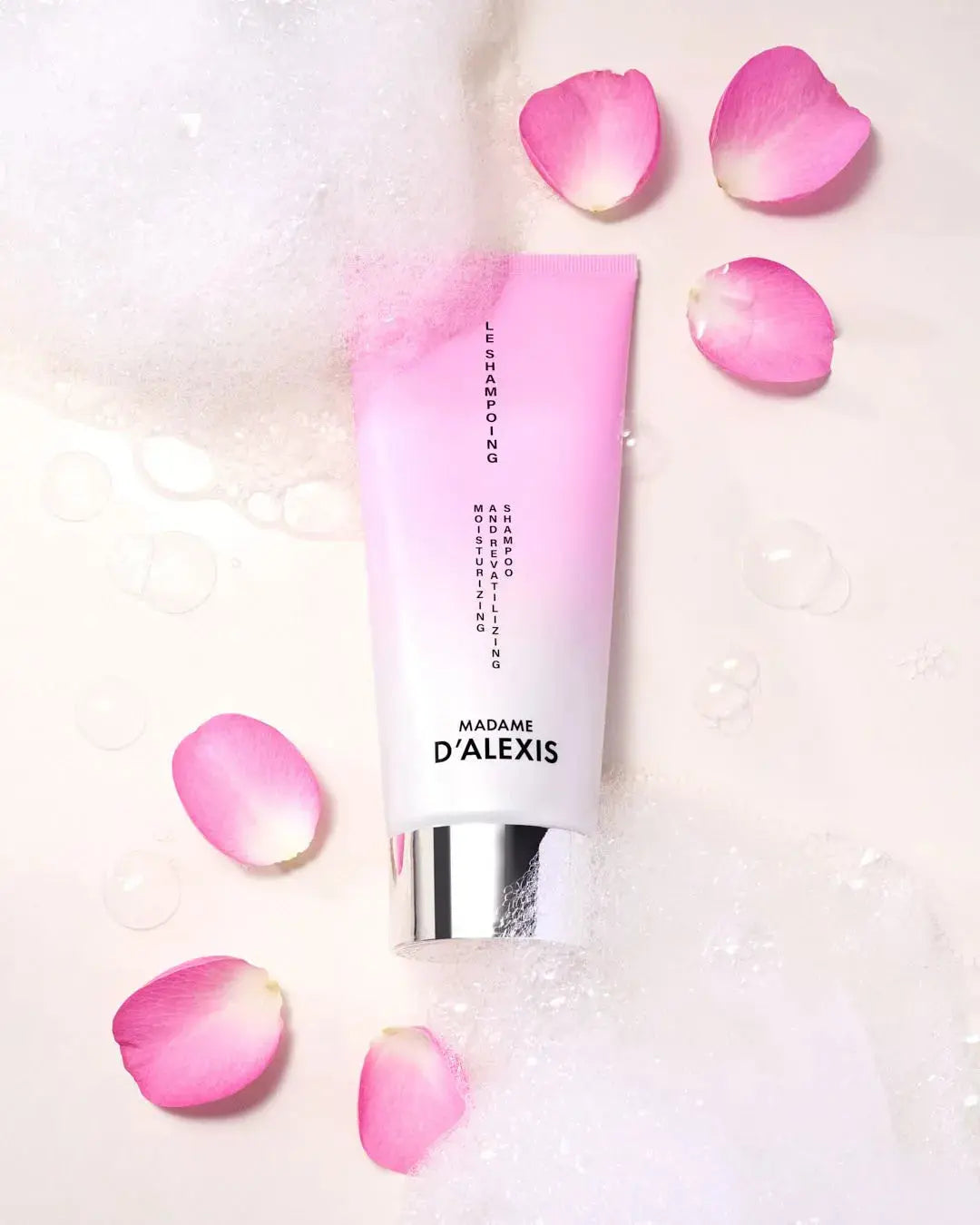
Madame d’Alexis’s Hydrosol Shampoo follows this philosophy: a formula free of sulfates, silicones, and parabens, with a base of organic hydrosols instead of regular water.
Summary Table: Key Takeaways on Paraben-Free, Sulfate-Free, and Silicone-Free Shampoos
Before choosing a clean shampoo, you need to know what you really want to avoid. “Free-of” claims are only meaningful if they refer to ingredient groups that are genuinely problematic for the scalp, the hair shaft, or the formulation.
| Ingredient | Problem | Effect on Hair | To be avoided | Certified/Formulated Organic |
|---|---|---|---|---|
| Sulfates (SLS, SLES) | Strippers, aggressive | Scalp irritation, dry and brittle hair | ✓ YES | Prohibited at Cosmos Organic |
| Parabens | Controversial Conservatives | Irritation, increased sensitivity, a less reassuring routine | ✓ YES | Prohibited at Cosmos Organic |
| Silicones | Accumulation, occlusive effect | Heavy, dull hair lacking volume | ✓ YES | Prohibited at Cosmos Organic |
| Harsh alcohols | Desiccants | Weakened fibers, breakage, rough texture | ✓ YES | Not permitted or strictly regulated, depending on the position |
| Synthetic fragrances | Potential allergens | Irritation, itching, and scalp discomfort | ✓ YES | Prohibited at Cosmos Organic |
The Origin of the “sans” Phenomenon: Why This Trend?
Rejection of potentially irritating or harmful ingredients
The “free-from” trend stems from widespread rejection of certain controversial ingredients, such as parabens, sodium lauryl sulfate, and silicones. Many people with sensitive scalps have trouble tolerating conventional shampoos that are too harsh.
A quest for more natural beauty and responsible hair care
This trend goes beyond simply rejecting chemical ingredients. It is part of a quest for naturalness, transparency, and long-term effectiveness. Choosing a paraben-free, sulfate-free, and silicone-free shampoo means looking for a formula that is gentle on both the hair strands and the scalp.

What Really Changes When You Break Out of a Conventional Routine
The shift to sulfate-, paraben-, and silicone-free products isn't just about removing ingredients. It requires rebuilding the formula in a different way: cleansing without stripping, moisturizing without leaving a greasy residue, smoothing without weighing hair down, and protecting without causing buildup.
The cleansing formula is gentler on the hydrolipidic film.
The fiber is no longer coated with a permanent silicone film.
Moisturizing ingredients penetrate the hair shaft more effectively.
Hair regains its bounce, volume, and suppleness.
The scalp gradually regains its balance.
Expert opinion: what do dermatologists and hairdressers think of sulfate-free, paraben-free and silicone-free shampoos?
Dermatologists' Advice: Scalp Health Comes First
Dermatologists emphasize the importance of using a mild shampoo, free of harsh ingredients, to maintain a healthy scalp. Sodium lauryl sulfate, found in many traditional shampoos, is known for its strong cleansing action.
Sulfate- and paraben-free shampoos are particularly beneficial for sensitive scalps, chronic itching, and hair care routines aimed at minimizing the risk of irritation.
The hairdresser's view: preserving the hair fibre
When it comes to salons, the reasoning is simple: when hair is weakened by coloring, highlights, or keratin treatments, you should avoid using too many products that strip the hair or mask its true condition.
- Colored hair: Sulfate-free shampoos help prevent pigments from fading quickly.
- Keratin treatments: The absence of harsh sulfates helps preserve the texture and longevity of the treatment.
- Natural volume: Silicone-free shampoos prevent the heavy feel that can weigh down fine hair.
Which ingredients to avoid in your shampoos?
Parabens, sulfates and silicones: why are they singled out?
As part of a responsible hair care routine, certain very common ingredients should be avoided, especially if you have a sensitive scalp or if your hair is colored, dry, or damaged.
Sodium lauryl sulfate, for example, is very effective at producing a rich lather, but it can irritate the scalp and dry out the hair shaft. Silicones, on the other hand, provide immediate shine but can prevent nourishing and moisturizing ingredients from working effectively.
Other ingredients to look for on the label
. Used to thicken certain formulations, it may not be well tolerated by sensitive scalps.
: Some harsh alcohols can dry out the hair shaft and increase breakage.
. Not all of them are problematic, but "clean" formulas prioritize gentler systems.
: These may cause skin sensitivity, particularly on a reactive scalp.
Homemade sulfate-free shampoo vs. store-bought shampoo: Which is better?
Many people want to make their own sulfate-free shampoo at home. It’s tempting, but the reality of cosmetics is more nuanced: a hair care formula must be stable, well-preserved, properly formulated, and suited to the scalp’s pH.
Advantages: affordable, clearly listed ingredients, minimalist approach.
Limitations: unstable formula, unpredictable pH, short shelf life, variable results on colored or sensitive hair.
Advantages: built-in moisturizing ingredients, tested formula, improved stability, consistent dosage.
Limitations: higher cost, but greater consistency of use over the long term.
Madame d’Alexis Hydrosol Shampoo: A Clean and Active Formula
If you’re looking for a truly consistent sulfate-free, paraben-free, and silicone-free shampoo, Madame d’Alexis’s Hydrosol Shampoo meets all the essential criteria: no added water, active organic hydrosols, cationic hyaluronic acid, plant-based keratin, prebiotics, and it’s free of sulfates, parabens, and silicones.
The Organic Floral Water Shampoo
A base of organic hydrosols, with no added water, combined with cationic hyaluronic acid, plant-based keratin, and prebiotics to cleanse without stripping the skin.
- Organic hydrosols made from Damask rose, chamomile, and orange blossom.
- Sulfate-free, silicone-free, paraben-free.
- Suitable for dry, colored, fine, oily, or sensitive hair.
Why the Hydrosol Shampoo Stands Out from the Competition
| Comparison | What We Often Find | What Madame d’Alexis Is Changing |
|---|---|---|
| Classic sulfate-free shampoos | A mild base, but one that is often highly diluted in water. | A base of active organic hydrosols, with no added water. |
| General-purpose organic shampoos | Rigorous certification, but often very broad scope. | A "skincare for hair" approach featuring cationic AH, plant-based keratin, and prebiotics. |
| Conventional professional shampoos | Immediate feel, sometimes enhanced by silicones or synthetic thickening agents. | Shine and softness without an occlusive silicone film. |
30-Day Protocol: How to Use a Sulfate-Free, Natural Shampoo
Switching to a sulfate-free shampoo may require a short adjustment period. Your hair isn’t “less clean”—it’s simply getting used to a product that doesn’t lather as much and isn’t as harsh.
After shampooing, you can apply a moisturizing mask to the lengths of your hair if it is dry, colored, or damaged.
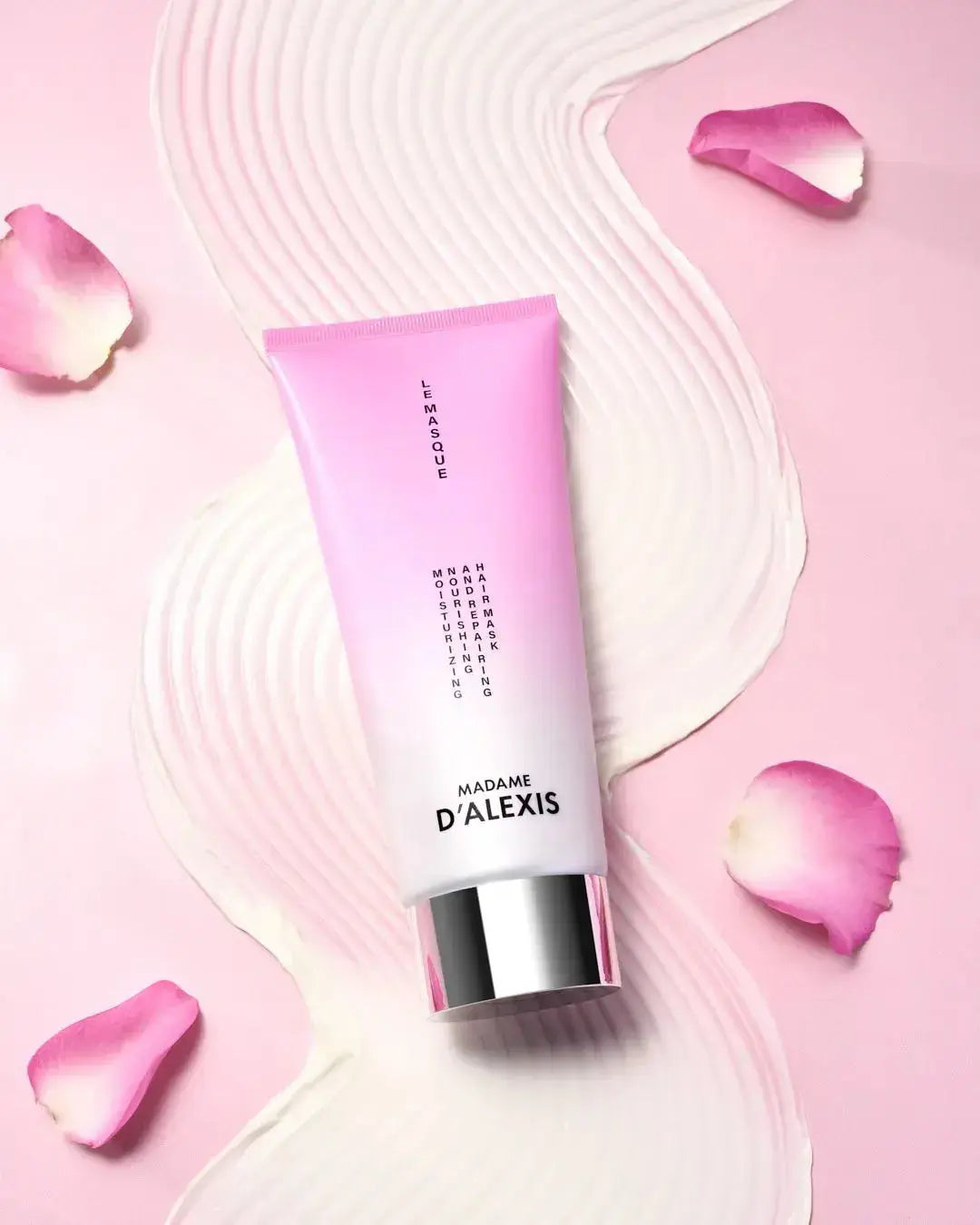
The Organic Hydrosol Mask
A deep-nourishing treatment with plant-based ceramides, cationic hyaluronic acid, orange blossom essential wax, and premium organic oils to lock in moisture without silicone.
Discover the Mask5 Common Mistakes When Using Sulfate-Free Shampoo
Sulfates mainly create a spectacular lather. A gentle shampoo can clean effectively even with a lighter lather.
A sulfate-free shampoo must be balanced so it doesn't weigh down the roots.
Incomplete rinsing leaves behind residue that makes hair look dull and irritates the scalp.
After years of using harsh shampoos, it may take 2 to 4 weeks for the scalp to stabilize.
. Going back to sulfates and silicones disrupts the transition and skews the results.

What real benefits can you expect from a sulfate-free, paraben-free, silicone-free shampoo?
A gentle formula ideal for sensitive and irritated hair
This type of formula offers a gentler experience that is gentle on the hair shaft and the delicate skin of the scalp. Dry hair, frizzy hair, color-treated hair, and sensitized hair are often the first to notice the difference.
Natural ingredients such as aloe vera, hydrosols, plant oils, and ceramides can help make your skincare routine more comfortable, especially when they are incorporated into a stable, well-formulated product.
Healthier, shinier, naturally beautiful hair
By eliminating harsh sulfates, parabens, and silicones, you allow the hair shaft to breathe. Your hair gradually regains lightness, volume, and radiance, without relying on artificial shine.
- Restoration of the natural hydrolipidic film.
- More balanced regulation of sebum production.
- Hair that's lighter, less dull, and less weighed down by residue.

How to choose the best sulfate-, paraben- and silicone-free shampoo for your hair type?
Colored, fine or damaged hair: what's the solution?
Colored, fine, or damaged hair is particularly susceptible to damage. To preserve the vibrancy of your hair color or revitalize weakened hair, choose a gentle cleansing base such as coconut glucoside or decyl glucoside.
Also, look for formulas enriched with plant-based ceramides, lightweight plant oils, and moisturizing ingredients that can soften the hair shaft without weighing it down.
Oily or normal hair: balancing and purifying shampoos
Hair that tends to be oily requires a formula that regulates sebum without stripping the scalp. A shampoo that’s too harsh may give an immediate feeling of cleanliness, but it can contribute to seborrheic flare-ups.
A helpful link for more information: our guide to organic shampoo for oily hair.
Organic sulfate-free shampoo: How is it different from a regular sulfate-free shampoo?
A “sulfate-free” shampoo doesn’t really mean much on its own. The real question is what’s in it instead, and whether the word “organic” on the label refers to something concrete or is just clever marketing.
Certified “organic” vs. “organic” claims: the difference the label doesn’t always reveal
Strictly speaking, an organic shampoo is a product that meets the COSMOS Organic standards and is certified by an organization such as Ecocert or Cosmébio: it must contain at least 95% ingredients of natural origin and at least 10% ingredients derived from organic farming in the total formula for a rinse-off product such as shampoo. Silicones, parabens, synthetic fragrances, and synthetic dyes are explicitly excluded.
Without this certification, the term “organic” can become more ambiguous. A brand may highlight a single organic ingredient—for example, “with organic aloe vera”—without the entire formula being certified. This is where “greenwashing” in the hair care industry begins: a marketing claim that doesn’t always reflect the actual quality of the formula.
Why is the combination of organic, sulfate-free, and hydrosol-based active ingredients so rare on the market?
Brands like Centifolia, So Bio étic, and certain products sold on Mademoiselle Bio offer Cosmos-certified organic shampoos that are free of harsh sulfates. This is a reality, and it’s already better than average. But their positioning often remains broad: the cleansing base is gentle, the ingredients are natural, and the certification is reputable.
What they don’t always do is replace water—the primary ingredient in nearly all shampoos on the market—with active ingredients. In most formulas, even organic ones, water serves as a neutral solvent: it dilutes the formula but adds nothing to the hair.
Replacing this water with organic hydrosols of Damask rose, chamomile, and orange blossom is a formulation choice that alters the product’s active ingredient concentration. Each milliliter then contains genuine botanical active ingredients, not just an inert carrier.
Madame d’Alexis’s product positioning: 97–99% natural, no added water, made in Brittany
The Madame d’Alexis line contains 97 to 99 percent naturally derived ingredients, depending on the product. The difference lies in the absence of added water: organic active hydrosols form the aqueous base of the formula, which enhances the naturalness of the products while delivering genuine active ingredients, such as cationic hyaluronic acid, plant-based keratin, and prebiotics.
Manufacturing takes place in Brittany, with full traceability from raw materials to the finished product. For an organic, sulfate-free shampoo, this location is no mere coincidence: it ensures batch-by-batch quality control and consistency between the company’s stated values and actual production conditions.
An organic, moisturizing hair mask formulated using the same principles—active hydrosols, plant-based ceramides, and silicone-free—logically rounds out this routine to ensure that the benefits the shampoo provides to the scalp aren’t negated along the lengths of the hair.
Checklist: How to Make Sure a Shampoo Is Truly “Sulfate-Free, Paraben-Free, and Silicone-Free”
Look for SLS, SLES, or sodium lauryl sulfate in the INCI list.
Look for methylparaben, propylparaben, or any ingredient ending in “paraben.”
Look for dimethicone, cyclomethicone, amodimethicone, and any words ending in “-cone.”
Hydrosols, plant oils, hyaluronic acid, plant-based keratin: the formula must offer more than just “free of.”
, Cosmos Organic, Ecocert, or Cosmébio certification or proof of formulation; or, if none of these are available, clear disclosure of the percentage of naturally derived ingredients.
Madame d’Alexis Hydrosol Shampoo: It meets all the criteria for a “clean” formulation, with a base that contains no added water and features active organic hydrosols.
Sulfate-free, paraben-free, silicone-free shampoo: a smart and sustainable choice
Choosing a sulfate-free, paraben-free, and silicone-free shampoo is a thoughtful, healthy, and sustainable choice—far from just a passing fad.
- A benefit for sensitive, colored, or damaged hair: the hair shaft is less stressed, and the scalp is better protected.
- A transition period to expect: After years of using conventional shampoos, it can sometimes take 3 to 4 weeks to restore the hair's natural balance.
- A transparent formula is best: steer clear of opaque lists, even when the marketing is enticing.