Advice
Soothing an Itchy Scalp: Causes, Solutions, and Natural Remedies
Soothing an itchy scalp requires a gentle, targeted routine. Natural solutions, soothing treatments, and practical tips to calm itching and maintain a healthy scalp.


How to soothe an itchy scalp: key points to remember
- Pinpoint the exact cause of scalp itching is key to the effectiveness of the appropriate treatment.
- An irritated scalp is often the result of overly aggressive products (strong surfactants), excessive washing, or conditions such as seborrheic dermatitis.
- Natural remedies (aloe vera gel, chamomile tea, coconut oil) help to soothe itching and restore the skin barrier.
- A gentle hair care routine with a soothing shampoo and a targeted treatment helps maintain a healthy scalp over time.
- Madame d'Alexis skincare products, formulated without sulfates or silicones and enriched with floral hydrosols and soothing active ingredients, offer immediate and lasting comfort in a balanced routine.

Why does the scalp itch? Understanding the causes
Itchy scalp: a symptom that should not be ignored
An itchy scalp often indicates skin pruritus linked to a weakening of the natural protective barrier. When this skin barrier is compromised, nerve endings become more sensitive and an inflammatory reaction sets in.
Scratching then maintains avicious cycle that further aggravates the irritation.
Causes related to hair care habits
Many cases ofscalp irritation are caused by everyday habits:
- Washing your hair too often, which removes the protective sebum.
- Use of harsh shampoos containing sulfates, silicones, or drying alcohols.
- Rinsing withwater that is too hot, which increases dryness and irritation.
Environmental and lifestyle factors that influence an itchy scalp
A sensitive scalp can also be affected by external conditions:
- Pollution and fine particles that accumulate on the skin.
- Chronic stress, fatigue, and hormonal imbalance.
- Sudden climate changes (dry cold, excessive heat).
Common skin conditions related to an itchy scalp
In some cases, an itchy scalp can be a sign of a skin condition:
- Seborrheic dermatitis, often associated with oily dandruff and red patches.
- Atopic eczema, which causes dryness, scabs, and itching.
- Psoriasis, characterized by thick, very dry patches.
- Skin allergies caused by hair dyes or styling products.
Link between scalp health and hair vitality
An irritated scalp is not just a matter of immediate comfort. In the long term, it affects hair health:
- Appearance of dry and brittle hair.
- Hair loss linked to chronic inflammation.
- Disruption of hair growth due to an imbalance in the scalp microbiome.

How can you soothe an itchy scalp on a daily basis?
Soothing an itchy scalp is not just a matter of applying a one-off treatment, but rather a carefully considered hair care routine.
In my experience, consistency and simplicity often matter more than using lots of different products. It's about recreating an environment that promotes skin balance, where the scalp can regenerate naturally.
Use a gentle, natural shampoo
Choosing the right shampoo is the first step in soothing an irritated scalp. All too often, formulas high in sulfates or silicones irritate the skin and disrupt the microbiome. A soothing, sulfate-free shampoo with hyaluronic acid gently cleanses while preserving the hydrolipidic film.
A few simple principles are worth remembering:
- Wash with lukewarm water, as hot water can make itching worse.
- Avoid products containing overly powerful surfactants or irritating synthetic fragrances.
- Look for formulas rich in natural active ingredients such as rose, chamomile, or orange blossom hydrosols.
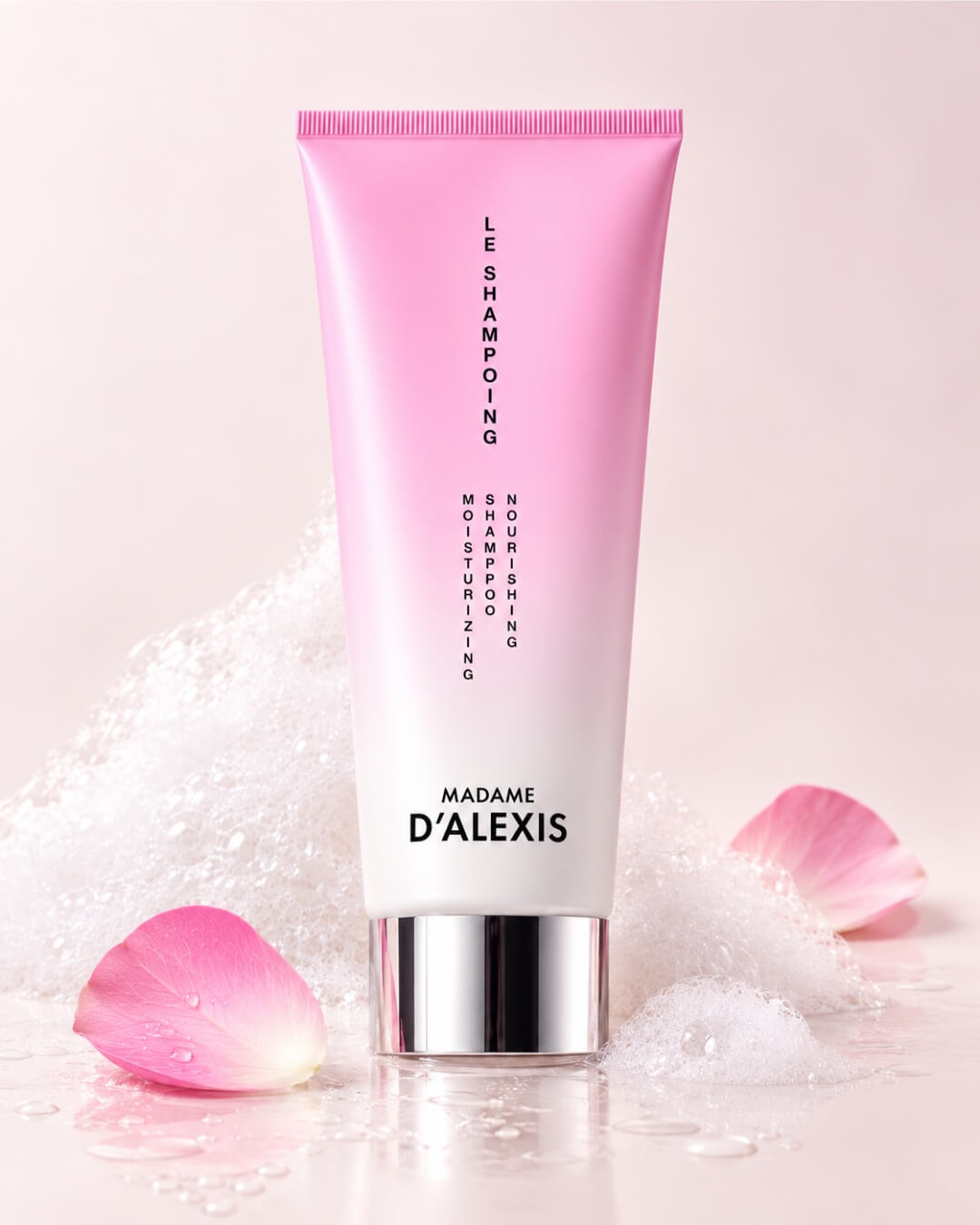
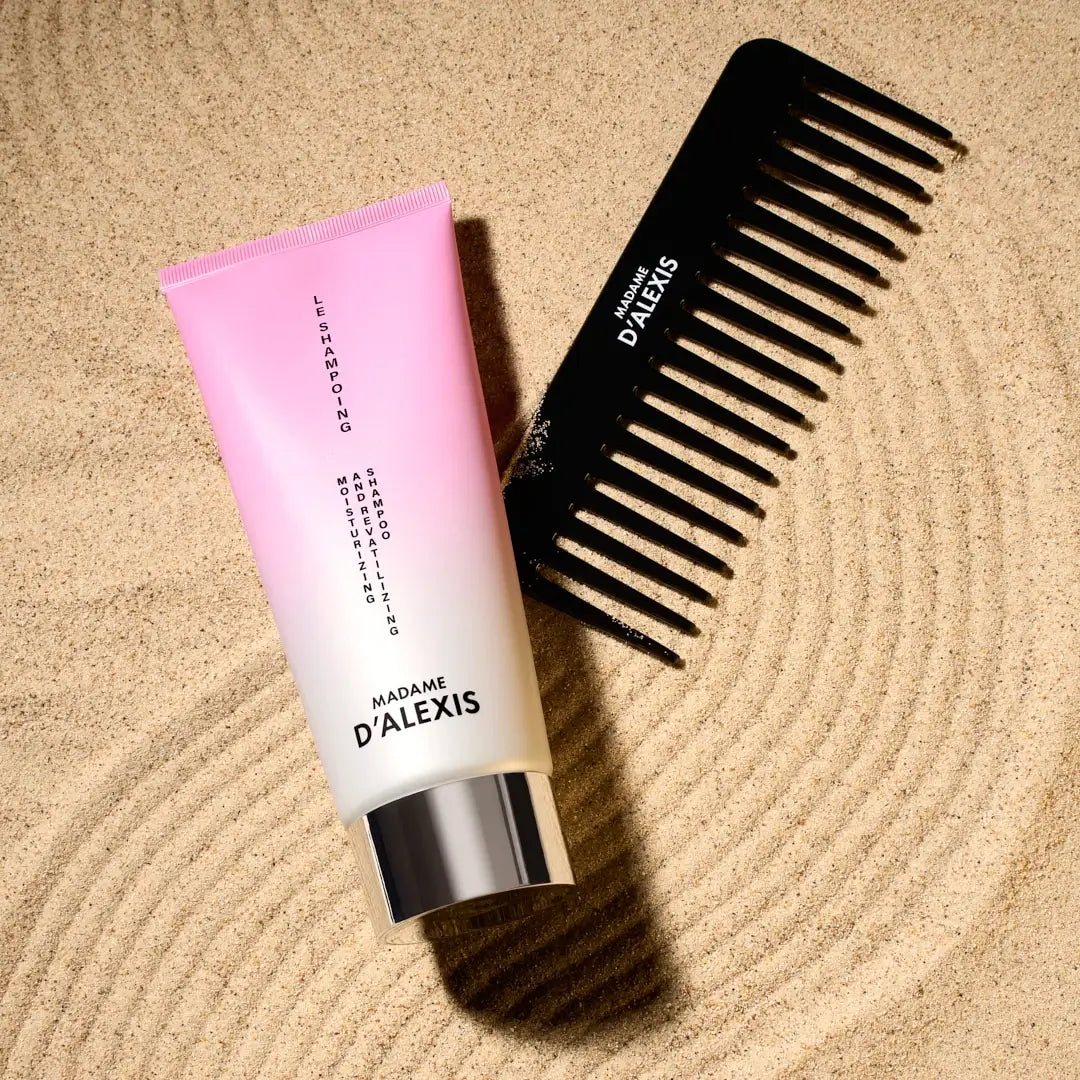
For example, the Madame d’Alexis’sMadame d’Alexishyaluronic acid shampoo perfectly embodies this philosophy: free of sulfates and silicones, it combines floral hydrosols and prebiotics to restore a healthy scalp while providing immediate comfort.
Incorporate targeted, soothing care for your scalp
Beyond washing, the scalp benefits from a specific treatment applied directly to the skin. I place a lot of importance on this step because it acts where the problem occurs.
Madame d'Alexis Night Serum is a perfect example: formulated with chamomile and orange blossom hydrosols, enriched with probiotics and anti-inflammatory active ingredients, it soothes itching and strengthens the microbiome. Regular application, accompanied by a light massage, helps to:
- Soothe an irritated scalp and reduce the urge to scratch.
- Soothe redness and tightness.
- Restore balance to the scalp to prevent irritation from recurring.
Space out and adjust the frequency of washing
There is a vicious cycle: the more your scalp itches, the more you tend to wash it, and the more it dries out. This excess ultimately exacerbates the problem.
The key is to adjust how often you wash your hair according to your hair type:
- For dry hair, washing twice a week is more than enough.
- For oily hair, washing three times a week may be necessary, but always use a mild shampoo.
- For sensitive scalps, washing less frequently and choosing gentle formulas promotes natural regeneration.
In my opinion, listening to your scalp is more effective than following a universal rule. A healthy scalp regains its balance when the steps taken are appropriate and consistent over time.
Natural remedies to soothe an itchy scalp
Finding simple and effective solutions can oftensoothe an itchy scalp without resorting to harsh treatments. In my opinion, the key is to focus on regular care, natural ingredients, and a routine tailored to the sensitivity of your skin.
Vegetable and essential oils to soothe an irritated scalp
Oils offer a safe and effective way to soothe an irritated scalp while nourishing the hair fiber.
- Coconut oil: moisturizes and strengthens the skin barrier, ideal for soothing tightness.
- Castor oil: strengthens the hair fiber and provides lasting comfort to sensitive scalps.
- Tea tree essential oil: its antifungal properties help reduce dandruff and relieve itching. Always dilute in a vegetable oil to avoid irritation.
My advice: opt for a gentle massage with a few well-diluted drops to enjoy the benefits without irritating the skin.
Home remedies to naturally soothe an itchy scalp
Certain simple remedies, accessible to everyone, can soothe itchy scalps and restore balance.
- Organic aloe vera gel: instantly moisturizes and soothes irritated areas.
- Chamomile infusion: used as a rinse, it reduces redness and provides a feeling of freshness.
- Green clay mask: absorbs excess sebum and gently purifies, ideal for oily scalps.
- Diluted apple cider vinegar: regulates pH, cleanses, and adds shine to hair.
Home remedies to soothe a sensitive scalp
Some traditional methods remain effective in relieving dailyitchy scalp.
- Baking soda: used occasionally, it gently exfoliates and helps reduce dry dandruff.
- Rinsing with cool water: a simple action that stimulates blood circulation and immediately soothes irritated scalps.
In my opinion, these natural remedies provide a solid foundation for soothing an itchy scalp. They moisturize, refresh, and restore balance, provided you use them consistently and avoid overdoing it. For lasting comfort, they fit perfectly into a gentle, respectfulhair care routine.


FAQ – Soothing an itchy scalp
What steps can you take to quickly relieve itching?
In case of sudden discomfort, it is possible to relieve an itchy scalp with simple steps. Applying aloe vera gel provides immediate relief.
Rinsing with cool water also helps reduce inflammation and stimulate microcirculation. Finally, using a mild shampoo or an exfoliating shampoo and massaging it in gently helps cleanse the scalp without causing further irritation.
What are the best natural remedies for an irritated scalp?
Several natural solutions help to soothe an irritated scalp. Vegetable oils such as coconut oil or castor oil nourish the hair fiber and strengthen the skin barrier.
Achamomile infusion used as a rinse soothes redness. Apple cider vinegar, diluted in water, regulates pH and cleanses the skin while adding shine to the hair.
Can an itchy scalp be linked to a deficiency?
Yes, certain nutritional deficiencies can increase scalp sensitivity. A lack of zinc, B vitamins, or iron can weaken the skin barrier and cause itching.
Maintaining a balanced diet therefore remains essential for supporting hair health.
Should we stop scratching our heads?
Absolutely. Scratching increases irritation, causes micro-wounds, and perpetuates itching of the scalp.
This can even promote local infections. The best approach is to resist the urge to scratch and instead focus on soothing actions such as gently massaging the area with a moisturizing product.
Which products are best for sensitive scalps?
For sensitive scalps, it is best to choose gentle sulfate-free shampoos and products containing soothing ingredients. Formulas enriched with floral hydrosols (Damask rose, chamomile, orange blossom) are particularly effective.
For example,Madame d'Alexis Night Serum, applied directly to the scalp, helps to soothe itching, moisturize the skin, and restore its natural balance.
What causes an itchy scalp?
Itchy scalp can have multiple causes. It is essentialto identify the cause in order to choose the right treatment.
Anirritated scalp can be linked to seborrheic dermatitis,eczema, contact allergy, or simply an accumulation of dandruff. Stress is also an aggravating factor that can irritate the scalp and increase itching.
How can I relieve an itchy scalp?
To relieve an itchy scalp, you shouldsoothe the itching with simple steps and an appropriate treatment. Using a soothing shampoo and a natural moisturizing product is highly recommended.
It is best towash your hair withlukewarm water, then gently massage the scalp to stimulate microcirculation. Finally, rinsing with cool water provides an immediate feeling of comfort.
What steps should you take to maintain a healthy scalp?
Maintaining a balanced scalp requires a consistent hair care routine. To keep your scalp healthy, it is advisableto avoid harsh products, adjust how often you wash your hair, and choose products that promotehydration.
Stimulatingblood circulation with a gentle massage helps strengthen the skin barrier. Finally, choosing gentle products and nourishing the skin regularly helps maintain its balance and comfort over the long term.