Skip to content
0
Basket 0
Your basket is currently empty.

Discover our products

oily hair after shampooing, solutions

Oily hair after shampooing: causes, mistakes, and solutions

Understand why your hair becomes greasy after shampooing and how a gentle, natural, and rebalancing routine can restore a healthy scalp and light roots.

What you need to know about oily hair after shampooing

For many people, the problem of greasy hair after shampooing is a source of frustration. However, this is not a matter of poor hygiene, but rather an imbalance in the scalp often caused by inappropriate actions or products.

Here are the key points to remember before going into detail:

  • A shampoo that is too harsh or not rinsed out properly can stimulate the sebaceous glands and cause an immediate sticky effect.
  • Excessive washing weakens the hydrolipidic film and causes the scalp to produce more sebum.
  • A balanced routine with a gentle scrub, sulfate-free shampoo, and light conditioner on the lengths helps to naturally regulate sebum.
  • Simple actions such as rinsing with cold water, gentle massage, and spacing out washes help maintain a healthy scalp.
  • Madame d'Alexis hair care products, formulated without added water and rich in organic hydrosols, offer an expert solution for purifying, moisturizing, and rebalancing the scalp over the long term.


MADAME D'ALEXIS Shampoo


Washing your hair only to find it greasy, heavy, or sticky a few hours later... Nothing could be more frustrating.

This phenomenon affects many people, including those who take great care of their hair.

Having greasy hair after shampooing is not a question of hygiene. The problem often lies elsewhere: an unbalanced scalp, a formula that is too aggressive, or a mistake in the washing routine.

In this article, I explain the real reasons behind this imbalance. You will also discover the right steps to take and natural solutions to restore a healthy scalp.
Finally, I will share with you my vision of more respectful hair care, inspired by the Madame d'Alexis brand, whose sulfate-free formulas rich in organic hydrosols offer a gentle and effective approach.


Targeted ritual for oily hair

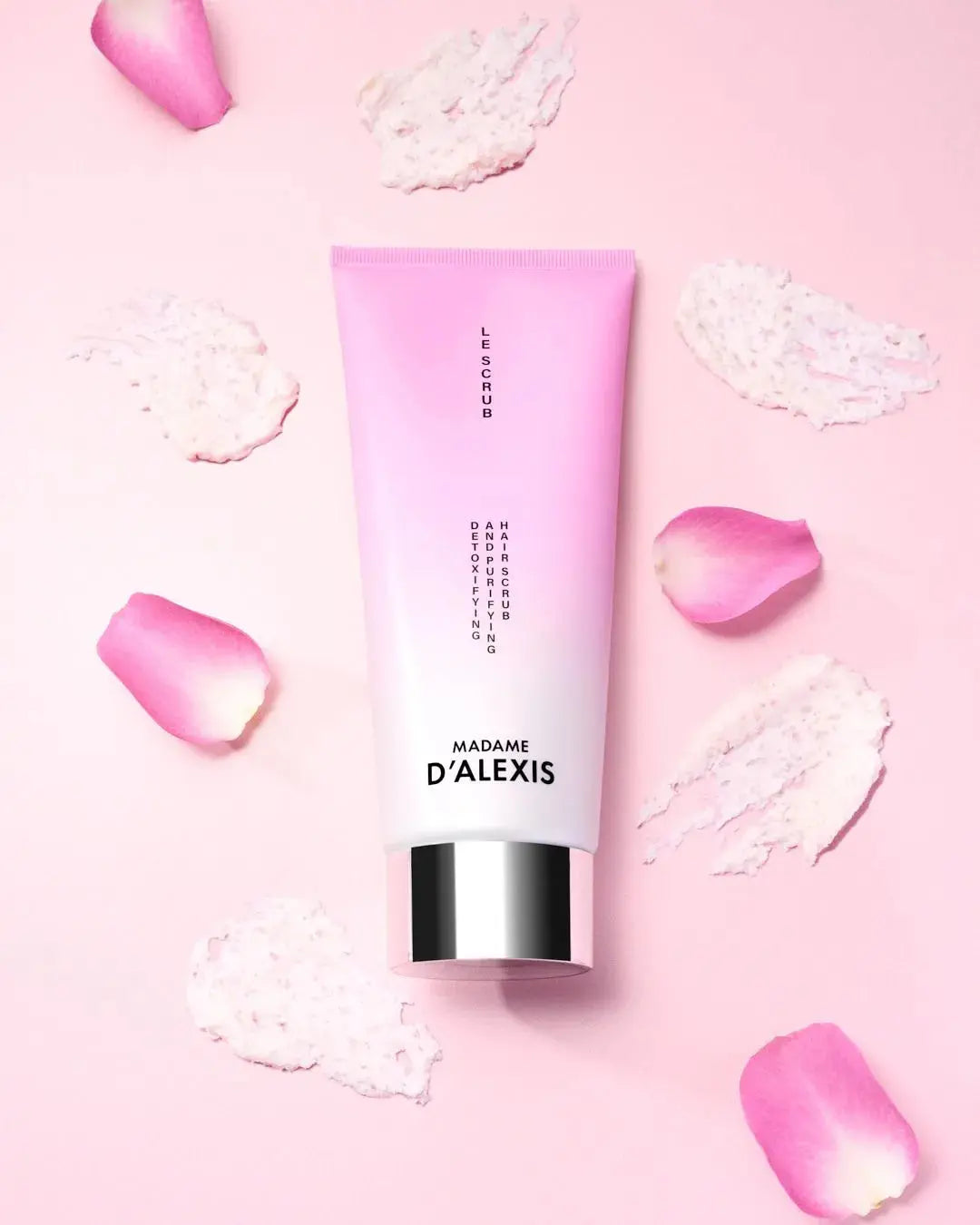
Madame d'Alexis scrub for oily scalps

The Scrub

Targeted exfoliation · rebalancing

  • Removes excess sebum and styling residue
  • Unclogs pores and stimulates microcirculation
  • Organic hydrosols and cationic hyaluronic acid to soothe
See the treatment
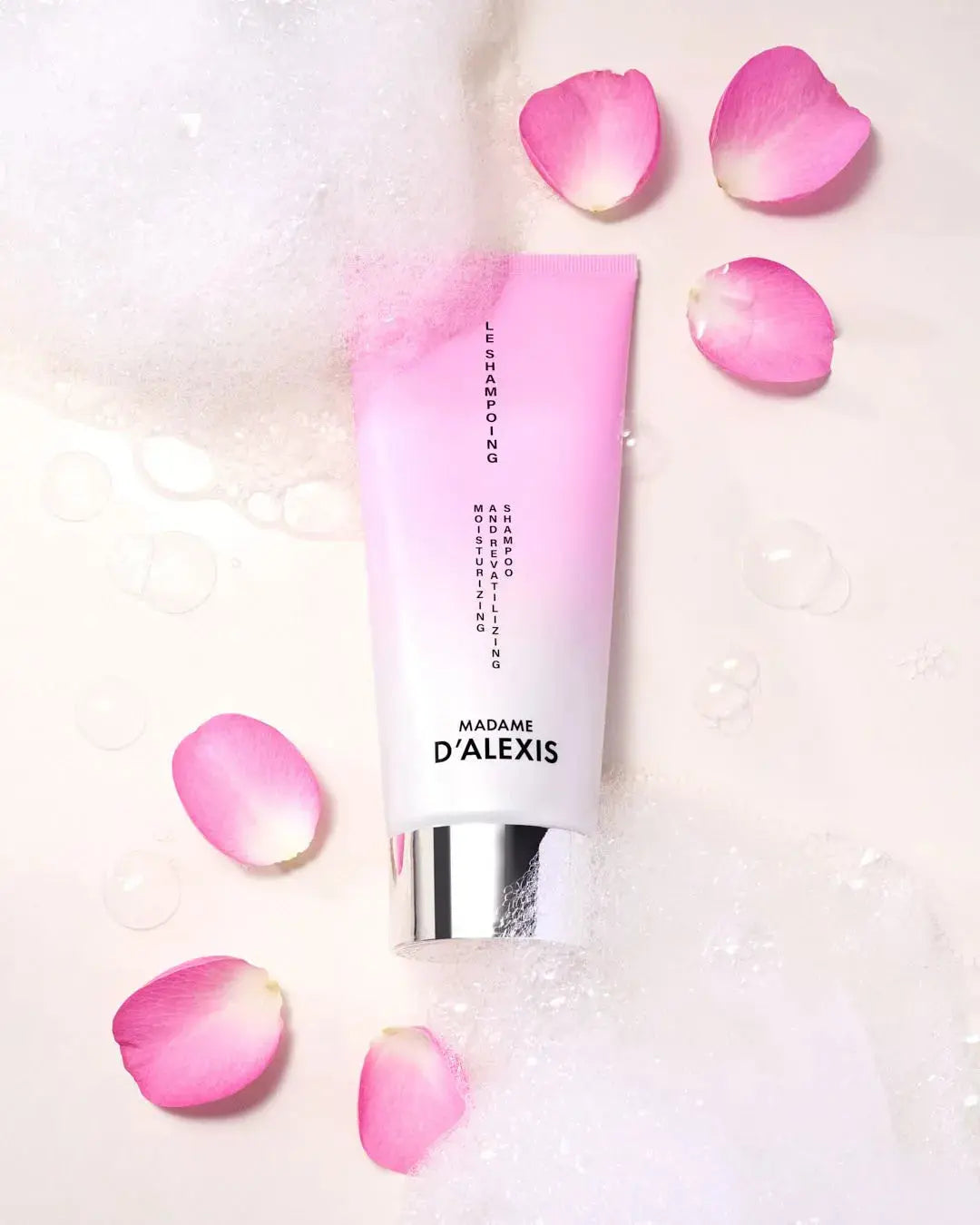
Madame d’Alexis sulfate-free anti-greasy hair shampoo

The Shampoo

Gentle cleansing · sulfate-free

  • Cleans without stripping the hydrolipidic film
  • Helps regulate sebum production
  • Organic hydrosols for a healthier scalp
See the treatment
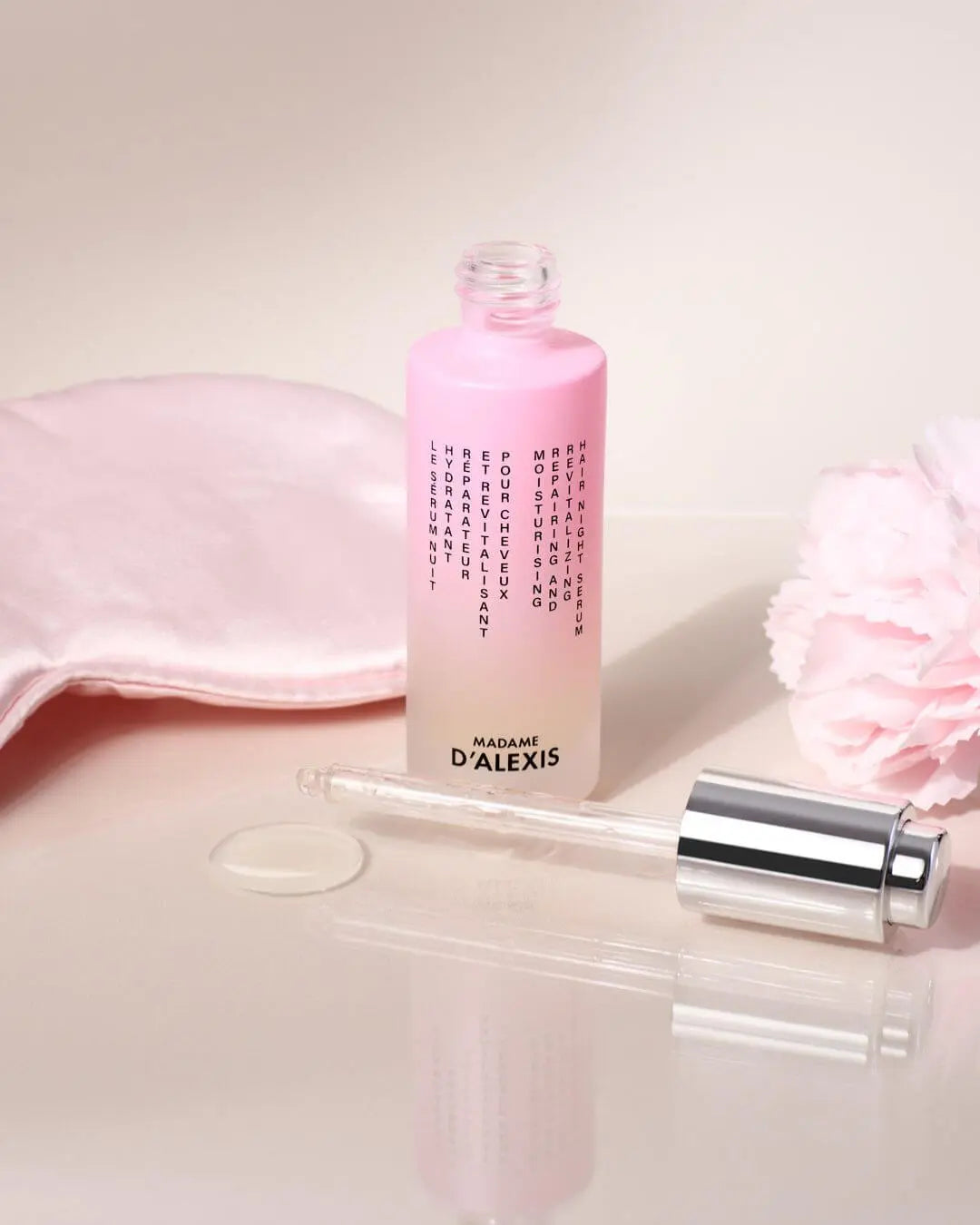
Madame d'Alexis Night Serum for nighttime rebalancing

The Night Serum

Nighttime rebalancing · comfort

  • Moisturizes the scalp without leaving a greasy film
  • Strengthening ingredients for denser roots
  • Helps reduce discomfort that stimulates sebum production
See the treatment


Why is my hair greasy after shampooing?

Overproduction of sebum, often misunderstood

Sebum is a natural protective film. It lubricates the hair fiber, protects the scalp, and maintains its moisture.


In balanced quantities, it is essential for healthy hair.

But sometimes, the sebaceous glands go into overdrive. This imbalance can have several causes:

When the skin feels under attack, it reacts. It produces even more sebum to defend itself. The result: hair becomes greasy again more quickly after washing.

Many people think they are doing the right thing by washing their hair every day. However, the opposite is true.


Washing too frequently removes the natural protective film, which causes the scalp to produce more sebum.

The right approach is to gradually space out washes and adopt a gentler routine, allowing the scalp to rebalance naturally.


products for oily hair


An unsuitable or overly harsh shampoo

The sulfates and silicones found in many shampoos can weaken the scalp.


These powerful cleaning agents strip away natural oils and damage the protective barrier.


The scalp then feels under attack and reacts by overproducing sebum.

Another common mistake is insufficient rinsing.
Product residue can remain stuck to the roots, creating that unpleasant sticky feeling once the hair is dry.

To avoid this, it is essential to:

  • Rinse thoroughly with warm water until the hair feels slightly squeaky to the touch.
  • Gently massage the scalp to stimulate microcirculation.
  • Choose mild cleansing bases without harsh surfactants.

This is where a quality product makes all the difference.


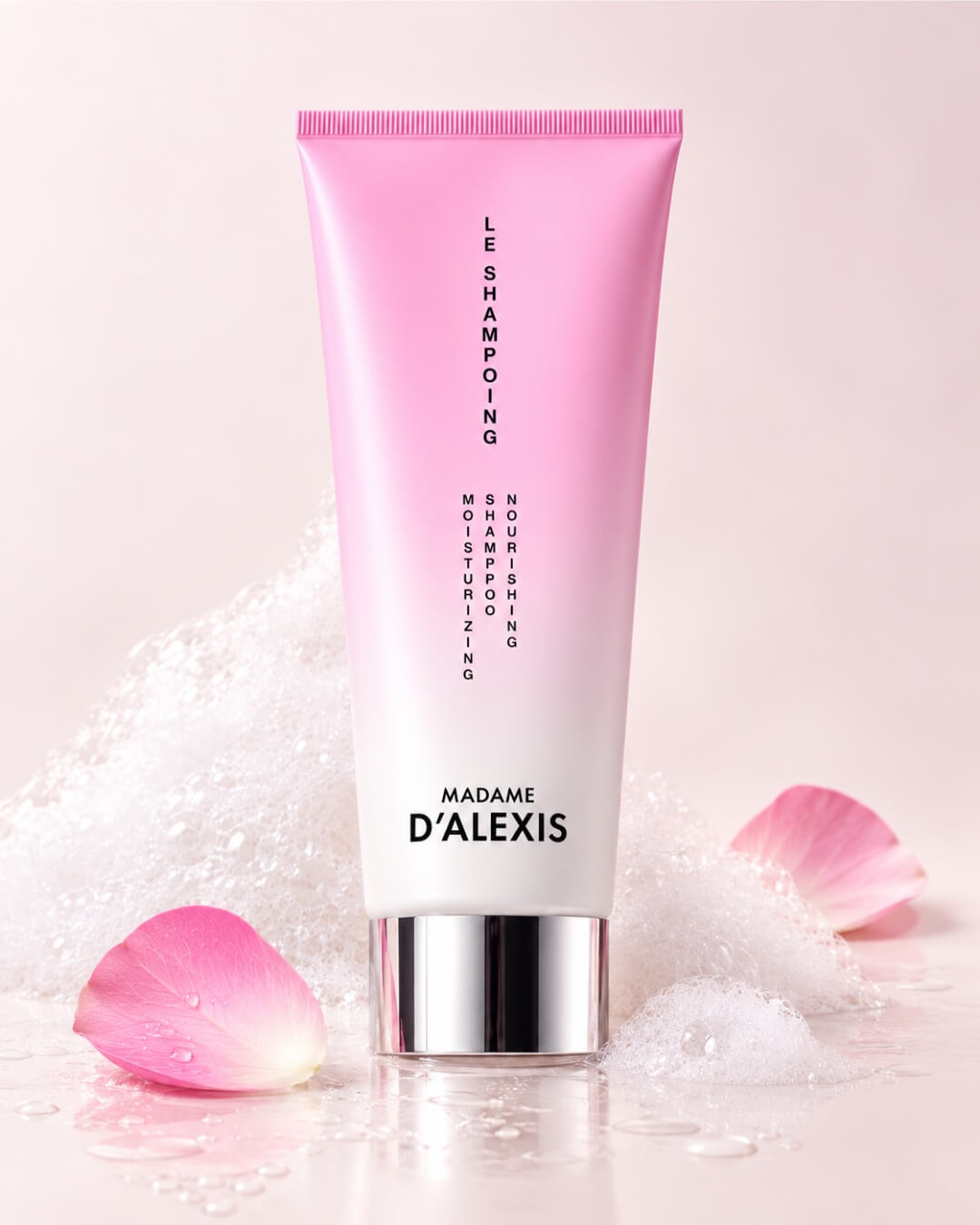
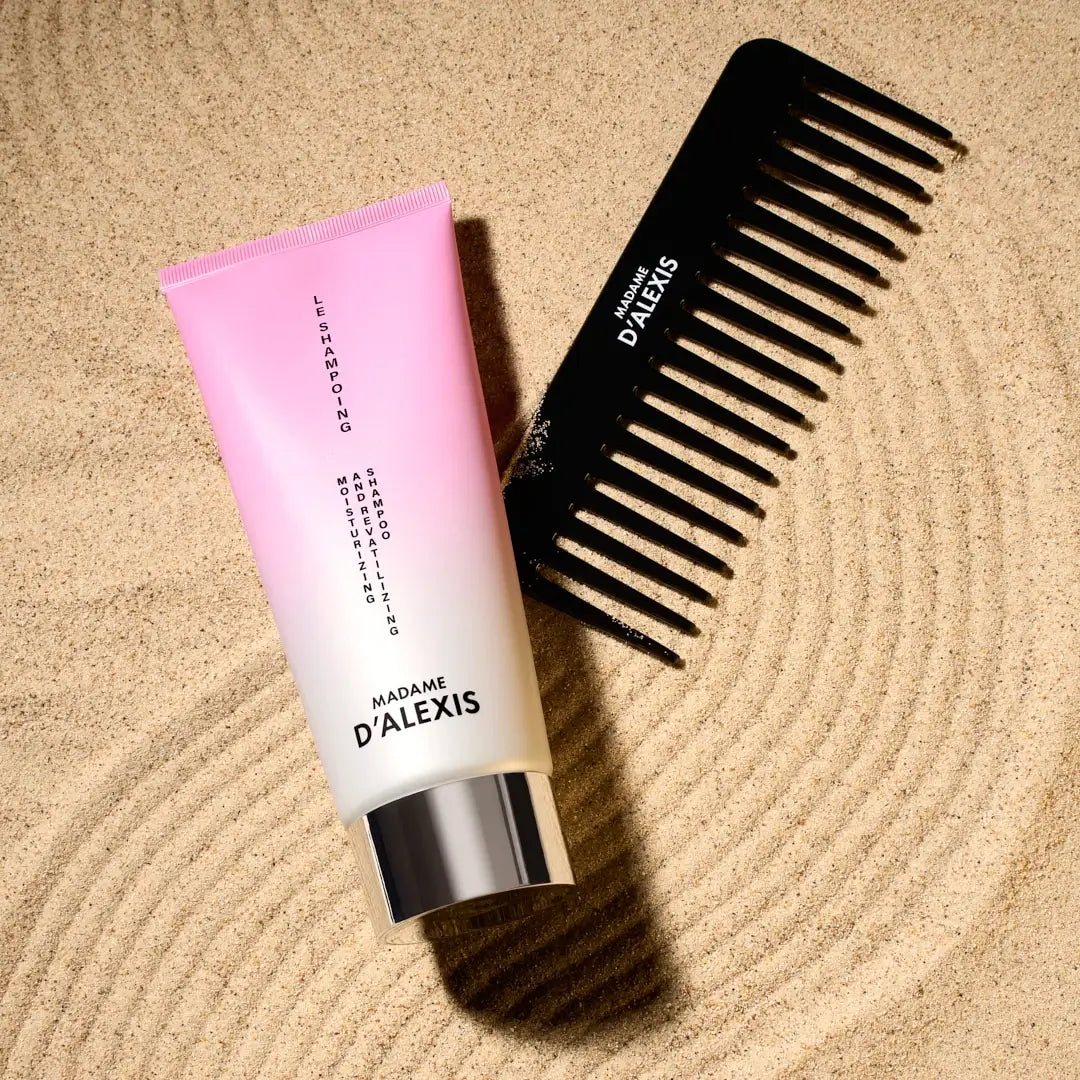
Madame d'Alexis Shampoo with hyaluronic acid and keratin, formulated without sulfates and enriched with precious floral hydrosols (Damask rose, chamomile, orange blossom), gently cleanses without stimulating sebum production.


It leaves the scalp feeling fresh, clean, and soothed, while respecting the natural balance of the hair fiber.


Common mistakes that make hair greasy after washing

Washing your hair too often or not rinsing it properly

Washing your hair every day weakens the hydrolipidic film that covers the scalp. This film, composed of water and lipids, acts as a protective barrier: it limits water evaporation and protects against external aggressions.

When constantly stripped, the scalp feels threatened. It reacts by producing more sebum, which quickly weighs down the hair.

Insufficient rinsing makes the situation worse: shampoo or cleansing agent residue sticks to the hair fiber, especially near the roots. The result? Hair that feels sticky immediately after drying.

To avoid this, adopt these habits:

  • Rinse thoroughly with warm water, then finish with cold water if possible.
  • Gently massage the scalp while rinsing to remove any particles.
  • Check with your fingers or the back of your hand: if the hair "crunches" slightly, this is often a good sign.

Please note: spacing out washes helps the scalp to naturally regulate its sebum production.


Using too many styling products or rich hair care products can be harmful to your hair.

Many people imagine that the more they nourish their hair, the better it will be. But applying oils, serums, or rich masks to the roots disrupts the natural balance. These products can weigh down and saturate the scalp.

The right reflex is simple:

  • Apply the treatments only to the lengths and ends, never on the scalp.
  • Choose lightweight, non-comedogenic formulas that absorb quickly.
  • Alternate between "light care" days and "richer care" days.

This strategy prevents the accumulation of lipids, which causes oily hair to return quickly.

Brushing or touching your hair too often

Every touch, every stroke of the hand through the hair, stimulates the scalp. Constant touching or frequent brushing can trigger the sebaceous gland. It's a bit like pressing a trigger too often.

Here are some tips to limit this effect:

  • Use a clean comb, preferably made of wood, with wide teeth.
  • Limit repetitive actions on your hair (often done without realizing it)
  • When detangling, start at the ends and slowly work your way up to the roots.

With these precautions, the scalp is less stressed and sebum production is not constantly stimulated.


shampoo for oily hair


How can you tell if your hair is sticky or hasn't been rinsed properly?

  • After drying, your roots feel sticky or uncomfortable immediately.
  • Your hair lacks volume; it looks dull and lifeless.
  • They refill in less than 24 hours, sometimes in just a few hours.

Tip

After about 6 hours, place a small piece of blotting paper on the root. If the paper becomes translucent, there is excess sebum: the area has released a visible amount of oil. This indicates that the scalp is producing too much oil too quickly.


How to avoid having greasy hair after shampooing

Adopt a balanced hair care routine specifically for oily hair

Avoiding greasy hair after shampooing starts with a consistent routine. It's not just about choosing the right product, but restoring the natural balance of the scalp by taking action at every step of your hair care routine.


Step 1 – Exfoliate the scalp

A healthy scalp is a clean and oxygenated scalp.Exfoliation is often overlooked, yet it plays an essential role.

By removing impurities, styling product residue, and dead skin cells, it allows the scalp to breathe more easily. 

It also stimulates microcirculation and promotes stronger hair growth.

Ideally, you should use a gentle scalp scrub once a week. This simple step helps prevent follicle blockage and limit excess sebum production.

Madame d'Alexis Detoxifying Scrub, formulated with fleur de sel and cationic hyaluronic acid, effectively purifies the scalp while preserving its moisture. It leaves an immediate feeling of freshness without irritating the skin.


Scrub Madame d’Alexis — anti-greasy scalp scrub

The Scrub

Targeted exfoliation · rebalancing

  • Removes excess sebum and styling residue
  • Unclogs pores and improves oxygenation of the scalp
  • Fleur de sel and organic hydrosols to purify without irritating
  • Prepares hair for shampooing and helps space out washes
See the treatment


Step 2 – Wash with a mild, gentle shampoo

The choice of shampoo is crucial. Formulas containing sulfates or harsh surfactants strip the scalp, depriving it of its natural protection.

This imbalance triggers a defensive reaction: sebum production increases to compensate.

It is better to choose a mild shampoo, formulated without sulfates, which cleanses without damaging the skin barrier.

Madame d'Alexis Shampoo strikes precisely this balance. Its gentle cleansing base, enriched with organic Damask rose, chamomile, and orange blossom hydrosols, regulates sebum production while moisturizing the hair fiber. The scalp stays clean, soothed, and healthy for longer.


Madame d’Alexis Shampoo — gentle cleansing for oily hair

The Shampoo

Gentle cleansing · sulfate-free

  • Cleans effectively without stripping the hydrolipidic film
  • Helps regulate sebum production with each wash
  • Organic rose, chamomile, and orange blossom hydrosols to soothe
  • Lighter roots, lasting shine and suppleness
See the treatment


Step 3 – Nourish without weighing down

Nourishing care is essential, but it must be applied in a targeted manner. Masks and rich oils applied to the roots weigh down the hair and create an oily film that is difficult to rinse out.

To avoid this effect, apply the treatment only to the lengths and ends.

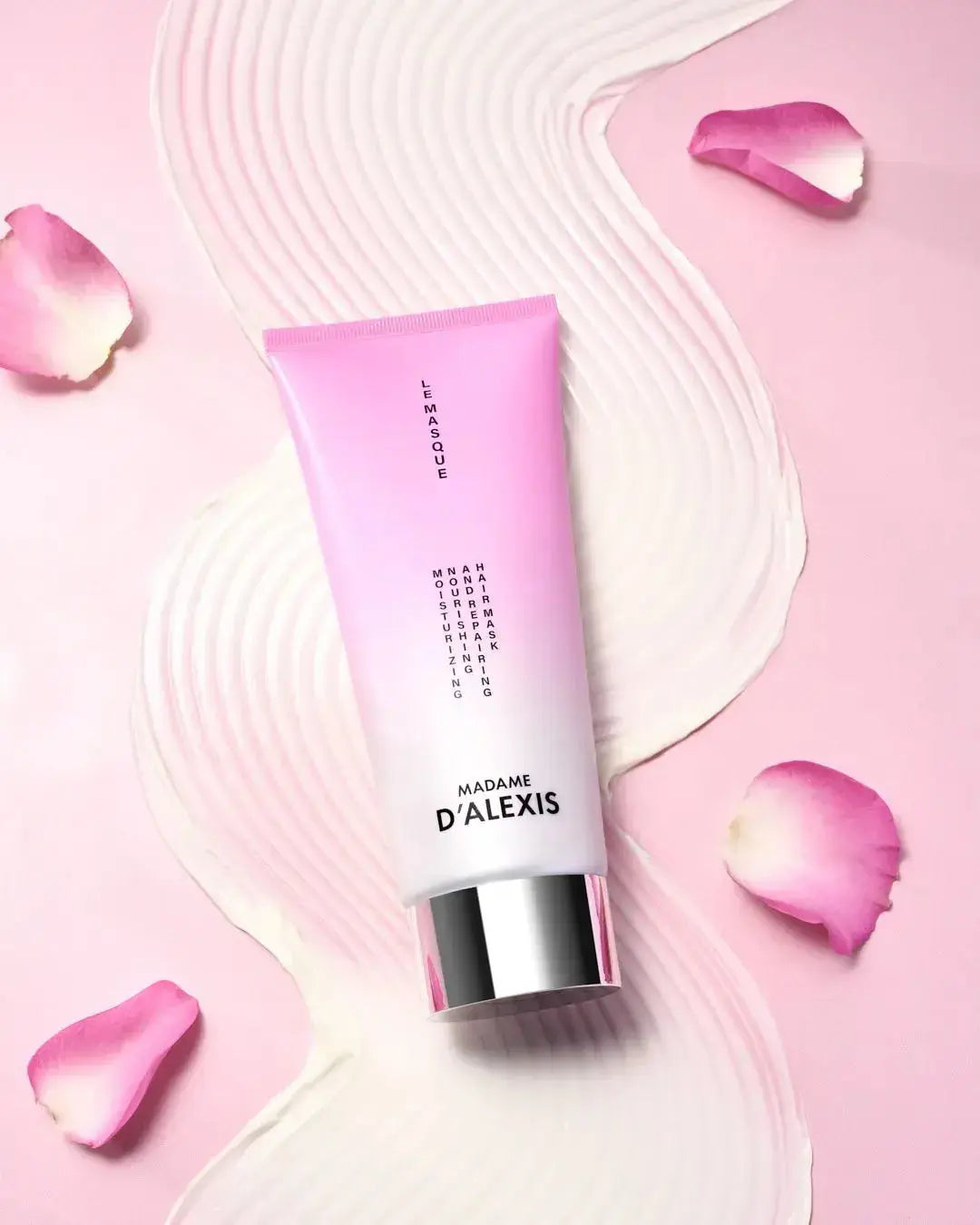
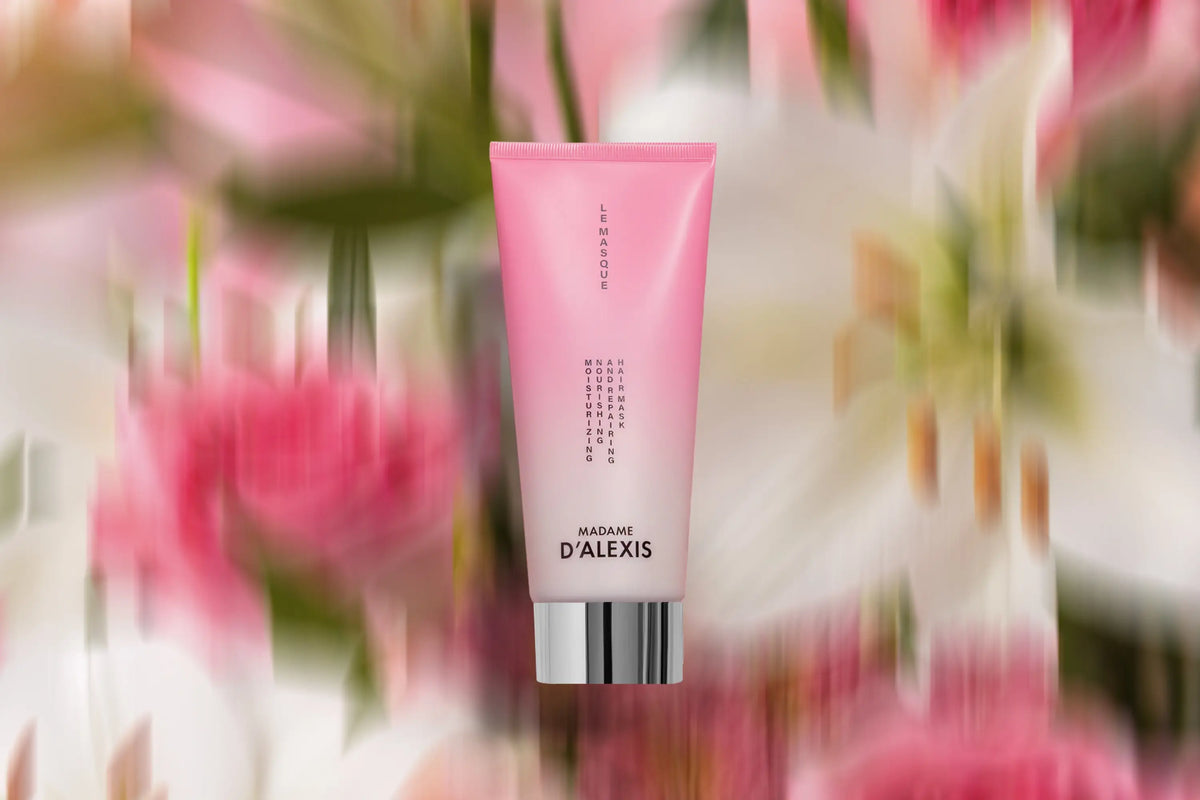
Alexis' Madame Mask, enriched with plant ceramides and light apricot and jojoba oils, provides intense hydration without leaving hair greasy. It restores suppleness and shine to the hair fiber while keeping the scalp feeling light.


Madame d'Alexis Mask — hydration without weighing down oily hair

The Mask

Nourishes without weighing down · plant ceramides

  • Intensely moisturizes the lengths without touching the roots
  • Plant ceramides and light oils (apricot, jojoba)
  • Smooths the cuticle, reduces frizz, maintains volume
  • Helps space out washes by preventing heaviness
See the treatment


Step 4 – Let the scalp breathe

How often you wash your hair has a direct impact on sebum production. Washing your hair too often stimulates the sebaceous glands, which respond by producing excess sebum.

The goal is to gradually space out washes to allow the scalp to return to its natural rhythm. Start with every other day, then increase as your hair gets used to it.

A balanced scalp does not need to be cleaned daily: it breathes, regulates, and regains a healthy, light appearance.

The key role of nighttime care

It is during the night that the scalp regenerates most actively. It is also when it can become dehydrated or, conversely, overproduce sebum if irritated.

Incorporating atargeted nighttime skincare product into your routine helps maintain this physiological balance.

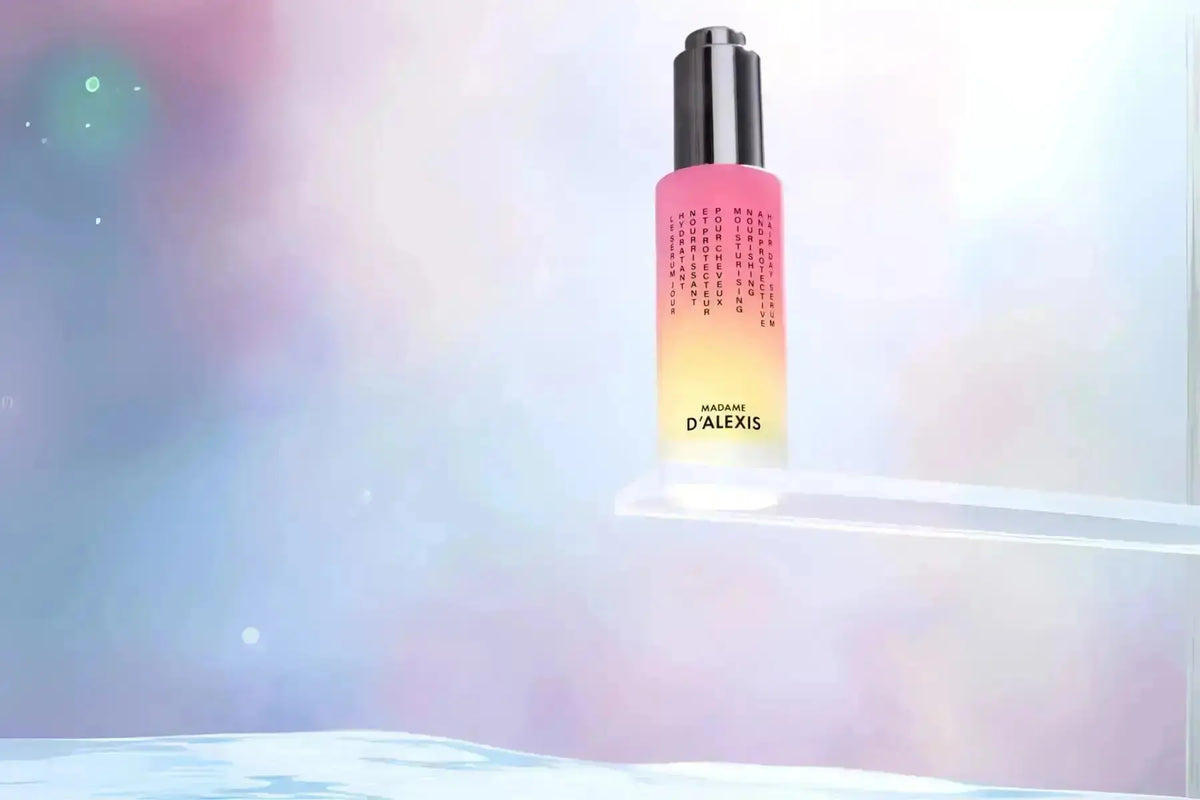
Madame d'Alexis Night Serum has been designed for this natural regeneration phase. Its light, non-greasy texture is quickly absorbed without weighing down the roots.

 Its formula, rich in organic hydrosols, cationic hyaluronic acid, probiotics, and anti-hair loss plant extracts (oak bark, nettle, licorice), moisturizes the scalp while regulating sebum production.

This treatment works deeply while you rest:

  • it restores the hydrolipidic barrier without leaving a greasy film;
  • it soothes discomfort that can stimulate sebum production;
  • it strengthens hair density and supports growth;
  • It helps the scalp maintain its balance day after day.

When you wake up, your roots remain light and your hair stays looking fresh for longer.


Madame d’Alexis Night Serum — rebalancing treatment for oily scalps

The Night Serum

Nighttime rebalancing · organic hydrosols

  • Regulates sebum production during the night
  • Moisturizes and soothes the scalp without leaving a greasy film
  • Supports hair density and growth
See the treatment

Natural solutions to regulate sebum and restore lightness to your hair

Rinse with cold water and massage gently.

Cold water is a discreet but effective ally. It tightens the cuticles, limits sebum production, and gives hair a natural shine. A final rinse with cold water also helps to soothe irritation and tone the scalp.

When washing, gently massage your scalp using circular motions. This stimulates microcirculation and promotes better oxygenation of the tissues without stimulating the sebaceous glands.

Use dry shampoo or absorbent powder between washes.

Between washes, dry shampoo can help lighten roots and extend the time between washes. It absorbs excess oil while restoring volume.

However, it should only be used occasionally. Excessive use may clog the pores of the scalp and cause the opposite effect: residue buildup and skin irritation.

Ideally, it should only be used as a temporary solution, on busy days or when traveling.

Take care of your lifestyle

The scalp, like the skin on our face, reacts to our lifestyle. To regulate sebum production in the long term, a few basic principles are essential:

  • Eat a diet rich in fruits, vegetables, and essential fatty acids (omega-3).
  • Avoid excess sugar and saturated fats, which can stimulate the sebaceous glands.
  • Drink enough water to maintain good cellular hydration.
  • Get enough sleep to reduce oxidative stress
  • Take time to relax: stress directly increases sebum secretion via adrenal hormones.

Taking care of your hair also means taking care of yourself. A balanced routine and suitable products help restore a healthy scalp and leave hair light, shiny, and long-lasting.


shampoo for oily hair


When should you consult a professional or change your hair care routine?

Sometimes, simply adjusting your routine is not enough. You need to pay attention to warning signs from your scalp.

Signs that require a change or consultation

  • If your scalp itches severely and repeatedly.
  • If you notice thick or encrusted oily dandruff.
  • If red, oozing, or scaly patches appear.
  • If you suspect hyperseborrhea or seborrheic dermatitis: seborrheic dermatitis manifests as red patches covered with yellowish or greasy scales on the scalp, sometimes accompanied by itching. (Seborrheic dermatitis often affects areas rich in sebaceous glands.)

In these cases, it is wise to consult a dermatologist or trichologist. Do not try to fix everything yourself, especially if symptoms persist despite a gentle routine.

Changing your hair care routine may also be necessary if your current products are no longer able to stabilize the balance of your scalp, or if they cause more damage than good.

I would like to add my own conviction here: it is better to make gradual adjustments rather than sudden changes. I recommend introducing one new treatment or modifying one product at a time, over a period of 2 to 4 weeks, to allow the scalp to adapt without stress.

Madame Alexis's vision

Madame d'Alexis' hair care routine aims to restore the natural balance of the scalp without stressing it. It is based on formulas with no added water, which minimizes the use of preservatives, enriched with organic hydrosols (rose, chamomile, orange blossom) and gentle rebalancing active ingredients.

The approach is gentle but targeted: remove excess oil from the scalp (using a gentle scrub), clean it thoroughly (with a mild shampoo), then nourish it without weighing it down (using a mask on the lengths only).

The goal: to restore light, healthy, long-lasting hair without premature return to greasy hair.


Special routine for oily hair - use Madame d'Alexis products to reduce oiliness after shampooing


In summary: the right steps to avoid greasy hair after shampooing

The expert's checklist

Here are the essential steps, which are easy to remember and incorporate:

  • Gradually space out washes
  • Use a sulfate-free shampoo
  • Massage the scalp gently
  • Rinse thoroughly with warm water (then optionally with a final cold rinse).
  • Apply the mask only to the lengths and ends.
  • Gently exfoliate your scalp once a week.

These steps, applied regularly and patiently, form a consistent routine. Together, they help curb excessive sebum production, reduce stickiness, and restore balance to the scalp.


FAQ – Oily hair after shampooing

Why does my hair become greasy right after washing it?

This can be caused by several factors. A shampoo that is too harsh can strip the scalp, depriving it of its natural barrier and triggering a defensive reaction: it then produces more sebum.


Incomplete rinsing can also leave product residue that builds up on the hair fiber, creating that unpleasant sticky effect. Finally, excess sebum production can occur as a result of an imbalance in the scalp, often linked to stress, an overly rich diet, or repeated use of unsuitable hair care products.

What product should I use to eliminate the sticky effect on my hair?

The best way to eliminate the feeling of heavy or sticky hair isto use a purifying hair scrub. This type of treatment helps to remove impurities, dead cells, and styling product residue.


Madame d'Alexis Detoxifying Scrub, formulated with fleur de sel and cationic hyaluronic acid, deeply cleanses the scalp while respecting its natural moisture balance. This treatment restores lightness, volume, and freshness from the very first use, without causing irritation or excess sebum production.

How can you space out shampooing when you have oily hair?

Spacing out shampooing is an essential step in re-educating the scalp. It should be done gradually: go from washing your hair every day to every other day, then to two or three times a week. To ease the transition, adopt a gentle routine:

  • Use a sulfate-free, pH-balanced shampoo that is gentle on the scalp.
  • Finish each wash with a cold water rinse to tighten the cuticles and limit sebum production.
  • Between washes, opt for a natural dry shampoo or tie your hair back to avoid handling it too much.

Within a few weeks, the scalp regains its balance and washing becomes less frequent, while keeping hair clean and light.

Why does my hair become greasy after washing?

Oily hair after washing is often the result of excessive sebum production. An oily scalp reacts to harsh products or excessive washing, which disrupts its natural balance.


Poor rinsing can also leave a build-up of residue (shampoo, conditioner, pollution) on the hair fiber. These impurities make hair feel sticky and dull.


To avoid this, it is essential to rinse thoroughly and use a mild shampoo that is suited to your hair type and free from sulfates and silicones.

How can you avoid sticky hair after shampooing?

To avoid sticky hair, it all comes down to your hair care routine. First, you need to rethink how often you wash your hair: washing it too often causes excess sebum.

Next, be sure torinse thoroughly with lukewarm water, as water that is too hot stimulates the sebaceous glands.

Aclarifying shampoo can be useful from time to time to remove hair product residue, provided you limit its use to once every two weeks.
Finally, choose a light, non-occlusive shampoo to maintain a balanced scalp without drying out the hair fiber.

What mistakes should be avoided for oily hair?

There are many mistakes to avoid, but the most common ones concern:

  • Using too muchshampoo or applying it directly to the roots without emulsifying it first.
  • Choosing a shampoo that is too harsh, containing sulfates or strong detergents.
  • Washing too frequently, which encourages excess sebum production.
  • The use of products containing silicones, which coat the hair fiber and create a suffocating film.
  • A washing routine that is too complex, combining too many heavy or rich products for a scalp prone to oiliness.

To restore lasting balance, it is best to choose a gentle shampoo and vary your hair care routine with light products that are thoroughly rinsed out.

How can I space out my shampoos for oily hair?

To space out shampooing, you need to gradually re-educate your scalp. Excessive washing increases sebum production.


Start with every other day, then increase the interval as your scalp regulates itself.


Dry shampoo can help between washes, provided you don't use too much so as not to clog your pores.


The goal is to regulate natural sebum production in order to achieve a more stable scalp, similar to that of normal hair.


A gentle hair care routine, combining a balanced shampoo and thorough rinsing, will help you achieve lasting results.

What solutions are there for sticky hair?

Solutions for sticky hair are based on simple steps and appropriate care.

  • Use a clarifying shampoo occasionally to remove residue.
  • Rinse with lukewarm water to avoid stimulating the sebaceous glands.
  • Incorporate natural products such as apple cider vinegar, which rebalances the pH of the scalp and tightens the cuticles.
  • Apply a light moisturizing mask to the lengths to nourish without greasing.
  • Adapt care according to texture: a fluid mask for fine hair, more nourishing for dry hair.

A simple, natural routine helps purify without irritating, while restoring suppleness and lightness to the hair.

Why use a mild shampoo for oily hair?

A mild shampoo is essential for oily hair because it helps regulate sebum production without upsetting the scalp's natural balance.


Its gentle cleansing base effectively cleanses without causing overproduction.
This type of formula prevents sticky hair and is also suitable for normal hair that tends to get greasy quickly.


It fits perfectly into a gentle, minimalist hair care routine, ensuring a healthy scalp in the long term.


By choosing light, natural hair products, you can keep your hair fresh and light while maintaining its shine.

Select options