Advice
Moisturizing the Scalp: A Guide to a Healthy, Revitalized Scalp
Moisturize your scalp: adopt a simple, targeted routine to restore the hydrolipidic film, soothe itching, and prevent dandruff. Gentle shampoo, plant oils, and repairing masks.


Moisturizing the Scalp: The Complete Routine for Restoring Comfort and Balance
A scalp that feels tight, itchy, or flaky doesn’t necessarily need more oil—it mainly needs a gentle, regular, and tailored routine. Mild cleansing, targeted care for the roots, occasional exfoliation, and protection for the lengths allow you to care for your scalp without smothering it.
- A dry or dehydrated scalp can cause tightness, flaking, and discomfort, but these symptoms may also have other causes.
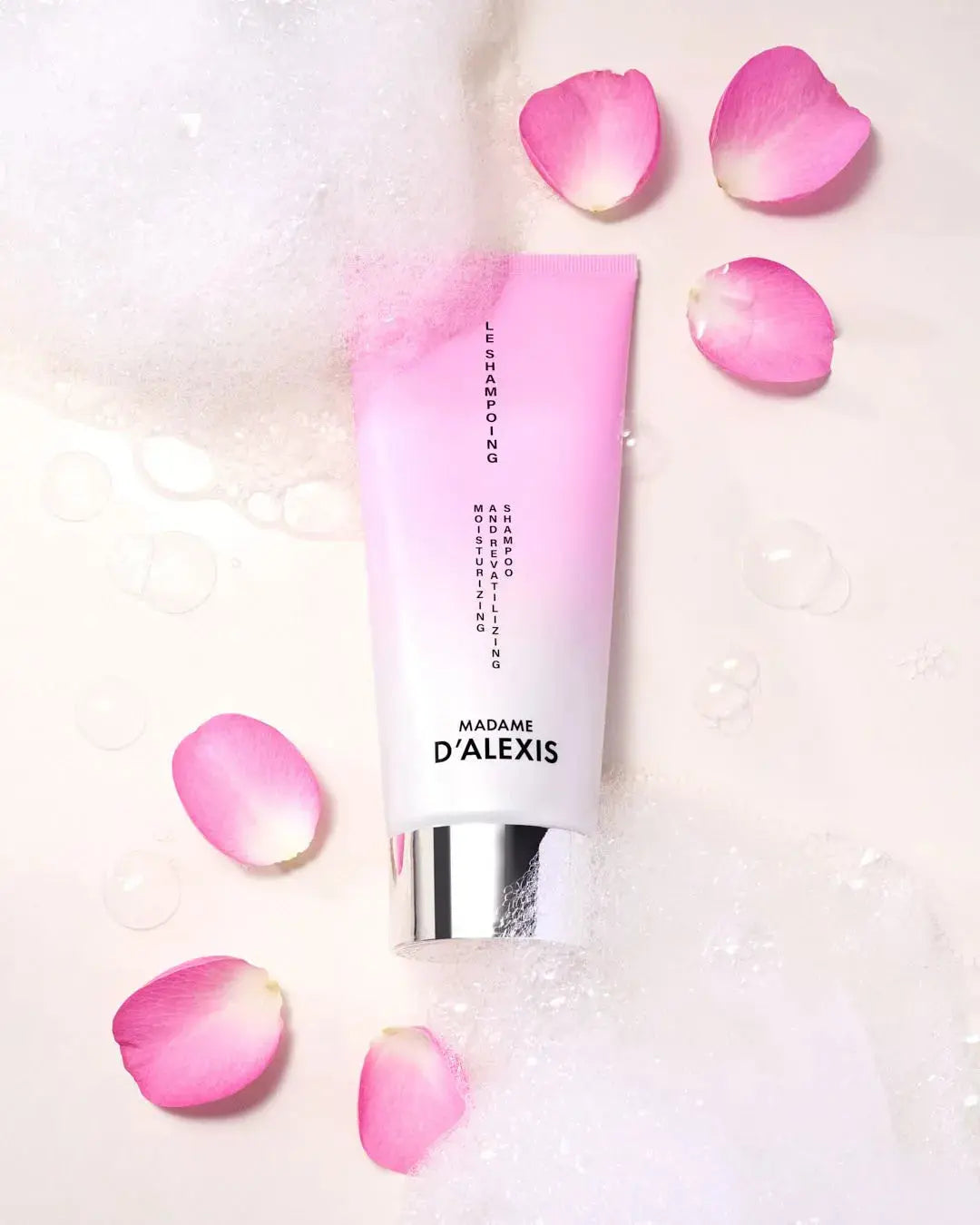
- Madame d’Alexis Shampoo contains organic hydrosols, cationic hyaluronic acid, prebiotics, and plant-based keratin.
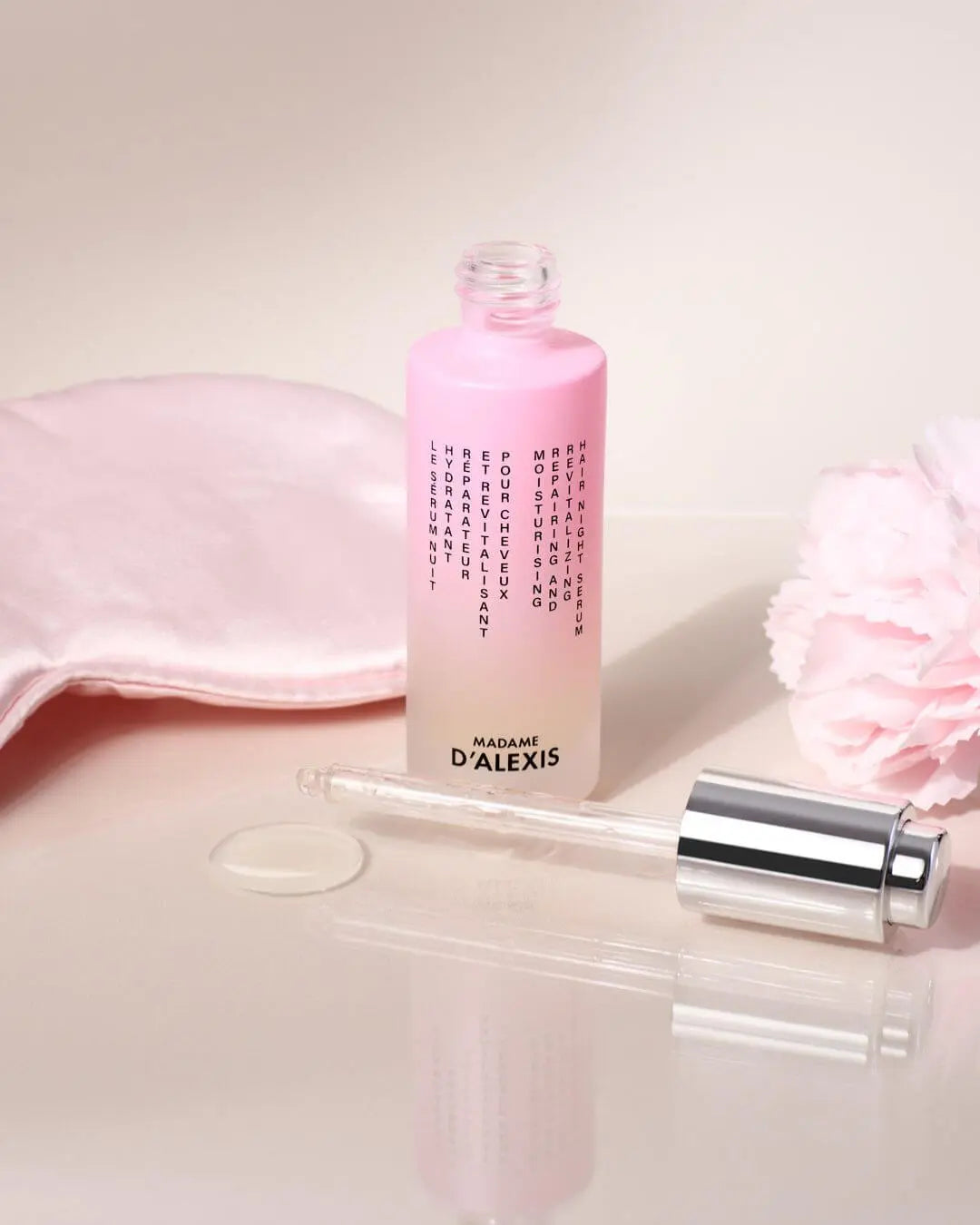
- The Night Serum directly targets the scalp and hair roots with organic hydrosols, cationic hyaluronic acid, probiotics, and postbiotics.
- The Mask is a treatment for the mid-lengths and ends of the hair: do not apply it to the scalp.
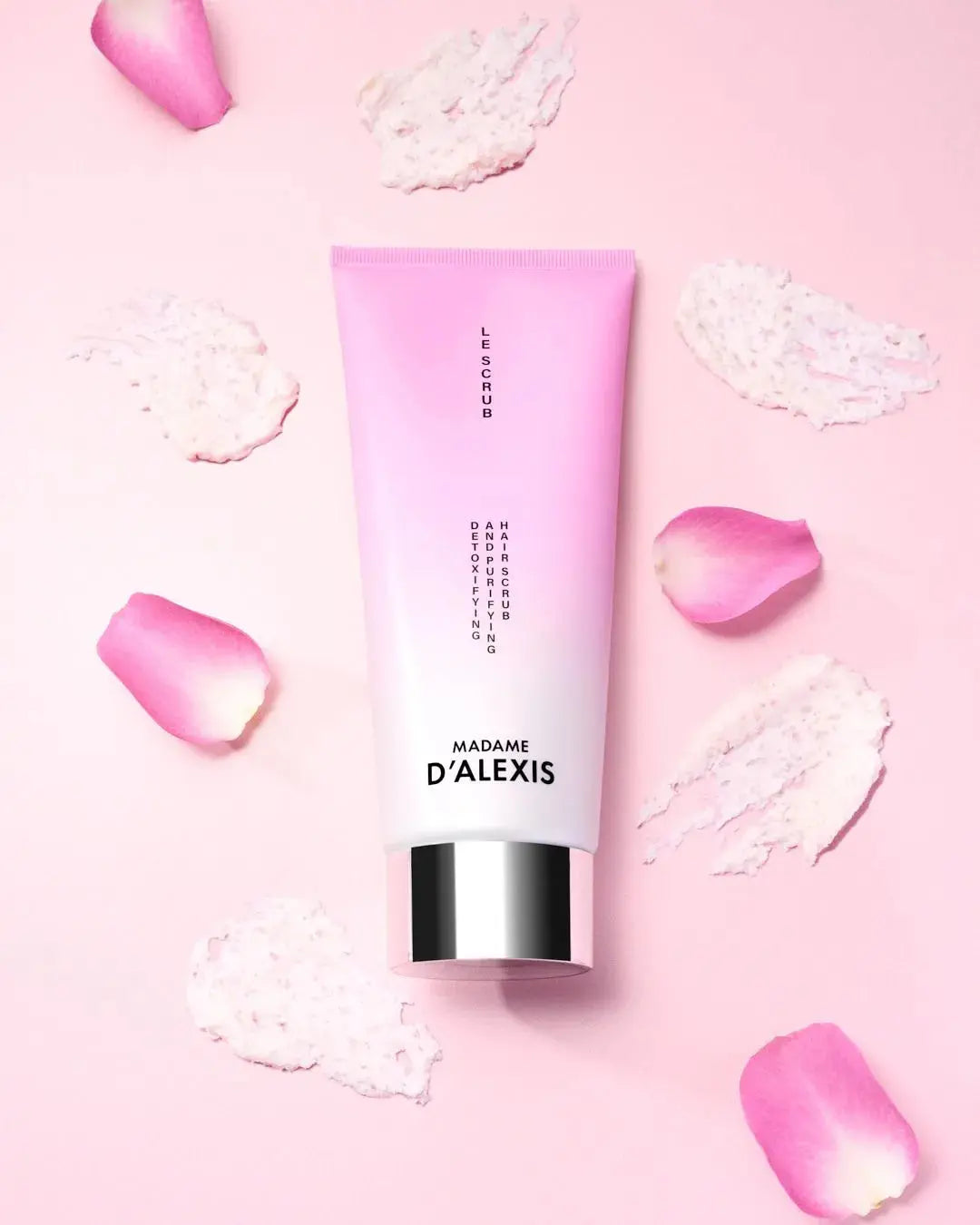
- The scrub should be used every 10 to 15 days if your scalp is clogged, and it replaces shampoo on those days.
- If you experience persistent redness, patches, scabs, pain, oozing, or unusual hair loss, consult a dermatologist.
What is your scalp type? Quick diagnosis
Before trying to moisturize your scalp, pay close attention to how your roots feel and look. How often you wash your hair isn’t a reliable indicator on its own: it depends on sebum production, physical activity, hair type, and styling habits.
Dry scalp
Tightness, discomfort after washing, small flakes of dry skin. Priority: gentle cleansing and targeted care.
Dandruff
Visible scales, with or without itching. It is important to distinguish between dry skin, buildup, and seborrheic dermatitis.
Regular leather
Minimal discomfort, moderate sebum production, no persistent flaking. Goal: to maintain this balance.
Oily Scalp
Roots that get oily quickly, sometimes accompanied by a feeling of heaviness. Priority: cleanse without stripping.
Sensitive leather
Stinging, redness, and heightened sensitivity. Simplify your skincare routine and avoid exfoliation during periods of irritation.
Persistent symptoms
Patches, pain, scabs, or unusual hair loss are reasons to seek medical advice rather than relying on a series of cosmetic treatments.
Madame d’Alexis hair care products to moisturize the scalp and round out your routine
Each product has a specific area of application and purpose. The Shampoo and Night Serum target the scalp. The Scrub is used as needed. The Mask completes the routine on the lengths of the hair, not at the roots.
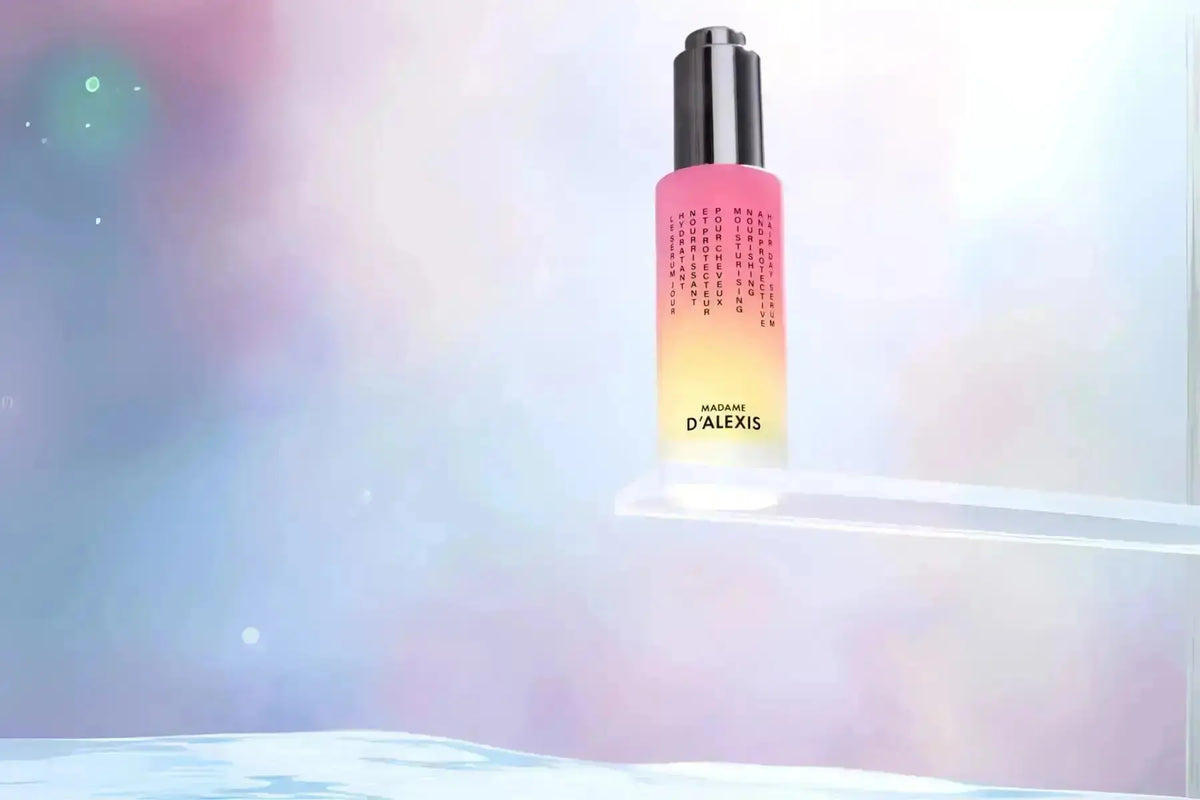
The Night Serum
- Cationic hyaluronic acid
- Probiotics and postbiotics
- A few drops, stroke by stroke
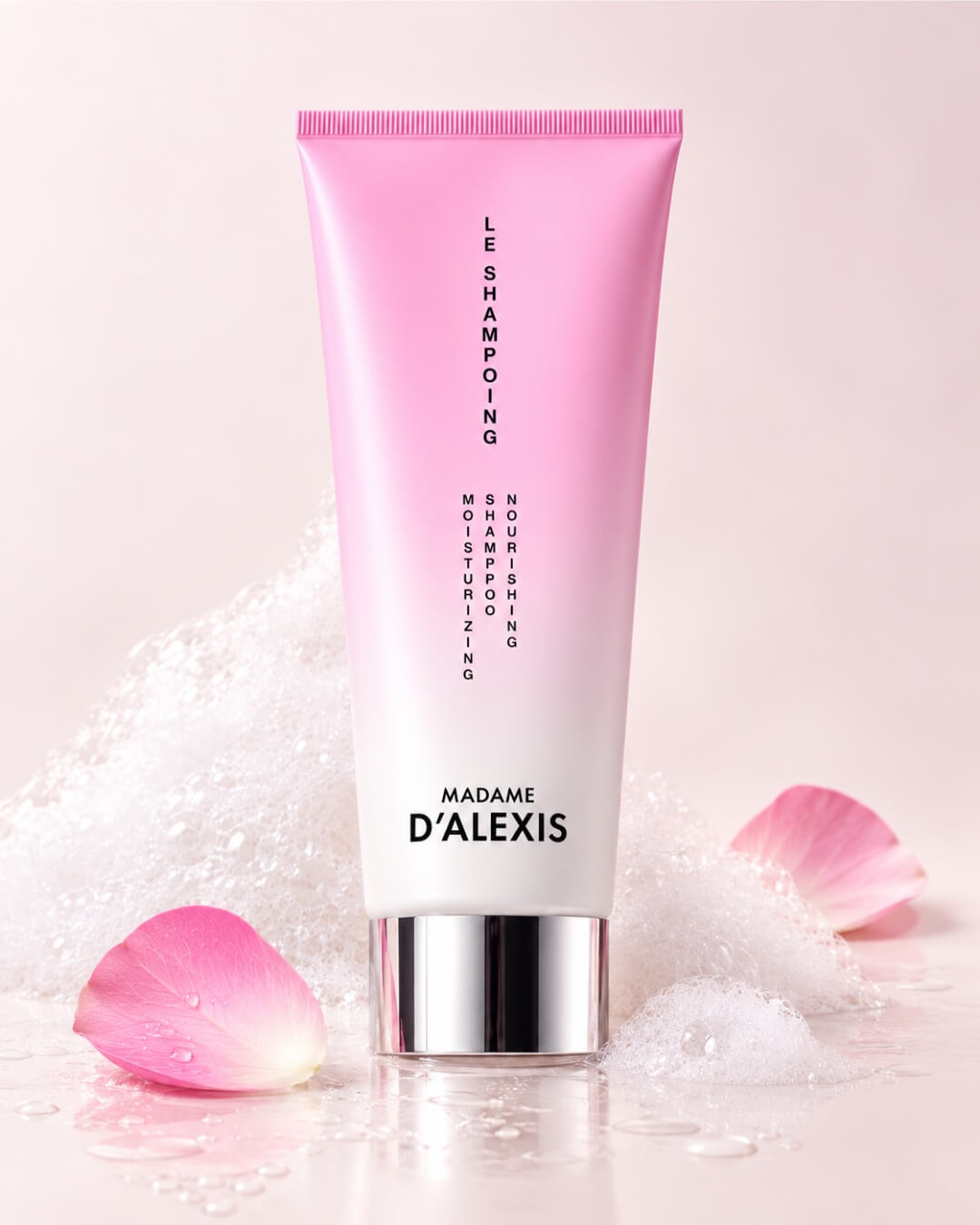
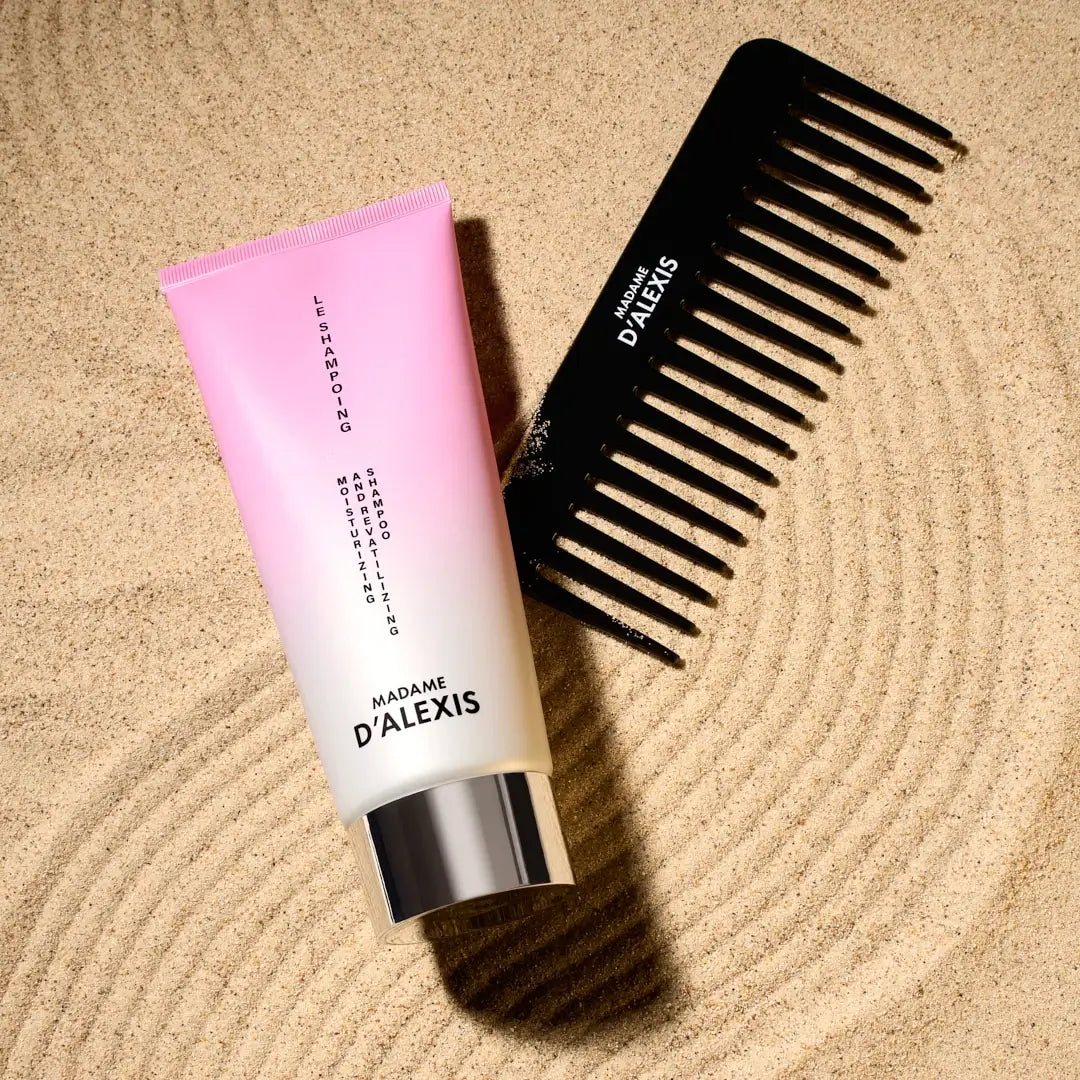
The Shampoo
- Cationic hyaluronic acid
- Plant keratin
- Free of SLS, SLES, and silicones
The Scrub
- Cationic hyaluronic acid
- Organic coconut oil
- Every 10 to 15 days
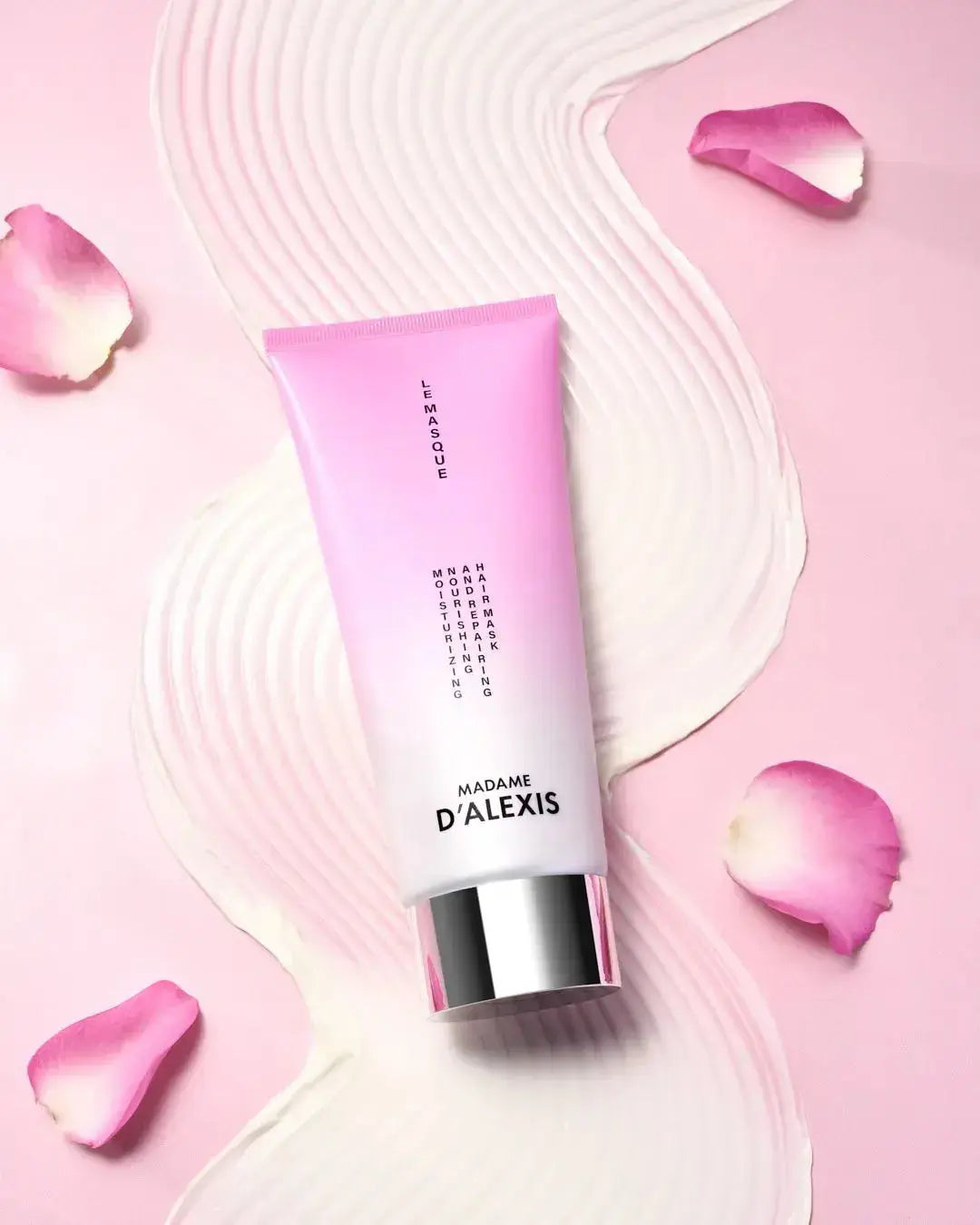
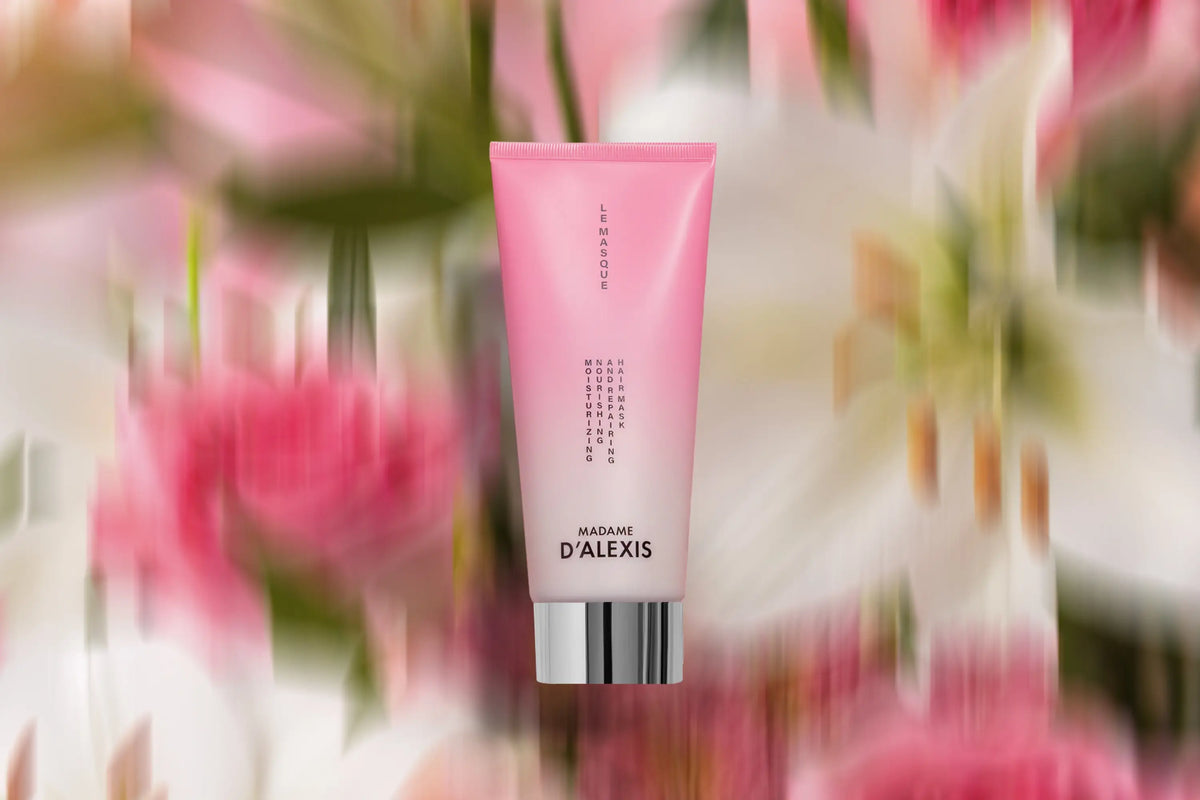
The Mask
- Plant ceramides
- Organic jojoba and apricot oil
- Lengths and ends only
5 Routines to Moisturize Your Scalp Based on Your Needs
The proper technique depends on the scalp. The goal is not to stick to a fixed frequency, but to adapt your actions to the scalp’s response.
Routine 1: Dry Scalp
Gentle cleansing
Use the shampoo when your roots need it, with lukewarm water and a very gentle massage.
Targeted Root Care
Apply the Night Serum in the evening, section by section, using a small amount. Cationic hyaluronic acid helps hydrate the scalp.
Treat the lengths separately
The mask should be applied only to the mid-lengths and ends of the hair for 5 to 10 minutes. Do not apply it to the scalp to “provide extra moisture.”
Routine 2: Scalp with Dandruff
When dryness and dandruff go hand in hand, start with a simple routine: a gentle shampoo, a night serum (if well tolerated), and an occasional scrub—only if there’s a real buildup of residue or sebum. Our guide to natural anti-dandruff shampoo and the microbiome explains this approach in detail.
Routine 3: Normal Scalp
Don't try to fix what's already working. A gentle shampoo when needed is often enough. You can incorporate the Night Serum from time to time if you're looking for extra comfort or a routine that targets the roots.
Routine 4: Oily Scalp
An oily scalp doesn’t need to be stripped. Wash it when it becomes oily or uncomfortable. The Scrub can be helpful every 10 to 15 days if sebum and styling products build up at the roots. To understand why hair becomes oily again, check out our article on the causes of oily hair.
Routine 5: Sensitive or Irritated Scalp
Minimize the number of steps. Use a gentle shampoo, lukewarm water, and a light massage. Avoid scrubs, essential oils, and homemade remedies during a phase of active irritation. The Night Serum should be introduced gradually if your scalp is very sensitive.

How to Moisturize Your Scalp: Tips That Really Make a Difference
1. Clean without stripping
Washing should remove sebum, sweat, and residue without leaving the skin feeling tight. A gentle, SLS/SLES-free formula is better suited for a regular routine than a highly detergent-based shampoo. Also avoid very hot water, which can increase discomfort.
2. Don't confuse hydration with oil
Oil nourishes the skin and helps prevent water loss, but it does not provide moisture on its own. To hydrate the scalp, humectants such as hyaluronic acid or glycerin are more directly effective. Oils can complement your skincare routine if they are well tolerated.
3. Use the right product in the right place
The Night Serum is designed for the scalp and roots. The Mask is designed for the mid-lengths and ends. This distinction is essential: a rich mask applied to the roots can unnecessarily weigh down the scalp.
4. Massage for comfort, not to “work the product in” at all costs
A gentle massage can be pleasant and help distribute the product. There’s no need to rub vigorously or claim that a massage “multiplies the effectiveness” of a skincare product. Simply use your fingertips and avoid using your fingernails.
5. Exfoliate only when necessary
The scrub isn't meant for daily use. It's used as a "reset" every 10 to 15 days if your scalp feels clogged. At Madame d'Alexis, it replaces shampoo on that day. To learn more, see how to use a scalp scrub.
The Simplest Routine for Moisturizing Your Scalp
The Shampoo
Organic hydrosols, prebiotics, cationic hyaluronic acid, and plant-based keratin for gentle cleansing.
See "The Shampoo"The Night Serum
Organic hydrosols, probiotics, postbiotics, and cationic hyaluronic acid applied to the scalp and hair roots.
See the Night SerumThe Scrub
Fleur de sel, organic hydrosols, hyaluronic acid, and organic coconut oil, every 10 to 15 days.
See "The Scrub"How can you moisturize your hair without making the roots greasy?
The key is, above all, to separate the sections. The scalp and the hair strands have different needs.
Technique 1: Gentle Root Care
Just a few drops of Night Serum applied directly to the scalp are enough. Using more product does not make it more effective.
Technique 2: Mask on the lengths
Apply the mask from mid-lengths to the ends—never to the roots. Leave it on for 5 to 10 minutes, then rinse.
Technique 3: Wash as needed
Don't try to artificially space out your shampooing. Wash your hair when your roots are greasy or feel uncomfortable, using a gentle formula.
What mistakes should you avoid when moisturizing your scalp?
- Apply the Madame d’Alexis Mask to the scalp: it is intended for the mid-lengths and ends.
- Don't make a habit of using the scrub every week: save it for use every 10 to 15 days.
- Using a scrub and then shampoo on the same day: The scrub replaces shampoo in the MDA routine.
- Using pure essential oils or irritating mixtures on an already sensitive scalp.
- Assuming that all flaking is caused by dehydration: seborrheic dermatitis, psoriasis, and other causes require a different approach.
- Believing that a massage or cosmetic treatment can treat significant hair loss without a diagnosis.

See also: How to Care for Your Scalp
These articles directly expand on the topic without artificially broadening the scope.
Dryness, Itching, and Dandruff
FAQ - How to moisturize your scalp?
What are the signs of a dehydrated scalp?
Tightness, discomfort, and small flakes may indicate a dry or dehydrated scalp. However, these signs are not specific: if the symptoms persist or are accompanied by significant redness, a medical evaluation may be helpful.
What oil should you use to moisturize your scalp?
An oil is not a substitute for a moisturizing ingredient: it nourishes and can help reduce water loss. Jojoba is often appreciated for its light texture. On oily or sensitive scalps, use only a small amount and check for any adverse reactions.
Can Alexis' Madame Mask be applied to the scalp?
No. The Mask is designed for the mid-lengths and ends of the hair. It combines organic hydrosols, plant-based ceramides, cationic hyaluronic acid, organic jojoba oil, and apricot oil.
How do I use the Night Serum?
Apply a few drops in the evening directly to the scalp and roots, section by section, without rinsing. It is not intended for use as an oil on the lengths of the hair.
How often should I use Le Scrub?
Every 10 to 15 days if the scalp is clogged with sebum or residue. It replaces shampoo on the day it is used. Avoid using it during a period of active irritation.
Should you space out your shampooing to moisturize your scalp?
Not necessarily. How often you wash your hair should depend on your scalp’s oiliness and your comfort level. An oily scalp may need to be washed more often than a dry one. The most important thing is to choose a shampoo that’s gentle enough.
When should you see a doctor?
If you experience patches, scabs, oozing, pain, intense itching, persistent irritation, or unusual hair loss, consult a dermatologist rather than trying multiple home remedies.