Conseils
Combination hair: why your roots are oily and your ends are dry, and how to rebalance
Combination hair: why does your scalp get oily quickly while your ends dry out? Causes, diagnosis, and a 3-step natural rebalancing routine.

Combination hair: understand the imbalance and find a truly tailored routine
Combination hair combines two opposing needs: a scalp that produces too much sebum and ends that lack hydration. The right strategy is not to wash more vigorously, but to target each area with the right technique.
In summary: combination hair means roots that get oily again quickly, sometimes within 24 to 48 hours, and dry, dull, or brittle ends. The reflex to avoid: stripping the scalp, as this fuels the sebum rebound effect.
The solution lies in a simple routine: a gentle sulfate-free shampoo on the roots, an occasional scrub to purify the scalp, then a light treatment on the lengths and ends.
Realistic goal: achieve more stable roots and more supple ends in 4 to 8 weeks, with a regular and better-targeted routine.
Golden rule: everything that cleanses goes on the roots, everything that nourishes goes on the lengths.
Combination hair: definition and sebum mechanism
Combination hair is not just “a little oily.” It is a very specific hair type: the roots get oily again quickly, while the ends are dry, dull, and sometimes brittle or split.
This imbalance results from a specific biological mechanism. The goal is to restore balanced hair by acting on both fronts simultaneously: the scalp and the lengths.
Why sebaceous glands overproduce at the roots
Each hair follicle is associated with a sebaceous gland, located in the scalp’s dermis. These glands produce sebum, a lipid mixture that naturally lubricates the hair fiber and protects the skin barrier.
- Hormonal fluctuations can stimulate sebum secretion, particularly during puberty, certain phases of the cycle, pregnancy, or menopause.
- Overly stripping shampoos trigger a rebound effect: by removing too much sebum, they prompt the scalp to produce more.
- Chronic stress can influence the sebaceous glands. To learn more about this link, also read our article on stress, cortisol, and hair.
- Heat, an overly hot hairdryer, scalding water, a hat, or a hot environment can increase sebum secretion at the roots.
Why the ends dry out at the same time
The ends are the oldest part of the hair. They have undergone months, sometimes years, of exposure to UV rays, heat from styling tools, friction, and repeated coloring.
The result: the cuticle scales open, the fiber retains less water, and the lengths lose their softness. To limit this deterioration, heat protection for hair becomes essential whenever heat tools are used.
Curly and wavy hair: the special case of sebum distribution
On curly and wavy hair, the imbalance is often more pronounced, because sebum does not easily travel down a spiral fiber. The roots become weighed down, while the ends remain dry.
It is not just a problem of overproduction, but also of sebum distribution. A soft brush with natural bristles can help, provided it does not overstimulate the scalp.
The best treatments for combination hair
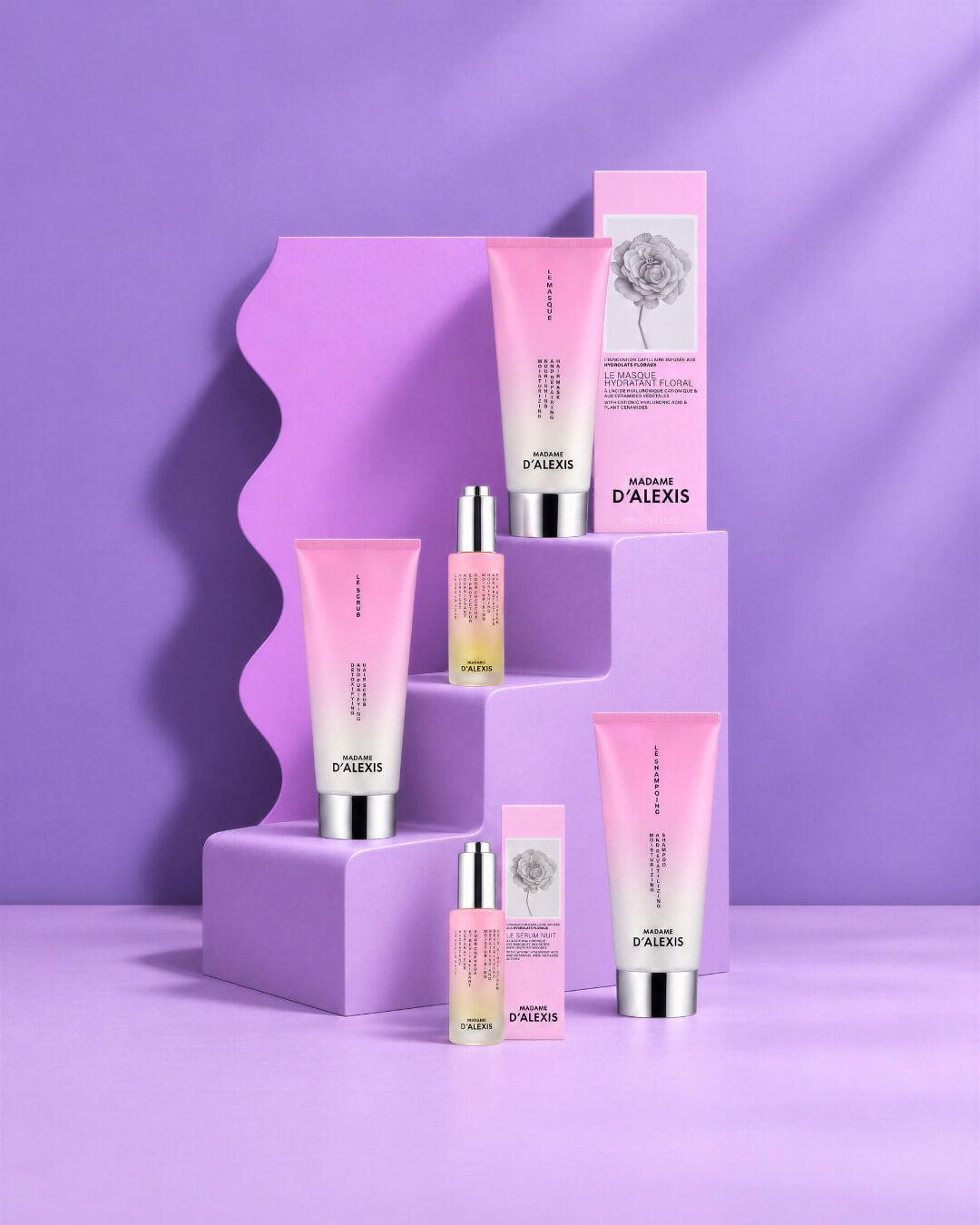
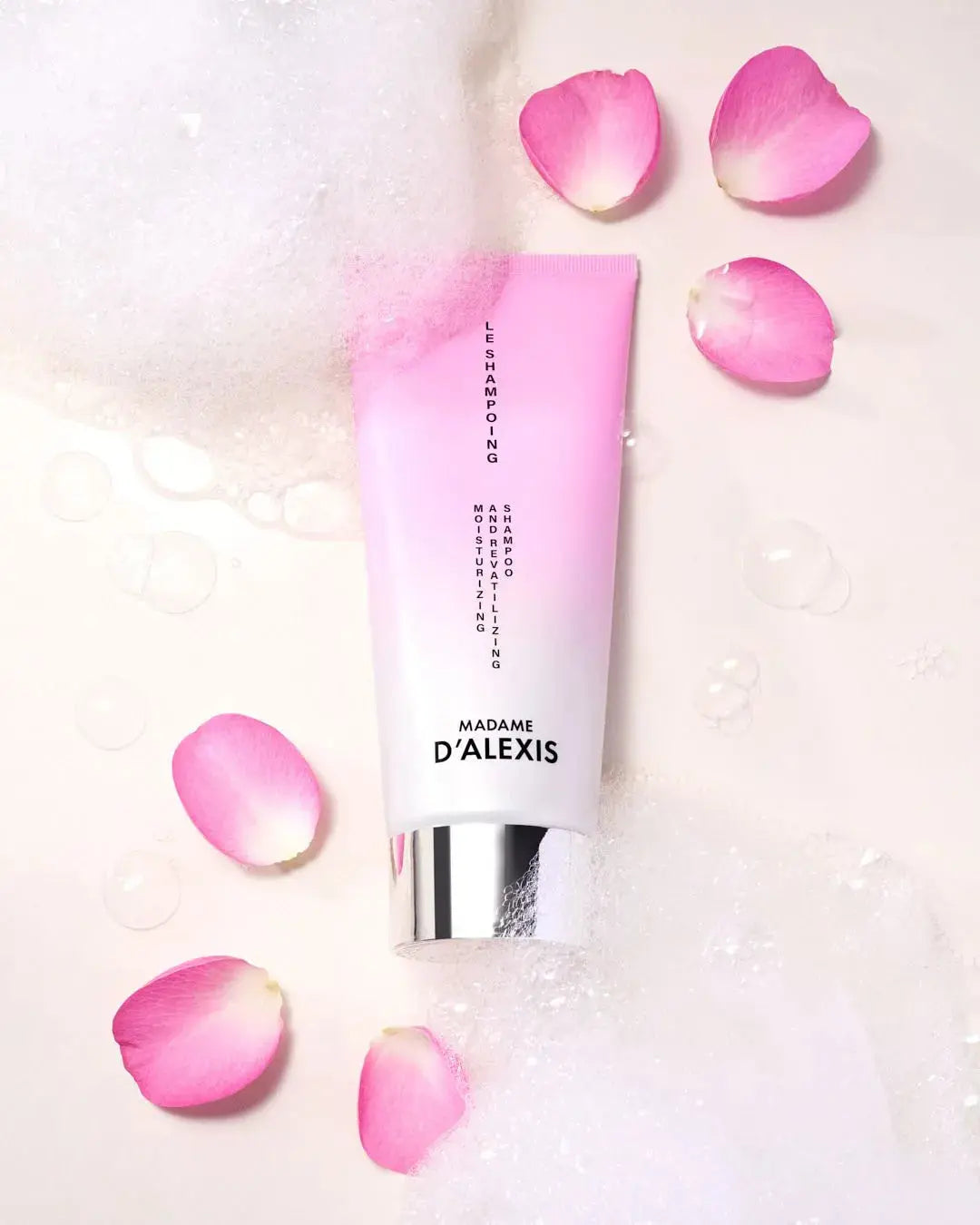
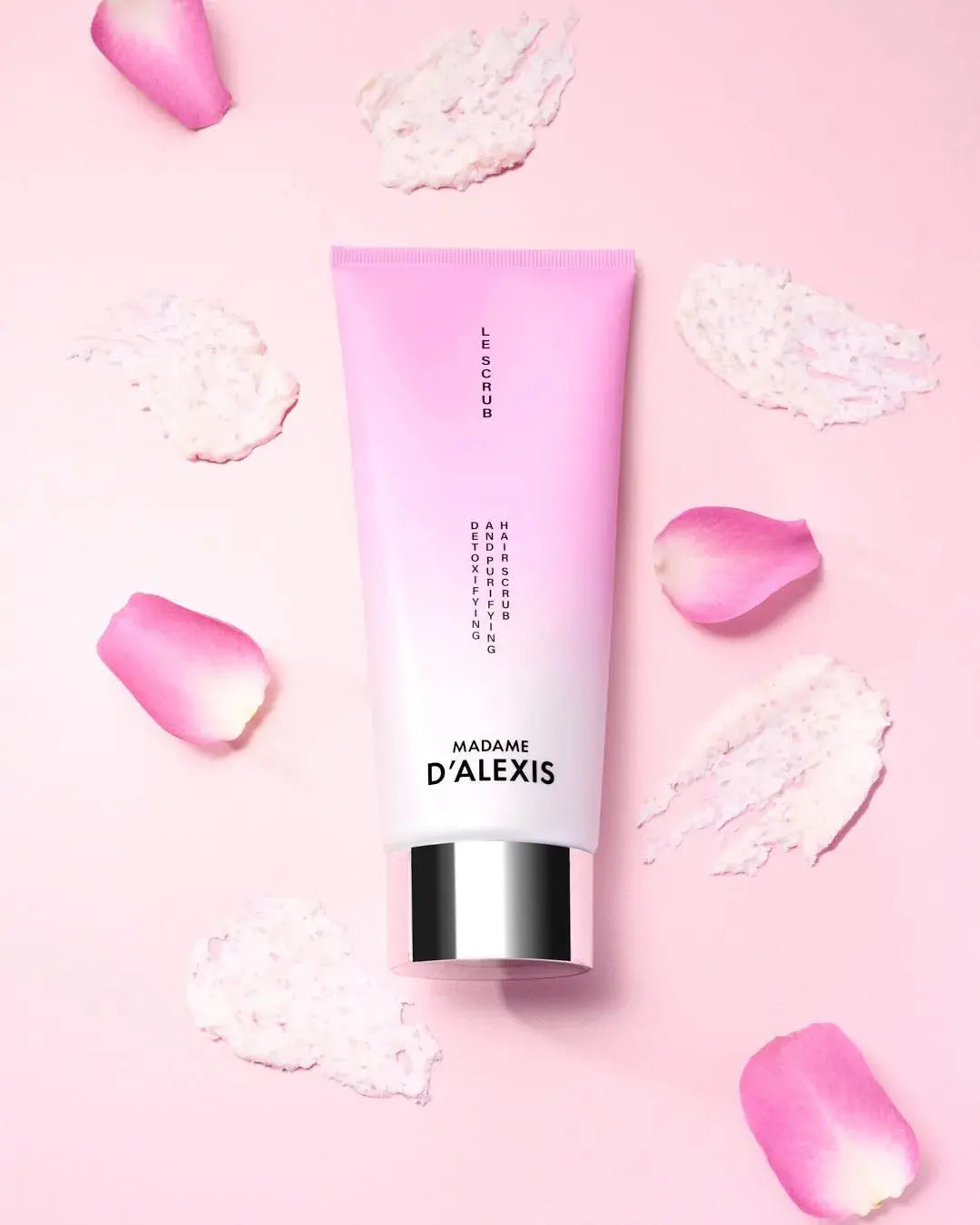
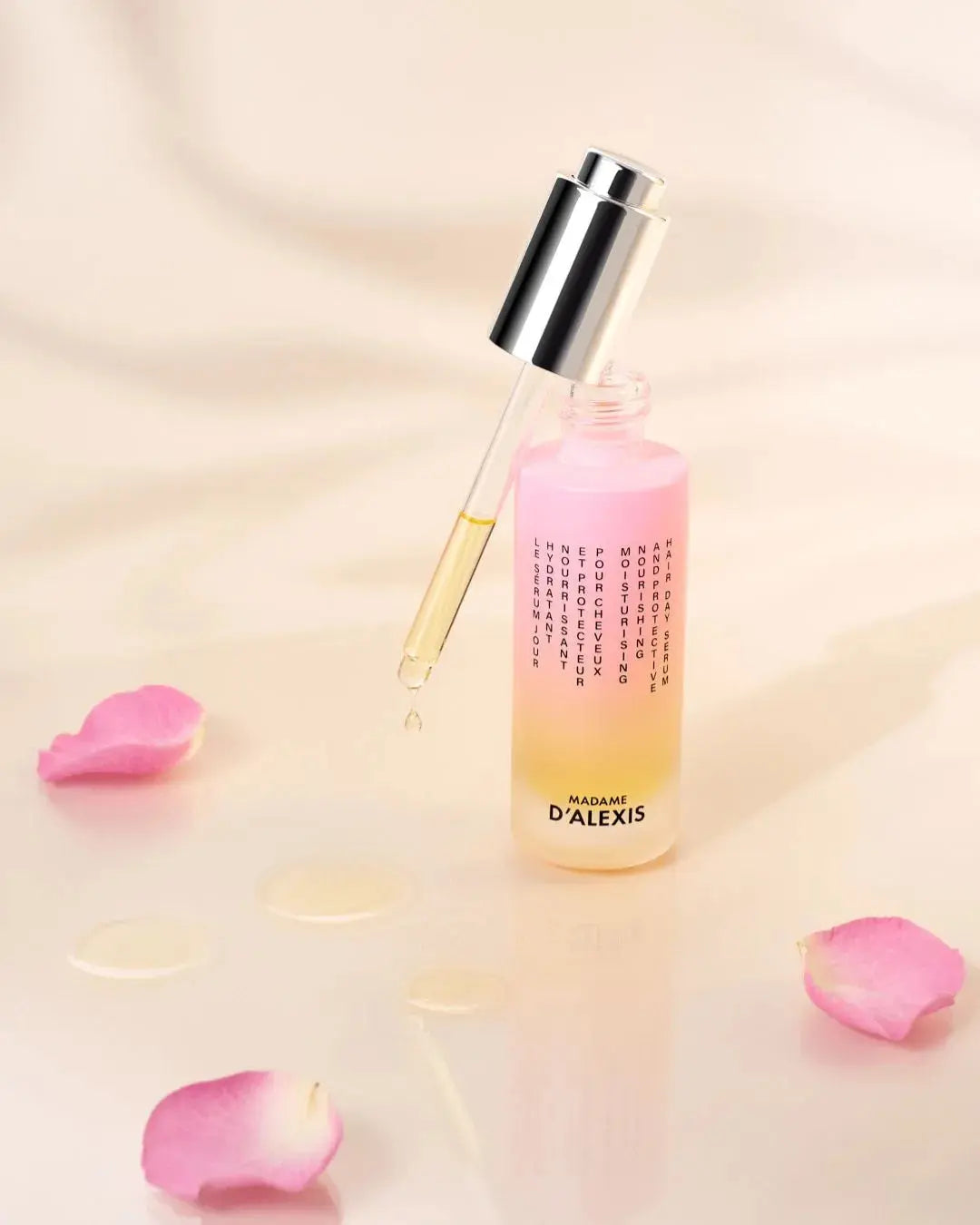
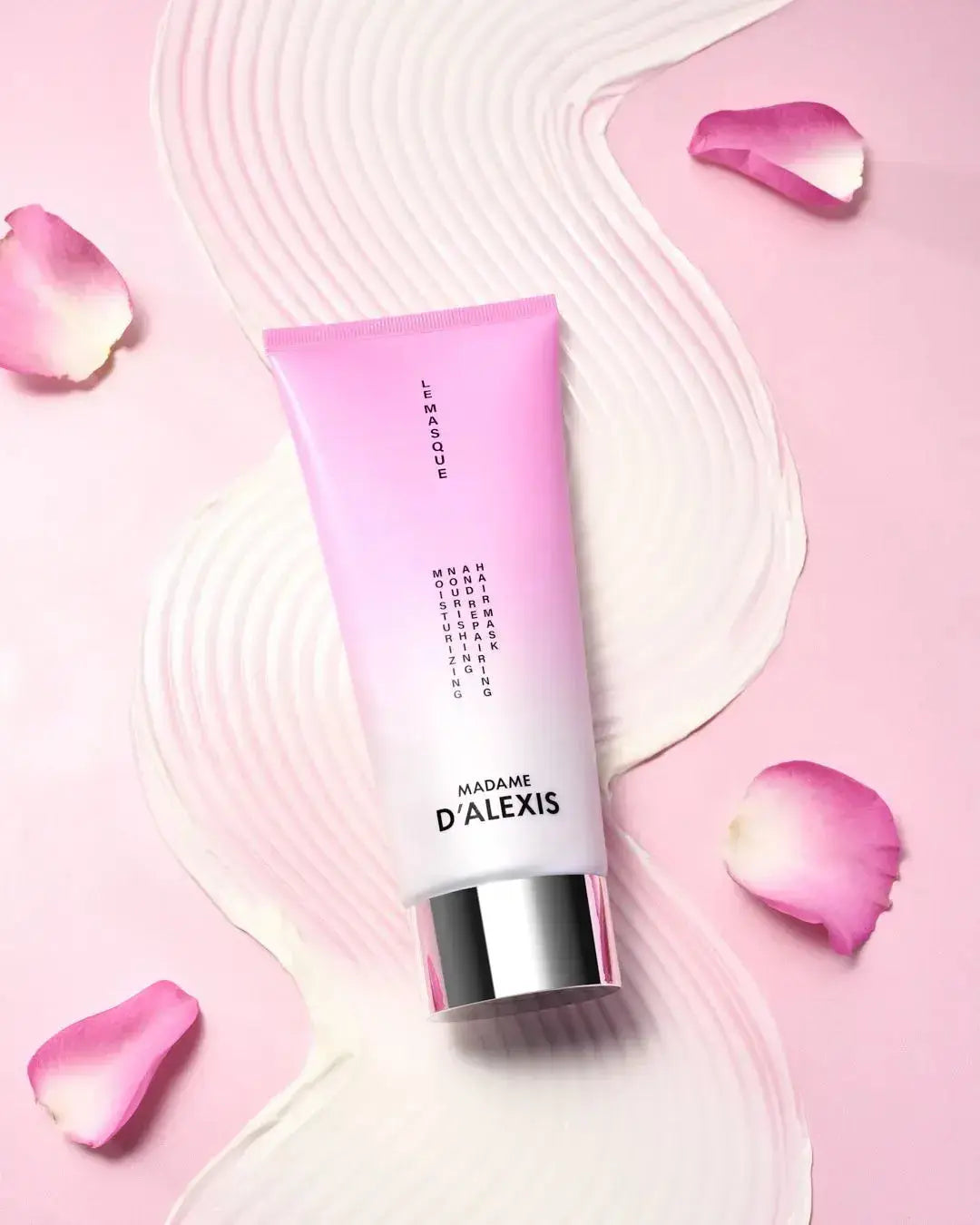
Commercially and technically, the most consistent routine combines four treatments: the Shampoo for the roots, the Scrub for a scalp reset, the Day Serum for the ends, and the Mask for sensitized lengths.
The 5 mistakes that worsen combination hair
Overly aggressive shampoo
When faced with oily roots, the reflex is often to use a “purifying” shampoo loaded with sulfates. However, by removing too much sebum, it can trigger overcompensation.
Mask on the roots
A nourishing mask is useful on the ends, but it should never be applied to the scalp. The rule: mid-lengths and ends only.
Insufficient rinsing
Shampoo or treatment residue quickly creates the impression of oily roots. Rinse longer than you think is necessary.
Excessive brushing
Over-brushing mechanically stimulates the roots. Once or twice a day is enough, with a soft brush or a suitable comb.
Diagnosis: distinguishing combination hair from other profiles
Before adapting your routine, check that you actually have combination hair, and not a normal or uniformly oily profile.
| Criterion | Normal hair | Uniformly oily hair | Combination hair |
|---|---|---|---|
| Roots after 48 h | Slightly oily | Very oily | Very oily |
| Ends after 48 h | Supple | Oily or weighed down | Dry, dull |
| Washing frequency | Every 2 to 3 days | Every day | Every 1 to 2 days at first |
| Reaction to a rich mask | Neutral | Weighs down | Weighs down the roots, helps the ends |
| Curly or wavy hair | Variable | Variable | Very common |
For uniformly oily hair, read our article on the causes of oily hair. For the oily roots and dry ends profile, our guide oily roots dry ends routine details the daily steps, product by product.
Transition period: why hair seems oilier at first
This is the moment when many give up. You change your shampoo, you adopt a gentler routine, and your roots seem even oilier than before. This is normal: the scalp needs to recalibrate its production.
Weeks 1 to 2
The roots may seem heavier. Resist the urge to go back to your old products or wash more often.
Weeks 3 to 4
The sebaceous glands begin to reduce their production. This is also the right time to incorporate an oily hair exfoliating shampoo or a gentle scrub if the roots are congested.
Beyond 4 weeks
Most people notice a real difference: more stable roots, ends that are more receptive to treatments, and a routine that is easier to maintain.
To master exfoliation properly, also read our article on how to use an exfoliating shampoo.
3-step rebalancing routine for combination hair
An effective routine for combination hair is not a complicated routine. It is a targeted routine: each product has a specific application area.
Step 1: gentle sulfate-free cleansing, roots only
Apply the shampoo only to the scalp and roots. Massage gently with the pads of your fingers for two to three minutes, then rinse. The water running over the lengths is enough to clean them without stripping them.
The Madame d'Alexis sulfate-free combination hair shampoo is formulated with active organic hydrosols: Damask rose, matricaria chamomilla, and orange blossom. To understand the benefit of this choice, discover the benefits of sulfate-free shampoo.
Step 2: scalp reset every 10 to 15 days
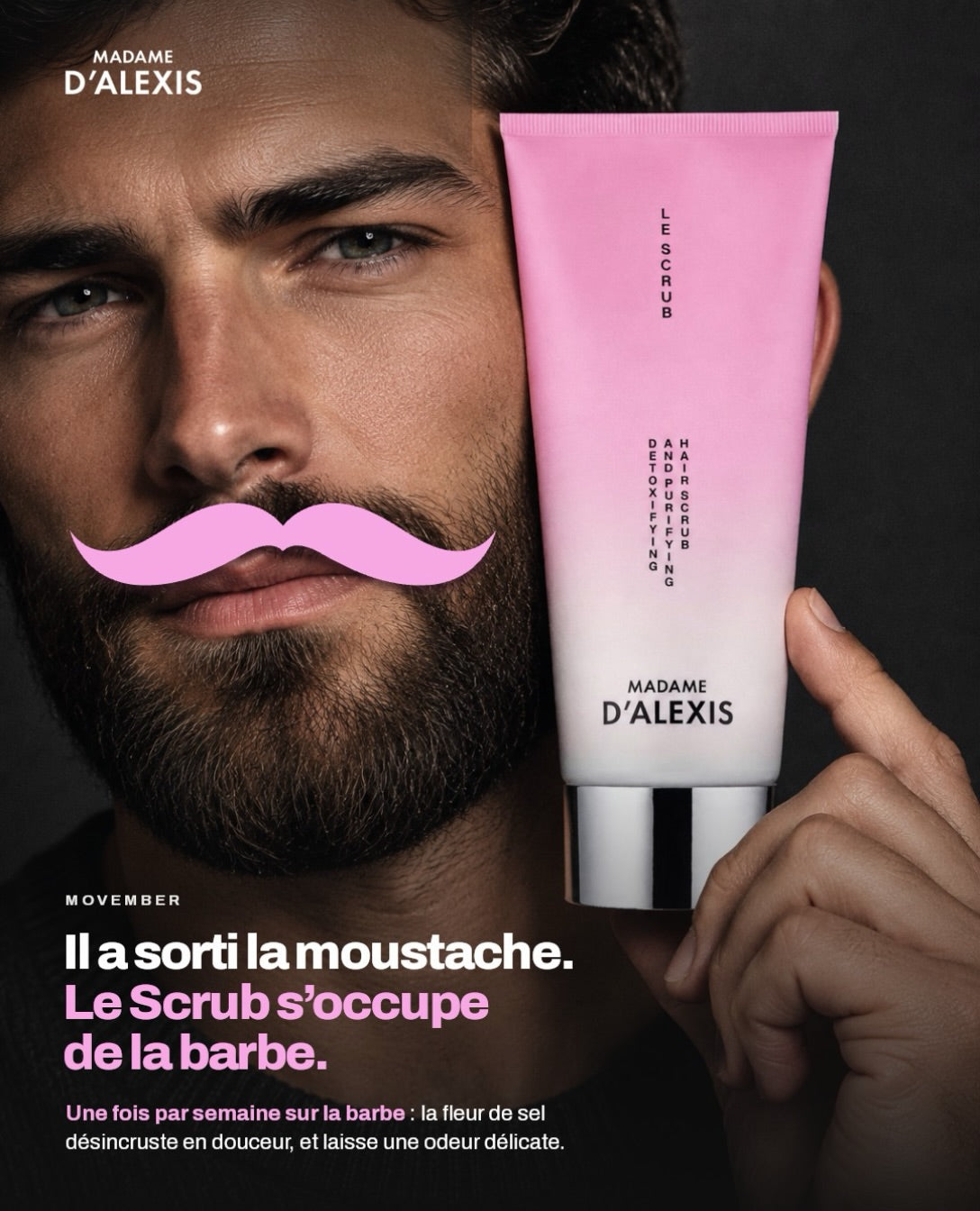
The Scrub helps remove product residue, dead cells, and excess oxidized sebum that can weigh down the roots. Use it on that day instead of shampoo, then rinse thoroughly.
The balancing scalp scrub combines sea salt, organic hydrosols, and cationic hyaluronic acid. To learn more, consult our guide on the hair routine with an exfoliant.
Step 3: light hydration on the ends
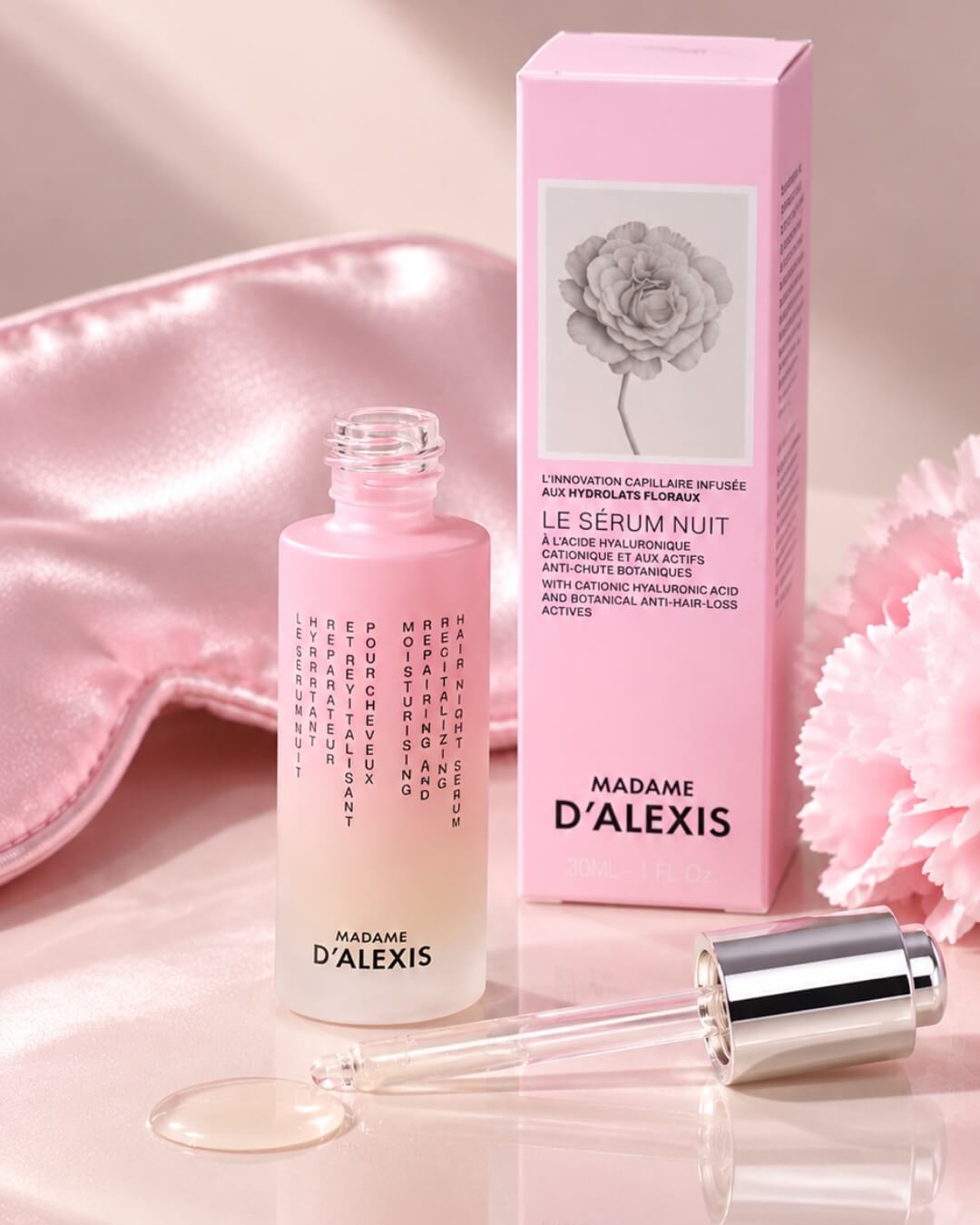
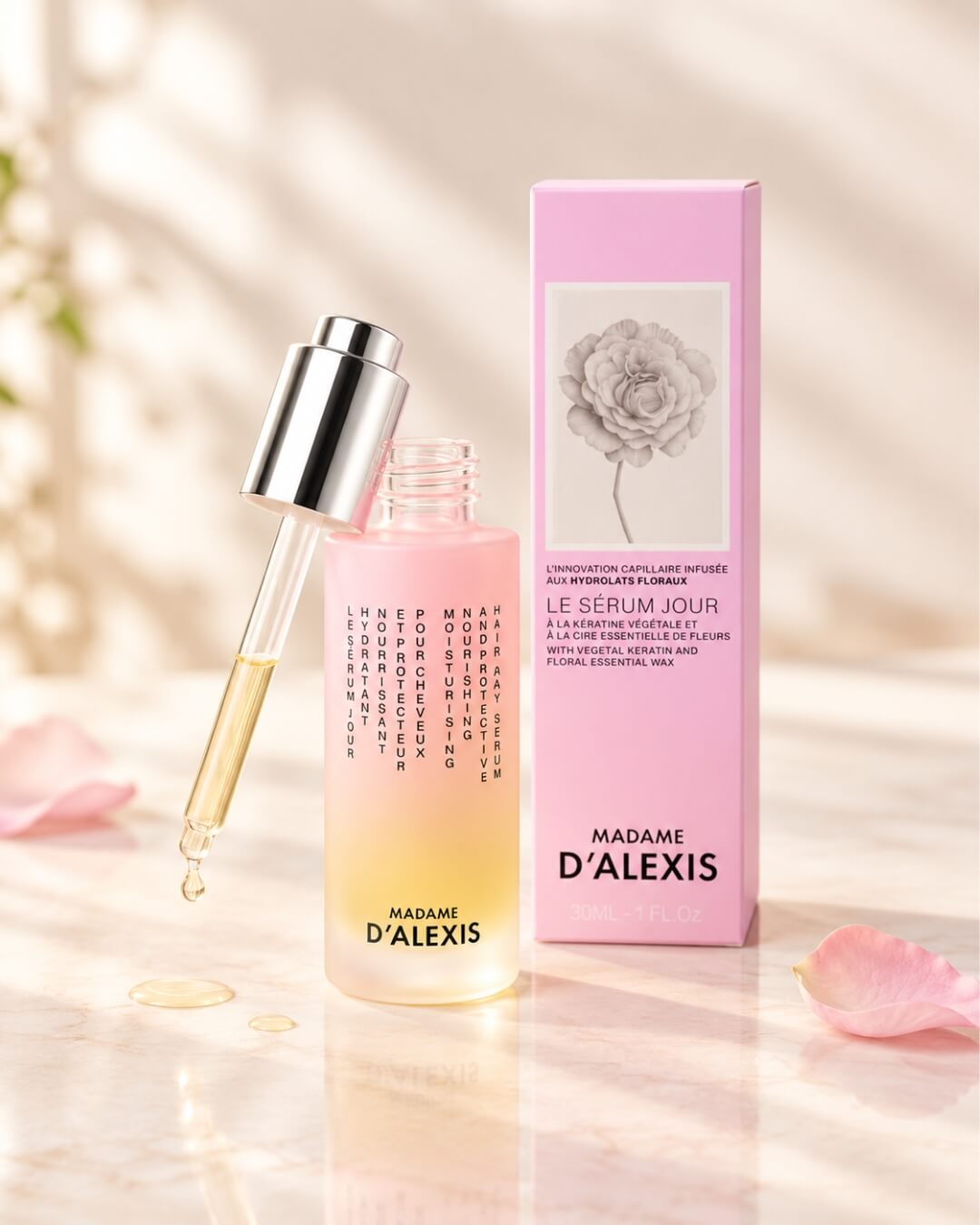
The ends need water and lipids, but in light textures. The leave-in hydrating serum is applied to dry or slightly damp lengths, never on the roots.
You can also apply a hydrating mask to the ends once a week, especially if they are very sensitized. For a complete routine, also consult our guide oily roots dry ends routine.
Key ingredients table: regulate the roots vs hydrate the ends
| Need | Ingredients to favor | Ingredients to avoid |
|---|---|---|
| Regulate the roots | Chamomile hydrosol, prebiotics, white clay, gentle purifying actives | Heavy silicones, mineral oils, thick butters on the scalp |
| Hydrate the ends | Cationic hyaluronic acid, ceramides, plant-based keratin, jojoba oil | Denatured alcohols, sulfates, aggressive surfactants |
| Balance both | Active organic hydrosols, prebiotics, targeted routine by area | Synthetic fragrances, colorants, irritating preservatives |
Madame d'Alexis routine for combination hair
A compact selection to structure the ritual: wash the roots, purify the scalp, then protect the ends.
FAQ: Combination Hair, Our Answers to Your Questions
How often should combination hair be washed?
Ideally every 2 to 3 days, with a gentle sulfate-free shampoo. Washing every day often maintains the sebaceous rebound effect.
Can a mask be used on combination hair?
Yes, but only from mid-length to the ends. Never on the scalp or roots, to avoid weighing the hair down.
Combination and colored hair: how to adapt the routine?
Coloring weakens the hair fiber, so dry ends require more care. Opt for a sulfate-free shampoo and heat protection before using any heat styling tool.
How long before seeing results?
The first improvements often appear between 3 and 4 weeks. Complete stabilization can take 6 to 8 weeks.
Fine combination hair: which products to avoid?
Avoid thick masks, heavy oils, non-water-soluble silicones, and very rich conditioners. Fluid textures are more suitable.
Scalp scrub: compatible with sensitive combination hair?
Yes, provided you choose a gentle scrub and use it sparingly. For a sensitive scalp, applying it every 4 to 6 weeks may be enough. Our article on scalp and dandruff scrubs provides more information.
What treatments are suitable for combination hair?
A gentle shampoo for the roots, an occasional detox treatment for the scalp, then a light moisturizing treatment on the ends. Jojoba oil can be beneficial on the lengths, but not on oily roots.
How to treat oily roots?
Replace harsh clarifying shampoo with a gentle sulfate-free shampoo, reduce heat, gradually space out washes, and use a gentle scrub occasionally.
How to avoid excess sebum?
Wash with lukewarm water, rinse thoroughly, avoid harsh formulas, manage stress, and use a soft brush without excessively stimulating the scalp.