Conseils
Hair protein treatment: the complete guide to choosing and using a natural protein mask
Everything you need to know about protein hair care: mechanism, signs of deficiency, plant-based vs. animal-based keratin, application protocol, and how to read an INCI label.

Hair protein treatment: how to choose a natural mask without stiffening the hair fiber
A protein treatment helps damaged and brittle hair regain a smoother, more coated, and more resistant appearance. But balance is essential: too many proteins can make the hair fiber rough. This is why a well-formulated, moisturizing, and lipid-rich keratin mask becomes essential for keeping lengths supple and luminous.
- A hair protein treatment provides hydrolyzed proteins, such as plant-based keratin or wheat, soy, or rice proteins, to help strengthen the appearance of the cuticle.
- A protein mask differs from a moisturizing mask: it focuses more on structure, while a moisturizing and nourishing mask provides suppleness, comfort, and slip.
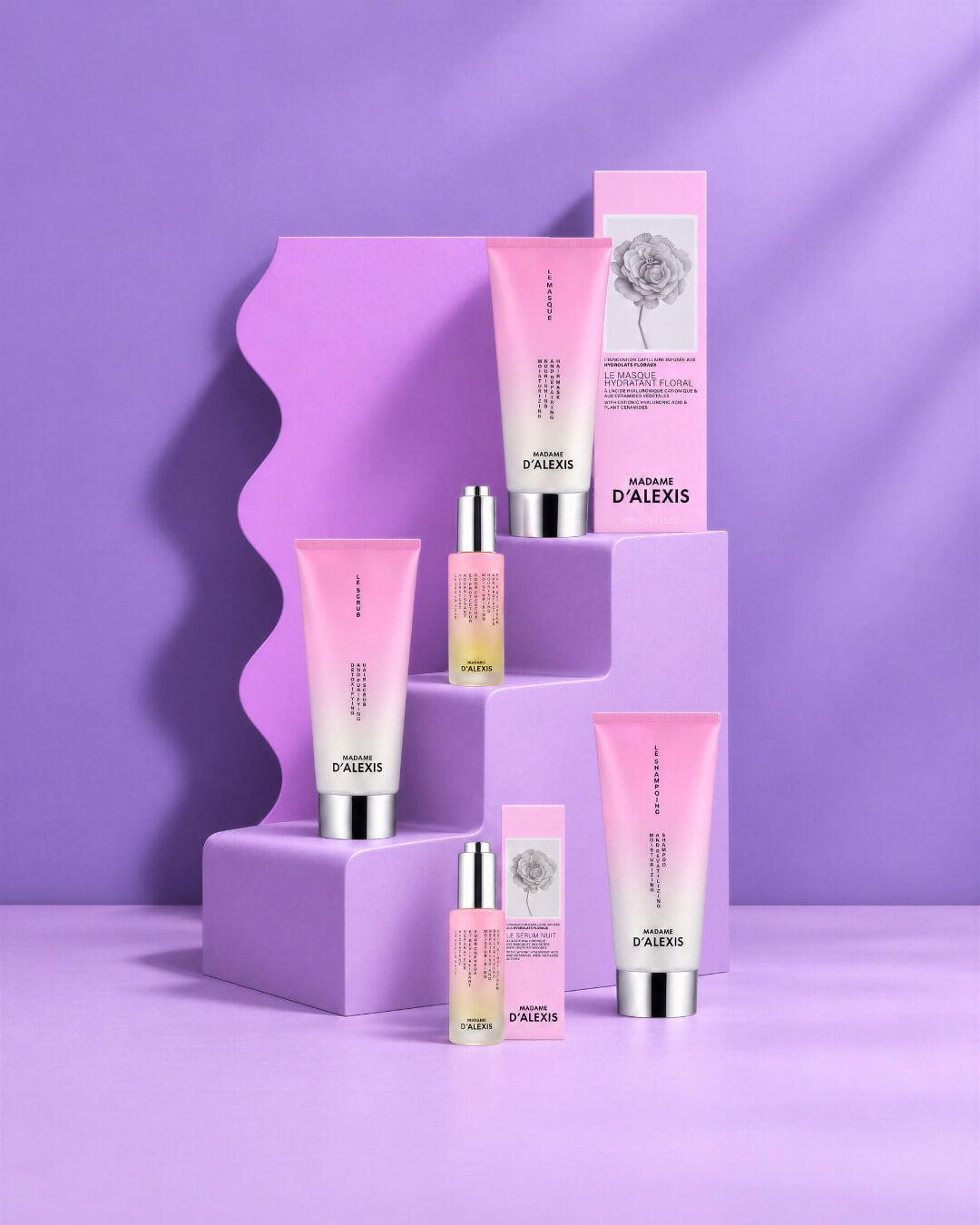
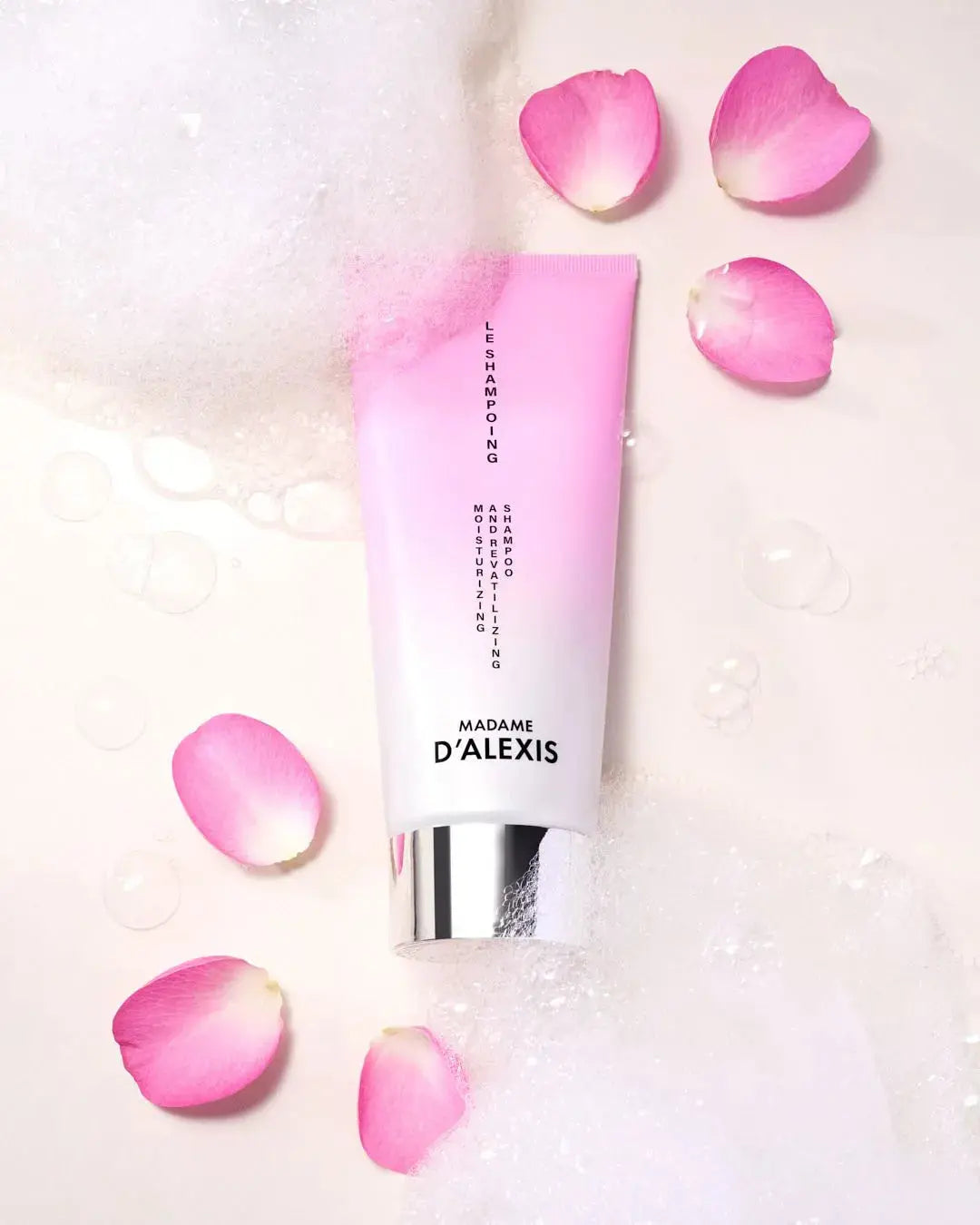
- The Madame d’Alexis product containing plant-based keratin is Le Shampoing: it provides the protein component, with a gentle sulfate-free cleansing base.
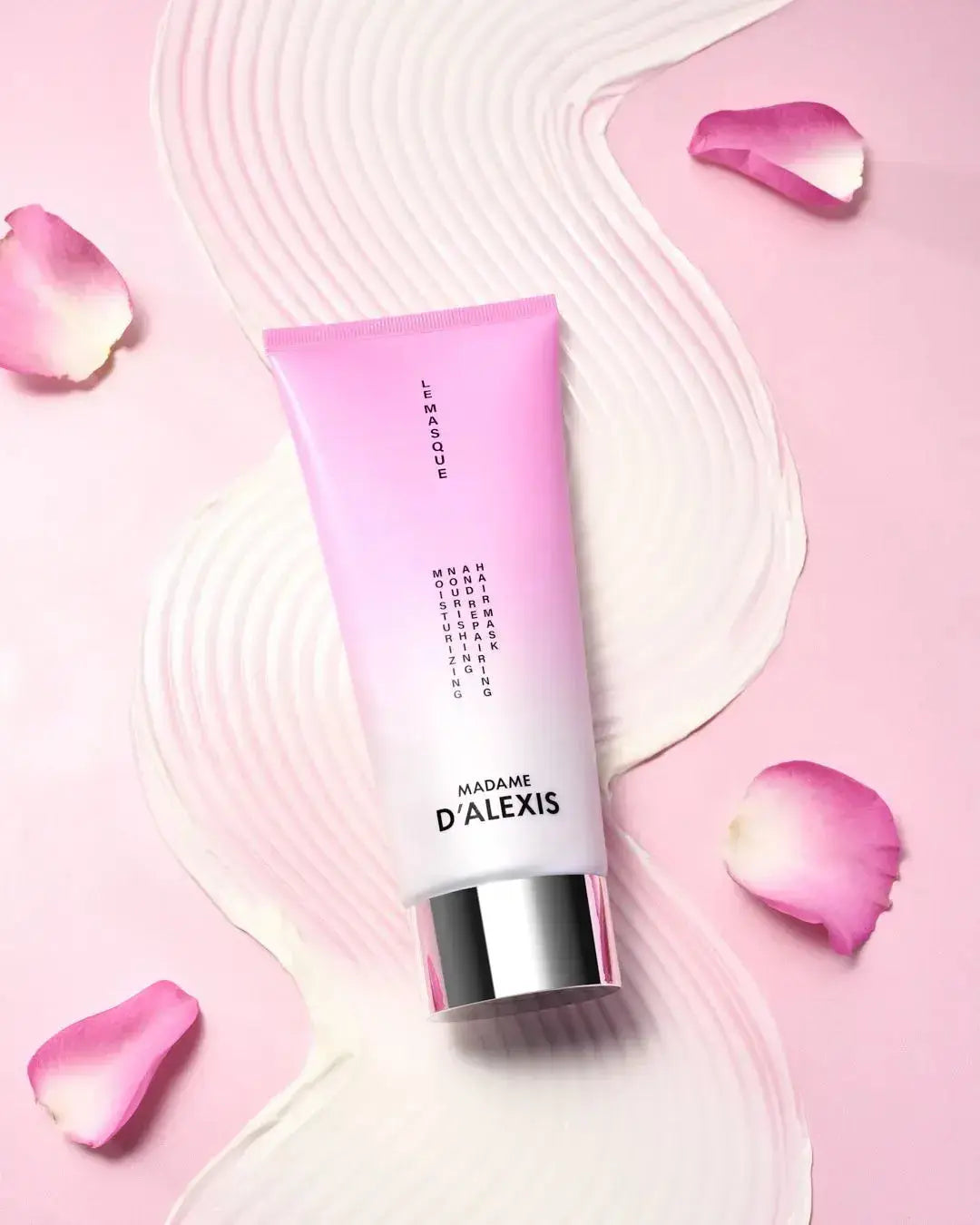
- The Madame d’Alexis Mask does not contain keratin. It perfectly complements Le Shampoing thanks to organic floral waters, plant-based ceramides, hyaluronic acid, and organic jojoba and apricot oils.
- For dry, porous, colored, or frizzy hair, the strategic combo is therefore: Shampoing with plant-based keratin to cleanse and coat, then the Mask to soften, nourish, and provide a smooth finish.
- The Madame d’Alexis Mask is applied to the lengths and ends only, left on for 5 to 10 minutes, then thoroughly rinsed.
The recommended Madame d’Alexis duo: Shampoing with plant-based keratin + Moisturizing Mask
Yes, this is the most coherent duo for this article: Le Shampoing provides plant-based keratin in a gentle cleansing base, then Le Masque takes over to keep the lengths supple, shiny, and easy to style. This avoids selling Le Masque as a protein mask, while placing it at the right time in the routine.
Step 1 - Shampoing with plant-based keratin
Madame d’Alexis Shampoing is the product in the range that addresses the “protein” topic: it contains plant-based keratin, combined with organic floral waters, cationic hyaluronic acid, and prebiotics. It cleanses without harsh sulfates and prepares the hair fiber before the mask.
Step 2 - The Mask to restore suppleness and softness
After the Shampoing with plant-based keratin, Le Masque provides the balance that sensitized hair needs: a rich, sensory texture, formulated with organic floral waters, plant-based ceramides, cationic hyaluronic acid, organic jojoba oil, and apricot oil. It does not contain keratin, and that is precisely what makes it an interesting complement: it softens, nourishes, and enhances the feel.
Shampoing with plant-based keratin
- The protein component of the routine
- Cleanses without harsh sulfates
- Prepares the lengths before the mask
Moisturizing mask after keratin
- Lengths and ends only
- Softens after the protein component
- Smooth, shiny, silicone-free finish
In video: 3 ways to use Le Masque Madame d’Alexis
These short formats allow you to show the technique, texture, and application time. They are placed here to support conversion, at the moment when the reader understands why Le Masque intelligently complements the Shampoing with plant-based keratin.
3 ways to use Le Masque
How to use Le Masque
Hair protein treatment: what exactly is it?
The hair fiber is mostly made of keratin, a protein that contributes to the resistance and surface appearance of the hair. The cuticle, the outer layer of the fiber, can lift or crack due to heat, bleaching, friction, UV rays, or pollution. The hair then becomes porous, rough, and brittle.
A protein treatment provides hydrolyzed proteins, meaning they are broken down into small peptides or amino acids. They adsorb to the surface of the cuticle and help improve the feel, slip, and resistance of the fiber.
Surface action
Hydrolyzed proteins help smooth damaged areas and reduce friction.
Porous hair
Lengths that quickly absorb water and dry very quickly may need a balance of protein and hydration.
Risk of overload
Too many proteins stiffen the fiber. This is where a moisturizing and lipid-rich mask becomes essential.
To complete the diagnosis, consult the guides on brittle hair and porous hair.
Why your hair needs protein, and when it has too much
Hair protein deficiency often manifests as easy breakage, limp lengths, loss of bounce, or high porosity. The elasticity test can help: wet hair that breaks cleanly without stretching may lack structure. Hair that stretches excessively without returning may lack protein, but also overall balance.
Conversely, a routine too rich in proteins can produce the opposite effect: hard, dry-to-the-touch hair that breaks rigidly and is less supple. The goal is therefore not to always add more keratin, but to alternate intelligently.
The right approach: after an occasional protein treatment, use a moisturizing and nourishing mask to make the fiber more supple. This is precisely the strategic role of the Madame d’Alexis Mask.
Plant-based keratin, ceramides, and hydration: three different roles
Plant-based keratin and hydrolyzed proteins help strengthen the appearance of the fiber. Plant-based ceramides, on the other hand, help support the lipid barrier and surface cohesion. Hyaluronic acid and floral waters provide a more supple moisturizing dimension.
| Active ingredient | Main role | When to look for it? | In Le Masque Madame d’Alexis? |
|---|---|---|---|
| Hydrolyzed proteins / plant-based keratin | Surface cosmetic reinforcement. | Brittle, porous, chemically sensitized hair. | No, Le Masque is not a keratin treatment. |
| Plant-based ceramides | Lipid support, smoother cuticle, softness. | Dry, frizzy, sensitized hair. | Yes. |
| Cationic hyaluronic acid | Hydration and affinity with the fiber. | Rough, dull, dehydrated hair. | Yes. |
| Organic floral waters | Active and sensory plant-based base. | Premium routine, sensitive scalp and fiber. | Yes. |
To understand the role of plant-based ceramides for hair, their action perfectly complements a routine that alternates structure and suppleness.
Protein treatment vs moisturizing mask: which one to choose?
A protein mask does not have the same mission as a moisturizing mask. The mistake is to oppose them. In reality, they meet two complementary needs: structure on one hand, suppleness on the other.
| Criterion | Protein treatment | Moisturizing / nourishing mask |
|---|---|---|
| Main action | Improves the appearance of structure and resistance. | Provides suppleness, slip, comfort, and shine. |
| Key active ingredients | Plant-based keratin, hydrolyzed wheat, soy, or rice proteins. | Hyaluronic acid, ceramides, fine oils, floral waters. |
| Ideal for | Brittle, porous, over-treated hair. | Dry, dull, frizzy, dehydrated hair. |
| Frequency | Occasional, depending on the state of the fiber. | Regular, 1 to 2 times a week as needed. |
| Mistake to avoid | Over-protein and stiffen the fiber. | Apply to the roots or rinse poorly. |
For dry hair that does not show an obvious protein deficiency, a nourishing and moisturizing mask for dry hair will often be more relevant on a daily basis than a repeated protein treatment.
Why the Shampoing + Mask combo is more credible than a single “protein mask”
Commercially and editorially, the duo is stronger: it tells a complete routine and avoids a false claim about Le Masque. Le Shampoing carries the plant-based keratin promise. Le Masque carries the promise of sensory experience, ceramides, hydration, and softness. Together, they meet the real need of damaged hair: strengthen without stiffening, soften without weighing down.
| Step | Product | Key message | Why it is strategic |
|---|---|---|---|
| 1 | Le Shampoing | Plant-based keratin, organic floral waters, hyaluronic acid, prebiotics. | It provides the natural link with the “hair protein treatment” query. |
| 2 | Le Masque | Plant-based ceramides, hyaluronic acid, organic jojoba and apricot oils. | It makes you want to buy by showing the desired result: suppleness, softness, shine. |
How to use a mask after a protein treatment: simple protocol
The right protocol is not to do everything in excess, but to alternate steps. Damaged hair needs occasional reinforcement, then a real return to suppleness.
Assess the fiber
Brittle, porous, post-coloring, or post-bleaching hair: an occasional protein treatment can be useful. Simply dry hair: start with hydration instead.
Cleanse with Shampoing with plant-based keratin
Use Madame d’Alexis Shampoing as a gentle base: plant-based keratin for the protein component, organic floral waters, cationic hyaluronic acid, and prebiotics for a more complete approach to washing.
Soften with Le Masque
Apply Le Masque Madame d’Alexis to the lengths and ends only. It does not contain keratin: it complements the shampoo by providing hydration, ceramides, and fine lipids. Leave on for 5 to 10 minutes, then rinse thoroughly.
Observe the result
The fiber should appear softer, more disciplined, more luminous. If it becomes hard or dry, space out the proteins and return to hydration.
For straw-like or very rough hair, also read the straw hair, what to do guide to better target the protocol.
Natural protein mask: what to look for on the label
A high-performance natural protein mask should clearly state the hydrolyzed proteins used. Conversely, a moisturizing or nourishing mask can be excellent without containing keratin. Therefore, "formula quality" should not be confused with the "presence of proteins".
If you are looking for a real protein treatment
- Hydrolyzed Keratin, source to be verified.
- Hydrolyzed Wheat Protein, Soy Protein or Rice Protein.
- Occasional use, depending on the condition of the hair fiber.
If you are looking for the right balancing mask
- Plant ceramides to support the lipid barrier.
- Cationic hyaluronic acid for hydration.
- Organic hydrosols and fine oils for sensory experience and softness.
What to avoid
- Formulas with heavy silicones that create an illusion of softness.
- Too frequent protein treatments if the hair becomes hard or rough.
- Rich masks applied to the scalp.
- Promises of permanent repair: a cosmetic product improves appearance, feel, and manageability, without biologically reconstructing a dead hair.
Why Le Masque Madame d’Alexis is appealing in a repairing routine
Because it addresses the real problem of many sensitized hairs: not just "lacking proteins", but lacking softness, slip, and comfort after damage. It coats the lengths without weighing them down, with a clean, sensory, and premium formula.
Pleasurable texture
A short application time, 5 to 10 minutes, which transforms the treatment moment into a real ritual.
Soft finish
The lengths are easier to detangle, softer to the touch, and visually smoother.
Coherent formula
Ceramides, hyaluronic acid, organic jojoba, apricot, and organic hydrosols, without sulfates or silicones.
For curls and natural textures, the subject is even more important: keratin for curly hair must always remain compatible with the softness of the curl.
FAQ - Hair protein treatment and natural mask
What is a protein treatment for hair?
A hair protein treatment is a hair care product formulated with hydrolyzed proteins, such as plant-based keratin or wheat, soy, or rice proteins. It helps improve the appearance of structure, slip, and the cosmetic resistance of the fiber.
How do I know if my hair needs a protein mask?
Common signs are easy breakage, split ends, a limp fiber without bounce, or high porosity. If the hair is mainly dry and rough, it may also need hydration and lipids before proteins.
What is the difference between a protein mask and a moisturizing mask?
The protein mask targets the structure more through hydrolyzed proteins. The moisturizing and nourishing mask provides softness, slip, and comfort. Both are complementary, but do not meet the same need.
Is Le Masque Madame d’Alexis a protein mask?
No. Le Masque Madame d’Alexis does not contain keratin. It should be presented as a premium moisturizing and nourishing mask with organic hydrosols, plant ceramides, hyaluronic acid, organic jojoba oil, and apricot oil.
Which Madame d’Alexis product contains proteins or plant keratin?
Le Shampoing Madame d’Alexis contains plant keratin. It is therefore the one that should carry the "protein" message in the article. Le Masque then completes the routine with hydration, ceramides, and nourishment of the lengths.
Why recommend the Shampoo + Mask duo?
Because the duo is more balanced and more desirable: Le Shampoing provides plant keratin in a gentle cleansing base, then Le Masque softens, nourishes, and enhances the lengths without adding a protein overload.
Why use Le Masque after a protein treatment?
After a protein treatment, the lengths may need softness. Le Masque Madame d’Alexis helps restore a softer, shinier, and more comfortable feel, without overloading the fiber with proteins.
How often should I use a protein treatment?
The frequency depends on the condition of the fiber. Very damaged hair may need it occasionally, but fine or low-porosity hair should remain cautious. If the fiber becomes hard or rough, space out the proteins.
How do I apply Le Masque Madame d’Alexis?
After shampooing, on clean and towel-dried hair, apply to the lengths and ends only. Leave on for 5 to 10 minutes, then rinse thoroughly. Avoid the roots.
Is the mask suitable for colored hair?
Yes. Colored hair is often more porous and more sensitive. Le Masque can help provide softness, smoothness, and comfort to the lengths, without claiming a recoloring or permanent repair action.