Advice
What is the best hair loss treatment for women?
What is the best anti-hair loss product for women, formulated to slow hair loss, stimulate growth, and strengthen the hair fiber? An effective solution to restore density, vitality, and stronger hair.


Best Hair Loss Treatment for Women: Which One Should You Choose?
A comprehensive guide to understanding the causes of hair loss, comparing effective solutions, and choosing a consistent routine to maintain hair density.
What you really need to know to choose the best hair loss product for women
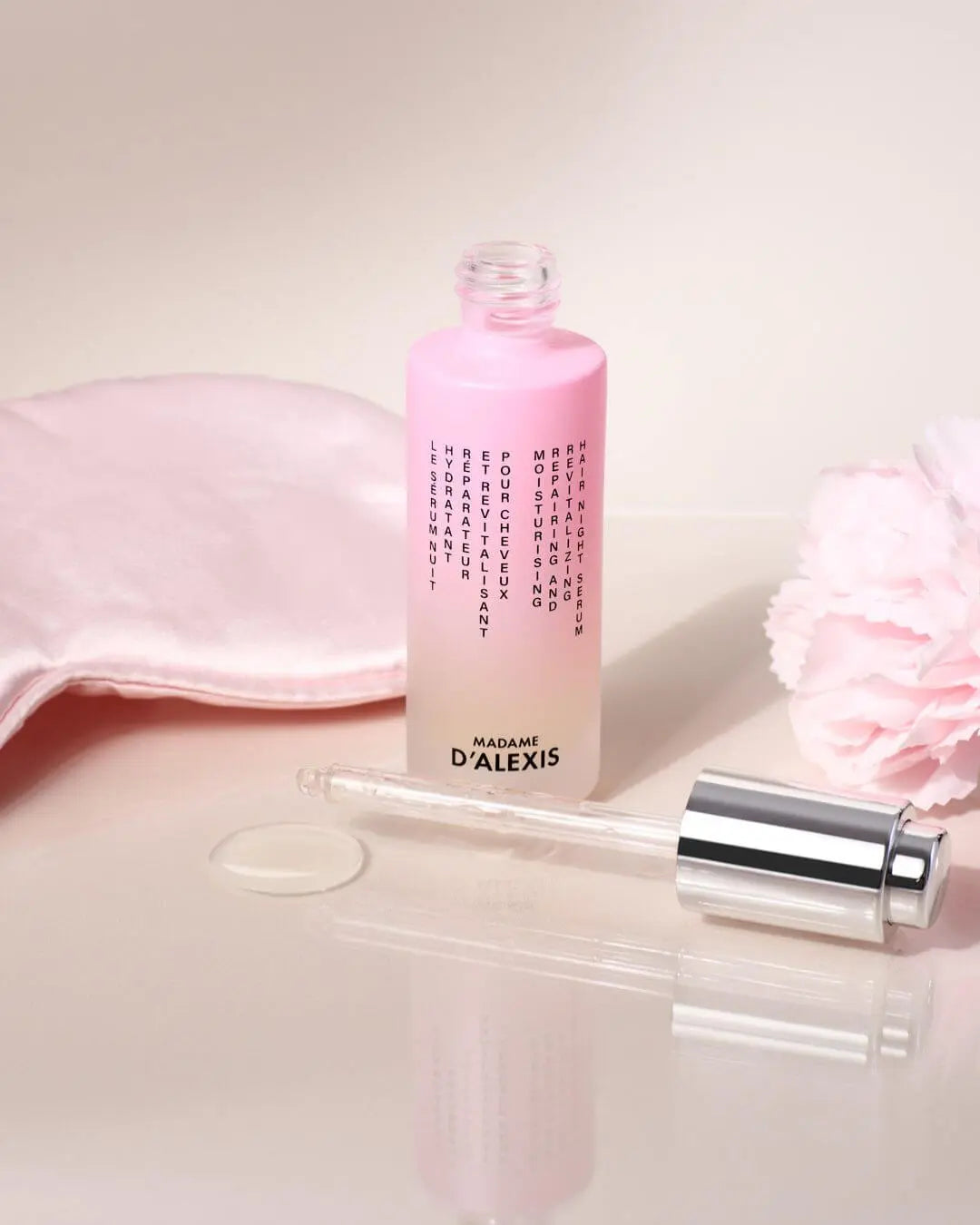
Anti-Hair Loss Night Serum
Nighttime regeneration · organic hydrosols
- Moisturizes and revitalizes the scalp overnight
- Organic botanical ingredients, probiotics, and hydrosols
- Ideal for stress-related, seasonal, or postpartum hair loss
Hair loss in women can have several causes: hormonal changes, stress, fatigue, nutritional deficiencies, seasonal changes, or reactions to certain events.
The best hair loss product therefore depends on the type of hair loss and the scalp’s actual needs. Effective solutions fall into four categories: serums, fortifying shampoos, topical lotions, and dietary supplements. Here are the ones that really work and how to choose them.
The best hair loss products for women: what to choose?
Anti-hair loss serums: the most effective treatments
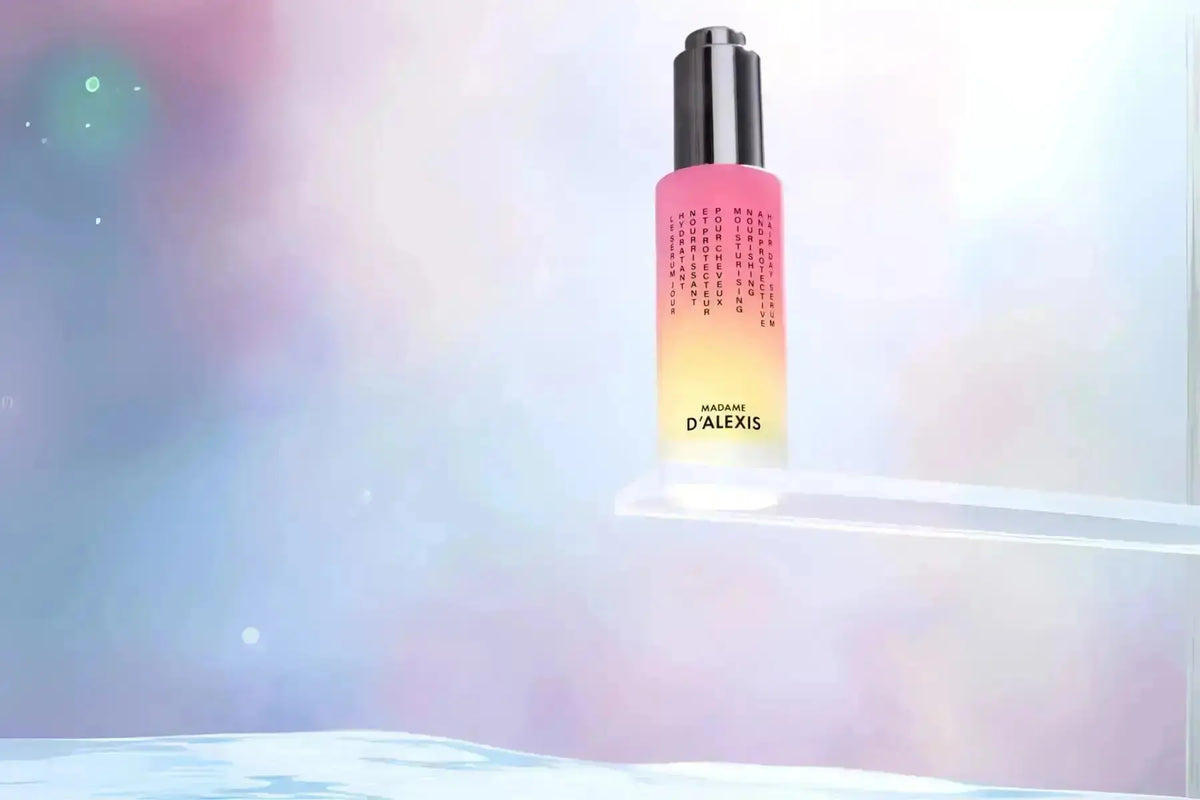
A serum acts directly at the root, where growth is determined. Madame d'Alexis Night Serum is an interesting example of this.
Its natural formula is based on organic hydrosols (Damask rose, chamomile, orange blossom), probiotics, and botanical extracts such as nettle, licorice, and oak bark.
These active ingredients strengthen the follicle, improve density, and stimulate nighttime growth.
Cationic hyaluronic acid provides deep hydration and volume at the root.
Simple routine:
- Apply in the evening, directly to the scalp.
- massage for one minute to activate microcirculation
- results visible in 4 to 8 weeks
This type of serum is suitable for reactive, seasonal, post-stress, or postpartum hair loss.
Fortifying anti-hair loss shampoos
Shampoo does not stop hair loss, but it optimizes the effectiveness of a serum. We recommend gentle formulas enriched with:
- biotin (vitamin B8)
- keratin
- amino acids
- quinine
- horsetail
Objective: to cleanse without irritating, improve circulation, and prepare the scalp for treatment. Ideal use: two to three times a week.
Anti-hair loss lotions and topical treatments
Lotions containing aminexil or minoxidil can help with:
- persistent falls
- the onset of androgenetic alopecia
They prolong the hair growth phase. They are effective, but require regularity and monitoring, as some forms can cause irritation or a rebound effect.
Anti-hair loss dietary supplements
They are useful in cases of deficiency: iron, zinc, biotin, vitamin D, or prolonged fatigue. A course of treatment acts as a supplement to local care. Common active ingredients:
- biotin
- zinc
- iron
- vitamins B and D
- essential fatty acids
- horsetail
Minimum duration: three months. They do not replace topical treatment, but improve vitality and regrowth.

The most effective anti-hair loss products: the ones that really work
Identifying the best hair loss product for women involves understanding the active ingredients that have been proven to be effective.
In a market saturated with promises, it is essential to distinguish between ingredients whose results are based on specific mechanisms: strengthening the fiber, supporting the hair follicle, improving microcirculation, or correcting a deficiency.
My experience has often shown me that the most effective treatments are based on simple, well-constructed formulas that are concentrated in useful active ingredients rather than hype.
Among the ingredients to prioritize, some clearly stand out.
- Biotin (vitamin B8): It plays a role in keratin synthesis and helps strengthen the hair shaft. It is one of the most well-documented active ingredients in hair loss treatments.
- Zinc, iron, and vitamins B and D: these nutrients help correct deficiencies that are often responsible for diffuse hair loss in women. They play a fundamental role in the hair growth cycle.
- Plant extracts such as nettle, horsetail, ginger, and licorice: invigorating, remineralizing, and stimulating, they improve hair density and strength.
- Skin probiotics: They promote a healthy environment by reducing scalp inflammation. An irritated or unbalanced scalp responds less effectively to treatment.
- Cationic hyaluronic acid: Its positive charge allows it to naturally adhere to the hair fiber, providing deep hydration and strengthening the root.
- Aminexil or peptides: known to slow reactive hair loss, they prolong the growth phase.
- Natural oils such as castor oil or rosemary oil: they support microcirculation and nourish the hair bulb.
- Antioxidants: They protect the hair follicle from oxidative damage, a factor that contributes to hair loss.
- Organic hydrosols—such as Damask rose, chamomile, and orange blossom—gently soothe, balance, and stimulate the scalp.
Madame d'Alexis Night Serum combines several of these active ingredient families in a concentrated formula designed to revitalize the root, support density, and promote more even hair growth.
How to use an anti-hair loss product for visible results?
An anti-hair loss treatment is only effective if it is applied consistently throughout the hair's life cycle. Hair growth follows a slow and steady rhythm, so it is normal for the first changes to appear only after a few weeks.
1. Apply a topical treatment daily
Serum should be applied in the evening to dry or slightly damp skin. One minute of massage is enough to activate blood circulation and improve the penetration of the product. This simple gesture, repeated every day, is the basis of successful treatment. Regularity remains the number one condition.
2. Use a gentle strengthening shampoo two to three times a week.
Avoid harsh shampoos containing sulfates or alcohol, which weaken the hair fiber. Moderate washing, followed by rinsing with lukewarm water, properly prepares the scalp for topical treatments.
3. Follow a treatment program lasting at least eight to twelve weeks.
Hair growth occurs in phases. Therefore, an anti-hair loss treatment cannot be evaluated in just a few days. A two- to three-month treatment allows you to observe the changes in the natural hair cycle.
4. Support the fiber from within
Diet plays an essential role: zinc, iron, vitamins B and D, essential fatty acids. Appropriate dietary supplements can accompany the topical routine. Adequate water intake, stress management, and quality sleep also enhance hair quality.
Tip: Night Serum can be combined with a dietary supplement to optimize results, especially during periods of hair loss related to fatigue or seasonal changes.

When should you see a dermatologist?
Even with the best hair loss product for women, certain signs should prompt you to consult a specialist.
Hair loss is not always reactive or stress-related; it can have a medical cause. Identifying these situations helps to avoid routine mistakes and take action at the right time.
Here are the situations in which dermatological advice is essential:
- Sudden or massive loss, without any triggering event.
- Persistent dizziness that does not improve despite appropriate treatment over several weeks.
- Localized patches, sometimes perfectly round → suspected alopecia areata.
- Itching, redness, pain → possible dermatitis or scalp infection.
- Diffuse hair loss on the top of the scalp, with gradual thinning → suggestive of androgenetic alopecia.
- Family history of bone density loss at a similar age.
- Confirmed deficiencies (iron, zinc, vitamin D, vitamin B).
- No improvement after 3 months of a rigorous anti-hair loss regimen.
A dermatologist can:
- confirm the nature of the fall,
- eliminate an inflammatory or hormonal disease,
- propose appropriate treatment (topical, complementary, or medical).
This step does not detract from cosmetic care; it simply allows you to use it in a consistent manner.
Madame d'Alexis Night Serum: a complete anti-hair loss treatment for women
To illustrate what an effective topical treatment is, Madame d'Alexis Night Serum combines several active ingredients recognized in women's anti-hair loss routines.
Its natural formula (98%) contains no added water, only organic hydrosols (Damask rose, chamomile, orange blossom), which replace inert water and have a real effect on the scalp.
The Night Serum
Nighttime regeneration · organic hydrosols
- Moisturizes and revitalizes the scalp overnight
- Organic botanical ingredients, probiotics, and hydrosols
- Ideal for stress-related, seasonal, or postpartum hair loss
It combines:
- probiotics to balance the skin's surface and reduce micro-inflammation,
- plant extracts that prevent hair loss (nettle, oak, licorice) and strengthen the roots,
- cationic hyaluronic acid, which adheres to the hair shaft to hydrate it and add volume right from the root.
Simple routine:
- Apply in the evening, directly to the scalp.
- quick massage to activate microcirculation,
- Results are visible within 4 to 8 weeks, particularly in cases of reactive hair loss (stress, fatigue, seasonal changes, postpartum hair loss, or hair loss during pregnancy).
For a woman looking for a better hair loss treatment that is effective, natural, and pleasant to use, this type of hair growth serum is one of the best options available.
How to choose the best anti-hair loss product for women?
To get straight to the point, here are the key steps:
- Identify the cause: fatigue, the season, hormones, a deficiency, or an illness.
- Choose a high-quality topical treatment, ideally a serum rich in active ingredients.
- Add a gentle, strengthening shampoo two to three times a week.
- Support the body: zinc, iron, vitamins B and D, and a varied diet.
- Follow an 8- to 12-week routine, which is essential for supporting the hair growth cycle.
- See a dermatologist if the hair loss does not stabilize.
For a comprehensive approach, combining a night serum with a moisturizing shampoo creates a seamless routine that significantly improves hair density and vitality.
The Night Serum
Night Serum · Density · Scalp
- Moisturizes and revitalizes the scalp overnight
- Organic botanical ingredients, probiotics, and hydrosols
- Ideal for stress-related, seasonal, or postpartum hair loss
FAQ – Frequently asked questions about the best hair loss products for women
What is the most effective hair loss product for women?
Effectiveness depends on the cause of hair loss, but topical serums are generally the most effective because they act directly on the hair follicle. They strengthen density, stimulate growth, and improve hair vitality.
The most reliable formulas contain fortifying plant extracts (nettle, horsetail, licorice), probiotics, biotin, or cationic hyaluronic acid. Madame d'Alexis Night Serum is a good example of a comprehensive skincare product, combining organic hydrosols, botanical active ingredients, and deep hydration for visible results in just a few weeks.
How long does it take to see improvement?
The hair growth cycle imposes an unavoidable delay. The first effects are generally noticeable after four to eight weeks of daily use. A noticeable reduction in hair loss takes eight to twelve weeks.
This pace is normal: hair never reacts overnight. Regular application is the key.
Which active ingredients should be prioritized in an anti-hair loss product?
Several active ingredients have demonstrated documented efficacy:
biotin and B vitamins to strengthen the hair shaft; zinc, iron, and vitamin D to correct deficiencies; invigorating plant extracts (nettle, ginger, licorice, horsetail) cationic hyaluronic acid to add volume at the roots probiotics to soothe and balance the scalp peptides or aminexil to slow reactive hair loss Organic hydrosols, such as those used in Madame d’Alexis Night Serum, provide additional benefits thanks to their soothing and stimulating properties. Should you combine several products for better results?
Yes. The most effective combination remains:
an anti-hair loss serum used every night; a gentle, strengthening shampoo two to three times a week; and a dietary supplement if a deficiency is identified. This approach works on several levels: the root, the hair shaft, and internal factors. It leads to more consistent results and more even regrowth. When should you see a dermatologist?
Medical advice is recommended if hair loss is sudden, severe, or persistent, if it forms round patches of baldness, if it is accompanied by redness, itching, or pain, or if there is a family history of alopecia.
Confirmed deficiencies in iron, zinc, or vitamin D also warrant monitoring. If no improvement is visible after three months of appropriate care, a dermatologist can make an accurate diagnosis and refer the patient for more specific treatment.
What are the best hair loss products?
When looking for the best anti-hair loss products, the goal is to identify products that are truly effective and suited to the problem.
Many consumers compare formulas to find the best hair loss product or serum. Hair loss products can be ranked in a top 10 list based on the type of hair loss, scalp sensitivity, and concentration of active ingredients.
High-end products are distinguished by richer formulas and more visible results. The choice of the best hair loss treatment always depends on the cause of the hair loss.
How can hair loss be slowed down?
To slow down hair loss, it is necessary to understand its cause and treat it with an appropriate anti-hair loss treatment. Certain treatments can combat hair loss and slow it down by acting on the scalp, the hair bulb, and inflammation.
Products designed to slow hair loss are particularly useful in cases of reactive hair loss. A good routine is based on a hair loss solution that combines scalp care, massage, a healthy lifestyle, and effective products.
Which active ingredients are effective against hair loss?
The most recognized anti-hair loss ingredients include essential fatty acids, natural ingredients, and vitamins such as vitamin B8 or biotin. Aminexil is also used to strengthen hair roots.
Certain plant extracts such as nettle, horsetail, and oak bark complete these formulas. These active ingredients work because they simultaneously act on microcirculation, scalp balance, and hair fiber nutrition.
Which dietary supplements should you choose?
Anti-hair loss dietary supplements help to reinforce the action of topical treatments. An anti-hair loss treatment based on natural capsules and products containing vitamins and minerals supports the hair structure.
Dietary supplements such as Arkopharma Forcapil or Hygée La Chevelure are among the products recommended for improving density, reducing hair loss, and supporting regrowth. The right dietary supplement depends on the cause of hair loss.
How can I stimulate hair growth?
To stimulate growth, it is necessary to support microcirculation, prolong the hair growth phase, and strengthen the roots. Hair growth treatments target growth with products that stimulate regrowth, oils such as castor oil, and supplements for growth.
A regular routine helps strengthen hair fibers and support hair growth.
When should you see a dermatologist?
It is recommended to consult a dermatologist as soon as hair loss becomes unusual or persistent.
Sudden, diffuse hair loss or hair loss accompanied by a scalp problem should be considered a cause for concern. When conventional treatments are no longer sufficient or excessive hair loss worsens, seeking expert advice can help to quickly identify the real cause.
A medical consultation is essential if hair loss is accompanied by itching, redness, thinning areas, or a sudden change in the appearance of the hair. A dermatologist will be able to accurately assess the hair loss, provide a reliable diagnosis, and recommend a suitable treatment.
Be sure to check out our article on the dangers of dyeing your hair during pregnancy.