Advice
Hair Repair Treatment: How Do You Repair a Hair Strand?
Repairing hair care products deeply restore damaged hair fibers by combining hydration, nutrition, and protection. Discover how to choose an effective routine for your hair type.


Everything you need to know about hair repair treatments
The hair repair treatment is the essential solution for restoring hair fibers weakened by heat, coloring, or external aggressions. It works on both the internal structure of the hair and its surface to restore strength, suppleness, and shine. Here is the key information to remember:
- Deep repair: repairing treatments fill gaps in the hair fiber with plant-based keratin and ceramides to strengthen the hair's internal structure.
- Hydration and nutrition: effective formulas combine hyaluronic acid, plant oils, and natural butters to restore suppleness and prevent breakage.
- Protection against damage: a repairing treatment creates a protective film that shields hair from heat styling tools, pollution, and UV rays.
- Visible results: softness, shine, and vitality restored after a few weeks of regular use.
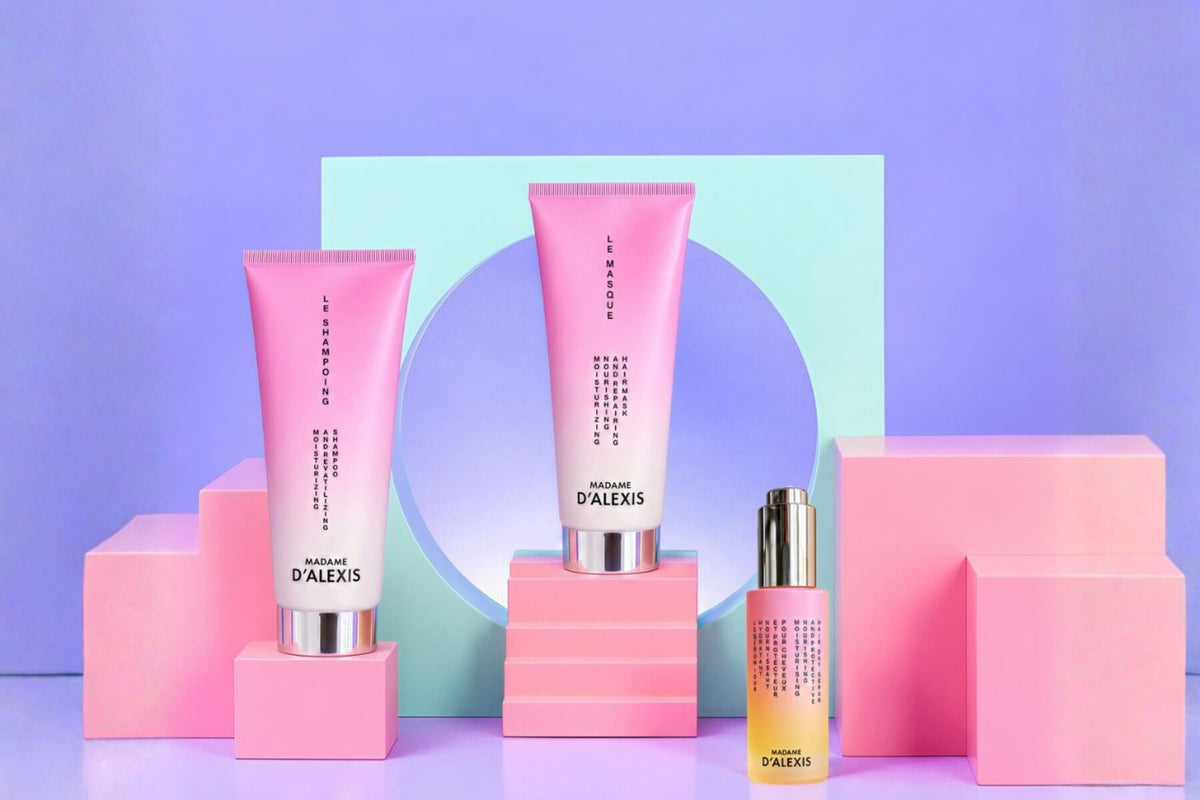
- Ideal routine: a repairing shampoo, a nourishing mask, and a protective serum are the essential trio for repairing damaged hair and maintaining its long-term health.
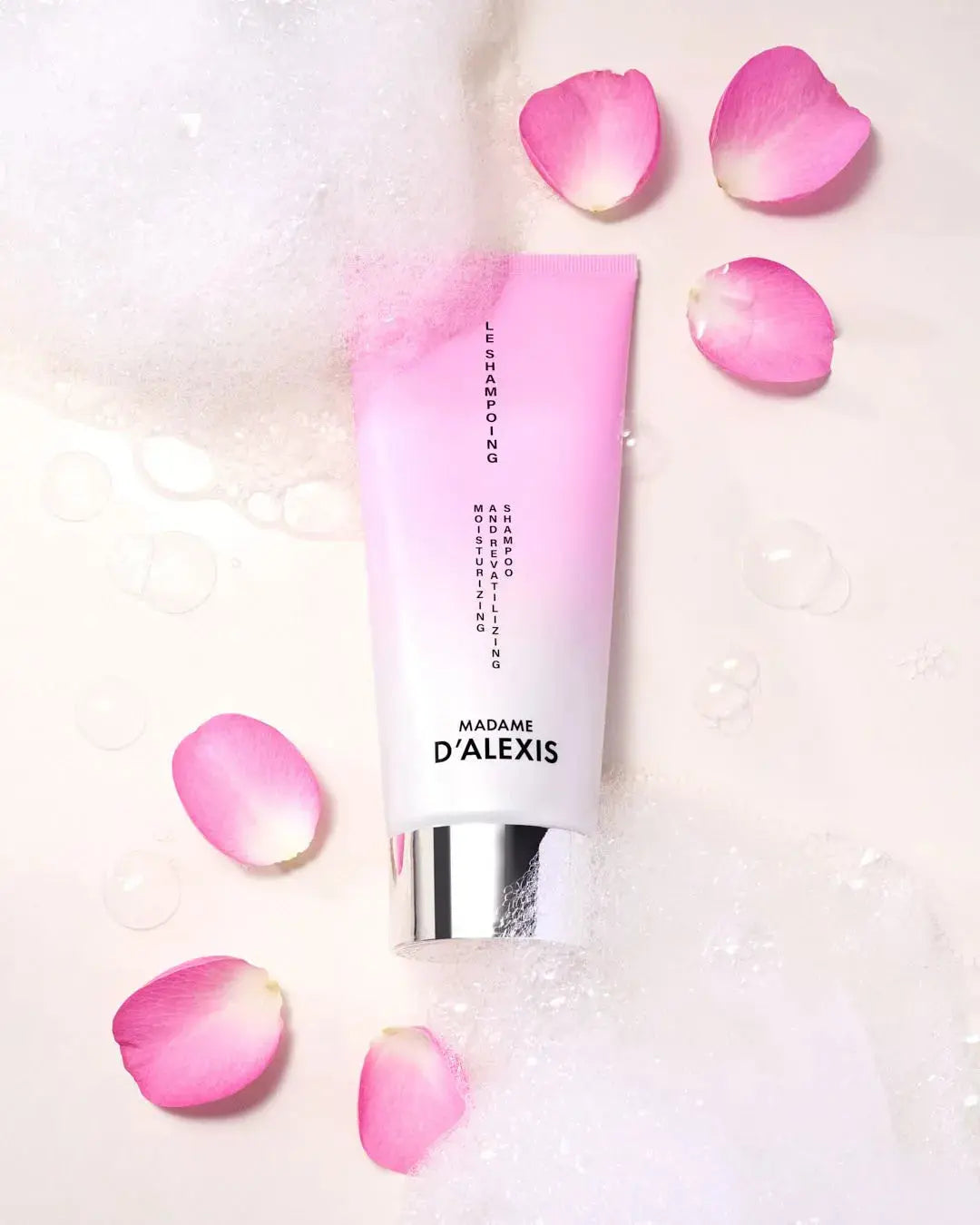
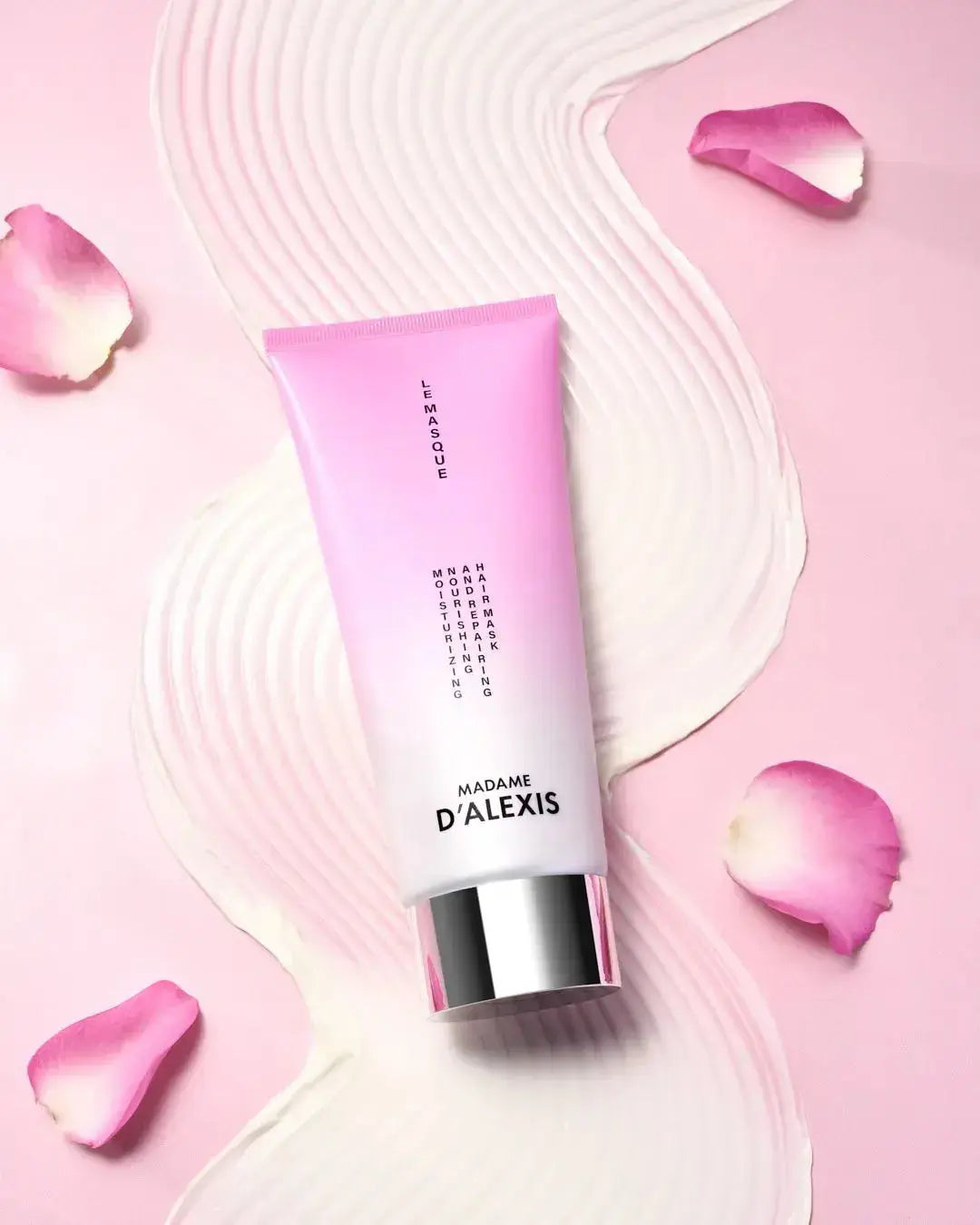
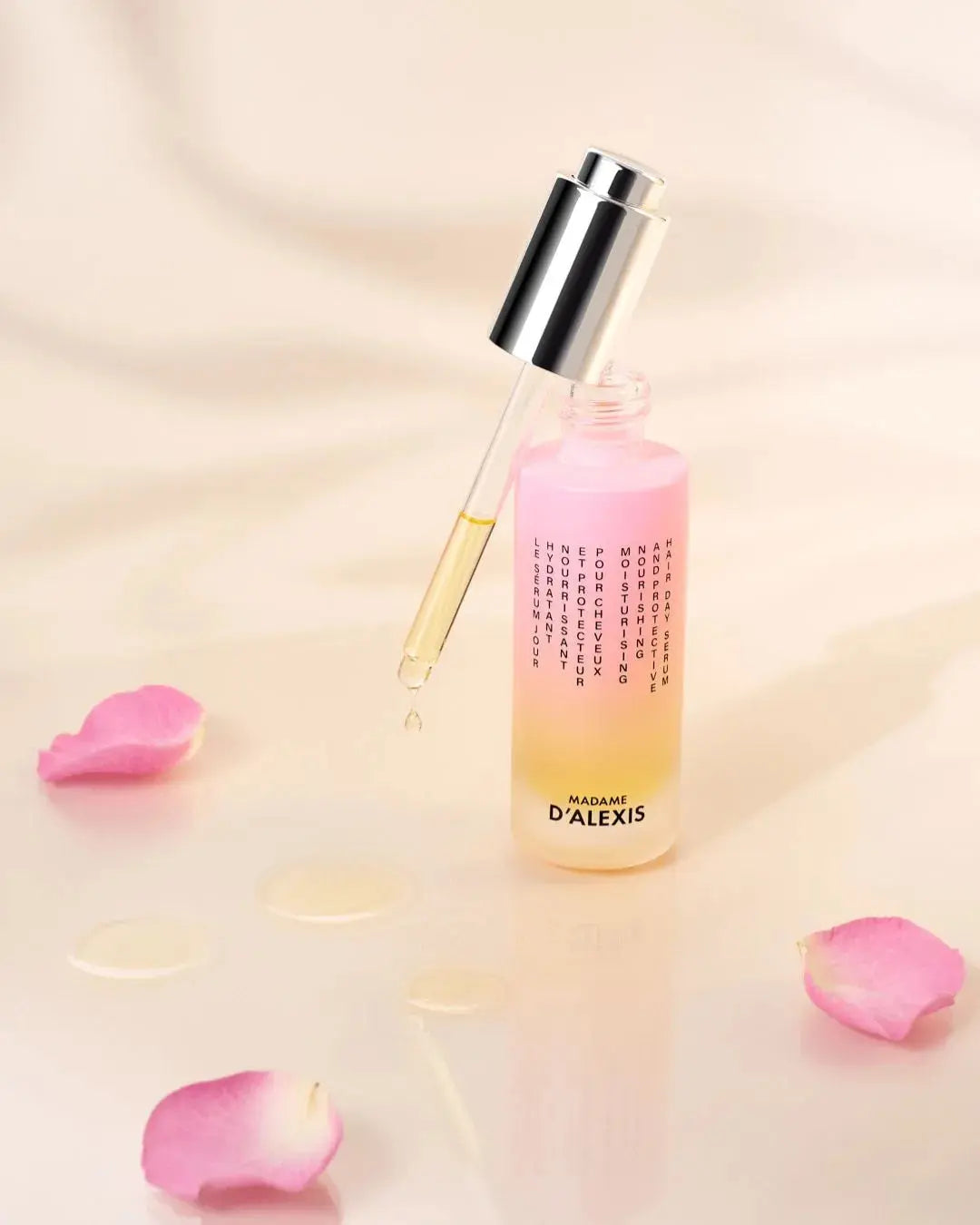
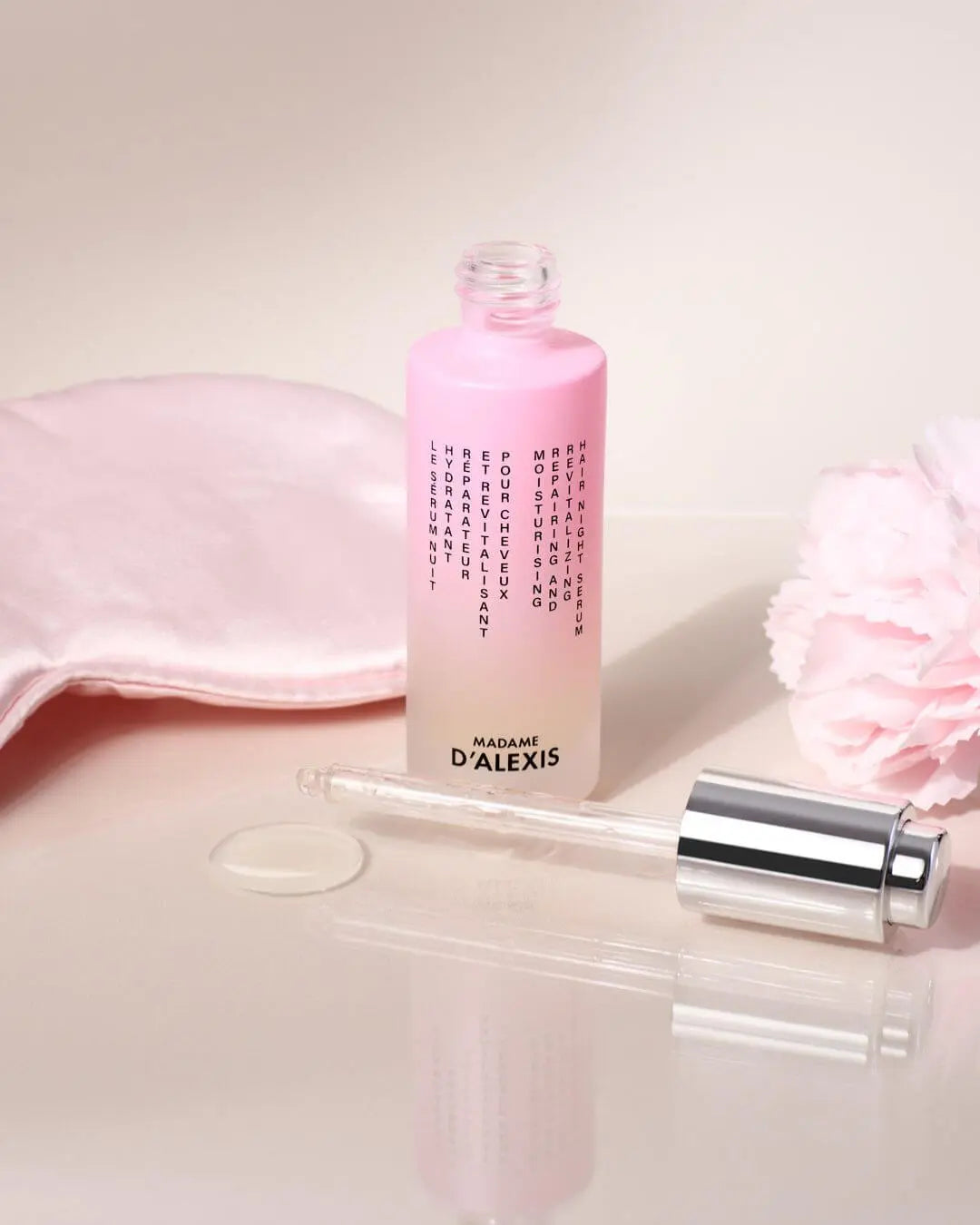
Hair damaged by heat, coloring, or bleaching, repeated external stressors, nutritional deficiencies, or oxidative stress. The hair fiber becomes weak, the cuticle lifts, and moisture escapes.
The signs are clear on mobile devices as well as in the mirror: breakage, split ends, rough texture, dull hair, and less flexibility. An effectiverepair treatment targets these mechanisms for deep repair.
The method I recommend is based on proven ingredients and a short, regular, and well-balancedhair care routine. Madame d'Alexis, formulated without added water and rich in organic hydrosols, exemplifies this concentrated and natural approach.
Why does hair become damaged and brittle?
Routine for damaged and brittle hair: use repairing hair care products
Internal causes: deficiencies, stress, and scalp imbalance
- Insufficient iron, zinc, B vitamins, and omega-3 weaken the hair fiber and slow down keratin synthesis.
- Unbalanced scalp: insufficient sebum, dryness, micro-irritative inflammation.
- Observable consequences: brittle hair, loss of density, reactive hair loss, and lengths that no longer retain moisture.
External causes: heat, chemical treatments, and pollution
- Straighteners, curling irons, hair dryers that are too hot, dry brushing.
- Coloring and bleaching alter the internal structure and openthe cuticle.
- UV rays and pollution oxidize protective lipids, accelerating breakage.

How does a hair repair treatment work?
Repair the hair fiber from within
- Plant keratin and ceramides: they fill micro-gaps in the cuticle, strengthen cohesion, and improve tensile strength.
- Cationic hyaluronic acid: attracts and retains water within the fiber, restoring suppleness and bounce.
- Shea butter and castor oil: provide fatty acids to deeply nourish without weighing down the skin if used in moderation.
Provide nutrition and protection against damage
- Organic jojoba, argan, avocado, and coconut oils: thin film, soft feel, protective effect on the hair fiber.
- Seal in moisture after rinsing with a repairing mask for dry hair or a serum to reduce dehydration and breakage.
- Natural antioxidants: vitamin E and floral hydrosols help limit the impact of UV rays and pollution.
The visible benefits of good restorative care
- Reduction in breakage and frizz, fewer split ends.
- Softness, suppleness, and shine that are quickly noticeable to the touch.
- Over time: healthier hair, improved mechanical strength, better styling hold.
Quick application tips
- Wash with a mild shampoo, then apply a hair mask 1 to 2 times a week for 10 to 15 minutes.
- Use a light serum as a finishing touch to seal in moisture and protect against heat.
- Adapt textures to hair type: fine or curly, dry or colored, to avoidweighing it down.
My expert opinion: deep repair depends on three factors: regularity, the right dose, and targeted active ingredients. A short, highly concentrated formula used consistently delivers lasting results without compromising on softness or shine.
| Natural ingredient | Main role | Hair benefit | Present in |
|---|---|---|---|
| Plant keratin | Structural reinforcement | Repairs the fiber and reduces breakage | Madame d’Alexis Hydrating Mask |
| Cationic hyaluronic acid | Deep hydration | Retains water and restores suppleness | Shampoo & Night Serum |
| Shea butter | Nutrition and protection | Nourishes and softens the fiber | Moisturizing Mask |
| Castor oil | Stimulation and brilliance | Promotes growth and strengthens | Night Serum |
| Plant ceramides | Cohesion and repair | Smooths scales and strengthens the natural barrier | Day Mask & Serum |

What restorative hair care routine should you adopt for your hair type?
Every head of hair is unique. However, they all share one fundamental need: to restore the hair when it becomes damaged. A restorative hair care routine is not just about using a mask or a keratin-enriched shampoo.
It must be tailored to the specific characteristics of yourhair type, whether it is dry, curly, fine, or colored, to deeply repair it without weighing it down.
For dry or dull hair
Dry hair lacks both water and lipids. Its porous surface no longer retains moisture, and the fiber loses its shine. To revitalize it long-term, you need to focus on intense nourishment combined with moisturizing active ingredients.
Recommended routine:
- Moisturizing shampoo to cleanse without stripping and restore suppleness to the hair fiber.
- Nourishing mask rich in plant butters and hyaluronic acid to restore substance.
- Protective Day Serum to seal in moisture and smooth the cuticle, while protecting against heat and external aggressions.
Regular application and gentle movements transform the texture: hair becomes supple, shiny, and denser to the touch.
For curly, frizzy, or thick hair
Curly or coilyhair has a naturally fragile structure. Its spiral shape prevents sebum from reaching the ends, leading to breakage, frizz, and dryness.
To repair it, you need formulas rich in fatty acids and plant-based ceramides to strengthen the hair shaft without weighing it down.
- Apply a concentrated repair mask, section by section, to evenly nourish the hair.
- Madame d'Alexis Day Serum, with its light, non-greasy texture, helps tame curls and reduce frizz without weighing hair down.
- Limit heat sources: dry in the open air to preserve the natural shape.
A consistent, minimalist routine restores bounce, definition, and healthy shine to curls.
For fine or colored hair
Fine or coloredhair needs a lightweight formula. Too much oil or protein weighs it down, while silicones create a suffocating film.
Choose a lightweight, non-greasy repair treatment that moisturizes without compromising volume.
- Choose formulas without sulfates, parabens, or silicones to protect already weakened hair.
- Madame d'Alexis' formula, which contains no added water and is based on organic hydrosols, concentrates effectiveness without dilution: a technology that repairs while respecting the delicacy of the hair.
- A gentle massage with Night Serum on the scalp stimulates regeneration and helps limit breakage.
- Colored hair regains its shine and vitality, without becoming dull or greasy.
| Hair type | Common problems | Purpose of the repair treatment | Recommended products | Frequency of application |
|---|---|---|---|---|
| Dry or dull hair | Dehydration, breakage, lack of shine | Intense nourishment and deep hydration | Nourishing Mask, Protective Day Serum |
2 washes/week + 1 mask |
| Curly or frizzy hair | Porous fiber, frizz, loss of definition | Repair, discipline, and redefine the loop | Ceramide-rich mask Anti-frizz Day Serum |
1 mask/week + Daily serum |
| Fine or colored hair | Heaviness, fragility, dull color | Repair without greasing or weighing down | Mild sulfate-free shampoo Lightweight night serum |
2 treatments per week |
| Damaged or brittle hair | Split ends, rough texture, mechanical breakage | Strengthen keratin and repair hair fibers | Repair Serum |
1 mask/week + Serum 3×/week |