Conseils
Coarse hair: why it happens and how to soften it naturally
Coarse, rough hair that snags under your fingers: understand the causes and use the right natural active ingredients to restore lasting softness and suppleness to the hair fiber.

Rough hair: why it happens and how to naturally soften it
Rough hair feels coarse to the touch, is difficult to detangle, and looks dull even after washing. This roughness is often caused by a raised cuticle, a lack of lipids, dehydrated hair fibers, or repeated damage. The right routine should cleanse without stripping, nourish the lengths, and protect the fibers between washes.
- Rough hair is mainly caused by an uneven surface: the cuticle scales catch instead of lying flat.
- Common causes include hot water, harsh sulfates, hard water, UV rays, color treatments, heat, and rough brushing.
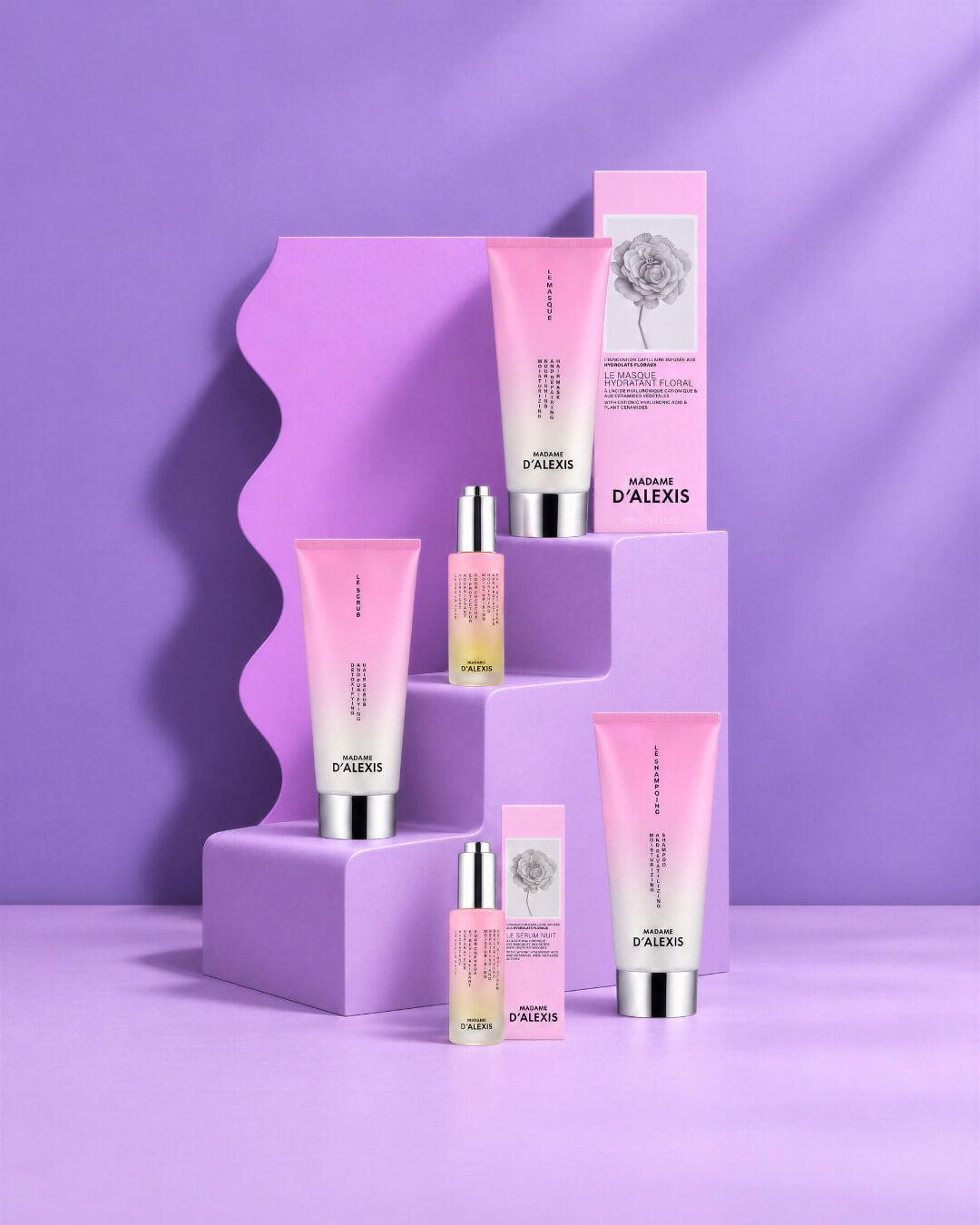
- The relevant Madame d’Alexis products are Le Shampoing, Le Masque, Le Sérum Jour, and Le Scrub for an occasional reset if the roots are saturated.
- Product correction: Le Masque does not contain keratin. Plant-based ceramides are in Le Masque and Le Sérum Jour, not in Le Shampoing.
- Le Sérum Jour is applied to the lengths and ends only. Le Scrub is used every 10 to 15 days and replaces shampoo on that day.
Madame d’Alexis products to incorporate for softening rough hair
The product cards are limited to the treatments that are truly useful for this concern: gentle cleansing, a mask for the lengths, a finishing serum, and an occasional scalp reset.
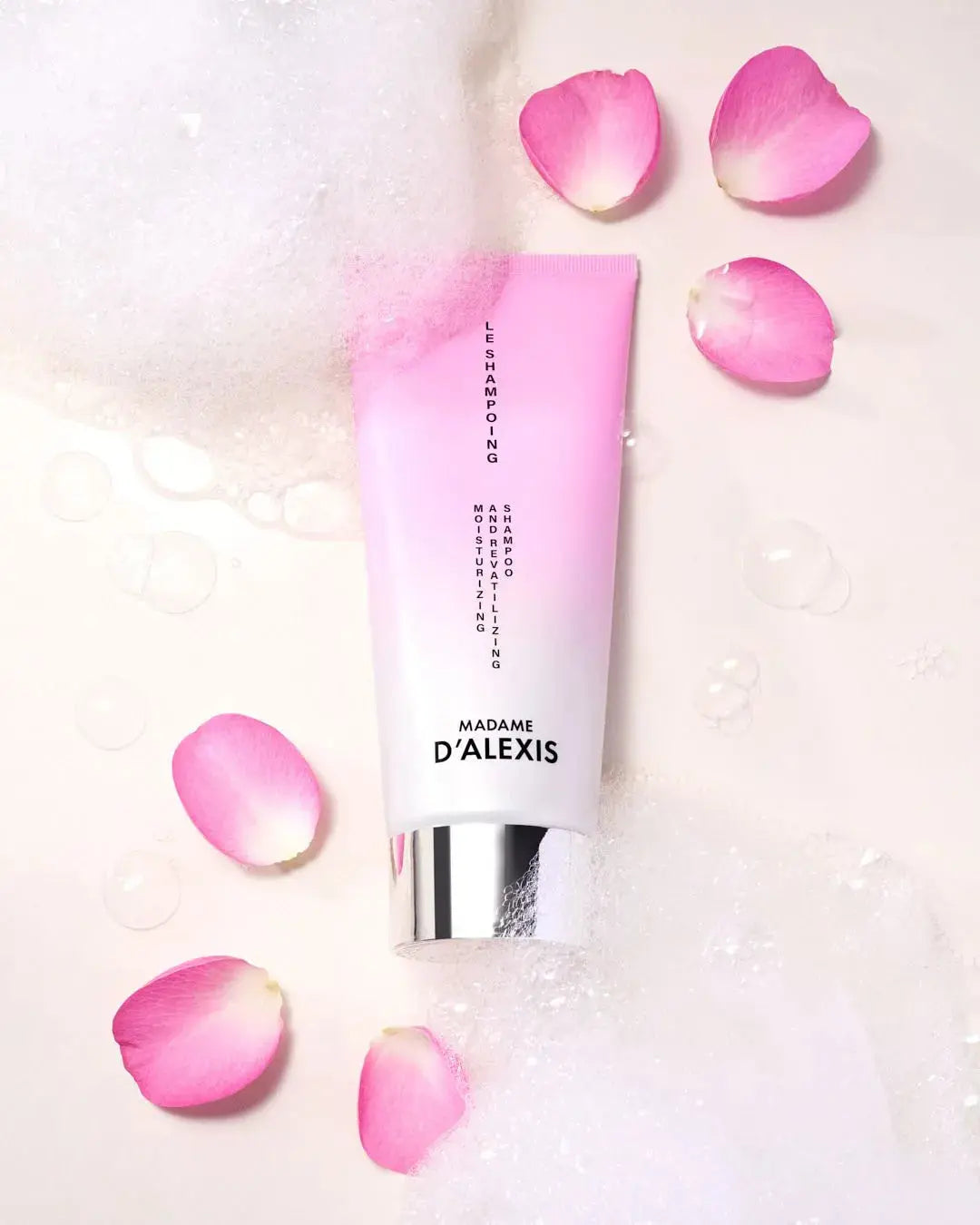
Gentle Shampoo
- Sulfate- and silicone-free
- pH 5, gentle cleansing
- Helps cleanse without stripping
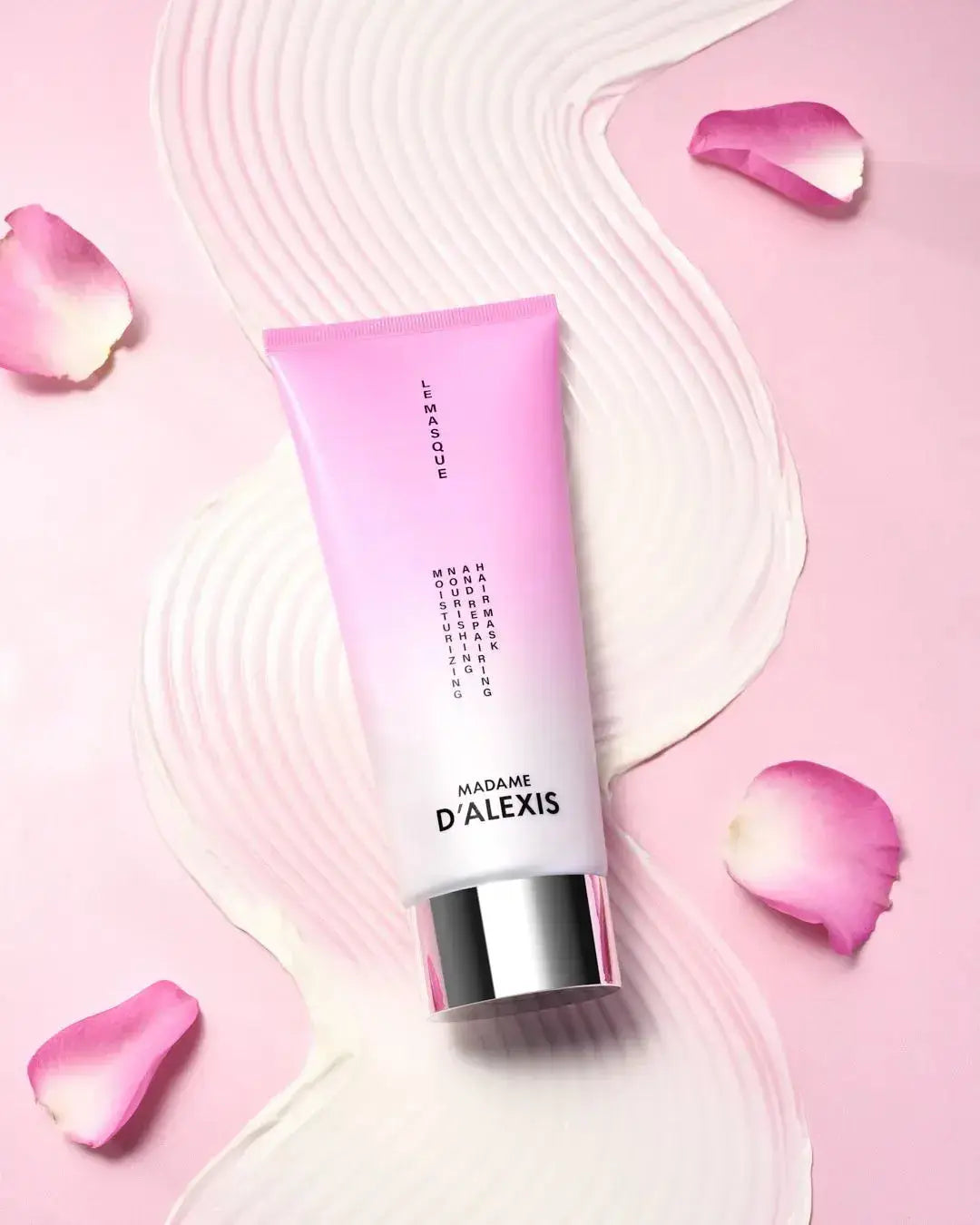
Length Mask
- For lengths and ends only
- Leave on for 5 to 10 minutes
- Does not contain keratin
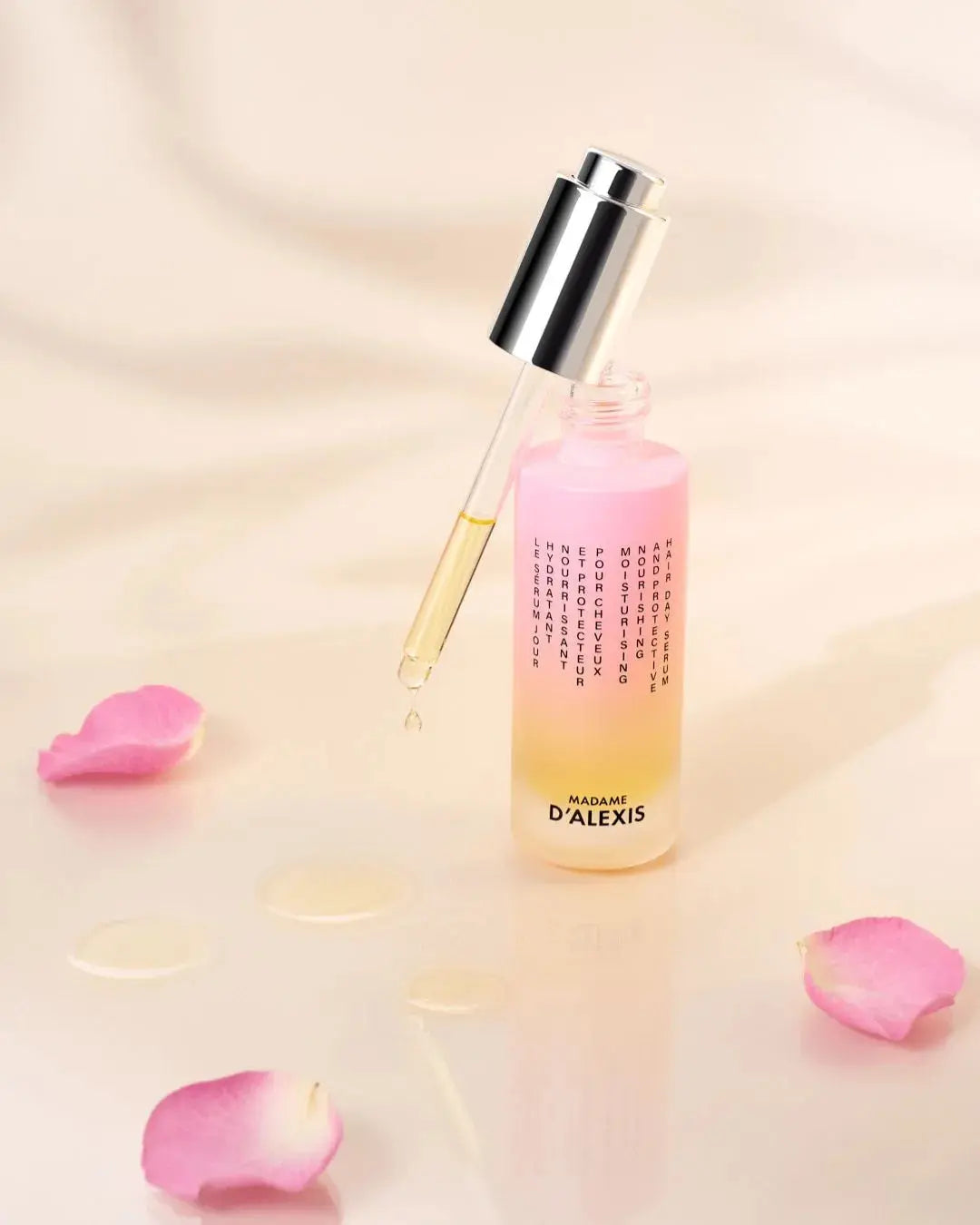
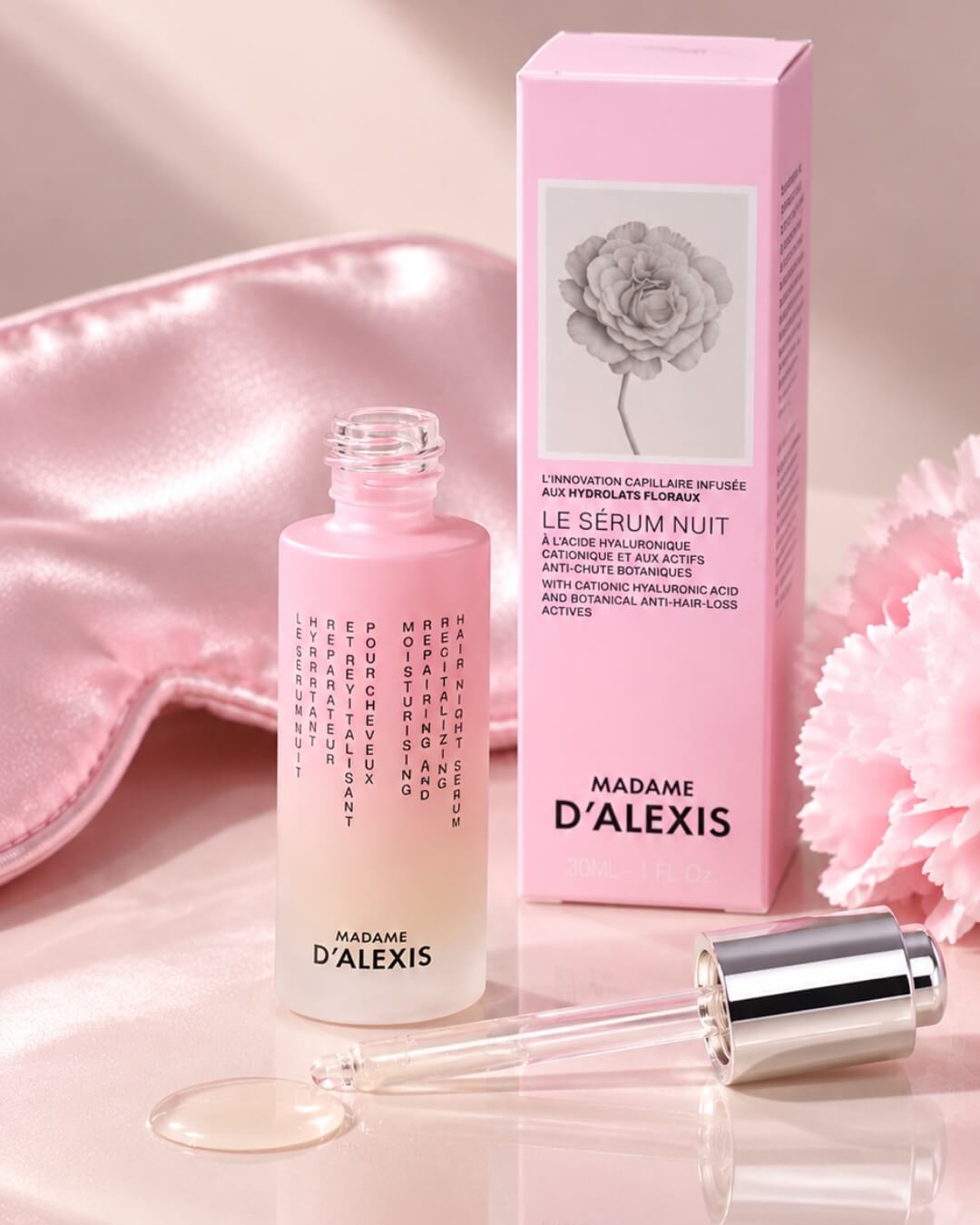
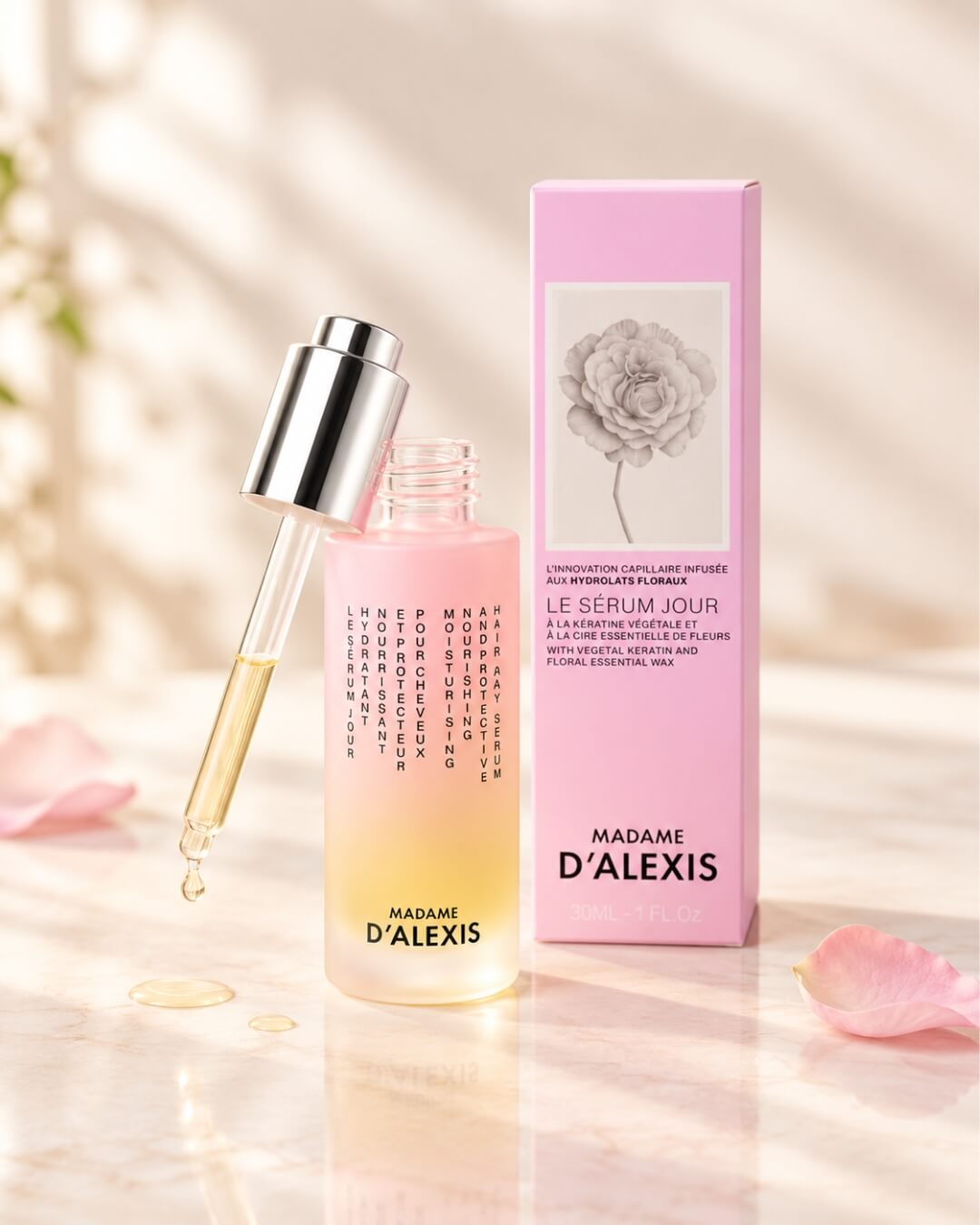
Le Sérum Jour Finishing Serum
- For lengths and ends only
- Heat protection up to 200°C
- Helps reduce frizz
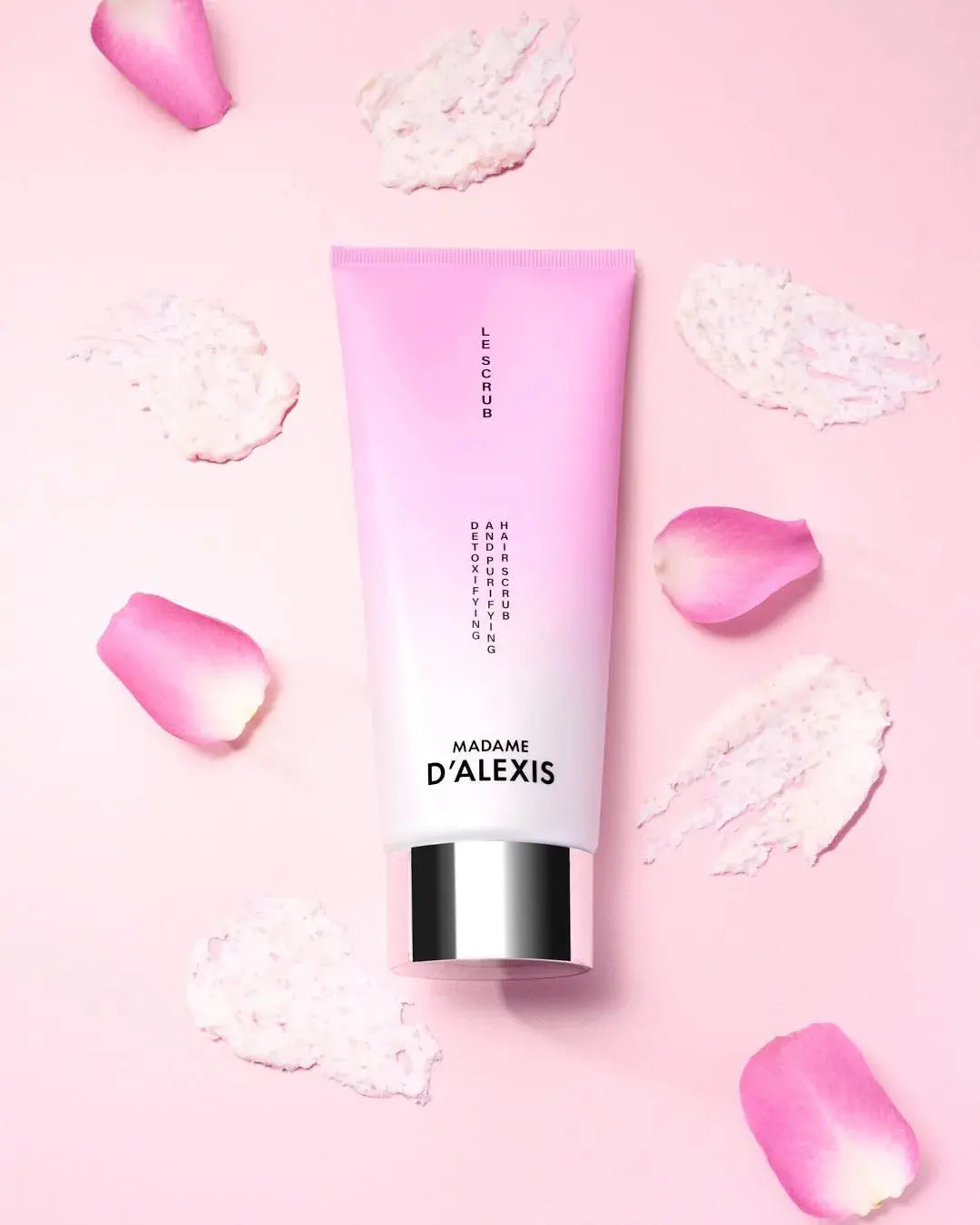
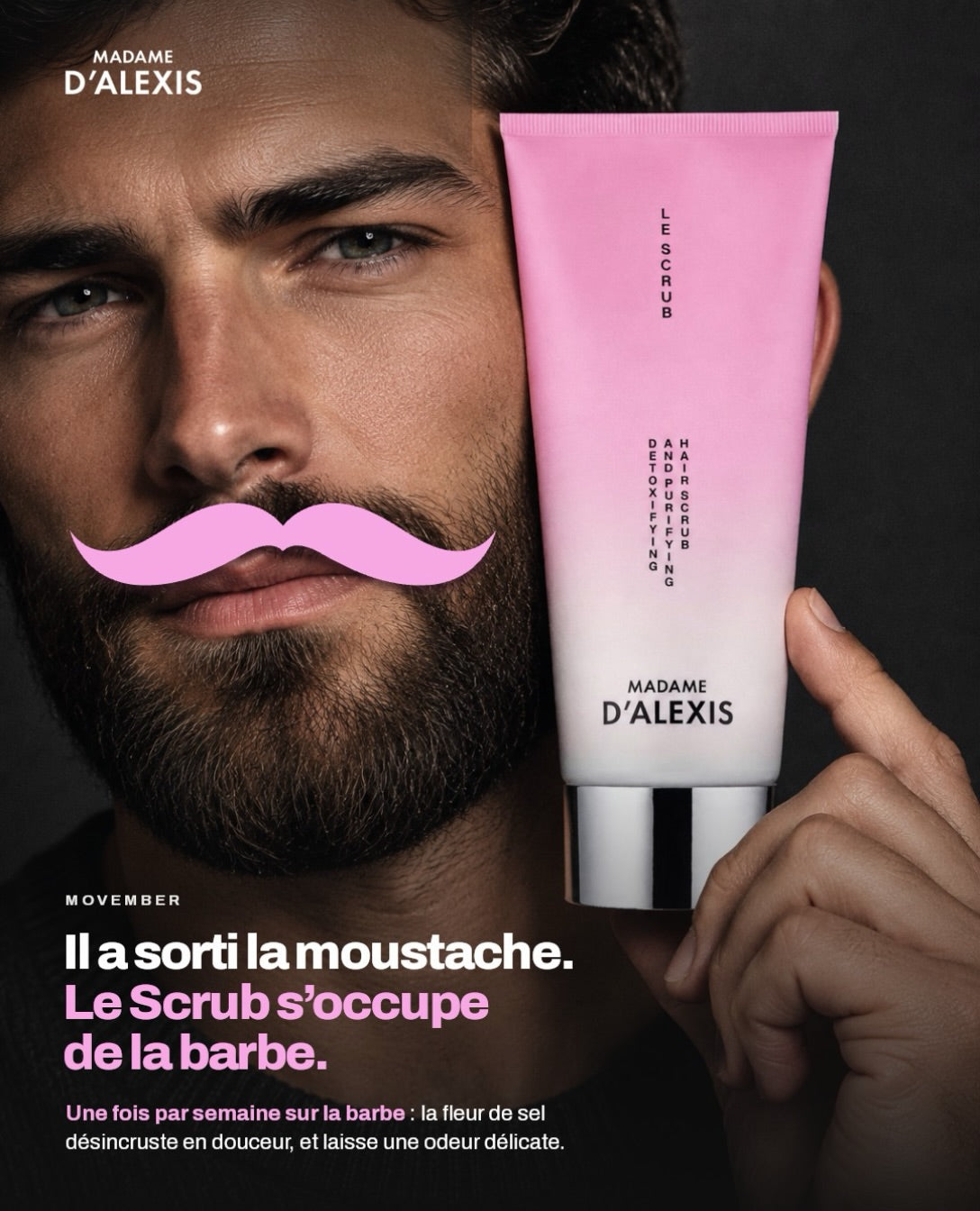
Reset Scrub
- Every 10 to 15 days
- Replaces shampoo on that day
- For saturated roots or residue
Why does hair become rough?
Hair is protected on the surface by the cuticle, a layer of overlapping scales. When these scales are well aligned, the fiber reflects light, glides better through the fingers, and is easier to detangle. When they lift, the surface becomes uneven: hair looks dull, catches, and becomes rough.
Hot water and hard water
Water that is too hot and mineral deposits can leave hair looking dull and making it more difficult to detangle.
Heat and UV rays
Flat irons, blow-drying, hair dryers that are too hot, or repeated sun exposure gradually sensitize the lengths.
Color treatments and friction
Color treatments, bleaching, rough towels, and aggressive brushing weaken the fiber and increase breakage.
Rough hair or dry hair: what's the difference?
The two concerns often overlap, but they are not identical. Dry hair lacks water or lipids. Rough hair is mainly described by its feel: the surface is uneven, the cuticle catches, and the fiber lacks slip.
| Problem | Visible signs | Probable cause | Treatment priority |
|---|---|---|---|
| Dry hair | Lack of suppleness, dull ends, frizz. | Lack of hydration or lipids. | Mask, hydrosols, hyaluronic acid, fine oils. |
| Rough hair | Coarse feel, catching fiber, difficult to detangle. | Raised cuticle, deposits, heat, hard water. | Ceramides, finishing care, gentle handling. |
| Damaged hair | Breakage, split ends, straw-like texture, loss of elasticity. | Bleaching, repeated heat, friction. | Protection, regular mask, trimming ends if necessary. |
To complete the diagnosis, also read porous hair: what to do and frizzy hair: what to do.
How to naturally soften rough hair
The routine should follow a simple logic: do not worsen the roughness during washing, nourish the lengths, and then protect the fibers until the next shampoo.
Cleanse without stripping
Use Le Shampoing on the scalp with lukewarm water. Massage the roots, then let the lather glide over the lengths without rubbing them.
Nourish the lengths
Apply Le Masque to the lengths and ends only. Leave on for 5 to 10 minutes, then rinse thoroughly.
Protect and smooth to the touch
Apply 1 to 3 drops of Le Sérum Jour to the lengths and ends. It helps add shine, reduce frizz, and protect from heat up to 200°C.
Reset if the fiber feels heavy
If the roots are saturated with sebum, products, or pollution, use Le Scrub every 10 to 15 days. It replaces shampoo on that day.
With rough hair, the trap is to keep adding more products. A short but regular routine often yields better results: gentle shampoo, targeted mask, well-balanced serum.
Video: results with Le Masque Madame d’Alexis
To see the results on the lengths, here is a Short dedicated to the results achieved with Le Masque Madame d’Alexis. It fits naturally after the routine, as the mask is the central treatment for improving the feel of rough hair.
Madame d’Alexis active ingredients useful against a rough feel
| Active ingredient | Cosmetic benefit | Relevant product |
|---|---|---|
| Organic hydrosols | Gentle and sensorial plant base, useful for dry or dull hair routines. | Shampoo, Mask, Scrub. |
| Cationic hyaluronic acid | Helps improve hydration and has a good affinity with the fiber. | Shampoo, Mask. |
| Plant-based ceramides | Help improve the appearance of the fiber, its slip, and the finish of rough lengths. | Mask, Le Sérum Jour. |
| Organic jojoba | Fine oil useful for nourishing without saturating the lengths. | Mask, Le Sérum Jour. |
| Plant-based keratin | Active ingredient in Le Shampoing, useful for supporting the appearance of the fiber without making the routine rigid. | Shampoo. |
Mistakes that worsen rough hair
- Rinse with very hot water, especially if the hair is already dry or color-treated.
- Rub the lengths with a regular towel instead of gently squeezing.
- Brusquely detangle dry hair when it catches.
- Use heat tools without heat protection.
- Apply too many proteins or “repairing” treatments until the fiber becomes rigid.
- Scrub too often: it should be used occasionally, every 10 to 15 days, and replace shampoo on that day.
Typical weekly routine for rough hair
| Time | Action | Madame d’Alexis product | Tip |
|---|---|---|---|
| Wash day | Gentle cleansing of the scalp. | Le Shampoing. | Lukewarm water, massage the roots, do not rub the lengths. |
| After washing | Hydrating and nourishing treatment. | Le Masque. | For lengths and ends only, leave on for 5 to 10 minutes. |
| Before heat or as a finishing touch | Protection and shine. | Le Sérum Jour. | 1 to 3 drops on lengths and ends only. |
| Every 10 to 15 days | Scalp reset. | Le Scrub. | Replaces shampoo on that day, rinse thoroughly. |
Read also to complete your routine
Dry, porous, or frizzy hair
Active ingredients and finishing touches
FAQ - Rough hair
Why is my hair rough after shampooing?
Shampoo can be too stripping, the water too hot, or the rinsing insufficient. Without a conditioning treatment after washing, the lengths can remain rough to the touch. A gentle shampoo followed by a mask on the lengths often helps improve the feel.
Can rough hair become soft again?
Yes, the appearance and feel can improve with a regular routine: gentle cleansing, hydrating mask, plant-based ceramides, and finishing serum. However, existing split ends cannot be permanently rejoined.
What's the difference between rough hair and dry hair?
Dry hair mainly lacks water or lipids. Rough hair describes a surface that catches, often linked to an uneven cuticle, hard water, heat, or friction.
What mask should I use for rough hair?
A mask with plant-based ceramides, cationic hyaluronic acid, organic hydrosols, and fine oils is suitable. Le Masque Madame d’Alexis is applied to the lengths and ends only, for 5 to 10 minutes, then rinsed.
Can Le Sérum Jour help rough hair?
Yes, as a finishing touch on the lengths and ends. It helps add shine, reduce frizz, and protect from heat up to 200°C. It is not applied to the scalp.
Should I use a scrub if my hair is rough?
Not necessarily. Le Scrub is mainly for a scalp saturated with sebum, pollution, or residue. It is used every 10 to 15 days and replaces shampoo on that day.