Shampoo for very dry and damaged hair: key points to remember
- When choosing a shampoo for very dry and damaged hair, prioritize deep hydration and repair.
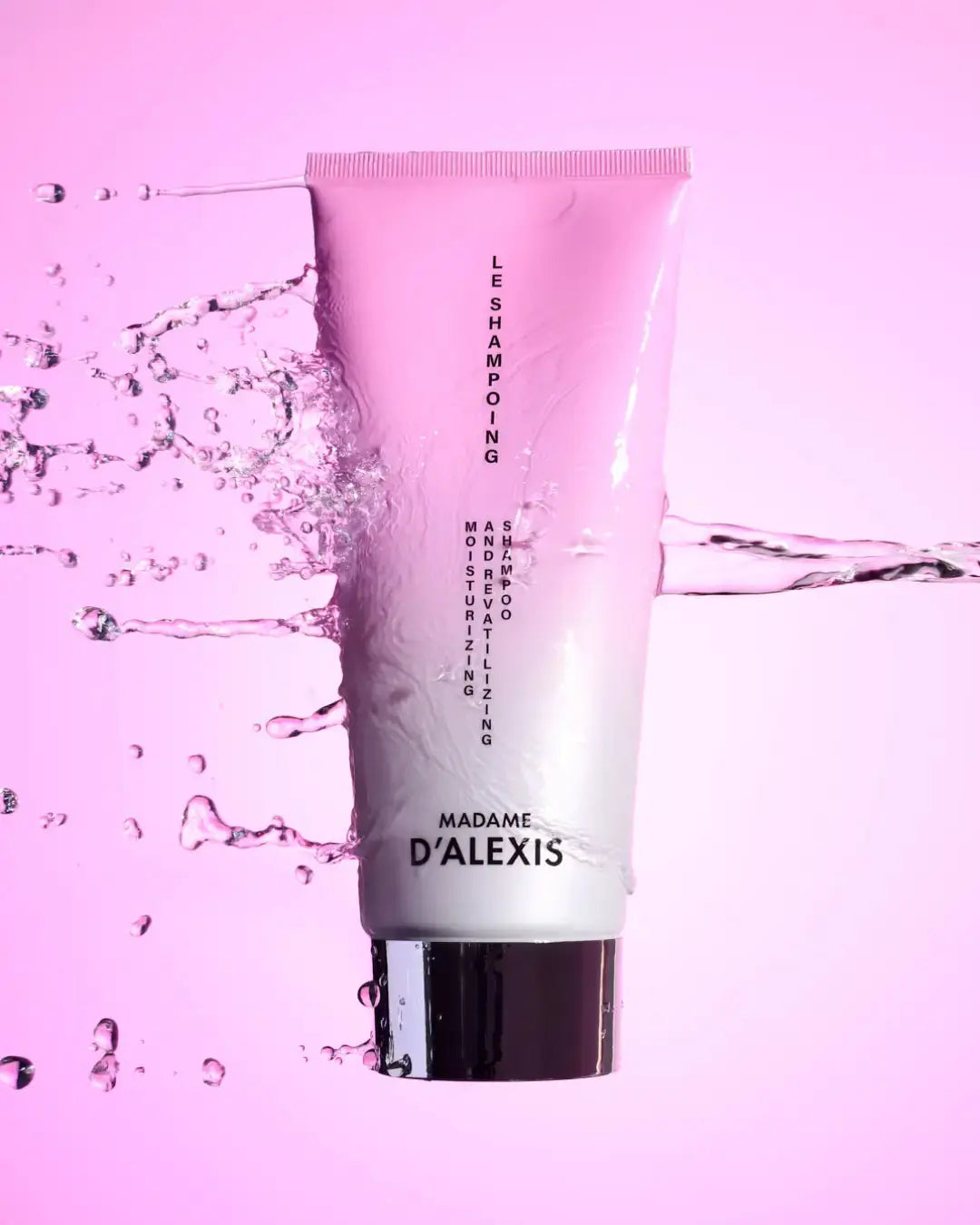
- Madame d'Alexis Moisturizing Shampoo is formulated without water, using only organic hydrosols for maximum concentration of active ingredients.
- This shampoo for very dry and damaged hair contains plant-based keratin and cationic hyaluronic acid, which strengthen the hair fiber and restore suppleness.
- Prebiotics and organic jojoba oil rebalance the scalp and improve overall hair health.
- Considered one of the best shampoos for very dry and damaged hair, it combines professional effectiveness with a 98% natural formula.

Understanding very dry and damaged hair
When we talk about very dry and damaged hair, we are mainly referring to porous hair fibers with raised cuticles. This structure allows water to escape and weakens the core of the hair.
Added to this is often alack of protective sebum: without this lipid film, the surface becomes rough, breakage accelerates, and shine disappears.
The causes are well known and cumulative: heat (straightening, repeated blow-drying), chemical coloring or bleaching, UV rays and pollution, but also harsh washing that strips the hair shaft and scalp.
The result can be seen every day:coarse strands, split ends, loss of shine, difficulty detangling, and a feeling of "cardboard-like" thickness.
My belief is simple: as long as we don't restore the hydrolipidic barrier and close the cuticle, we're perpetuating the problem. So the "best" shampoo isn't the one that lathers the most, but the one that rehydrates, repairs, and protects without stripping.
Which shampoo is best for very dry and damaged hair?
The essential criteria to look for
- Moisturizing shampoo (humectants): look for active ingredients that attract and retain water, such as hyaluronic acid or glycerin. They plump up the hair fiber and improve elasticity, which is essential for limiting breakage.
- Repairing shampoo (proteins): the presence of plant keratin or similar proteins helps to fill in gaps in the cuticle and mechanically strengthen the hair shaft. When used in the right amounts, they add body without stiffening the hair.
- Nourishing shampoo (lipids): light oils or butters — organic jojoba oil, coconut oil, shea butter — restore the lipid cement, smooth the surface, and restore softness and slip to the comb.
- Formula free from sulfates and harsh silicones: gently cleanses and preserves the protective film. Harsh sulfates increase porosity; heavy silicones can coat without treating, weighing down the hair.
- Soft texture and cleansing base: a gentle cleansing base (non-sulfated surfactants), possibly enriched with soothing hydrosols (rose, chamomile, orange blossom), respects sensitive scalps and prepares the hair fiber for treatment.
In practice, we favor formulas that are rich in beneficial active ingredients and low in "fillers": moisturizers to plump, proteins to repair, and lipids to seal.
A concentrated shampoo,with no added water and made from organic hydrosols, is a good example of this philosophy: it gently cleanses, provides nutrients during washing, and leaves the cuticle smoother and shinier.
Final tip: combine this shampoo with a consistent hair care routine (nourishing mask, protective serum) and reduce direct heat exposure.
It is this combination—a demanding formula + the right actions—that permanently transforms dry, damaged hair into supple, shiny, and resistant hair.