Advice
Effective natural hair regrowth treatment: methods, active ingredients, night serum


Natural Treatment for Hair Regrowth: Scalp Care Routine, Night Serum, and Realistic Results
A natural treatment for hair regrowth isn't based on a miracle cure. It relies on a healthy scalp, a consistent routine, gentle stimulation, and active ingredients that can support the follicles over several weeks.
- The five most effective strategies: scalp massage, plant-based active ingredients, a balanced microbiome, a diet rich in iron and zinc, and consistency over three months.
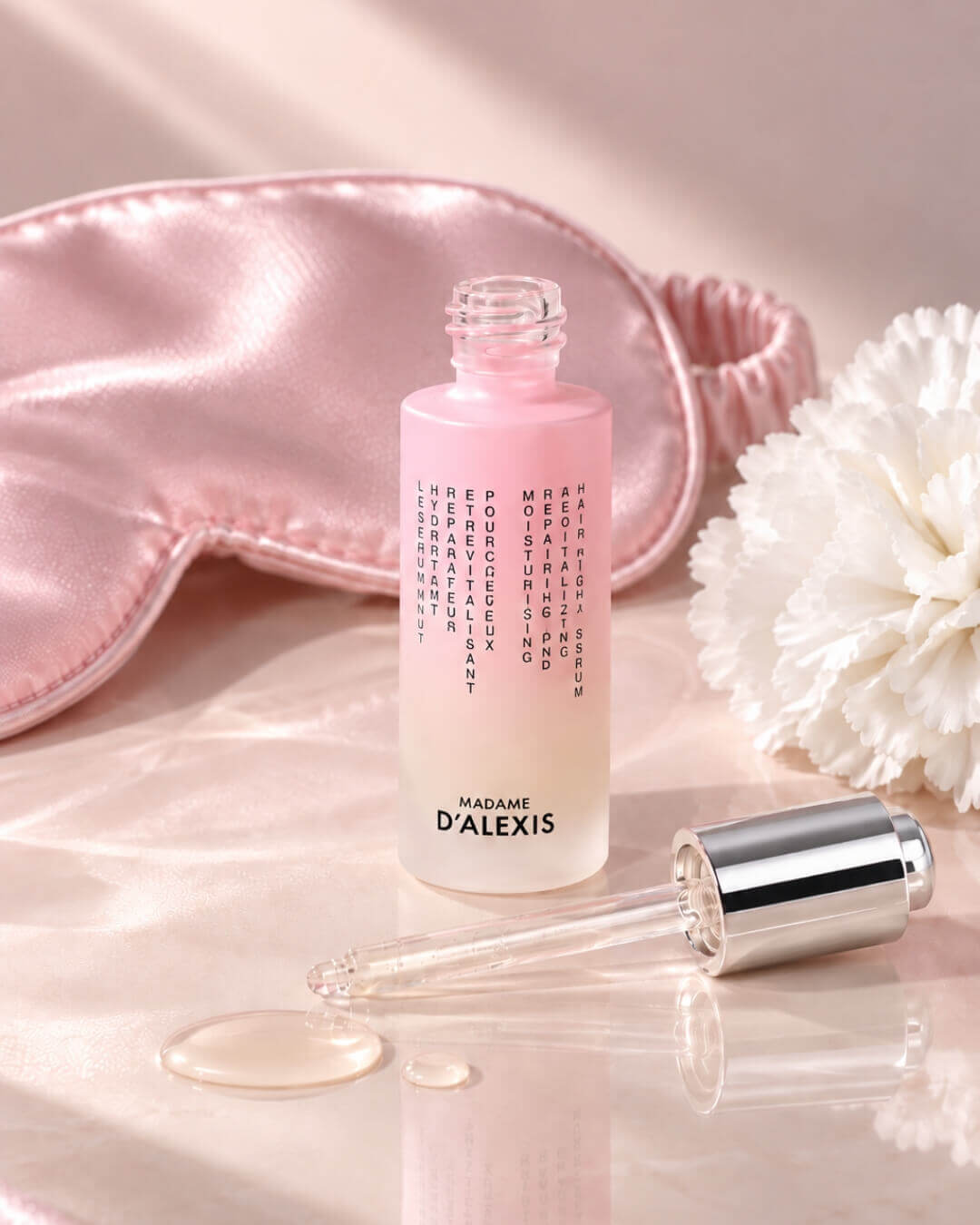
- Madame d’Alexis Night Serum is the key product in this routine: apply it in the evening, directly to the scalp, without rinsing.
- The first visible results often involve improved scalp comfort, added shine, and reduced breakage; visible hair regrowth generally takes several weeks of consistent use.
- In the event of a sudden fall, bald patches, burns, or persistent itching, it is essential to seek medical advice.
Night Serum: A Natural and Biotechnological Treatment to Support Hair Regrowth
Nighttime is the ideal time to target specific areas: the scalp, hair roots, the microbiome, and hair follicles. The Night Serum is used as a targeted leave-in treatment, designed to promote long-term density, vitality, and growth.
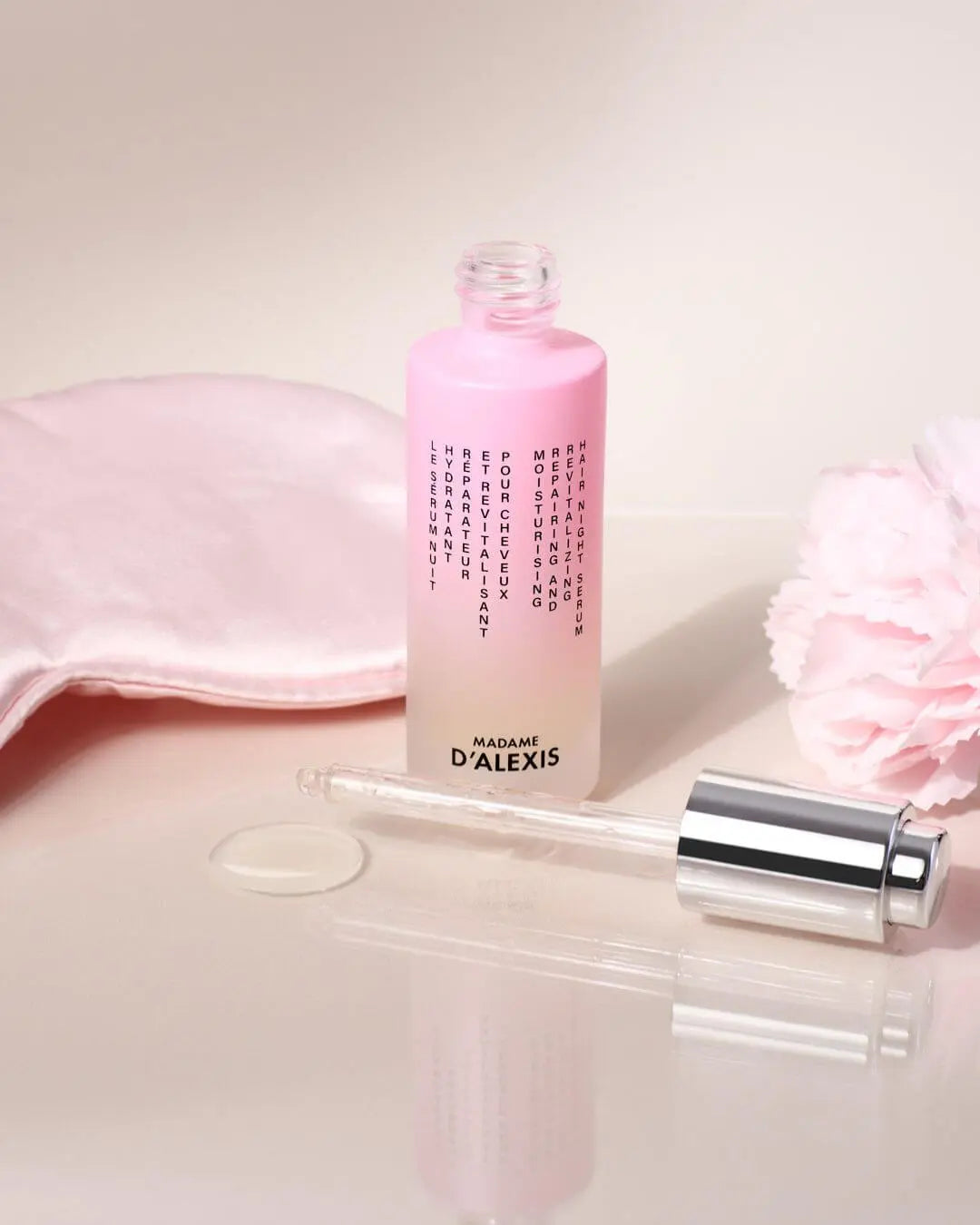
The Night Serum
- Apply to the scalp, section by section.
- Nettle, oak, licorice, and fermented extracts.
- Supports density, the microbiome, and roots.
Why is this treatment strategic?
- It targets the right area: regrowth is treated on the scalp and at the roots, not along the lengths of the hair.
- It follows the natural hair growth cycle: consistency is more important than intensity, with a treatment regimen lasting about three months.
- It combines natural ingredients with biotechnology: organic hydrosols, cationic hyaluronic acid, probiotics, postbiotics, and plant-based active ingredients.
- It's easy to use: just a few drops in the evening, massage gently, no need to rinse, and it doesn't leave the hair feeling greasy.
Understanding regrowth to take better action
Each hair goes through a cycle: the anagen phase, when it grows; the catagen phase, when growth slows down; and the telogen phase, when it falls out naturally. To support steady hair growth, the goal is to maintain a comfortable, well-nourished scalp with minimal inflammation.
Microcirculation
A scalp massage helps improve the flow of oxygen and nutrients to the hair roots.
Consistency
A treatment applied correctly over several weeks is better than a series of remedies that are changed too quickly.
Natural treatment methods for hair regrowth
An effective natural routine combines several steps. None of them is enough on its own, but repeating them creates a more favorable environment for stronger hair.
| Method | Main role | Area of action | Operating frequency | Limit to be aware of |
|---|---|---|---|---|
| Scalp massage | Stimulates microcirculation and prepares the skin for the absorption of skincare products. | Scalp and Hair Follicles | 2 to 5 minutes a day | It should never be aggressive or painful. |
| Vegetable oils | Nourish the hair and reduce breakage. | Lengths and tips | 1 to 2 times per week | Too much oil can make a dish heavy and greasy. |
| Hydrosols and Probiotics | Help soothe and support the microbiome. | Scalp | As part of a regular routine | The result depends on consistency. |
| Madame d’Alexis Night Serum | Nourishes the roots with plant-based active ingredients, organic hydrosols, probiotics, and cationic hyaluronic acid. | Scalp and Roots | 3 to 5 evenings a week for an intensive treatment, 1 to 2 evenings a week for maintenance | Do not use as a substitute for medical advice in the event of an unusual fall. |
| Targeted nutrition | Provides protein, iron, zinc, B vitamins, and fatty acids. | Whole organism | Every day | Deficiencies must be confirmed if the drop is significant. |
To learn more about the causes of slow hair growth, see also the guide on hair that has stopped growing.
Why choose a leave-in night serum?
A leave-in serum applied in the evening remains in contact with the scalp for several hours. That’s precisely what makes it so effective in a hair-growth routine: it doesn’t just coat the hair shaft—it works from the inside out.
What We're Looking For
- A lightweight, non-greasy, leave-in formula.
- Ingredients specifically formulated for the scalp: probiotics, postbiotics, hydrosols, nettle, licorice.
- Apply regularly, section by section, using gentle massage motions.
What to avoid
- Pure essential oils applied directly to the skin.
- Recipes that are strong on onions, alcohol, or strong vinegar.
- Massages that are too vigorous, which irritate more than they stimulate.
For reaction-related or seasonal hair loss, a hair loss serum can help establish a more consistent routine—as long as you stay consistent and realistic.
Week-by-Week Natural Routine
Weeks 1 and 2: Foundations
- Massage the scalp for 2 to 5 minutes, 4 to 5 times a week.
- Apply the Night Serum 3 nights a week to a clean or slightly damp scalp.
- A gentle, sulfate-free shampoo that cleanses without stripping the hair.
- Apply an oil treatment to the lengths if the hair breaks easily.
Weeks 3 and 4: Intensification
- Use the Night Serum 4 to 5 nights a week if your scalp tolerates it well.
- Always massage gently, without scratching or applying excessive heat.
- A moisturizing hair mask for the lengths and ends once a week.
- Exfoliate your scalp every 10 to 15 days if there is buildup, pollution, or excess sebum.
A Realistic Timeline: What to Expect and When?
Hair regrowth is a natural, gradual process that varies from person to person. The goal is not to promise an immediate transformation, but to provide a clear path forward.
A more comfortable scalp, less itching, and hair that’s sometimes more supple thanks to a gentler routine.
Less breakage when brushing, shinier hair, and a scalp that feels softer to the touch. Visible new hair growth is still rare at this stage.
A more noticeable improvement in perceived hair density, especially if the hair loss was reactive or related to an unbalanced scalp.
The routine is starting to show its real benefits: better control, falls are often better managed, and small regrowths are possible depending on the terrain.
The results become clearer if the routine is maintained and there are no underlying medical causes.
Video Routine to Promote Growth and Density
These two videos demonstrate the routine steps and the logic behind regular application. The most important things are to massage gently and consistently.
Useful complementary products for a hair regrowth routine
The Night Serum remains the cornerstone of the hair regrowth routine. The other products are designed to prepare the scalp, minimize breakage, and maintain the quality of the hair shafts while the roots are working.
The Night Serum
- In the evening, scalp and roots.
- Probiotics and natural ingredients that help prevent hair loss.
- A regular treatment regimen lasting several weeks.
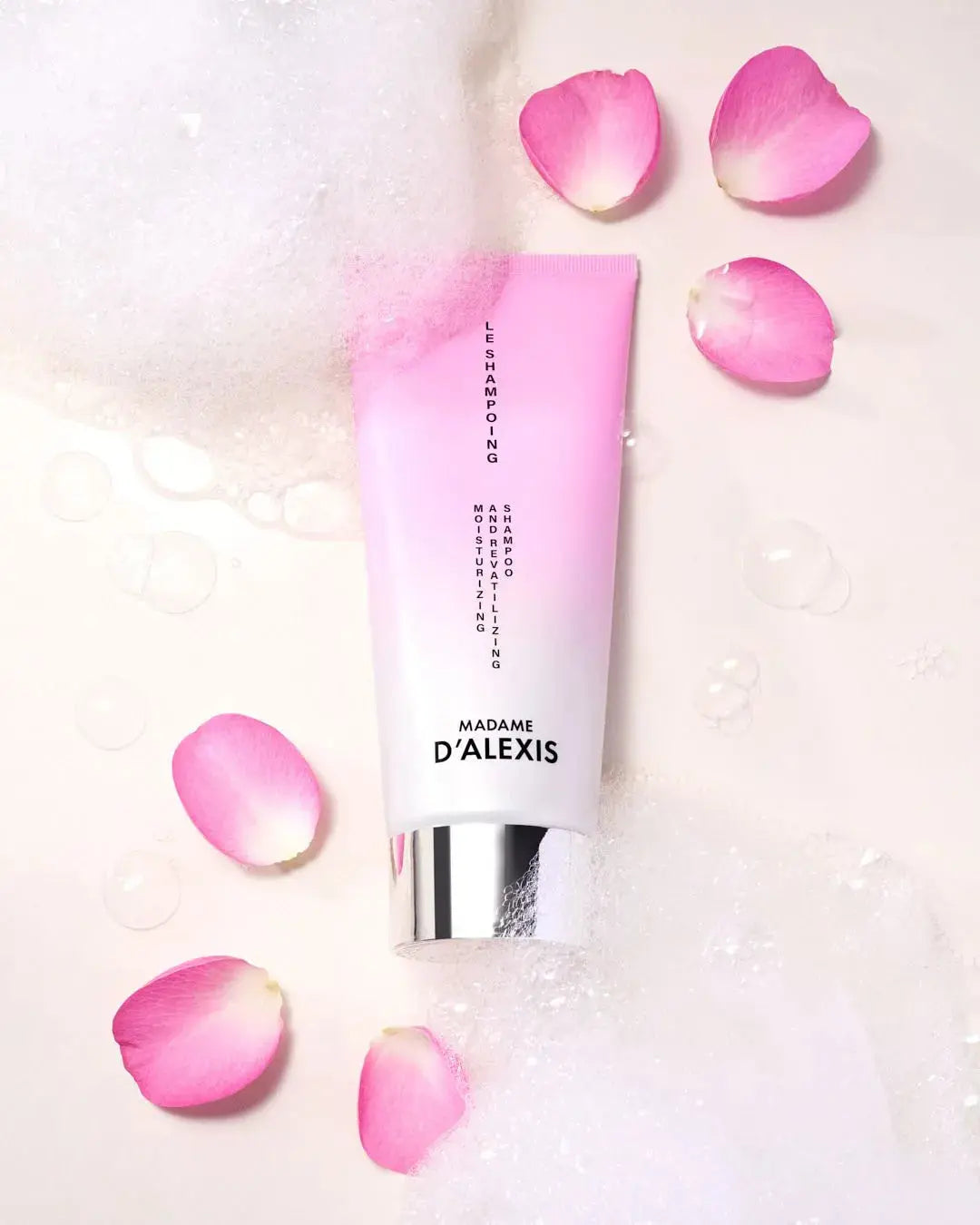
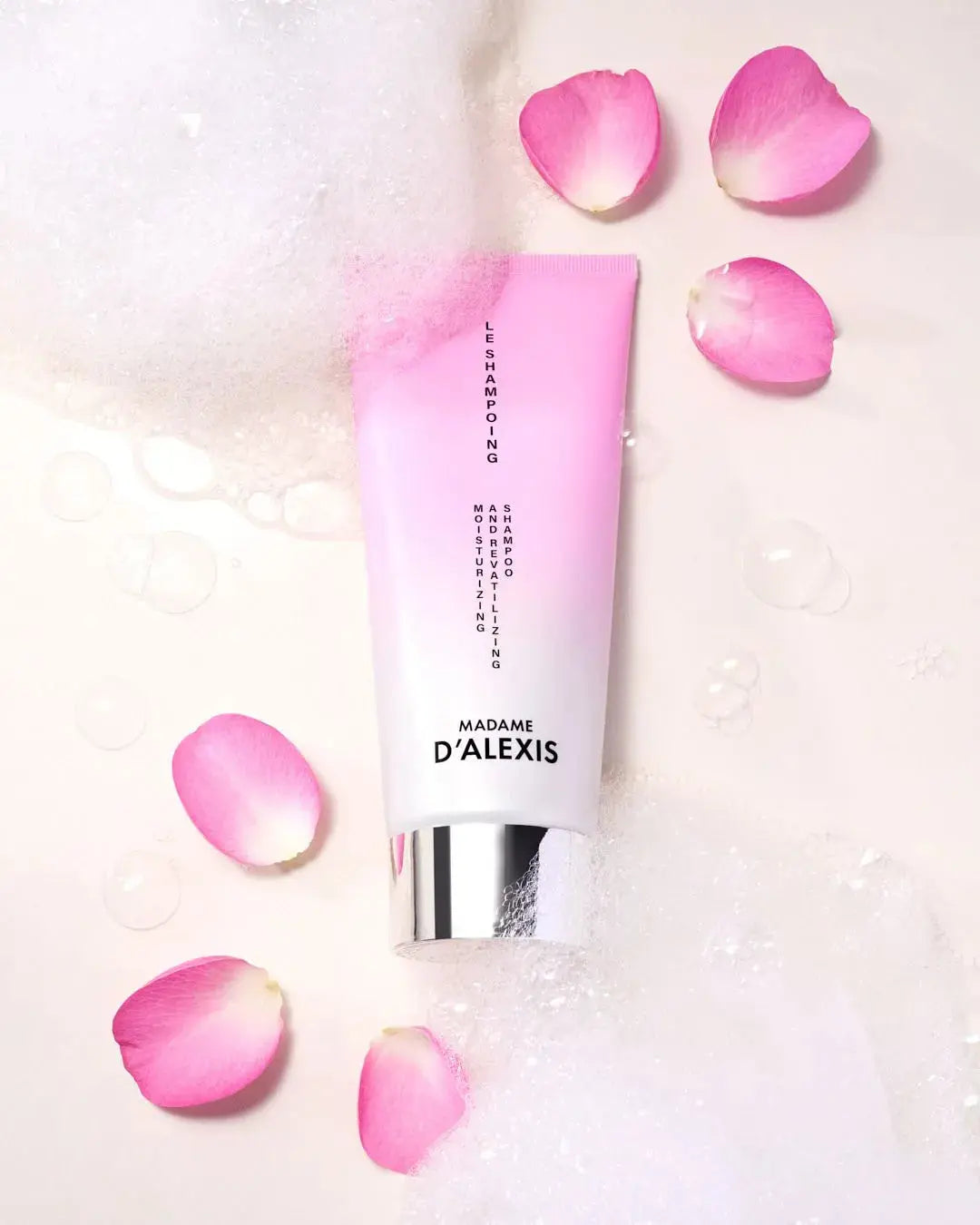
The Shampoo
- Cleans without stripping.
- Prebiotics and plant-based keratin.
- A gentle formula for sensitive scalps.
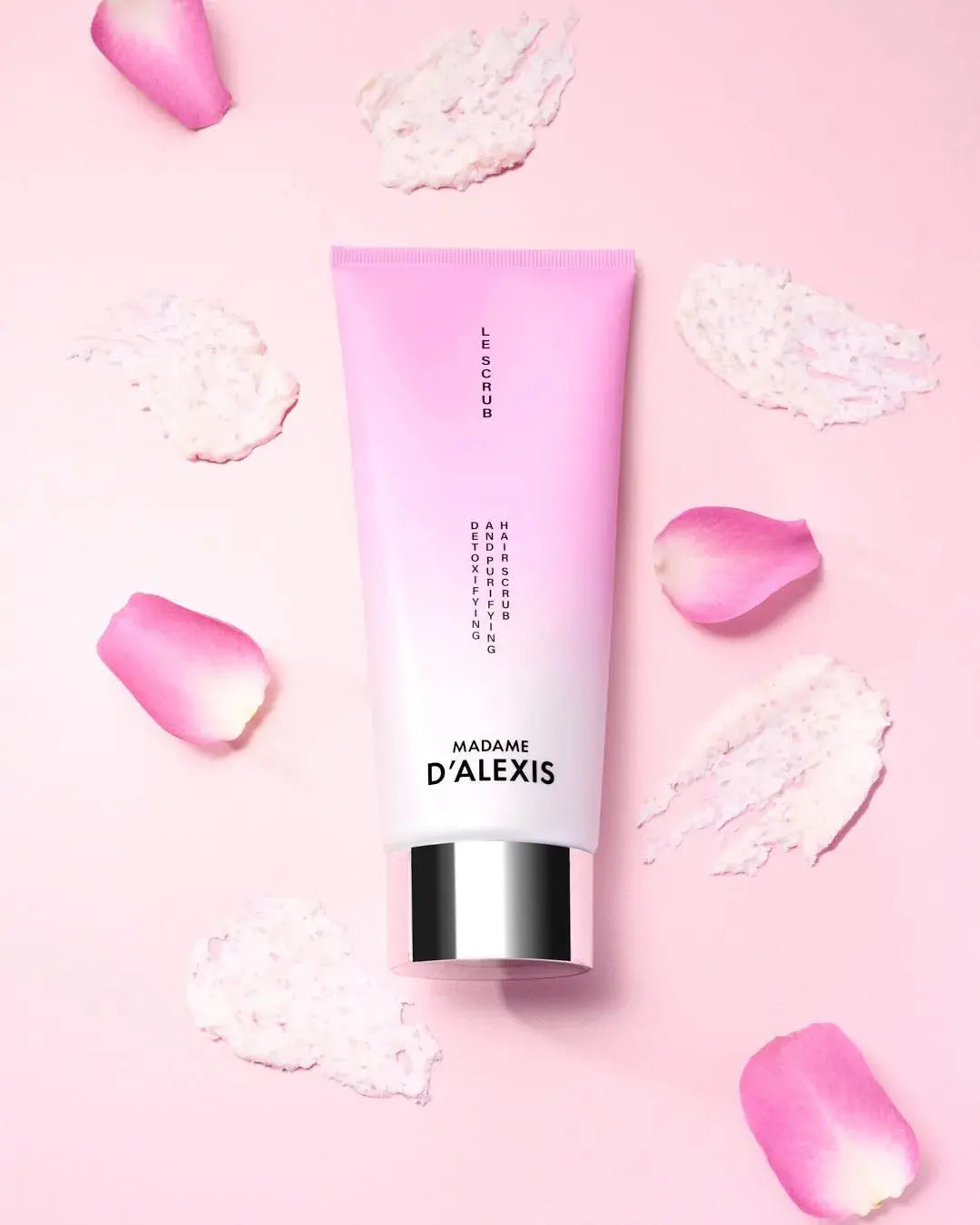
The Scrub
- Every 10 to 15 days.
- Use this instead of shampoo that day.
- Removes residue and contaminants.
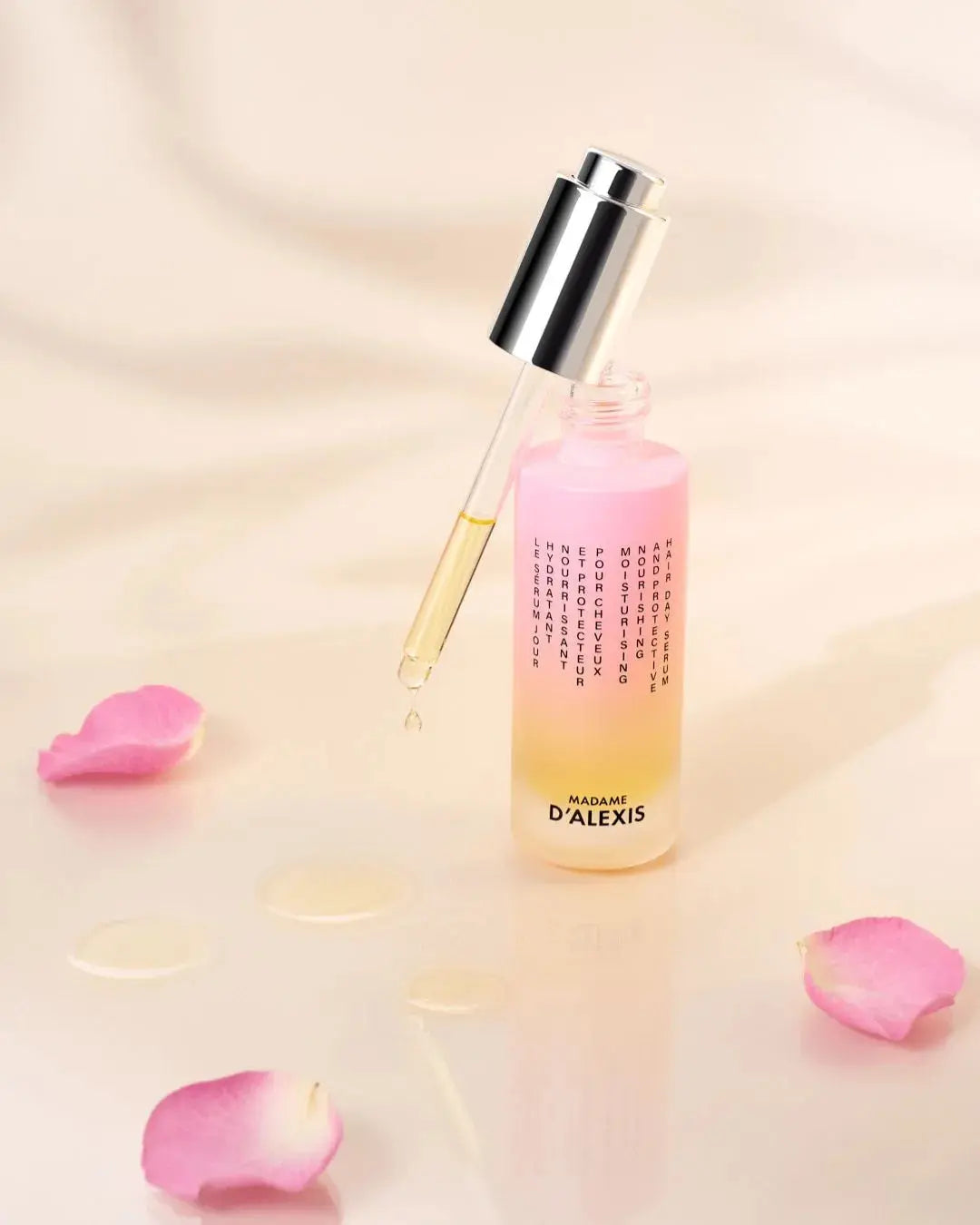
The Day Serum
- Lengths and tips only.
- Provides heat protection up to 200°C.
- Helps minimize damage and friction.
The mistakes that block hair growth
Changing Your Routine Too Quickly
A natural treatment takes at least 6 to 8 weeks before it can be evaluated. Changing it every two weeks skews the results.
Saturate the scalp with oil
Plant-based oils can help nourish the lengths of your hair, but too much product at the roots can weigh it down and make it uncomfortable against the scalp. To choose the right texture, the "Which Oil for Your Hair " guide helps you better understand the different uses.
Ignore Stress
Chronic stress can disrupt the hair growth cycle. This topic is discussed in detail in the article on hair, stress, and cortisol.
Neglecting the lengths
The roots can grow, but if the ends break off, the growth isn't as noticeable. Protecting the hair shaft is essential for maintaining length.
When should you seek medical advice if your hair falls out or grows more slowly?
A natural routine can help care for your scalp, but it is not a substitute for a medical diagnosis. See a doctor if your hair loss is sudden, severe, localized, or painful, or if it is accompanied by patches, a burning sensation, or persistent itching.
Hormonal changes can also cause more significant hair loss. For this specific case, see the guide on postpartum hair loss.
Responsible positioning: Natural ingredients support scalp health but do not treat medical conditions. If in doubt, it is best to consult a dermatologist or doctor.
FAQs about natural treatments for hair regrowth
How to naturally stimulate hair regrowth in 30 days?
Massage your scalp for 2 to 5 minutes, apply a scalp serum in the evening, use a mild shampoo, and eat a diet rich in protein, iron, and zinc. Within 30 days, you’ll mainly notice an improvement in comfort and reduced breakage—not a complete transformation.
What is the best natural treatment for hair regrowth?
The most effective treatment is one that directly targets the scalp. With this in mind, Madame d’Alexis Night Serum plays a key role: it is applied to the roots—no rinsing required—and contains botanical actives, probiotics, and organic hydrosols.
How long does it take to see a visible density?
It usually takes several weeks of consistent use. The first signs may appear after about 4 to 6 weeks, but it often takes 2 to 3 months to achieve more noticeable results.
Can you use the Night Serum and castor oil bath together?
Yes, but not at the same time. The oil treatment is applied before shampooing, either to the lengths of the hair or the scalp, depending on your hair’s tolerance. The Night Serum is then applied to a clean scalp in the evening; it does not need to be rinsed out.
How can you naturally make your hair thicker?
You can improve hair density by caring for your scalp: massage, a sulfate-free routine, regular use of a nighttime serum, and minimizing damage. The guide on how to increase hair density explores this approach in greater detail.
My hair isn't growing anymore—what should I do?
You need to determine whether the problem stems from the root, hair breakage, or an internal factor. For a more comprehensive approach, see the action plan titled “My Hair Isn’t Growing Anymore.”
What type of treatment should you choose if your scalp is irritated?
Opt for a gentle, microbiome-focused routine that’s free of harsh sulfates. The “Irritated Scalp” category features the most effective products for soothing and restoring balance.