Conseils
How many times a week should you shampoo? Complete guide by hair type
The ideal shampoo frequency depends on your hair type. Dry hair: 1-2 times a week. Oily hair: 3-4 times. Normal hair: 2-3 times. Discover the complete routine tailored to your profile + common mistakes to avoid.

The ideal frequency for shampooing depends on your hair type.
- Dry hair: 1-2 times a week.
- Oily hair: 3-4 times.
- Normal hair: 2-3 times.
- Curly hair: 1-2 times.
- Fine hair: 2-3 times.
- Damaged hair: 1-2 times. Discover your ideal hair care routine + common mistakes to avoid + answers to your questions about washing frequency.

Why is shampoo frequency important for hair health?
You're wondering: how many times a week should I shampoo? That's an excellent question, because shampoo frequency is one of the most important decisions for the health of your hair and your scalp.
Too often, you irritate your scalp and dehydrate your hair. Not often enough, you accumulate sebum, residue, and pollution. The secret: find the perfect balance according to your hair type and your lifestyle.
This comprehensive article helps you create the perfect hair care routine. You will discover:
- The ideal frequency for washing your hair according to each hair type
- How to adapt your routine according to the seasons and your physical activity
- The impact of moisturizing masks, serums, and leave-in treatments on washing frequency
- Common mistakes to avoid to preserve hair health
- A complete weekly routine adapted to your profile
- The best shampoos according to your hair type
Ready to find your ideal shampoo frequency and create a routine that really works? Let's go!
What is the ideal frequency for washing your hair? Guide by hair type
The ideal frequency of washing your hair is not the same for everyone. It depends on your hair type, your scalp, your lifestyle, and your environment. Here is the complete guide from a hair expert.
Dry hair: 1-2 times a week to preserve natural hydration
Dry hair lacks hydration and needs fewer shampoos to preserve its natural oils.
Recommended frequency:
- Very dry hair: 1 time a week
- Moderately dry hair: 1-2 times a week
- Dry + damaged hair: 1 time a week maximum
Why this frequency? Each wash removes the natural oils (sebum) that protect your hair fiber. Dry hair needs them to stay hydrated, smooth, and shiny. Too many shampoos = even drier, brittler, and duller hair.
Signs you wash too often:
- Hair that gets greasy quickly after washing
- Hair fiber rough and without softness
- Increased scalp itching
- Persistent "straw" or "frizzy" effect
- Increased hair loss
Complete routine for dry hair:
- Day 1 (Monday): Gentle sulfate-free shampoo + moisturizing mask (15 min) + rinse with lukewarm then cold water
- Day 3 (Wednesday): Rinse with cold water only (no shampoo) + light leave-in treatment
- Day 5 (Friday): Gentle shampoo + rich leave-in treatment
- Day 7 (Sunday): Intensive mask (overnight treatment) for a regenerating treatment
Hair expert tip: use a gentle, sulfate-free shampoo for dry hair. Sulfates irritate the fiber and remove too many natural oils. Opt for nourishing shampoos enriched with natural oil.
Oily hair: 3-4 times a week to control excess sebum
Oily hair produces too much sebum and needs more frequent shampoos to maintain a healthy scalp.
Recommended frequency:
- Very oily hair: 4-5 times a week
- Moderately oily hair: 3-4 times a week
- Oily hair + irritated scalp: 3 times a week
Why this frequency? Oily hair quickly accumulates sebum, pollution, and residue. Regular washing maintains the balance of the scalp and avoids the vicious cycle: the more you wash, the more sebum the scalp produces.
Warning: do not confuse oily hair with an oily scalp. You can have an oily scalp but dry lengths. In this case, adapt your routine: purifying shampoo on the roots, moisturizing mask or homemade mask on the lengths.
Signs of excess sebum:
- Hair greasy as early as the day after washing
- Scalp that is excessively shiny
- Visible accumulation of residue
- Frequent itching
- Dandruff or white residue
Complete routine for oily hair:
- Day 1 (Monday): Purifying clarifying shampoo + light mask (5 min) on the lengths
- Day 3 (Wednesday): Gentle shampoo
- Day 5 (Friday): Gentle shampoo + specific scalp treatment
- Day 7 (Sunday): Gentle shampoo
Hair expert tip: use a clarifying shampoo once a week to remove product residue and pollution. Avoid shampoos that are too rich, which worsen the greasy tendency.
Normal hair: 2-3 times a week to maintain balance
Normal hair is balanced and requires a moderate shampoo frequency to preserve this balance.
Recommended frequency:
- Balanced normal hair: 2-3 times a week
- Normal hair + physical activity: 3 times a week
- Normal hair + polluted environment: 3 times a week
Why this frequency? Normal hair produces just enough sebum to stay protected and shiny. A frequency of 2-3 shampoos a week maintains this natural balance.
Signs of balance:
- Hair shiny and soft
- Scalp healthy without itching
- No excess sebum or dryness
- Hair fiber smooth and easy to style
Complete routine for normal hair:
- Day 1 (Monday): Gentle shampoo + moisturizing mask (10 min)
- Day 3 (Wednesday): Gentle shampoo
- Day 5 (Friday): Gentle shampoo + leave-in treatment
- Day 7 (Sunday): Rest (no shampoo)
Hair expert tip: alternate between classic shampoo and clarifying shampoo for a balanced hair care routine. This prevents the accumulation of residue while preserving the natural balance.
Curly hair: 1-2 times a week to preserve definition
Curly hair is naturally drier and more fragile. It needs fewer shampoos to preserve its structure and definition.
Recommended frequency:
- Coily hair: 1 time a week
- Loose curly hair: 1-2 times a week
- Curly + very dry hair: 1 time a week maximum
Why this frequency? The curly structure of hair makes it difficult for sebum to travel from the roots to the ends. Fewer shampoos = more natural hydration and better curl definition.
Signs of healthy curly hair:
- Well-defined and bouncy curls
- Hair shiny and supple
- No excessive frizz
- Hair fiber smooth and soft
Complete routine for curly hair:
- Day 1 (Monday): Gentle shampoo + moisturizing mask (20 min)
- Day 3 (Wednesday): Cold water rinse + leave-in treatment
- Day 5 (Friday): Cold water rinse only
- Day 7 (Sunday): Intensive mask (overnight treatment)
Hair expert tip: use the "co-wash" method (cleaning with a mask instead of shampoo) 1-2 times a week to preserve hydration and curl definition.
Fine hair: 2-3 times a week to maintain volume
Fine hair is delicate and gets greasy quickly. It needs a moderate frequency to maintain volume without weakening it.
Recommended frequency:
- Fine + oily hair: 3 times a week
- Fine + normal hair: 2-3 times a week
- Fine + dry hair: 2 times a week
Why this frequency? Fine hair lacks density and gets greasy quickly. But too many shampoos weaken it and cause breakage. You need to find the balance.
Signs of fine hair:
- Lack of volume and density
- Hair that quickly lies flat
- Fragility and frequent breakage
- Lengths that lack body
Complete routine for fine hair:
- Day 1 (Monday): Gentle volumizing shampoo + light mask (5 min)
- Day 3 (Wednesday): Gentle shampoo
- Day 5 (Friday): Gentle shampoo + light leave-in treatment
- Day 7 (Sunday): Rest
Hair expert tip: use volumizing shampoos and avoid masks that are too heavy, which will flatten your hair. Opt for light and airy treatments.
Colored hair: 1-2 times a week to preserve color
Colored hair is weakened by chemical treatment. It needs a reduced frequency to preserve color and hair health.
Recommended frequency:
- Recently colored hair: 1-2 times a week
- Colored + dry hair: 1 time a week
- Colored + oily hair: 2 times a week
Why this frequency? Each wash opens the cuticles and can cause color to escape. Fewer shampoos = longer-lasting color and less damaged hair.
Complete routine for colored hair:
- Day 1 (Monday): Gentle sulfate-free shampoo + nourishing mask (15 min)
- Day 3 (Wednesday): Cold water rinse + leave-in treatment
- Day 5 (Friday): Gentle shampoo
- Day 7 (Sunday): Intensive mask
Hair expert tip: use a sulfate-free shampoo specifically formulated for colored hair. Sulfates open the cuticles and cause color to escape.

How many times a week should I shampoo? Precise answers for each situation
You're wondering: how many shampoos a week? Here are the precise answers according to your specific situation.
How many shampoos a week for normal hair?
For normal hair, 2-3 shampoos a week are ideal. This is the ideal frequency to maintain the natural balance.
Example routine: Monday, Wednesday, Friday. This leaves 2-3 days between each wash, allowing the natural sebum to redistribute.
How many shampoos a week for dry hair?
For dry hair, 1-2 shampoos a week are enough. Complete with moisturizing masks twice a week.
Example routine: Monday and Friday. This leaves 3-4 days between shampoos, allowing the natural oils to nourish the fiber.
How many shampoos a week for oily hair?
For oily hair, 3-4 shampoos a week are recommended. Use a clarifying shampoo once a week.
Example routine: Monday, Wednesday, Friday, Sunday. This keeps the scalp clean and balanced.
How many times a week should curly hair be washed?
For curly hair, 1-2 washes a week are enough. Use the "co-wash" method 1-2 times a week.
Example routine: 1 shampoo on Monday + 1-2 co-washes on Wednesday/Friday. This preserves the curls and their moisture.
How many times a week should fine hair be washed?
For fine hair, 2-3 washes a week are recommended. Avoid overly heavy masks.
Example routine: Monday, Wednesday, Friday. Use volumizing shampoos to maintain volume.
How many times a week should color-treated hair be washed?
For color-treated hair, a maximum of 1-2 washes a week. This preserves the color and hair health.
Example routine: Monday and Friday. Use a sulfate-free shampoo specifically designed for color-treated hair.
Is it good to wash your hair every day? The risks of daily washing
The question comes up often: is it good to wash your hair every day? The answer is no. Daily washing is bad for your hair and your scalp.
Why daily washing is bad for your hair
Washing too frequently creates a vicious cycle:
- You wash your hair every day
- This removes the natural sebum
- Your scalp compensates by producing MORE sebum
- Your hair gets greasy faster
- You wash it again, and the cycle starts over
This is the vicious cycle of daily washing. The more you wash, the greasier your hair becomes.
The consequences of daily washing
Immediate consequences:
- Hair greasy as early as the next day
- Scalp irritated and sensitive
- Frequent itching
- Loss of natural shine
Long-term consequences:
- Hair fiber weakened and brittle
- Increased hair loss
- Persistent "straw" or "frizzy" effect
- Scalp chronically irritated
- Dandruff or visible residue
How to break free from the vicious cycle of daily washing
If you currently wash your hair every day, here is how to gradually reduce:
- Weeks 1-2: 6 shampoos per week (skip 1 day)
- Weeks 3-4: 5 shampoos per week
- Weeks 5-6: 4 shampoos per week
- Weeks 7-8: 3 shampoos per week (your goal)
Tip: use a dry shampoo or cleansing spray between shampoos to absorb excess sebum and maintain cleanliness.
Warning: daily washing may be necessary in some cases
There are a few situations where more frequent washing may be necessary:
- Intense physical activity (sports, gym): sebum and sweat make your hair dirty quickly
- Highly polluted environment: pollution accumulates on the hair
- Extremely greasy hair: some people really produce a lot of sebum
- Working in a hot/humid environment: heat increases sebum production
Even in these cases, try to reduce to 4-5 shampoos per week. Use a dry shampoo on the other days.

How to space out shampoos? Practical guide for a lightness routine
You want to space out shampoos but don't know how? Here is the complete guide to creating an effective lightness routine.
Step 1: Gradually reduce the frequency
Don't reduce it all at once. Reduce it gradually over 4-8 weeks to allow your scalp to adapt.
Example: if you currently do 5 shampoos per week, reduce to 4 the following week, then 3, etc.
Step 2: Use a dry shampoo between shampoos
A dry shampoo absorbs excess sebum and prolongs cleanliness between shampoos. It is the ideal tool for spacing out shampoos.
How to use it:
- Spray on the roots and greasy areas
- Massage lightly with your fingertips
- Leave on for 5-10 minutes
- Brush to remove the excess
Step 3: Use leave-in treatments
Leave-in treatments protect and nourish your hair between shampoos. They also help to space out shampoos by maintaining moisture.
When to use them: after each wash on the lengths and ends.
Step 4: Adapt your routine according to your physical activity
Your physical activity affects the washing frequency:
- No physical activity: 2-3 shampoos per week
- Moderate physical activity (1-2x/week): 3 shampoos per week
- Intense physical activity (3-4x/week): 4 shampoos per week
- Very intense physical activity (5-7x/week): 5 shampoos per week
Tip: after sports, simply rinse with cold water instead of doing a full shampoo. This removes sweat without irritating your hair.
Step 5: Adapt your routine according to the seasons
The seasons affect your washing frequency:
- Spring/Autumn: standard frequency (2-3 shampoos)
- Summer: increase by 1 shampoo (heat + pollution + sea/pool water)
- Winter: reduce by 1 shampoo (cold + heating = dryness)
Step 6: Use moisturizing masks for a regenerating treatment
Moisturizing masks allow you to space out shampoos by deeply nourishing your hair.
Frequency: 1-2 times a week depending on your hair type.
Benefit: your hair stays nourished and hydrated, which reduces the need for frequent shampoos.
What shampoo to use according to hair type? Hair expert guide
Washing frequency is only half the equation. The shampoo you use is just as important. Here is the complete guide to choosing the right shampoo according to your hair type.
Shampoos for dry hair: prioritize gentleness and hydration
For dry hair, choose a sulfate-free nourishing shampoo.
Features:
- Sulfate-free (harsh)
- Enriched with natural oil (argan, jojoba, coconut)
- Moisturizing or nourishing shampoo
- Creamy and gentle texture
- Balanced pH
Avoid: shampoos with sulfates, overly harsh purifying shampoos.
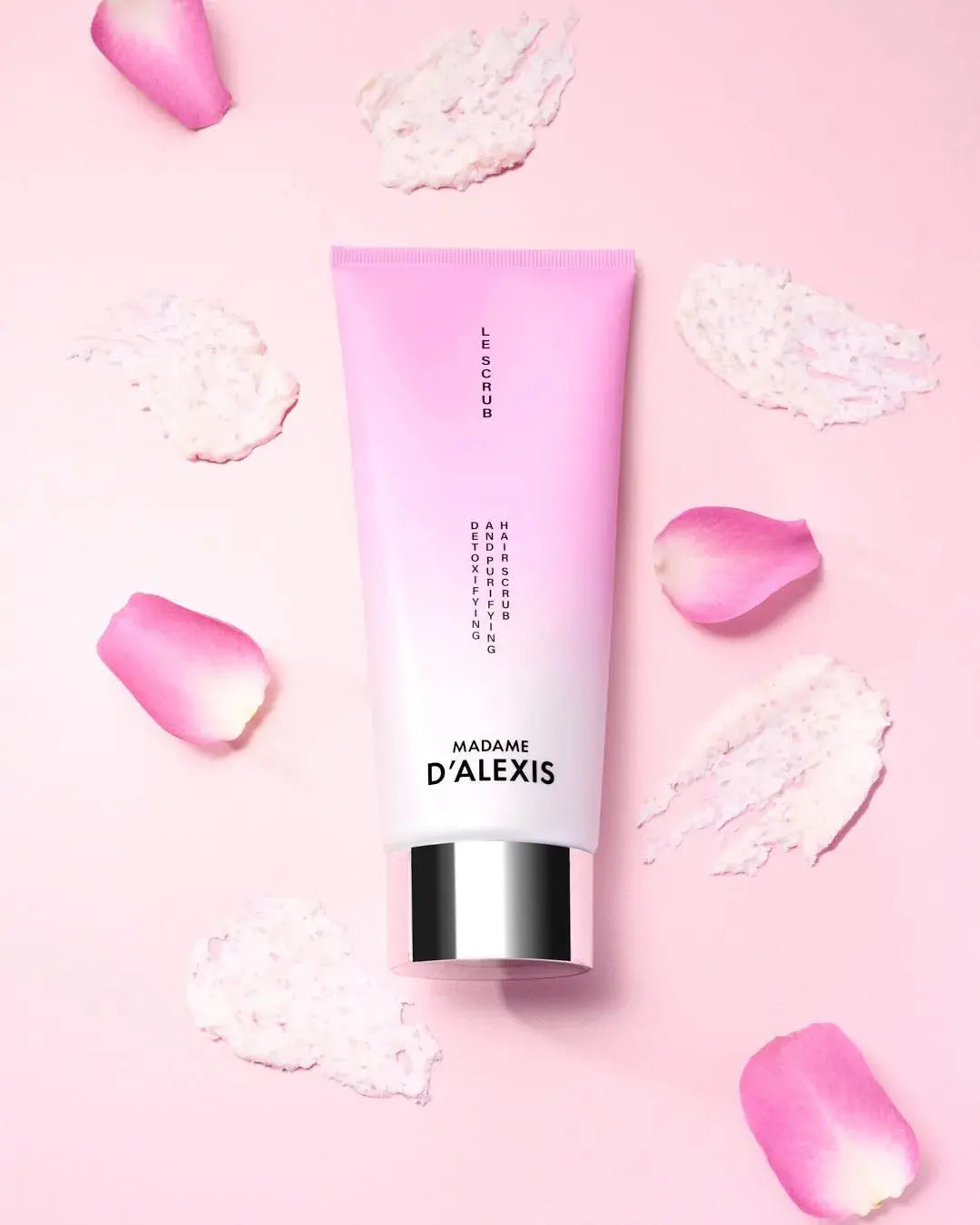
Shampoos for greasy hair: prioritize purification
For greasy hair, choose a purifying shampoo that controls excess sebum.
Shampoos for dry hair: prioritize gentleness and hydration
For dry hair, choose a sulfate-free nourishing shampoo.
Features:
- Sulfate-free (harsh)
- Enriched with natural oil (argan, jojoba, coconut)
- Moisturizing or nourishing shampoo
- Creamy and gentle texture
- Balanced pH
Avoid: shampoos with sulfates, overly harsh purifying shampoos.
Shampoos for greasy hair: prioritize purification
For greasy hair, choose a purifying shampoo that controls excess sebum.
Features:
- Purifying or clarifying shampoo
- Light and airy formula
- Controls sebum production
- May contain charcoal, clay
- Easy to rinse
Avoid: overly rich or nourishing shampoos.
Shampoos for normal hair: balance and gentleness
For normal hair, choose a gentle and balanced shampoo.
Features:
- Balanced formula
- No harsh sulfates
- Light texture
- Effective cleansing without irritation
- Can be used daily if necessary
Shampoos for curly hair: hydration and definition
For curly hair, choose a moisturizing shampoo that preserves definition.
Features:
- Rich moisturizing shampoo
- Sulfate-free
- Enriched with natural oil
- Formula that defines curls
- Creamy texture
Avoid: overly light shampoos that do not nourish enough.
Shampoos for fine hair: lightness and volume
For fine hair, choose a light and volumizing shampoo.
Features:
- Light and airy formula
- Volumizing shampoo
- Sulfate-free
- Light texture that does not weigh hair down
- Adds body and volume
Avoid: overly rich shampoos that flatten hair.
Shampoos for color-treated hair: color protection
For color-treated hair, choose a specific sulfate-free shampoo.
Features:
- No sulfates (which open the cuticle)
- Gentle and protective formula
- Preserves color
- Enriched with natural oil
- May contain pigments to revive color
Avoid: shampoos with sulfates that cause color to fade.
Common mistakes to avoid for an optimal washing frequency
Even with the best intentions, some mistakes can sabotage your hair routine. Here are the 7 common mistakes to avoid.
Mistake 1: Too many shampoos = dry and brittle hair
❌ Bad: "I'm going to shampoo every day to have clean hair."
✅ Good: "I'm going to adapt my frequency to my hair type."
Why: every wash removes natural oils. Too often = dry, brittle, dull hair.
Mistake 2: Not enough shampoos = greasy and dirty hair
❌ Bad: "I'm going to shampoo once a month to preserve natural oils."
✅ Good: "I'm going to find the balance according to my ideal frequency."
Why: not enough shampoos = accumulation of sebum, pollution, residue.
Mistake 3: Using an overly harsh shampoo
❌ Bad: "I'm going to use a shampoo with sulfates to clean thoroughly."
✅ Good: "I'm going to use a gentle shampoo adapted to my hair type."
Why: sulfates irritate the fiber and remove too many natural oils.
Mistake 4: Water too hot during washing
❌ Bad: "I'm going to use hot water to clean well"
✅ Good: "I'm going to use lukewarm water then cold water"
Why: hot water opens the cuticles and removes moisture. Cold water seals the cuticles and improves shine.
Mistake 5: Not adjusting the frequency according to the seasons
❌ Bad: "I'm going to follow the same routine all year round"
✅ Good: "I'm going to adjust my frequency according to the season"
Why: the seasons affect the condition of your hair. Summer = more shampoos. Winter = less.
Mistake 6: Ignoring the signals of your hair
❌ Bad: "I'm going to follow a generic routine without listening to my hair"
✅ Good: "I'm going to observe my hair and adjust my frequency"
Signals to watch out for:
- Hair too greasy after 1 day? Increase the frequency
- Hair dry and brittle? Reduce the frequency
- Itching or dandruff? Change your shampoo
- Hair without volume? Use a volumizing shampoo
Mistake 7: Not using the right complementary treatments
❌ Bad: "I'm just going to use a shampoo"
✅ Good: "I'm going to use a shampoo + mask + leave-in treatment"
Why: complementary treatments allow you to space out shampoos by nourishing your hair.
Complete weekly routine: example for normal hair
Here is a complete and balanced weekly routine for normal hair. Adjust according to your hair type.
Monday: Cleaning + Hydration
Morning:
- Rinse with cold water
- Apply a light leave-in treatment on the lengths
Evening:
- Shampoo gentle
- Hydrating mask (10 min)
- Rinse with lukewarm water then cold
Tuesday: Rest and protection
- No shampoo
- Apply a leave-in treatment on the ends
Wednesday: Light cleaning
Evening:
- Shampoo gentle
- Rinse with cold water
Thursday: Rest and protection
- No shampoo
- Apply a leave-in treatment
Friday: Cleaning + Treatment
Evening:
- Shampoo gentle
- Leave-in treatment
Saturday: Rest and protection
- No shampoo
- Apply a serum or a light hair oil
Sunday: Intensive treatment and regenerating cure
Evening:
- Mask intensive (overnight treatment)
- Rinse abundantly in the morning
Frequently asked questions about shampoo frequency
How many shampoos per week for dry hair?
For dry hair, 1-2 shampoos per week are ideal. Complete with hydrating masks 2 times per week for a regenerating cure.
How many shampoos per week for greasy hair?
For greasy hair, 3-4 shampoos per week are recommended. Use a clarifying shampoo 1 time per week to remove residue.
How many shampoos per week for normal hair?
For normal hair, 2-3 shampoos per week are ideal. Alternate between classic and clarifying shampoo for a balanced hair routine.
How many shampoos per week for curly hair?
For curly hair, 1-2 shampoos per week are enough. Use the "co-wash" method 1-2 times per week to preserve curl definition.
How many shampoos per week for fine hair?
For fine hair, 2-3 shampoos per week are recommended. Avoid heavy masks that will flatten your hair.
How many shampoos per week for damaged hair?
For damaged hair, 1-2 shampoos per week maximum. Complete with repairing masks 2-3 times per week for an intensive cure.
Is washing your hair every day bad?
Yes, shampooing every day is bad for your hair. It removes the natural oils and creates a vicious circle: the more you wash, the greasier your hair becomes.
Consequences:
- Hair dry and brittle
- Scalp irritated
- Straw-like or frizzy effect
- Loss of volume and shine
- Increase in hair loss
Can you shampoo once a week?
Yes, if you have dry, curly or damaged hair. But if you have greasy hair, it's probably not enough.
Tip: listen to your hair and adjust according to your needs. Everyone is different.
How to reduce shampoo frequency?
If you currently shampoo every day, reduce gradually:
- Weeks 1-2: 6 shampoos per week
- Weeks 3-4: 5 shampoos per week
- Weeks 5-6: 4 shampoos per week
- Weeks 7-8: 3 shampoos per week
Tip: use a dry shampoo or a cleansing spray between shampoos to maintain cleanliness.
What is the best day to shampoo?
There is no "best day". Shampoo when you need to. But ideally:
- Evening: to let your hair regenerate during the night
- Morning: if you have greasy hair and need to feel fresh
Should you shampoo before or after a mask?
Always shampoo BEFORE the mask:
- Shampoo to clean
- Mask to nourish and hydrate
- Rinse with cold water to seal
How much time between two shampoos?
It depends on your hair type:
- Dry hair: 3-4 days between two shampoos
- Greasy hair: 1-2 days between two shampoos
- Normal hair: 2-3 days between two shampoos
Does dry shampoo count as a shampoo?
No, dry shampoo is not a real shampoo. It's a temporary product that absorbs sebum. Use it between shampoos to prolong cleanliness.
Should you shampoo after a mask?
No, do not shampoo after a mask. Simply rinse with cold water to seal the cuticles and preserve the treatments.
How many shampoos per week during pregnancy?
During pregnancy, maintain your usual shampoo frequency. Hormones can affect your hair, but the frequency remains the same.
Tip: use natural and gentle shampoos during pregnancy.
How many shampoos per week after coloring?
After coloring, reduce to 1-2 shampoos per week for the first 2 weeks. Use a sulfate-free shampoo to preserve the color. Your hair may also have an elastic appearance, in this case I advise you to consult our guide.
How many shampoos per week after bleaching?
After bleaching, reduce to 1 shampoo per week for 2-3 weeks. Your hair is very weakened. Complete with repairing masks 2-3 times per week.
How many shampoos per week with intense sports activity?
With intense sports activity (3-4x/week), increase to 4 shampoos per week. After sports, simply rinse with cold water instead of doing a full shampoo.
How many shampoos per week in a polluted environment?
In a very polluted environment, increase to 3-4 shampoos per week. Pollution accumulates quickly on the hair.
How many shampoos per week with very thick hair?
With very thick hair, 2-3 shampoos per week are enough. Thick hair retains natural sebum better.
How many shampoos per week with very fine hair?
With very fine hair, 2-3 shampoos per week are recommended. Avoid heavy shampoos.
How many shampoos per week with very long hair?
With very long hair, 2-3 shampoos per week are enough. The lengths are drier and need fewer shampoos.
How many shampoos per week with very short hair?
With very short hair, you can do 3-4 shampoos per week. Short hair gets greasy faster.
Find your ideal shampoo frequency and create your hair routine
The ideal shampoo frequency depends on your hair type, your scalp, your lifestyle and your environment. There is no single answer.
Summary of recommended frequencies:
- ✓ Dry hair: 1-2 times per week
- ✓ Greasy hair: 3-4 times per week
- ✓ Normal hair: 2-3 times per week
- ✓ Curly hair: 1-2 times per week
- ✓ Fine hair: 2-3 times per week
- ✓ Damaged hair: 1-2 times per week
- ✓ Colored hair: 1-2 times per week
Final tip: listen to your hair. If it becomes too greasy, increase the frequency. If it becomes too dry, reduce it. Find your perfect balance.
Start with the recommended frequency for your hair type, then adjust according to your needs. You will see results in 2-3 weeks.