Conseils
Coconut hair oil: benefits, usage and mistakes to avoid
Coconut oil for hair is one of the most popular natural treatments. But be warned: its effectiveness is not guaranteed. Discover how to use it correctly, its real benefits, and why Madame d'Alexis's enriched formulas outperform raw oil alone.

Coconut hair oil: benefits, limitations and formulated alternatives
Coconut oil is popular for dry, curly or coily hair thanks to its richness in lauric acid. It can help smooth the texture, reduce frizz and protect the lengths. But it cannot repair a damaged fiber on its own, and it can weigh down fine or oily hair if it is poorly dosed.
- Coconut oil protects and softens, but it does not hydrate in the strict sense: it mainly helps limit water loss.
- It is better suited for dry, thick, curly or coily hair than for fine hair or oily roots.
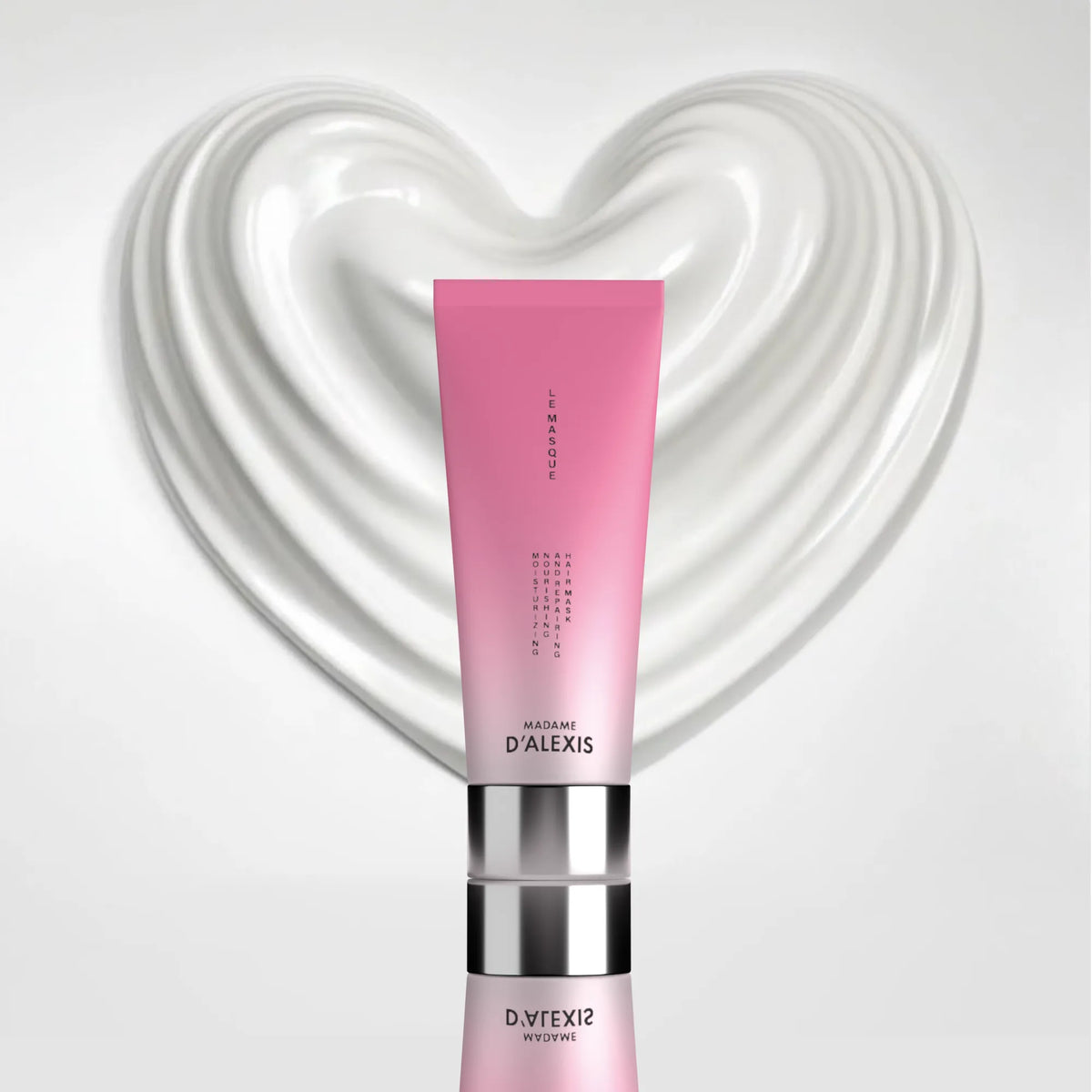
- Product correction: The Madame d’Alexis Mask does not contain coconut oil, but organic apricot and jojoba oils, plant ceramides and cationic hyaluronic acid.
- The Day Serum does not contain coconut oil: it relies on organic jojoba, plant ceramides and heat protection up to 200°C.
- The Scrub can be used for the scalp, but it is used every 10 to 15 days and replaces shampoo on that day.
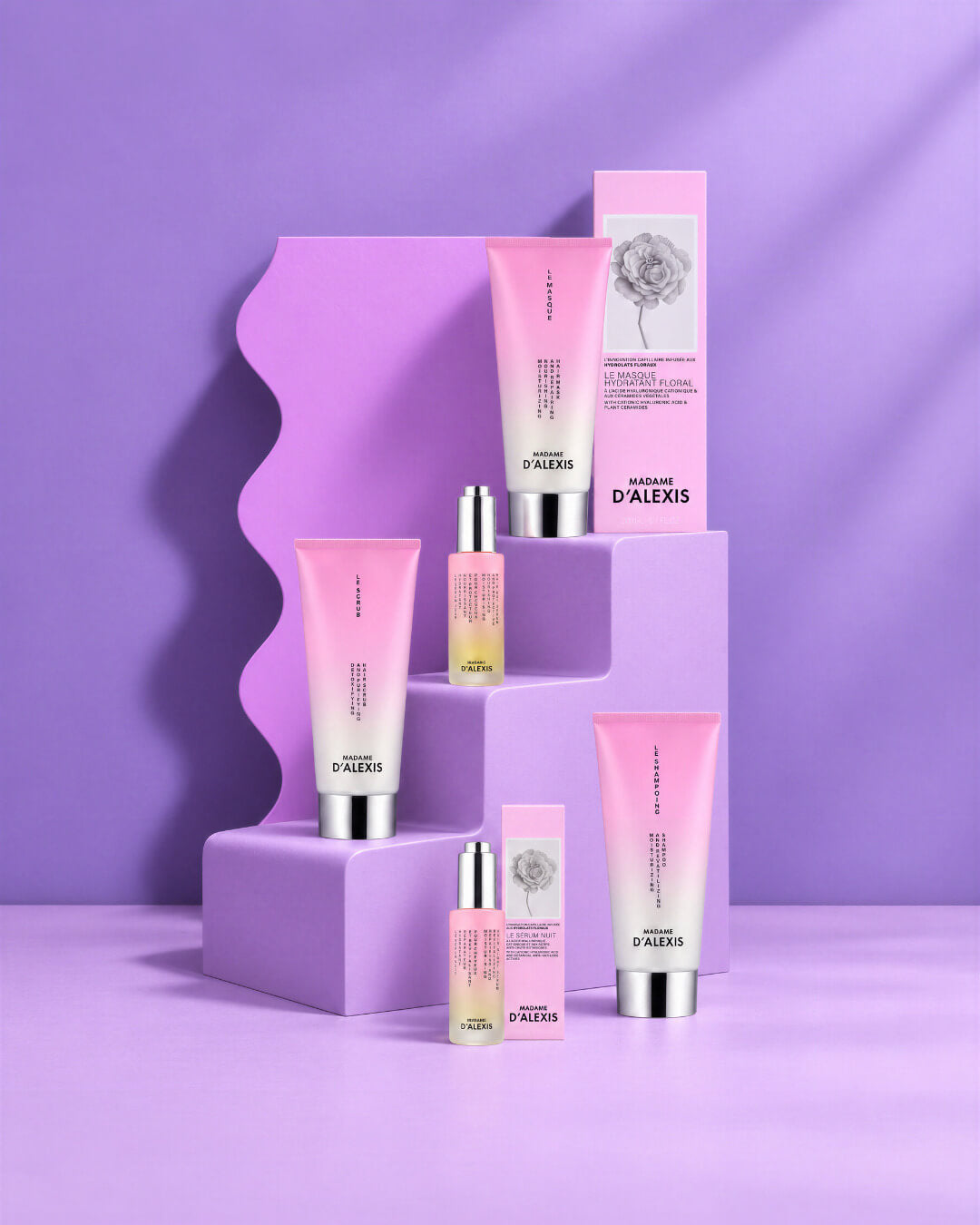
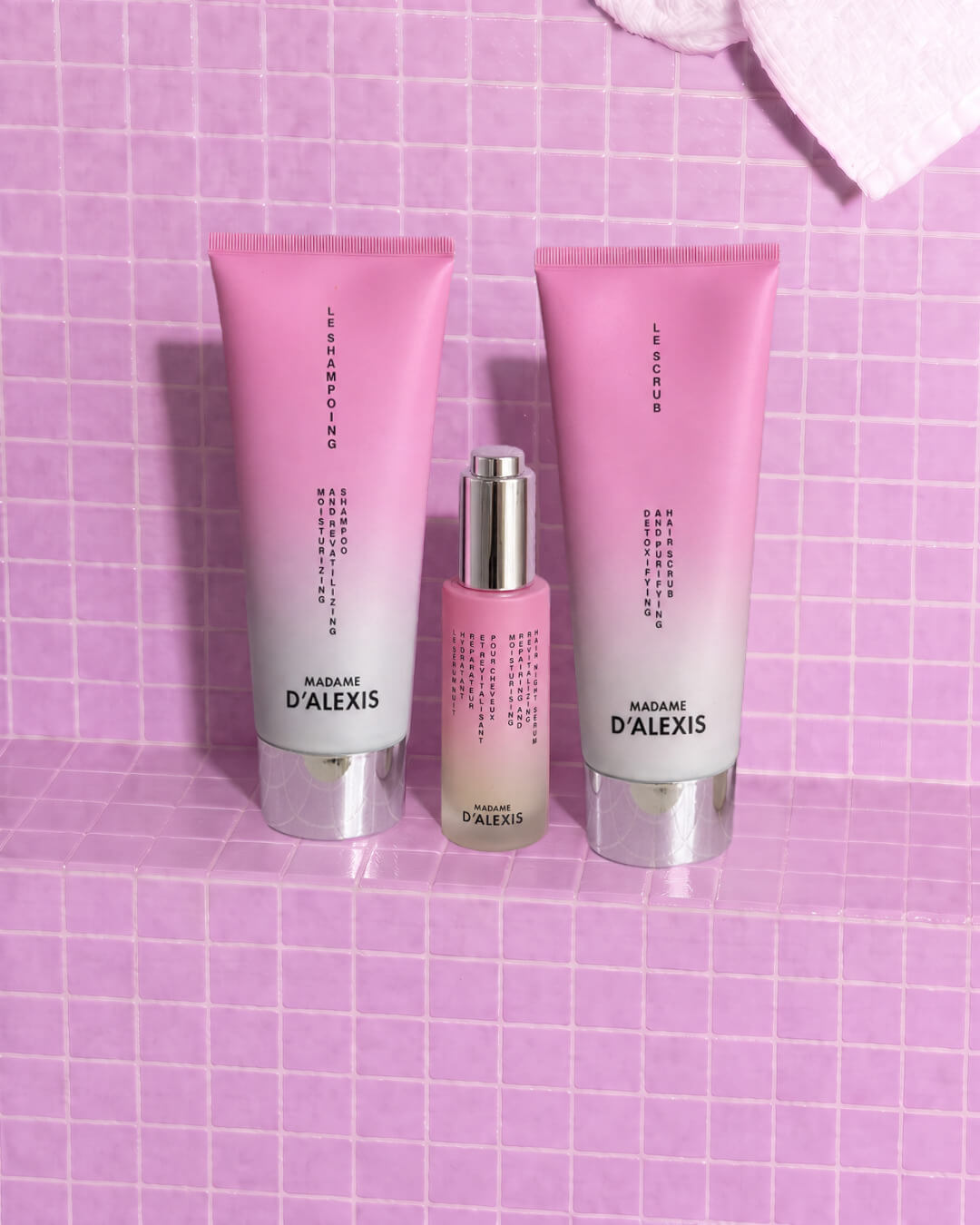
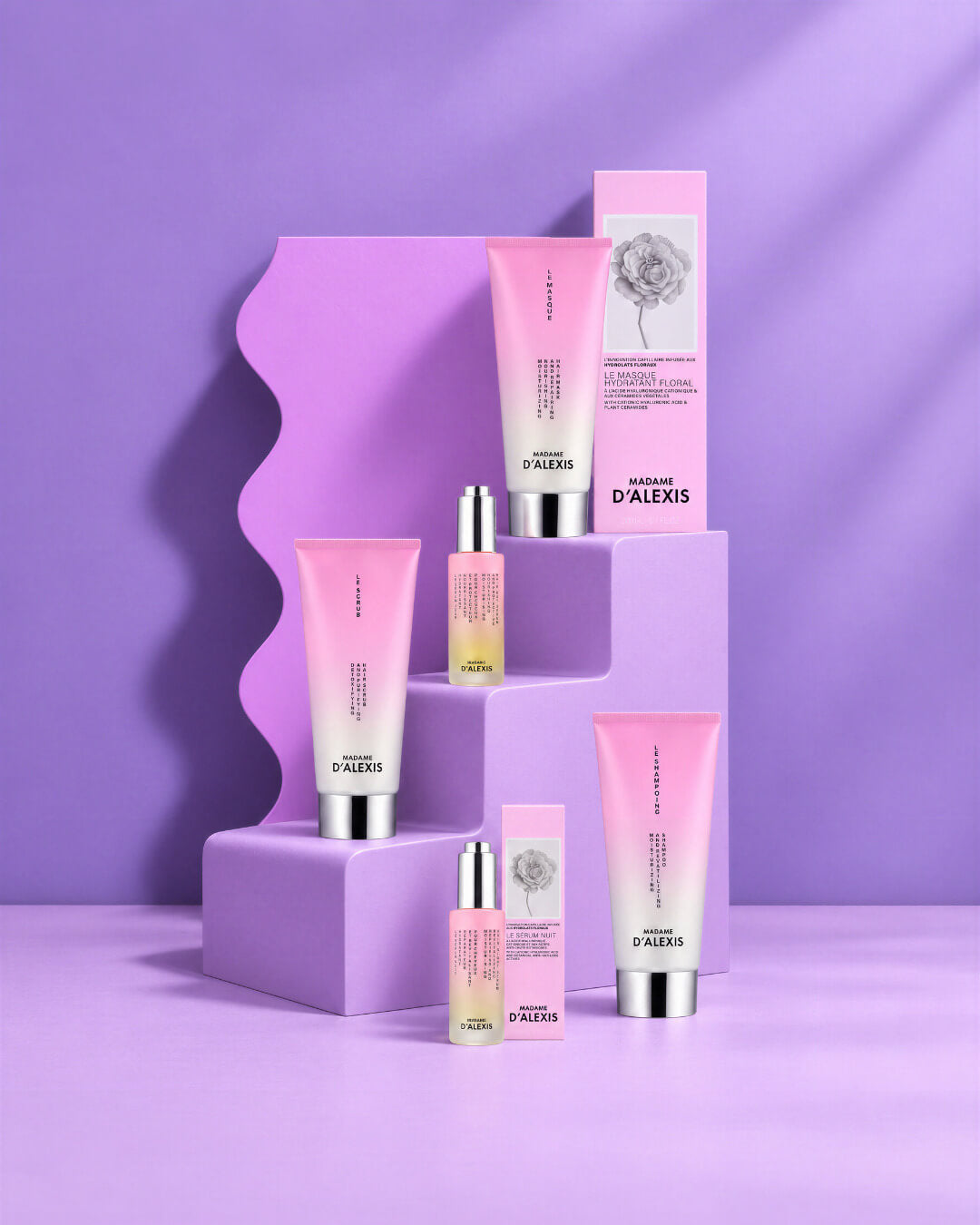
The Madame d’Alexis products mentioned in this routine
As the article talks about coconut oil and nourishment, the cards highlight the truly useful products: The Mask and The Day Serum for the lengths, The Shampoo for washing without stripping, The Scrub only for a scalp reset.
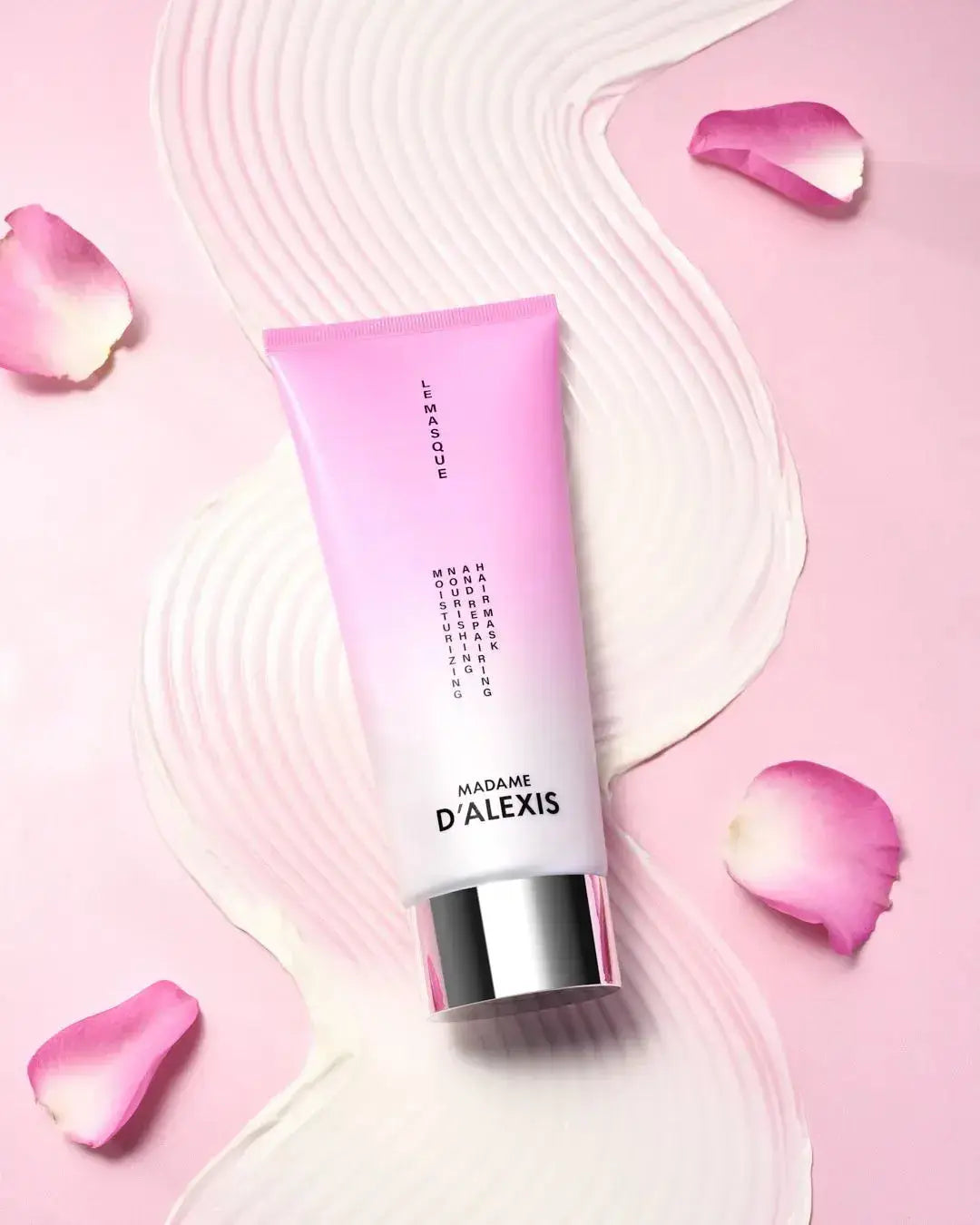
The Lengths Mask
- Lengths and ends only
- Organic apricot and jojoba oils
- Contains no keratin or coconut
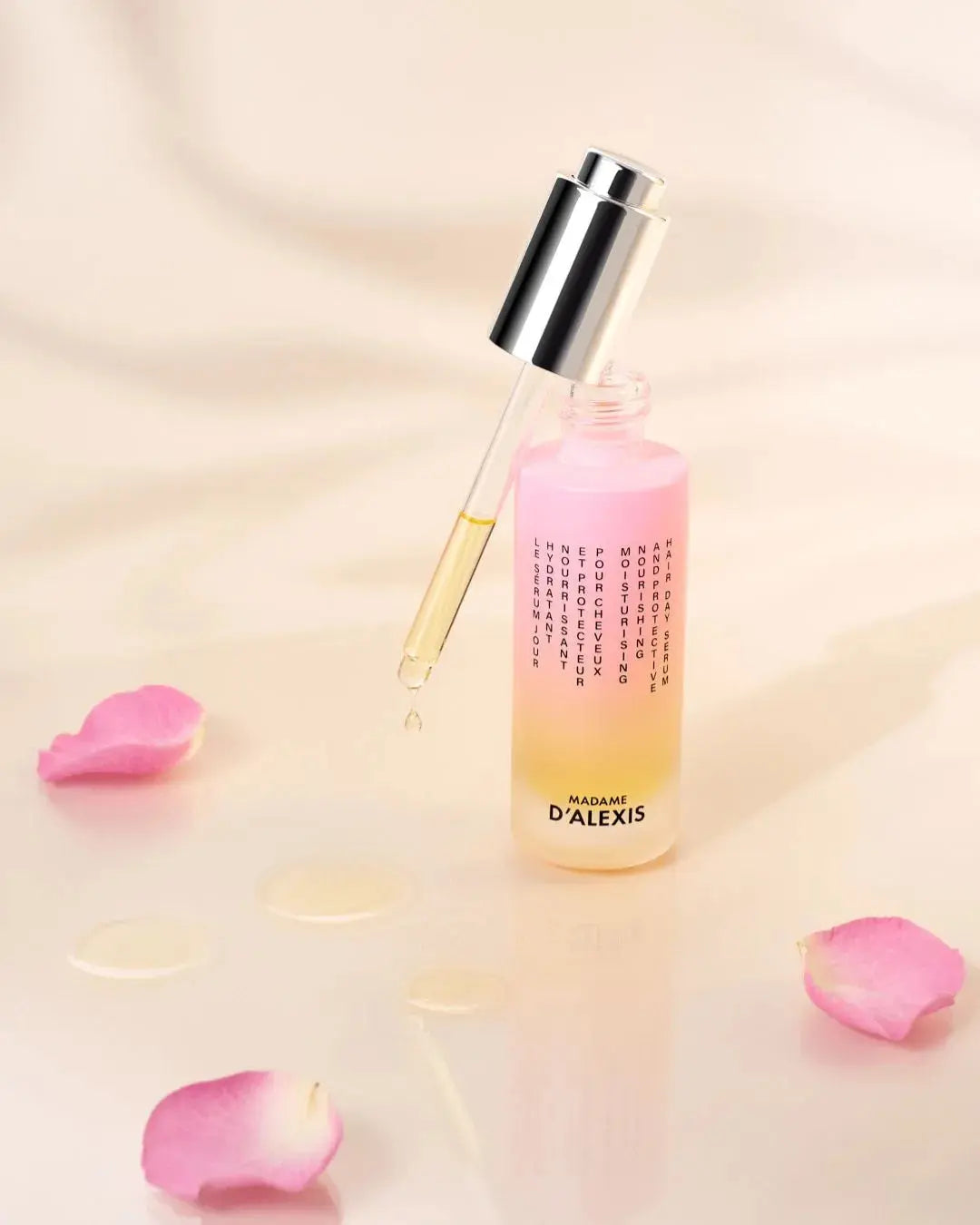
The Day Serum for finishing
- Lengths and ends only
- Heat protection up to 200°C
- Lighter alternative to raw oil
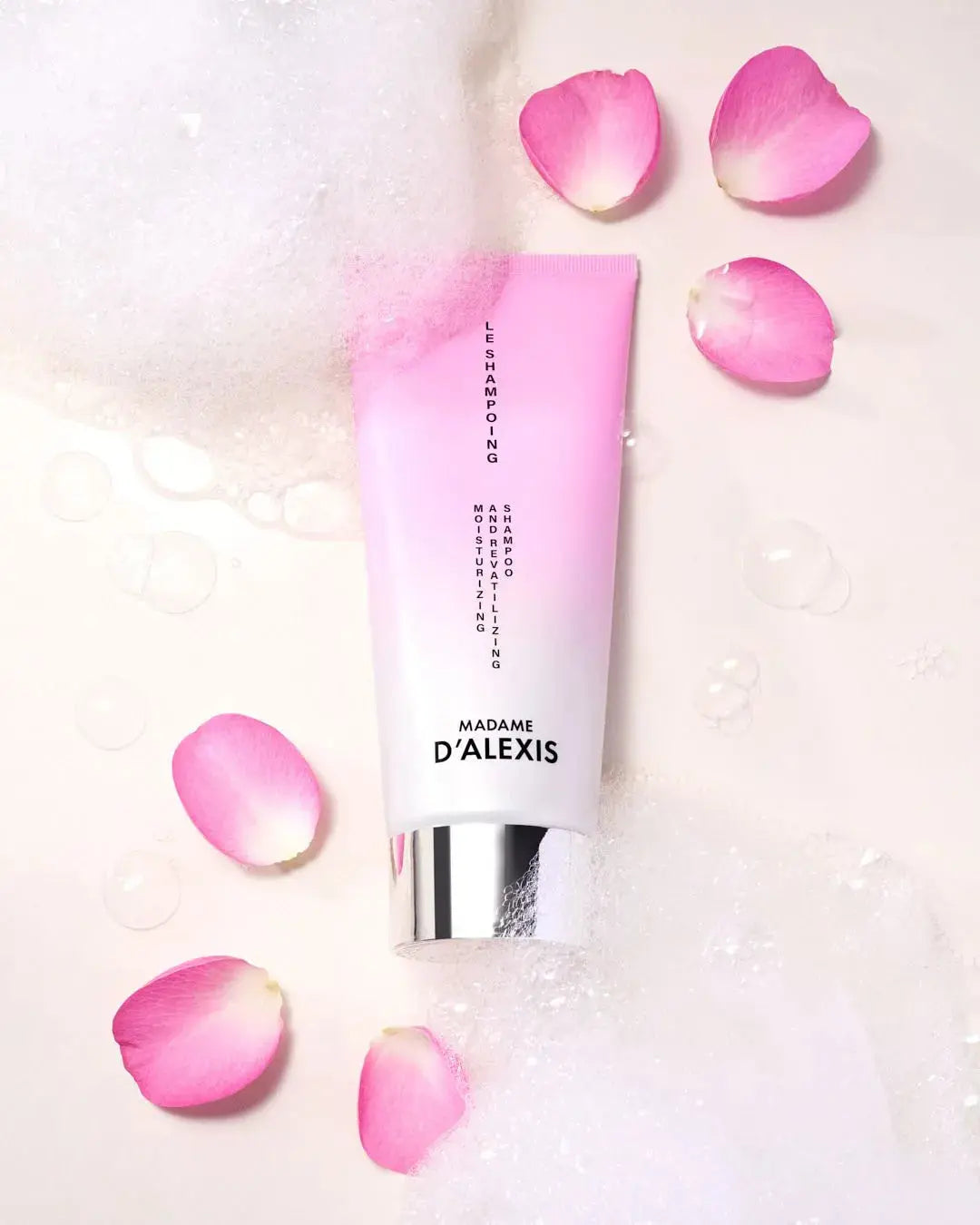
The Gentle Shampoo
- No sulfates or silicones
- pH 5, gentle wash
- To remove oil without stripping
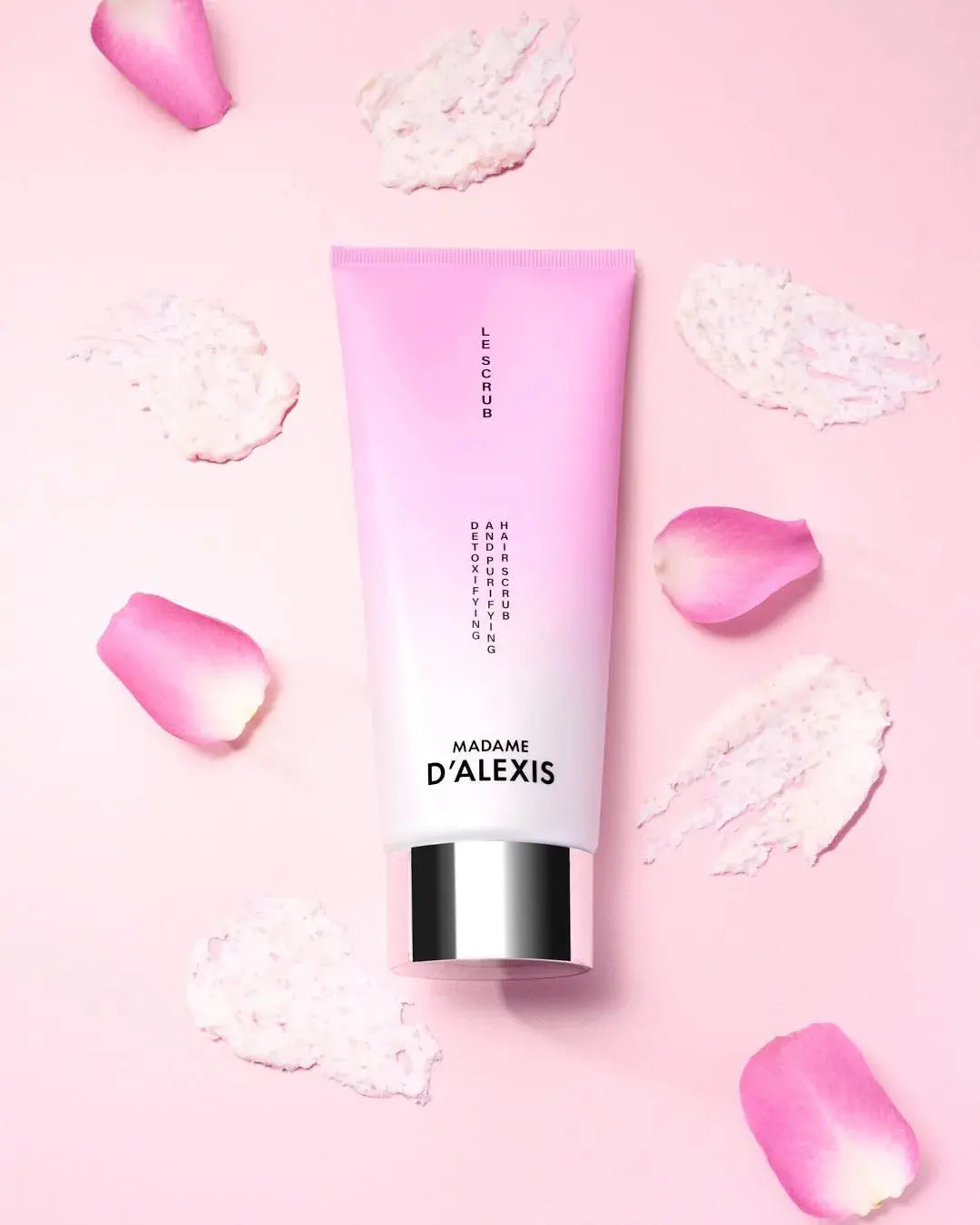
The Reset Scrub
- Every 10 to 15 days
- Replaces shampoo on that day
- For a saturated scalp
The real benefits of coconut oil for hair
Coconut oil is rich in fatty acids, especially lauric acid. This is what explains its affinity with the hair fiber and its cosmetic interest for dry, curly, coily or frizz-prone hair.
Protect the fiber
It forms a lipid film that helps limit water loss and friction on the lengths.
Improve the texture
When properly dosed, it can make hair softer, shinier and less rough to the touch.
Limit frizz
On thick or curly hair, it helps discipline the fiber, without replacing a formulated treatment.
Important point: coconut oil does not “repair” a damaged fiber in the strict sense. It improves the appearance, texture and cosmetic protection. Split ends that are already established do not reattach permanently.
What types of hair should coconut oil be applied to?
| Hair type | Interest | Recommended application | Caution |
|---|---|---|---|
| Curly / coily | Nourishment, softness, discipline. | Lengths and ends. | Rinse well if oil bath. |
| Dry / rough | Protection, softer texture. | Pre-shampoo or micro-dose for finishing. | Do not saturate the fiber. |
| Fine | Occasional shine. | A trace on the ends only. | Risk of weighing down very quickly. |
| Oily | Limited use. | Never on the roots. | Very thorough rinsing. |
| Colored / bleached | Targeted protection of the lengths. | Strand test before overall use. | Caution on very lightened strands. |
For a more complete approach, also consult which oil for dry hair and which oil for hair.
How to use coconut oil on hair?
The effectiveness depends mainly on the dosage. On fine hair, a small amount can already be too much. On thick, curly or coily hair, an oil bath before shampooing can be more relevant.
Oil bath before shampooing
Apply to lengths and ends, leave on for 30 minutes to 2 hours, then rinse and wash with a gentle shampoo. Avoid oily roots.
Occasional homemade mask
A small amount of coconut oil can be combined with honey on the lengths. Rinse carefully. Do not use on irritated scalp.
Finishing on ends
Use a trace of oil, never a large amount, on dry ends. For a lighter finish, prefer The Day Serum.
Washing after oil bath
The Madame d’Alexis Shampoo can help to clean without stripping. Massage the scalp and rinse for a long time to avoid a greasy film.
Coconut oil alone vs Madame d’Alexis formulas
A raw oil protects mainly on the surface. A complete hair formula can combine several families of active ingredients: organic hydrosols, cationic hyaluronic acid, plant ceramides, fine oils, prebiotics or plant keratin depending on the product.
| Need | Coconut oil alone | Madame d’Alexis alternative |
|---|---|---|
| Dry lengths | Protects and softens, but can weigh down. | The Mask: organic hydrosols, plant ceramides, hyaluronic acid, organic jojoba, apricot. |
| Frizz / finishing | Can smooth, but difficult dosage. | The Day Serum: dry oil, organic jojoba, ceramides, heat protection up to 200°C. |
| Washing after oil | Requires a serious rinse. | The Shampoo: pH 5, no sulfates or silicones, organic hydrosols, plant keratin, prebiotics. |
| Saturated roots | Risk of overload if applied on roots. | The Scrub: occasional reset every 10 to 15 days, replaces shampoo on that day. |
This distinction is important: Madame d’Alexis does not sell a raw oil, but formulas designed for specific uses. The Mask and The Day Serum are more suitable if your goal is to obtain a soft, shiny and controlled finish without a greasy effect.
Coconut oil vs other oils: which one to choose?
| Oil | Ideal profile | Advantage | Limitation |
|---|---|---|---|
| Coconut | Dry, thick, curly, coily hair. | Good affinity with the fiber, protective effect. | Can weigh down or freeze certain textures. |
| Jojoba | Fine hair, lengths that saturate quickly. | Lighter, dry texture, good tolerance. | Less rich than a nourishing oil bath. |
| Argan | Colored, dull, sensitized hair. | Shine and protection of the lengths. | Can be too rich depending on the dosage. |
| Avocado | Very dry, thick or textured hair. | Intense nourishment. | Heavy texture, less suited for fine hair. |
Errors to avoid with coconut oil
- Applying too much oil and saturating the fiber.
- Putting it on oily roots or an already uncomfortable scalp.
- Presenting it as a deep repair while it mainly acts as a cosmetic protection.
- Doing an oil bath without shampooing afterwards, which leaves a greasy film.
- Using an old, rancid, poorly stored oil or applying it without a prior test.
- Confusing raw oil and formula: a treatment like The Mask or The Day Serum is more precise and lighter.
Typical weekly routine: coconut oil and Madame d’Alexis products
| Time | Action | Recommended product | Advice |
|---|---|---|---|
| Once a week maximum | Coconut oil bath on lengths if thick or very dry hair. | Pure coconut oil, then The Shampoo. | Avoid the roots and rinse well. |
| After washing | Hydrating and nourishing mask. | The Mask. | Lengths and ends only, leave on for 5 to 10 minutes. |
| Before heat or for finishing | Light finish and protection. | The Day Serum. | 1 to 3 drops on lengths and ends only. |
| Every 10 to 15 days | Scalp reset if accumulation. | The Scrub. | It replaces shampoo on that day. |
Read also to complete your routine
Oils and nourishment
Dry hair and active skincare
FAQ - Coconut oil for hair
How to use coconut oil on hair?
Apply it in a small amount on the lengths and ends, ideally as an oil bath before shampooing. Leave on for 30 minutes to 2 hours, then rinse and wash with a gentle shampoo.
Does coconut oil really hydrate hair?
Not directly. It is an oil: it nourishes and helps limit water evaporation, but hydration comes rather from humectant active ingredients like hyaluronic acid or a complete formula.
Is coconut oil suitable for fine hair?
Yes, but with great caution: a trace on the ends is enough. On fine hair, The Day Serum is often lighter and easier to dose.
Does The Madame d’Alexis Mask contain coconut oil?
No. The Mask contains notably organic hydrosols, plant ceramides, cationic hyaluronic acid, organic jojoba oil and apricot oil. It does not contain keratin.
Does The Day Serum replace coconut oil?
It can be a lighter alternative for finishing. It is applied on lengths and ends only, with organic jojoba, plant ceramides and heat protection up to 200°C.
Can you put coconut oil on your scalp?
It is not recommended if you have oily roots, an irritated scalp, or a tendency to itch. Instead, apply it to the lengths and ends, then wash gently.