Advice
Split Ends: Why Hair Splits at the Ends and How to Protect It


You run your fingers through your hair, and a slight snag stops you in your tracks. In the sunlight, the light slips through a strand and reveals those ends splitting in two, like a blade of grass that’s too dry. In the morning, on the pillowcase, a few very fine fragments bear silent witness. Split ends creep in silently, and yet they change everything: the light no longer glides through, your hand no longer feels that silky softness, and the comb catches where it used to glide smoothly.
There's nothing mysterious about this phenomenon. Hair strands wear out over time, and countless daily habits determine the health of your hair. Let's explore why split ends occur, what solutions to try, and what really works to restore soft, shiny, and vibrant hair.
Key Points at a Glance
- A split that has already formed cannot be permanently repaired: a good product improves the appearance, feel, and flexibility of the leather and prevents new splits from forming, but cutting remains the only way to remove a split tip.
- The causes add up: excessive heat, friction, dryness, chemical treatments, humidity, sun, pollution, chlorine, and saltwater gradually wear down the hair.
- Prevention relies on a gentle hair care routine: using heat styling tools sparingly, gently detangling hair, applying a nighttime protective treatment, and using a nourishing hair mask regularly.
- Hydration and nutrition complement each other: one hydrates the hair, while the other replenishes the lipids it lacks.
Why do split ends occur?
Split ends aren’t just a surface defect—they’re a structural issue. The hair shaft is enveloped by a cuticle, made up of overlapping scales that protect its core. When these scales lift or disappear, the inside of the hair is exposed, dries out, and then splits in two at the tip. The ends, which are the oldest part of the hair, accumulate all the damage they’ve sustained over the past few months: that’s where split ends first appear. Let’s review the main causes.
Excessive heat and heating devices
High-temperature straightening remains one of the most visible causes. When a flat iron or straightener is run over hair that’s still damp, the water in the hair turns into steam and lifts the cuticles. Repeated exposure to this thermal shock weakens the hair shaft, causing split ends. A hair dryer that’s too hot or held too close to the hair has the same effect. The rule is simple: lower the temperature of your heat-styling tools, keep them at a distance, let your hair air-dry whenever possible, and never skip a heat-protectant spray before using a flat iron. To find out when to apply them, check out our tips for protecting your hair from heat.
Friction, Brushing, and Knots
Vigorous brushing of wet hair, pulling a knot out rather than untangling it, rubbing a towel vigorously: each of these actions causes a little wear to the hair’s surface. Wet hair is more vulnerable. You should detangle it gently, working from the ends toward the roots, using a wide-toothed detangling comb. At night, the cotton fabric of a pillowcase rubs against your hair for hours on end: a silk pillowcase minimizes friction while you sleep.
Drought and malnutrition
Dry hair lacks moisture, lipids, and sometimes protein. Hair is made of keratin, and its protective layer needs lipids to stay supple: a lack of keratin or lipids makes it more fragile. Fine hair, long hair, and short hair do not have the same needs: each hair type requires its own balance. Hair deprived of this protective layer becomes dull, coarse, brittle, and damaged, and is more prone to split ends.
Chemical treatments, coloring, and bleaching
Coloring, highlights, bleaching, perms, and chemical straightening open up the hair’s cuticle to allow pigments and chemicals to penetrate. While this opening is necessary to achieve the desired result, it permanently weakens the hair’s structure. Bleached hair, in particular, loses some of its substance and becomes porous. After such a treatment, a dedicated hair care routine makes all the difference: discover our hair care routine for bleached hair.
The environment: humidity, sunlight, chlorine, and seawater
Moisture causes the hair to swell and then shrink back down: this back-and-forth motion lifts the cuticles and makes the hair rough. Sunlight and pollution weaken the keratin and dull the color. Chlorine from swimming pools and salt from seawater add to the list. None of these factors acts alone; their effects accumulate until split ends appear.

Split ends: What should you do first?
When you notice split ends, it’s tempting to look for the best miracle product. The right approach is more measured, almost methodical. Step one: observe. Is your hair dry, coarse, dull, or porous? A simple assessment helps you get a clear picture. Step two: minimize damage before adding products—less heat, less tension, and less handling. Step three: Make hydration a regular part of your routine—don’t wait until it’s an emergency. Finally, accept that you’ll have to trim off what’s already split, and let consistency do the rest.
How can you prevent split ends on a daily basis?
Prevention takes less effort than you might think. A few simple tips, followed over time, will keep your hair healthy much better than trying to fix the problem later.
- Wash gently: choose a shampoo that’s gentle on the scalp, avoid scalding water, which strips away natural oils, and squeeze out excess water without twisting.
- Detangle without pulling: On damp, well-conditioned hair, use a wide-tooth comb, starting from the bottom.
- Limit the use of heating appliances: keep the temperature moderate, maintain a reasonable distance, and always use heat protection before using a curling iron or straightener.
- Think about your nighttime routine: loose braids or a loose bun, a silk pillowcase, and well-nourished hair before bed.
- Nourish regularly: use a rich mask once a week and apply a few drops of serum to the ends. Consistency is more important than the amount applied.
- Prepare for the sun, chlorine, and salt: use a protective product before sun exposure, and rinse with fresh water after swimming.
Split ends along the entire length of the hair: What should you do?
When split ends are no longer limited to the tips and appear higher up, the message is clear: the hair as a whole has become brittle. This sign usually indicates repeated damage caused by daily friction, improper use of styling tools, or a lack of moisture that has persisted for several months. The link to breakage is direct: a split end eventually breaks off, and the ends wear out faster than they grow.
The strategy is twofold. First, stop what’s causing damage: gentle styling, moderate temperatures, patient detangling, and overnight protection. Next, nourish your hair: masks, leave-in serums, and plant-based oils, applied consistently to strengthen the hair. If your mid-lengths are breaking as well, our article on brittle hair details the causes and the steps that make a difference. And don’t forget your salon appointment: for very damaged hair, a layered cut performed by a professional stylist prevents you from keeping ends that continue to deteriorate.
Should you trim split ends?
Yes, as soon as a split appears. That’s the only way to truly fix it, because a split tip won’t hold together permanently: at best, a product will temporarily smooth out the appearance, but the split will continue to spread at the slightest strain. Trimming with scissors isn’t a failure—it’s part of regular hair care.
You don’t have to sacrifice all your length. A few millimeters are often enough to remove the split ends and restore a clean line. The sooner you get a trim, the less hair you’ll need to cut off. So it’s still possible to keep your hair long, as long as you’re willing to get regular small trims tailored to your hair’s condition. Between salon visits, your at-home routine takes over to keep your hair supple and prevent new split ends.
Is it possible to repair split ends without cutting the hair?
This is where a lot of promises are made. Strictly speaking, there’s no way to repair split ends without cutting them off: a split end won’t permanently fuse back together, no matter what product you apply. What good products can do—and do very well—is something else entirely: they smooth the surface, temporarily seal the cuticle, restore suppleness, make the hair shinier, and minimize breakage. The result: split ends are less noticeable, the hair feels softer to the touch, and new split ends appear less often.
So the correct way to phrase the goal is this: you don't "repair" split ends; you improve the condition of your hair and protect the new growth. A haircut removes what can't be saved, while your hair care routine protects everything else.
What treatments and oils are effective against split ends?
An effective routine isn't based on a single product, but on a simple principle: moisturize, nourish, and protect—without weighing the hair down. Plant-based oils have their place in this routine, and they offer real benefits for the ends of your hair. Argan oil nourishes dry, brittle ends; coconut oil is used before shampooing; olive oil is perfect for generous oil treatments; and thick castor oil can be mixed with a lighter oil for fragile hair. An oil treatment—left on before washing—is ideal for treating very dehydrated hair: our guide to hair oil treatments details the method. In any case, go easy on fine hair and focus the application on the lower sections of the hair.
What hair care products should you choose to treat split ends?
Madame d'Alexis hair care products are formulated without added water: the usual aqueous phase is replaced by organic hydrosols of Damask rose, German chamomile, and orange blossom, combined with active ingredients derived from skincare. Made in France, in Brittany, and free of sulfates, silicones, and parabens, they provide a comprehensive foundation for treating split ends. Here’s how each product helps.
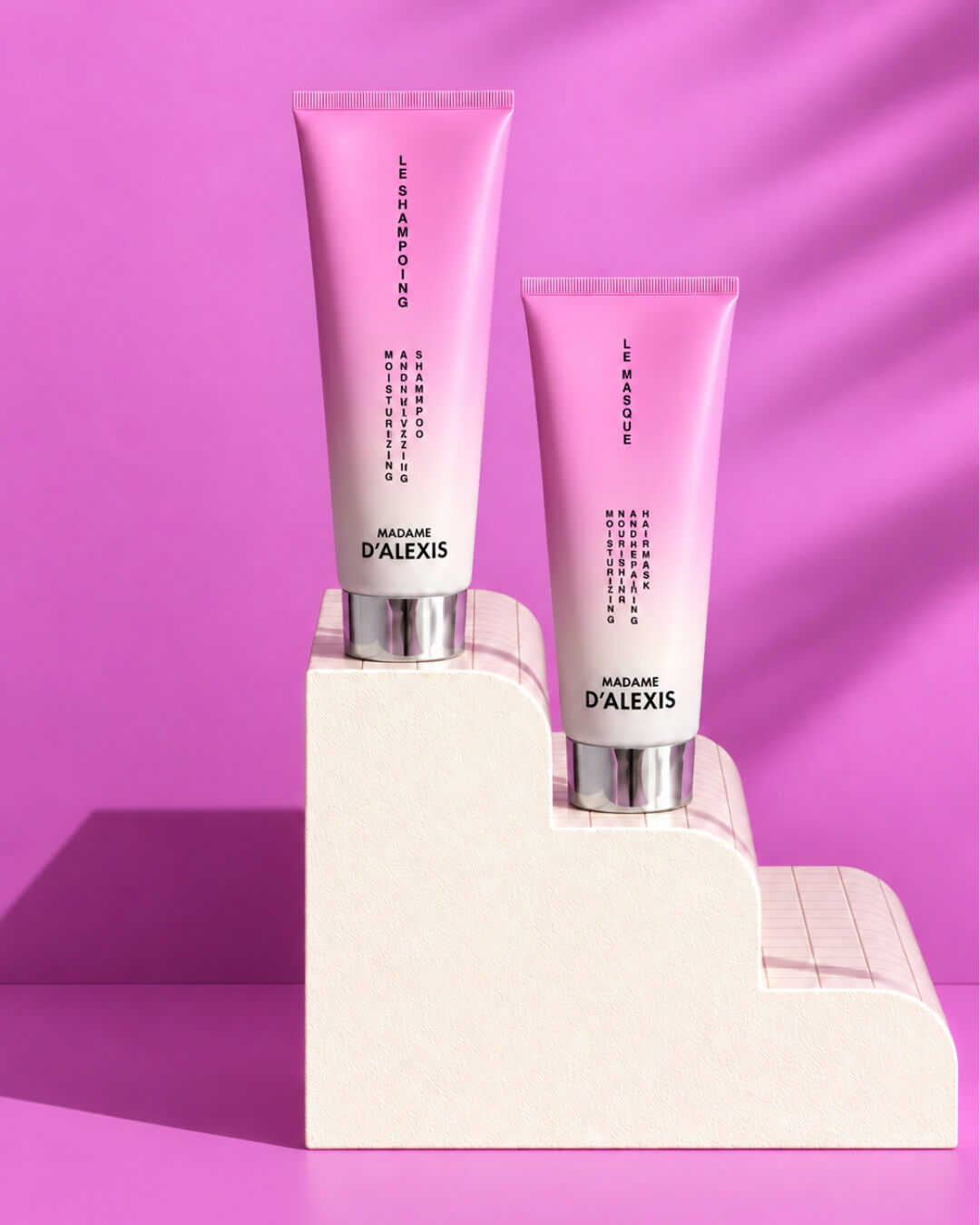
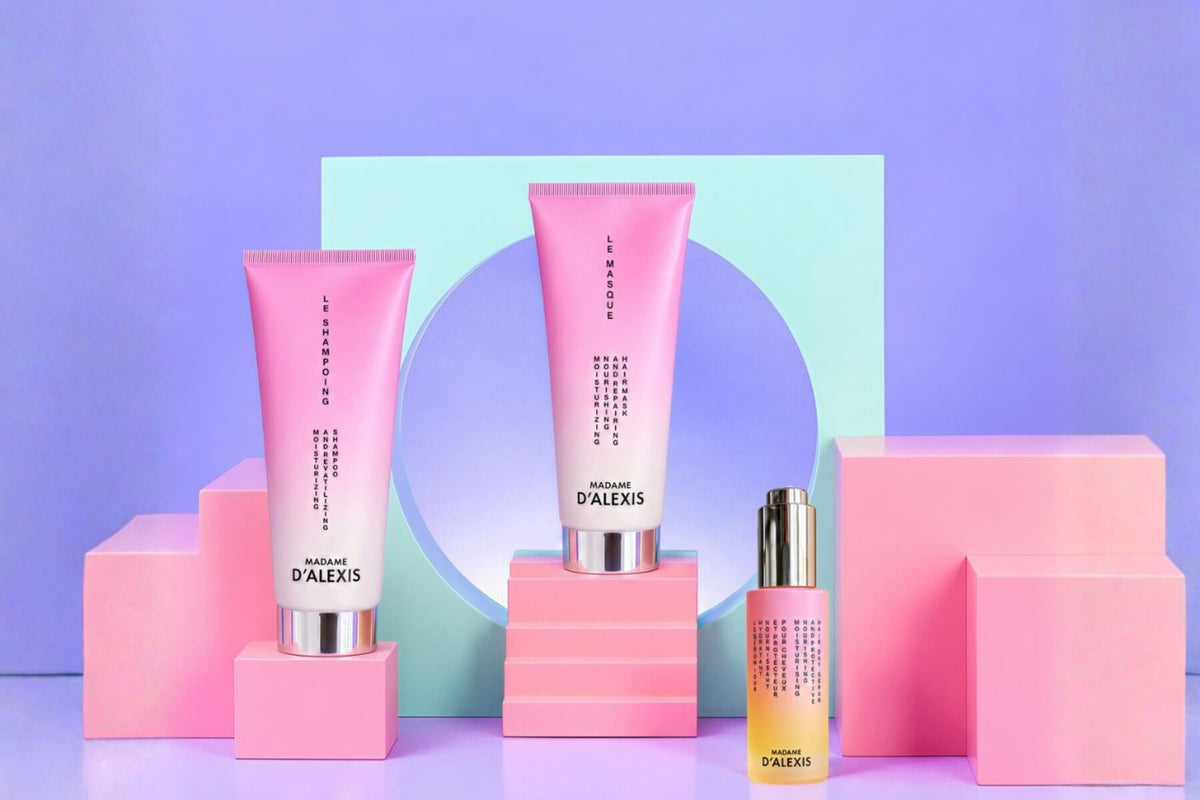
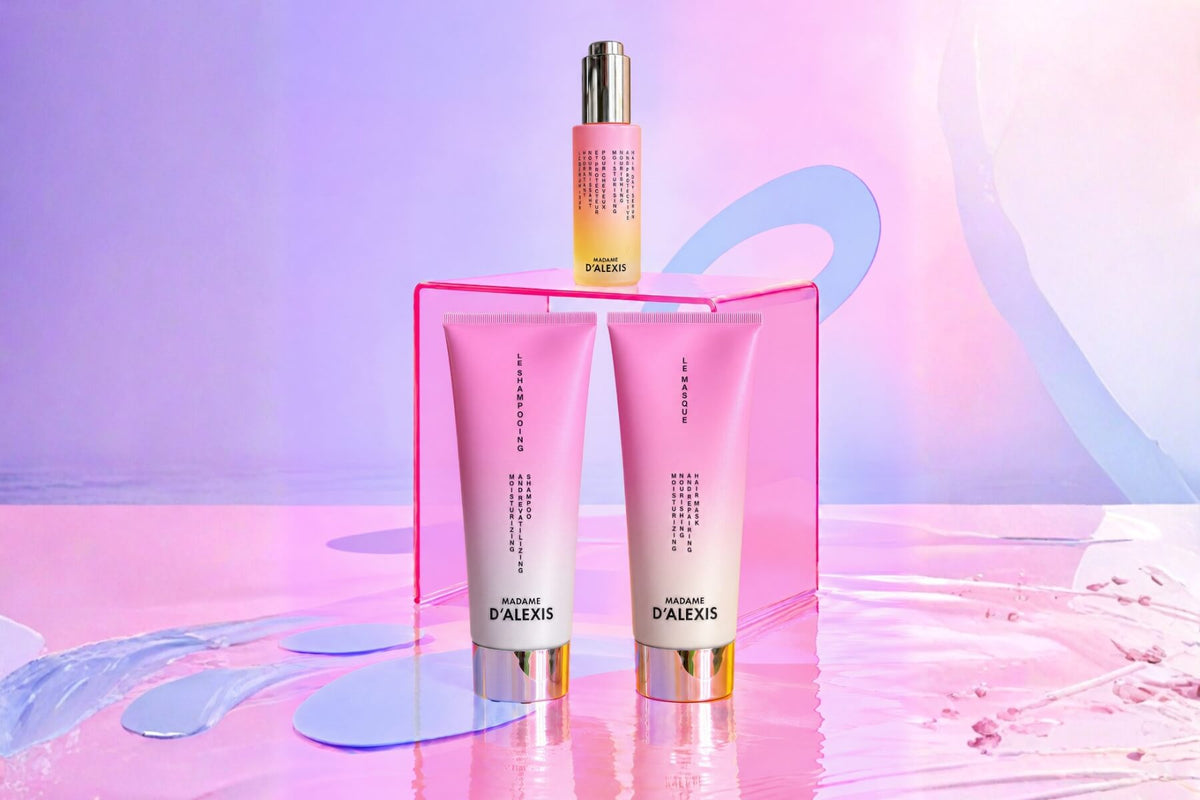
The Mask, this week’s nourishing treatment. Formulated with 97% naturally derived ingredients, including plant-based ceramides, cationic hyaluronic acid, orange blossom wax, and organic apricot and jojoba oils, it repairs, nourishes, and softens dry, damaged, colored, or bleached hair. Ceramides help smooth the cuticle, making hair more supple and reducing the appearance of new split ends. It’s the deep-nourishing treatment for your routine. Apply to towel-dried hair: 2 to 5 minutes to make detangling easier, 5 to 10 minutes for a standard treatment, 20 to 30 minutes for a deep treatment, or as an overnight treatment once a week for sensitized hair. Always rinse thoroughly.
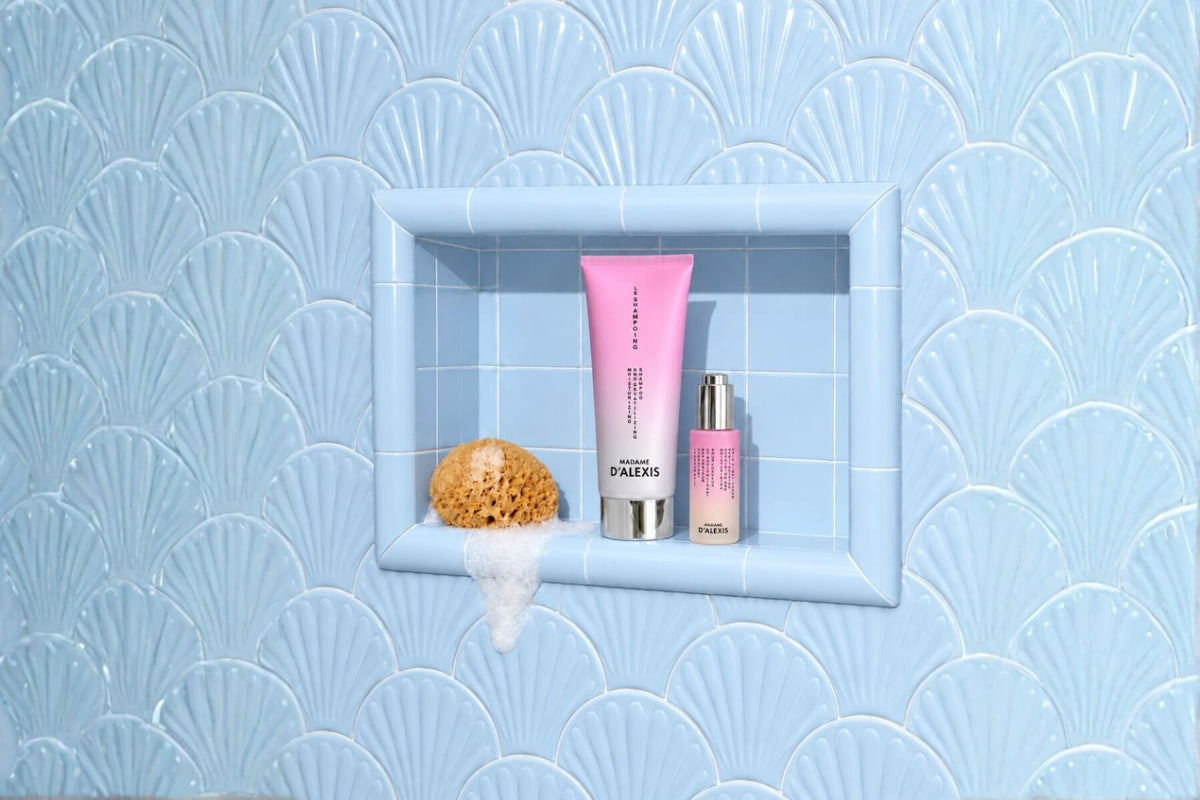
Day Serum: Your Hair Ends’ Best Friend. This dry oil, 99% naturally derived, combines organic jojoba oil, plant-based ceramides, antioxidants, and natural heat protectants effective up to 200 °C. Apply 1 to 3 drops to the mid-lengths and ends of dry or slightly damp hair: it coats the ends without weighing them down, reduces friction, and provides heat protection before blow-drying or straightening. It’s also ideal as a finishing touch for shinier hair.

The Shampoo, a gentle, moisturizing shampoo. Made with 98% naturally derived ingredients, it moisturizes, soothes, and adds shine thanks to cationic hyaluronic acid, prebiotics, and plant-based keratin. It cleanses without stripping the hair—the key to preventing damage to the ends. Apply shampoo twice to a thoroughly wet scalp, massage in, then rinse very thoroughly.
The Pink Wide-Tooth Detangling Comb. Its wide cellulose acetate teeth gently detangle damp hair after using a hair mask, minimizing breakage. This detangling tool is a great alternative to a brush, which is one of the main causes of split ends.
For dehydrated hair, browse our selection of products for dry hair. And to find out which treatment to start with, take our hair assessment: just a few questions are all it takes to create your routine.

The Mask

The Day Serum

The Shampoo

Hair Hydration Routine

The Pink Wide-Tooth Detangling Comb
Are your split ends still a problem despite your efforts to care for your hair?
We'll ask you a few questions about your scalp and hair, and then we'll create a personalized routine for you using our five organic hydrosol treatments, formulated without added water.
Does this sound like you?
- You reply
- Discover your ritual
- You are adjusting your selection
Frequently Asked Questions About Split Ends
Why do I get split ends even though I take good care of my hair?
Because the product doesn't always make up for the damage. If you keep straightening your hair at high temperatures without protection, brushing wet hair, or sleeping on a pillowcase that causes friction, the surface will wear out faster than it can be protected. First, lower the heat settings and reduce tension, then boost hydration.
Can split ends travel up the hair shaft?
A split end left untreated can travel along the hair shaft due to tension, which weakens it and increases the likelihood of breakage further up the shaft. This is yet another reason to trim split ends promptly.
Should you cut your hair as soon as you see a split end?
Once split ends appear, yes: that's the only way to get rid of them. A few millimeters is often enough. After that, light, regular trims at the salon will keep your ends looking neat.
Can hair treatments really repair split ends?
They improve the hair's appearance, texture, and suppleness, and prevent new split ends from forming—that's already a lot. But a split end that has already formed cannot be permanently repaired. Cutting it off remains the only way to get rid of it.
What kind of oil should you use on split ends?
It depends on your hair type. Argan oil and coconut oil are good for dehydrated hair, olive oil is best for oil treatments, and castor oil is ideal for fragile hair—when used in a blend. For fine hair, opt for a light dry oil, applying just a few drops to the ends of your hair.
Restore supple, vibrant hair
Split ends tell a story—one of flat irons, wind, salt, and rushed styling. They also serve as a reminder that beautiful hair is built over time. By changing a few habits, consistently nourishing your hair, and being willing to trim away split ends, you can restore your hair’s suppleness and shine. It’s not about striving for perfection, but about finding balance: more care, a simple routine maintained over time, and healthy hair.