Advice
Static Hair: Why It Builds Up and How to Tame It


It’s the season for pullovers you slip on over your head, scarves pulled up to your chin, and coats you take off as soon as you walk in. Outside, the cold air stings your cheeks; inside, the heat runs from morning to night. And in front of the mirror, your hair stands on end, gets caught in your collar, sticks to your face, and makes the comb crackle. Static hair isn’t inevitable or just a seasonal quirk: it’s a simple physical phenomenon that can be explained, prevented, and calmed. Here’s why static builds up—and how to get rid of it for good.
Why does hair get static?
Hair strands are not good conductors; rather, they behave like insulators. When two materials rub against each other, one strips electrons from the other—a phenomenon known as the triboelectric effect. Brushing your hair, wearing a synthetic sweater, or pulling down a hood all trigger this transfer of electrons: each strand of hair becomes charged—usually positively—while the object that rubbed against it becomes negatively charged. But charges of the same sign repel each other. The strands move away from one another, stand on end, and seem to be attracted to anything that passes nearby. It is this static electricity in your hair that you see—and sometimes hear—when you’re styling your hair.
Causes of static hair
The first factor is ambient humidity. Water vapor acts as a natural conductor: it allows the charge to flow. When the air becomes dry, this “valve” disappears. In winter, the outdoor air contains little moisture, and the warm air from the heating system dries out the interior: these two factors combine and trap the charge within the strings.
The second factor is the condition of the hair itself. Dehydrated hair strands have a rougher cuticle, slightly raised scales, and less protective film on the surface. They rub against each other more, become static-prone more quickly, and hold onto static electricity better. It’s no coincidence that this symptom often accompanies a lack of moisture in the hair fiber: the article “Why Is My Hair Dry?” details the most common causes of this imbalance.
Finally, the third factor has to do with materials and habits: synthetic clothing, a scarf that rubs against the back of the neck, a plastic brush, and blow-drying at high temperatures. Each of these causes additional friction, and thus adds to the problem. Anything that increases friction also contributes to the problem.
Which hair types are most commonly affected?
Fine, lightweight hair stands on end at the slightest static charge. Long hair has more points of contact with clothing. Curls, which are naturally more porous, lose moisture more easily, as does colored or highlighted hair after coloring. No matter what your hair type is, the rule remains the same: dry hair in dry air becomes charged.

How can you get rid of static electricity in your hair?
When your hair stands on end and you're wondering what to do, the first solution is to restore some conductivity to your hair and then stop building up the static charge. There are a few tricks for getting rid of static electricity right away:
- Lightly dampen your hair: run your slightly damp palms along the lengths of your hair, from top to bottom. A very thin film of water allows the static to dissipate, and your hair falls naturally.
- Apply a drop of product: a lightweight serum or a leave-in cream, warmed between your hands and then smoothed over the surface, coats the hair and reduces friction.
- Switching tools: A comb made of wood, horn, or acetate, or a boar-bristle brush, generally generates less static electricity than a cheap plastic comb.
- Touch a metal object before styling your hair: this discharges static electricity from your body and prevents that annoying little spark.
These tips calm the frizz immediately, but they don't address the underlying cause. For manageable hair that doesn't get frizzy again an hour later, you also need to treat it from the inside out: well-hydrated hair frizzes much less.
How can you prevent static hair in the winter?
In winter, the air creates the perfect conditions for static electricity: it’s cold outside, the heat is on inside, and we’re putting on and taking off layers of clothing several times a day. However, a few simple adjustments can make a real difference.
- Choosing the right materials: Opt for a cotton or wool hat and scarf, ideally lined with silk or satin. Synthetic fabrics—especially polyester and acrylic—cause static in your hair with every movement.
- To restore some humidity indoors: open the window for a few minutes every day, and consider using a humidifier or placing a bowl of water near the radiator in the room where you spend the most time.
- Make the wash gentler: use lukewarm water instead of scalding hot water, followed by a final rinse with cool water, which helps smooth the hair.
- Limit heat: Set your dryer to a moderate temperature and direct the airflow from the roots to the ends. An ionic model can help reduce static electricity while drying.
- Brush gently: Brushing vigorously through dry hair is the best way to add volume to your strands. Our guide to proper hair brushing reminds you of the right techniques.
These precautions go hand in hand with those forpreventing frizz: in both cases, a smooth cuticle and well-hydrated hair offer the best protection.
How can you moisturize your hair to prevent static electricity?
Deep hydration is the real, long-term solution to frizzy hair—much more effective than a quick spray. It involves three steps.
When washing. A moisturizing shampoo, free of sulfates and silicones, cleanses the scalp without stripping the hair shafts or removing their protective layer. Massage into a thoroughly wet scalp, then rinse very thoroughly: hair that’s been rinsed well remains light and supple.
As part of a deep conditioning treatment. A hydrating mask applied to towel-dried hair nourishes, softens, and seals the hair cuticle. Active ingredients borrowed from skincare, such as plant-derived ceramides and cationic hyaluronic acid, are particularly beneficial here: because it is positively charged, cationic hyaluronic acid adheres to the hair instead of being rinsed away, helping it retain moisture. This is, in fact, the principle behind so-called cationic detangling agents, which coat the surface and limit the buildup of static charge.
For everyday use. A few drops of serum on the mid-lengths and ends help keep your hair supple between shampoos, without weighing it down. To discover the right textures for you, our selection of products for dry hair features the most nourishing formulas in the line.
Frizzy Hair: Old-Fashioned Home Remedies That Work
Some old wives' tales still hold up, while others deserve your attention before you try them. Here are the most reliable ones, and how to use them.
A slightly damp hand. This is the ultimate quick fix—something you should know before heading out: a few drops of water on your palms, smoothed through your hair, are often enough to make the volume subside.
Rinsing with cool water. At the end of the wash, a final rinse with cool water tightens the hair cuticle and adds shine. It’s a subtle but pleasant step, especially for damaged hair.
Aloe vera gel. A small amount of aloe vera gel applied to slightly damp hair provides fresh, light hydration. Use only a small amount: too much can leave a stiff, filmy residue.
Fabric softener sheets: best to avoid them. Rubbing a dryer sheet on your head may temporarily soothe the itch, but these products are designed for laundry, not for the skin or scalp, and leave residue on your hair. It’s best to skip them.
What hair care products should you use to combat static hair?
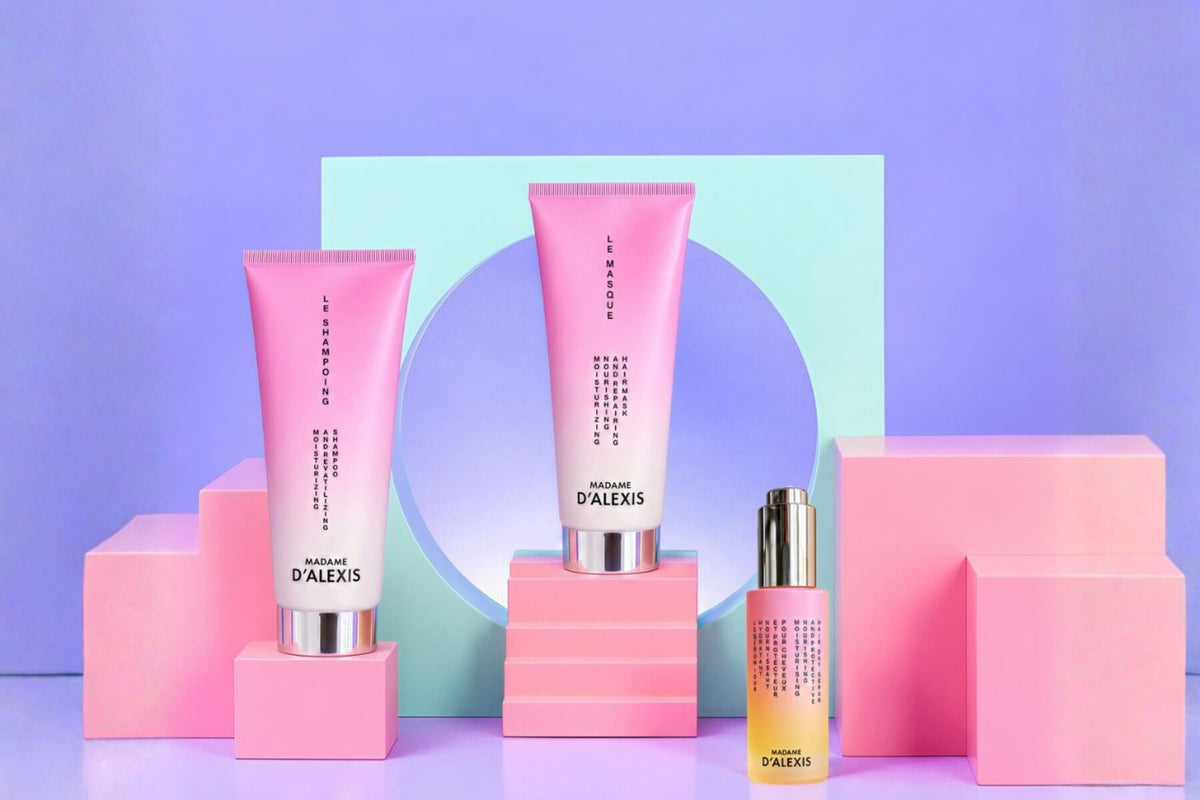
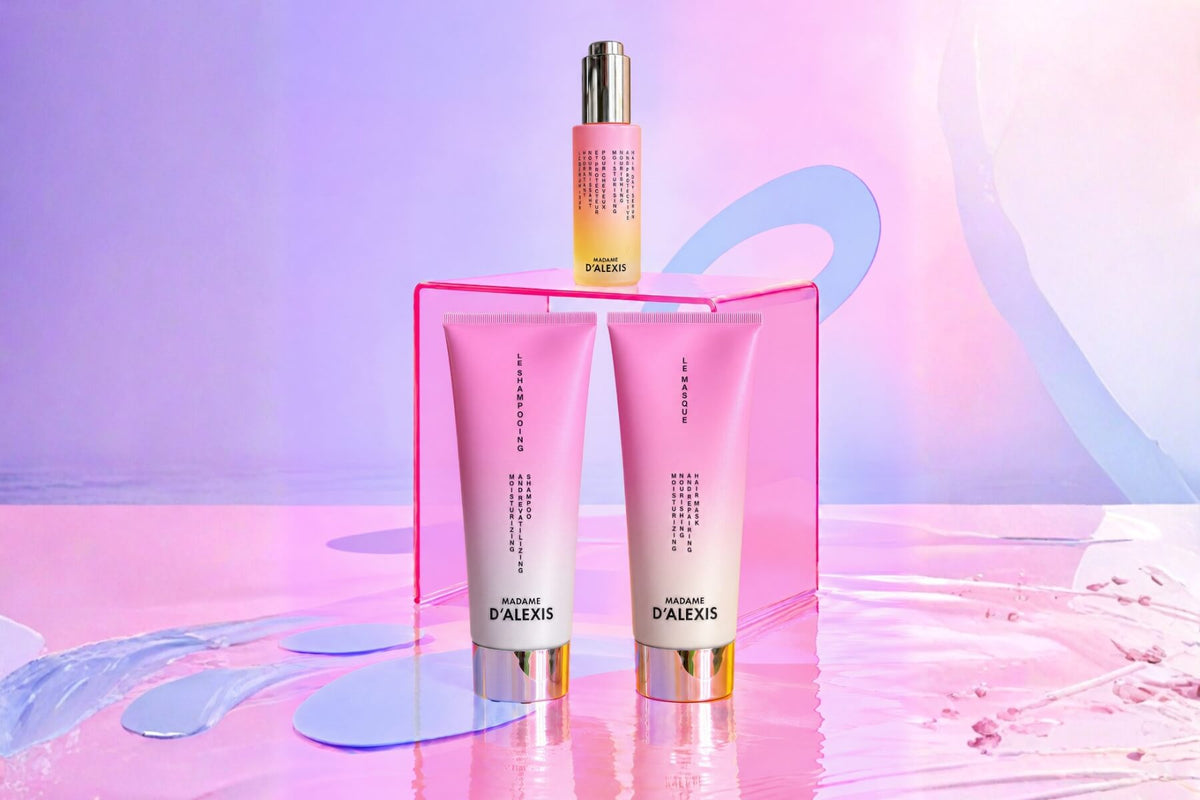
To effectively combat frizz over the long term, you need to nourish the hair and protect its surface. Madame d'Alexis products are formulated without added water: the usual water-based phase is replaced by organic hydrosols of Damask rose, German chamomile, and orange blossom, combined with active ingredients derived from skincare. Made in France, in Brittany, they are sulfate-free, silicone-free, and paraben-free. Here’s how each product works in an anti-frizz routine.
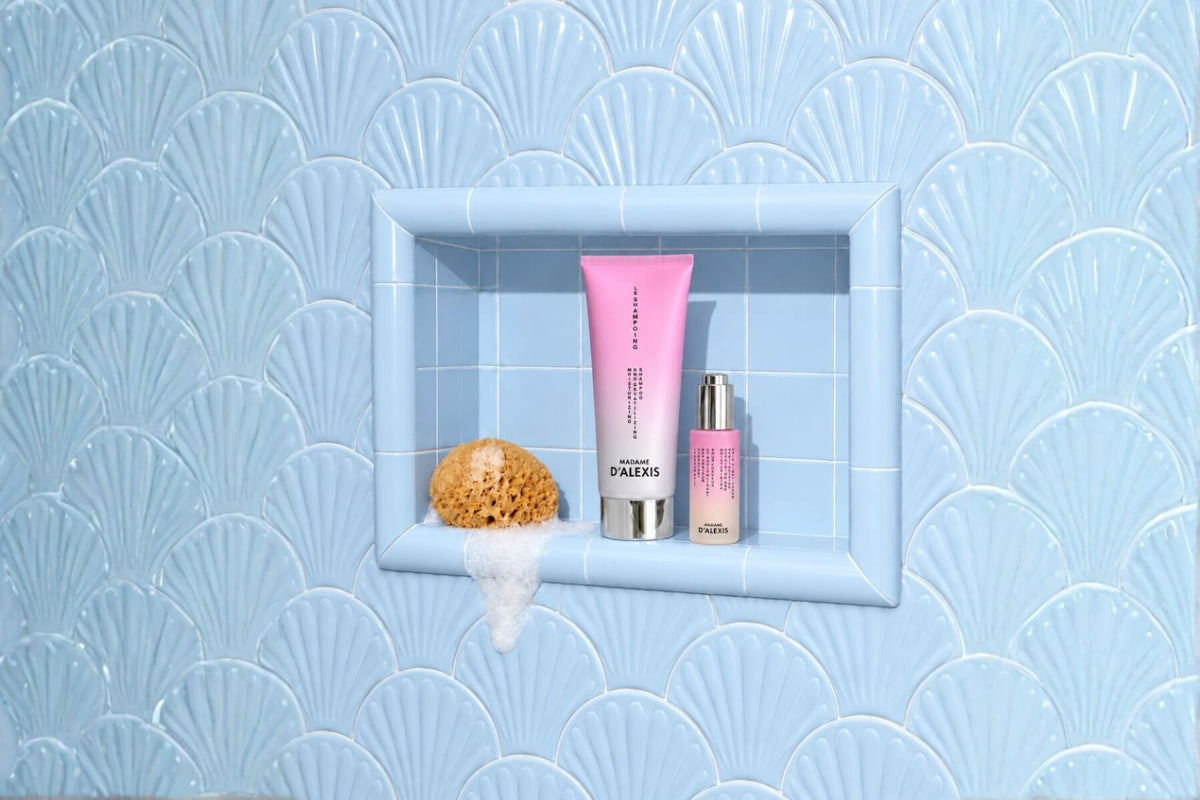
Day Serum: your daily anti-static treatment. This dry oil, 99% naturally derived, combines organic jojoba oil, plant-based ceramides, antioxidants, and natural heat protectants effective up to 200 °C. Apply 1 to 3 drops to your palms, warm them up, and smooth them over the lengths and ends of your hair—whether it’s dry or slightly damp. It coats the hair’s surface without weighing it down, reduces friction with clothing, and protects the hair fiber while drying. You can apply another drop throughout the day when strands start to lift again, such as after removing your hat. To learn more about this formula, check out our guide todry hair oil.

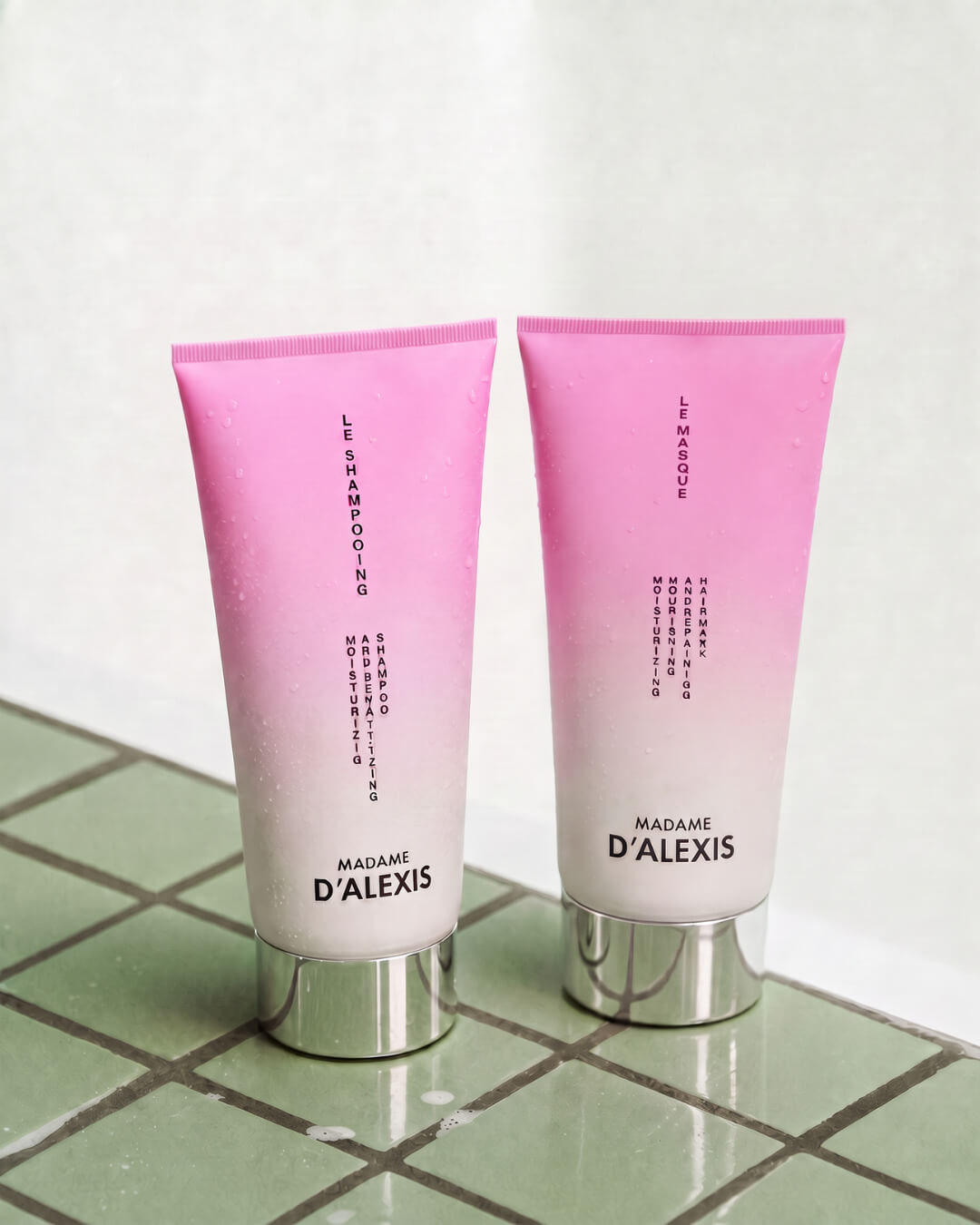
The Mask: Deep Hydration. Formulated with 97% naturally derived ingredients, including plant-based ceramides, cationic hyaluronic acid, orange blossom wax, and organic apricot and jojoba oils, it repairs, nourishes, and softens dry, damaged, colored, or bleached hair. Smooth, nourished hair holds less static. Apply to towel-dried hair: 2 to 5 minutes to make detangling easier, 5 to 10 minutes for regular use, 20 to 30 minutes for a deep treatment, or as an overnight treatment once a week if your hair is sensitized. Always rinse thoroughly.
This shampoo is a gentle formula that cares for your hair’s length. Made with 98% naturally derived ingredients, it hydrates, soothes, and adds shine thanks to cationic hyaluronic acid, prebiotics, and plant-based keratin. It cleanses without drying out the hair, helping to break the cycle of dehydrated, weighed-down hair. Shampoo twice on a thoroughly wet scalp, massage in, then rinse very thoroughly. It is also suitable for daily use.
The Pink Wide-Tooth Detangling Comb. Its wide cellulose acetate teeth gently detangle hair—whether it’s damp after a hair mask or dry along the lengths—while minimizing friction and breakage. It’s the perfect alternative to a plastic brush during the colder months.
To create the routine that best suits your hair type, the easiest way is to take our hair assessment: just a few questions are all it takes to figure out which product to start with.

The Day Serum

The Mask

The Shampoo

Hair Hydration Routine

The Pink Wide-Tooth Detangling Comb
Does your hair get static as soon as the heat comes on?
We'll ask you a few questions about your scalp and hair, and then we'll create a personalized routine for you using our five organic hydrosol treatments, formulated without added water.
Does this sound like you?
- You reply
- Discover your ritual
- You are adjusting your selection
Frequently Asked Questions About Electric Hair
Does frizzy hair necessarily mean dry hair?
Not necessarily, but there’s often a connection. Dehydrated hair holds a static charge better because its surface is rougher and less protected. However, even healthy hair can become static-prone in an overheated room or when it comes into contact with a synthetic sweater. Hydration helps limit this phenomenon; the choice of materials does the rest.
What product should I use to prevent static in my hair?
The most effective option for daily use is a lightweight serum or a leave-in styling cream, applied in small amounts to the lengths of the hair. This should be combined with a gentle shampoo and a regular moisturizing mask, which address the cause rather than the symptom.
Should we turn off the hair dryer?
No. Set it to a moderate temperature, keep a reasonable distance, protect the lengths with a few drops of serum, and finish with a blast of cool air. It’s the combination of very hot air and vigorous brushing that puts the most strain on your hair.
Is static hair related to hair loss?
No. Static electricity affects the appearance and manageability of your hair, not the growth cycle. If you notice unusual hair loss, that’s a different issue—one that involves the scalp and warrants professional advice.
Is an antistatic spray enough?
An anti-static spray can be a quick fix before you head out, but it only works on the surface and is temporary. To keep your hair from getting static every morning, stick to a routine that deeply moisturizes and uses natural ingredients.
Tame Your Frizzy Hair All Winter Long
Frizzy hair isn’t a sign of a difficult personality—it’s hair that lacks moisture and is subjected to too much friction. By understanding how static charges work, choosing natural products, limiting heat, and incorporating a regular moisturizing routine, you can take control of the season. Quick fixes have their place, but it’s your daily routine that will tame your hair for good. A gentle shampoo, a nourishing mask, a few drops of serum: winter can once again be a season of soft, shiny, and manageable hair.