Advice
Natural Detangler: How to Untangle Tangled Hair Without Breaking It


All it takes is a single motion: your hand glides through the strands, catches, and gets stuck. A tight knot, then another, a little knot that pulls as soon as you run a brush through it. Tangled hair almost always tells the same story: a dried-out hair shaft, raised cuticles, and repeated friction. The good news is that detangling doesn’t have to be a struggle. With a little care, the right comb, and a well-chosen natural detangler, you can restore supple strands without damaging the hair shaft. Here’s how to detangle without breaking hair—from diagnosis to treatment—and how to keep your hair smooth every day.
Why does my hair get so tangled?
A knot never appears by chance. It forms where two strands of hair catch on each other—at a point where the surface of the hair shaft has lost its suppleness. A cuticle lifts, the neighboring strand gets caught on it, and everyday movements turn that snag into a full-fledged knot. Understanding the cause of your tangled hair helps you choose the right solution instead of forcing the brush through it.
Dryness and Porosity
Hair that lacks moisture and lipids becomes coarse. The cuticle scales stand on end, the cuticle loses its smoothness, and every time you run your hand through it, friction is created. If your hair feels rough to the touch, start by repairing and preventing the “straw-like” effect, then understand what’s happening with porous hair: a hair fiber that absorbs moisture quickly and loses it just as quickly remains open, making it prone to snagging. These two hair types tangle much more easily than others.
Everyday Friction and Rubbing
It’s impossible to talk about detangling without mentioning friction. A cotton pillowcase, a scarf draped over the shoulder, a coat collar, a terrycloth towel rubbed against the hair: every instance of friction lifts the cuticles and creates knots, especially overnight.
A poorly performed wash
Washing also plays a role. If shampoo is applied to hair that isn’t thoroughly wet, isn’t distributed evenly, or is lathered by rubbing the strands together—or if it’s rinsed out too quickly, leaving residue behind—it makes the hair strands sticky and promotes tangling. Take the time to thoroughly wet your scalp, massage without tangling, and rinse very thoroughly.
Hair Type
Fine hair tangles at the slightest touch: light and very supple, the strands easily wrap around each other. Long hair tends to develop knots in the last few centimeters, where the oldest ends are the most fragile. Curly hair, finally, forms spirals that twist around each other and almost never untangle when dry.
How do you detangle very tangled hair without breaking it?
The golden rule can be summed up in one sentence: never untangle from top to bottom. A knot is untangled from the inside, bit by bit, never with a sudden jerk. Here is the bottom-to-top method.
- Start at the ends. Take the last strand and detangle the last two or three centimeters from the tip, then work your way up gradually. You won't reach the roots until the very end, when nothing is tangled anymore.
- Work on towel-dried hair. Remove excess water by gently pressing the lengths with a towel, without rubbing. Damp hair is heavy and elastic; it loses its shape before it breaks.
- Choose a wide-toothed comb. A wide-toothed comb made of cellulose acetate glides through your hair without pulling it out, unlike a fine-toothed brush, which gets caught at the first snag and breaks more hair than it releases.
- Work section by section. Divide your hair into four sections, securing each with clips, then treat one section at a time, moving on to the next. This way, you avoid repeatedly going over hair that has already been detangled.
- Hold the strand between your fingers. Grasp the strand above the knot before sliding the comb through. Your hand absorbs the tension, so the knot comes undone without pulling on the root.

A very big knot deserves special treatment. Don't pull on it to break it up: apply conditioner to it, then work through it strand by strand with your fingers, working from the ends toward the center. It takes longer, but that's how you detangle without breaking the hair.
Should you detangle wet or dry hair?
It all depends on your hair texture. Wet hair stretches and bends more than dry hair, making it more vulnerable to pulling. Dry hair, on the other hand, resists stretching better, but without proper care, it doesn't glide easily, and every tight knot causes the comb to catch more.

A good habit is to detangle your hair in the shower, after shampooing, on towel-dried hair that has been treated with a detangling conditioner or a hair mask. The product makes the hair slippery, the wide-tooth comb finds the knots without pulling on them, and rinsing washes away any residue.
When your hair is dry, use a comb only for touch-ups—never to untangle tight knots. If you have curly hair, it’s best not to brush it when it’s dry at all: detangle it in the shower, then let the curls dry naturally.
How do you make a natural, homemade conditioner?
Recipes for natural detanglers have been around for a long time, often as old-fashioned home remedies passed down from generation to generation. They can be helpful as long as you understand how they work: none of them actually repairs the hair shaft. They simply make the hair easier to comb through, temporarily close the cuticles, or add moisture.
Aloe vera gel
Apply a tablespoon of fresh aloe vera gel to the lengths of your hair before detangling, then rinse it out or leave a very small amount in without rinsing. The texture lubricates the cuticle and loosens tangles. Limitations: Fresh gel keeps for only a few days in the refrigerator and leaves a film on fine hair.
Olive Oil in the Bath Before Washing
Warm a little olive oil between your palms, spread it over the dry lengths of your hair, let it sit for about 20 minutes, then wash it out. The oil nourishes, softens, and reduces friction when detangling. Drawbacks: it’s heavy, hard to rinse out, and often too rich for fine hair.
Vinegar as a Rinse
After shampooing, dilute one tablespoon of vinegar in one liter of cold water and pour it over the lengths of your hair. The acidic pH closes the hair cuticles and smooths the cuticle layer. Limitations: the smell is strong, the mixture does not keep well, and this treatment is not suitable for a sensitive scalp.
Oat Water
Soak a few spoonfuls of rolled oats in hot water, strain, let cool, and then use this liquid as a final rinse. The starch provides a gentle, slippery action. Limitations: The texture breaks down quickly, so it must be prepared the same day, and the effect is mild on a knot that has been tied for a long time.
These recipes are just supplementary tips. A hair care product specifically formulated for detangling—with a controlled preservative system and pH level—works more consistently. As for homemade leave-in sprays stored in a bottle for several days, it’s best to avoid them: without preservatives, water becomes a breeding ground for microorganisms.
What should you avoid doing when your hair is tangled?
Certain reactions actually make the situation worse just when you think you're fixing it. Things to avoid:
- Detangle from the roots to the ends, which causes the knots to pile up on top of each other.
- Pull hard on a big knot to break it.
- Brush dripping wet hair with a fine-toothed brush right after getting out of the bath.
- Rub the lengths with a terry cloth towel; the friction lifts the cuticles.
- Tie tangled hair tightly to tame the curls.
- Detangle very tangled hair—which has been that way for several days—while it's dry, without using any conditioner or hair mist.
- Constantly going over the same strands that have already been released, out of impatience.
Every harsh treatment takes its toll: the hair shaft becomes weaker, the cuticles lift even more, and the hair gets tangled even faster the next day.
What hair care products should you choose for hair that gets tangled?
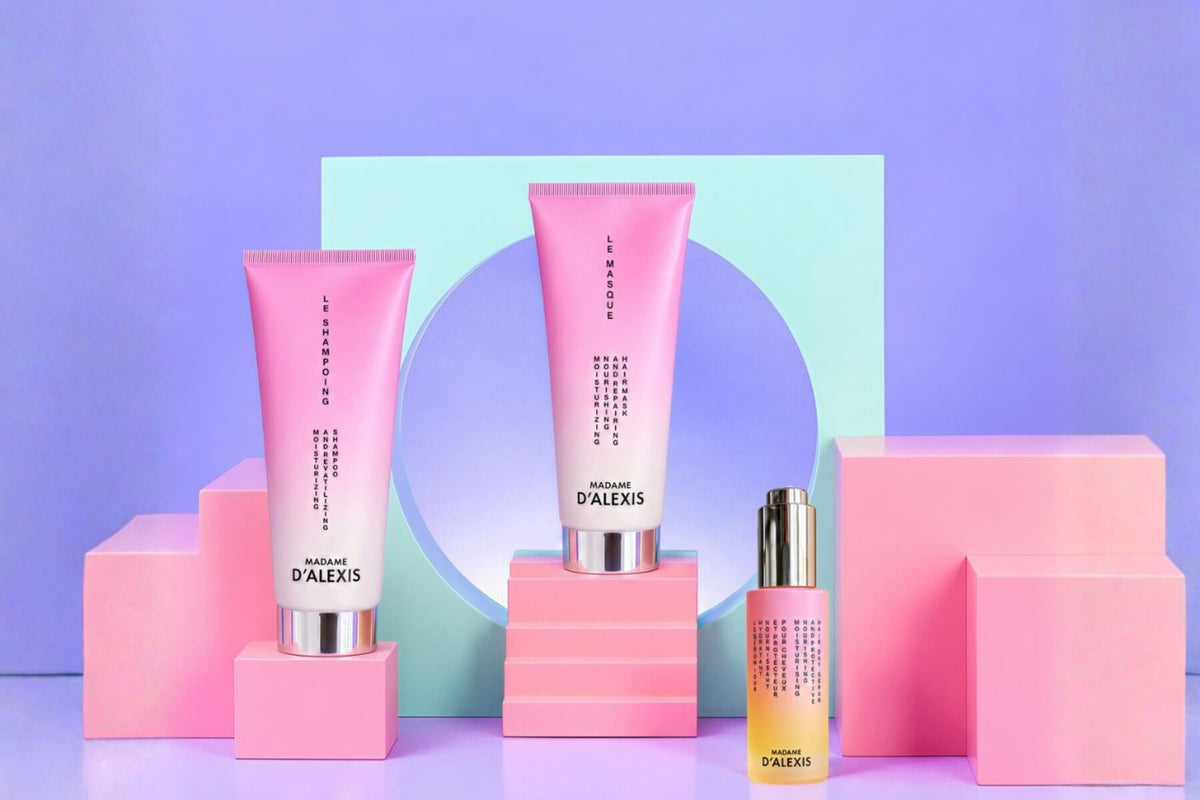
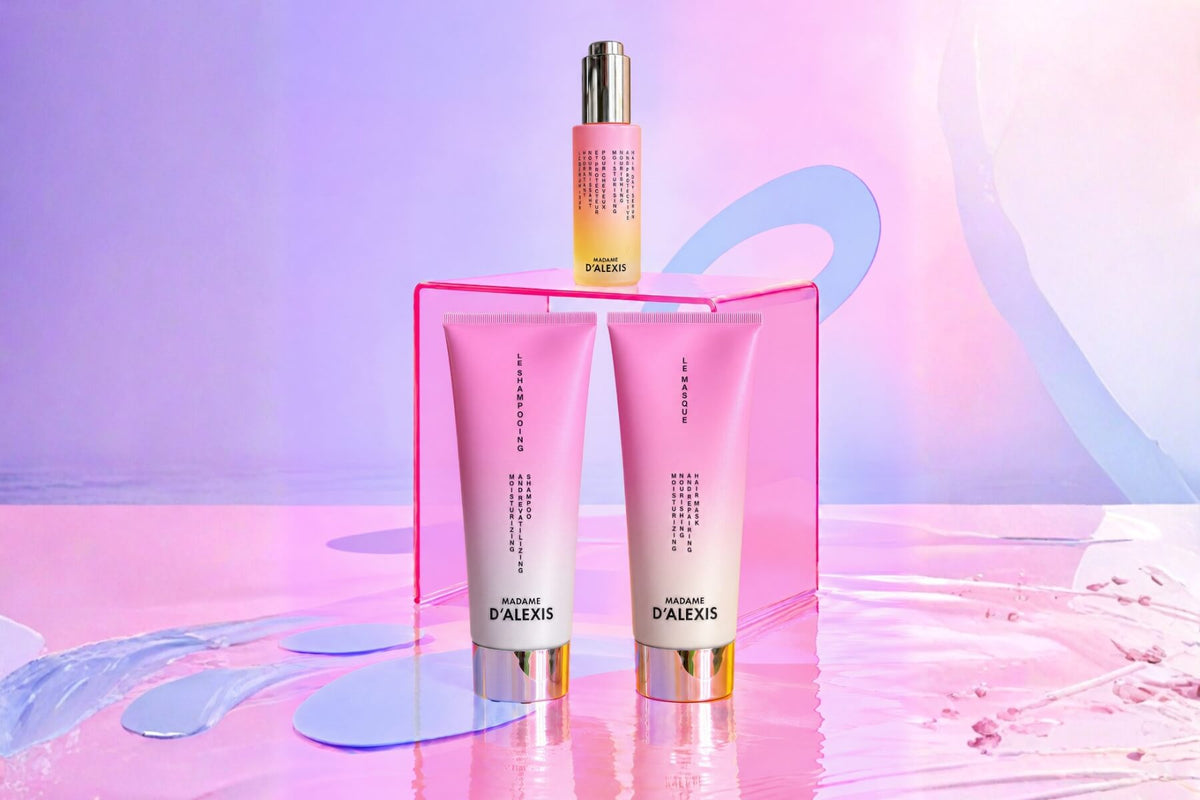
Detangling begins long before you reach for the comb. A complete routine—from washing to finishing—does most of the work. Here’s how each product in the Madame d’Alexis line—made with organic hydrosols and free of sulfates, silicones, and parabens—helps with detangling.
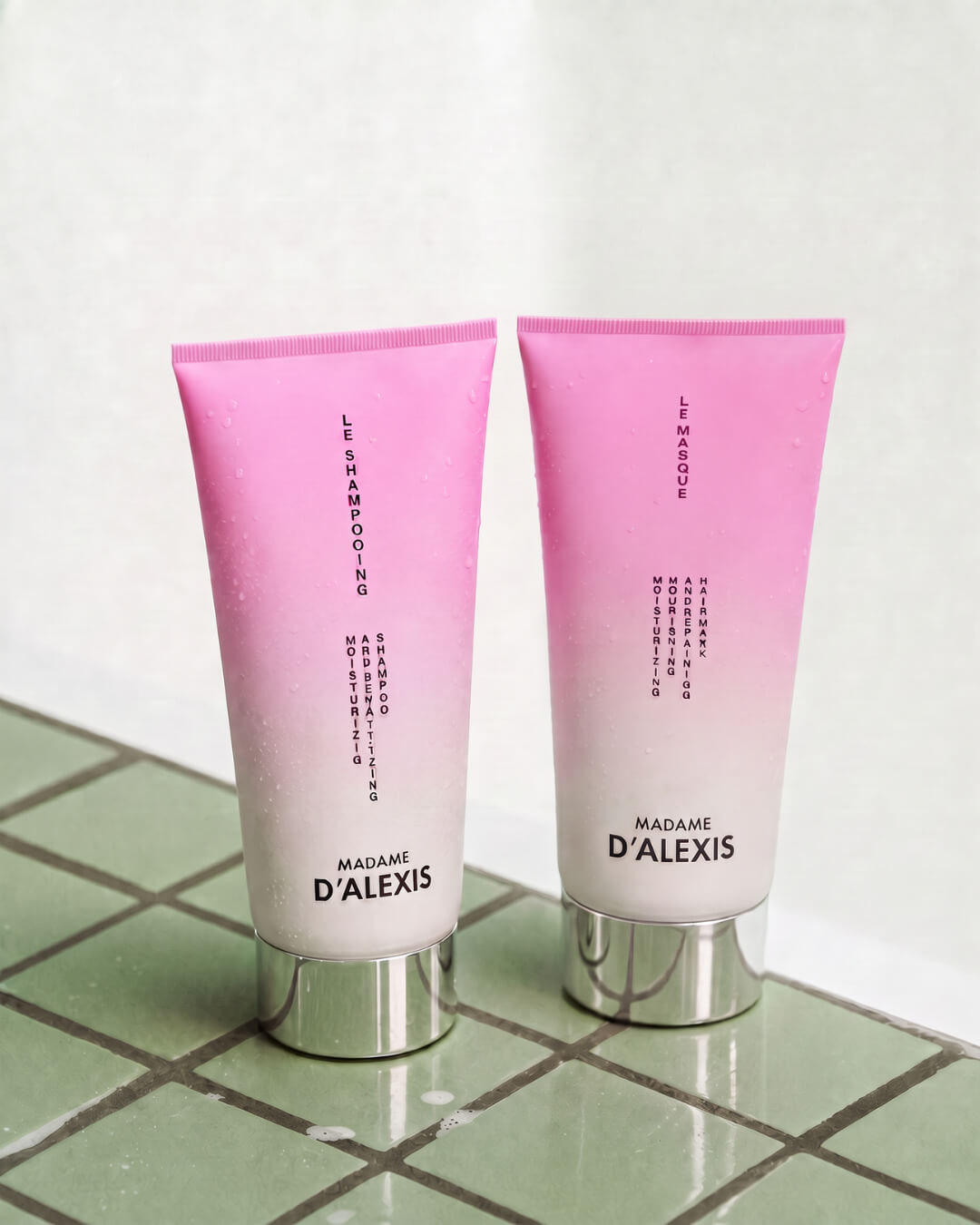
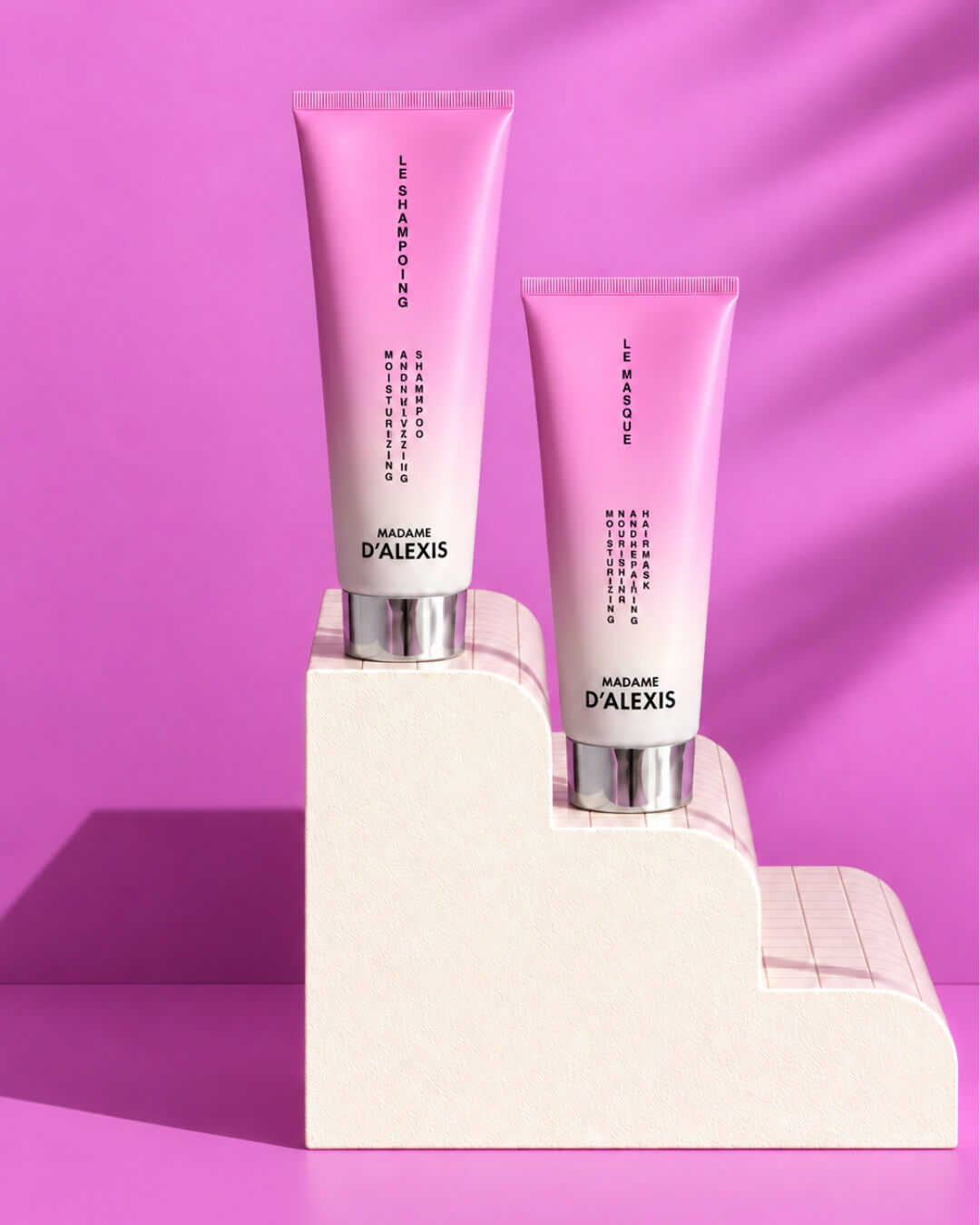
The Shampoo
Formulated with 98% naturally derived ingredients and no added water, it combines cationic hyaluronic acid, prebiotics, and plant-based keratin to hydrate, soothe, and brighten. Applied as a double wash to a thoroughly wet scalp, massaged in, and then rinsed very thoroughly, it cleanses without stripping the hair and leaves the cuticles supple, reducing friction when detangling.
The Mask
Made with 97% naturally derived ingredients, including plant-based ceramides, cationic hyaluronic acid, orange blossom wax, and organic apricot and jojoba oils, it repairs, nourishes, and softens. It’s your best ally for detangling: allow two to five minutes for detangling, five to ten minutes for a standard treatment, and twenty to thirty minutes for a deep treatment—always on towel-dried hair and always rinsed thoroughly. It also makes an excellent detangling conditioner when your hair needs a little extra slip. Learn how to apply a hair mask to get the most out of it, and browse our products for dry hair.
The Day Serum
A dry oil formulated with 99% naturally derived ingredients, including organic jojoba, plant-based ceramides, natural heat protectants effective up to 200 °C, and antioxidants. Apply one to three drops to the mid-lengths and ends of dry or slightly damp hair to coat the strands and reduce friction without weighing the hair down. When applied before brushing, it acts as a leave-in treatment that makes the hair easier to comb through.
The Pink Wide-Tooth Detangling Comb
Its wide cellulose acetate teeth allow the hair to slide through without pulling, gently untangling knots. It’s the tool to keep on hand—instead of a fine-toothed brush—for detangling in the shower and for touch-ups throughout the day.

The Mask

The Shampoo

The Day Serum

The Pink Wide-Tooth Detangling Comb

Hair Hydration Routine
Does your hair get tangled all the time?
We'll ask you a few questions about your scalp and hair, and then we'll create a personalized routine for you using our five organic hydrosol treatments, formulated without added water.
Does this sound like you?
- You reply
- Discover your ritual
- You are adjusting your selection
How can you prevent knots on a daily basis?
Prevention comes down to a few simple habits, practiced regularly.
- Brushing. Brush your hair every night, working from the ends toward the roots, using a soft brush: proper brushing distributes natural oils and closes the cuticles. For the correct technique, see “How to Brush Your Hair Properly.”
- The silk pillowcase. It glides under the hair and reduces the friction caused by cotton while you sleep.
- The sleep cap. A satin sleep cap protects long, curly hair and prevents it from getting tangled when you wake up.
- Styling. Tie your hair loosely with a soft hair tie, without pulling it tight at the roots.
- A maintenance trim. Damaged ends tend to get tangled: a light trim helps prevent knots.
- Touch-ups. A leave-in treatment or a light detangling spray first thing in the morning is often all it takes.
If you're unsure about your hair type, a hair analysis can help you tailor your routine and determine whether your hair needs more moisture, oils, or gentleness during washing.
Frequently Asked Questions About Detangling
Does natural conditioner work on curly hair?
Yes, as long as you apply it to towel-dried hair and avoid brushing it when it's dry. For curly hair, detangling should be done in the shower, strand by strand, using a product that makes the hair slippery. An aloe vera gel or a rich mask works better than simply rinsing with water.
Can you detangle tangled hair with a comb instead of a brush?
A wide-toothed comb is best to use as long as there are still tangles. Its widely spaced teeth let the strand of hair slide through without catching it, whereas a fine-toothed brush gets caught on the first snag and pulls. Save the brush for the finishing touches, once the hair has already been detangled.
How often should you detangle your hair?
Once a day is enough for most hair types, preferably in the evening, before bedtime. Long and fine hair may require two applications: one upon waking and one before bed. There’s no need to do it more often—each application creates friction.
Is a detangling conditioner enough to prevent tangles?
It helps a lot, but it doesn't replace the rest. Applied to towel-dried hair, left on, and then rinsed out, it makes it easier to comb through. Without proper brushing techniques or overnight protection, the tangles will come back.
Can you leave a leave-in detangling spray in your hair for several days?
A homemade, water-based spray without preservatives does not keep well. Prepare enough for one or two uses and store it in the refrigerator. Commercial sprays are formulated to have a longer shelf life, but you should still use them by the expiration date listed.
Conclusion
Tangled hair isn't inevitable. Well-hydrated hair, gentle washing, detangling from the ends toward the roots on towel-dried hair, and a few nighttime habits can make all the difference. Add a leave-in conditioner that helps the hair glide through, a wide-tooth comb instead of a tight-bristled brush, and that morning knot becomes a minor issue.
Detangling rituals—whether they come from a family recipe or a formula based on organic hydrosols—all follow the same principle: gentleness, patience, and consistency. It is this consistency, more than any dramatic gesture, that keeps hair supple, radiant, and easy to manage.