Advice
Adding Volume to Fine Hair: All the Effective Techniques
Adding volume to fine hair requires skill and precision: silicone-free volumizing shampoo, layered cuts, upside-down drying, and natural thickening treatments for luxuriously light hair.


How to Add Volume to Fine Hair: A Light Routine, a Clean Scalp, and Lifted Roots
Fine hair often lacks body because the hair shaft is lighter, more sensitive to sebum, and more prone to becoming weighed down. To achieve long-lasting volume, you need to focus on the scalp, shampooing, blow-drying, and styling products.
- To add volume to fine hair, avoid anything that weighs it down: heavy silicones, rich oils at the roots, and hair masks applied too close to the scalp.
- Volume starts at the scalp: sebum, buildup, pollution, and styling products can weigh down the roots.
- The Scalp Scrub helps you reset your scalp every 10 to 15 days, replacing your shampoo on that day.
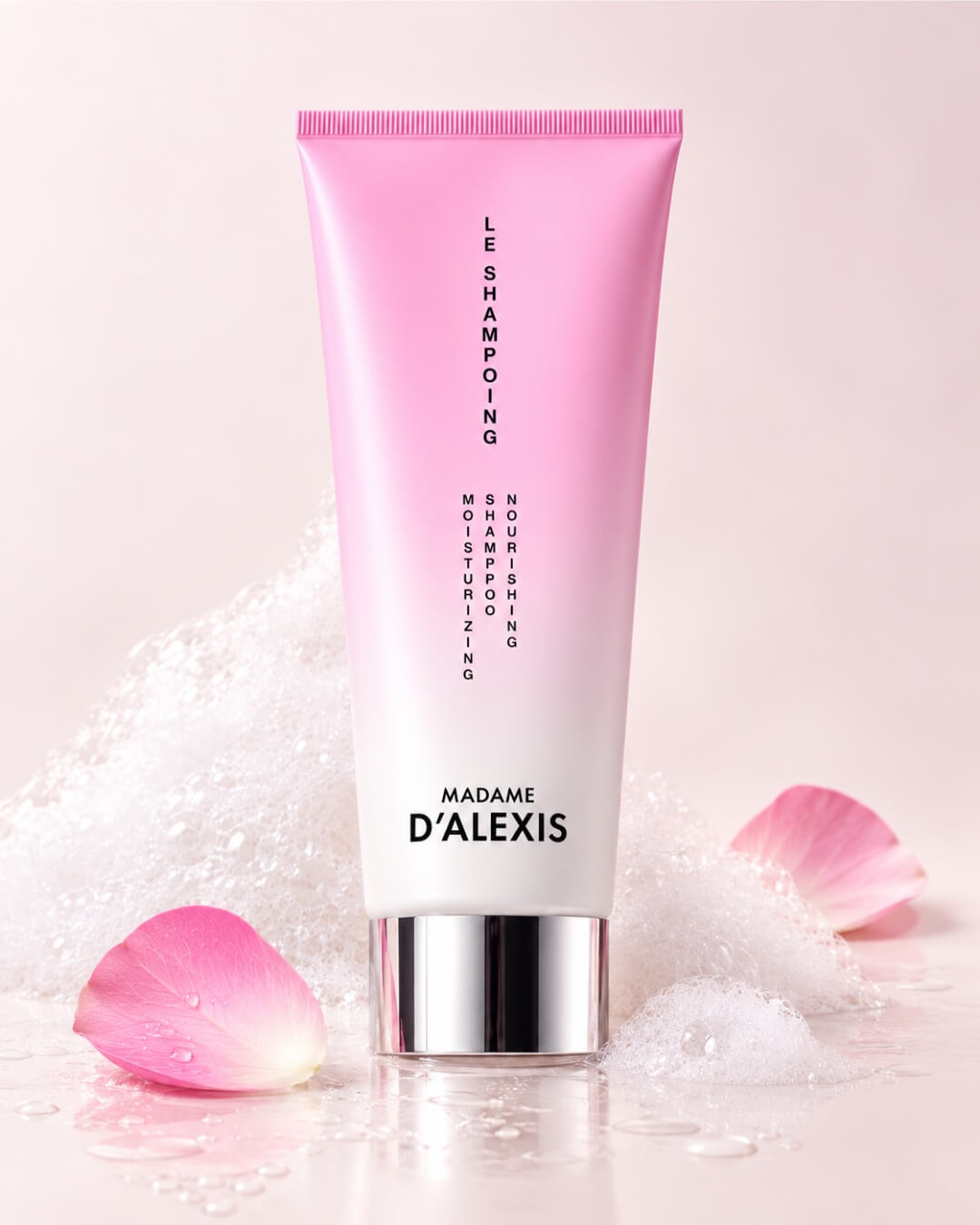
- This sulfate-free shampoo cleanses without stripping the hair and is part of a gentle routine for fine hair.
- Apply a few drops of the Night Serum to the scalp and roots in the evening, section by section.
Madame d’Alexis hair care products to choose for fine hair that won’t weigh it down
For fine hair, the goal isn’t to add too many layers. You need to cleanse without stripping the hair, purify the roots when they become clogged, nourish the scalp overnight, and protect the ends without making them greasy.
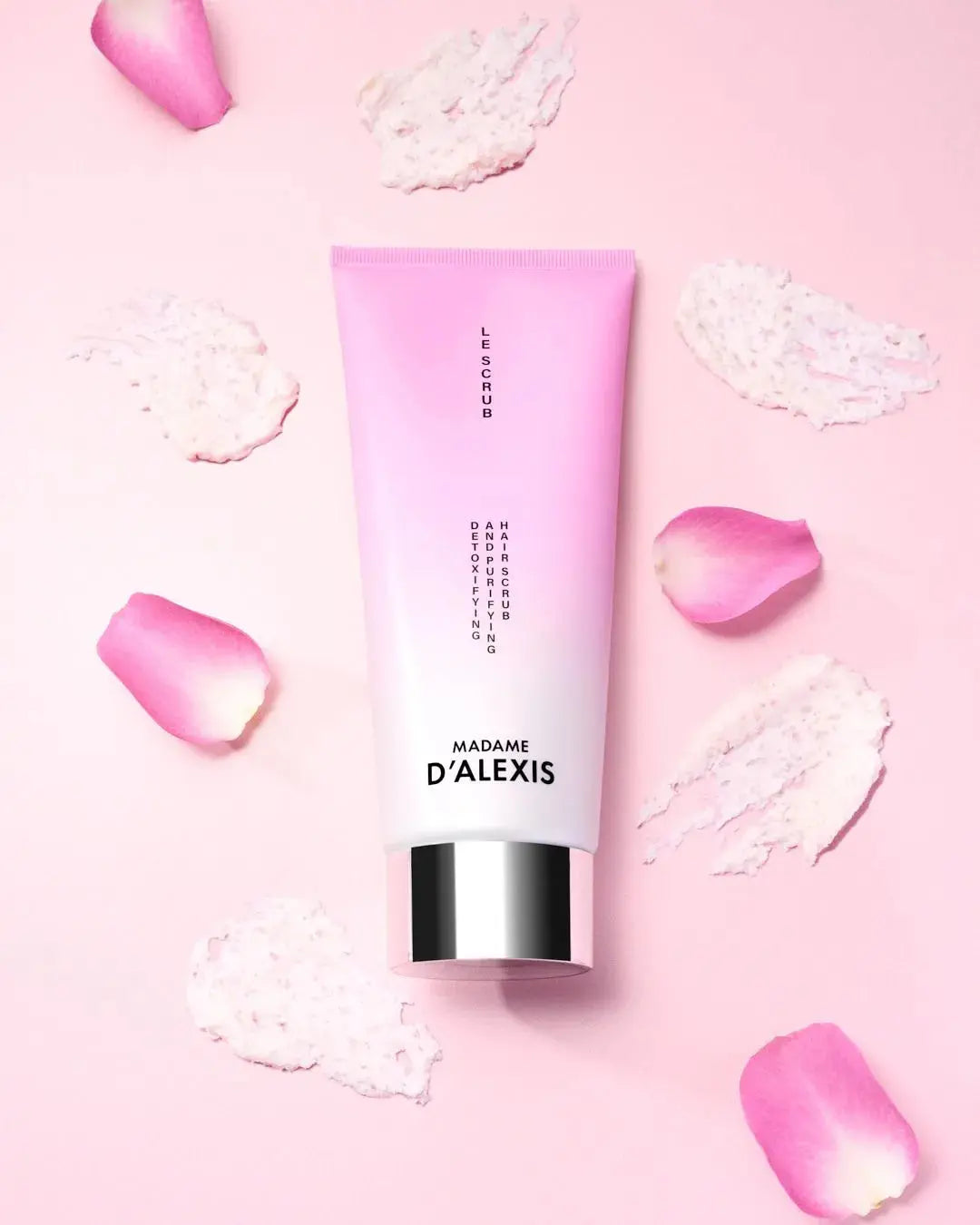
Scalp Scrub for Root Volume
- Every 10 to 15 days
- Replaces shampoo on that day
- Helps remove sebum, impurities, and pollution
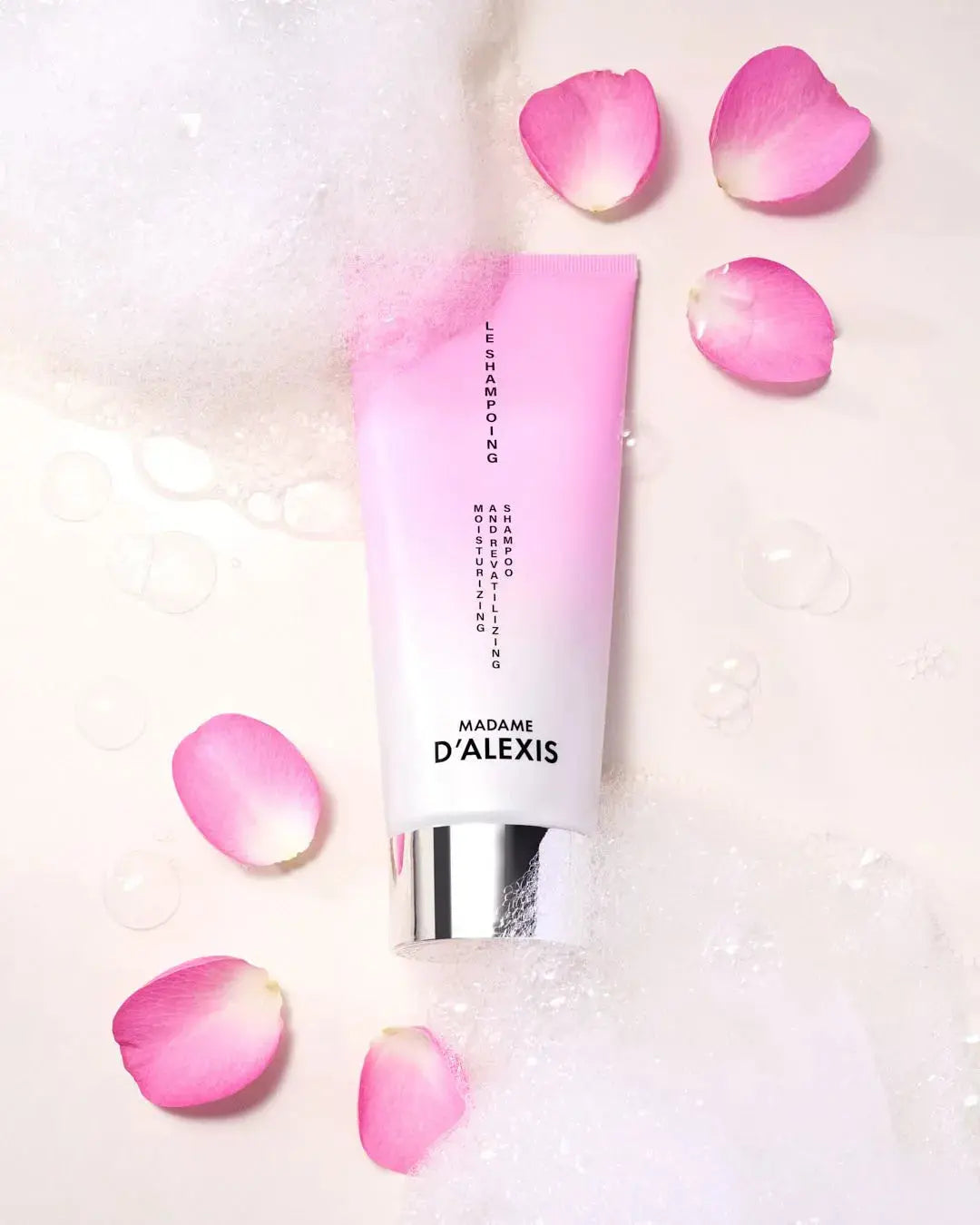
Mild, sulfate-free shampoo for fine hair
- Cleanses without stripping the scalp
- Lightweight styling product for fine or flat hair
- Sulfate-free, silicone-free
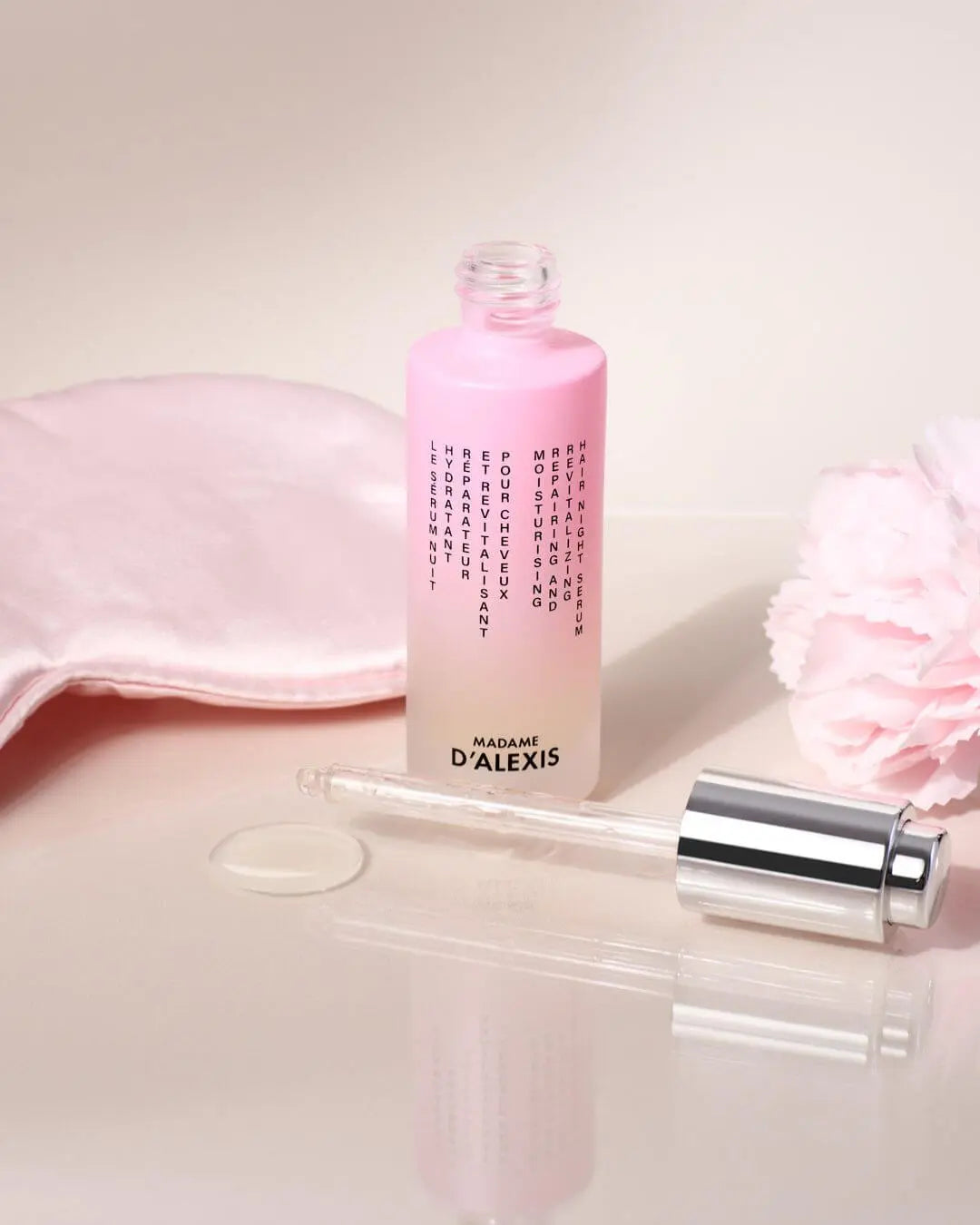
Night Serum for Thinning Hair
- In the evening, apply section by section
- A few drops, not a bath full of oil
- Organic hydrosols, probiotics, postbiotics
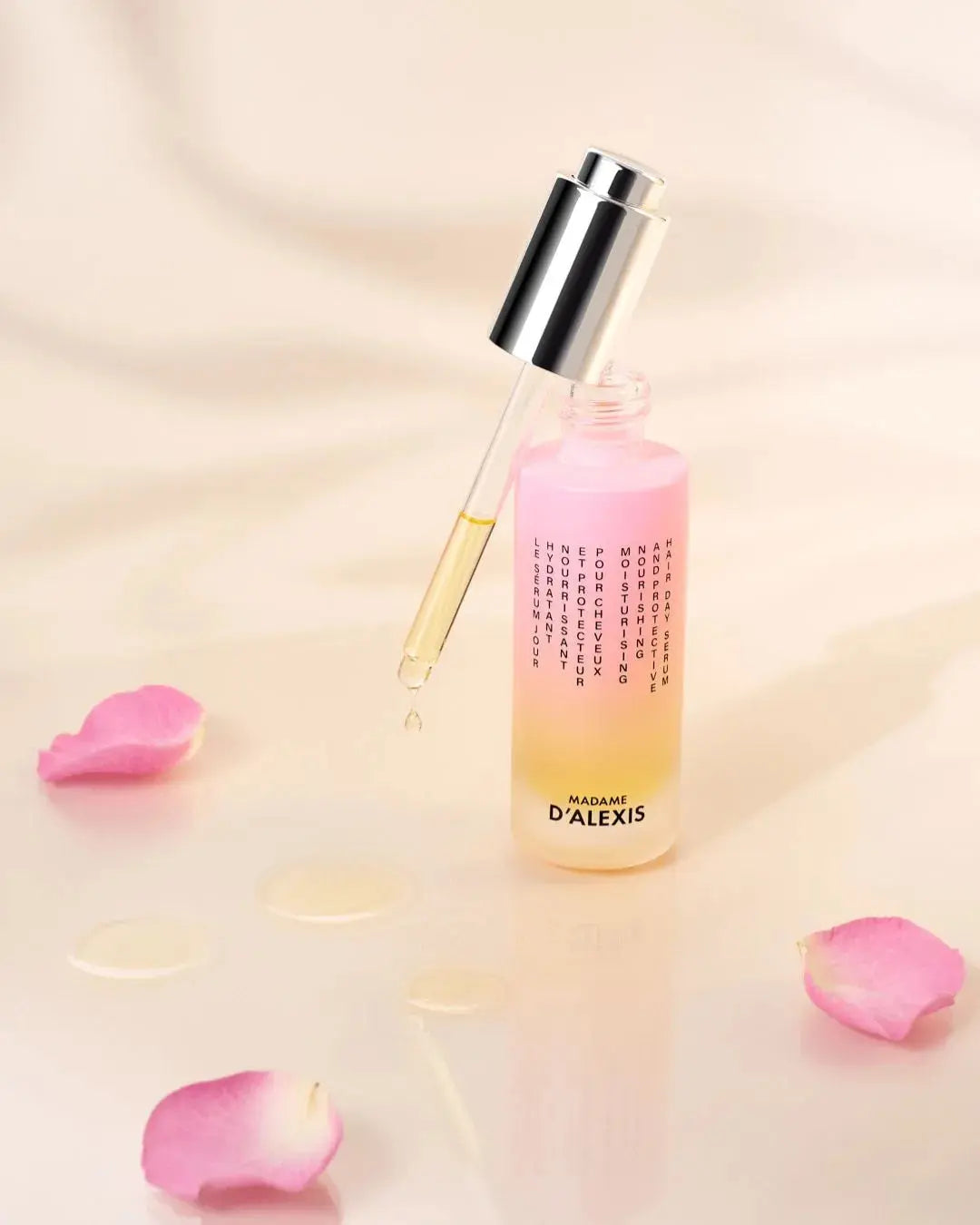
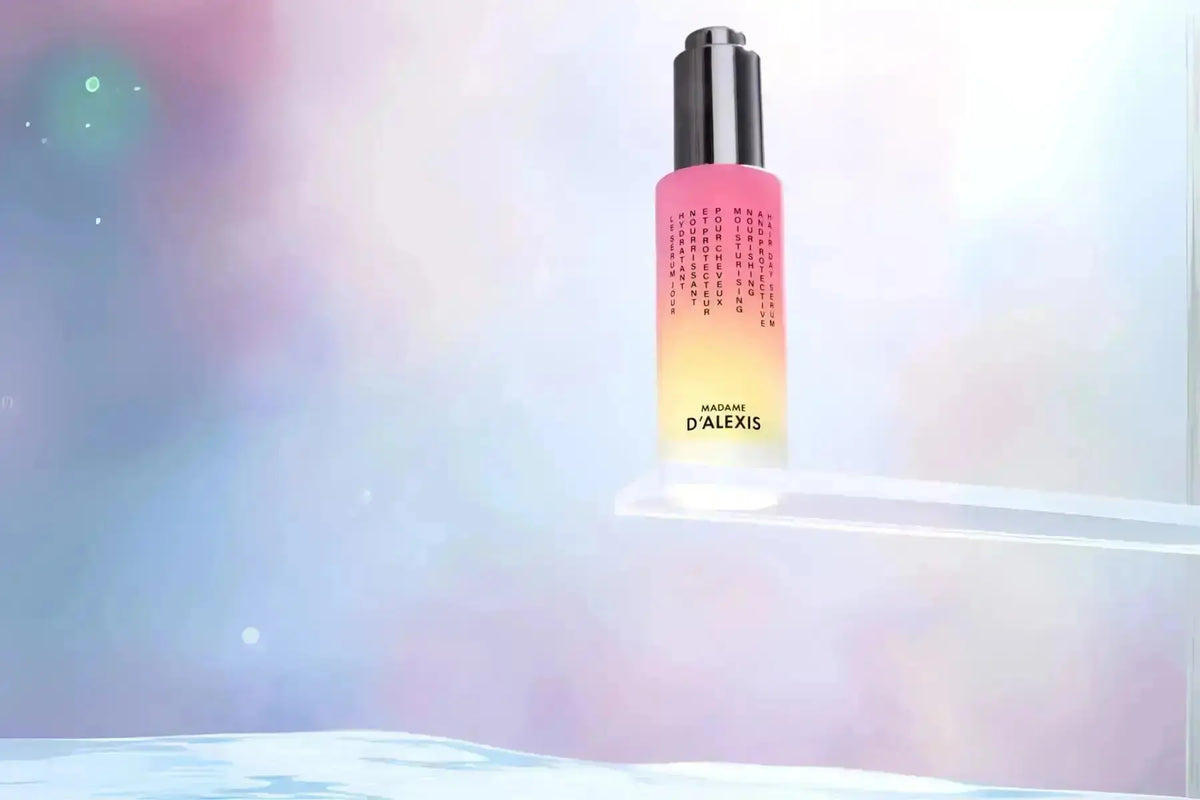
Day Serum for Fine Hair Ends
- Microdosing on tips only
- Dry oil finish, non-greasy
- Heat protection up to 200°C
Understanding Fine Hair Before Seeking Volume
Adding volume to fine hair requires more than just a styling technique. The hair shaft is lighter, the diameter is smaller, and even a small amount of excess sebum or product can weigh down the roots. For the same density, fine hair therefore often appears less voluminous than thicker hair.
Thinner fiber
The stem provides less support. The long stems quickly pull the roots downward.
Visible sebum
On fine hair, sebum becomes visible more quickly and can make the roots look flat.
Product is too rich
Heavy oil, a mask that hasn't been rinsed out properly, or silicone can take away volume right after washing.
If your roots get oily quickly, be sure to check out the guide on the causes of oily hair and the section on caring for oily hair.

Fine Hair or Thinning Hair: How to Tell the Difference
"Fine hair" refers primarily to the diameter of the hair shaft. "Thinning hair," on the other hand, refers to density—that is, the number of hairs in a given area. You can have a lot of fine hair, or fewer hairs but with a thicker shaft.
| Observation | What this means | A Useful Strategy |
|---|---|---|
| Hair that is almost translucent in the light | Fine fiber, small diameter. | A light routine, styling for volume, and minimal product. |
| Widening gap | Density may be lower. | Scalp care, regular follow-ups, and professional advice if you experience significant hair loss. |
| Flat roots starting on Day 1 | Sebum or residue that weighs the hair down. | Mild shampoo, occasional scrub, avoid applying oil to the roots. |
| Dry ends but oily roots | Combination hair. | Light at the roots, protected ends with a micro-dose. |
If the problem is more a matter of hair that lacks volume, the guide on how to add volume to your hair can complement this routine.
Choose the right cut to maximize volume
A haircut acts like architecture: it redistributes volume and helps lift the roots visually. Very long, uniform lengths often weigh fine hair down, whereas a slightly structured cut helps create a fuller look.
Lightweight square
A well-structured bob reduces weight and adds volume to the ends.
Subtle gradient
The gradient must remain gradual so as not to make the shape look hollow.
Curtain fringe
It breaks up the overly straight part and adds movement around the face.

Hair Care Routine for Fine, Flat Hair
Your routine should be simple but thorough. The idea isn’t to “use more product,” but to apply the right product to the right area: a clean scalp, supple mid-lengths, and protected ends.
One-time root reset
Every 10 to 15 days, use Le Scrub on a wet scalp. It replaces shampoo on that day and helps remove sebum, pollution, and residue.
Gentle, sulfate-free cleansing
Use the shampoo to cleanse without stripping the hair. On fine hair, rinse thoroughly and avoid massaging the lengths.
Evening Root Treatment
Apply a few drops of the Night Serum to the scalp, section by section. Massage gently, without applying too much.
Tip Protection
If your ends are dry, apply a tiny amount of Day Serum to the ends only. Avoid the roots.
For hair that's dry on the ends but oily at the roots, check out our guide to combination hair as well.
Drying and styling techniques for lasting volume
Drying is key. A mild shampoo isn't enough if the roots dry pressed flat against the scalp. The goal is to create air at the roots without overheating the hair shaft.
- Pre-dry with a microfiber towel, without rubbing.
- Dry your hair upside down or lift the roots with your fingers.
- Direct the airflow toward the roots at a moderate temperature.
- Finish by blowing a stream of cold air to set the shape.
- Avoid using heavy oils or creams before styling at the roots.
For a more detailed guide, check out the article on drying your hair and the guide to drying your hair without a hair dryer.

What products should you avoid so as not to weigh down fine hair?
| To be avoided | Why This Is Draining Sales Volume | A lighter alternative |
|---|---|---|
| Oils Rich in Roots | They quickly make the scalp oily and weigh down the hair. | Micro-dose Day Serum—apply only to the ends. |
| Heavy silicones | They smooth the hair, but can leave a film that weighs it down. | A sulfate- and silicone-free routine. |
| Masks Applied at the Roots | They make the base heavy and reduce lift-off. | Apply the mask only to the ends if needed, and rinse thoroughly. |
| Too much mousse or hairspray | Residues build up and choke the root. | Reset the Scrub every 10 to 15 days if buildup occurs. |
This topic is directly related to the article on natural alternatives to silicones and the sulfate-free keratin shampoo routine.
Natural Tips and Quick Hairstyles for Instant Volume
Zigzag Ray
It breaks the alignment and immediately gives the impression of a less flat root.
High, loose ponytail at night
When applied to dry hair, it can help keep your hair slightly voluminous when you wake up.
Pancake Braid
Gently separating each strand adds visual volume without using heavy styling products.
Powder or dry shampoo
Use as needed to absorb excess oil, then wash it out the next time you wash your hair.
If your ends are dry even though your roots are flat, products for dry hair can round out your routine—just be sure to use them very sparingly on the lengths.

Mistakes That Prevent Fine Hair From Maintaining Volume
- Apply hair care products to the lengths of your hair: hair masks, oils, and finishing serums should be kept away from the scalp.
- Rinsing too quickly: Inadequate rinsing leaves a film that weighs down fine hair.
- Using too much powder: It adds volume, but leaves residue if not removed.
- Confusing fine hair with hair loss: If hair density is actually decreasing, you should monitor the situation and seek professional advice.
- Forget about the scalp: long-lasting volume starts with clean, light, and unclogged roots.
FAQ - Adding Volume to Fine Hair
How can you add volume to fine hair?
Follow a three-step process: clean scalp, gentle shampoo, and blow-drying that lifts the roots. Avoid using rich treatments at the roots, and apply a micro-dose of Day Serum only to the ends if they’re dry.
Which shampoo should I choose for fine, flat hair?
Choose a gentle shampoo free of sulfates and silicones that cleanses without stripping the hair or leaving a heavy residue. Madame d’Alexis Shampoo is ideal for a gentle hair care routine thanks to its organic hydrosols, plant-based keratin, and prebiotics.
Does the scrub help add volume?
It can help if the roots are weighed down by sebum, residue, or pollution. Use the scrub every 10 to 15 days; on the day you use it, skip shampooing.
Is the Night Serum suitable for fine hair?
Yes, as long as you use it correctly: just a few drops in the evening, section by section, on the scalp and roots. It should not be used as a finishing oil on the lengths of the hair.
How do you blow-dry your hair to add volume?
Towel-dry without rubbing, lift the roots with your fingers or dry your hair upside down, then finish with a blast of cool air. Avoid using heavy products before blow-drying.
How can you prevent your hair from going flat?
Avoid oils on the roots, poorly rinsed hair masks, heavy silicones, and built-up styling products. Instead, stick to a light routine and occasionally give your scalp a refresh.
What haircut should you choose for fine hair?
A light bob, a subtle layered cut, or curtain bangs can add more movement. Very even lengths tend to pull the roots downward.