


Comment donner du volume aux cheveux fins : routine légère, cuir chevelu net et racines décollées
Les cheveux fins manquent souvent de portance parce que la fibre est plus légère, plus sensible au sébum et plus facile à alourdir. Pour obtenir du volume durable, il faut travailler à la fois le cuir chevelu, le lavage, le séchage et les produits de finition.
- Pour donner du volume à des cheveux fins, il faut éviter tout ce qui alourdit : silicones lourds, huiles riches en racines, masques trop proches du cuir chevelu.
- Le volume commence au cuir chevelu : sébum, résidus, pollution et produits coiffants peuvent plaquer les racines.
- Le Scrub cuir chevelu aide à faire un reset tous les 10 à 15 jours, en remplacement du shampoing ce jour-là.
- Le Shampoing sans sulfates nettoie sans décaper et accompagne une routine légère pour cheveux fins.
- Le Sérum Nuit s’applique sur cuir chevelu et racines le soir, raie par raie, en quelques gouttes.
Les soins Madame d’Alexis à privilégier pour des cheveux fins sans effet lourd
Pour les cheveux fins, l’objectif n’est pas de multiplier les couches. Il faut nettoyer sans décaper, purifier les racines quand elles saturent, accompagner le cuir chevelu la nuit et protéger les pointes sans graisser.
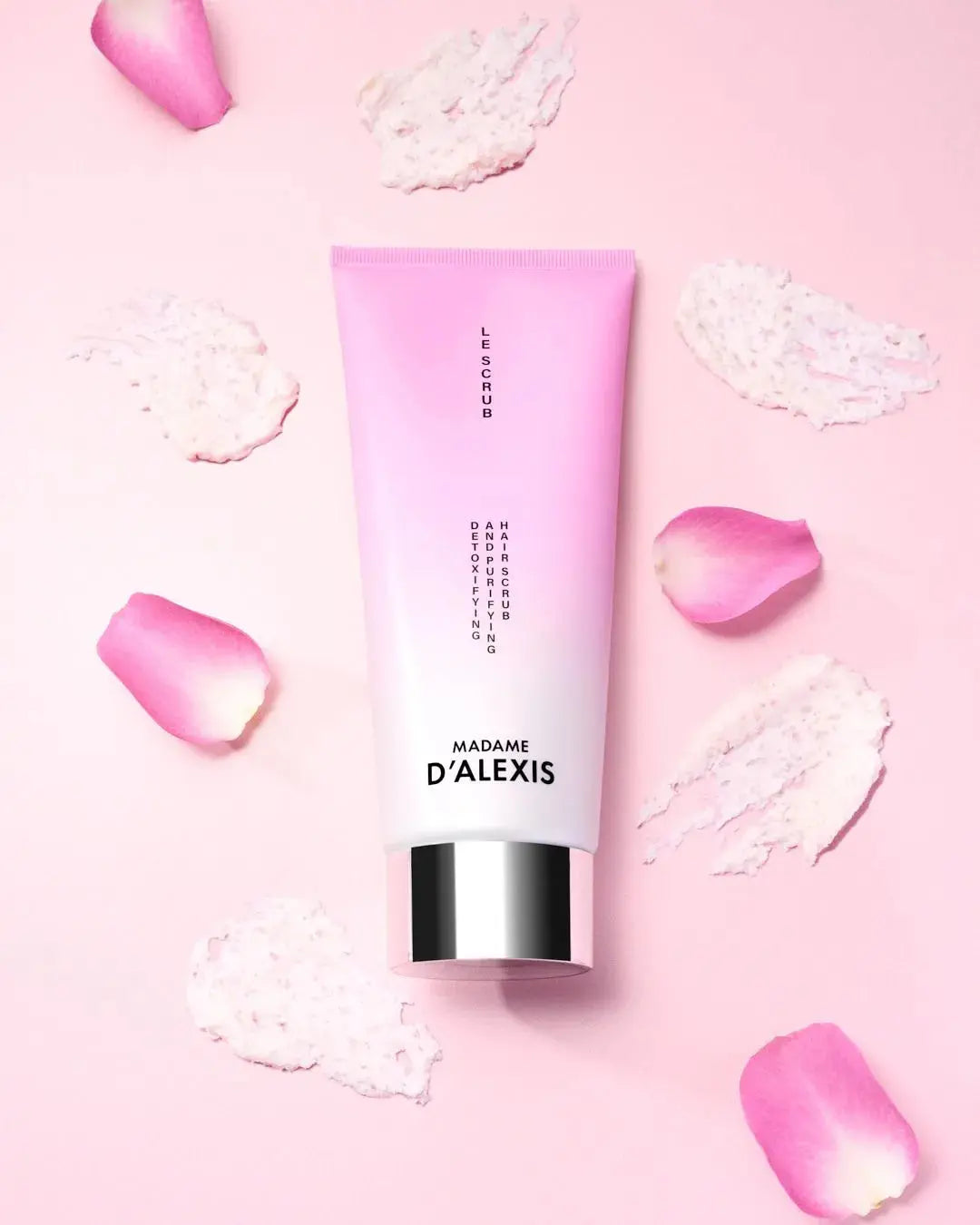
Scrub cuir chevelu volume racines
- Every 10 to 15 days
- Remplace le shampoing ce jour-là
- Aide à retirer sébum, résidus et pollution
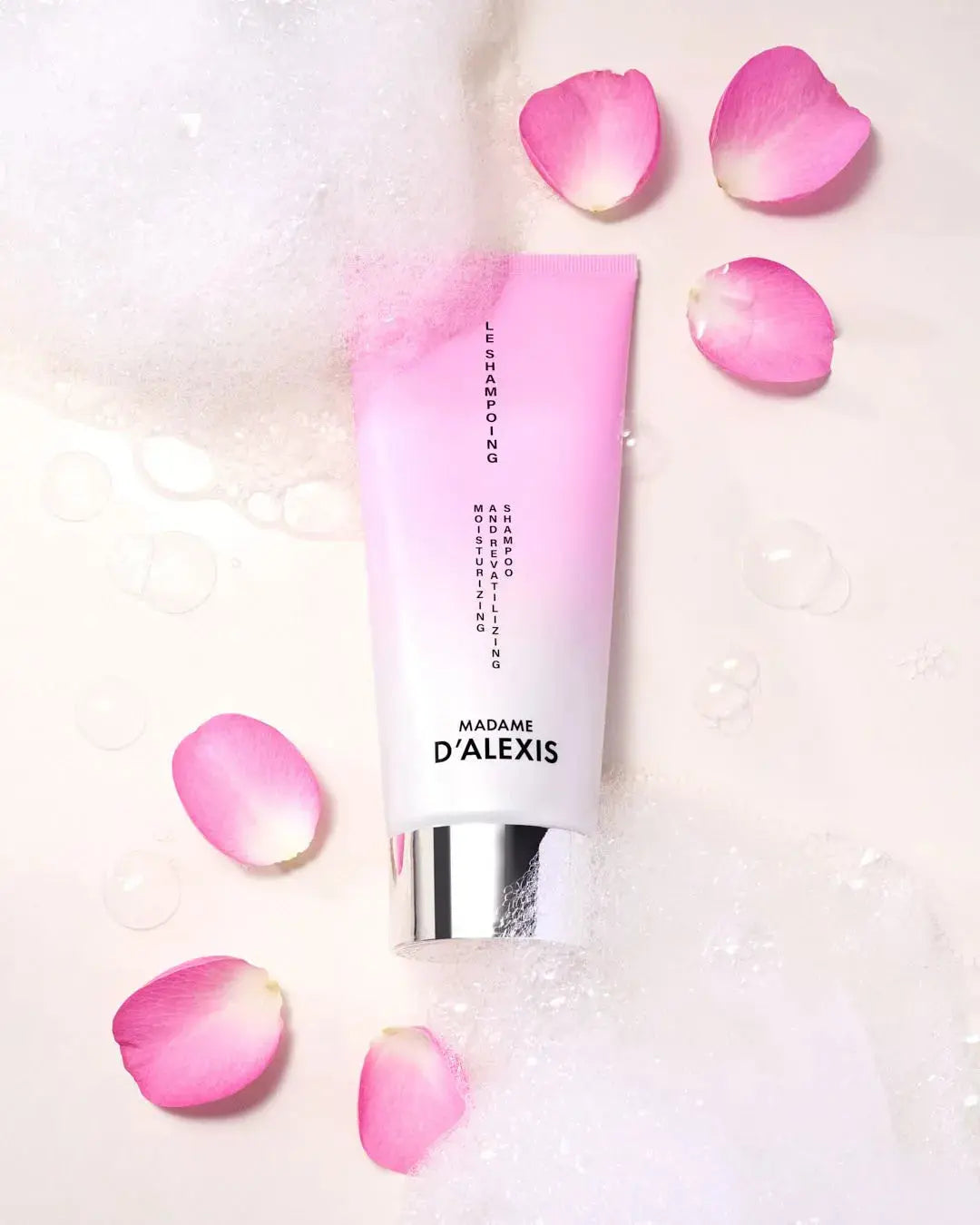
Shampoing doux cheveux fins sans sulfates
- Cleans without stripping the scalp
- Base légère pour cheveux fins ou plats
- Sans sulfates, sans silicones
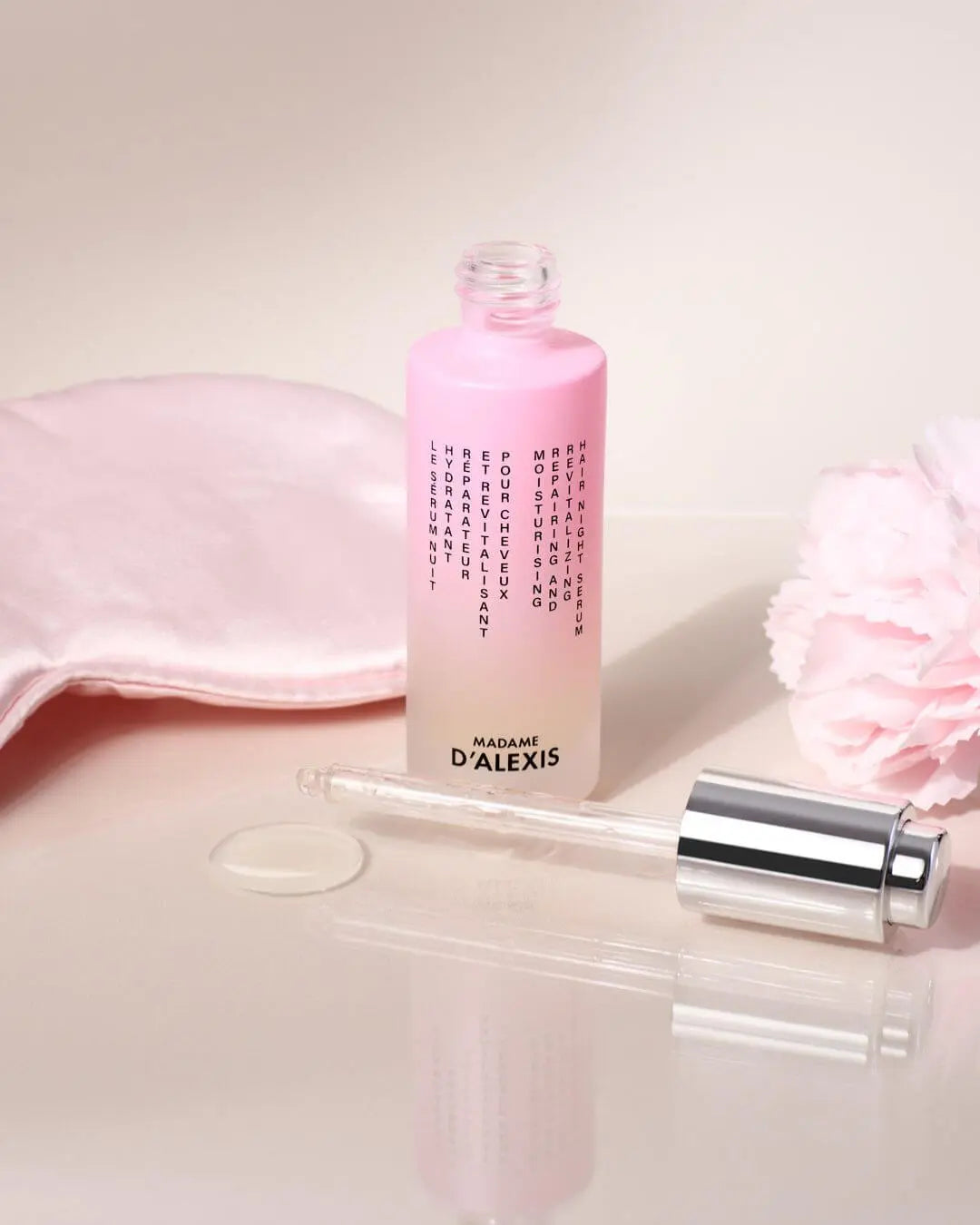
Sérum Nuit densité cheveux fins
- Le soir, raie par raie
- Quelques gouttes, pas un bain d’huile
- Hydrolats bio, probiotiques, postbiotiques
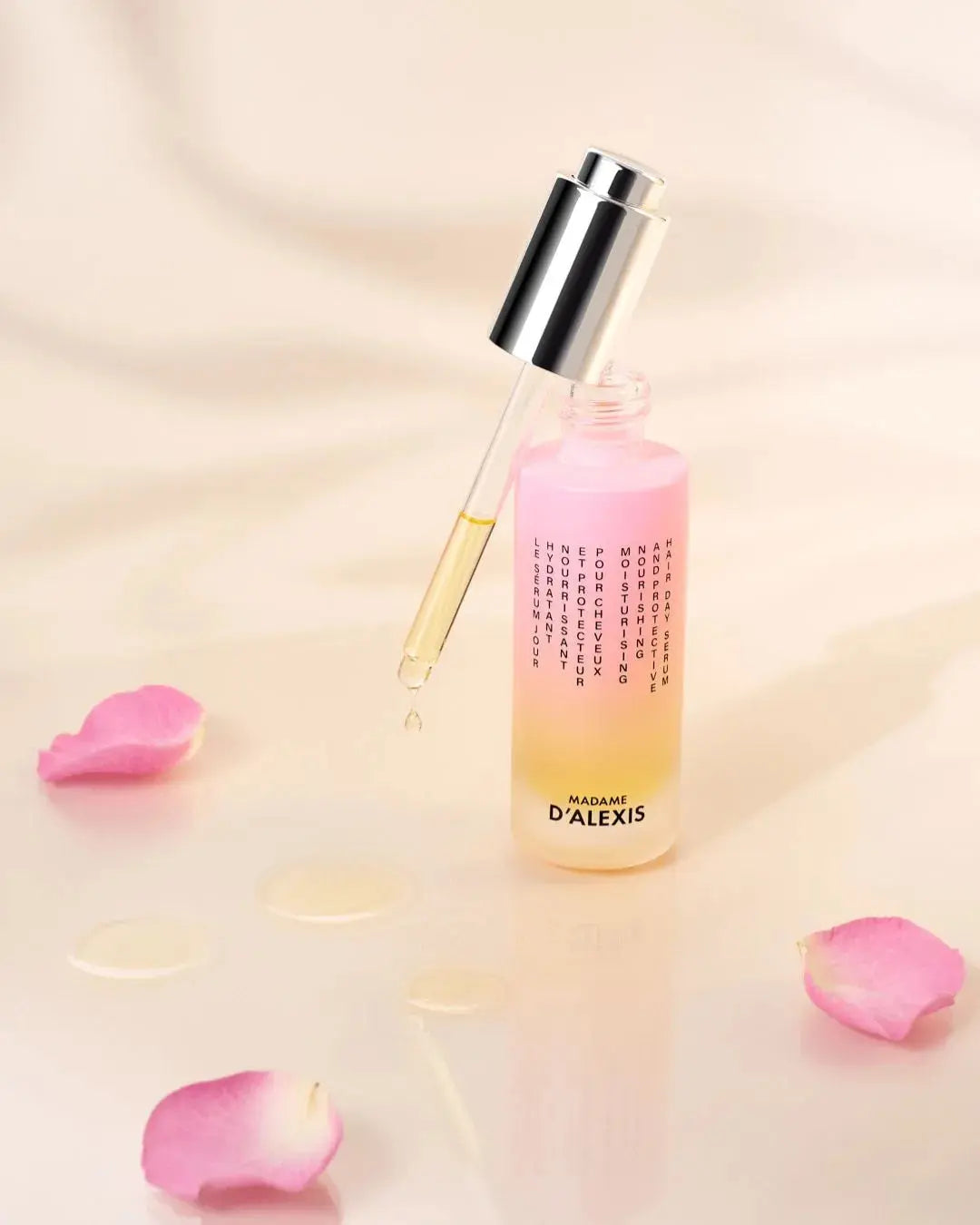
Sérum Jour pointes cheveux fins
- Micro-dose sur pointes uniquement
- Finition huile sèche, sans effet gras
- Protection chaleur jusqu’à 200°C
Comprendre les cheveux fins avant de chercher le volume
Donner du volume à des cheveux fins exige plus qu’un geste de coiffage. La fibre est plus légère, le diamètre est réduit et le moindre excès de sébum ou de produit peut plaquer la racine. À densité égale, une chevelure fine paraît donc souvent moins volumineuse qu’une chevelure plus épaisse.
Fibre plus fine
La tige offre moins de portance. Les longueurs tirent vite les racines vers le bas.
Sébum visible
Sur cheveux fins, le sébum se voit plus vite et peut créer un effet racines plates.
Produit trop riche
Une huile lourde, un masque mal rincé ou un silicone peuvent casser le volume dès le lavage.
Si les racines regraissent vite, consultez aussi le guide sur les causes des cheveux gras et la catégorie soins pour cheveux gras.

Cheveu fin ou cheveu clairsemé : faire la différence
Un cheveu fin désigne surtout le diamètre de la fibre. Une chevelure clairsemée désigne plutôt la densité, c’est-à-dire le nombre de cheveux sur une zone donnée. On peut avoir beaucoup de cheveux fins, ou moins de cheveux mais une fibre plus épaisse.
| Observation | What this means | Stratégie utile |
|---|---|---|
| Cheveu presque translucide à la lumière | Fibre fine, faible diamètre. | Routine légère, coiffage volume, peu de matière. |
| Raie qui s’élargit | Densité possiblement plus faible. | Soin cuir chevelu, suivi régulier, avis pro si chute marquée. |
| Racines plates dès J+1 | Sébum ou résidus qui alourdissent. | Shampoing doux, Scrub ponctuel, éviter les huiles en racines. |
| Pointes sèches mais racines grasses | Cheveux mixtes. | Racines légères, pointes protégées en micro-dose. |
Si le problème est plutôt un effet de masse moins dense, le guide sur comment densifier les cheveux peut compléter cette routine.
Choose the right cut to maximize volume
La coupe agit comme une architecture : elle redistribue la masse et permet de décoller visuellement les racines. Les longueurs uniformes très longues tirent souvent les cheveux fins vers le bas, alors qu’une forme légèrement structurée aide à créer un effet plus dense.
Carré léger
Un carré bien structuré réduit le poids et donne plus de présence aux pointes.
Dégradé subtil
Le dégradé doit rester progressif pour ne pas vider la masse.
Frange rideau
Elle casse la raie trop droite et donne du mouvement autour du visage.

Routine capillaire pour cheveux fins et sans volume
La routine doit rester légère, mais complète. L’idée n’est pas de “nourrir plus”, c’est de placer le bon soin au bon endroit : cuir chevelu net, longueurs souples, pointes protégées.
Reset ponctuel des racines
Tous les 10 à 15 jours, utilisez Le Scrub sur cuir chevelu mouillé. Il remplace le shampoing ce jour-là et aide à retirer sébum, pollution et résidus.
Lavage doux sans sulfates
Utilisez Le Shampoing pour nettoyer sans décaper. Sur cheveux fins, rincez longuement et évitez de masser les longueurs.
Soin racines le soir
Appliquez Le Sérum Nuit sur le cuir chevelu, raie par raie, en quelques gouttes. Massez doucement, sans saturer.
Protection des pointes
Si les pointes sont sèches, utilisez une micro-dose de Sérum Jour sur pointes uniquement. Évitez les racines.
Pour les longueurs sèches mais racines grasses, consultez aussi notre guide sur les cheveux mixtes.
Drying and styling techniques for lasting volume
Le séchage est déterminant. Un shampoing léger ne suffit pas si les racines sèchent plaquées contre le cuir chevelu. L’objectif est de créer de l’air à la racine sans surchauffer la fibre.
- Pré-séchez à la serviette microfibre, sans frotter.
- Séchez tête en bas ou décollez les racines avec les doigts.
- Dirigez le flux d’air vers les racines, à température modérée.
- Terminez par un souffle froid pour fixer la forme.
- Évitez les huiles ou crèmes riches avant coiffage racine.
Pour une méthode plus détaillée, consultez l’article sur le séchage des cheveux et le guide pour sécher ses cheveux sans sèche-cheveux.

Quels produits éviter pour ne pas alourdir les cheveux fins ?
| To be avoided | Pourquoi cela plombe le volume | Alternative plus légère |
|---|---|---|
| Huiles riches en racines | Elles graissent vite le cuir chevelu et plaquent la fibre. | Sérum Jour en micro-dose sur pointes seulement. |
| Silicones lourds | Ils lissent, mais peuvent créer un film qui alourdit. | Routine sans sulfates et sans silicones. |
| Masques posés en racines | Ils rendent la base lourde et réduisent le décollement. | Masque uniquement sur pointes si besoin, très bien rincé. |
| Trop de mousse ou spray coiffant | Les résidus s’accumulent et étouffent la racine. | Reset au Scrub tous les 10 à 15 jours si accumulation. |
Le sujet rejoint directement l’article sur les alternatives naturelles aux silicones et la routine shampoing à la kératine sans sulfate.
Astuces naturelles et coiffures express pour un volume immédiat
Raie en zigzag
Elle casse l’alignement et donne immédiatement l’impression d’une racine moins plate.
Queue haute lâche la nuit
Sur cheveux secs, elle peut aider à conserver un léger décollement au réveil.
Tresse pancake
Élargir doucement chaque brin donne plus d’épaisseur visuelle sans produit lourd.
Poudre ou shampoing sec
À utiliser ponctuellement pour absorber le sébum, puis à éliminer au prochain lavage.
Si vos pointes sont sèches malgré des racines plates, la catégorie soins pour cheveux secs peut compléter la routine, en restant très léger sur les longueurs.

Les erreurs qui empêchent les cheveux fins de garder du volume
- Appliquer les soins en racines : les masques, huiles et sérums de finition doivent rester loin du cuir chevelu.
- Rincer trop vite : un mauvais rinçage laisse un film qui plaque les cheveux fins.
- Sur-utiliser les poudres : elles donnent du volume, mais créent des résidus si elles ne sont pas éliminées.
- Confondre cheveux fins et chute : si la densité baisse réellement, il faut suivre l’évolution et demander un avis professionnel.
- Oublier le cuir chevelu : le volume durable commence par une racine propre, légère et non saturée.
FAQ - Donner du volume aux cheveux fins
How can you add volume to fine hair?
Travaillez en trois temps : cuir chevelu net, shampoing léger, séchage qui décolle les racines. Évitez les soins riches en racines et utilisez une micro-dose de Sérum Jour uniquement sur les pointes si elles sont sèches.
Quel shampoing choisir pour cheveux fins et plats ?
Choisissez un shampoing doux sans sulfates ni silicones, qui nettoie sans décaper et sans laisser de film lourd. Le Shampoing Madame d’Alexis convient à une routine légère grâce aux hydrolats bio, à la kératine végétale et aux prébiotiques.
Le Scrub aide-t-il à avoir plus de volume ?
Il peut aider si les racines sont alourdies par le sébum, les résidus ou la pollution. Le Scrub s’utilise tous les 10 à 15 jours et remplace le shampoing le jour de l’utilisation.
Le Sérum Nuit est-il adapté aux cheveux fins ?
Oui, à condition de l’utiliser correctement : quelques gouttes seulement, le soir, raie par raie, sur cuir chevelu et racines. Il ne doit pas être utilisé comme une huile de finition sur les longueurs.
Comment sécher les cheveux pour obtenir du volume ?
Pré-séchez sans frotter, décollez les racines avec les doigts ou séchez tête en bas, puis terminez par un souffle froid. Évitez les produits lourds avant le séchage.
How can you prevent your hair from going flat?
Évitez les huiles en racines, les masques mal rincés, les silicones lourds et les produits coiffants accumulés. Travaillez plutôt avec une routine légère et un reset ponctuel du cuir chevelu.
Quelle coupe choisir pour des cheveux fins ?
Un carré léger, un dégradé subtil ou une frange rideau peuvent donner plus de mouvement. Les longueurs très uniformes ont tendance à tirer les racines vers le bas.

