


What can you do for dry and brittle hair?
Pour réparer des cheveux secs et cassants, il faut d’abord identifier la cause du dessèchement, puis adopter une routine qui hydrate, nourrit, protège et renforce la fibre capillaire sans l’agresser.
- Les cheveux secs viennent souvent d’un manque de sébum ou d’hydratation : la fibre devient rêche, terne, poreuse et plus vulnérable à la casse.
- Les agressions répétées aggravent le problème : fer à lisser, sèche-cheveux trop chaud, colorations, décolorations, soleil, vent, eau calcaire et shampoings trop agressifs.
- Pour bien agir, il faut distinguer cheveux secs, cheveux cassants et cheveux abîmés : les cheveux secs manquent d’eau ou de lipides, les cheveux cassants ont besoin d’être renforcés, les cheveux abîmés nécessitent une réparation plus profonde.
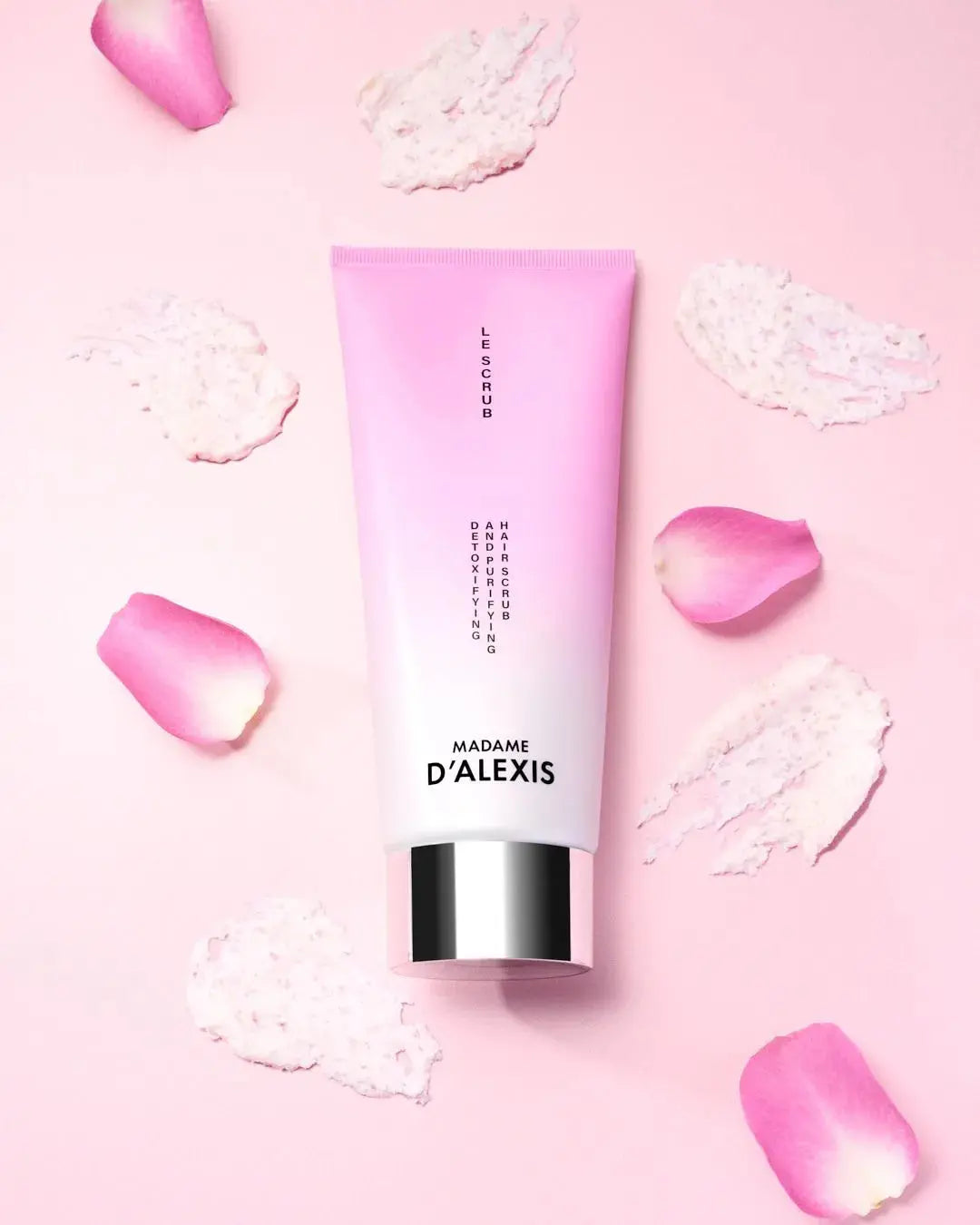
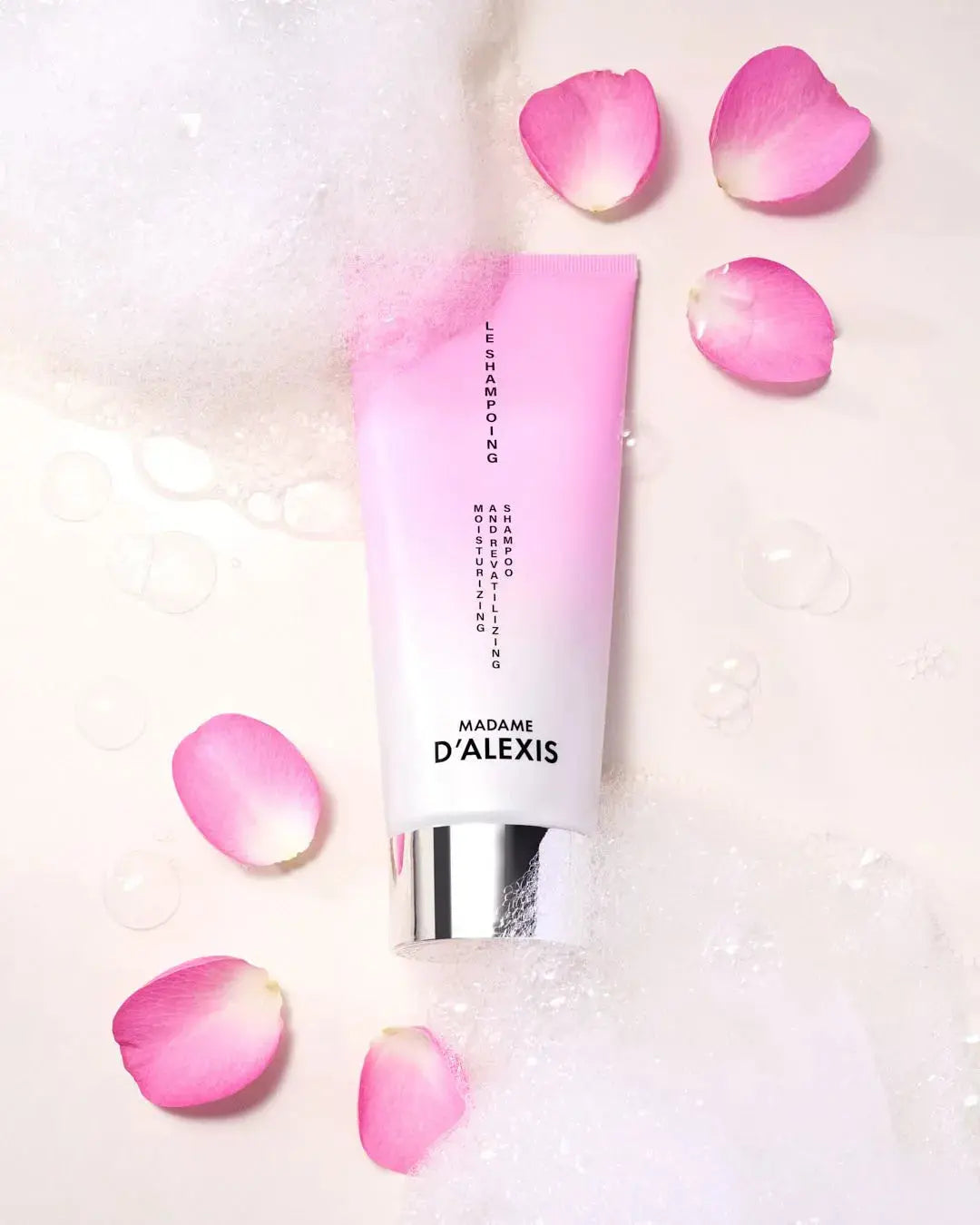
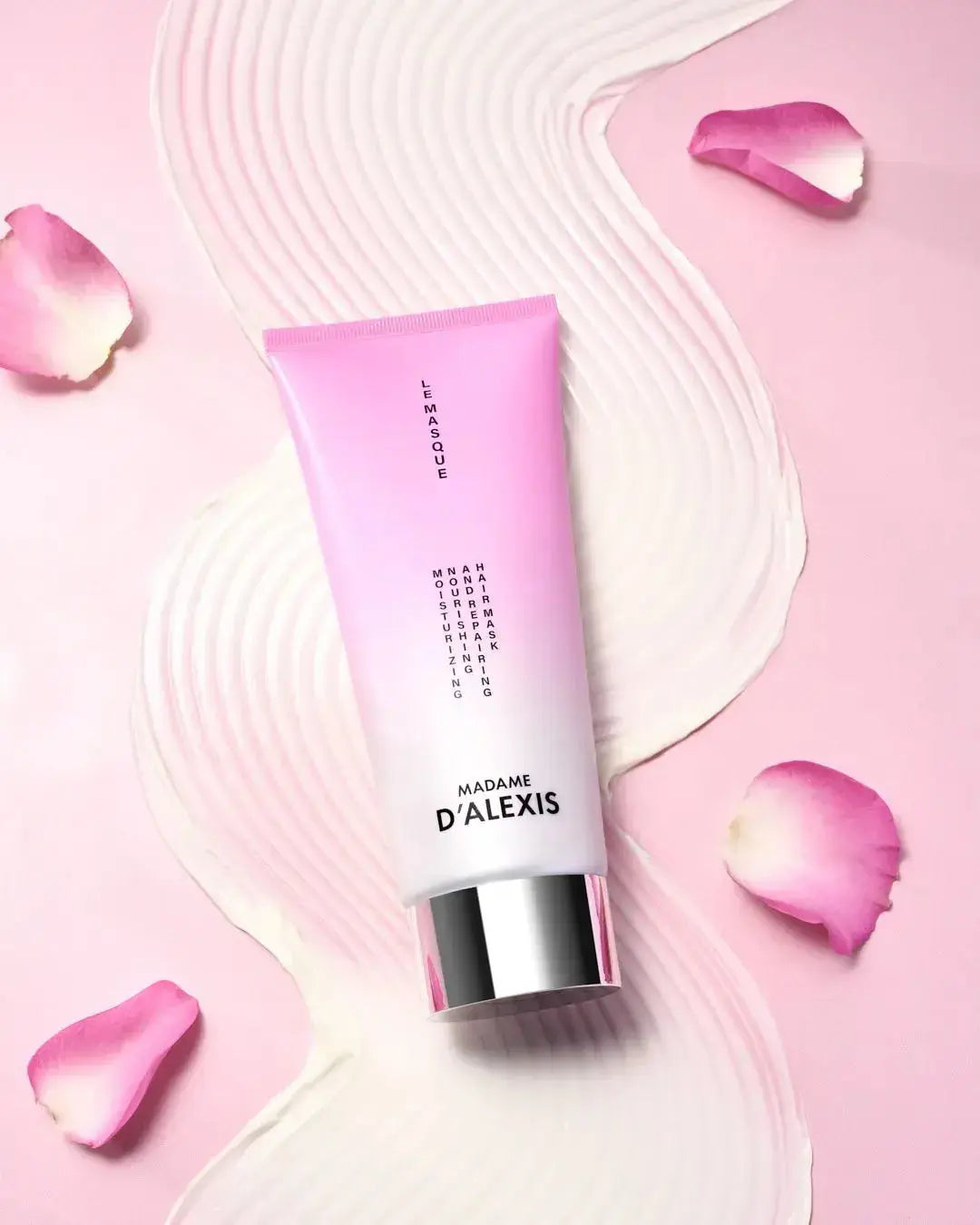
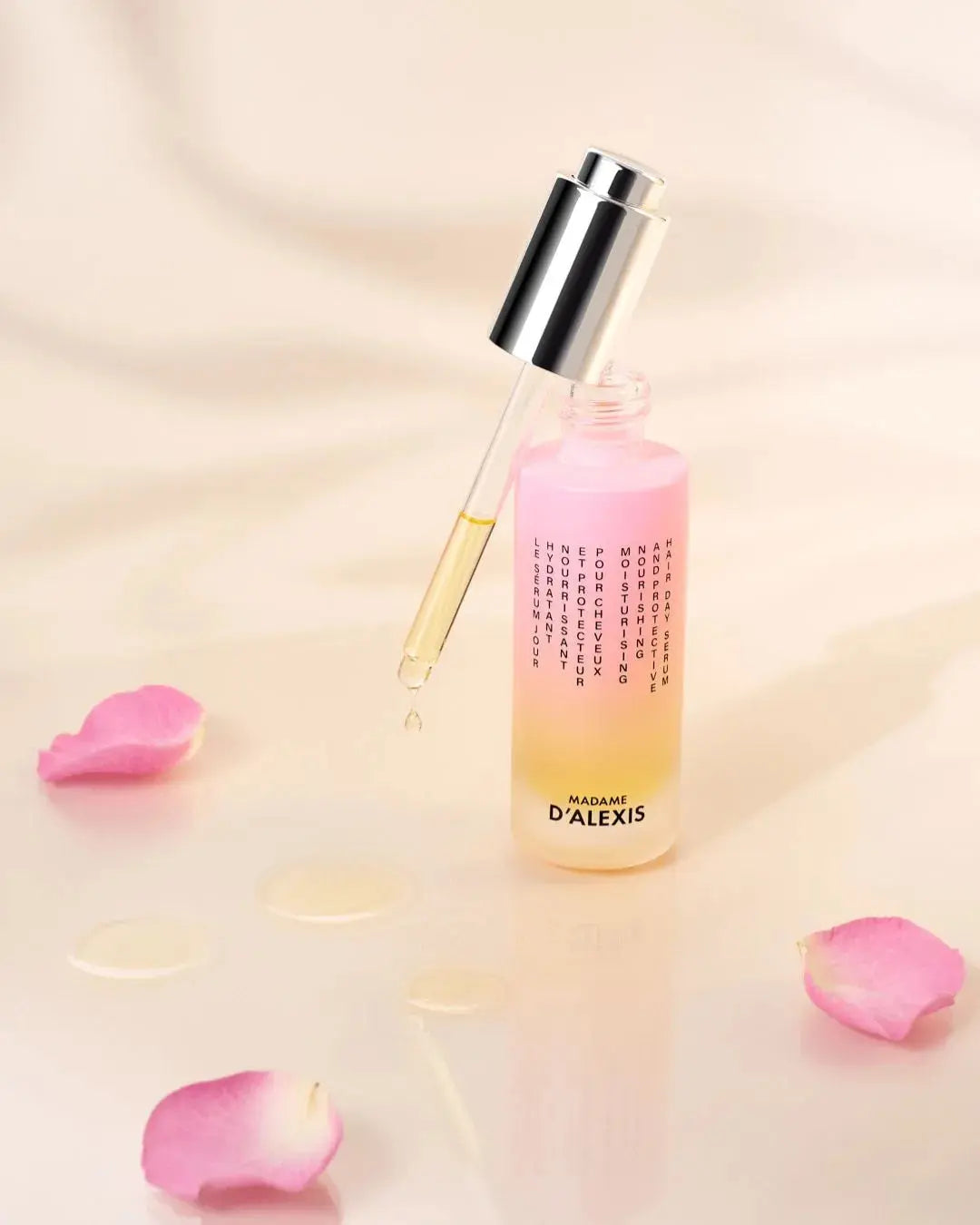
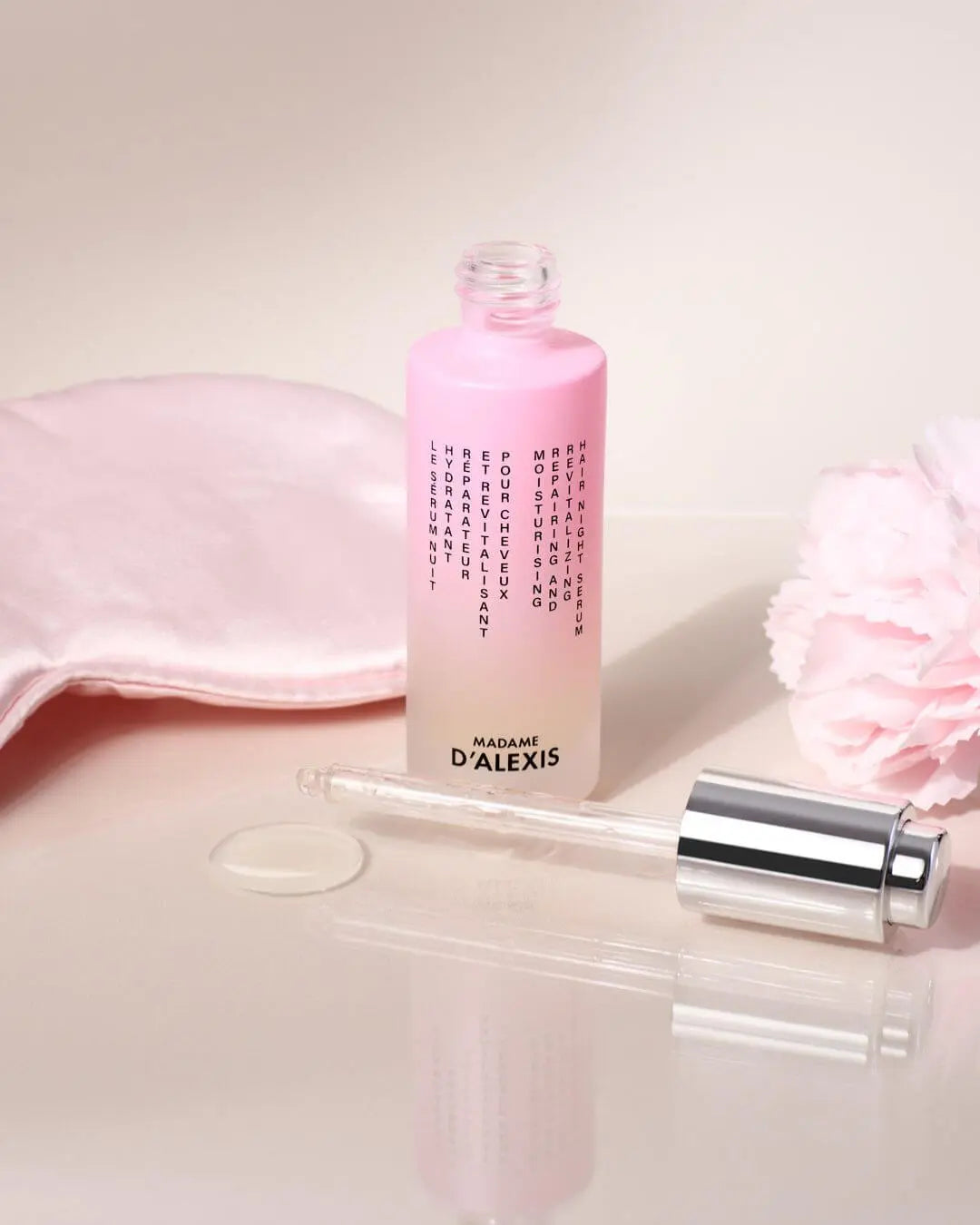
- La routine idéale repose sur 5 gestes : purifier le cuir chevelu avec un scrub doux, laver avec un shampoing sans sulfates, réparer avec un masque nourrissant, protéger avec un sérum jour et soutenir le cuir chevelu avec un sérum nuit.
- Les résultats demandent de la régularité : les cheveux sont souvent plus doux dès les premières utilisations, mais une vraie amélioration de la casse, de la brillance et de la résistance s’observe plutôt après 4 à 8 semaines.
Les meilleurs produits pour des cheveux secs, cassants et abîmés
What are the causes of dry and brittle hair?
It is often mistakenly believed that dry hair is simply unavoidable. However, behind this lack of elasticity and dreaded straw-like appearance lies a much more complex mechanism.
As a hair care enthusiast, I myself have long confused dry hair with damaged hair. However, understanding the distinction is essential for effective action.
Les causes principales résident dans un manque de sébum : cette fine couche lipidique naturellement produite par le cuir chevelu agit comme un film protecteur. Lorsqu’il est insuffisant ou mal réparti, les longueurs des cheveux deviennent rêches, ternes, sujettes à la casse.
In addition to this, there are repeated aggressions:
- Frequent use of straightening irons or curling irons
- Repeated chemical colorings
- Prolonged exposure to the sun, wind, or open air
- The use of harsh shampoos that are unsuitable for your hair type
Lifestyle also plays a central role. An unbalanced diet, deficiencies (in zinc, omega-3, or iron), chronic stress, or a lack of internal hydration can weaken the hair fiber in depth.
Finally, the hair's porosity (its ability to retain water) is often neglected. The more open the hair cuticles are, the faster they dehydrate, despite treatments.

Cheveux secs, cassants ou abîmés : comment faire le bon diagnostic ?
Avant de choisir un soin, il faut savoir ce que vos cheveux expriment vraiment. Tous les cheveux secs ne sont pas forcément abîmés, et tous les cheveux cassants ne manquent pas uniquement d’hydratation.
| Problem | Signes visibles | Cause fréquente | Priorité soin |
|---|---|---|---|
| Dry hair | Toucher rêche, manque de brillance, frisottis | Manque d’eau, manque de sébum, air sec | Hydratation + nutrition légère |
| Brittle hair | Cheveux qui se rompent, pointes affinées, longueurs fragiles | Chaleur, frottements, brossage agressif | Renforcer + protéger |
| Cheveux abîmés | Fibre poreuse, effet paille, cheveux ternes | Colorations, décolorations, lissages, fer à lisser | Réparer + reconstruire |
| Cheveux très poreux | Les soins ne tiennent pas, cheveux mousseux | Écailles ouvertes, cuticule fragilisée | Sceller l’hydratation |
| Cuir chevelu déséquilibré | Racines lourdes, démangeaisons, longueurs sèches | Résidus, silicones, produits agressifs | Reset doux avec scrub |
Key takeaway:
- Si les cheveux sont rêches mais ne cassent pas : priorité à l’hydratation.
- Si les cheveux cassent au brossage : priorité à la réparation.
- Si les cheveux sont poreux après coloration ou chaleur : priorité aux actifs restructurants.
- Si les soins ne fonctionnent plus : commencer par purifier le cuir chevelu et retirer les résidus.
What can you do to hydrate dry hair?
Répondre à la sécheresse de vos cheveux commence par une règle d’or : ne jamais les assécher davantage. Cela paraît évident, mais l’usage d’un shampooing doux est bien souvent le premier geste oublié. Évitez les formules sulfatées, et privilégiez les shampooings pour cheveux secs riches en actifs naturels.
Next, it's time for deep treatments. A good hair mask, rich in shea butter, coconut oil, or vegetable avocado oil, should be applied generously, wrapped in a warm towel, and left on for at least twenty minutes. This simple ritual, inspired by spa protocols, makes all the difference.
Complete this ritual by also nourishing your hair from the inside. It is essential to drink enough water daily and to adopt a balanced diet rich in essential fatty acids:
- Avocado
- Nuts
- Grapeseed oil
- Fatty fish
Enfin, nourrir les cheveux secs (notamment avec un sérum pour cheveux secs), c’est aussi respecter leur rythme. Ne les lavez pas trop souvent, et limitez les sources de chaleur. Le cheveu n’a pas besoin d’être dompté à tout prix : il mérite qu’on lui rende sa douceur, sa souplesse et sa brillance naturelle.
Le cheveu n’a pas besoin d’être dompté à tout prix : il mérite qu’on lui rende sa douceur, sa souplesse et sa brillance naturelle.
Protocole réparation naturelle 30 jours : semaine par semaine
| Semaine | Objective | Routine | Expected results |
|---|---|---|---|
| Semaine 1 | Reset cuir chevelu | Scrub Floral 1 fois + Shampoing Floral doux | Cheveux plus légers, résidus éliminés, fibre prête à recevoir les soins |
| Semaine 2 | Nutrition intensive | Masque Floral 2 fois/semaine + Sérum Jour quotidien | Cheveux plus souples, moins secs, meilleure brillance |
| Semaine 3 | Consolidation | Masque Floral 1 fois/semaine + Sérum Nuit 3 à 5 fois/semaine | Moins de casse, cuir chevelu stimulé, fibre plus résistante |
| Semaine 4 | Entretien et résultats visibles | Shampoing Floral + Masque Floral + Sérum Jour | Cheveux plus doux, plus brillants, moins cassants |
Les règles à respecter pendant 30 jours
- Ne pas utiliser de shampoing agressif.
- Éviter fer à lisser, boucleur et chaleur excessive.
- Utiliser le Scrub Floral seulement tous les 10 à 15 jours.
- Laisser poser le Masque Floral 20 à 30 minutes.
- Appliquer le Sérum Jour sur les longueurs pour protéger la fibre.
- Masser le cuir chevelu avec le Sérum Nuit pour soutenir la régénération nocturne.
Routine produits recommandée
| Step | Product | Role |
|---|---|---|
| Reset | Floral Scrub | Retire les résidus, silicones, pollution et impuretés |
| Lavage | Shampoing Floral | Nettoie sans sulfates et sans agresser |
| Repair | Floral Mask | Nourrit, hydrate et renforce la fibre |
| Protection | Day Serum | Protège de la chaleur, lisse et limite la casse |
| Régénération | Night Serum | Soutient le cuir chevelu et la croissance |
How to repair brittle hair?
When brittle hair becomes the norm, it is no longer just an aesthetic inconvenience, but a warning sign that the hair fiber needs to be deeply regenerated. The key word here: repair, gently, with targeted treatments and respectful actions.
I always recommend to my clients, even the busiest ones, to incorporate an intense weekly treatment into their routine. It makes all the difference. The ideal mask should combine both nourishing and restructuring properties.
Among the most effective active ingredients, vegetable keratin is a valuable ally: it mimics the natural structure of the hair and fills internal gaps.
For those who enjoy DIY, here is a recipe that I personally use once a week:
- 2 tablespoons of jojoba oil (or avocado oil for very dry hair)
- 1 tablespoon of vegetable keratin
- 1 teaspoon of olive oil
Mix, apply to the lengths of your hair, wrap in a warm towel and leave on for 30 minutes. Then rinse with a gentle shampoo.
Applying a hair oil the day before shampooing is also a simple but remarkably effective way to strengthen the hair fiber. Coconut oil, when applied to the ends, creates a protective barrier against breakage.
And above all, never forget to trim your ends regularly. Hair that breaks doesn't grow back: it shortens. Beautiful hair is also hair that is consistently maintained.
Notre natural shampoo est formulé spécialement pour nettoyer sans agresser les cheveux secs. Pour une réparation en profondeur, utilisez notre sérum jour qui nourrit la fibre sans l'alourdir
Notre shampoing naturel est formulé spécialement pour nettoyer sans agresser les cheveux secs. Pour une réparation en profondeur, utilisez notre sérum jour qui nourrit la fibre sans l'alourdir
Silicones et cheveux abîmés : pourquoi ils aggravent le problème
| Effet immédiat des silicones | Problème réel à long terme |
|---|---|
| Cheveux plus lisses au toucher | Réparation uniquement visuelle |
| Artificial brilliance | Fibre toujours fragilisée sous le film |
| Moins de frisottis au départ | Accumulation progressive sur les longueurs |
| Cheveux gainés | Actifs réparateurs qui pénètrent moins bien |
| Effet doux immédiat | Cheveux ternes, lourds ou cassants à long terme |
Pourquoi les silicones posent problème ?
- Ils créent un film autour de la fibre capillaire.
- Ils donnent une impression de réparation sans reconstruire le cheveu.
- Ils peuvent empêcher les actifs comme les céramides végétales, la kératine végétale ou l’acide hyaluronique cationique de pénétrer correctement.
- Ils s’accumulent lavage après lavage.
- Ils peuvent étouffer la fibre et encrasser le cuir chevelu.
Transition sans silicones : à quoi s’attendre ?
| Période | Ce que vous pouvez observer | Ce que cela signifie |
|---|---|---|
| Jours 1 à 7 | Cheveux moins lisses, plus rêches | Le film silicone commence à partir |
| Jours 7 à 14 | Cheveux plus “vrais”, parfois plus secs | L’état réel de la fibre devient visible |
| Semaines 3 à 4 | Les soins pénètrent mieux | La fibre commence à se rééquilibrer |
| Après 30 jours | Cheveux plus légers, plus souples | La routine réparatrice agit réellement |
Alternative Madame d’Alexis
| À la place des silicones | Profit |
|---|---|
| Organic hydrosols | Hydratent et apaisent sans alourdir |
| Plant ceramides | Aident à renforcer la barrière lipidique |
| Cationic hyaluronic acid | Retient l’hydratation dans la fibre |
| Vegetable oils | Nourrissent et apportent de la souplesse |
| Day Serum | Protège, lisse et discipline sans effet occlusif |
À retenir : les silicones masquent les cheveux abîmés. Les soins sans silicones bien formulés aident à améliorer réellement la fibre.

Cheveux abîmés : quel type de dommage avez-vous ?
| Type de dommage | Signes visibles | Cause principale | Solution prioritaire |
|---|---|---|---|
| Dommage thermique | Pointes fourchues, frisottis, cheveux ternes | Fer à lisser, boucleur, sèche-cheveux trop chaud | Sérum protecteur + Masque Floral |
| Dommage chimique | Élasticité faible, casse, effet paille | Coloration, décoloration, lissage | Masque aux céramides + shampoing doux |
| Dommage mécanique | Casse sur les longueurs, nœuds, pointes affinées | Brossage agressif, élastiques, frottements | Sérum sans rinçage + démêlage doux |
| Dommage hydrique | Sécheresse extrême, cheveux mousseux | Eau calcaire, UV, vent, soleil | Masque hydratant + hydrolats bio |
Comment choisir votre routine ?
- Si les cheveux cassent : priorité au Masque Floral + Sérum Jour.
- Si les cheveux sont secs mais souples : priorité hydratation + nutrition légère.
- Si les cheveux sont poreux après coloration : priorité céramides végétales.
- Si les cheveux sont ternes malgré les soins : commencer par un reset avec le Scrub Floral.
What are the natural remedies for damaged hair?
The elegant thing about natural remedies is that they combine simplicity, effectiveness and respect for damaged hair. But you still have to choose the right ingredients, at the right time.
Here are two homemade mask recipes for dry hair that I recommend:
-
Nourishing Mask with Honey and Coconut
Ideal for very dry hair: - 1 tablespoon of honey
- 1 tablespoon of coconut oil
- 1 tablespoon of cider vinegar (to smooth the cuticle)
Apply, leave on for 20 to 30 minutes, then rinse thoroughly.
-
Shea Butter and Avocado Mask
Perfect for hair damaged by coloring: - 1 tablespoon of melted shea butter
- 1/2 ripe avocado
- 1 tablespoon of vegetable oil (hazelnut or grapeseed)
These natural remedies are rich, gentle and deeply restorative.
Enfin, évitez autant que possible les shampooings pour cheveux contenant des sulfates. Leur pouvoir détergent, bien que mousseux, assèche les cheveux et compromet tous les efforts de réparation entrepris. La beauté d’une chevelure abîmée qui renaît passe d’abord par la douceur.
How to prevent hair breakage?
Elegance and full, thick hair often go hand in hand. However, even the most beautiful hair can be weakened by repeated actions that seem harmless but are damaging in the long run.
To avoid hair breakage, the most important thing is to adopt a routine based on gentleness, consistency, and informed care.
It all starts in the shower. Forget harsh shampoos and opt instead for a gentle shampoo without sulfates or silicones. This is a golden rule. Washing your hair is important, but not too often.
Two to three times a week is enough, depending on your hair type. Washing your hair too much stimulates sebum production but dehydrates the lengths, which encourages hair breakage.
After rinsing, the key step is to detangle. Use a natural bristle brush or a wide-tooth comb on towel-dried hair, never when it's soaking wet. And most importantly, don't pull.
This is a habit I had for a long time, before realizing how much my ends were visibly thinning.
Before each exposure to heat—whether from a hair dryer, straightening iron, or curling iron—apply a protective product. This invisible barrier makes all the difference. Finally, avoid repeated exposure to the sun without hair protection: UV rays weaken the hair fiber as much as a poorly executed blow-dry.

What kind of care should you give to frizzy, curly, and wavy hair?
Frizzy, curly, and wavy hair have specific needs that cannot be ignored. Their spiral structure slows down the natural distribution of sebum, which makes them naturally drier. The watchwords here are: hydrate, nourish, protect.
Here are the fundamentals of a suitable routine:
- Use a very mild shampoo enriched with botanical ingredients
- Always apply a conditioner rich in vegetable butter (such as shea butter or mango butter)
- Once or twice a week, apply a nourishing mask based on avocado or grapeseed oil
- Seal in moisture with a vegetable oil (jojoba, argan, or coconut) as a finishing touch
- Choose leave-in products to maintain hydration between washes
- Space out shampoos to avoid further weakening the hair fiber
These treatments help nourish and protect the hair, preserving the natural structure of the curls while respecting the sensitivity of the hair. In the long term, these repeated, almost ritualistic actions help to restore supple, luminous, and healthy hair.
How to improve hair health on a daily basis
Hair health is not accidental. It is maintained with rigor, patience, and a certain attention to detail. Too often, we seek immediate results with miracle treatments, when strong, shiny hair comes from a well-thought-out routine and a balanced lifestyle.
First of all, it's important to remember the obvious: beautiful hair comes from a well-nourished body. A diet rich in zinc, biotin, and iron promotes hair growth and strengthens its resistance.
Leafy green vegetables, oilseeds, legumes, and oily fish are valuable allies.
Personally, I have seen a real transformation by incorporating a daily mix of almonds, ground flax seeds, and a spoonful of rapeseed oil into my meals.
Hydration is the other essential pillar: two liters of water per day is not an option, but a necessity. Hot water, heating, or air conditioning silently damage dry hair, which must therefore be hydrated from the inside and out.
In terms of care, choose products free of silicone and parabens, which weigh hair down without nourishing it. Opt for concentrated formulas enriched with plant-based active ingredients, with a silky texture and a discreet but elegant fragrance.
Finally, establish a simple yet effective weekly routine:
- A nourishing mask once a week
- A gentle shampoo suited to your hair type
- A leave-in moisturizing treatment based on aloe vera
- And, if possible, a scalp massage to stimulate microcirculation
These regularly repeated steps are often enough to visibly improve hair health without artificial aids.
Example of a hair care routine for dry and brittle hair
When dry hair and damaged hair take over, you need to offer them a restorative routine that is both targeted and sensory. Here is a tried and tested suggestion that I have often recommended to my most demanding clients.
Day 1:
- Wash with a gentle shampoo
- Application of a nourishing hair mask
- Air drying or, if necessary, using a protective product before heat styling
Day 3:
- Vegetable oil bath (coconut, avocado, jojoba) applied under a warm towel
- Rinsing with apple cider vinegar to close the hair cuticles
Day 5:
- Moisturizing treatment based on aloe vera or flaxseed gel, applied to damp hair
Following week:
- Scalp massage with a fortifying lotion
- Hair mask with plant-based keratin to strengthen the hair fiber
By respecting this rhythm, we observe a real metamorphosis: brittle hair regains its suppleness, its shine, and above all a more resistant structure.
Because luxury today no longer lies in artifice, but in the regularity of a treatment perfectly suited to the nature of your hair.
What can be done for persistently dry and brittle hair?
There is no miracle solution, but a truth that we rediscover at each stage of care: hair beauty is cultivated over time, with consistency and dedication. Knowing what to do for dry and brittle hair means first taking the time to listen to your hair, to recognize its weaknesses and to respond with targeted actions, without excess or brutality.
Deeply moisturize, nourish dry hair with suitable hair care products, protect the lengths from external aggressions: this is the basis of a precious, almost intimate routine.
Transformation is achieved by applying masks enriched with plant-based keratin, alternating oil treatments, scalp massages, and using gentle shampoos. Little by little, brittle hair regains its structure, becoming shiny, supple, and almost weightless.
Then there's that moment—often around the fifth or sixth week—when you notice the hair fiber thickening and hair growth returning to a healthy pace.
Yesterday's damaged hair gives way to beautiful hair that feels confident, vibrant, and free-flowing. It's at this moment that you understand: true luxury isn't measured in instant promises but in the lasting quality of the results.
For those who dream of reviving radiant hair and watching their long hair flourish with vitality, the path is clear: targeted care, a consistent routine, and a sincere commitment to hair health.
What if this routine, demanding yet sensory, is what truly revitalizes our hair and reveals its true beauty?
Comment choisir votre routine ?
- Si les cheveux cassent : priorité au Masque Floral + Sérum Jour.
- Si les cheveux sont secs mais souples : priorité hydratation + nutrition légère.
- Si les cheveux sont poreux après coloration : priorité céramides végétales.
- Si les cheveux sont ternes malgré les soins : commencer par un reset avec le Scrub Floral.
Comment savoir si mes cheveux sont vraiment abîmés ?
| Test | Comment faire ? | Result |
|---|---|---|
| Test d’élasticité | Tirez doucement sur un cheveu mouillé | S’il casse vite ou ne reprend pas sa forme, il est fragilisé |
| Test de porosité | Placez un cheveu dans un verre d’eau | S’il coule rapidement, il est poreux |
| Test visuel | Observez les pointes et longueurs | Fourches, frisottis et effet paille indiquent une fibre abîmée |
Les signes les plus courants sont la casse, la perte de brillance, les pointes fourchues, les cheveux rêches et les soins qui ne semblent plus fonctionner.
Combien de temps faut-il pour réparer des cheveux abîmés ?
Les premiers résultats visibles apparaissent généralement entre 4 et 8 semaines avec une routine régulière. Les cheveux deviennent plus souples, plus brillants et moins cassants.
Pour une réparation plus profonde, il faut souvent compter environ 3 mois, car la fibre capillaire a besoin de temps pour retrouver une meilleure résistance.
Peut-on réparer des cheveux abîmés sans les couper ?
Oui, si les cheveux sont secs, poreux ou fragilisés, mais pas totalement fourchus. Les bons actifs peuvent améliorer l’aspect et la résistance de la fibre : kératine végétale, céramides végétales, acide hyaluronique cationique, huiles végétales et hydrolats bio.
En revanche, une pointe déjà fourchue ne se “recollera” pas durablement. Dans ce cas, couper légèrement permet de repartir sur une base plus nette.
Quelle différence entre cheveux secs et cheveux abîmés ?
| Dry hair | Cheveux abîmés |
|---|---|
| Manquent d’hydratation et de sébum | Ont une structure fragilisée |
| Sont rêches mais parfois résistants | Cassent facilement |
| Peuvent être améliorés avec hydratation + nutrition | Nécessitent une réparation plus profonde |
| Souvent liés au climat, au lavage ou à la nature du cheveu | Souvent liés à la chaleur, coloration, décoloration ou lissage |
Le Masque Floral convient-il aux cheveux très abîmés ?
Oui. Le Masque Floral est particulièrement adapté aux cheveux secs, cassants et très abîmés, car il associe des céramides végétales, de l’acide hyaluronique cationique, des huiles végétales et des hydrolats bio.
Il aide à nourrir, hydrater, lisser et renforcer la fibre sans alourdir les longueurs.
Faut-il couper les pointes avant de commencer un protocole réparation ?
C’est recommandé si les pointes sont très fourchues, transparentes ou cassantes. Couper légèrement permet d’éviter que la fourche ne remonte sur la longueur.
Mais ce n’est pas obligatoire pour commencer. Vous pouvez d’abord mettre en place un protocole réparation pendant 30 jours, puis évaluer l’état des pointes ensuite.

