Advice
Dry Hair: 5 Signs You Need a Moisturizing Routine
Is your hair dry? Discover the 5 telltale signs and the complete moisturizing routine to repair it. Natural solutions featuring organic hydrosols and Madame d'Alexis products.

Your hair is lacking moisture if you notice any of the following:hair that feels rough to the touch, is brittle, dull, has significant frizz, or lacks elasticity. The solution? A moisturizing routine based on organic hydrosols (rose, chamomile, orange blossom) combined with skincare active ingredients such as cationic hyaluronic acid.
Unlike conventional shampoos, which are diluted with 90% inactive water, Madame d'Alexis products—formulated without added water—provideconcentrated, long-lasting hydration from the very first use.

Why does your hair become dry?
Before identifying the signs, it is essential to understand the causes of dry hair.
External Factors
Heat is the number one enemy. Hair dryers, flat irons, curling irons, and sun exposure: these heat-related aggressors gradually dehydrate the hair shaft by opening the cuticle and evaporating the hair’s natural moisture.
The climate also plays a major role. Dry air, winter cold, urban pollution, and even hard tap water can strip your hair of minerals and moisture.
Chemical treatments (coloring, bleaching, perms) weaken the internal structure of the hair shaft and increase its porosity, making the hair more susceptible to dehydration.
Internal Factors
Your scalp is where it all starts. If it’s out of balance, irritated, or too dry, it won’t produce enough natural sebum to protect and nourish your hair. That’s why a moisturizing routine should start with the scalp.
Your hair's natural porosity also affects its ability to retain moisture. Porous hair absorbs water quickly but loses it just as fast, which is why regular, intensive hydration is so important.
Why Organic Hydrosols Are a Game-Changer
Unlike conventional shampoos, which contain 60 to 90% inert demineralized water, organic hydrosols are natural bioactive solutions. They contain:
- Hydrophilic aromatic molecules capable of interacting directly with keratin
- Minerals, trace elements, and antioxidants that deeply nourish the hair shaft
- A naturally acidic pH (4.5 to 5.5) that is compatible with the cuticle and the scalp's microbiome
By replacing inert water with organic hydrosols, you get a 100% functional aqueous phase that truly hydrates, without dilution.
Our 4 Best Products for Dry Hair
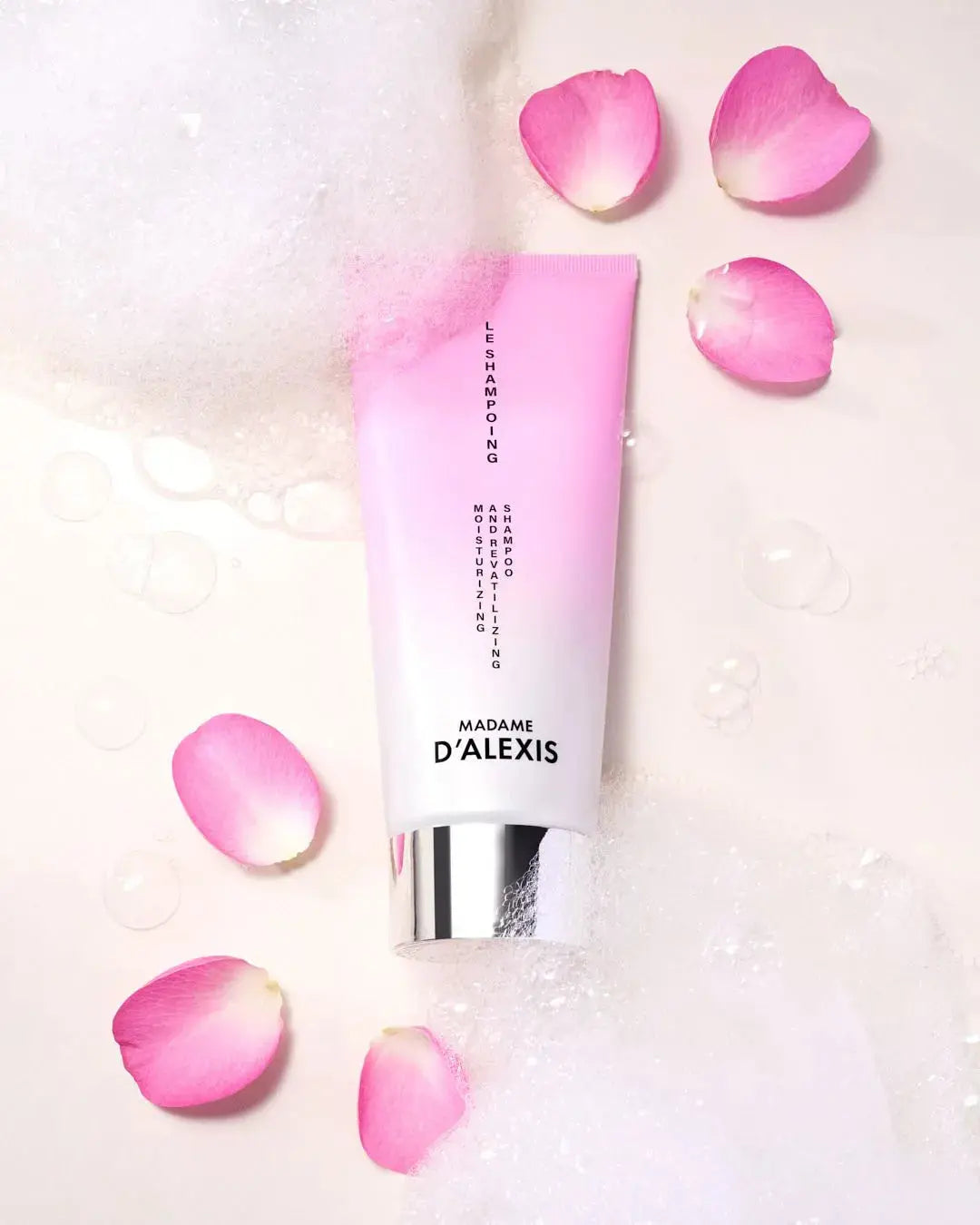
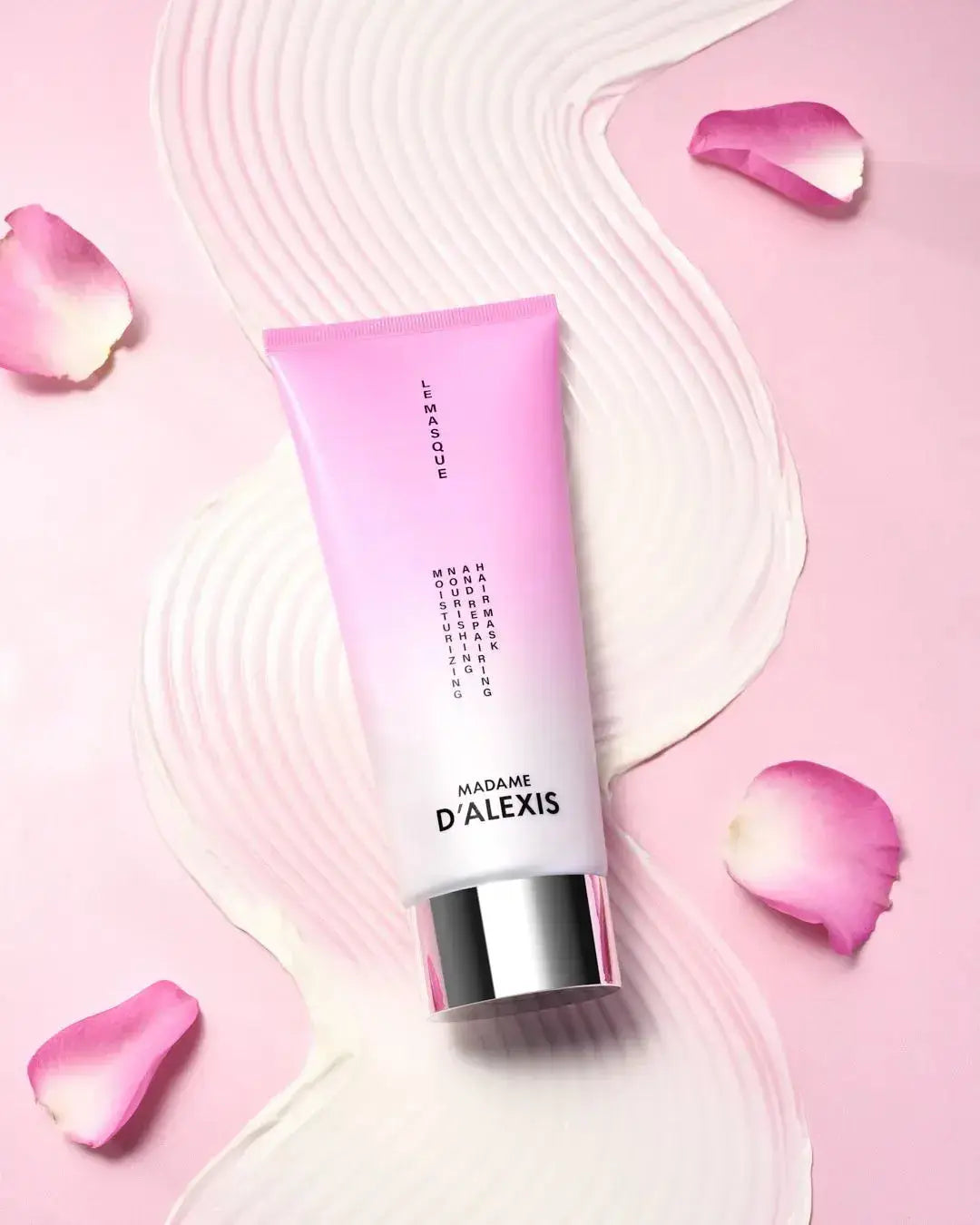
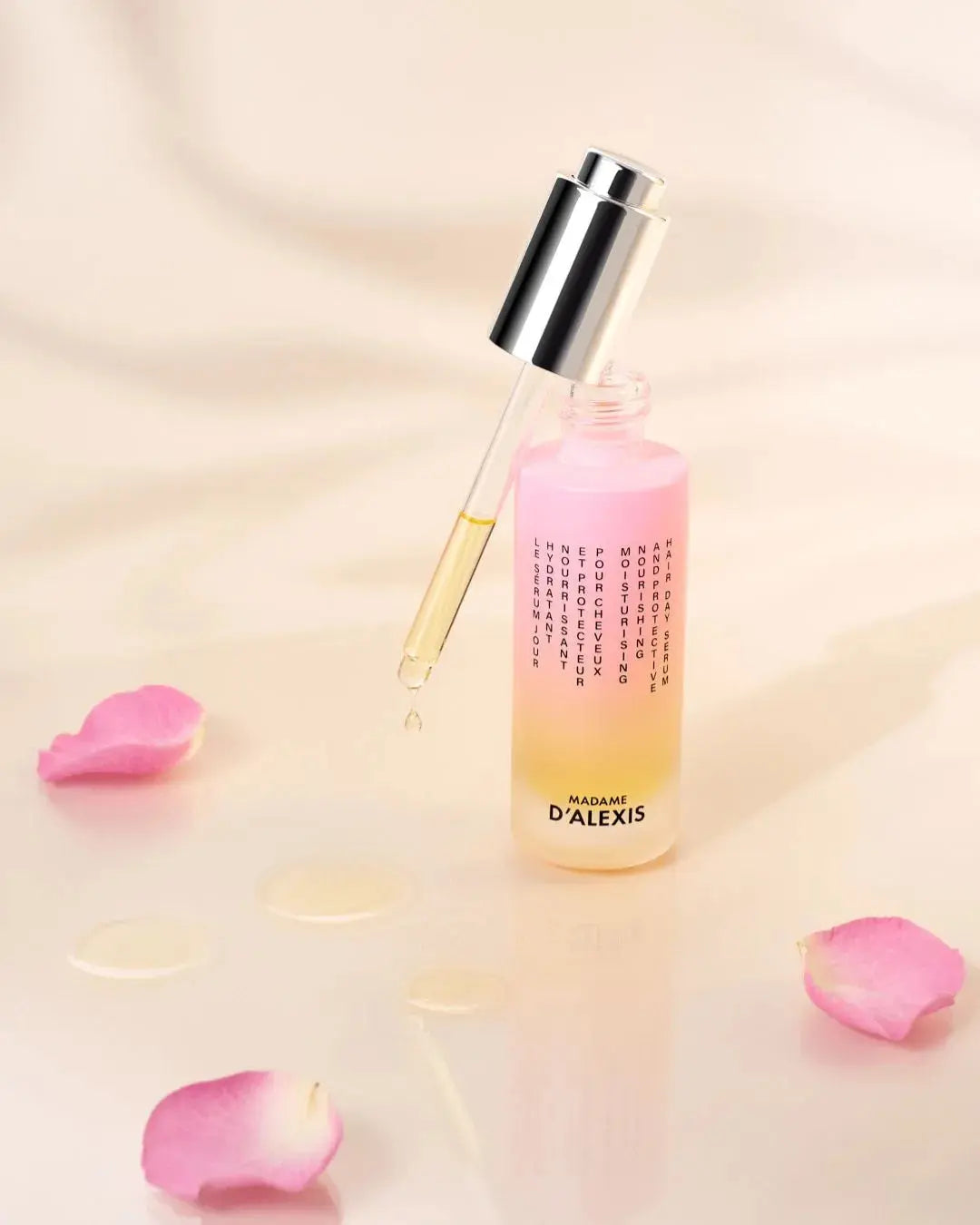
5 telltale signs: Do you have dry hair?
1️⃣ Your hair feels rough to the touch
The most obvious sign: your hair lacks softness. Instead of gliding through your fingers, it gets caught, creates friction, and feels like straw.
This roughness indicates that the cuticle is open and lifted. Normally, the cuticle should be smooth and closed, reflecting light to create shine. When it is open, it exposes the inner layers of the hair shaft, which dry out quickly.
What this means: Your current routine isn't locking in enough moisture. You need a treatment that seals and smooths the cuticle.
2️⃣ Your hair breaks easily
Do you find short strands of hair in your brush? Are your hair strands breaking for no apparent reason? That's a warning sign.
Hair breakage is directly linked to dehydration. When hair fibers lack moisture, they lose their elasticity. Instead of bending without breaking, they snap clean off. This is particularly noticeable at the ends, which are the oldest parts of the hair and the most exposed to damage.
What this means: Your hair needs deep repair and strengthening. Ingredients such as plant-based keratin and ceramides are essential for rebuilding the hair's internal structure.
3️⃣ Your hair is dull and lacks luster
Is your hair lacking its natural shine? Does it look dull and lifeless even after washing?
Shine depends on the condition of the cuticle. When the cuticle is smooth and closed, it reflects light evenly, creating that natural shine. When it is open and dehydrated, the light scatters, resulting in a dull appearance.
What this means: You need a routine that smooths and firms the cuticle. Organic floral waters—especially Damask rose floral water—are known for restoring natural shine.
4️⃣ You have a lot of frizz
Frizz is a sign that a hair strand is trying to absorb moisture from the air because it is dehydrated. It’s a compensatory mechanism: your hair is trying to rehydrate itself by absorbing moisture from the air, which causes those little flyaways.
What this means: Your hair isn't sufficiently hydrated and protected. You need a routine that deeply hydrates AND creates a protective barrier against external moisture.
5️⃣ Your hair lacks elasticity
Try this simple test: Take a strand of damp hair and gently stretch it. If it breaks immediately instead of stretching slightly, it lacks elasticity.
Elasticity depends on the hair's moisture content and internal structure. When hair lacks moisture and the keratin is damaged, it becomes brittle and stiff.
What this means: Your hair needs deep hydration combined with restorative ingredients such ascationic hyaluronic acid and plant-based keratin.
Natural Solutions: Why Organic Hydrosols Are Your Best Friends
Damask Rose Hydrosol: Hydration + Radiance
Rose hydrosol is the champion of hair hydration. Rich in antioxidants and aromatic compounds, it:
- Intensely moisturizes without feeling heavy
- Restores suppleness to the scalp and hair shaft
- Enhances natural shine by smoothing the cuticle
- Soothes irritation thanks to its anti-inflammatory properties
That is why it is the foundation of all Madame d'Alexis skincare products.
Chamomile Hydrosol: Soothing + Repair
Chamomile has been known for centuries for its soothing properties. As a hydrosol, it:
- Reduces scalp sensitivity
- Reduces dryness and breakage by strengthening the hair shaft
- Naturally adds shine to hair
- Creates a healthy environment for growth
Orange Blossom Hydrosol: Toning + Revitalizing
Less well-known but just as powerful, orange blossom hydrosol:
- Stimulates scalp regeneration
- Provides energy to the roots for better growth
- Deeply revitalizes the hair shaft
- Features a subtle, floral scent profile
Why These Hydrosols Are Better Than Regular Water
A conventional shampoo contains demineralized water, which is chemically inert. It merely dilutes the active ingredients and requires more preservatives to remain stable.
Hydrosols, on the other hand, are bioactive. Every drop contains molecules that actually interact with your hair shaft. That’s the difference between a product that cleanses and one that treats.
Our hydrosol-based products for dry hair
Complete Routine for Dry Hair: Madame d'Alexis's Regimen
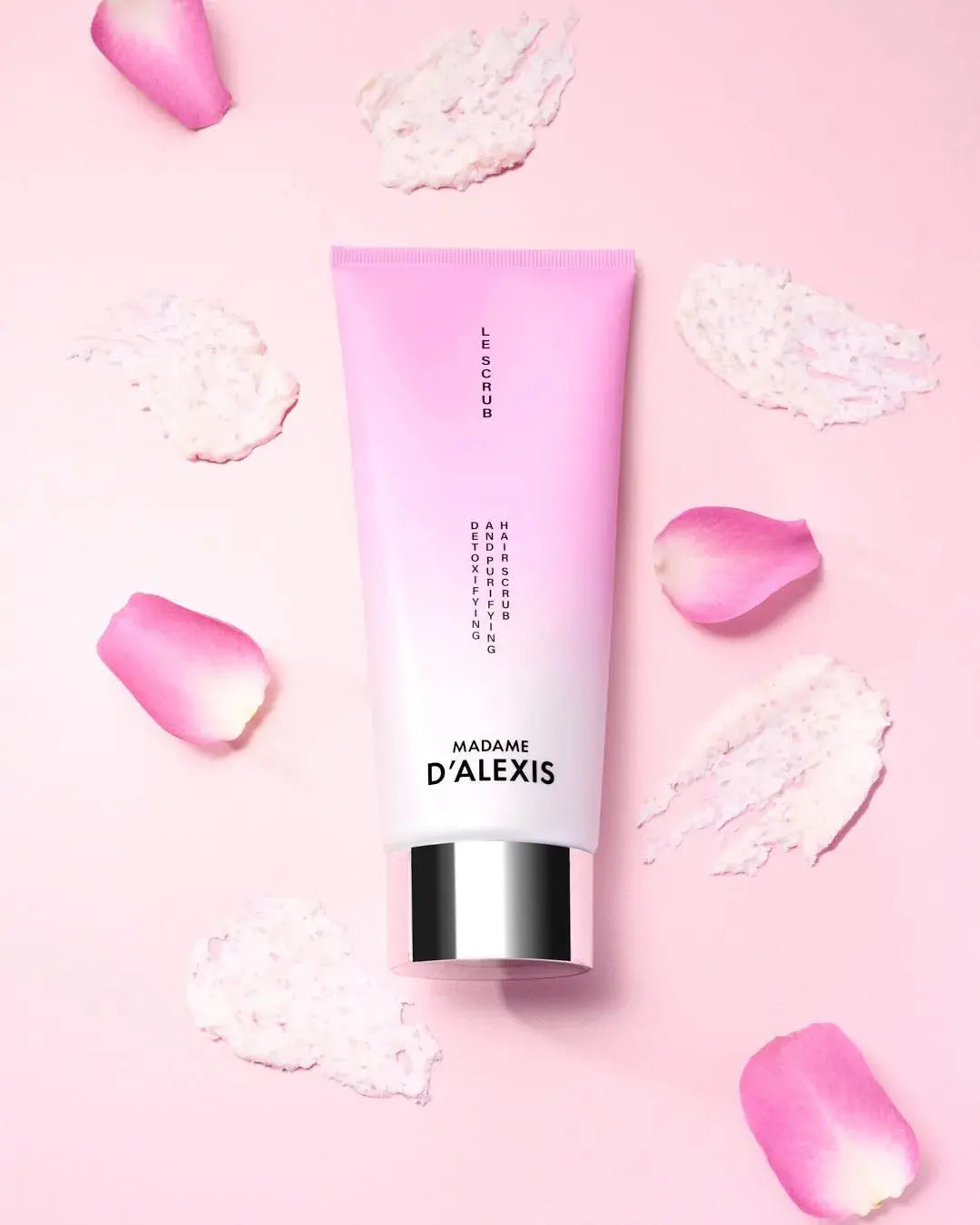
Step 1: Cleanse with the Floral Scrub (1–2 times a month)
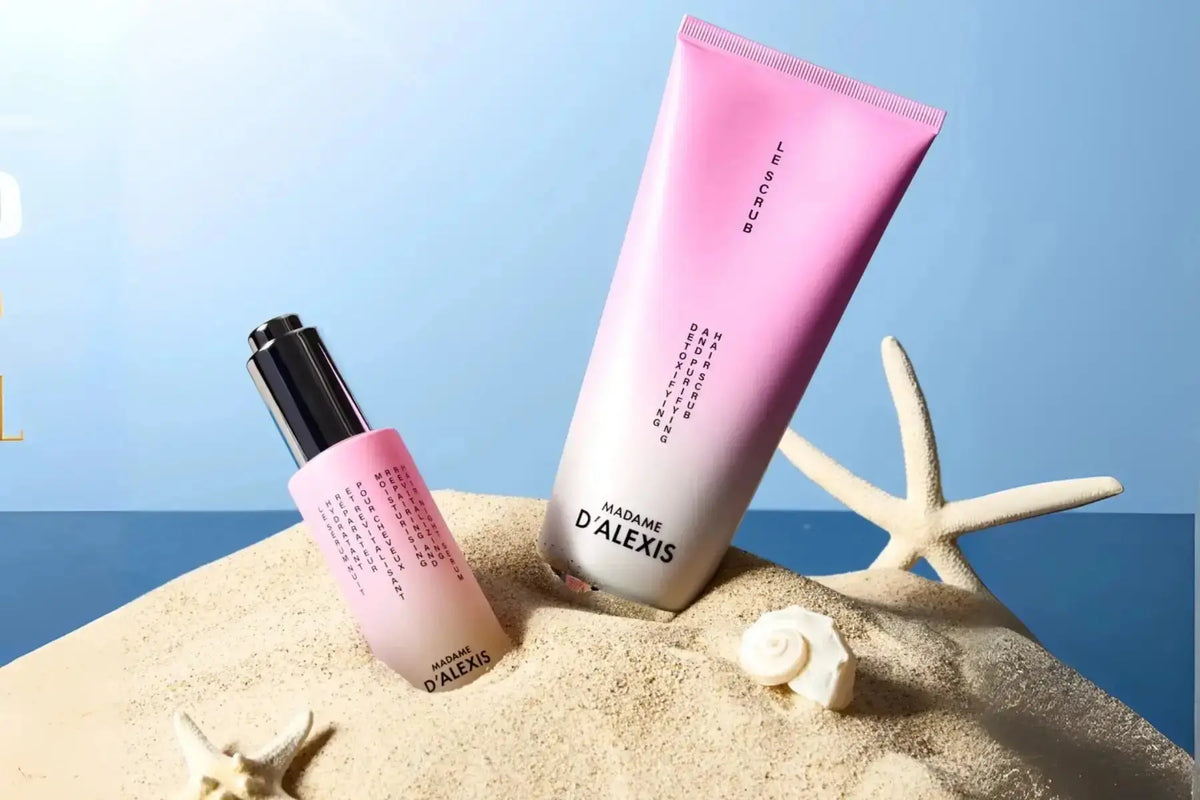
Before starting a moisturizing routine, your scalp needs to be cleansed. The Detoxifying & Purifying Floral Scrub removes residue, pollution, and dead skin cells that block moisture.
How to use it:
- Apply to a thoroughly wet scalp
- Massage gently with your fingertips
- Rinse thoroughly
- Apply twice to replace shampoo
Frequency: every 10 to 15 days, depending on yourneeds. Benefits: a purified, oxygenated scalp, ready to absorb moisture.
Step 2: Cleanse and moisturize with Floral Shampoo (daily or every other day)
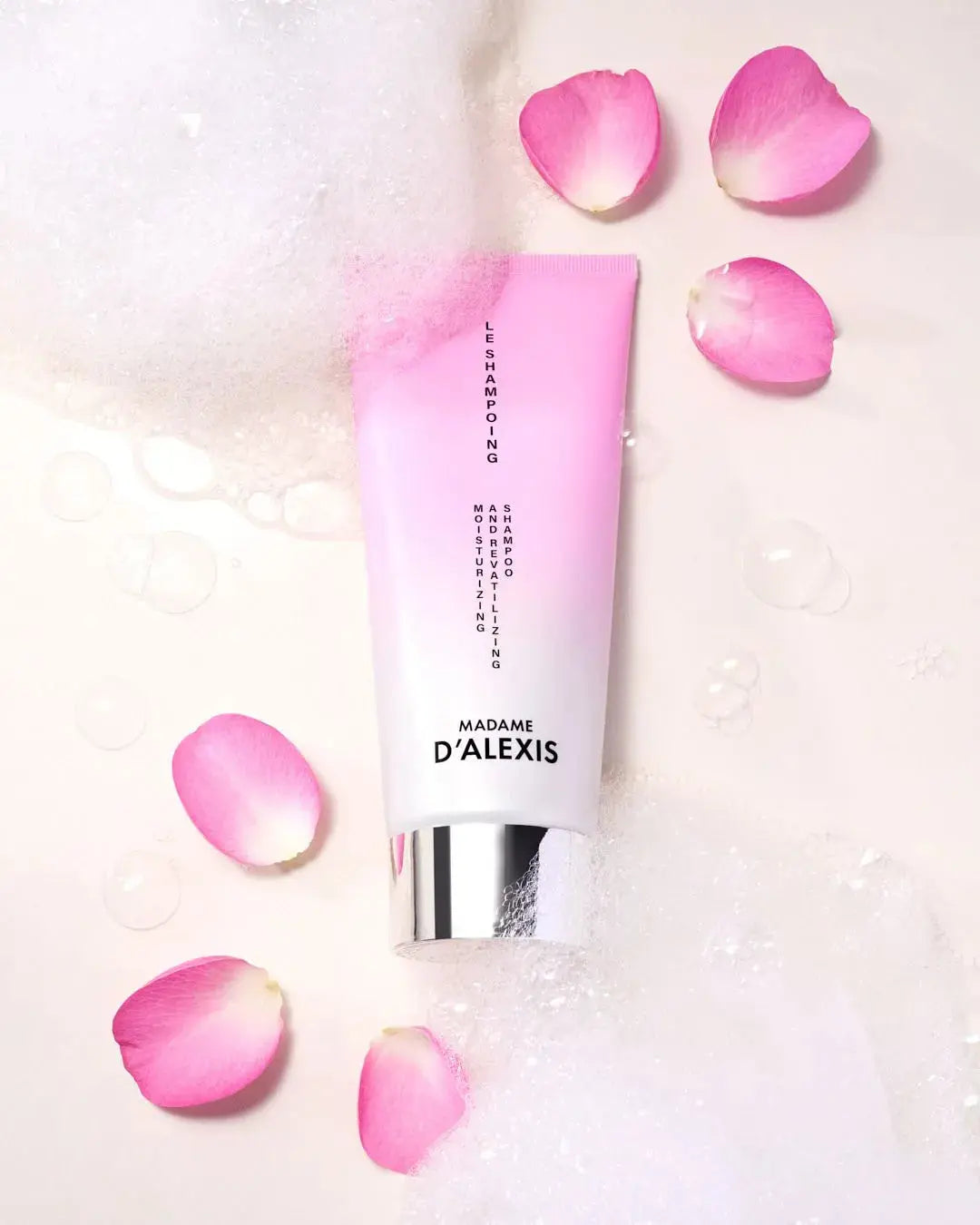
The Hydrating & Revitalizing Floral Shampoo is formulated without added water, using a base of organic hydrosols (rose, chamomile, orange blossom). Unlike conventional shampoos, it does not strip the hair of moisture while cleansing.
Key ingredients:
- Organic hydrosols: moisturize and soothe upon contact
- Cationic hyaluronic acid: deep hydration and immediate plumping
- Prebiotics: nourish the skin's flora and stabilize the microbiome
- Plant-based keratin: strengthens the internal structure and reduces breakage
How to use it:
- Wash your hair twice: the first wash removes impurities, and the second allows the active ingredients to take effect
- Apply to a thoroughly wet scalp
- Gently massage to stimulate circulation
- Add a little water to create lather (the formula without added water lathers when exposed to moisture)
- Rinse very thoroughly to maximize shine
Benefits: intense hydration, soothes the scalp, enhances natural shine
Step 3: Deeply nourish your skin with the Floral Mask (2–3 times a week)
The Hydrating & Nourishing Floral Mask is the centerpiece of your restorative routine. Highly concentrated, it transforms the hair fiber from the very first application.
Key ingredients:
- Organic hydrosols: intensely rehydrate and soothe
- Plant-derived ceramides: restore the natural lipid barrier and reduce breakage
- Cationic hyaluronic acid: deep hydration and plumping
- Orange blossom essential wax: locks in moisture and provides instant shine
- Organic apricot and jojoba oils: nourish the hair shaft and restore suppleness
How to use it:
- Express treatment (2–5 min): Apply to towel-dried hair, leave on briefly, then rinse
- Classic Treatment (5–10 min): Apply after shampooing, let sit, then rinse thoroughly
- Deep Treatment (20–30 min): Apply to dry or damp hair after shampooing, then wrap in a towel
- Intensive treatment (overnight): Apply to dry hair as an overnight treatment once a week
Benefits: long-lasting hydration, deep repair, softer and shinier hair, and protection against breakage
Step 4: Protect and enhance with the Day Serum (daily)
The Hydrating & NourishingDay Serum is your daily routine for protection and shine. It's an ultra-concentrated dry oil that nourishes without weighing hair down.
Key ingredients:
- Organic jojoba oil: deeply nourishes and regulates sebum production
- Plant-derived ceramides: rebuild the lipid barrier and protect against environmental stressors
- Natural heat-protective ingredients: protect hair from heat up to 200°C when using a blow dryer or straightener
- Natural antioxidants: protect against UV rays, pollution, and oxidation
- Orange blossom essential wax: locks in moisture and adds radiance
How to use it:
- Warm 1 to 3 drops between your hands (adjust the amount depending on the length)
- Apply to the lengths and ends of dry or slightly damp hair
- Use before blow-drying for heat protection
- Use as a finishing touch to smooth and enhance shine
- Can be used every day without feeling heavy
Benefits: heat protection, frizz control, instant shine, soft and smooth hair
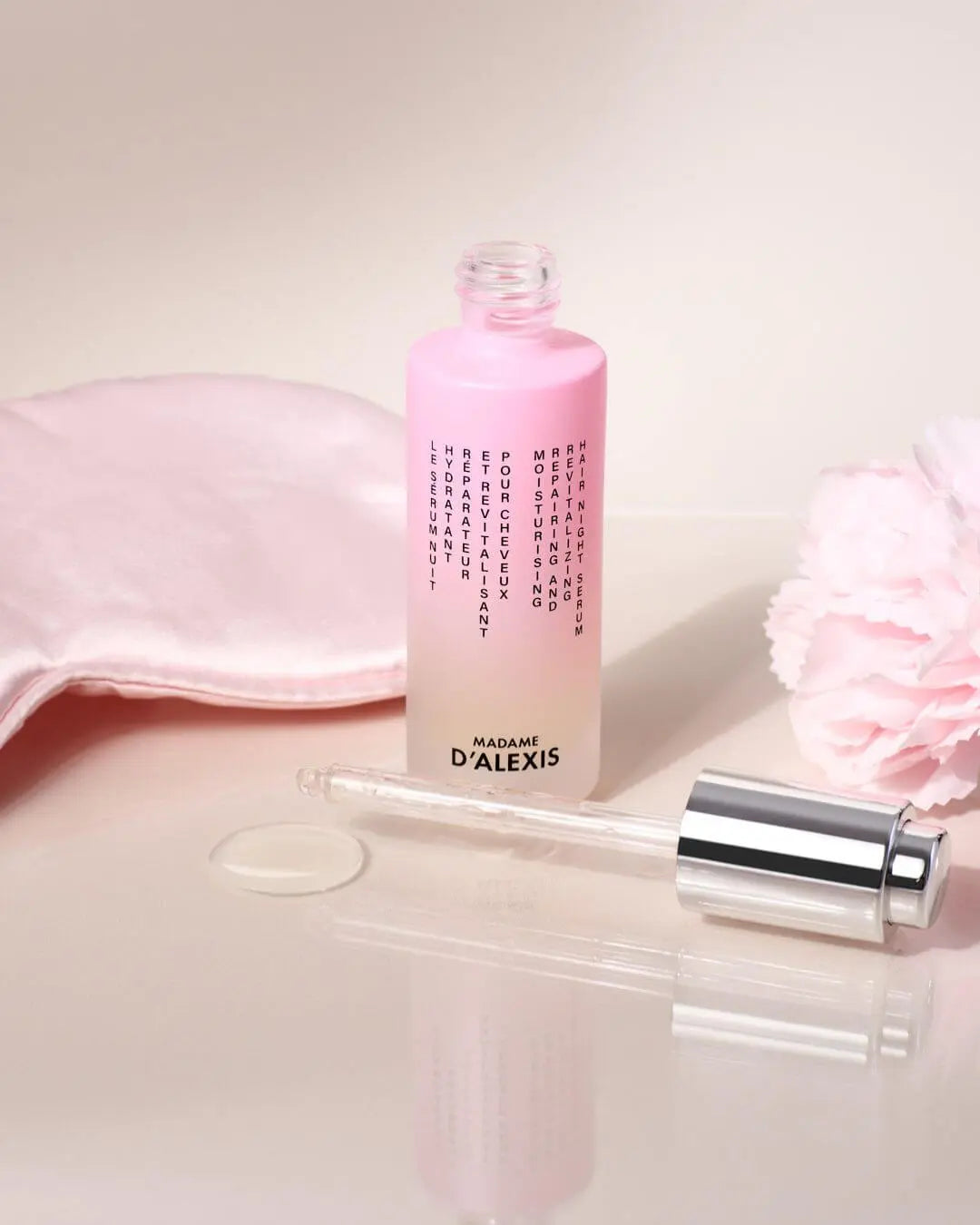
Step 5: Rejuvenate your skin at night with the Night Serum (3–5 times a week)
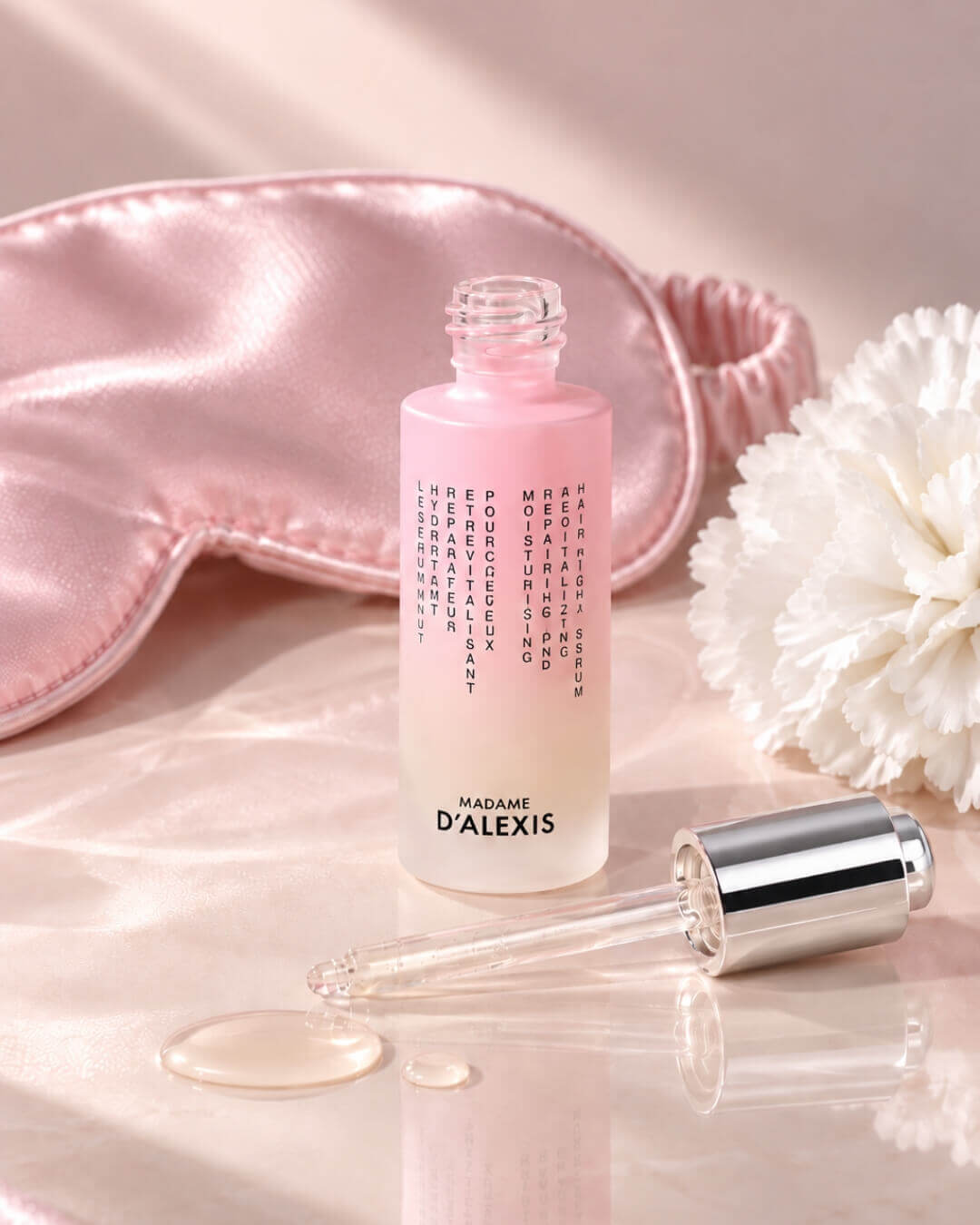
The Repairing & Thickening Night Serum works while you sleep to revitalize the scalp and stimulate hair growth.
Key ingredients:
- Organic hydrosols: moisturize and soothe the scalp
- Cationic hyaluronic acid: deep hydration and root strengthening
- Probiotics and postbiotics: restore balance to the microbiome and reduce inflammation
- Natural ingredients that help prevent hair loss (oak, nettle, licorice): strengthen hair follicles and stimulate growth
- Fermented extracts: improve cellular vitality and nighttime repair
How to use it:
- Apply one pipetteful directly to the scalp in the evening
- Distribute strand by strand
- Gently massage to stimulate microcirculation
- Do not rinse: leave on overnight
- Use 3 to 5 times a week as an intensive treatment, then 1 to 2 times a week for maintenance
Benefits: promotes hair growth, reduces hair loss, soothes and revitalizes the scalp, and results in thicker, healthier hair
Routine for dry and curly hair
How to Moisturize Dry Hair: A Practical Guide
Daily Hydration vs. Deep Hydration
There are two levels of hydration to incorporate into your routine:
Daily Moisturizing (Light and Quick)
- Apply the Day Serum to the mid-lengths and ends
- Apply a moisturizing spray if your hair is very dry
- Duration: 2–3 minutes
- Frequency: daily
Deep Hydration (Intensive and Regenerating)
- Use the Floral Mask 2–3 times a week
- Leave on for 5–30 minutes, depending on your needs
- Combine with the Night Serum for an intensive skincare routine
- Frequency: 2–3 times a week
The Best Products for Moisturizing Dry Hair
Organic hydrosols: the foundation of effective hydration
- Damask Rose Hydrosol: Hydration + Radiance
- Chamomile Hydrosol: Soothing + Repair
- Orange Blossom Hydrosol: Toning + Revitalizing
These hydrosols are 100% bioactive, unlike regular water. Every drop contains molecules that actually interact with your skin fibers.Cationic hyaluronic acid: the ultimate moisturizing ingredient
- Deep and Targeted Hydration
- Instantly plumps the hair shaft
- Protects against dehydration
- Improves elasticity
Premium Oils: Nutrition and Protection
- Organic jojoba oil: deeply nourishes, regulates sebum, and leaves skin soft and radiant
- Organic apricot oil: restores the lipid barrier, strengthens the hair shaft
- Organic coconut oil: deeply nourishes, enhances softness and shine
Shea butter: intense and long-lasting nourishment
- Rich in fatty acids and vitamins
- Deeply nourishes the hair
- Creates a protective barrier
- Ideal for very dry and damaged hair
Plant-derived ceramides: restoration of the natural barrier
- Restore the damaged lipid barrier
- Strengthen hair and reduce breakage
- Lock in moisture
- Improve the overall texture
Oil Baths: The Ultimate Intensive Treatment
An oil treatment is one of the best treatments for dry and damaged hair.
How to make an oil bath:
- Preparation: Mix 2–3 tablespoons of jojoba or apricot oil with a few drops of the Day Serum
- Apply: to dry hair, focusing on the mid-lengths and ends
- Leave on for at least 20–30 minutes (or overnight for an intensive effect)
- Rinse: Use the Floral Shampoo twice to completely remove the oil
Frequency: 1–2 times a week, depending on the condition of yourhair. Results: deeply nourished hair, strengthened hair fibers, and long-lasting shine.
Leave-in treatment: daily protection
The Day Serum is your best ally for daily leave-in care.
Advantages:
- Apply to dry or damp hair
- No need to rinse
- Protects against heat (up to 200°C)
- Controls frizz
- Provides instant shine
When to use it:
- Before blow-drying or straightening
- Finishing after drying
- On damaged or split ends
- Every day without weighing you down

Care Tips: Protecting Your Dry Hair Every Day
1. Space out your shampooing
Why: Every time you wash your hair, you strip away the natural oils that protect it. Too many shampoos = drier hair.
Recommendation: No more than 2–3 shampoos per week for dry hair
Tip: Use dry shampoo between washes to absorb oil without damaging the hair shaft
2. Avoid using heating tools
The enemies of your dry hair:
- Hair dryer set to too high a temperature
- Hair straightener without a protective cover
- Curling iron used daily
- Prolonged exposure to the sun
Solutions:
- Use a heat-protective product before using any heated styling tool
- Lower the temperature on your hair dryer
- Let your hair air-dry whenever possible
- Apply the Day Serum before blow-drying
3. Apply a heat-protective treatment
The Day Serum provides natural heat protection up to 200°C.
How to use it:
- Apply 1–3 drops to the mid-lengths and ends
- Before using any heating tool (hair dryer, straightener, curling iron)
- Let it soak in for a few seconds
- Style the hair
4. Get your hair trimmed regularly
Why: Split ends spread upward, making the entire length drier and more brittle.Recommendation: Trim 1–2 cm every 6–8weeks. Benefits:
- Eliminates damaged ends
- Helps the fiber regenerate
- Improves overall appearance
- Facilitates styling
5. Protect Your Hair from the Sun
Sun exposure dehydrates and damages the hair shaft.Solutions:
- Wearing a hat or a scarf in the summer
- Use a UV-protective spray before going to the beach
- Apply the Day Serum, which contains natural antioxidants
- Rinse with fresh water after going to the beach (salt water dries out the skin)
6. Avoid using water that is too hot
Why: Hot water opens the cuticle and promotes the evaporation of moisture.
Recommendation: Use lukewarm or cold water for the final rinse
Benefit: Seals the cuticle and enhances shine
7. Eat a balanced diet
Your hair's health starts from the inside.
Foods to prioritize:
- Omega-3 fatty acids: fish, nuts, flaxseeds (nourish the fiber)
- Proteins: eggs, meat, legumes (which make up keratin)
- B vitamins: whole grains, yeast (promote growth)
- Iron and zinc: red meat, oysters (help prevent hair loss)
- Vitamin C: citrus fruits, berries (natural antioxidants)
Results: Stronger, shinier hair and optimized growth
8. Managing Stress
Why: Stress affects the scalp's microbiome and can increase hair loss.Solutions:
- Yoga, meditation, regular exercise
- Adequate sleep (7–8 hours)
- Scalp massage (stimulates circulation)
- Use the Night Serum to soothe and regenerate your skin
Summary: Essential Products for Dry Hair
Madame d'Alexis Product Comparison Chart
|
Product |
Main function |
Key assets |
Frequency |
Leave-in time |
|---|---|---|---|---|
|
Floral Scrub |
Scalp Purification |
Organic hydrosols, fleur de sel, cationic hyaluronic acid |
1–2 times a month |
5–10 min |
|
Floral Shampoo |
Cleansing + Moisturizing |
Organic hydrosols, cationic HA, prebiotics |
Full-time or part-time |
2-3 min |
|
Floral Mask |
Deep repair |
Organic hydrosols, ceramides, cationic hyaluronic acid, premium oils |
2-3x/week |
5–30 min |
|
Day Serum |
Protection + Shine |
Jojoba oil, ceramides, heat-protective active ingredients |
Daily |
No rinse needed |
|
Night Serum |
Scalp Regeneration |
Organic hydrosols, cationic HA, probiotics, hair loss-preventing active ingredients |
3–5 times a week |
No rinse needed |
Composition: What Makes the Difference
Madame d'Alexis vs. Conventional Shampoos:
|
Appearance |
Classic shampoo |
Madame d'Alexis |
|---|---|---|
|
Aqueous phase |
60–90% inert water |
100% Organic Active Hydrosols |
|
Hydration |
Diluted, not very effective |
Concentrated, bioactive |
|
Skincare Ingredients |
None |
Hyaluronic acid, ceramides, probiotics |
|
Composition |
Often contain sulfates and silicones |
98–99% natural, free of controversial ingredients |
|
Results |
Short term |
Sustainable and progressive |
|
Manufacturing |
Industrial |
Small-batch productions in Brittany |
Assessing Your Needs
- Very dry and brittle hair → Start with Shampoo + Mask + Day Serum
- Dry hair with an irritated scalp → Add the Night Serum
- Dry, Dull Hair → Prioritize the Shine-Boosting Mask
- Dry, frizzy hair → Use the Daily Serum every day
- Very Damaged Hair → Complete Routine: Scrub + Shampoo + Mask + Serums
Tip: Start with a simple routine (shampoo + hair mask) and gradually add other products based on your results.
Expected Results: A Realistic Timeline
Weeks 1–2
-
✅ Hair that feels softer to the touch
-
✅ Instant radiance after using the mask
-
✅ Reduced frizz
-
✅ Soothed scalp
Weeks 3–4
-
✅ Visibly long-lasting hydration
-
✅ Hair is less prone to breakage
-
✅ Improved elasticity
-
✅ Overall texture transformed
Weeks 5–8
-
✅ Reinforced and repaired fiber
-
✅ Long-lasting, natural shine
-
✅ Optimized growth (when used with the Night Serum)
-
✅ Visibly healthier and more vibrant hair
FAQ: Your Questions About Dry Hair
How long before I see results?
A: Results are visible after just a few uses (softness, shine). Long-lasting hydration and deep repair take 3–4 weeks with a regular routine.
Can I use all the products at the same time?
A: No, build your routine gradually. Start with the Shampoo + Mask, then add the Day Serum. The Night Serum and the Scrub are optional additions, depending on your needs.
Can dry hair become oily with this routine?
A: No. Madame d'Alexis's hydrosols and active ingredients are balancing. They moisturize without weighing hair down. If you have oily roots and dry ends, adjust how you apply the products: Shampoo + Mask on the ends only.
Can I use this routine if I have a sensitive scalp?
A: Yes, it's actually recommended. Organic hydrosols (rose, chamomile) and probiotics soothe sensitive scalps. The formula, which contains no added water, reduces irritation caused by harsh surfactants.
How can I tell if my hair is really dry or just dehydrated?
A: Dry hair lacks natural sebum (a scalp issue). Dehydrated hair lacks water (a hair fiber issue). Madame d'Alexis addresses both: hydrosols for hydration, and premium oils for sebum.
Can I use this routine on colored hair?
: Absolutely. This routine is ideal for color-treated hair, which is naturally drier and more porous. The hydrosols and reparative active ingredients help the color last longer.
Is it really necessary to shampoo twice?
A: Yes, especially with a formula that contains no added water. The first shampoo removes impurities, while the second allows the active ingredients (hydrosols, hyaluronic acid, prebiotics) to work to their full potential.
Can I leave the mask on overnight?
A: Yes, it's even recommended once a week for an intensive treatment. Apply to dry hair, wrap it in a towel, and leave it on overnight.
What's the difference between a moisturizing mask and a repairing treatment?
A: A hydrating mask (such as the Floral Mask) provides water and hydrophilic active ingredients to rehydrate the hair shaft. A reparative treatment strengthens the internal structure with active ingredients like keratin and ceramides. Ideally, you need both: hydration and repair.
Can I use an oil treatment if I have fine hair?
A: Yes, but use it sparingly. Use less oil (1 tablespoon instead of 3) and focus on the lengths and ends. The Day Serum is a better option for fine hair because it’s a dry oil that doesn’t weigh hair down.
How can I tell if my hair is really damaged or just dry?
A: Dry hair lacks moisture, but its structure is intact. Damaged hair has gaps in the cuticle, visible split ends, and a brittle texture. Madame d'Alexis treats both: hydration and structural repair.
Is organic and natural shampoo really better?
A: Yes, for dry hair. Conventional shampoos often contain harsh sulfates that strip the hair of moisture. Organic and natural shampoos (such as Floral Shampoo) are gentler and contain beneficial active ingredients like organic hydrosols.
How long does a moisturizing treatment last?
A: It depends on the severity of the dryness. For mild dryness: 3–4 weeks. For moderate dryness: 6–8 weeks. For severe dryness: 8–12 weeks. Continue with the maintenance routine afterward to maintain the results.
Can I mix Madame d'Alexis products with other brands?
A: Technically, yes, but it's not recommended. Madame d'Alexis products are formulated to work together synergistically. Mixing them with other brands may reduce their effectiveness. For best results, use the complete routine.
What's the best product for split ends?
A: TheDay Serum is ideal for split ends because it nourishes, protects, and locks in moisture. Apply 1–2 drops to the ends after each wash. However, the best solution is still to get regular trims (every 6–8 weeks).
Can dry hair be caused by a poor diet?
A: Yes, absolutely. A diet low in fatty acids, protein, and vitamins directly affects the health of your hair. Choose foods rich in omega-3s, protein, and B vitamins to improve the health of your hair from the inside out.
Can I use the Night Serum even if I don't have a hair loss problem?
A: Yes! The Night Serum isn't just for hair loss. It moisturizes, soothes, and revitalizes the scalp for all hair types. It's an excellent addition to your nighttime routine for intensive hydration.
How can I tell if my scalp is dry or oily?
A: Dry scalp: itching, dry dandruff, tight feeling. Oily scalp: excessive shine, oily dandruff, hair that gets oily quickly. Madame d'Alexis treats both conditions with balancing organic hydrosols.
Can this routine be used during pregnancy?
A: Yes, all Madame d'Alexis products are formulated with 98–99% natural ingredients and contain no controversial ingredients. However, please consult your doctor if you have any specific concerns.
When is the best time to apply the Day Serum?
A: Ideally, after your hair has dried. Apply 1–3 drops to the mid-lengths and ends. You can also apply it before blow-drying for heat protection. Use daily—it won’t weigh your hair down.
Are organic hydrosols really more effective than regular water?
A: Yes, scientifically speaking. Hydrosols contain aromatic molecules, minerals, and antioxidants that actually interact with the skin’s fibers. Regular water is chemically inert and merely dilutes the active ingredients. That’s the difference between a product that cleanses and one that treats.
How to moisturize dry hair?
A: To provide long-lasting moisture to dry hair, it’s essential to follow a tailored routine that combineshydration with intensenourishment.
Start by using a moisturizing mask once or twice a week to replenish moisture in the hair shaft. Active ingredients such as hyaluronic acid, floral hydrosols, or products containing shea butter are particularly effective at restoring moisture.
Oil treatments are also an excellent ritual.Argan oil or jojoba oil help nourish the hair shaft and prevent dryness.
A complete routine should include:
• a moisturizing hair treatment
• a moisturizing, restorative mask
• a leave-in repair treatment
• occasional oil treatments
The goal is to deliver water to the hair shaft and then seal in that moisture with lipids to prevent it from evaporating.
What causes dry hair?
A: Dry hair is usually caused by alack of moisture in the hair shaft or insufficient sebum production by the scalp.
Several factors can exacerbate this drought:
• Washing hair too frequently with harsh shampoos
• Chemical damage caused by bleaching or hair treatments for dry hair
• Repeated use of harsh hair dyes
• Using styling tools set to excessively high temperatures
• Prolonged sun exposure
• Pollution and environmental damage
All of these factors weaken the hair cuticle and cause the water in the hair shaft to evaporate. As a result, the hair becomes coarse, dull, and more brittle.
What are the best treatments for dry and damaged hair?
A: Dry, damaged hair needs acomprehensive hair care routine that combines hydration, repair, and protection.
An effective routine may include:
• an organic and natural shampoo that cleanses without stripping the hair
• a moisturizing or reparative mask applied regularly
• a conditioner to smooth the hair shaft and make styling easier
• a leave-in treatment to protect the lengths every day
• natural hair care products rich in plant oils and reparative active ingredients
Proper hair care involves combining several complementary steps. Some people also choose a favorite product that they apply daily to the lengths of their hair to maintain softness and shine.
How to repair dry hair?
A: Repairingdry, brittle hair requires a moisturizing treatment that can penetrate deep into the hair shaft.
The goal is to repair the hair's structure while restoring its moisture levels.
To do this, it is recommended that you:
• Apply a restorative treatment regularly
• Use a moisturizing treatment rich in nourishing ingredients
• Choose formulas that deeply nourish the hair
With the right routine, hair gradually becomes more supple, stronger, and less prone to breakage. The results are particularly noticeable on long hair, which is often the most prone to dehydration.
The key is consistency: moisturizing, nourishing, and protecting the hair shaft over time.
What are some tips for caring for dry hair?
A: Caring for dry hair mainly involvessimple steps that you can incorporate into your hair care routine.
The most effective recommendations are:
• Space out shampooing to preserve natural oils
• Avoid using heat-styling tools too often
• Apply a heat-protective product before blow-drying
• Trim your hair regularly to remove damaged ends
It is also important to nourish the hair shaft with appropriate hair care products and to protect the hair from external aggressors such as the sun and pollution.
With a consistent routine and a few daily adjustments, dry hair will gradually regain its softness, shine, and strength.
Discover the complete routine
Ready to transform your dry hair into hydrated, shiny, and resilient hair?
Discover the Dry Hair Collection →
Every Madame d'Alexis product is formulated without added water, using a base of organic hydrosols and skincare active ingredients. Concentrated effectiveness, visible results from the very first use, made in France in Brittany.
Your hair deserves more than a lackluster routine. It deserves an active routine.